

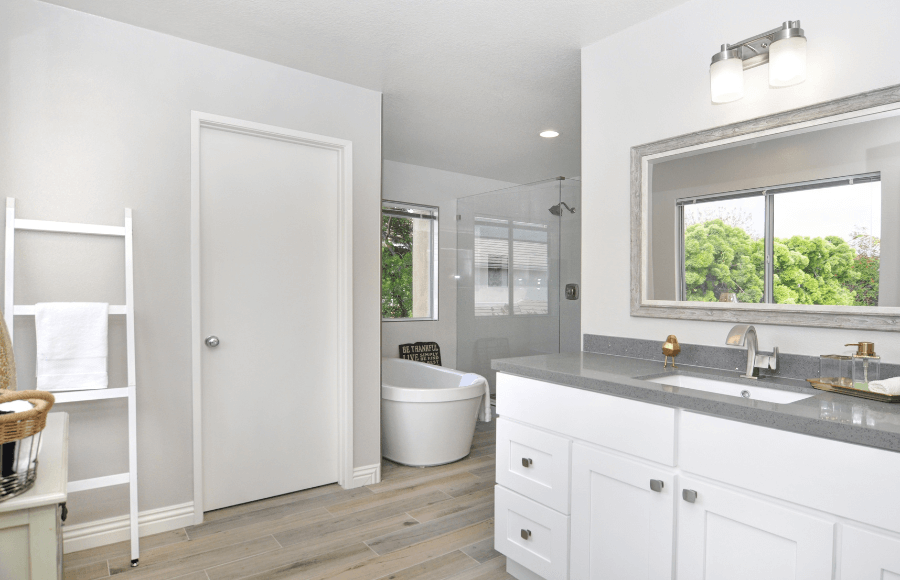
Home remodeling can be an exciting, yet overwhelming process. Whether you’re upgrading your kitchen, adding a new room, or revamping the entire house, proper planning is crucial. This checklist will help you navigate each stage of your renovation project with confidence, ensuring you stay on track and avoid costly mistakes.
Planning Your Remodel
The first step in any home remodeling project is careful planning. Start by identifying your goals—what do you want to achieve with your remodel? Is it improving functionality, updating the aesthetic, or increasing the home’s value?
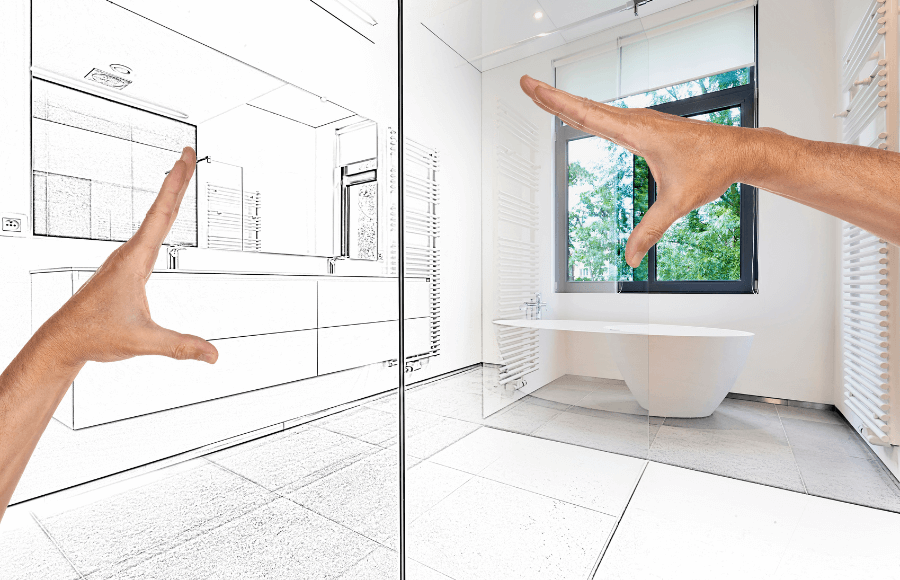
Once you’ve set clear goals, create a vision for the space and sketch out your ideas. This is also the time to research different design styles and materials to help guide your choices later.
Establishing a Budget
Once you’ve defined your goals, it’s time to establish a budget. Consider all aspects of the project, from materials and labor costs to permits and unexpected expenses.
It’s wise to set aside a contingency fund (typically 10-15% of your total budget) for surprises that may arise during the renovation. Be realistic about what you can afford and prioritize your must-haves over nice-to-haves.
Permitting and Legal Requirements
Before any physical work begins, check with your local authorities to determine if you need any permits. Certain remodeling projects, like structural changes or electrical work, require official approval.
Be sure to understand the building codes and regulations in your area, as failing to secure the proper permits can result in fines or delays. Some contractors may handle this process for you, but it’s important to stay informed.
Recommended Reading: Whole House Customization: The Ultimate Guide
Hiring Contractors or DIY
Decide whether you’ll be hiring professionals or taking the DIY route. Complex projects, such as plumbing or electrical work, often require a licensed contractor, while simpler tasks like painting or installing new fixtures can be handled on your own.
If you choose to hire contractors, make sure to get multiple quotes, check references, and review their previous work to ensure they’re a good fit for your project.
Selecting Materials and Designs
Next, you’ll need to select the materials and design elements for your remodel. Research different options for Marble flooring, countertops, cabinetry, bedroom light fixtures, and paint.
Be mindful of durability, style, and functionality. You’ll also want to think about how your choices will work together to create a cohesive look. Stay within your budget, but don’t compromise on quality when it comes to essential items.
Scheduling the Project
Develop a realistic timeline for your renovation. Factor in the time needed for ordering materials, waiting for permits, and scheduling contractors.
Make sure to allow for some flexibility, as delays are common in remodeling projects. Set a start and end date, and outline key milestones along the way to help keep the project on track.
Demolition and Preparation
Once all the planning is complete, it’s time to start the physical work. Demolition is often the first step, whether it’s removing old cabinets, flooring, or walls.
Make sure the space is prepped for the new construction, ensuring everything is properly cleaned and cleared. Keep safety top of mind, especially if you’re handling demolition on your own.
Construction and Installation
The construction phase is where the bulk of the work happens. This is when walls go up, electrical systems are installed, and new features like cabinets or countertops are placed.
Whether you’re working with contractors or doing it yourself, it’s important to stick to your timeline and keep track of progress. Regularly check in to ensure the work is being done as planned.
Final Touches and Inspections
Once the major construction work is completed, it’s time to focus on the finishing touches. This includes painting, installing light fixtures, and adding any custom elements like shelving or hardware.
Don’t forget to schedule a final inspection, especially if you’ve made major structural changes or added new plumbing or electrical systems. Inspections will ensure that everything is up to code and safe to use.
Enjoying Your New Space
After all the hard work and planning, it’s time to enjoy your newly remodeled space! Take a moment to appreciate the transformation and make the space your own.
Whether you’re entertaining guests or simply relaxing, the final result will be a reflection of your vision and effort. Remember to maintain your remodeled areas to ensure they stay in great condition for years to come.
Recommended Reading: Living Room Renovation Ideas
Conclusion
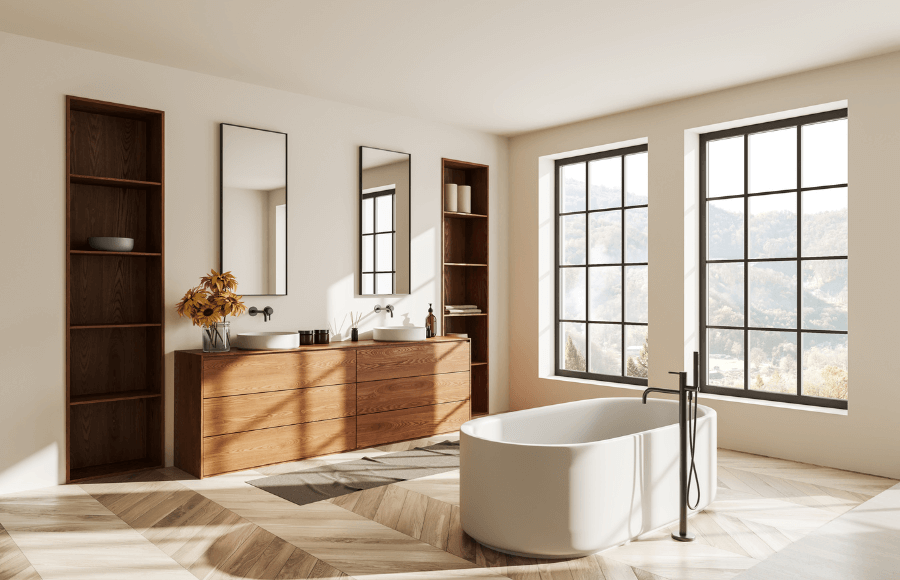
By following these steps, you can ensure a smooth and successful home remodeling project. Careful planning, budgeting, and staying organized throughout the process will help you achieve the results you desire.
With the right approach, your renovation can be a rewarding experience that adds both value and beauty to your home.