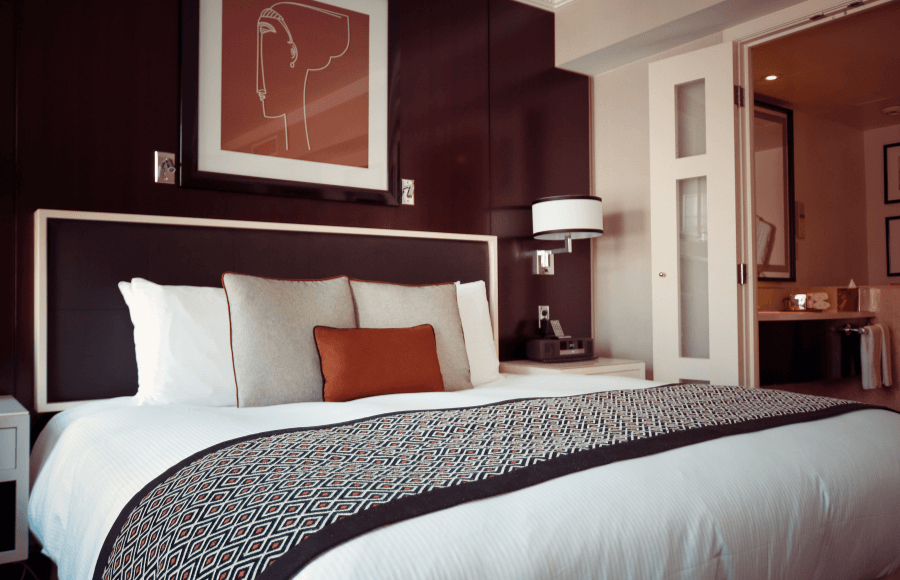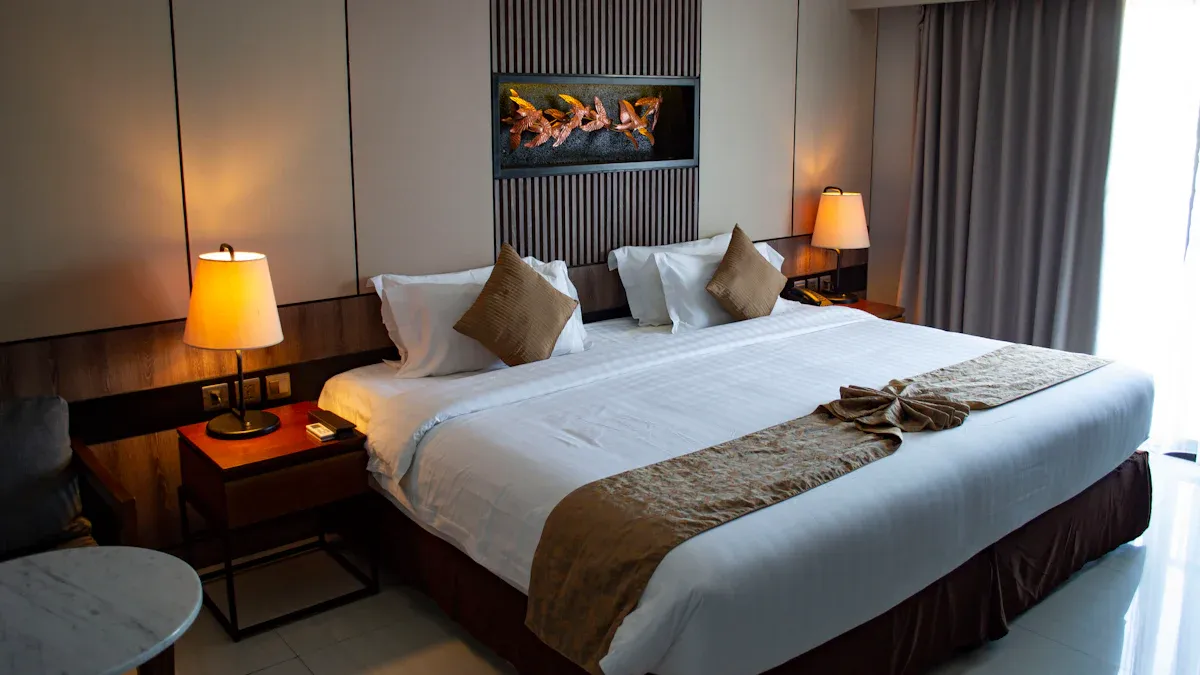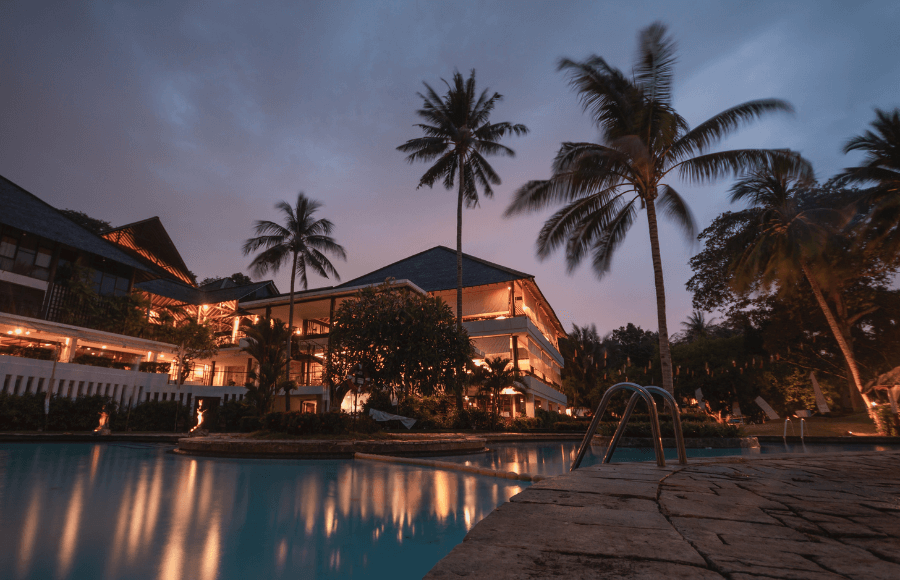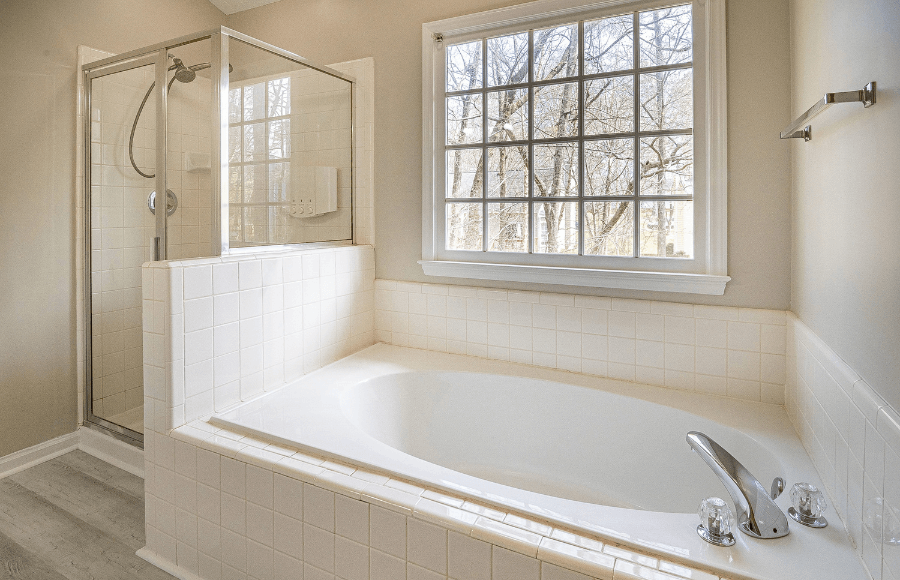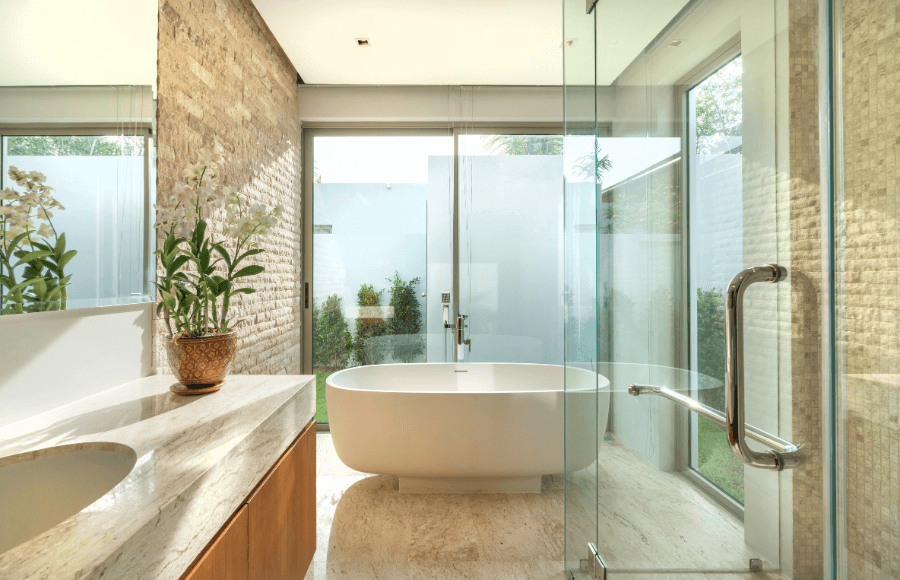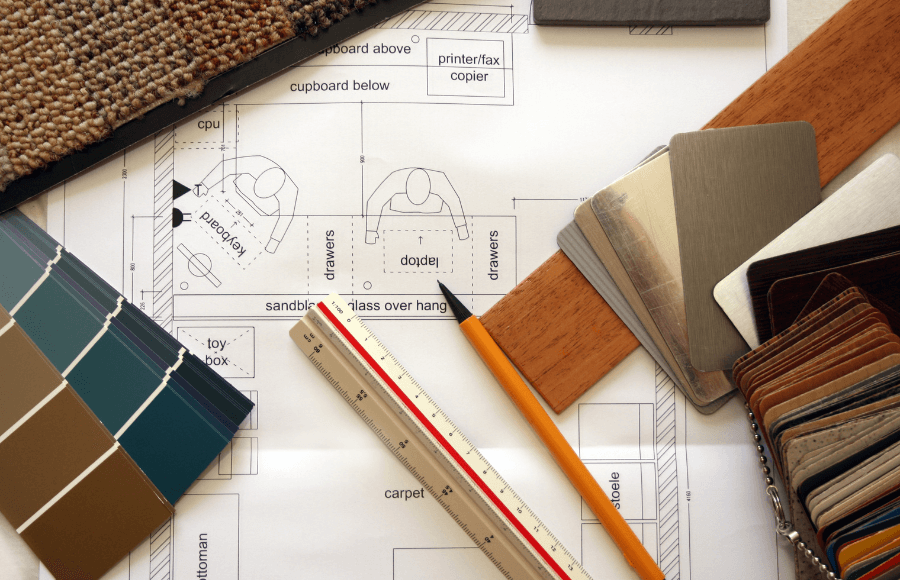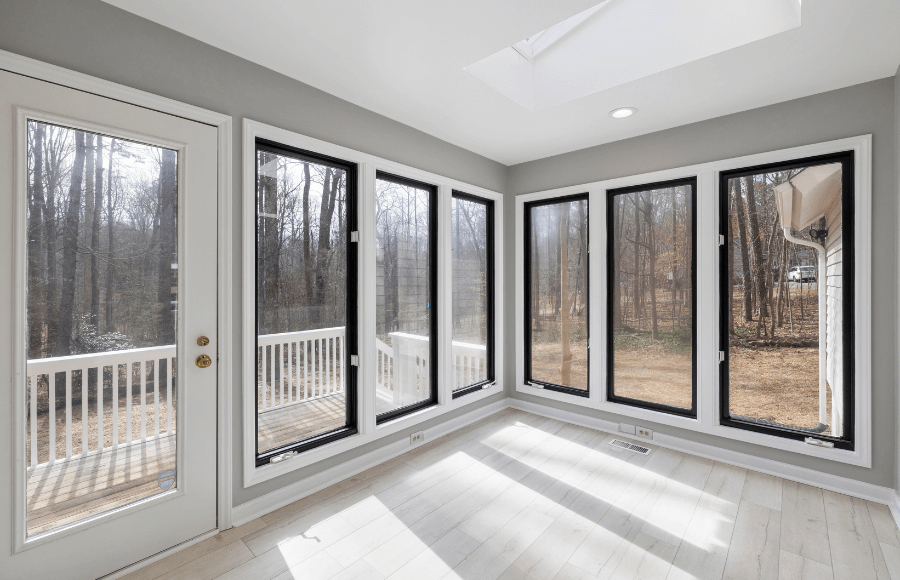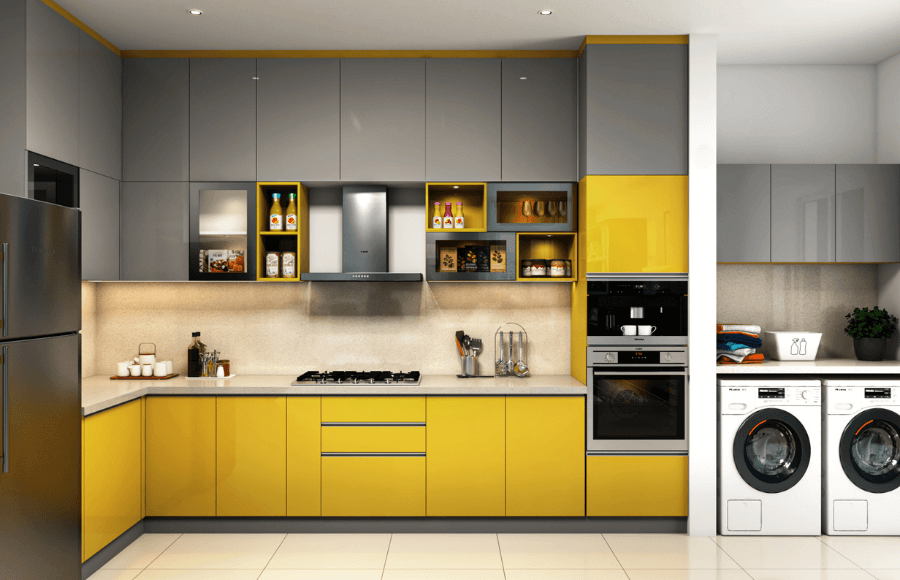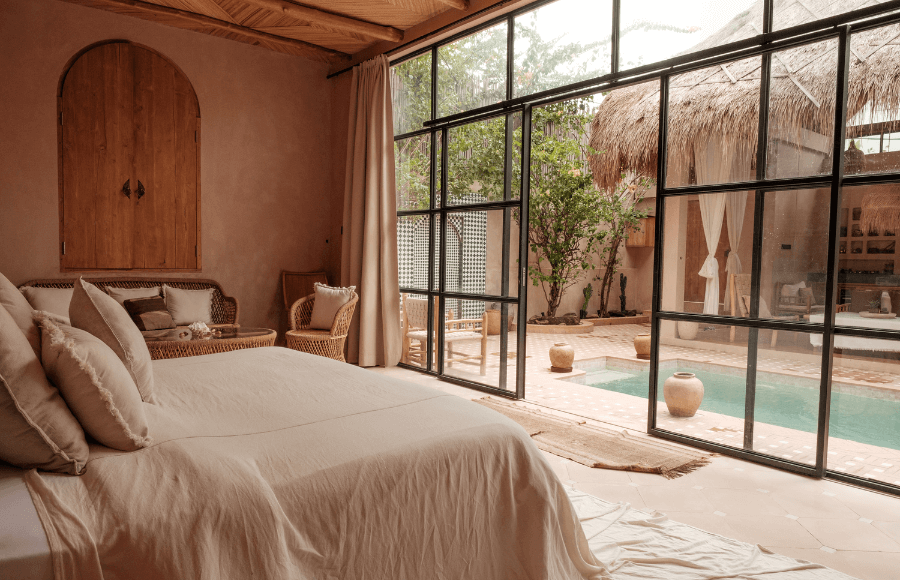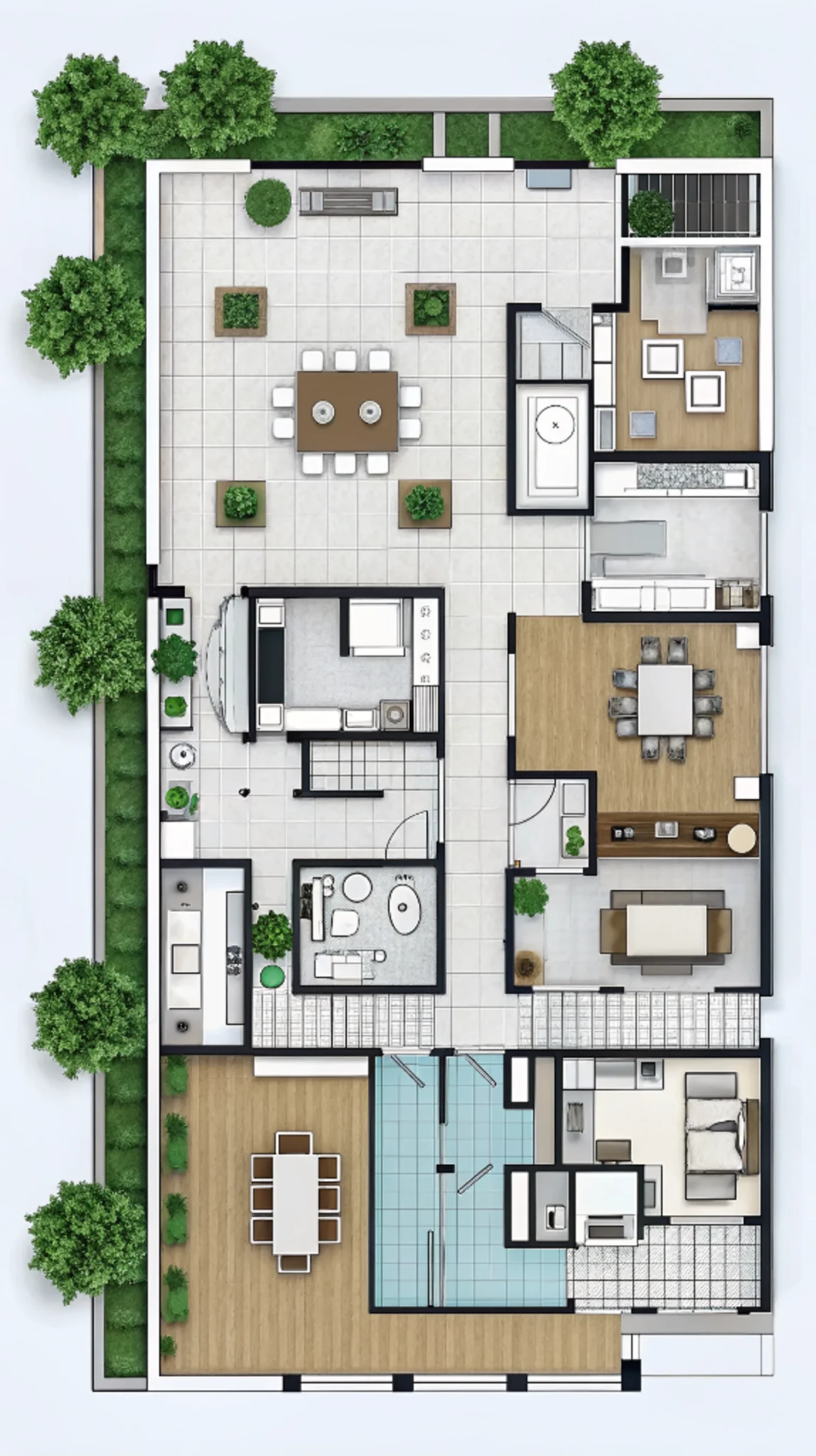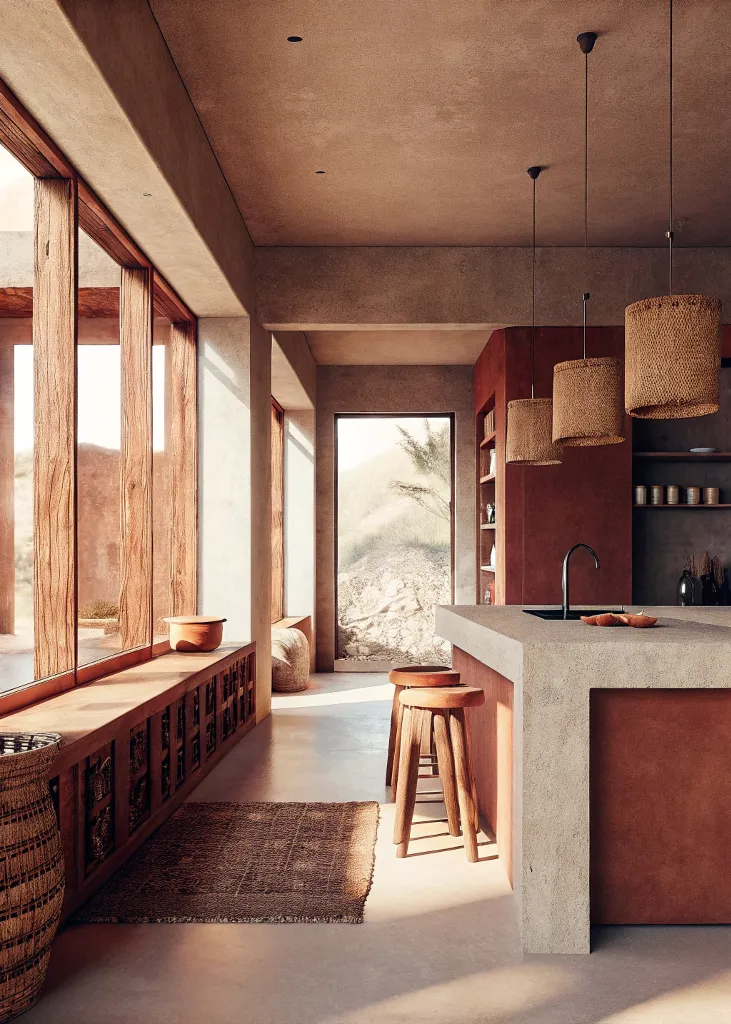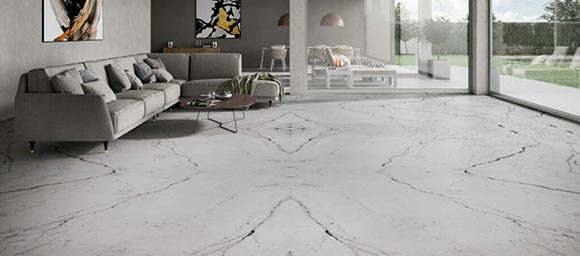


Hotel renovations deliver 11 key benefits—from enhancing guest satisfaction, occupancy, and Average Daily Rate to reducing operating costs, elevating brand perception, motivating staff, and promoting sustainability. Paired with dynamic pricing, targeted marketing, upselling, loyalty programs, and events, these upgrades translate directly into meaningful revenue growth.
When and Why to Renovate
Hotel Lifecycle Triggers
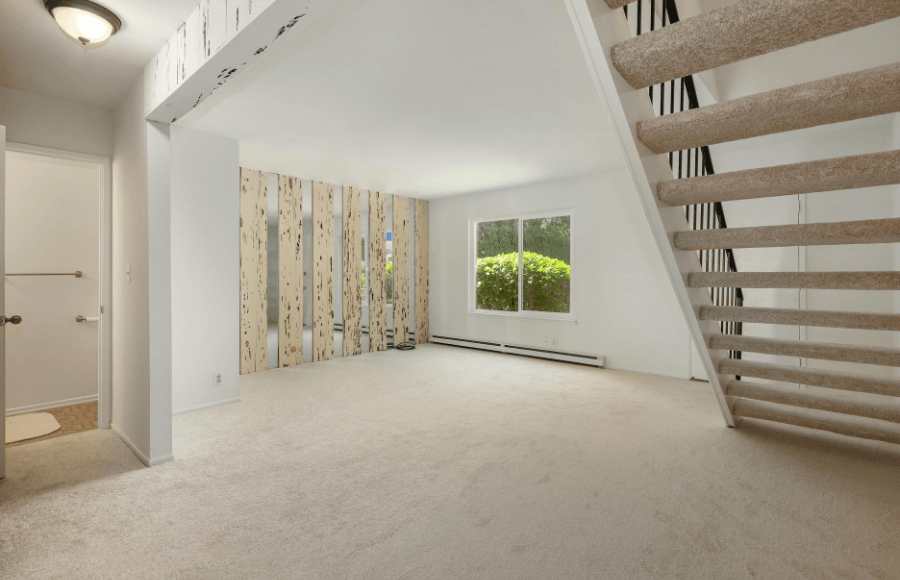
Hotels undergo full renovations every 5–7 years to meet brand standards. Soft goods like carpets, drapes, and furniture refresh every 7 years, while minor touch‑ups (paint and lighting) occur every 3–5 years to keep spaces looking fresh.
Market And Brand Drivers
Guest expectations include modern design, advanced technology, and sustainability. Renovations enable repositioning by joining soft‑brand collections or updating your brand. Such upgrades justify higher rates and attract new market segments.
Pre‑Renovation Planning & Budgeting
Feasibility & ROI Analysis
Conducting feasibility and ROI analysis upfront helps you make confident decisions. Start by researching local market demand, comparing competitor RevPAR data, and forecasting revenue increases. Allocate 10–15% contingency to handle hidden costs.
Budget Allocation & Cost Estimating
Building an accurate budget starts with detailed cost estimating for FF&E and construction. Use industry guides like the HVS Cost Estimating Guide to benchmark expenses, then explore brand incentives or government grants to offset capital outlay.
Regulatory & Brand Compliance
Review brand and regulatory standards early for a smooth renovation. Check franchise Property Improvement Plan requirements, ADA accessibility rules, and fire‑safety codes. Address preservation mandates upfront to prevent delays and penalties.
Recommended Related Reading: What Are The Different Types Of Hotel Renovations?
Core Benefits of Hotel Renovations
Enhanced Guest Experience
Offering modern amenities—high-speed Wi‑Fi, smart‑room controls, and refreshed décor—creates a memorable stay. Satisfied guests post positive reviews, show loyalty, and return more often, boosting your hotel’s reputation and repeat bookings.
Increased Occupancy & Rate Uplift
After refurbishing rooms and public areas, hotels often see occupancy rise by 10–15% as guests choose modern properties. Upgraded spaces justify premium pricing, allowing you to increase Average Daily Rate and maximize revenue per booking.
Operational Efficiency & Cost Savings
Installing LED lighting, smart thermostats, and water‑saving fixtures cuts utility bills by up to 20%. Improved infrastructure and energy‑efficient systems lower operational costs and boost profit margins over time, freeing up budget for further investments.
Improved Brand Perception
A fresh, contemporary design signals quality and positions your hotel as a market leader. Guests perceive modern, clean environments as more trustworthy, helping you move upmarket and command higher rates than competing properties.
Competitive Differentiation
Unique design elements—signature art installations, custom lighting schemes, or tech‑enabled features—help your property stand out. Differentiation attracts travelers seeking one‑of‑a‑kind experiences and gives you a marketing edge over competitors.
Employee Morale & Productivity
Updating staff areas and back‑of‑house facilities improves the work environment and streamlines operations. Modern break rooms, ergonomic workstations, and efficient layouts boost employee satisfaction, leading to higher productivity and attentive service.
Asset Value Appreciation
Well‑executed renovations increase your property’s appraised value, making it more attractive to investors and lenders. A modern, well‑maintained hotel commands higher sale prices or better refinancing terms, strengthening your financial position.
Sustainability & ESG Benefits
Incorporating green upgrades like solar panels, low‑flow water fixtures, and eco‑friendly materials appeals to eco‑conscious travelers. Sustainable practices also qualify you for tax incentives and grant programs, reducing overall renovation costs.
Attracting New Segments
Adding amenities such as a modern spa, co‑working spaces, or trendy food‑and‑beverage outlets helps you reach business travelers, digital nomads, and niche leisure markets. Diverse offerings broaden your appeal and open new revenue streams.
Execution Strategies to Minimize Disruption
Phased Construction Approaches
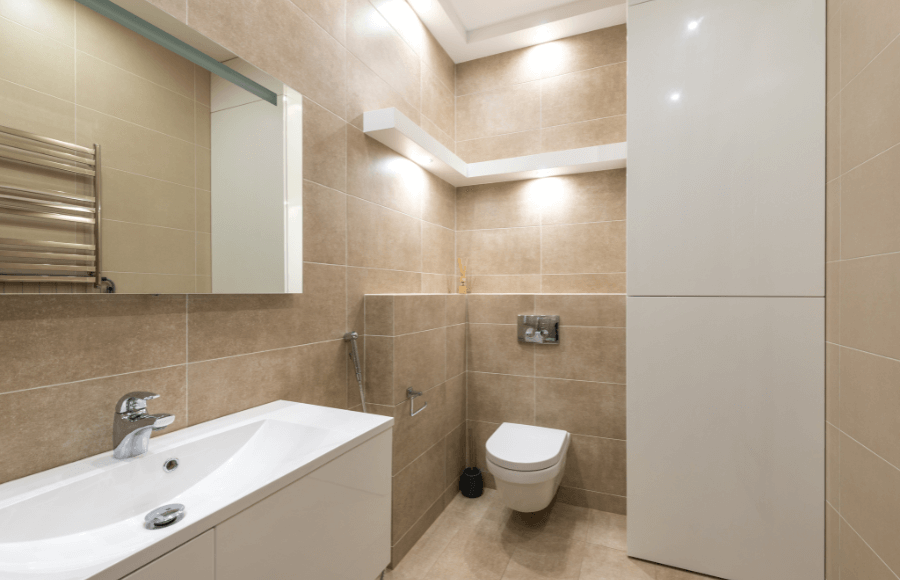
Implementing phased construction allows you to renovate in sections—rotating floors or wings—to keep most rooms operational and revenue flowing. By scheduling work one zone at a time, you maintain guest access and reduce occupancy losses.
Noise & Dust Control
To control noise and dust, schedule loud tasks like demolition or drilling during mid-day hours. Use soundproof barriers, temporary walls, and HEPA air scrubbers to contain debris, ensuring guests experience minimal disturbance and maintain comfort.
Guest & Staff Communication
Clear, proactive communication is crucial. Provide guests and staff with advance notices via email, in-room flyers, and hallway signage. Establish a dedicated hotline or app updates for real-time information to address concerns promptly.
Safety & Access Management
Prioritize safety by securing construction zones with barriers and warning signs. Maintain clear walkways and alternate routes. Coordinate with housekeeping to enforce restricted areas and minimize accident risks.
Recommended Related Reading: From China to Your Home: A One-Stop Unveiling of the Entire High-End Home Procurement Process
Revenue‑Driving Tactics Post‑Reno
Dynamic Pricing & Revenue Management
Use revenue‑management tools to adjust room rates in real time, matching pricing to demand, season, or special events. With improved room quality post‑renovation, you can command higher ADR while filling gaps during off‑peak periods.
Targeted Marketing & PR Campaigns
Showcase your renovation with targeted marketing and PR campaigns. Share before‑and‑after photos on your website, OTAs, and social media channels. Press releases, influencer collaborations, and email blasts generate buzz and drive booking interest.
Upselling & Ancillary Packages
Boost average spend by offering upselling and ancillary packages. Feature premium room categories, spa bundles, and dining credits. Train staff to recommend upgrades at check‑in to increase add‑on sales.
Loyalty Programs & Member Exclusives
Reward loyalty by enhancing your program with post‑renovation member exclusives. Offer bonus points, discounted rates, or free nights for return guests. Tailor perks to showcase new amenities and encourage repeat stays among your best customers.
Events, Meetings & Local Partnerships
Leverage renovated meeting spaces by hosting events and local partnerships. Promote themed gatherings and co‑branded experiences. Package venue rentals with catering or tours to drive group bookings and ancillary revenue.
About Our One‑Stop Building Materials Solutions
We are an international one‑stop building‑materials provider, offering consultancy, design, and supply for residential, real‑estate, and hospitality projects. We’re committed to giving customers the best experience—more saving and more doing! Our range includes kitchen cabinets, wardrobes, doors and windows, wooden flooring, lighting, ceramic tile, marble and granite, bathroom accessories, curtains, wall cladding, metal and glass, and electrical appliances, all designed to meet your diversified one‑stop needs.
Measuring Success & Continuous Improvement
Key Performance Indicators
To measure renovation success, track metrics like RevPAR, ADR, occupancy, and Net Promoter Score. Monitor guest feedback from surveys and online reviews. Reviewing these KPIs regularly shows if updates drive lasting improvements.
Financial Reporting & ROI Tracking
Compare your pre‑ and post‑renovation financials to ensure ROI goals are met. Audit actual revenues, expenses, and profit margins against your forecasts. Identifying shortfalls early helps you adjust pricing strategies or marketing efforts to maximize returns.
Guest Review & Feedback Analysis
Collect guest feedback through surveys, review sites, and direct comments. Analyze ratings, common compliments, and complaints to pinpoint lingering issues. Addressing pain points—such as minor maintenance or service tweaks—keeps standards high.
Scheduled Maintenance & Future Refreshes
Maintain your investment by scheduling minor updates every 3–5 years. Plan touch‑ups like repainting and fixture upgrades before wear shows. Regular maintenance extends the renovation lifecycle and preserves guest appeal.