

Hotels progress from opening and growth through maturity and decline, each stage demanding targeted renovations—from light refreshes and tech upgrades to major overhauls and repositioning—to preserve performance and guest appeal. Strategic planning ensures smooth execution, budget control, and maximized ROI.
Hotel Life Cycle Overview
Initial Development and Opening: Concept planning, financing, and design collaboration establish layout and amenities. Construction then brings this vision to life, leading to a grand opening that aligns branding with market expectations and meets guest needs.
Growth and Stabilization: Operators focus on consistent service delivery, efficient operations, and quality standards. Gathering guest feedback and optimizing staff workflows drives steady occupancy and secures reliable revenue during this expansion phase.
Maturity and Market Position: After several years, wear becomes visible and guest satisfaction may plateau. Reviewing performance metrics, refreshing décor and amenities, and realigning branding help maintain competitiveness against newer properties.
Decline and Signs of Wear: Without timely updates, maintenance costs rise, reviews turn negative, and revenue falls. Targeted refurbishments and service enhancements are essential to reverse this trend and protect market share.
Types of Hotel Renovations and Timing
Minor Refreshes (Every 3–5 Years): Light cosmetic updates—repainting walls, replacing fixtures, swapping linens—usually take one to three months. These refreshes keep rooms and public areas looking current without full closures.
Major Renovations (Every 7–10 Years): Structural work—room reconfigurations, plumbing and electrical upgrades, and common‑area redesign—can take six to twelve months. Phasing lets portions of the hotel stay open while major improvements are made.
Technology Upgrades (Every 3–5 Years): Enhancing Wi‑Fi, in‑room entertainment, and energy‑efficient systems typically takes one to three months. These updates preserve guest satisfaction and modern standards without lengthy shutdowns.
Repositioning Projects (Every 10–15 Years): Rebranding or shifting market position—like going from mid‑scale to luxury—requires full operational overhauls, new amenities, and marketing. These projects typically take twelve to twenty‑four months.
Full Restoration (Varies): Heritage or architecturally significant properties undergo restoration that balances modern systems with original features. Timelines depend on scope and approvals, often spanning six months to two years.
Recommended Related Reading: From China to Your Home: A One-Stop Unveiling of the Entire High-End Home Procurement Process
Strategic Renovation Planning Essentials
Needs Assessment and Guest Feedback Analysis
Start with a detailed condition survey that reviews as-built drawings and onsite inspections to identify hidden structural or mechanical issues. Then analyze guest feedback trends to pinpoint renovations that enhance satisfaction and loyalty.
Budgeting and Contingency Planning
Define project scope and set clear objectives, then draft a realistic budget with a 10–15% contingency reserve for unforeseen costs. This ensures financial control and prevents budget overruns during renovation.
ROI Forecasting and Financial Justification
Use case-study benchmarks and simple ROI calculators to forecast gains in occupancy and average daily rate. These financial projections help justify renovation spending and align decisions with revenue goals.
Phasing Strategy and Off‑Peak Scheduling
Adopt wing‑by‑wing or floor‑by‑floor phasing to keep sections open. Schedule noisy or major work during off‑peak seasons or around check‑out times. This approach reduces guest disruption and preserves overall satisfaction.
Stakeholder Alignment and Communication Protocols
Hold weekly steering‑committee meetings and use a RACI chart for clear roles. Keep documents—design plans, approvals, and updates—in a central repository. This ensures owners, managers, and contractors stay aligned and accountable.
Managing Renovation Execution
Permit Acquisition and Regulatory Compliance:Begin permit planning months in advance, engage expediters to navigate zoning, land‑use, and building permits, and align permit milestones with your master schedule .
Supply‑Chain Management for FF&E and Materials:Map each renovation phase in a detailed schedule, break tasks into sub‑projects, and leverage technology and centralized procurement to secure long‑lead items and maintain delivery visibility .
Quality Assurance: Mock‑Ups and Punch‑List Processes:Build sample rooms and finish boards to validate design choices in situ, then use comprehensive punch‑lists to track defects and confirm resolution before reopening spaces .
Guest Communication and Disruption Minimization:Deploy clear signage, daily guest updates, and responsive staff protocols; offer alternative amenities or room credits to maintain satisfaction during construction .
One-Stop Hotel Renovation Solution
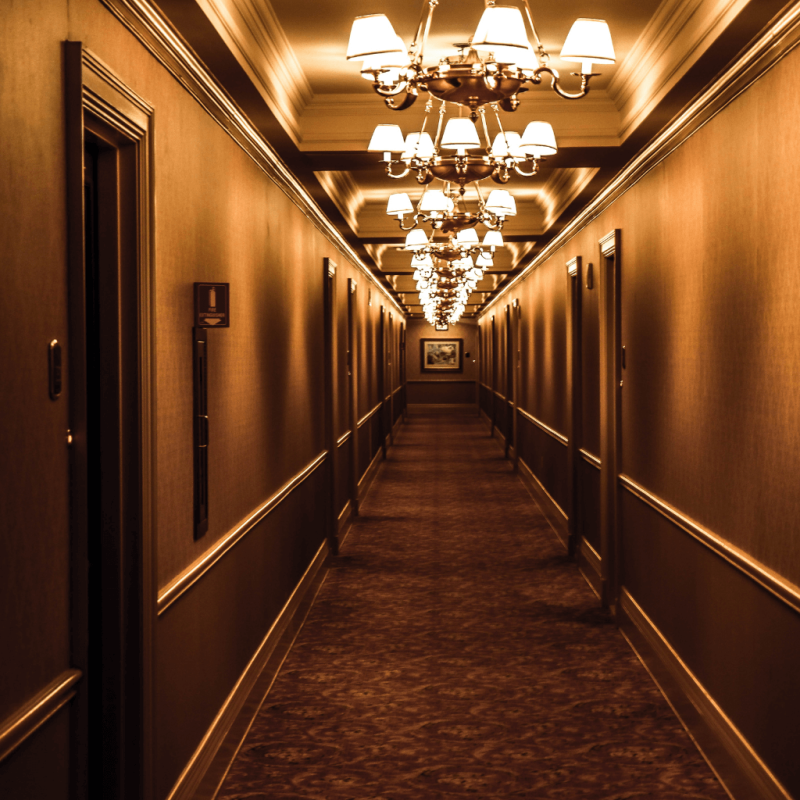
Are you looking for a one-stop solution for your hotel renovation needs? Our website offers a wide range of services, from consultancy and design to the supply of building materials. We specialize in custom hotel furniture, including toilets, bathroom vanities, lighting, stairs, carpets, and more. Whether you’re updating a single room or renovating the entire hotel, we can fully meet all your needs, providing tailored solutions that help streamline your renovation process and elevate the guest experience. Let us assist you in making your vision a reality!
Recommended Related Reading: Top 9 Best House Remodeling Companies In China
Managing Renovation Execution
Permit Acquisition and Regulatory Compliance: Begin permit planning months in advance to secure zoning, land‑use, and building approvals. Engage permit expediters to streamline reviews and align milestone dates with the renovation schedule to avoid delays.
Supply‑Chain Management for FF&E and Materials: Map each renovation phase in a detailed schedule with sub‑projects. Use centralized procurement platforms and tracking tools to secure long‑lead FF&E items and materials, ensuring on‑time delivery and uninterrupted progress.
Quality Assurance: Mock‑Ups and Punch‑List Processes: Construct sample rooms and finish boards to validate design choices before full‑scale work. Maintain comprehensive punch lists to document defects, assign corrective tasks, and verify fixes—preventing costly rework and guaranteeing final quality.
Guest Communication and Disruption Minimization: Install clear signage and share daily construction updates with guests. Train staff to respond to inquiries promptly and offer alternative amenities or room credits, maintaining satisfaction and minimizing inconvenience during renovations.