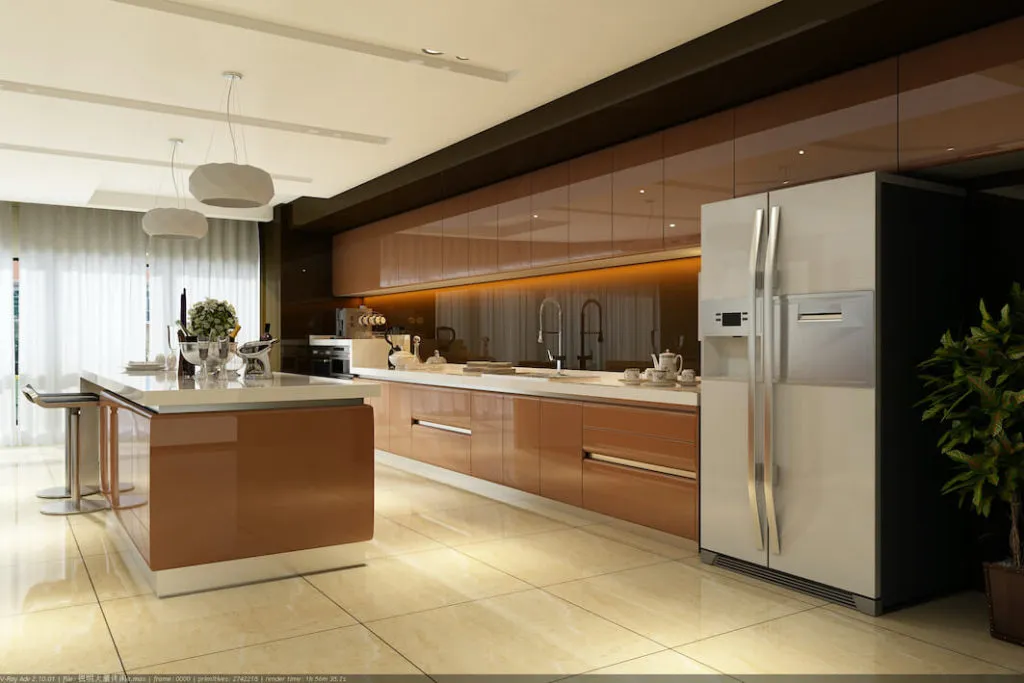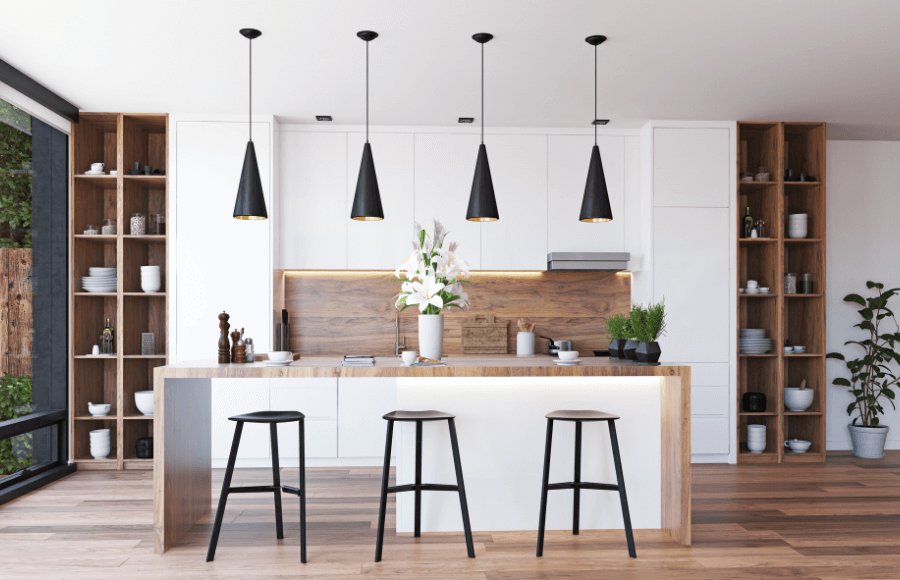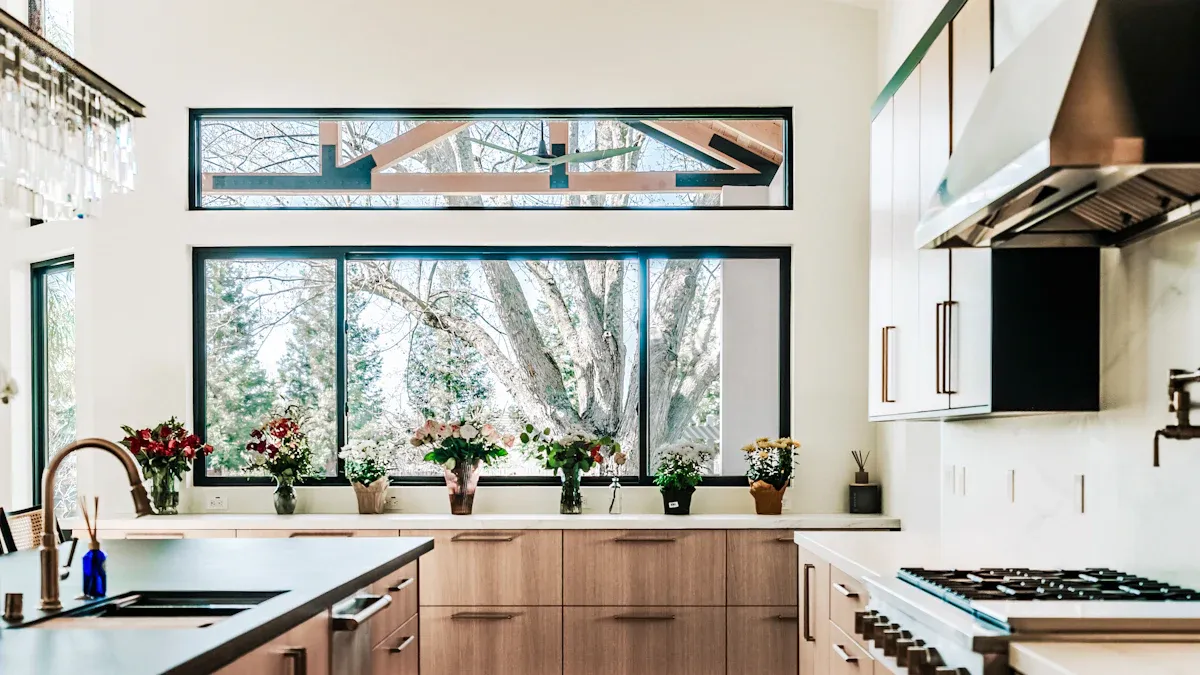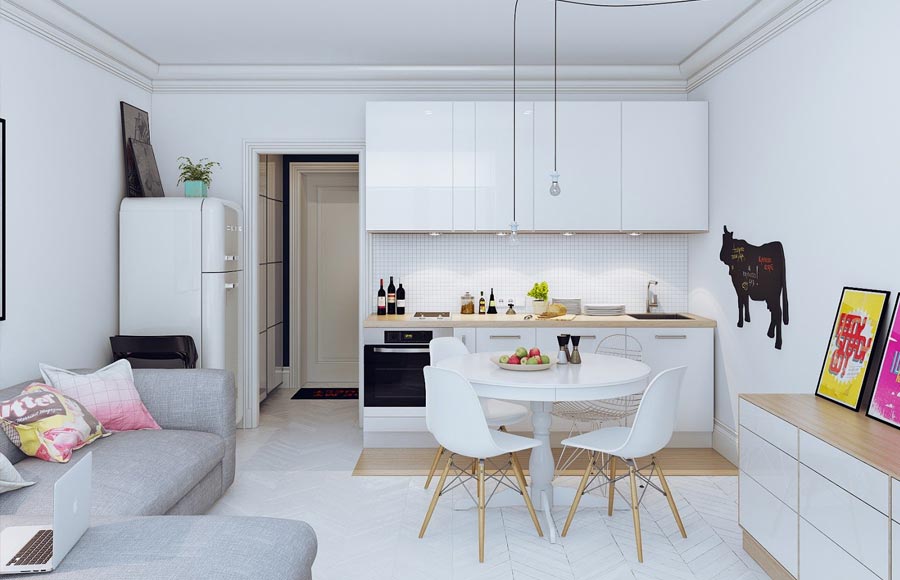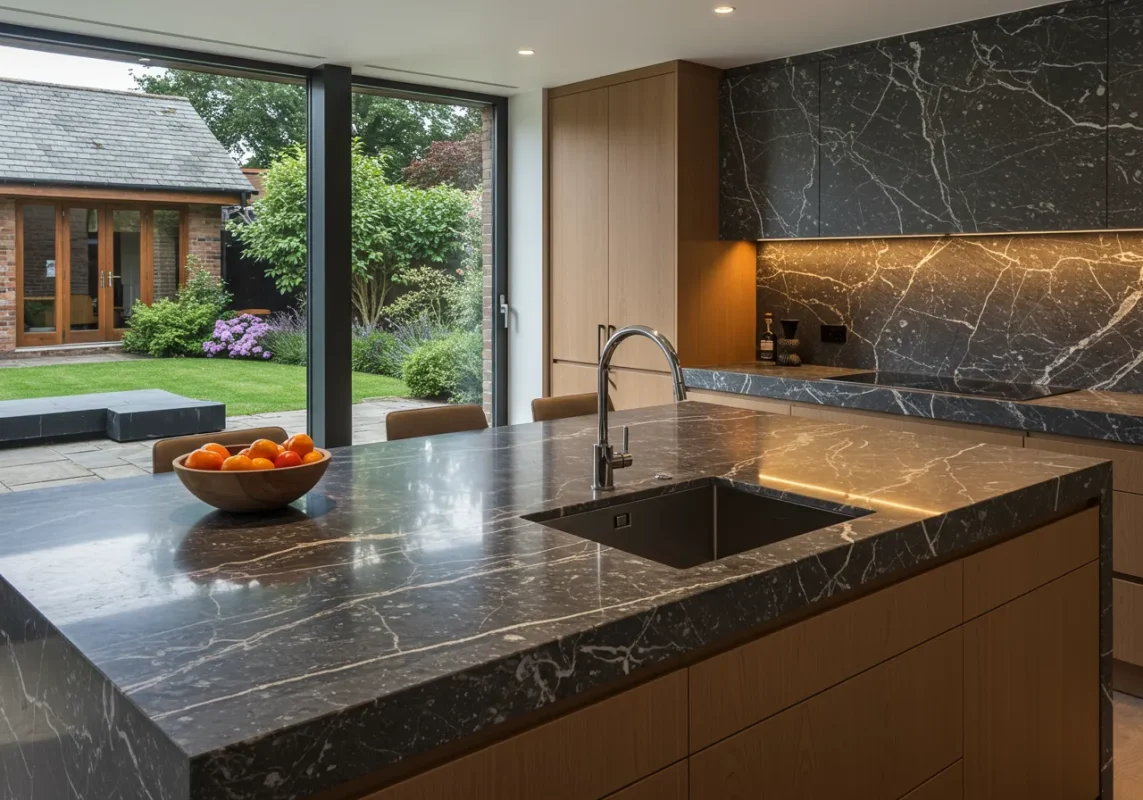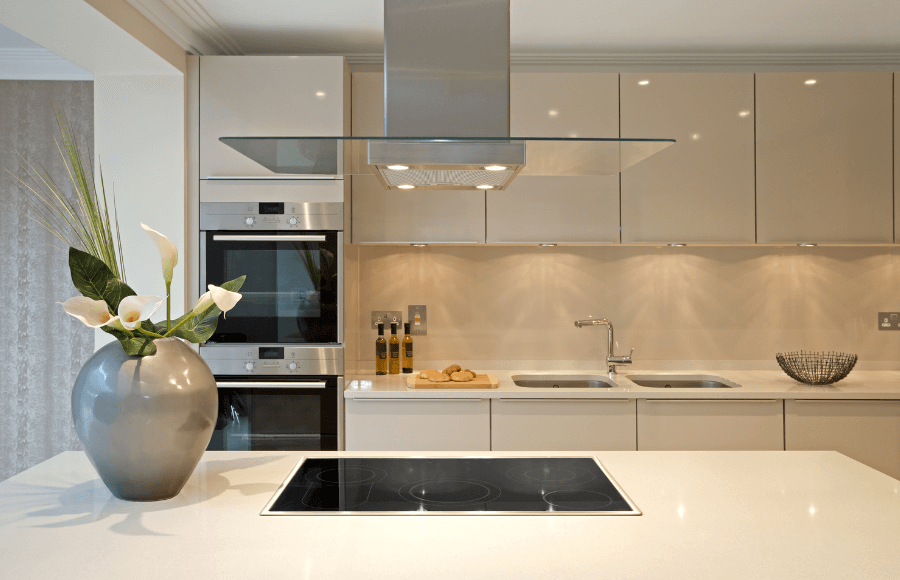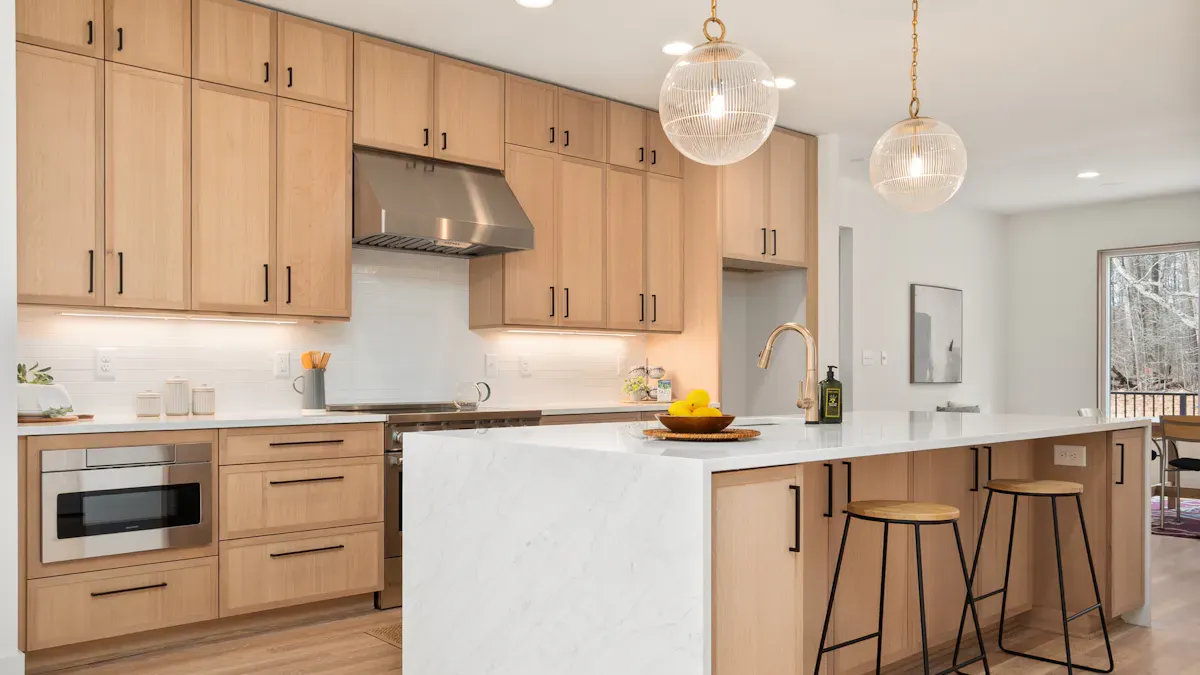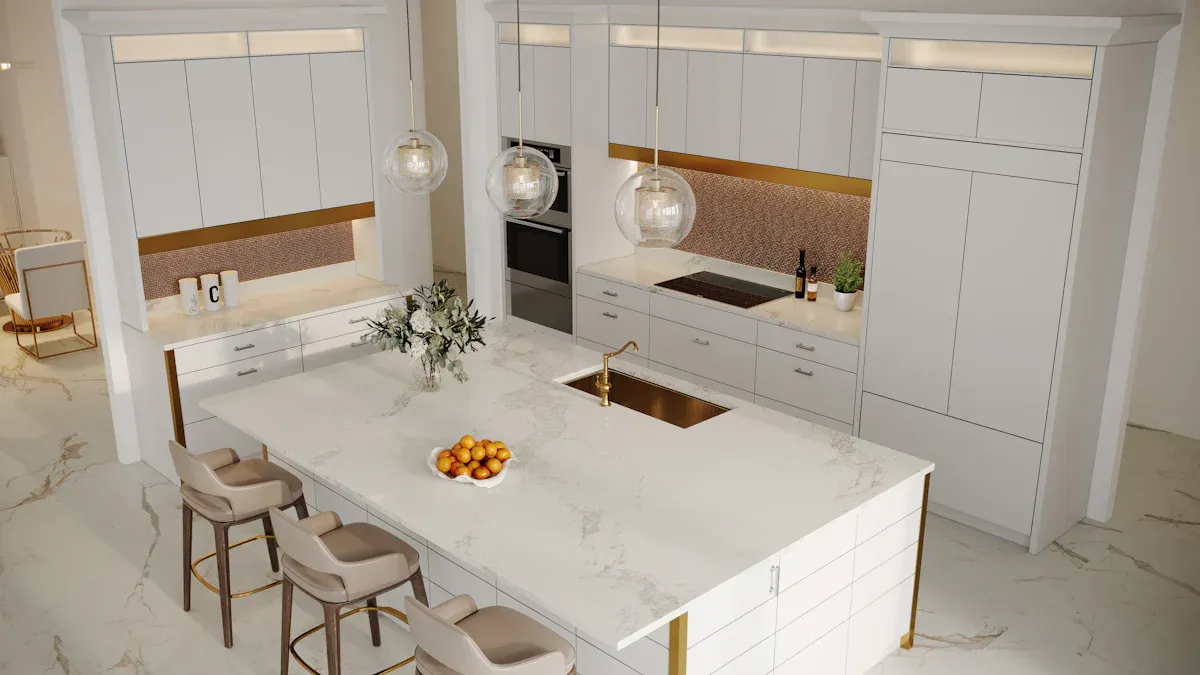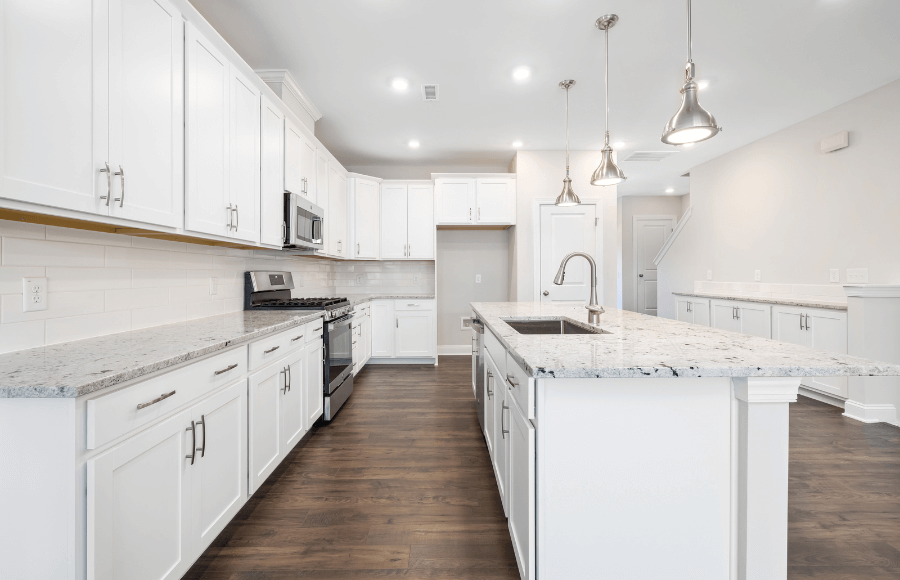


Choosing the right standard kitchen cabinet sizes is one of the most important steps in any kitchen renovation. The correct cabinet dimensions help improve workflow, maximize storage, and create a clean, balanced kitchen layout.
Whether you are remodeling a family kitchen, designing a rental property, or planning a new build, understanding standard cabinet sizes can save time, reduce installation problems, and help you avoid unnecessary custom costs. Most homeowners begin with standard sizes because they fit common appliances, simplify installation, and work well in most American homes.
In this guide, we will explain standard kitchen cabinet dimensions, and find out how to measure your kitchen correctly, and how to choose the best cabinet sizes for your space.
Why Standard Kitchen Cabinet Sizes Matter
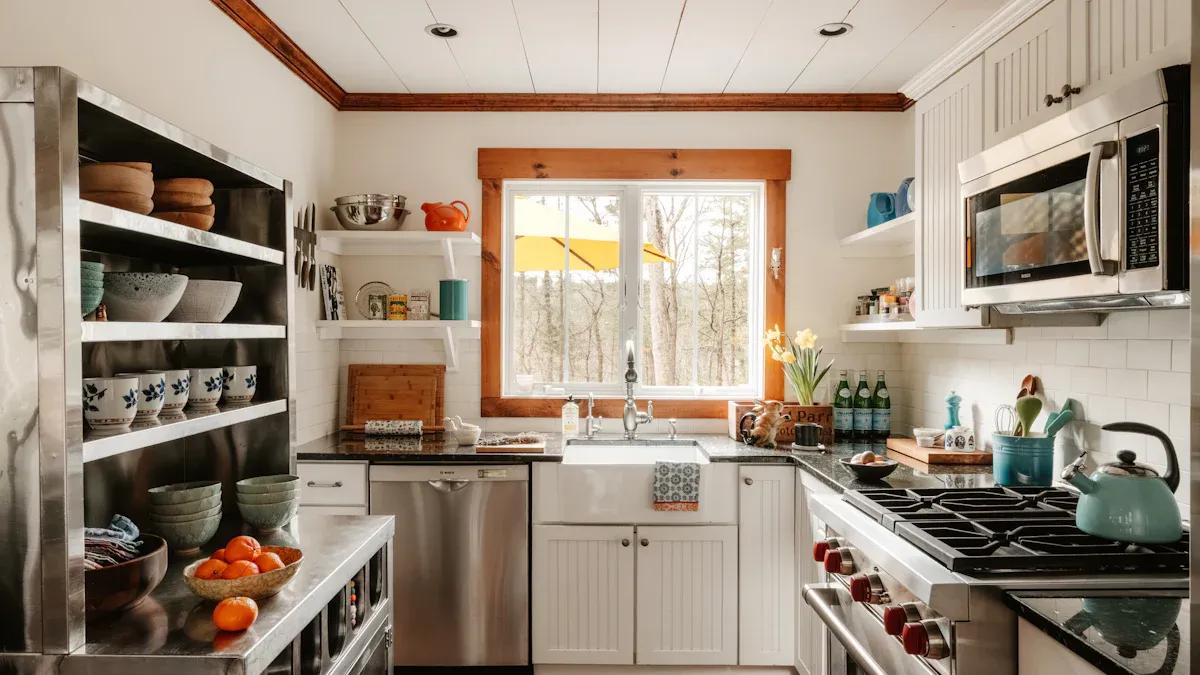
Choosing the right standard kitchen cabinet size is vital for any renovation planing. These sizes help create a consistent look and make planning much easier. Standard kitchen cabinets fit well in most American homes, so homeowners do not need to worry about custom work for every project.
They are designed to work with common countertop heights, standard appliance widths, and practical storage needs. This means fewer surprises during installation and easier replacements in the future.
Benefits of standard cabinet sizes include:
- Faster project planning
- Lower manufacturing cost
- Easier installation
- Better compatibility with appliances
- Simpler future upgrades
For many projects, standard cabinets offer the best balance between appearance, function, and budget. You do not need to measure and order custom cabinets for every space. This approach also helps when replacing or upgrading cabinets in the future.
Main Types of Kitchen Cabinets
Before selecting exact measurements, it helps to understand the three main cabinet categories used in most kitchens. Each serves a different role, and the right combination creates a layout that feels balanced and functional.
Base Cabinets
Base cabinets sit directly on the floor and support the countertop above. They form the working foundation of the kitchen and are usually the most frequently used storage area.
Pots, pans, utensils, cookware, cleaning supplies, and drawers are typically housed here. Because these cabinets are closest to the prep area, their size and layout greatly affect everyday convenience.
Wall Cabinets
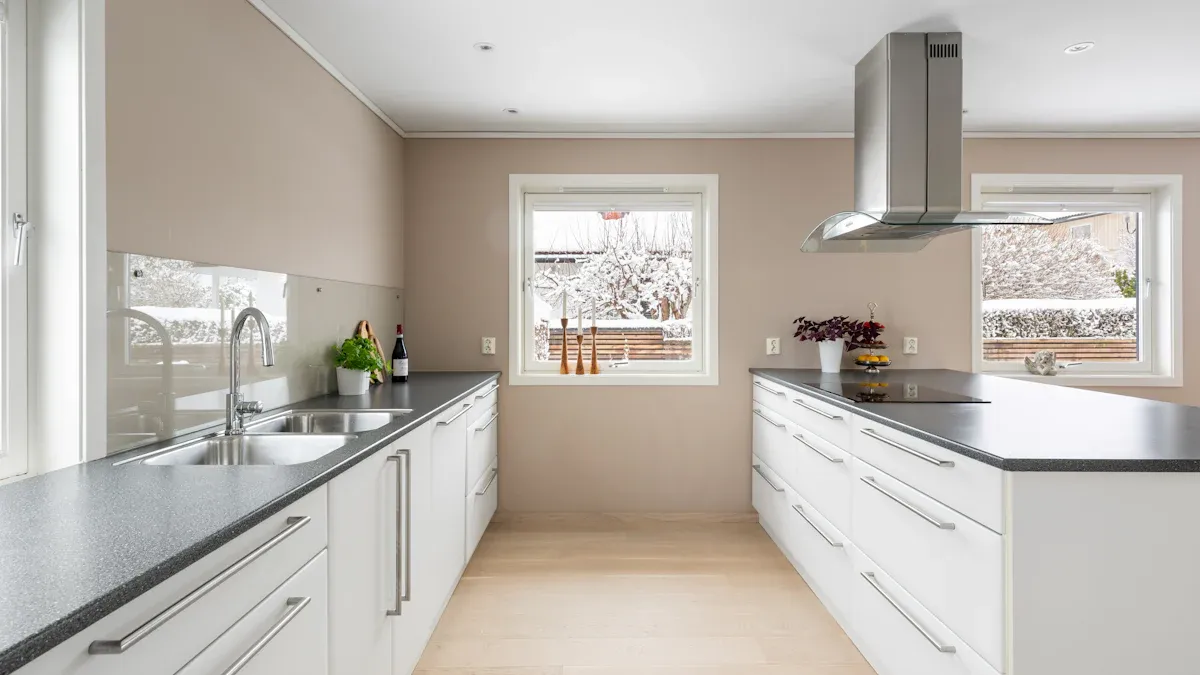
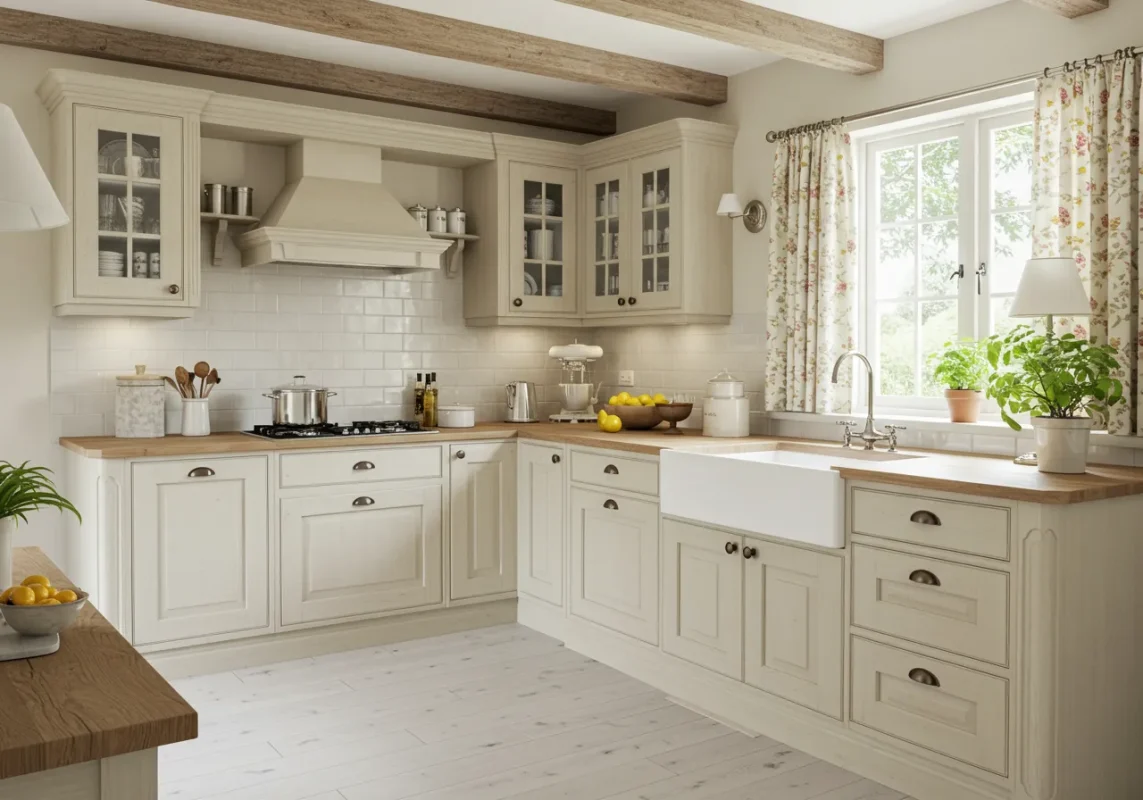
Wall cabinets are mounted above countertops and help maximize storage without taking up floor space.
They are commonly used for dishes, glasses, pantry items, spices, and small appliances. Well-planned wall cabinets keep essential items within reach while helping the kitchen remain organized and visually clean.
Tall Cabinets
Tall cabinets extend vertically and are often used as pantry storage, utility cabinets, or built-in appliance towers. They are especially valuable in kitchens where floor space is limited, because they create significant storage capacity without expanding the footprint of the room.

These main types of kitchen cabinets are usually chosen by homeowners, helping them design a kitchen that is both functional and attractive. Using the right mix of these three cabinet types creates a more organized and functional kitchen.
Standard Base Cabinet Dimensions
Base cabinets are considered the backbone of kitchen storage. They support work surfaces, integrate appliances, and provide easy-access storage for the items used most often.
The standard height of a base cabinet is usually 34.5 inches, which becomes 36 inches once a countertop is installed. This height is widely considered comfortable for food preparation and general kitchen tasks.
The most common depth is 24 inches, allowing enough room for storage while maintaining comfortable reach across the countertop.
Widths vary depending on layout needs and storage purpose. Smaller cabinets may begin at 9 inches wide, while larger sink or drawer bases often reach 36 inches or more.
In practical terms, wider base cabinets are ideal for:
- Large drawers
- Pots and pans
- Pull-out trash systems
- Sink installations
- Heavy cookware storage
When planned carefully, base cabinets create the most efficient part of the kitchen.
Standard Wall Cabinet Sizes
Wall cabinets play an important role in increasing storage while keeping the kitchen open and functional.
Most wall cabinets range from 12 to 42 inches in height, depending on ceiling height and design preference. Shorter cabinets are often used above refrigerators or windows, while taller cabinets help maximize vertical storage.
The standard depth is 12 inches, which keeps shelves practical and accessible without interfering with countertop workspace below.
Widths generally range from 9 to 36 inches, giving designers flexibility to build symmetrical and attractive layouts.
Many modern kitchens now favor taller upper cabinets that extend closer to the ceiling. This creates a cleaner visual line while reducing unused dust-collecting space above cabinets.
Wall cabinets are ideal for storing:
- Plates and bowls
- Cups and mugs
- Dry goods
- Coffee accessories
- Decorative serving pieces
Standard Tall Cabinet Dimensions
Tall cabinets are one of the most effective ways to improve kitchen storage, especially in homes where pantry space is limited.
Common heights include 84 inches, 90 inches, and 96 inches.
An 84-inch cabinet often leaves room above for trim or crown molding, while a 96-inch cabinet reaches close to ceiling height for a seamless built-in appearance.
Depth options usually include 12 inches for pantry shelving or 24 inches for larger storage and appliance integration.
Widths commonly range from 12 to 36 inches, depending on purpose.
Tall cabinets are frequently used for:
- Pantry food storage
- Cleaning supplies
- Microwave or oven towers
- Hidden appliance storage
- Utility organization
For many households, adding one tall pantry cabinet can dramatically improve kitchen organization.
| Cabinet Type | Standard Height | Standard Depth | Common Widths |
|---|---|---|---|
| Base Cabinet | 34.5″ | 24″ | 9″–48″ |
| Wall Cabinet | 12″–42″ | 12″ | 9″–36″ |
| Tall Cabinet | 84″–96″ | 12″–24″ | 12″–36″ |
Specialty Cabinets for Difficult Spaces
Some kitchens include corners, narrow gaps, or unusual layouts that standard cabinets alone cannot fully optimize. Specialty storage solutions can help turn wasted areas into useful space.
Popular options include:
- Lazy Susan corner cabinets
- Blind corner pull-outs
- Spice pull-out units
- Tray dividers
- Vertical sheet storage
- Appliance lift cabinets
These additions often make a kitchen feel significantly more functional without requiring more square footage.
Kitchen Cabinet Trends in 2026
Kitchen design in 2026 continues to move toward spaces that feel cleaner, warmer, and more personalized. Homeowners are no longer focused only on appearance—they also want cabinets that improve storage, simplify daily routines, and create a timeless atmosphere that will still look good years from now.
As a result, modern cabinet trends combine practical function with refined visual design. Below are some of the most popular directions shaping kitchens this year.
Full-Height Cabinetry
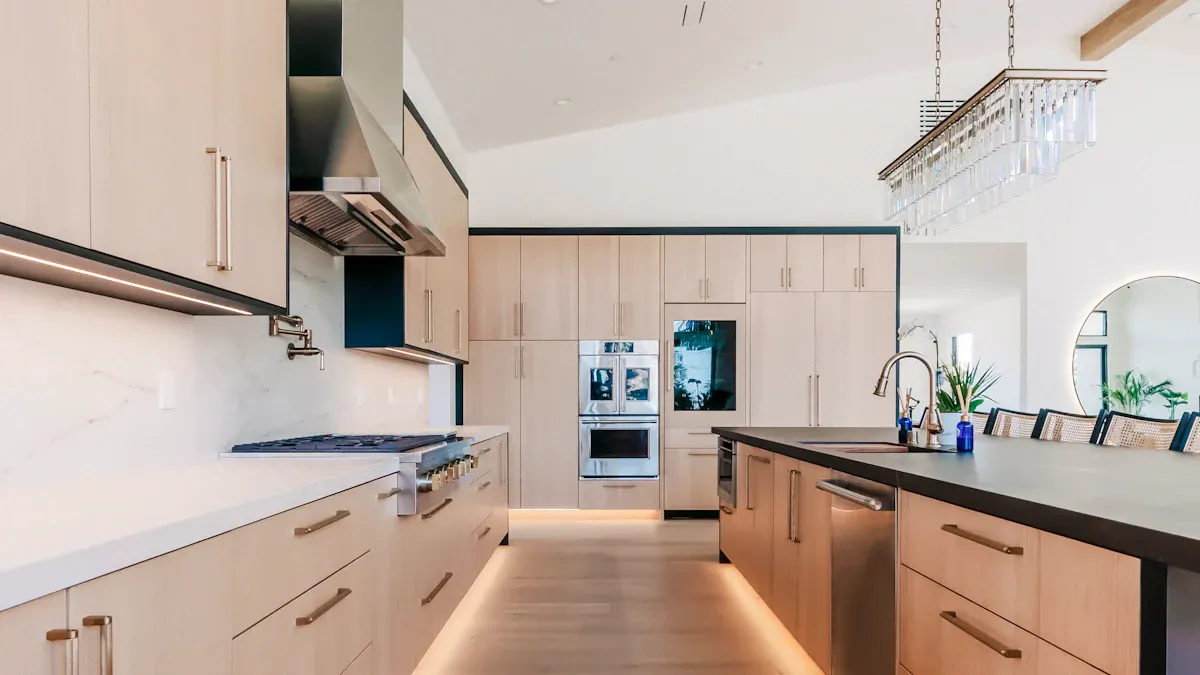
One of the strongest trends in 2026 is the move toward full-height cabinetry that extends closer to the ceiling. This design creates a seamless built-in appearance while adding valuable upper storage for seasonal items or less frequently used kitchenware.
It also reduces the empty gap above traditional cabinets, helping the kitchen feel cleaner and more architectural.
Warm Wood Finishes
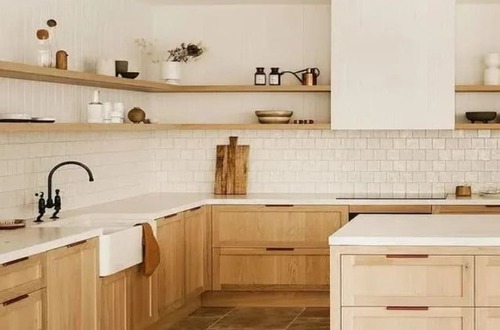
After years of cooler gray tones, warmer wood finishes are returning in a major way. Oak, walnut-inspired tones, natural beige wood grains, and soft earthy finishes are especially popular.
These materials help kitchens feel more inviting and balanced, bringing warmth into modern spaces without appearing overly rustic.
Slim Shaker Doors
Shaker cabinets remain a favorite, but the 2026 version is more refined. Slim shaker profiles with narrower frames create a cleaner and more contemporary look while still retaining the timeless appeal of classic shaker styling.
This trend works especially well in transitional kitchens that blend modern and traditional elements.
Handleless and Minimalist Designs
Many homeowners now prefer cabinet fronts with integrated handles, push-to-open systems, or discreet finger pulls. These handleless styles create smoother visual lines and help kitchens feel more open and uncluttered.
They are particularly common in modern apartments, luxury homes, and open-plan kitchens.
Hidden Pantry Storage
Storage is becoming smarter and more discreet. Walk-in pantries, tall pull-out pantry cabinets, appliance garages, and concealed storage walls are increasingly popular in 2026.
The goal is to keep countertops cleaner while maintaining easy access to everyday essentials.
Integrated Lighting
Cabinet lighting is no longer considered optional in premium kitchen design. LED strips under wall cabinets, lighting inside glass cabinets, and sensor lighting in drawers are becoming common upgrades.
These features improve both functionality and atmosphere, especially in evening use.
Mixed Materials and Textures
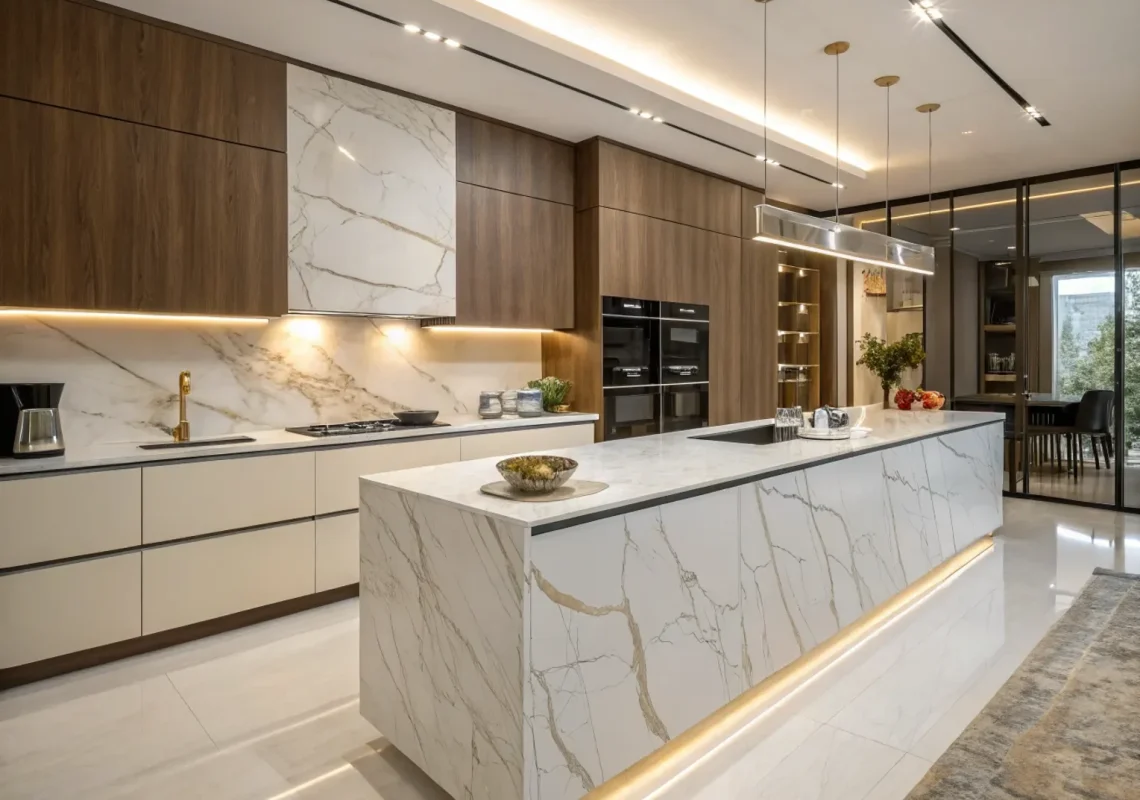
Instead of using one finish throughout the kitchen, many homeowners now combine materials for a more layered design. For example:
- Wood lower cabinets with painted uppers
- Matte cabinets paired with stone surfaces
- Dark islands with lighter perimeter cabinetry
- Glass accents combined with solid fronts
This creates a more custom and visually interesting kitchen.
Smart and Functional Interiors
Beyond exterior style, cabinet interiors are becoming more organized and user-friendly. Pull-out shelves, deep drawer organizers, recycling systems, spice storage, tray dividers, and charging drawers are all growing in popularity.
In 2026, great kitchen design is increasingly about how cabinets function inside as much as how they look outside.
Sustainability and Long-Term Value
Many buyers are also prioritizing durable materials, low-maintenance finishes, and environmentally responsible manufacturing. Cabinets that last longer and remain stylish over time are often seen as a better investment than trend-driven short-term designs.
Final Thought
The strongest kitchen cabinet trends in 2026 are those that balance beauty with practicality. Clean lines, warm finishes, hidden storage, and thoughtful organization are defining the modern kitchen.
Rather than following trends blindly, the best approach is choosing cabinet styles that match your home, lifestyle, and long-term needs.
Related article: 7 Key Custom Kitchen Cabinets Tips in 2026
Conclusion
Choosing the right standard kitchen cabinet sizes creates the foundation for a kitchen that looks better, stores more, and functions more smoothly. The right dimensions improve workflow, simplify installation, and help avoid expensive mistakes during renovation.
Whether you choose standard cabinets, custom cabinetry, or a combination of both, thoughtful planning always leads to better long-term results. If you are planning a residential or commercial kitchen project, George Solution provides complete kitchen cabinet solutions tailored to your layout, style, and budget.
FAQ
What are standard kitchen cabinet sizes?
Standard kitchen cabinet sizes usually include base cabinets that are 34.5 inches high and 24 inches deep, wall cabinets ranging from 12 to 42 inches high, and tall pantry cabinets between 84 and 96 inches high. These common dimensions are designed to fit most kitchen layouts and standard appliances.
What is the standard size of upper kitchen cabinets?
Upper kitchen cabinets, also called wall cabinets, are commonly 12 inches deep and available in heights from 12 to 42 inches. The right size depends on ceiling height, storage needs, and the distance above the countertop.
What is the standard depth of kitchen cabinets?
The standard depth for base kitchen cabinets is 24 inches, while wall cabinets are usually 12 inches deep. This combination creates enough workspace while keeping upper storage easy to reach.
What is the standard height of pantry cabinets?
Most pantry or tall kitchen cabinets are available in heights of 84, 90, or 96 inches. Taller pantry cabinets maximize vertical storage and are ideal for kitchens with higher ceilings.
Can I mix standard and custom kitchen cabinets?
Yes, many homeowners combine standard cabinets with custom pieces. Standard cabinets help control cost, while custom cabinets are useful for corners, unusual layouts, or specialized storage solutions.
What cabinet sizes work best for small kitchens?
Small kitchens often benefit from narrower base cabinets, taller wall cabinets, and smart corner storage. Choosing the right standard cabinet sizes can maximize storage without making the room feel crowded.
How do I choose the right kitchen cabinet size?
The best cabinet size depends on your kitchen layout, ceiling height, appliance placement, and storage needs. Careful measurement and efficient planning help ensure a functional kitchen with a balanced appearance.