

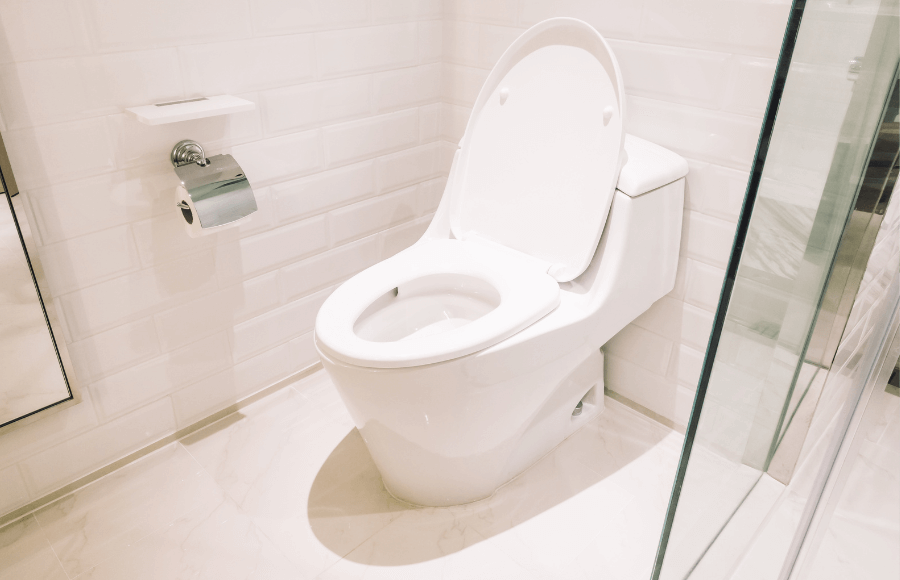
Dual flush toilets are an innovative solution designed to reduce water consumption while providing reliable performance. They feature two flush options—one for liquid waste and another for solid waste—ensuring efficient use of water. This article explains the technology in simple language, making it easy for beginners to understand how dual flush toilets save water and cut costs without sacrificing functionality.
Understanding Water Usage and Conservation
Many households face rising water bills and environmental concerns due to outdated, inefficient toilet designs. Traditional toilets use the same volume of water for every flush—even when less is needed—leading to unnecessary water waste. With a growing focus on sustainability and increasing utility costs, dual flush toilets address this issue by offering two water volumes:
- Liquid waste flush: Uses less water.
- Solid waste flush: Uses a larger amount for thorough cleaning.
This targeted approach not only reduces water bills but also supports broader water conservation efforts.
Recommended Related Reading: Can A Toilet Unclog Itself
How Does a Dual Flush Toilet Work?
The Dual-Flush Mechanism
Dual flush toilets feature two distinct flushing systems controlled by separate buttons or a split lever. When the small button is pressed, the system releases a reduced amount of water—typically around 0.8 gallons (approximately 3 liters)—ideal for liquid waste. Conversely, pressing the larger button initiates a full flush that uses about 1.6 gallons (approximately 6 liters) for solid waste. This mechanism relies on efficient valve technology, such as gravity-fed or pressure-assisted systems, to ensure each flush delivers just the right amount of water for effective cleaning.
Water Usage Comparison
Traditional toilets often use up to 3.4 gallons (around 13 liters) per flush, which can lead to significant water wastage over time. In contrast, dual flush systems reduce water usage by up to 67%. For instance, switching to a dual flush toilet could save an average household approximately 19.2 liters (about 5 gallons) of water per day—translating into substantial savings on water bills and a reduced environmental footprint.
Key Components and Design Features
Essential Components
Dual flush toilets are constructed with several key components that work together for efficient operation:
- Flush Buttons: Allow users to select between a half flush and a full flush.
- Flush Valve: Regulates the amount of water released based on the selected flush type.
- Cistern (Water Tank): Stores water and provides it efficiently when activated.
- Bowl Design: Often features innovations such as rimless edges for easier cleaning and improved hygiene.
Each component is engineered to ensure smooth operation while optimizing water consumption.Additionally, an innovative bowl design—often with rimless edges—improves hygiene and simplifies cleaning. Explore these efficient solutions with our custom toilets.
Innovative Design Options
Manufacturers offer a variety of modern designs to cater to different bathroom layouts and aesthetic preferences:
- Close-Coupled Toilets: Compact models where the cistern is attached directly to the bowl, ideal for smaller spaces.
- Back-To-Wall Toilets: Sleek designs with hidden cisterns that provide a minimalist, modern look.
- Wall-Hung Toilets: Mounted on the wall to create a spacious, contemporary feel that also simplifies cleaning.
These design variations enhance both functionality and water efficiency while allowing homeowners to personalize their bathrooms.
Recommended Related Reading: Whole House Customization: The Ultimate Guide

Benefits for Homeowners and the Environment
Water and Cost Savings
One of the most significant advantages of dual flush toilets is their ability to drastically reduce water usage. By using less water per flush, homeowners can enjoy noticeable reductions in their monthly water bills. Over time, these savings can offset the higher initial cost of the system. Additionally, efficient water use contributes to a sustainable household, making dual flush toilets an eco-friendly choice.
Environmental Impact
By reducing water waste, dual flush toilets lessen the burden on municipal water supplies and wastewater treatment facilities. Less wasted water means fewer resources are needed for treatment and distribution, lowering the overall environmental impact. Choosing a dual flush toilet not only saves money but also supports broader conservation efforts to protect natural resources for future generations.
Considerations for Product Managers and Consumers
User Experience and Ease of Maintenance
From a product management perspective, it is crucial that dual flush toilets are designed with the end user in mind. While these toilets offer significant water-saving benefits, some models with more advanced mechanisms may require slightly more maintenance. Balancing innovative technology with ease of use is key to ensuring straightforward installation and minimizing potential repair issues.
Market Trends and Consumer Demand
With growing concerns over water scarcity and environmental sustainability, consumers are increasingly seeking water-efficient solutions. In many regions, updated building codes and government regulations favor fixtures that conserve water. This trend makes dual flush toilets an increasingly popular choice. For product managers, continuously innovating and incorporating user feedback is essential to improving design, functionality, and overall satisfaction in a competitive market.
Conclusion
Dual flush toilets represent a significant advancement in sustainable bathroom design. By offering two distinct flush options tailored to different waste types, they help reduce water usage, lower utility bills, and minimize environmental impact—all without compromising performance. Whether you’re a homeowner looking to upgrade your bathroom or a product manager aiming to deliver innovative, eco-friendly solutions, dual flush toilets are a smart, cost-effective choice. Embrace this technology to save water, reduce costs, and contribute to a greener future.