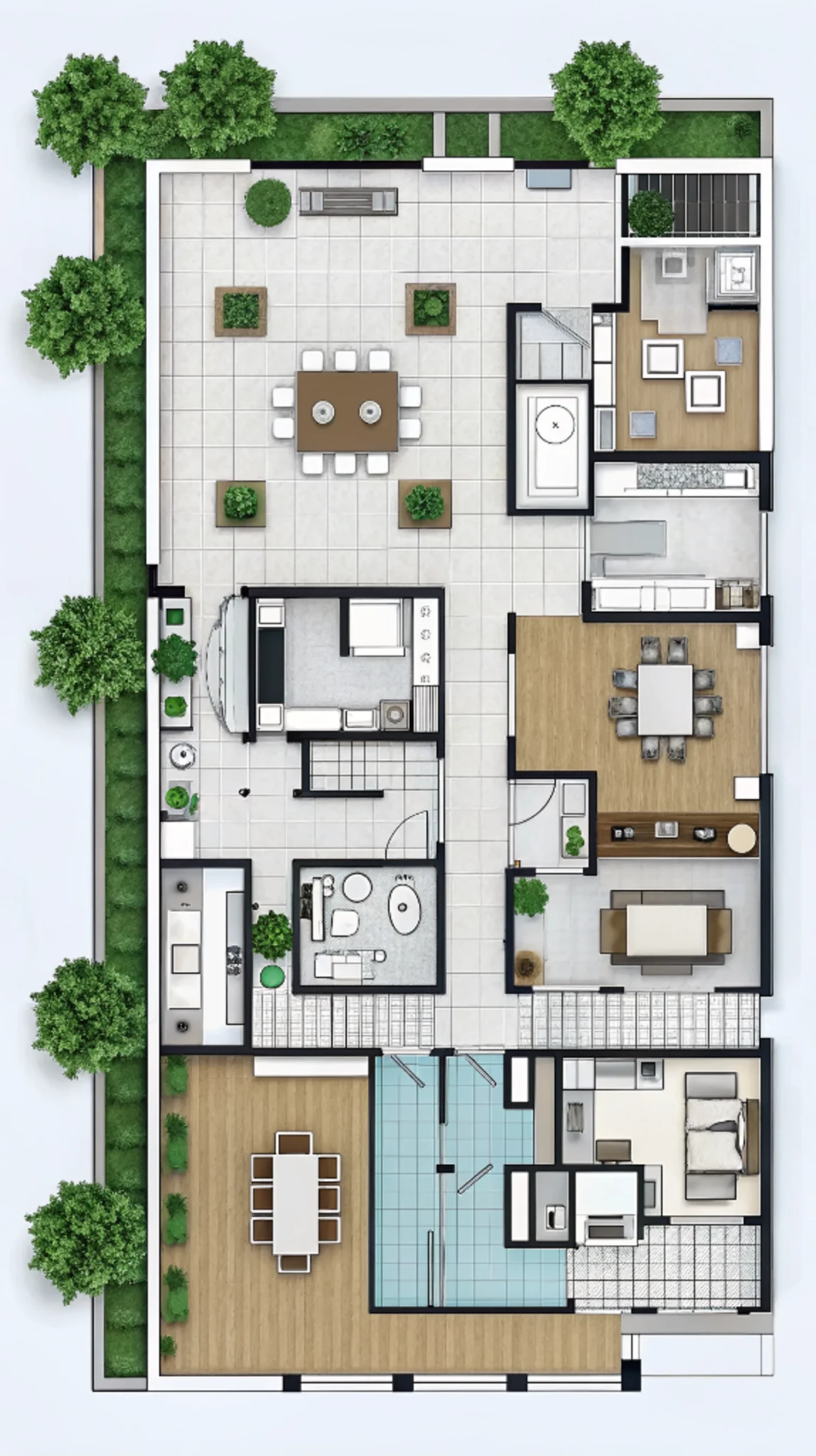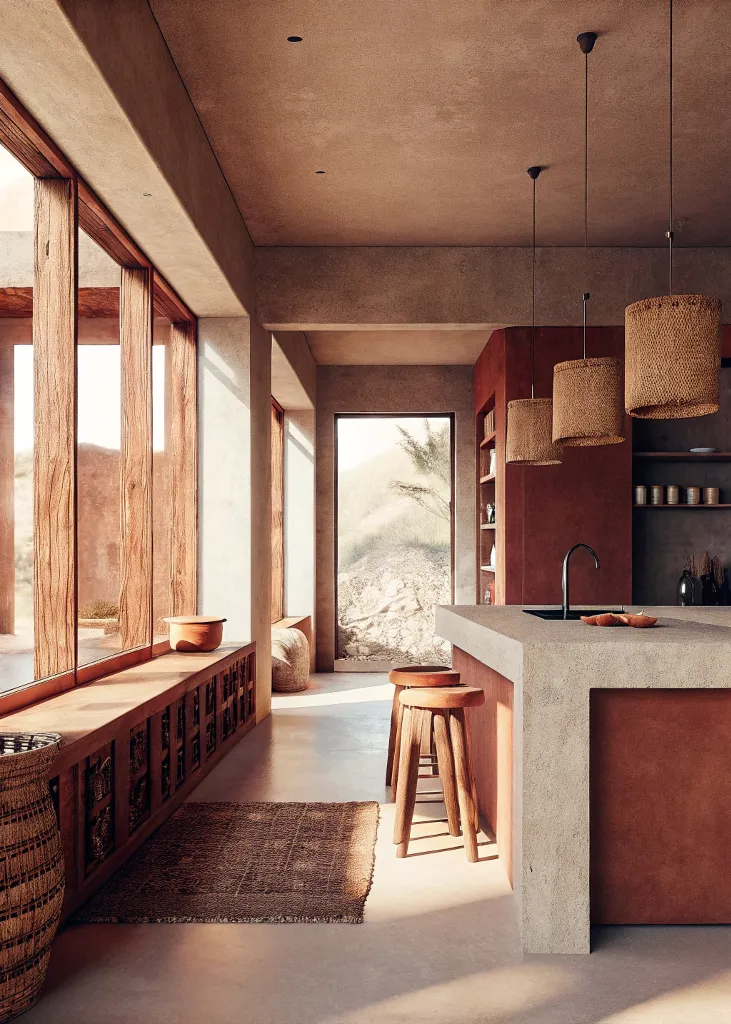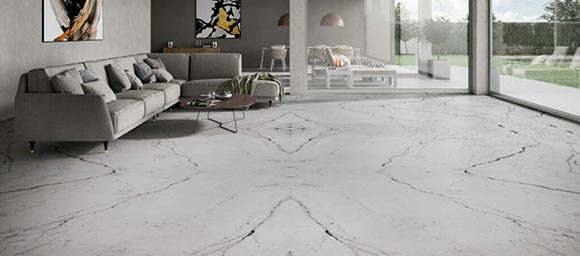


The modern patio is no longer just a backyard afterthought; it is a direct extension of your interior living space. Whether you are a homeowner designing a poolside retreat or a contractor finalizing the hardscape specifications for a luxury build, selecting the right outdoor flooring for patios is a high-stakes decision.
The materials you choose must visually complement the home’s architecture while relentlessly enduring UV exposure, heavy foot traffic, and seasonal freeze-thaw cycles. Relying purely on aesthetics often leads to premature cracking, safety hazards, and ballooning maintenance costs.
To make a sound investment, in this article, we must evaluate outdoor flooring through both a design lens and strict engineering standards.
At a Glance: Evaluating the Best Flooring for Outdoor Patios
If you need a quick recommendation based on specific project conditions, use this scenario matrix to guide your initial material selection:
| Project Scenario | Recommended Material | Key Engineering Advantage |
| Poolside & Wet Zones | Textured 20mm Porcelain Pavers | High slip resistance (R11+ rating), zero water absorption |
| High-Traffic Dining Decks | WPC (Composite Decking) | Rot-proof, splinter-free, easily supports heavy furniture |
| Freezing Climates | High-Density Porcelain / Granite | Extremely low porosity prevents freeze-thaw cracking |
| Seamless Indoor/Outdoor | Matching Wood-Look Porcelain | Allows continuous visual flow from living room to patio |
Defining “Best”: The Three Pillars of Outdoor Flooring
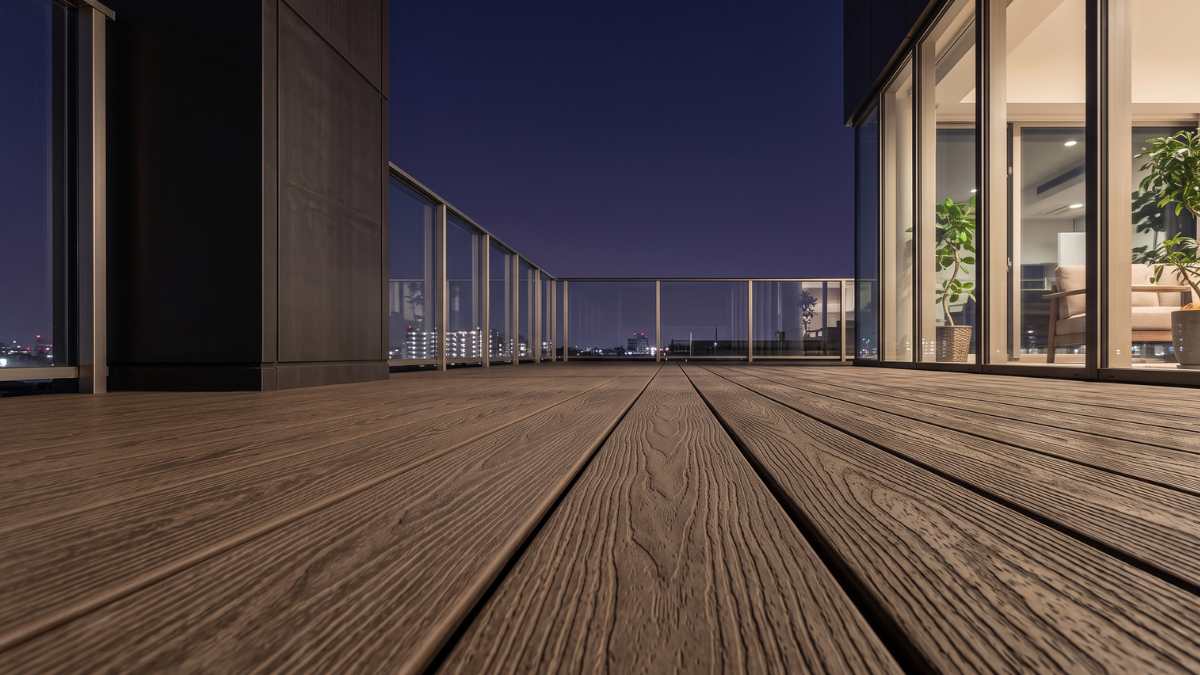
To determine the true viability of a flooring material for an exterior environment, it must successfully answer to three fundamental pillars: design, durability, and function.
Design
Outdoor flooring should not feel disconnected from the interior. The “best” material creates a seamless transition that pulls the eye outward, making the entire property feel larger. This often involves specifying an outdoor material that mirrors the color and texture of the indoor flooring, whether that is a warm wood grain or a sleek concrete finish.
Durability
Unlike living room floors, patio surfaces face constant environmental attacks. The material must possess a high compressive strength to handle the weight of outdoor kitchens and fire pits.
More importantly, it must resist UV fading under the summer sun and survive the expansion of freezing water in the winter without spalling or cracking.
Function
Functionality dictates daily life. An outdoor floor must be safe to walk on when wet, requiring specific surface friction. Additionally, functionality means evaluating the true cost of ownership: does the material require annual chemical sealing to prevent moss growth, or can it be cleaned with a simple pressure washer?
Related article: Tile vs. Hardwood Flooring: Which is the Better for Your Home?
Top Flooring Materials for an Outdoor Patio in Modern Builds
Moving beyond fragile traditional options like porous terracotta or standard ceramic, the modern construction industry relies on high-performance materials engineered specifically for exterior extremes.
High-Density Porcelain Tiles and Pavers
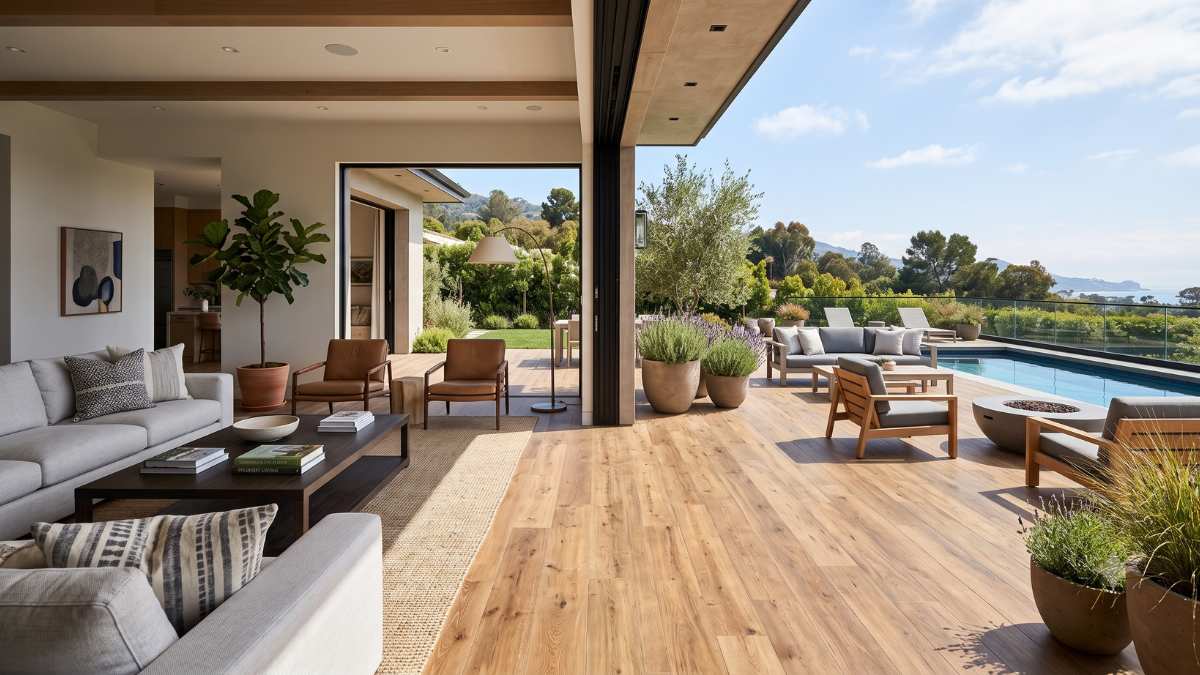
For contemporary patios, 20mm thick exterior porcelain pavers have become the undisputed industry standard. Manufactured at extremely high temperatures, porcelain is incredibly dense, boasting a water absorption rate of less than 0.5%. This makes it practically waterproof and completely immune to freeze-thaw cracking.
From an installation perspective, contractors appreciate its versatility. Porcelain pavers can be installed traditionally with thin-set mortar over a concrete slab, dry-set over gravel, or elevated on adjustable pedestal systems to conceal plumbing and drainage.
Aesthetically, high-definition printing allows porcelain to perfectly mimic the look of natural travertine, slate, or warm timber without any of the associated maintenance.
Polished vs. Glazed Porcelain Tiles for Commercial & Luxury Builds
Composite Decking (WPC)
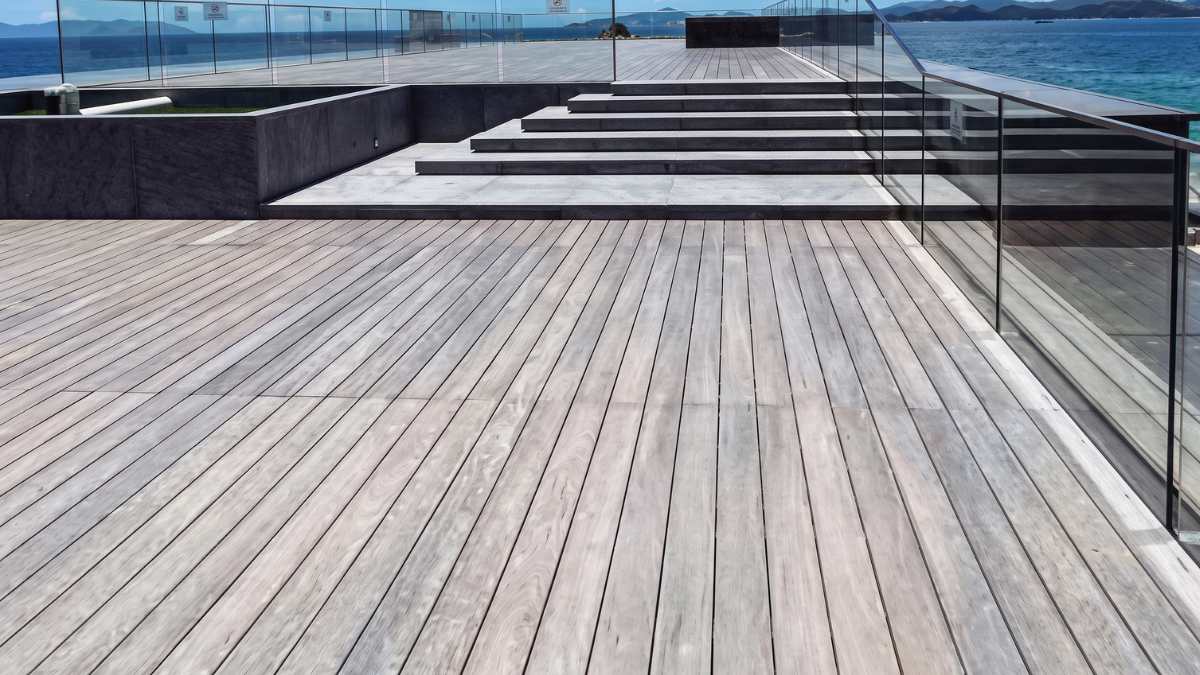
If your architectural vision calls for a wooden deck, traditional timber is rapidly being replaced by Wood-Plastic Composite (WPC). Made from a blend of recycled wood fibers and durable polymers, WPC provides the organic warmth and barefoot comfort of real wood but eliminates the inherent flaws.
It is completely rot-proof, splinter-free, and highly resistant to insect damage. Unlike traditional cedar or mahogany, WPC never requires sanding, staining, or sealing, making it ideal for large entertainment decks and elevated balconies.
Natural Stone (Granite, Slate, Travertine)
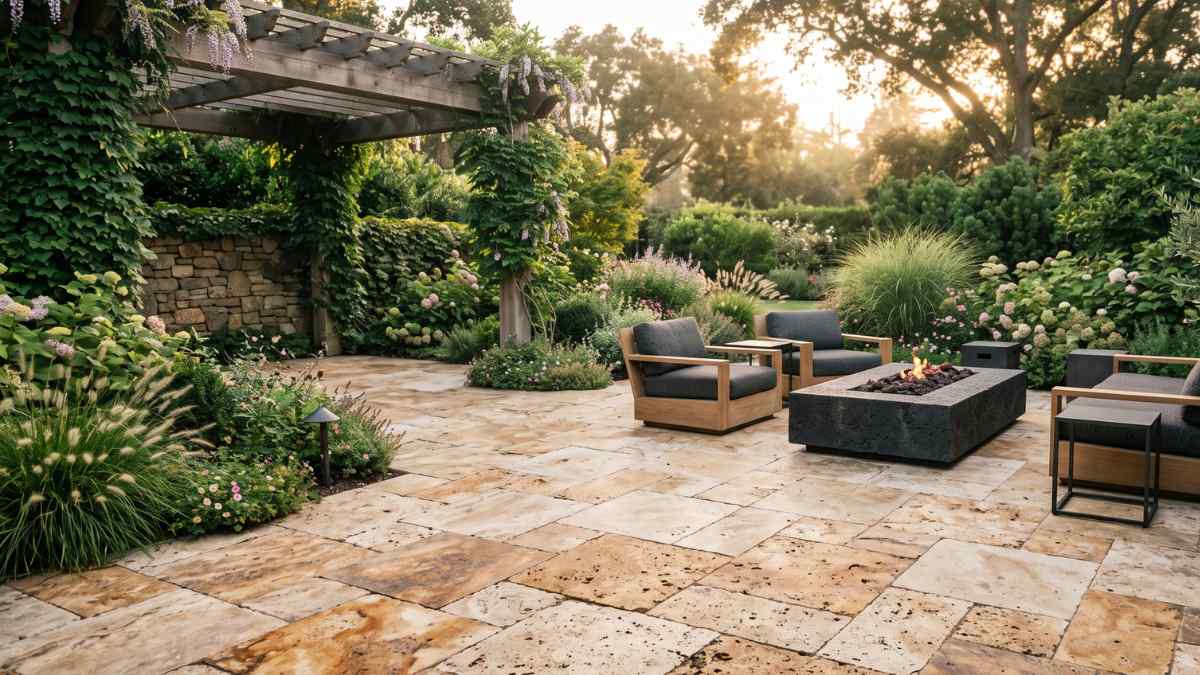
Natural stone remains the ultimate choice for luxury, nature-inspired retreats. Materials like granite and slate offer massive compressive strength and a timeless, organic texture that blends beautifully into landscape design.
However, specifying natural stone requires an understanding of its porosity. Softer stones like travertine are highly porous and will absorb water, stains from fallen leaves, and grease from barbecue grills. If you choose natural stone, you must factor in the ongoing maintenance requirement of professional sealing every few years to preserve its integrity.
Cement and Concrete Finishes
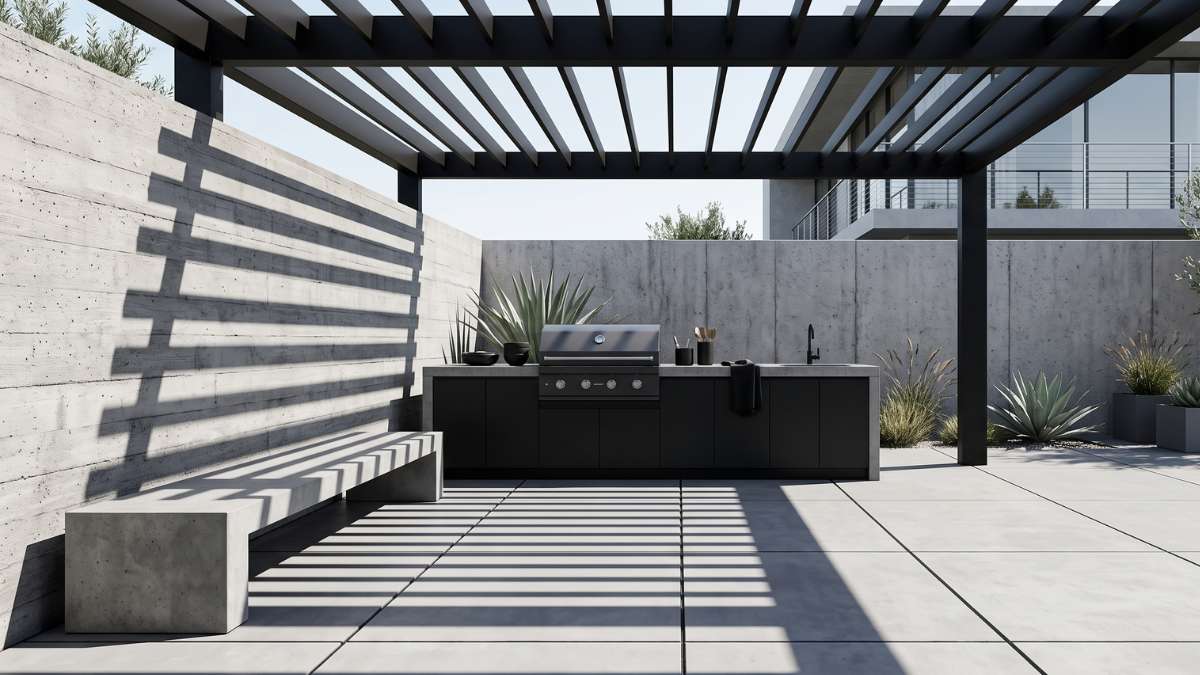
For industrial-chic or minimalist modern aesthetics, poured concrete or large-format cement pavers offer a sleek, continuous look. Modern techniques like stamping, brushing, or exposed aggregate can add necessary texture and visual interest.
While highly durable, concrete is inherently rigid; contractors must carefully plan control joints to dictate where the material will naturally crack as the ground shifts over time.
Application Scenarios: Matching Material to Patio Function
Understanding how the space will be used is just as critical as the climate it sits in.
A Modern Outdoor Oasis
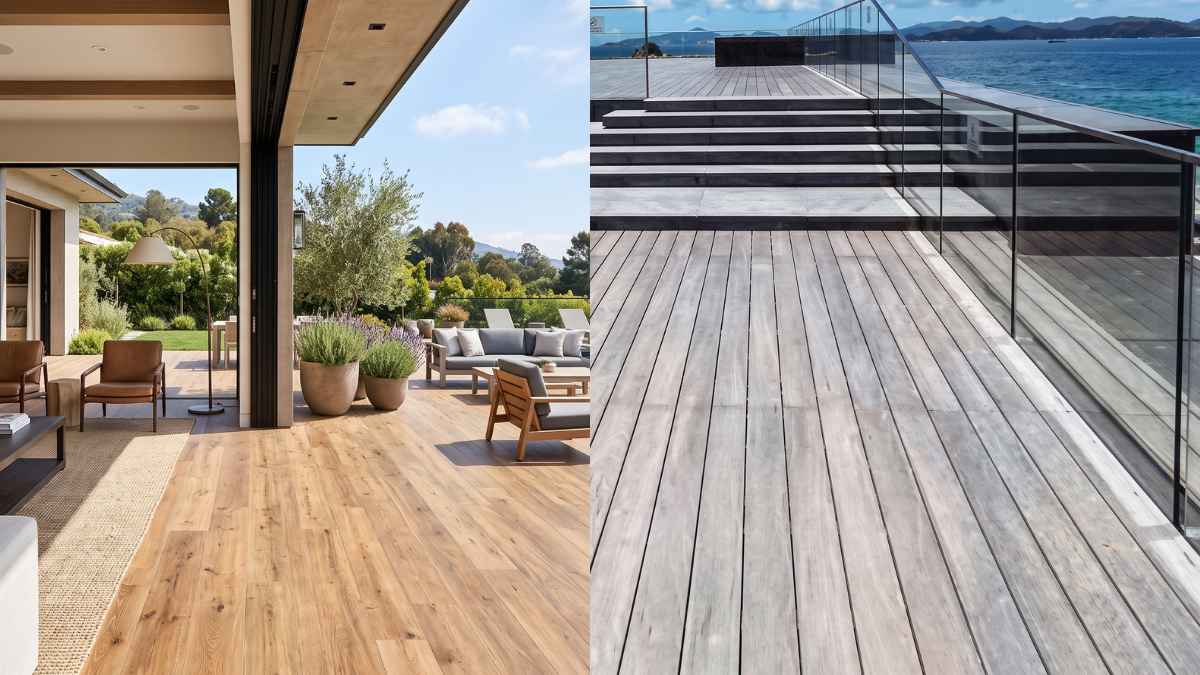
For homeowners looking to blur the lines between inside and out, the strategy is continuity. By specifying a standard 10mm porcelain tile for the interior living room and its exact 20mm, textured counterpart for the exterior patio, you achieve a flawless, uninterrupted visual flow that visually doubles the living space.
The Poolside Retreat
Safety overrides all other concerns near standing water. Smooth indoor tiles are an extreme hazard outside. Poolside surrounds demand materials with specific friction profiles, such as R11-rated anti-slip porcelain or heavily textured natural stone, ensuring safe, barefoot traction even when fully submerged.
Tips for Choosing Outdoor Patio Flooring
As you finalize your project specifications, keep these critical evaluation points in mind to avoid costly mistakes down the line.
Consider Weather and Wear
If your region experiences hard freezes, porosity is your enemy. Water absorbed by porous materials like brick or terracotta will freeze, expand, and shatter the flooring from the inside out. Always check the manufacturer’s frost-resistance guarantee.
Don’t Overlook Safety and Slip Resistance
Always review the dynamic coefficient of friction (DCOF) or the “R-rating” of a material. For uncovered outdoor areas exposed to rain, an R11 rating is the baseline requirement to prevent dangerous slips and falls.
Compare Maintenance Requirements
Do not just look at the initial cost per square foot; look at the maintenance schedule. A natural wood deck might be cheaper to purchase today, but the labor and materials required to stain it every two years will quickly surpass the cost of installing a zero-maintenance WPC or porcelain system.
Streamline Your Outdoor Flooring Sourcing with George Solution
Coordinating an outdoor hardscaping project often involves juggling multiple vendors—sourcing pedestals from one supplier, porcelain pavers from another, and WPC decking from a third. This fragmented approach frequently leads to mismatched color tones, delayed shipping, and incompatible installation systems.
Operating directly from the manufacturing hubs in Foshan, George Solution provides a streamlined, one-stop procurement experience for your entire project. We supply premium 20mm outdoor porcelain, advanced WPC decking systems, and all necessary installation hardware under strict quality control protocols.
Whether you are a homeowner seeking a seamless indoor-outdoor transition or a contractor requiring large volumes of color-matched materials, we ensure your outdoor flooring arrives on site on time, on budget, and engineered to last.
Frequently Asked Questions (FAQ)
What is the difference between standard porcelain tile and a 20mm porcelain paver for outdoor patios?
While both are made from the same high-density clay, the primary difference lies in their thickness and structural application. Standard porcelain tiles are typically 8mm to 10mm thick and must be permanently glued down with mortar over a solid concrete slab.
20mm porcelain pavers are twice as thick, making them significantly stronger and capable of being dry-laid directly onto gravel, sand, or raised pedestal systems without any mortar or adhesives. This thickness provides the high impact resistance required to survive freeze-thaw cycles and heavy outdoor furniture load capacities.
Does composite decking (WPC) get too hot to walk on in direct sunlight?
Like any material exposed to the sun all day—including natural wood and concrete—composite decking will absorb heat. However, modern engineering has drastically improved the thermal performance of high-quality WPC.
Lighter colors (such as light greys or soft tans) reflect more sunlight and stay noticeably cooler than darker charcoal or deep walnut shades. If your patio or deck has zero shade cover and receives intense, direct summer sun, selecting a lighter color profile will ensure a much more comfortable barefoot experience.
What slip resistance rating should I look for when specifying outdoor flooring?
For uncovered outdoor patios, walkways, and poolside areas exposed to rain or splashing water, you should look for a minimum rating of R11 on the European slip-resistance scale, or a Dynamic Coefficient of Friction (DCOF) rating of 0.42 or higher.
Surfaces with these specifications feature a subtle, microscopic texture that provides reliable traction under wet conditions, protecting your guests and family from accidental slips without feeling overly rough to walk on.