

Selecting the perfect flooring for a high-end build is more than just a design choice—it is a critical engineering decision. Walk into any premium material showroom, and both polished and glazed porcelain tiles will instantly catch your eye with their stunning finishes. However, what looks remarkably similar under a spotlight behaves entirely differently under heavy foot traffic, dropped objects, or in wet environments.
To make a sound purchasing decision, you need to look beyond the surface. In this guide, we bypass the standard sales pitch to break down the actual manufacturing differences, structural performance, and strategic applications of polished versus glazed porcelain tiles.
Whether you are a homeowner planning a luxury renovation or a contractor managing a commercial build, here is exactly how to specify the right tile for your space with absolute confidence.

- Executive Summary: When walking through a tile showroom, polished and glazed options often look remarkably similar. Yet, selecting the wrong surface can lead to costly replacements down the line. Choosing the right tile is fundamentally an engineering decision that impacts load-bearing capacity, wear resistance, and spatial safety. This guide dissects the manufacturing differences between the two, utilizing objective physical parameters and supply chain strategies to help contractors and homeowners specify the right material for their exact needs.
The Core Difference: How They Are Made (And Why It Matters)
To make a sound purchasing decision, it helps to understand what happens to these tiles inside the factory. The manufacturing process directly dictates how the floor will behave in a real-world setting.
Polished Porcelain Tiles (The Glossy Heavyweight)
Polished tiles are straightforward in their construction. Solid porcelain clay is baked at extreme temperatures, and then heavy machinery grinds and buffs the surface until it achieves a brilliant, mirror-like shine.
- Pros:
- Full-Body Integrity: The color runs all the way through the tile. If a heavy object causes a tiny chip on the floor, it will not reveal a different color underneath.
- Extreme Durability: Structurally, these are incredibly resilient. They boast a bending strength of ≥ 35MPa and a wear resistance of ≤ 175mm³, meaning they easily handle the heavy foot traffic of a commercial lobby or a bustling family living room without cracking under pressure.
- High-Gloss Aesthetics: With a glossiness rating of ≥ 55°, they reflect light beautifully, maximizing the perceived volume of living rooms and formal spaces.
- Cons:
- Stain Vulnerability:
- The grinding process strips the top layer, opening microscopic pores on the surface. Spills like red wine or dark coffee can seep in if left unattended. High-quality polished tiles must be treated with a premium nano-sealant at the factory to prevent staining.
- Slip Hazard: The ultra-smooth finish becomes highly slippery when wet, making them an active safety hazard for bathrooms or outdoor areas.

Glazed Porcelain Tiles (The Versatile Protector)
Instead of buffing the raw clay, glazed tiles take a different route. A layer of liquid glass is applied before they go into the kiln. This glass layer (the glaze) bakes directly onto the surface, sealing it completely.
- Pros:
- Ultimate Stain Resistance: The glaze acts as an invisible shield. Combined with high-quality porcelain’s water absorption rate of ≤ 0.5%, the tile is practically waterproof and completely blocks dirt from penetrating.
- Design Flexibility: The protective glaze allows manufacturers to print stunning, ultra-realistic designs—such as natural wood grain or high-end marble veins—directly onto the tile face.
- Slip-Resistant Options: Glazed tiles can be manufactured with matte or textured finishes, providing the necessary mechanical grip for wet environments.
- Cons:
- Surface-Level Protection: The aesthetic finish relies entirely on that protective glaze. If a heavy cast-iron pan drops and shatters the top layer, it will expose the raw gray or white clay body underneath.
Summary Comparison: Glazed vs. Polished Porcelain Tiles
To streamline the specification process, it is critical to evaluate the structural and aesthetic differences side-by-side. The choice between glazed and polished porcelain tiles ultimately depends on balancing design intent with functional requirements, such as slip resistance, maintenance, and surface durability.
The table below outlines the core distinctions to guide your material selection:
| Feature | Glazed Porcelain Tiles (GVT) | Polished Porcelain Tiles |
| Surface Finish | A protective glazed layer is applied on top and fired at a high temperature. It can be glossy, matte, or textured depending on the design. | The surface is mechanically polished after firing to achieve a smooth, mirror-like shine without any extra coating. |
| Look & Style | Offers a wide variety of looks such as wood, stone, marble, cement, and creative patterns. Suitable for all interior styles. | Gives a clean, elegant, and premium high-gloss appearance with a more uniform and luxurious feel. |
| Design Options | Very high design flexibility with endless colors, textures, and printed styles for creative interiors. | Limited design variety, mostly focused on solid colors or marble-like natural finishes. |
| Slip Resistance | Better grip, especially in matte and textured finishes, making it safer for wet areas. | It can become slippery when wet due to its smooth and shiny surface. |
| Durability | Highly durable with a strong protective layer that effectively resists water and stains. | Strong and long-lasting, but the surface may show minor scratches over time and requires sealing. |
Use this matrix as a primary reference when assigning materials to specific spatial functions. Specify matte glazed tiles for areas demanding high moisture resistance and grip, such as bathrooms and exterior patios. Conversely, deploy polished tiles in formal, high-traffic commercial or living spaces where maximum light reflection and a premium, uniform aesthetic are the primary objectives.
The Space Test: Specifying the Right Tile
Matching the material to the room’s function is the most critical step in the specification process.
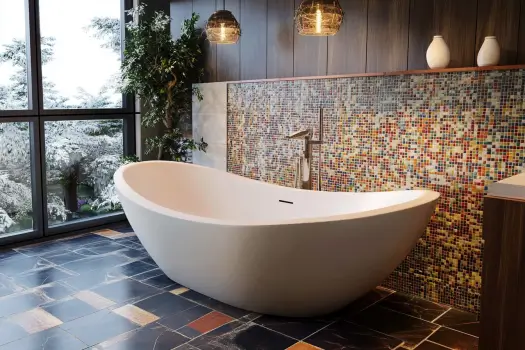
The Wet Zone Test (Bathrooms, Kitchens & Exteriors)
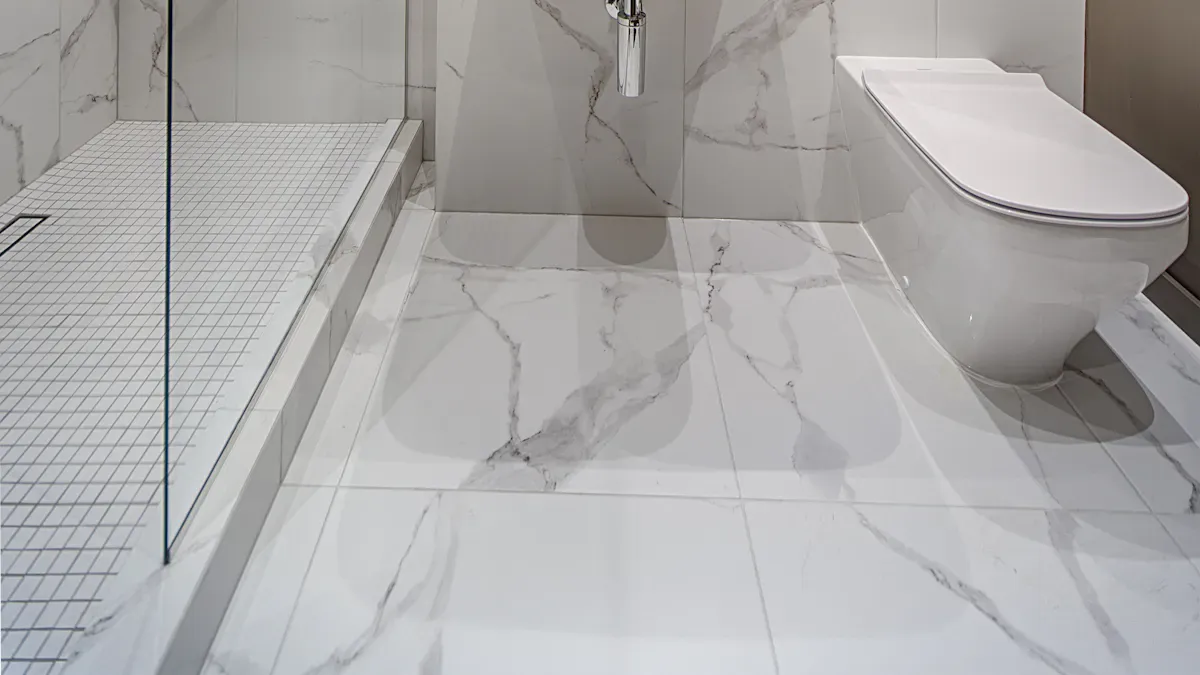
Safety and hygiene dictate the rules in wet areas. While polished tiles look stunning in a master bathroom, they fail basic safety compliances the moment water hits them.
For kitchens, bathrooms, and outdoor patios, Matte Glazed Tiles are the standard specification. The textured glaze provides the grip needed to prevent slips, while the zero-porosity surface ensures that cooking oils, cosmetics, and moisture can be wiped away easily.
The Heavy Foot Traffic Test (Living Rooms & Commercial Spaces)
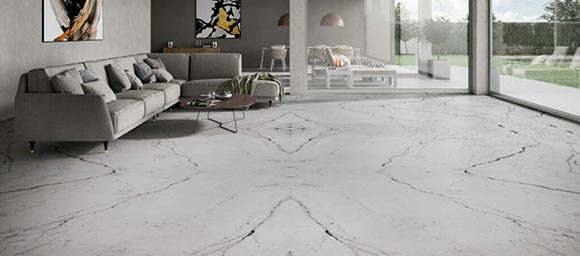
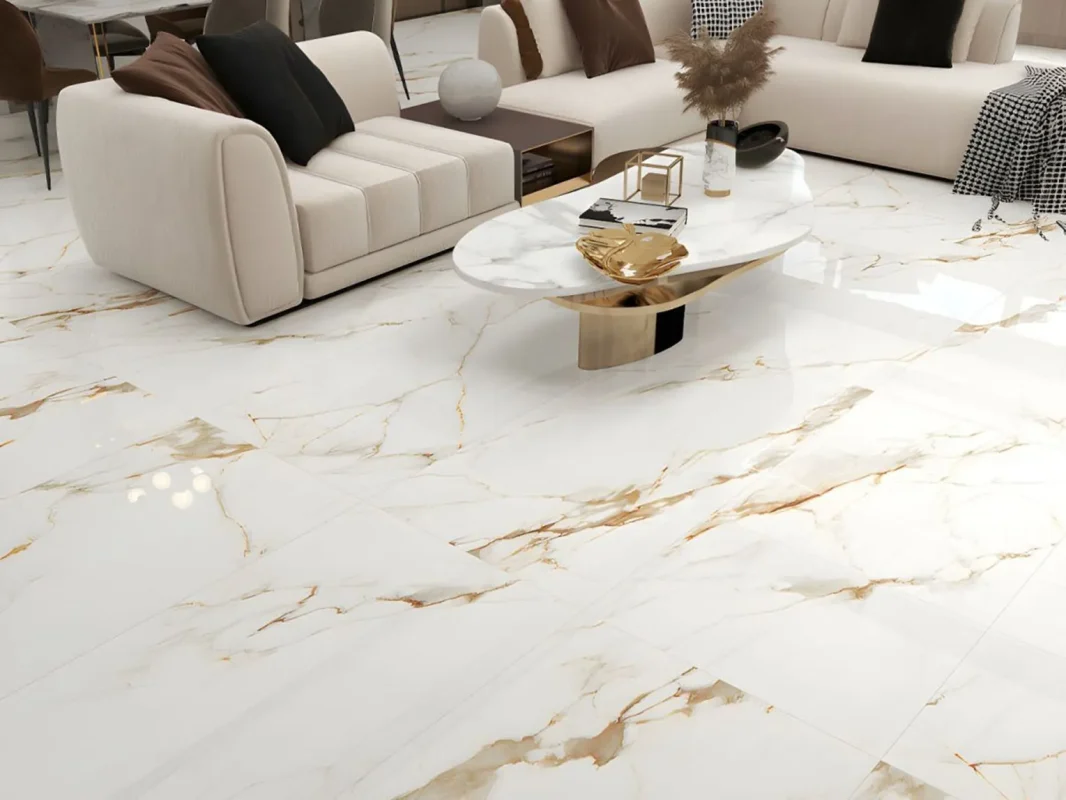
When specifying materials for a grand entryway, a spacious living room, or a hotel lobby, the priority shifts to visual impact and wear resistance. Polished Tiles are the ideal choice here.
They handle high foot traffic exceptionally well, and their high-gloss finish delivers the pristine elegance that upscale projects demand.
Related article: What Are Wood-Look Tiles, and How Do They Differ from Wood Flooring?
The Supply Chain Trap: Mitigating Procurement Risks
Few things delay a construction schedule faster than receiving the wrong materials. Whether managing a multi-unit build or a luxury home renovation, sourcing tiles internationally comes with two distinct risks:
- Shade Variation: Tiles fired in different batches often present slight color deviations. A “pure white” from one batch may look slightly yellow next to another, ruining the visual continuity of a large floor plan.
- Calibration & Lippage: Lower-tier tiles are rarely perfectly flat or uniformly sized. When installed, the edges fail to align properly, creating sharp, uneven ridges (lippage) across the floor.
Conclusion
Ultimately, there is no single “best” tile—only the right material engineered for the right environment. Polished porcelain delivers unmatched structural heavyweight strength and a high-end reflective gloss that is perfect for grand lobbies and formal living areas. Conversely, glazed porcelain offers the versatile design, zero-porosity protection, and vital slip resistance required for demanding spaces like kitchens, bathrooms, and exterior patios.
The George Solution Advantage: Flawless Execution
Knowing which tile to specify is only half the battle; executing the vision requires a flawless supply chain. Sourcing tiles from multiple international vendors often introduces critical risks, such as noticeable shade variations between batches or inconsistent calibration that results in uneven, sharp floor edges (lippage).
At George Solution, we do not just ship boxes of tiles; we deliver a complete, quality-controlled interior package. As your dedicated one-stop building material partner, our on-site teams rigorously inspect every batch before it leaves the factory floor. We guarantee color consistency and laser-precise calibration, ensuring your floors lay flawlessly flat.
You have engineered a beautiful space. Let us engineer the perfect material delivery. Contact the George Solution project team today with your floor plans, and let’s source the exact materials your next build demands.
FAQ
What is the main difference between polished and glazed porcelain tiles?
Polished tiles are full-body porcelain mechanically ground to a high shine, offering extreme durability but requiring nano-sealing to prevent stains. Glazed tiles feature a baked-on liquid glass layer that makes them completely waterproof and stain-resistant, though the color does not run through the entire tile body.
Are polished tiles safe for bathrooms?
No. While they offer a bending strength of ≥ 35MPa and excellent wear resistance, polished porcelain tiles achieve a glossiness rating of ≥ 55°, making them extremely slippery when exposed to water. Matte glazed tiles are the recommended specification for wet areas to ensure proper slip resistance.
Why is shade variation a problem when ordering tiles?
Shade variation occurs when tiles are manufactured in different firing batches, resulting in slight color differences. To ensure a seamless look across a large room, it is critical to source all tiles from a single batch. A consolidated supplier like George Solution conducts strict quality control to guarantee shade consistency before shipping.