

Lighting is the defining element of any living space. It is the layer that dictates the mood, highlights architectural details, and makes a house feel like a completed home. When planning a living room renovation or outfitting a new build, ceiling lights serve as the foundational light source.
Selecting the right living room ceiling lights is rarely a one-size-fits-all process. Whether you are a homeowner looking for the perfect statement piece to finish your decor, or an interior designer seeking reliable fixtures that perfectly match your 3D renderings, the goal is the same: bridging the gap between visual design and physical reality.
Translating Interior Styles into Lighting Choices
The first step in any lighting project is ensuring the fixture speaks the same language as the room’s interior design. A mismatched ceiling light can instantly disrupt the harmony of a carefully curated living space.
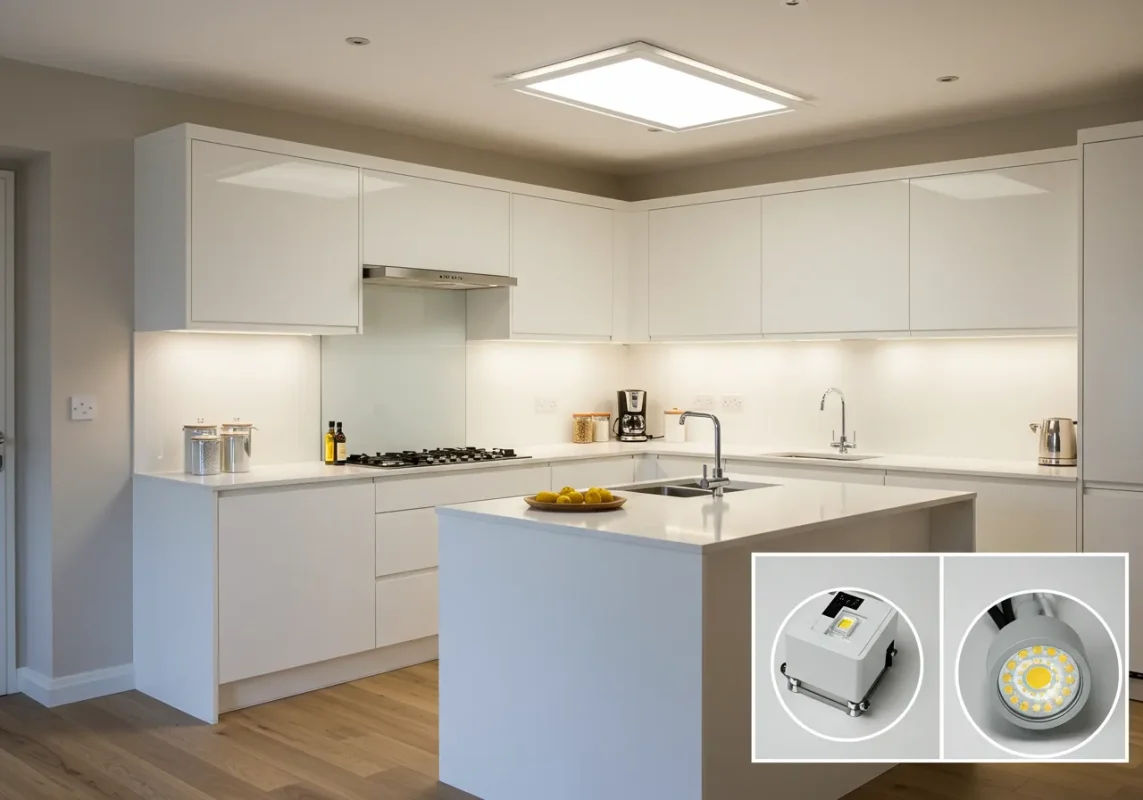
For minimalist and contemporary interiors, the objective is often “light without the fixture.” This design ethos favors ultra-thin, frameless LED ceiling lights or recessed architectural downlights. These fixtures blend seamlessly into the drywall, providing clean, widespread illumination that makes the ceiling feel higher and the room more expansive.
Conversely, modern luxury spaces require lighting that doubles as decor. In these environments, ceiling fixtures featuring brushed brass accents, smoked glass diffusers, or geometric acrylic elements add a necessary layer of sophistication.
They provide the visual weight and textural contrast needed to anchor premium furniture and rich material palettes, without demanding the vertical space of a traditional chandelier.
Selecting the Right Profile for Your Space Constraints
Even the most beautiful design must yield to the physical dimensions of the room. The height of your ceiling dictates the structural profile of the lighting you can safely install.
Flush Mounts for Low Ceilings
For standard 8-foot ceilings, flush mount ceiling lights are the industry standard. Because they sit entirely flat against the ceiling, they provide essential ambient light while maintaining an unobstructed, safe walking path.
Modern flush mounts have evolved significantly from the basic domes of the past; today, they are available in sleek, low-profile designs that deliver high-lumen output while remaining visually unobtrusive.
Semi-Flush Mounts for Added Dimension
If your living room has slightly higher ceilings (9 to 10 feet) but does not require a large suspended chandelier, semi-flush mounts offer the perfect compromise. These fixtures drop down just a few inches from the ceiling canopy.
This slight gap allows light to wash upward onto the ceiling as well as downward into the room, creating a beautiful layered lighting effect that makes the space feel taller and more inviting.
Modern Living Room Lighting Ideas for Every Home
Finding the right concept can sometimes be the hardest part of the process. Whether you are buying finished products for a weekend upgrade or sourcing for a complete home remodel, here are practical, modern ideas that fit seamlessly into contemporary living rooms:
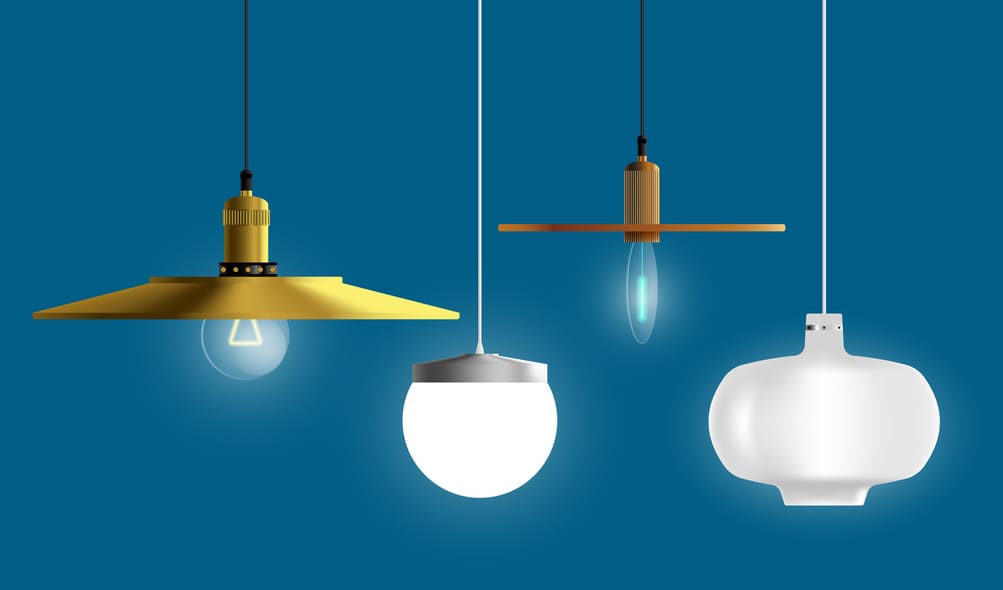
Geometric LED Silhouettes
Move away from standard circular lights and introduce squares, hexagons, or intersecting rings. These bold, sculptural ceiling lights act as modern art pieces, instantly updating a tired living room while providing excellent, dimmable LED illumination.
The Organic Textures
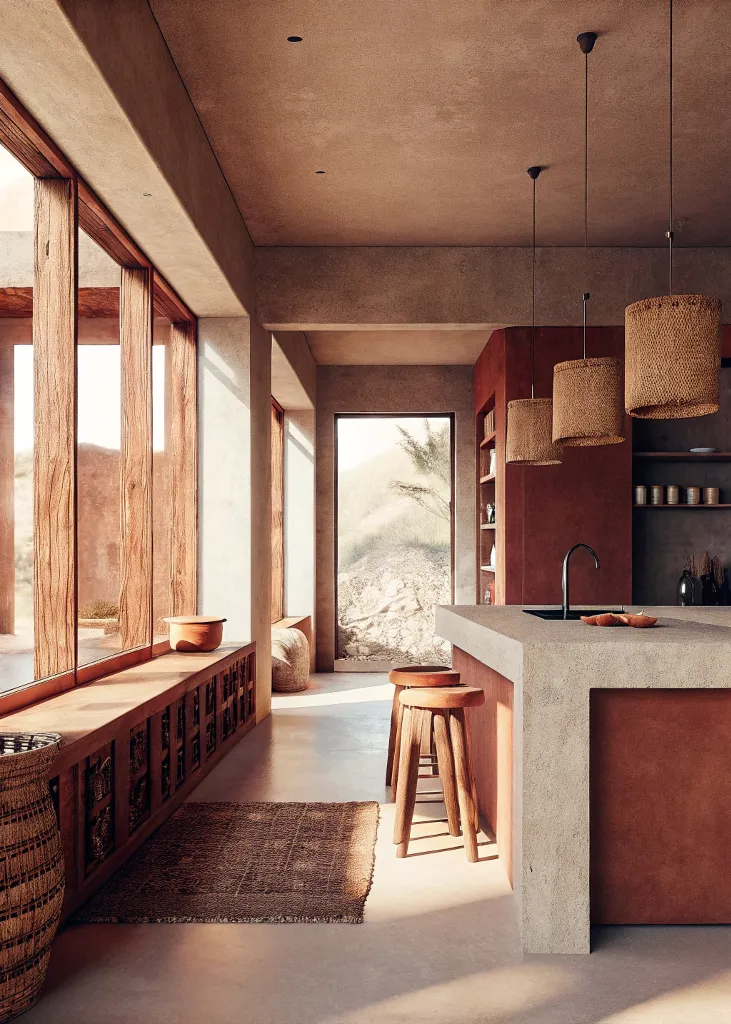
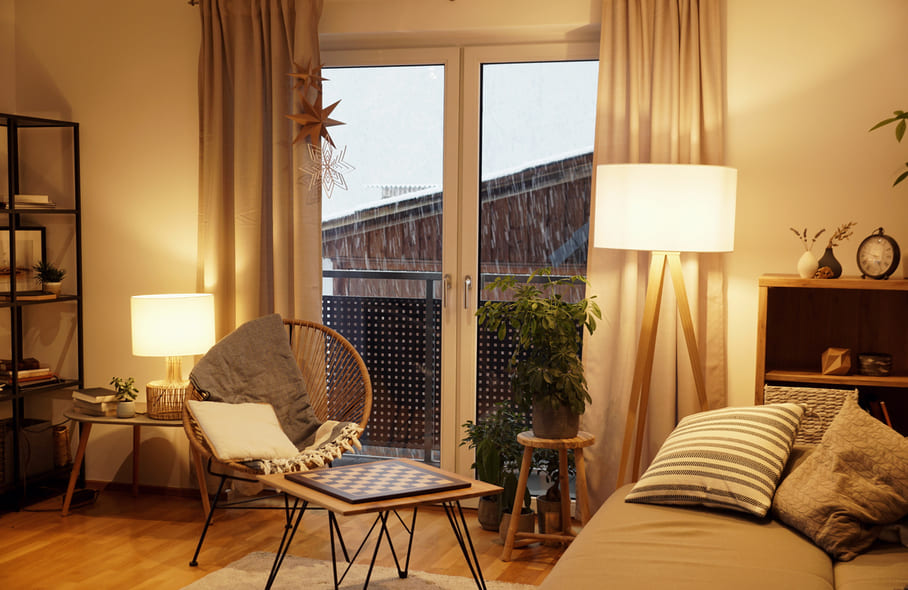
Incorporating fixtures with wood-grain metal finishes or fabric drum shades brings warmth to stark modern interiors. This style softens the room and pairs exceptionally well with Scandinavian or modern-transitional furniture.
Clustered Spotlight Arrays
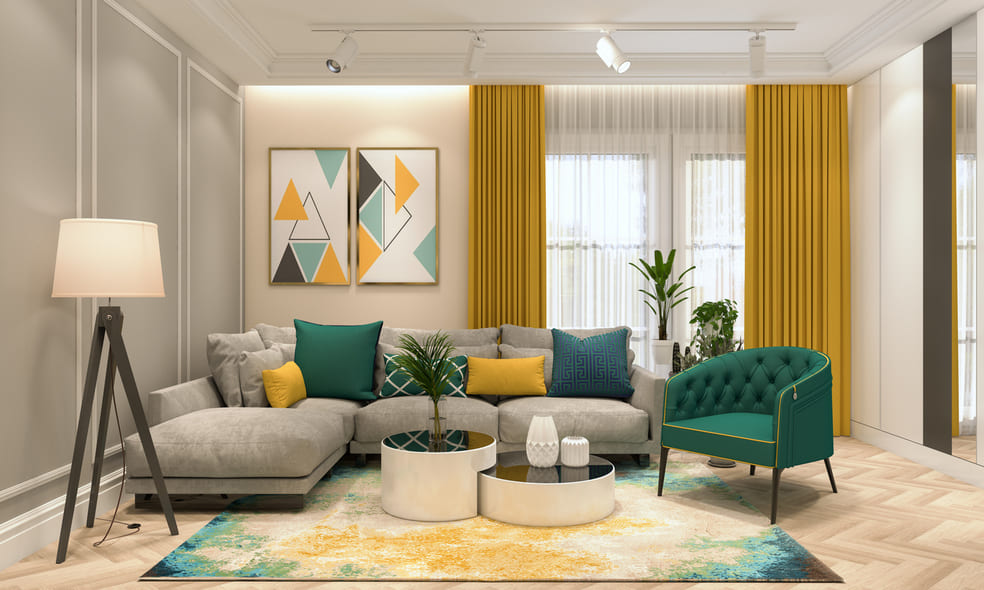
For living rooms that require flexible lighting—such as highlighting a specific piece of wall art or a reading nook—multi-head ceiling spotlights offer directional control. They provide the functionality of track lighting but with a much cleaner, more refined aesthetic.
Related article: Chandelier vs. Ceiling Light: Choosing the Right Lighting for Your Space
The Challenge of Consistency in Open-Concept Living
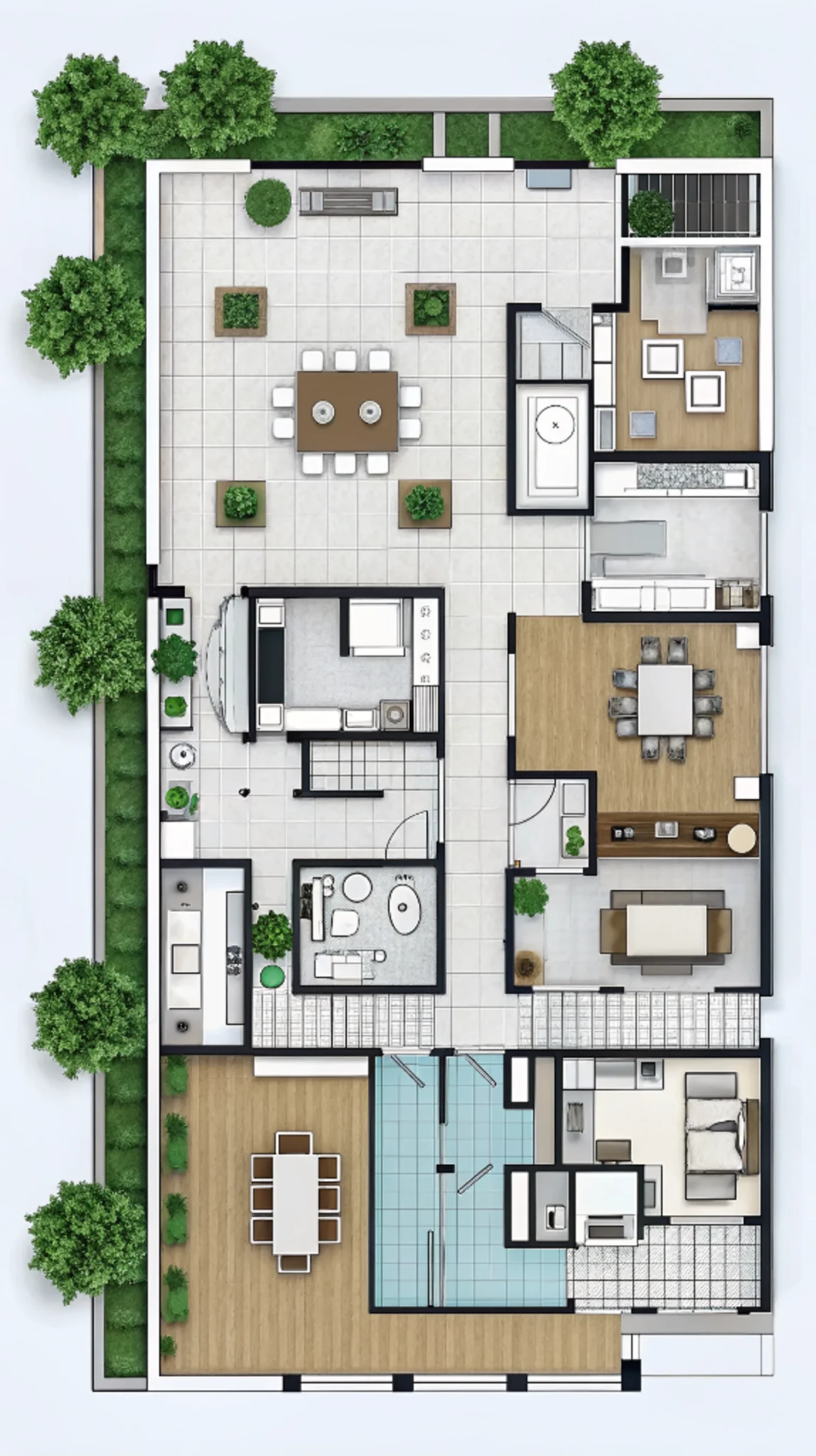
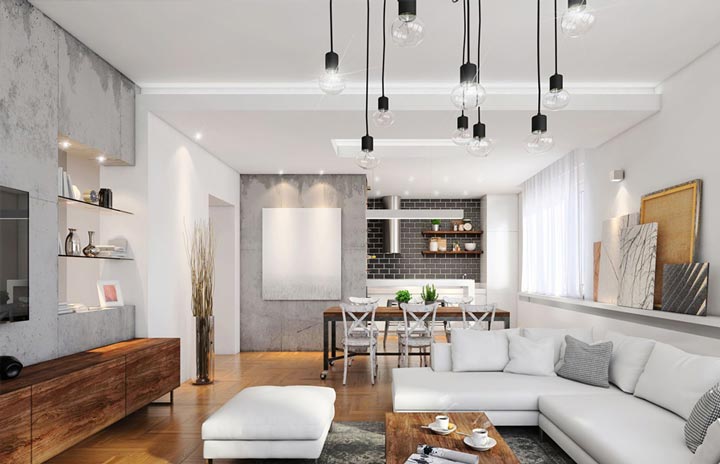
In modern architecture, the living room rarely sits in isolation; it usually flows directly into the dining area and kitchen. This open-concept layout introduces a significant procurement challenge: maintaining visual consistency across multiple light fixtures.
When sourcing living room ceiling lights alongside kitchen pendants and hallway sconces, the metal finishes must align perfectly. Mixing a matte black ceiling light from one factory with a slightly glossy black pendant from another creates a jarring disconnect that cheapens the entire build.
Furthermore, the color temperature (measured in Kelvin) must be uniform. A living room illuminated by 3000K warm white lights will clash terribly if the adjacent open kitchen uses 4000K cool white lights.
Related article: Top 10 Open Kitchen Living Room Ideas – Modern Layouts for Small & Large Spaces
Fulfilling Your Lighting Design with George Solution
Navigating the complexities of design matching, spatial constraints, and finish consistency requires a reliable supply chain. At George Solution, we bridge the gap between design conception and final installation.
Whether you are a homeowner purchasing a specific modern ceiling light to refresh your space, or a contractor requiring a comprehensive, one-stop lighting package for a multi-room project, we deliver exactly what is needed.
By controlling the manufacturing and procurement process, we ensure that every fixture you receive features identical metal finishes, consistent color temperatures, and strict adherence to your regional electrical standards. Bring us your floor plans, your 3D renderings, or simply your design ideas, and we will provide the cohesive lighting solutions to make them a reality.
Frequently Asked Questions (FAQ)
What is the best color temperature for living room ceiling lights?
For a living room, 3000K (Warm White) is generally the most recommended color temperature. It provides a bright, clear light that is inviting and comfortable for relaxing, without being too yellow or too harsh and clinical.
How many ceiling lights do I need in my living room?
This depends on the square footage and natural light available. A general rule of thumb is to calculate the required lumens (roughly 10-20 lumens per square foot) and divide that by the output of your chosen fixtures. Most modern living rooms benefit from one central decorative ceiling light, supplemented by recessed lights or lamps in the corners.
Can I install a ceiling light if I don’t have existing wiring in the center of the room?
If your ceiling does not have an existing electrical junction box, an electrician will need to run new wiring behind the drywall. Alternatively, for a less invasive update, you can utilize plug-in swag lights or rely on a combination of floor and table lamps to illuminate the space.