

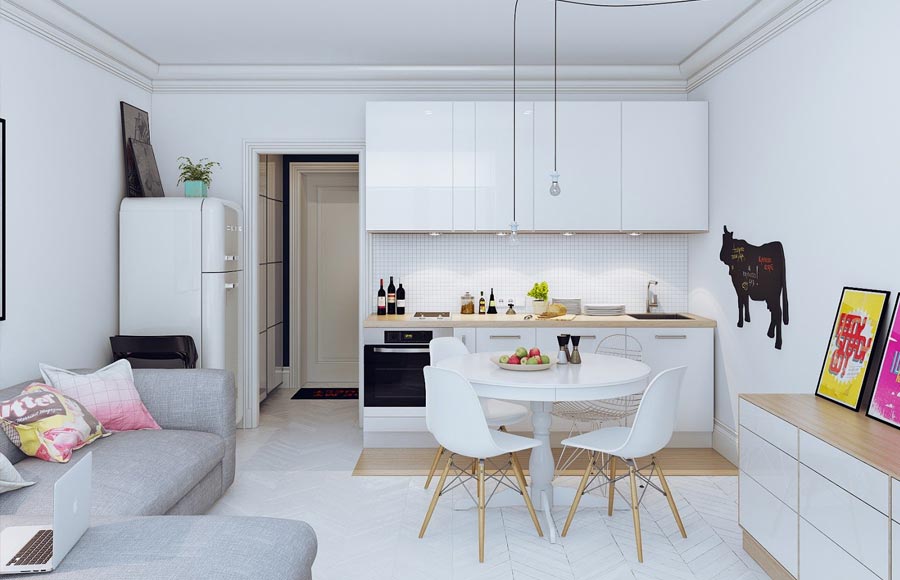
Open kitchen living room layouts have become a standard choice in modern homes. By removing walls and combining functions, they create spaces that feel larger, brighter, and more connected. However, an open layout also requires more careful planning. Without clear structure, the space can easily feel cluttered or undefined. The key is to balance openness with subtle separation.
Below are 10 practical and well-tested ideas to help you design an open kitchen living room that is both functional and visually cohesive.
Is an Open Kitchen with a Living Room a Good Idea?
Yes, an open kitchen living room is an excellent choice for many homes. It encourages interaction between household members, makes the space feel larger and brighter, and is ideal for entertaining.
However, careful planning is crucial to maintain a balance between functionality and aesthetics, especially when it comes to managing noise, odors, and storage needs. By thoughtfully addressing these challenges, you can ensure the design aligns with your lifestyle and enhances your home’s overall appeal.
Incorporating Living Room Renovation Ideas into the plan can further personalize the space, making it uniquely yours.Incorporating Living Room Renovation Ideas into the plan can further personalize the space, making it uniquely yours.
1. Create Distinct Zones with Flooring
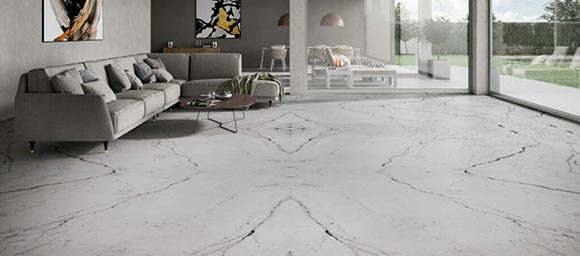
In an open kitchen living room, one of the most common challenges is how to separate spaces without using walls. Flooring is often one of the simplest and most effective solutions.
Use different flooring materials to visually separate the kitchen and living areas. Tiles are ideal for the kitchen as they’re durable and easy to clean, while hardwood or carpet can make the living space feel warm and inviting. For example, tiles or stone flooring are practical for the kitchen due to their durability and easy maintenance, while wood or vinyl flooring creates a warmer and more relaxed atmosphere in the living area.
2. Use an Island as a Focal Point
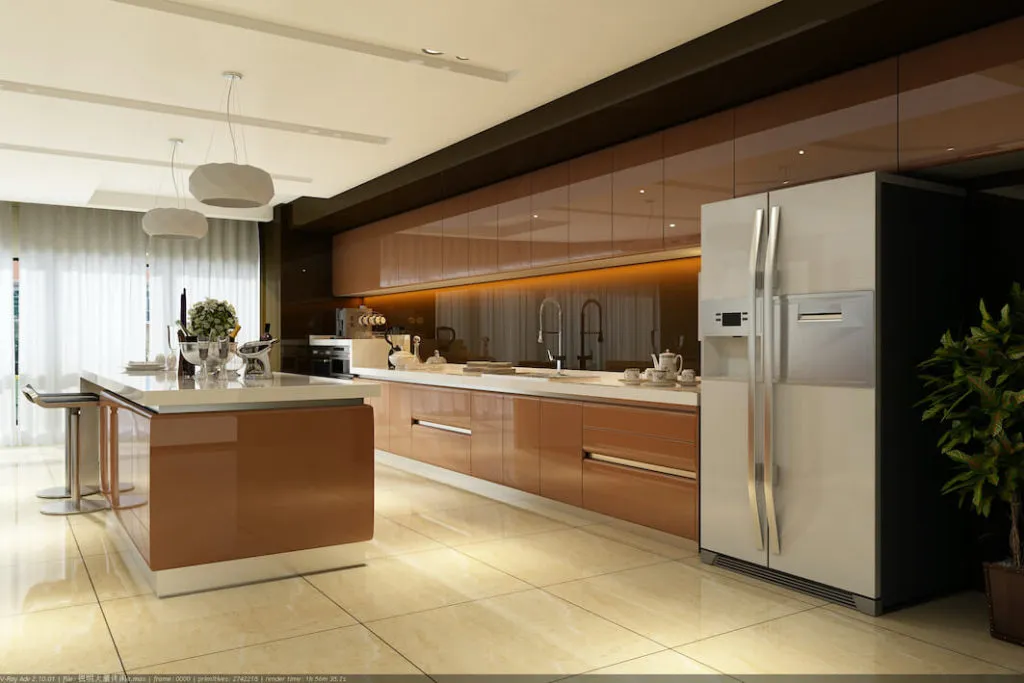
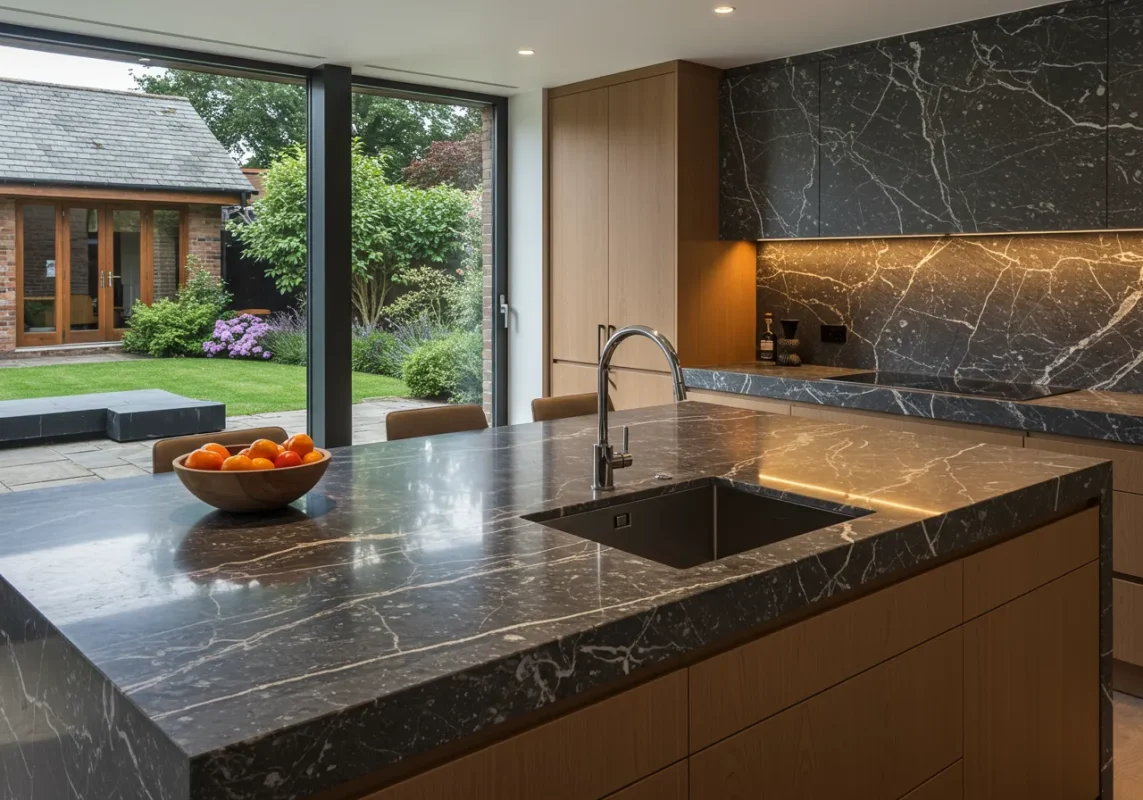
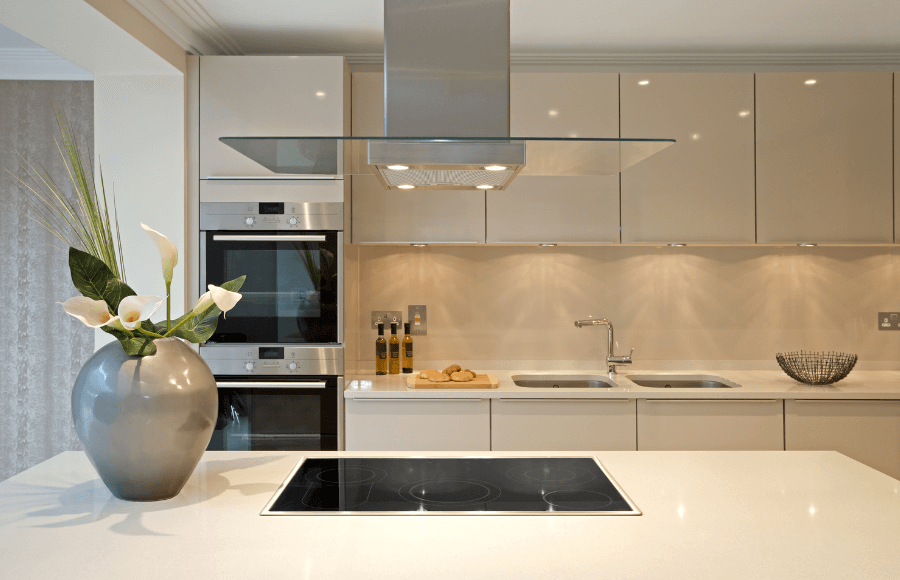
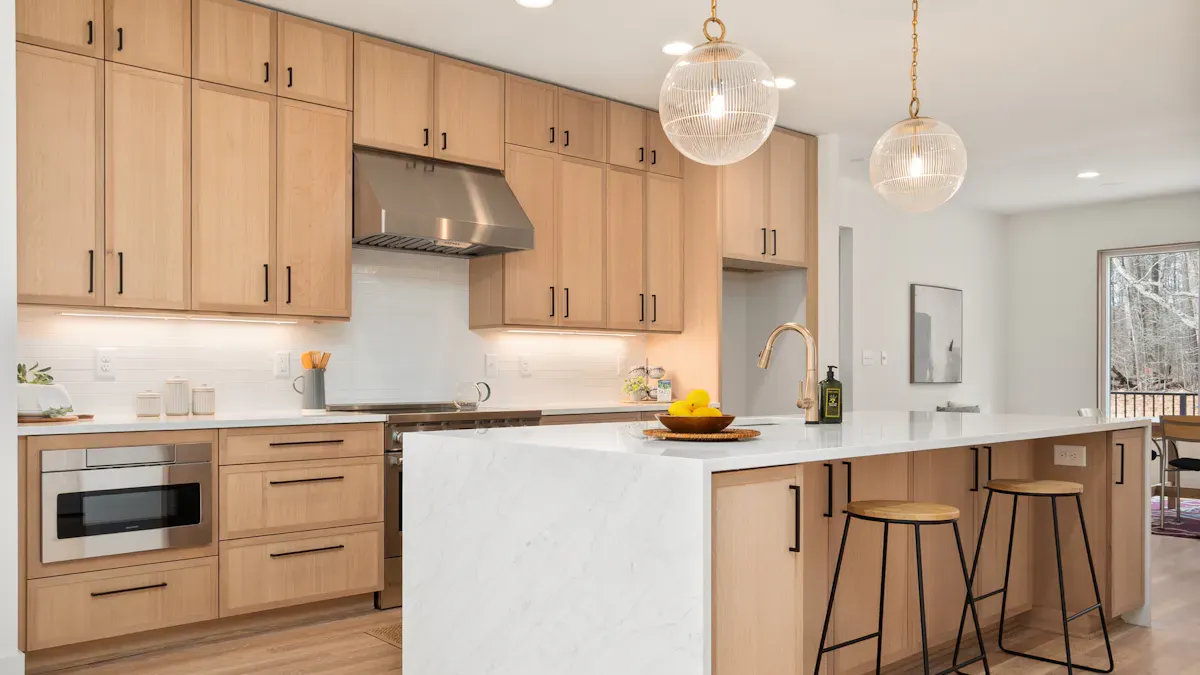
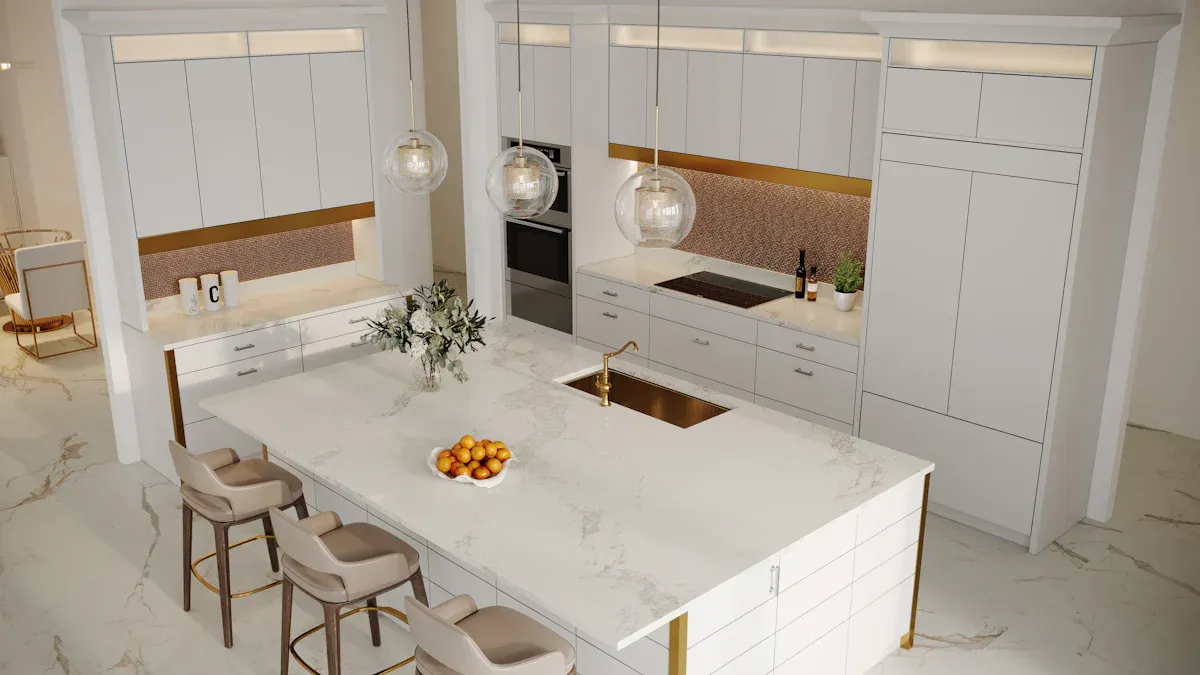
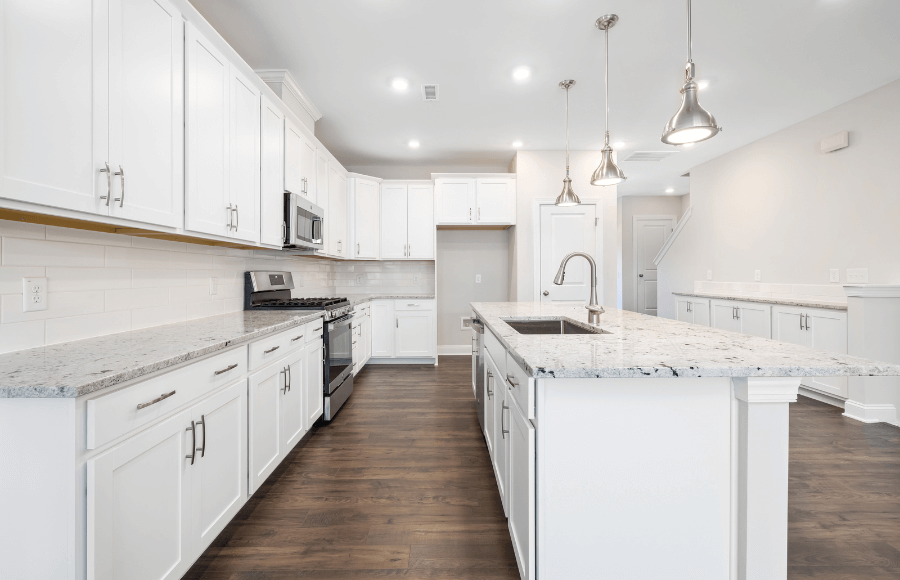
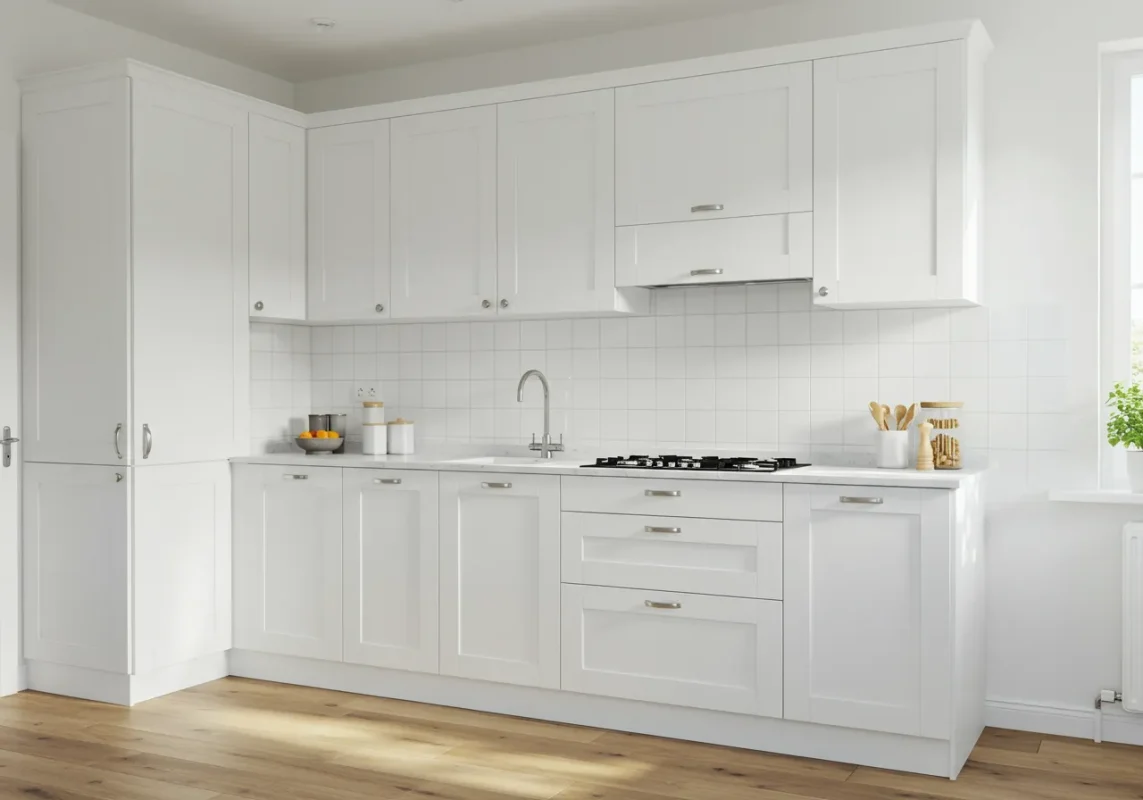
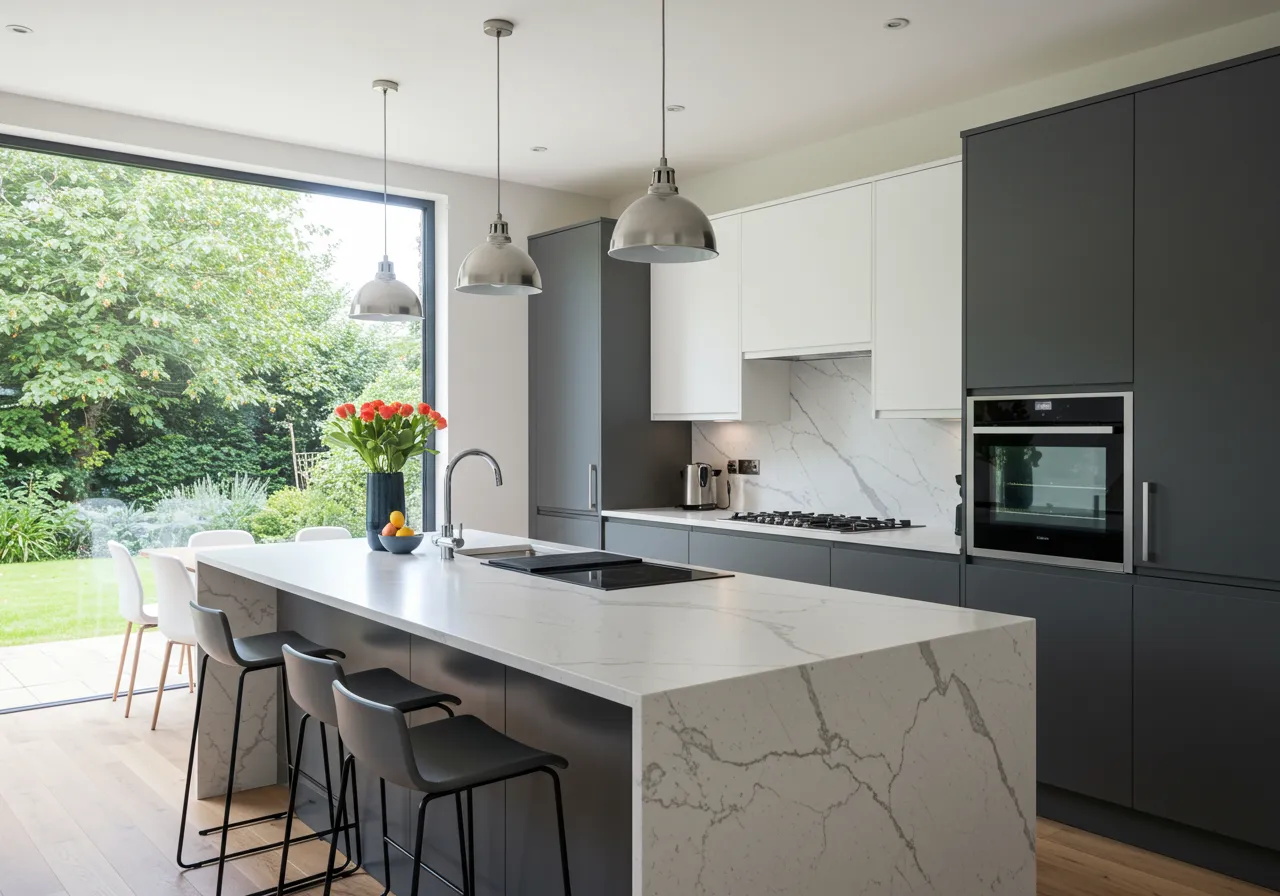
A kitchen island acts as a bridge between the kitchen and living areas, offering additional workspace, storage, and seating. It creates a subtle division while maintaining an open flow. Add bar stools to transform the island into a casual dining spot or incorporate a cooktop to encourage interaction while preparing meals. Islands with built-in sinks or wine racks can further enhance functionality, making them indispensable for both everyday use and entertaining guests. Use contrasting countertop materials or bold lighting above the island to make it a standout feature.
3. Keep a Consistent Color Palette
Color plays an important role in connecting different areas within an open space. Without a consistent palette, the kitchen and living room can feel visually disconnected.
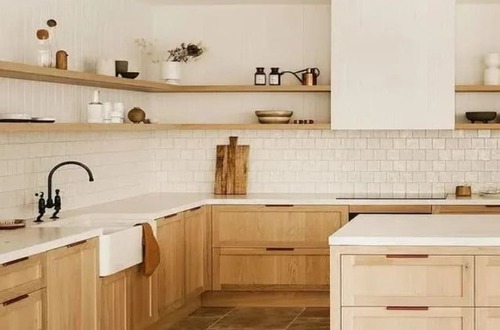
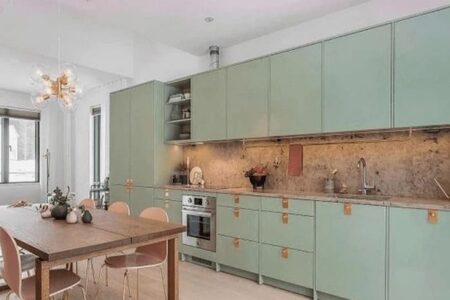
The goal of kitchen color is not to make everything identical, but to ensure that the elements work together naturally. A neutral base of whites, greys, or beiges ensures a cohesive look. Add personality with accents like colorful cushions, artwork, or rugs. Matching materials, such as wood finishes across the kitchen and living areas, creates harmony while maintaining individuality.
Drawing inspiration from Modern Kitchen Design Trends can also elevate the overall look and feel of the space.. For added depth, incorporate textured elements like woven throws or velvet cushions. Accent colors can be rotated seasonally for a refreshed look without requiring major changes to the space’s design.
4. Use Lighting to Create Subtle Separation
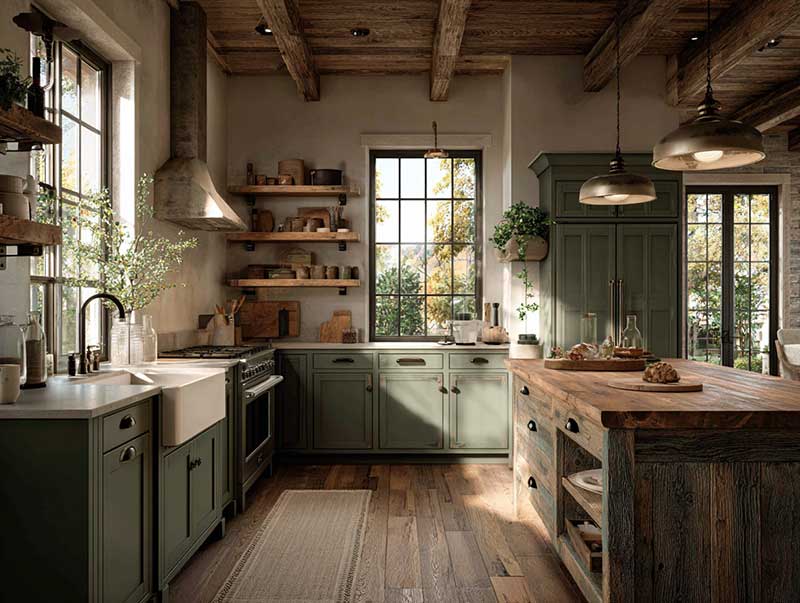
Lighting is often overlooked, but it can significantly influence how an open space is perceived. Statement lighting unites the two areas while enhancing ambiance.
Pendant lights above the kitchen island and a striking chandelier in the living room create focal points. Layered lighting, such as under-cabinet lights, adds functionality and warmth without overwhelming the design. Dimmable lighting options allow you to adjust the brightness depending on the mood or activity, making the space versatile for both lively gatherings and quiet evenings. Match finishes on light fixtures to maintain consistency and elevate the overall aesthetic.
5. Incorporate Open Shelving
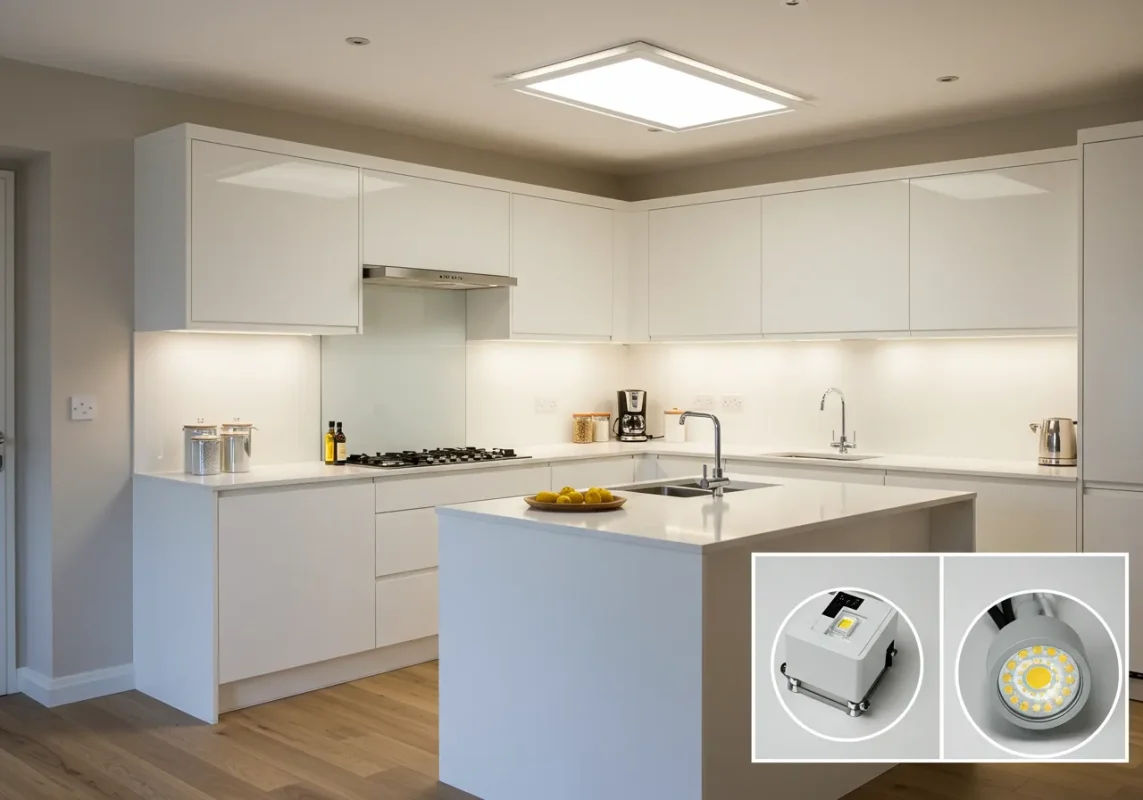
However, it is important to avoid overcrowding, as too many items can make the space feel cluttered. Open shelving offers a way to add storage without making the space feel enclosed.
Open shelving keeps the space organized and adds visual interest. In the kitchen, use floating shelves for dishes or cookware, and in the living room, display books or decorative items. Multi-functional furniture with hidden storage further reduces clutter, ensuring the space remains neat.
To add a personal touch, consider arranging shelves with a mix of functional items and decor, such as framed photos, small plants, or colorful ceramics, creating a blend of practicality and style.
6. Opt for Minimalist Furniture
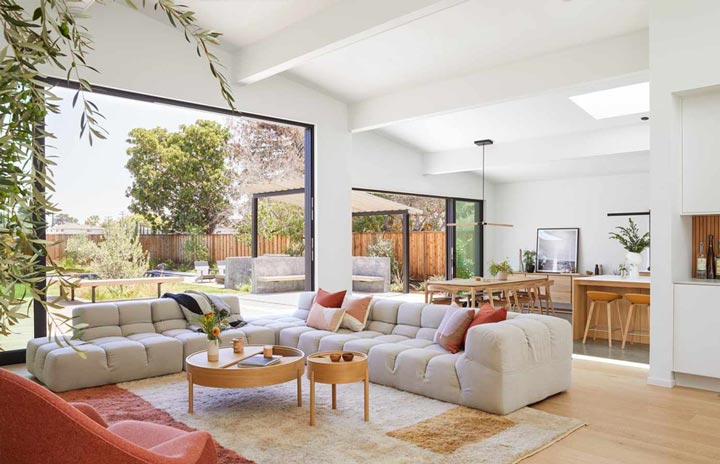
Choose simple, modern furniture to avoid visual clutter. Low-profile sofas, sleek dining tables, and integrated kitchen appliances ensure a streamlined look. Modular seating allows flexibility, making the living room adaptable for different activities. Incorporate pieces with clean lines and neutral tones to maintain an uncluttered appearance.
For added functionality, select furniture that serves dual purposes, such as storage ottomans or extendable dining tables, to maximize the usability of the space.
7. Invest in Quality Ventilation
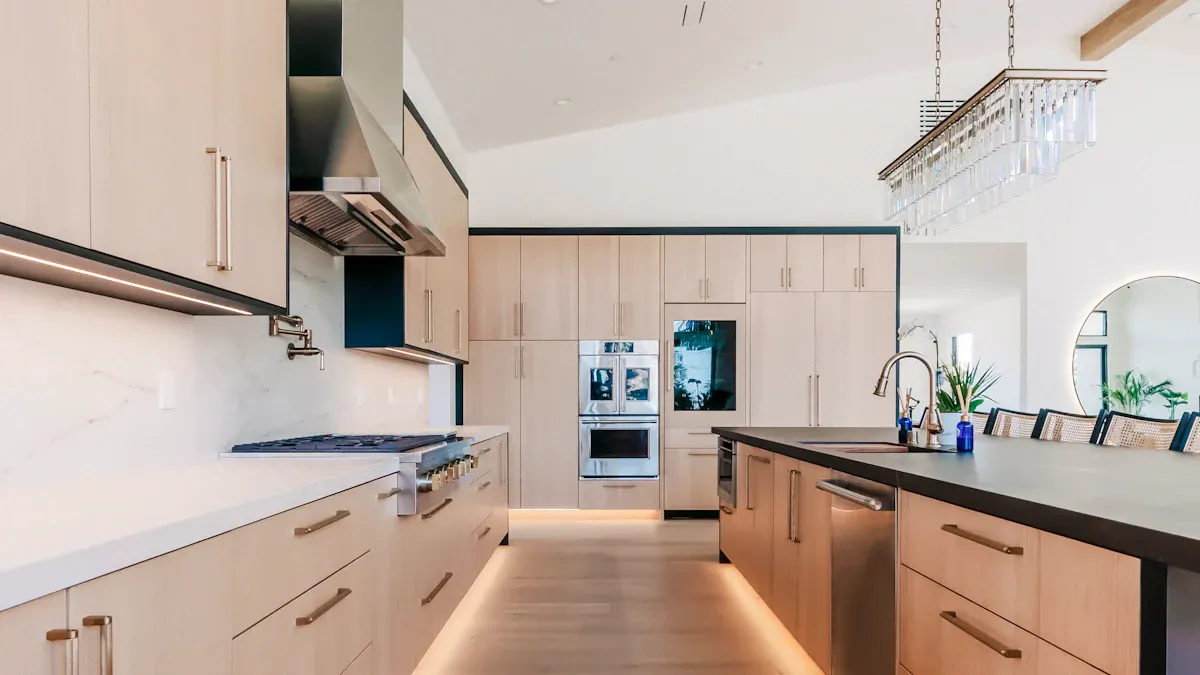
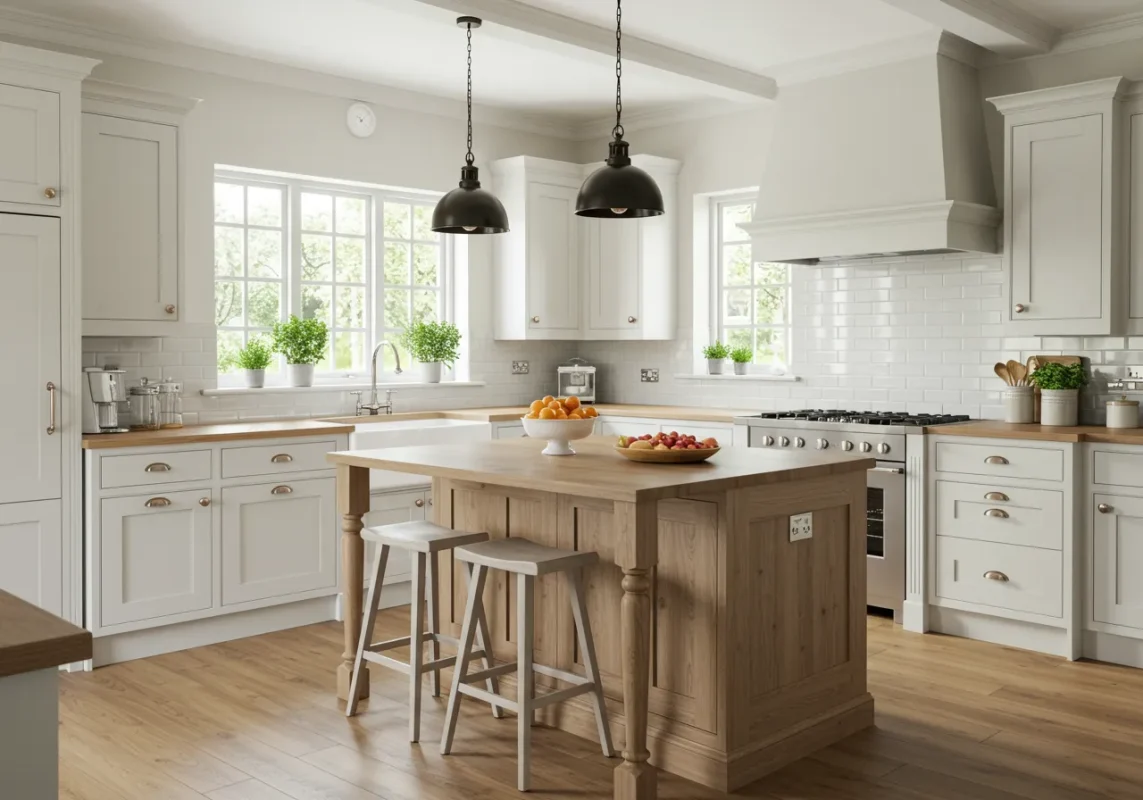
One challenge of open kitchen living areas is managing cooking odors and smoke. A high-quality range hood and proper ventilation are essential to keep the living area fresh. Consider silent ventilation systems to minimize noise. Additionally, incorporating an air purifier or plants known for air filtration can further improve air quality, making the shared space more comfortable for everyone.
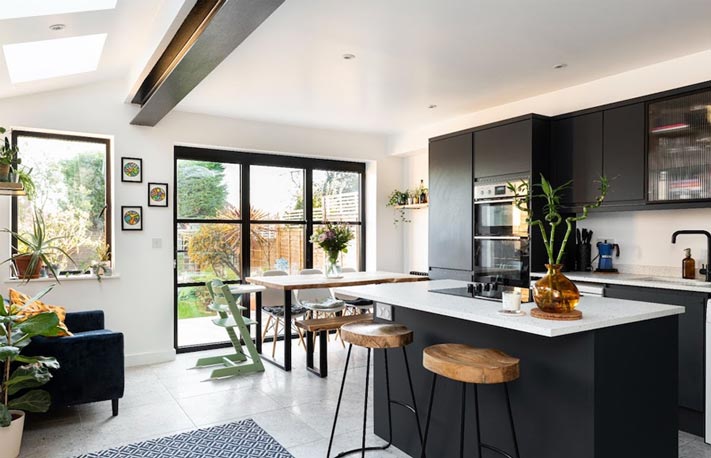
8. Use a Two-Tone Design Approach
A two-tone design can help distinguish different areas while still keeping a cohesive look. For example, the kitchen can feature darker cabinetry, while the living area uses lighter tones. The contrast helps define each space, while shared materials or accents keep everything connected.
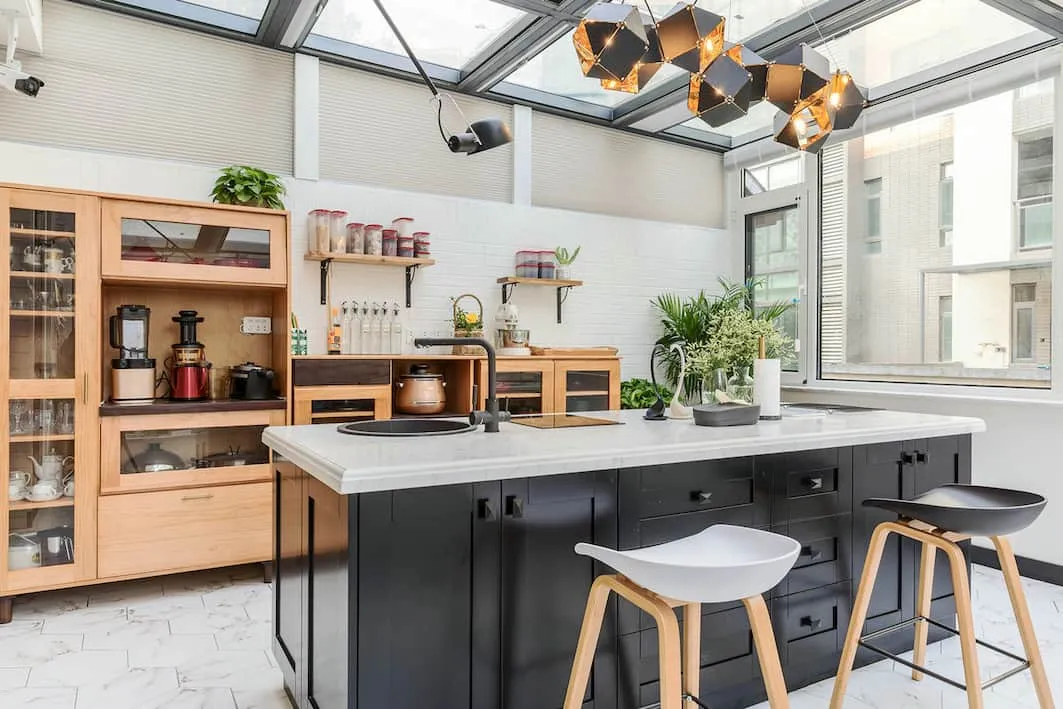
9. Bring in Natural Elements
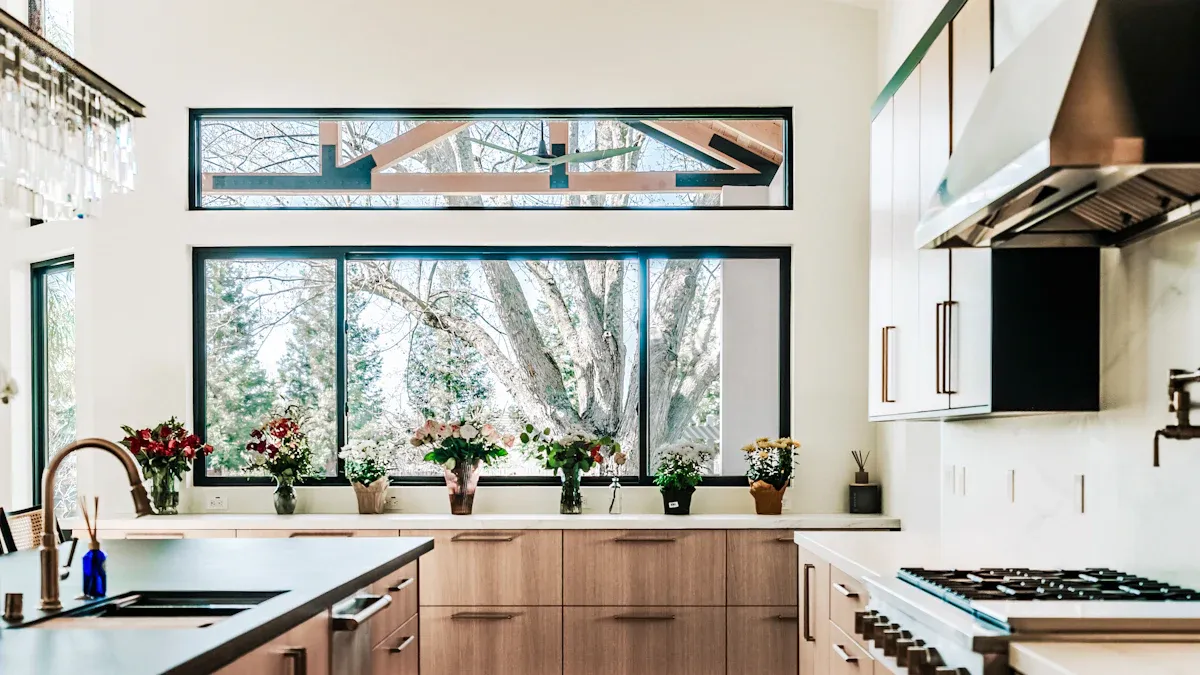
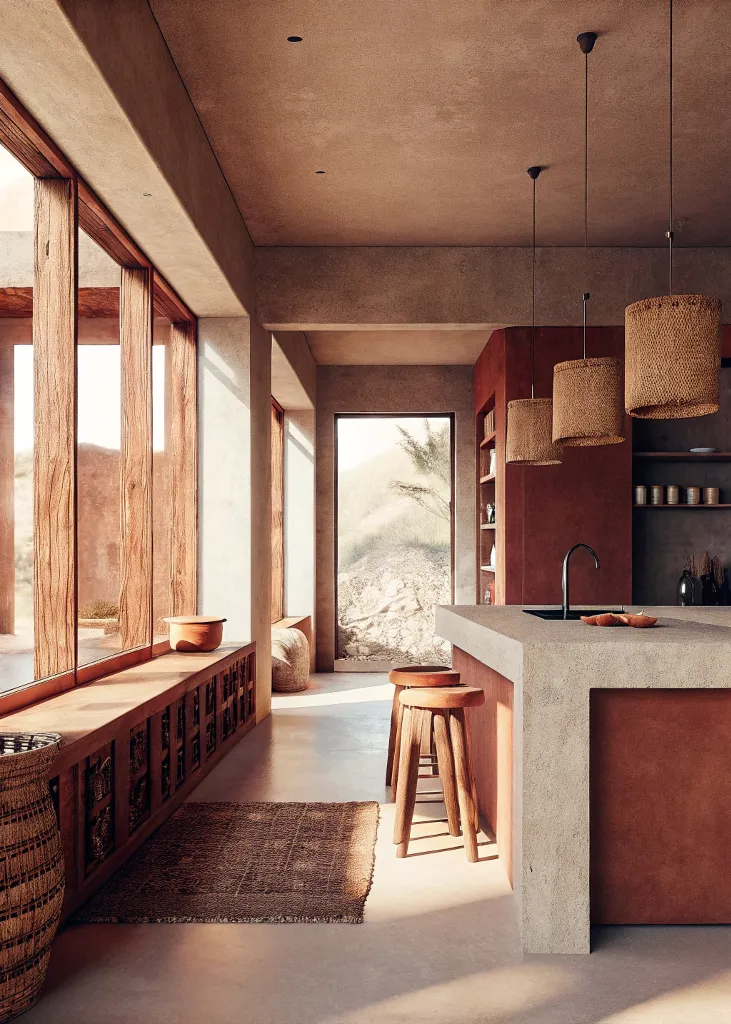
Incorporate indoor plants and wooden accents to soften the modern design. Plants like fiddle-leaf figs add vibrancy, while wooden beams, tables, or shelving introduce warmth and texture, creating an inviting atmosphere. To expand the natural theme, consider natural stone countertops or woven baskets for storage. These elements not only enhance the aesthetic appeal but also improve air quality and add a sense of tranquility to the space.
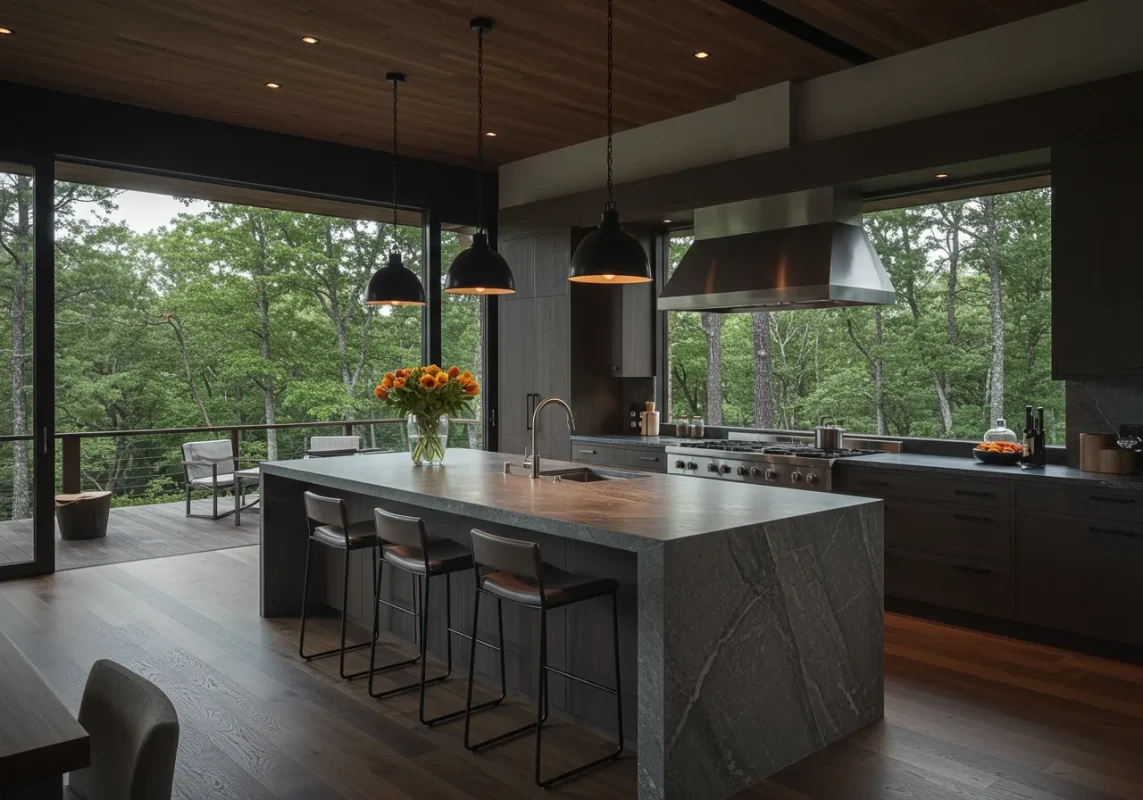
10. Create a Cozy Seating Arrangement
Anchor the kitchen living area with a plush rug and arrange seating to encourage conversation. Position furniture to face the kitchen for better interaction and use throw pillows or blankets for added comfort. Ensure the layout feels inviting without overcrowding the space. Add side tables or a coffee table with storage to enhance functionality and create a welcoming environment. Modular seating or sectional sofas can adapt to different occasions, making the living room versatile for entertaining or relaxation.
Common Design Mistakes in Open Kitchen Living Rooms
Open kitchen living room layouts offer flexibility and openness, but they also require a more thoughtful approach to planning. In practice, certain design choices can affect how the space feels and functions over time.
Below are some of the most common issues seen in open layouts, along with ways to address them.
Lack of Clear Zoning
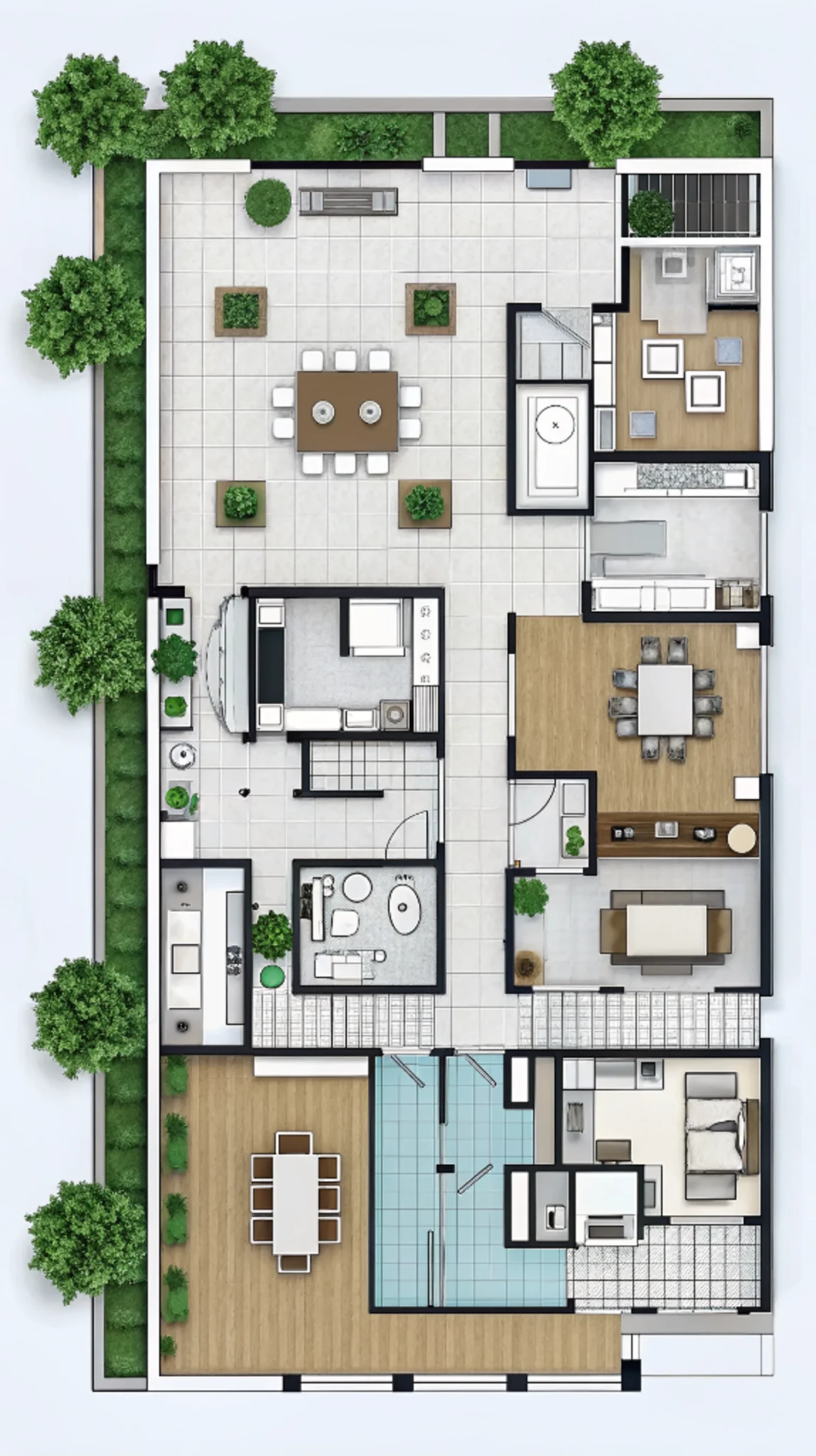
In some open spaces, the kitchen and living area are not clearly defined, which can make the layout feel less structured. Subtle zoning elements such as flooring changes, lighting, or furniture placement can help create a more organized and comfortable environment without closing off the space.
Inconsistent Materials and Colors
When too many materials or color tones are introduced, the space can start to feel disconnected. A more consistent selection of finishes across cabinetry, flooring, and furniture usually results in a more cohesive appearance.
Insufficient Lighting Layers
Relying on a single lighting source often limits how the space can be used throughout the day. Combining task lighting in the kitchen with softer ambient lighting in the living area allows the space to function more effectively in different situations.
Mismatch in Furniture Scale
Furniture that is either too large or too small for the space can disrupt the overall balance.In open layouts, proportion becomes especially important, as each element is more visually connected.
Limited Storage Planning
Without adequate storage, open kitchens can become cluttered more easily, which affects both appearance and usability. Integrating storage into cabinetry, islands, or surrounding elements helps maintain a cleaner and more functional space.
Disrupted Circulation Flow
In some layouts, the placement of furniture or islands can interrupt natural movement between areas. Ensuring clear pathways between the kitchen and living space helps the layout feel more intuitive and comfortable to use.
FAQ
How to furnish an open plan kitchen living room?
Choose furniture that complements both spaces. Use modular seating for flexibility, add bar stools at the kitchen island, and incorporate multi-functional pieces like ottomans with storage. Maintain a consistent color palette and integrate cohesive materials like wood or metal. Layer lighting and use rugs or decor to subtly differentiate the zones while keeping the design unified.
How do you separate an open plan kitchen from a living room?
Create separation with different flooring, a kitchen island, or partitions like open shelving. Lighting fixtures and area rugs can also define distinct zones without sacrificing the open feel. Incorporate design elements like varying ceiling heights or accent walls to further delineate spaces without disrupting the overall openness.
Should kitchen and living room furniture match exactly?
They do not need to match exactly, but they should feel coordinated. Using similar color tones, materials, or design elements helps create a cohesive look. Too much variation can make the space feel fragmented, while too much uniformity can feel flat. A balanced approach usually works best.
How much space do you need for an open kitchen living room?
There is no fixed requirement, but proportions matter.
Even smaller homes can use open layouts effectively if the design is efficient. What matters more is how the space is organized—ensuring there is enough room for movement, functional zones, and appropriate furniture scale.
Are open kitchen living rooms still popular in 2026?
Yes, they remain a widely preferred layout in modern homes. Their flexibility and ability to maximize space make them especially suitable for contemporary living, particularly in urban environments and smaller homes.
Conclusion
Designing an open kitchen living room layout requires a thoughtful approach to balance style and practicality. By focusing on distinct zones, maximizing storage, and incorporating lighting and natural elements, you can create a functional and inviting space. An open layout enhances interaction and makes your home feel more spacious and connected. For the latest open kitchen and whole house customization design ideas, reach out to GeorgeSolution. Their expertise in “Whole House Customization in China” and innovative designs will help bring your vision to life. Transform your living spaces into a harmonious blend of style and functionality with their tailored solutions.
Read More:
16 Creative Design Ideas For Hotel Rooms – George Solution
17 Restaurant Decor Ideas to Help Grow Your Business – George Solution
Kitchen Cabinet Materials Comparison: Solid Wood vs. Composite – George Solution
Designer Picks: 9 Popular Tiny Bathroom Color Schemes – George Solution