

In the world of interior design and home renovation, the terms “cupboard” and “cabinet” are frequently used interchangeably. Depending on whether you are speaking with an architect in New York, a builder in London, or a homeowner in Sydney, the meanings can blur.
However, from a manufacturing and structural standpoint, cupboards and cabinets are distinctly different storage solutions. Understanding this distinction is crucial when specifying materials for a commercial build, a residential remodel, or outfitting a luxury kitchen.
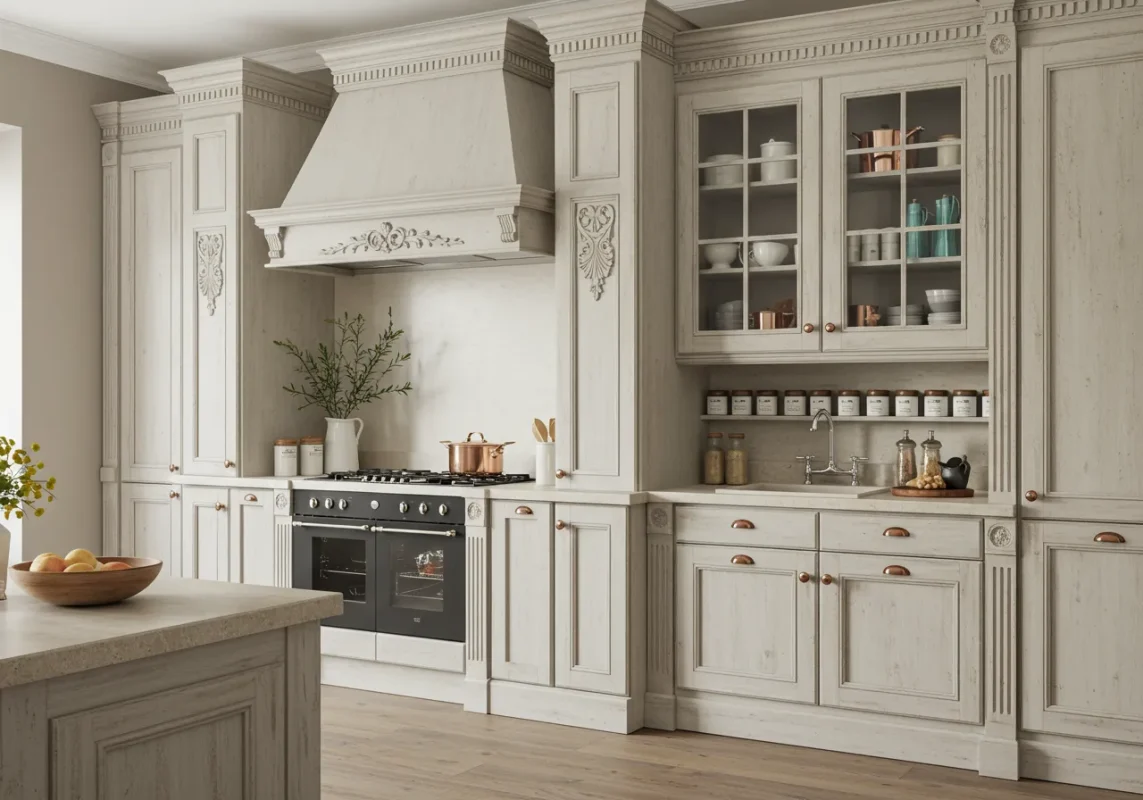
The Regional Nuance: US vs. UK and Australia
Before diving into the structural differences, it is important to note how terminology shifts geographically. In the United States, “cabinets” almost exclusively refers to built-in kitchen and bathroom storage, while “cupboards” denote simple, freestanding pieces.
However, in the UK, Australia, and India, the term “cupboard” is still widely used in daily conversation to describe kitchen cabinetry (e.g., “kitchen cupboards”). Regardless of local slang, professional builders globally recognize the structural and engineering distinctions between the two.
Here is a definitive guide to the structural differences, advantages, and applications of cupboards versus cabinets, ensuring you make the most informed decision for your space.
What is a Cupboard?
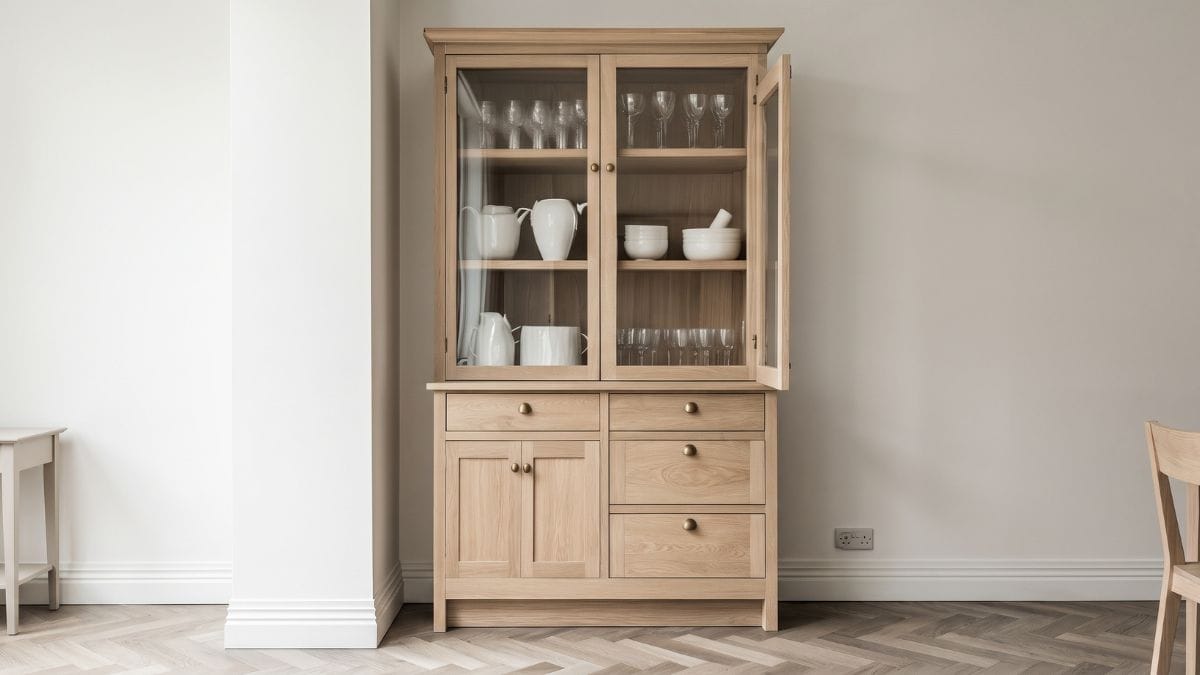
Historically, a cupboard was exactly what its name implies: a simple board or table used to display cups and plates. Over centuries, it evolved into an enclosed storage unit with doors and shelving.
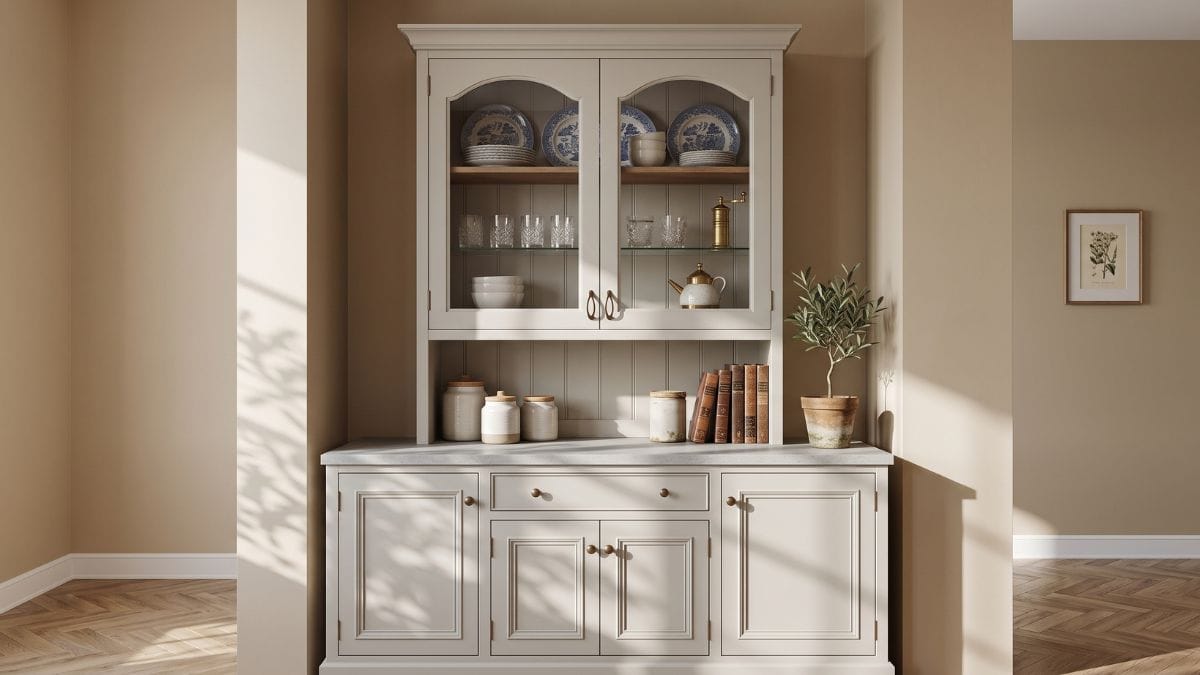
Today, a cupboard typically refers to a freestanding piece of furniture—such as a pantry cupboard, a dining room hutch, or a standalone linen press. Because they are freestanding, they often feature a more traditional, rustic, or antique aesthetic.
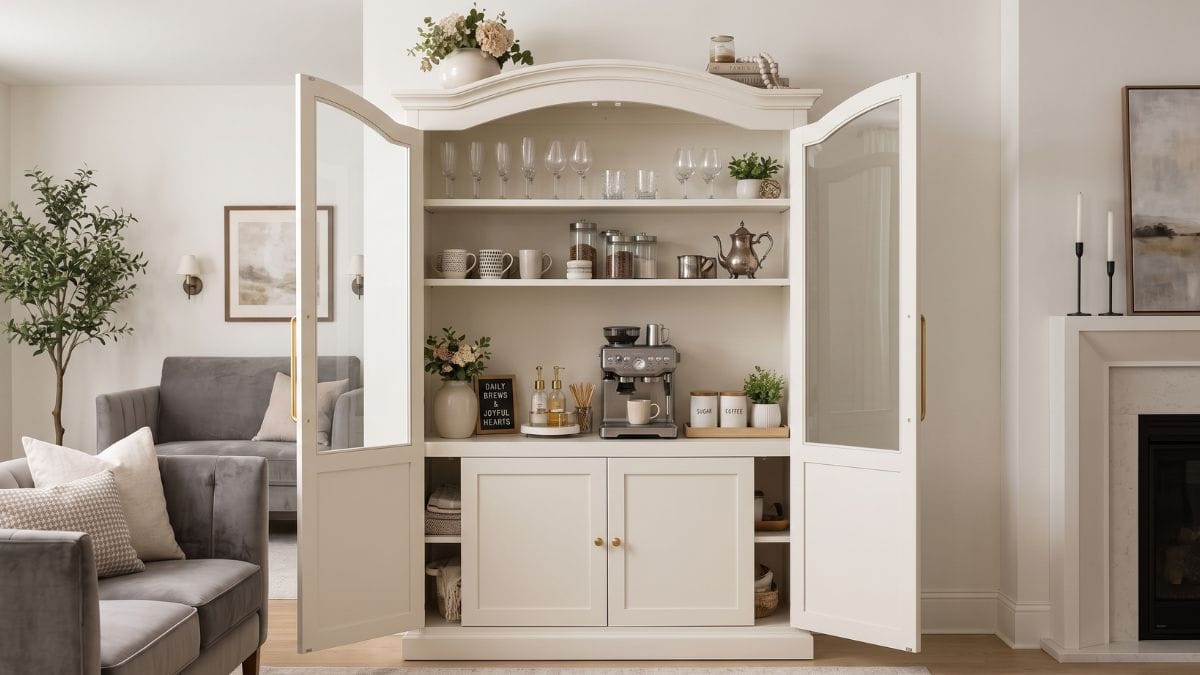
Pros of a Cupboard:
Mobility: Because they are not permanently affixed to the walls or floor, cupboards can be moved from room to room, or taken with you when relocating.
Immediate Installation: A freestanding cupboard requires zero structural fitting. You simply assemble it (or buy it pre-assembled) and place it in the desired location.
Architectural Character: Cupboards often serve as standalone statement pieces, adding a layer of traditional charm and character to farmhouse or vintage-inspired interiors.
Cons of a Cupboard:
Inefficient Space Utilization: Standalone units rarely stretch from floor to ceiling, leaving wasted dead space above and beside them.
Lack of Integration: They do not blend seamlessly into modern, minimalist architectural designs, often interrupting the visual flow of a room.
What is a Cabinet?
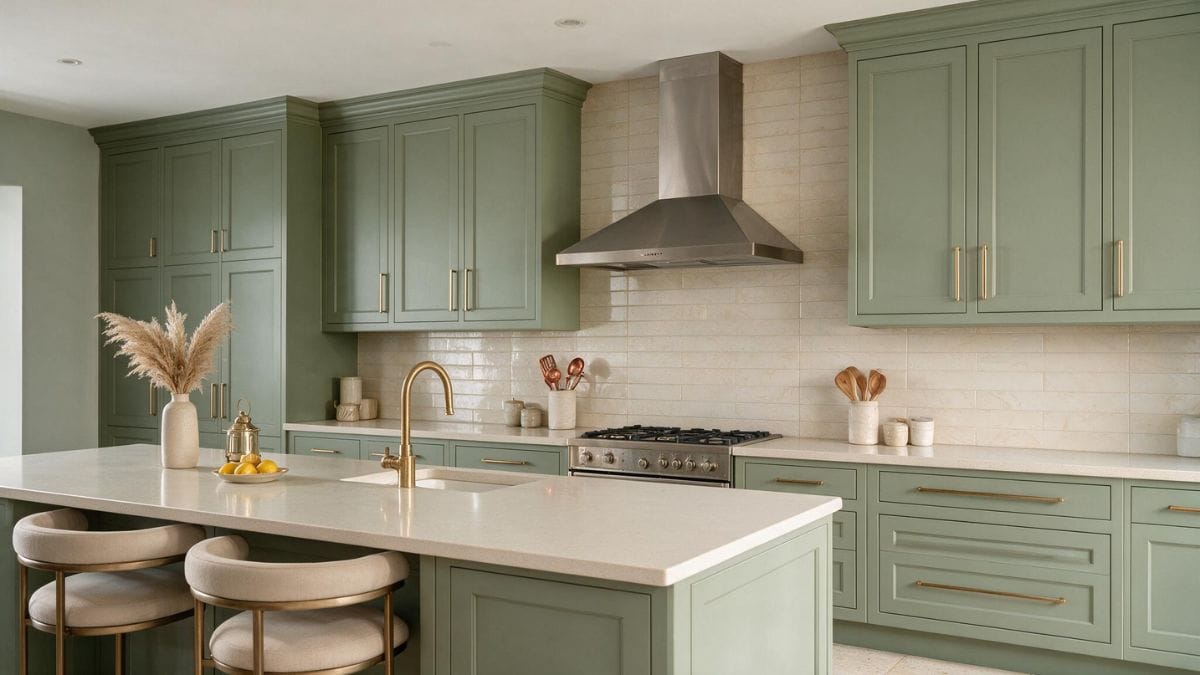
A cabinet is a highly engineered, modular storage unit that is structurally integrated into a room. Think of modern kitchen base cabinets, wall-hung bathroom vanities, or built-in media centers.
Cabinets are typically permanently affixed to wall studs or flooring. They are designed as a cohesive system, utilizing advanced hardware, pull-out drawers, and custom organizational inserts to maximize every square inch of available space.
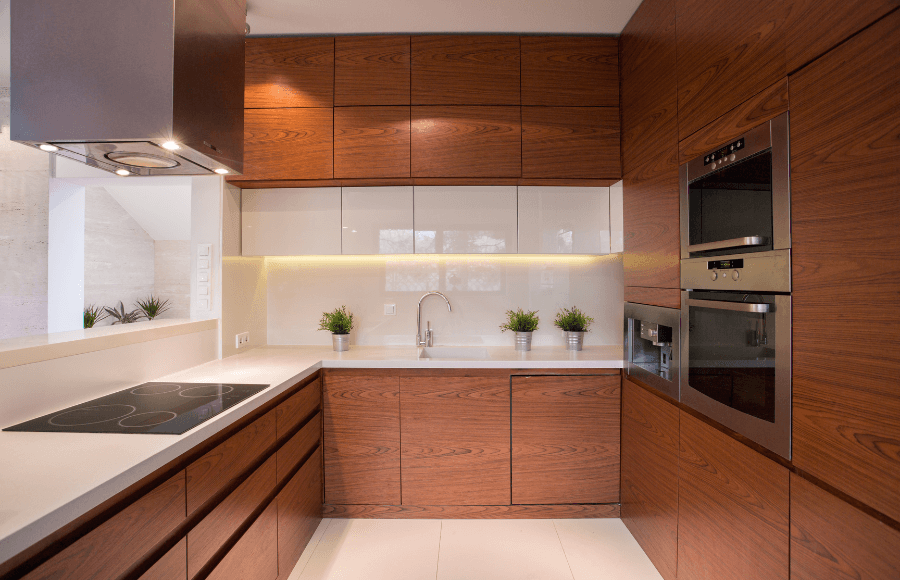
Pros of a Cabinet:
Seamless Aesthetic: Cabinets are built into the architecture of the home. With options for handle-less flat panels or integrated appliances, they provide a clean, modern, and uninterrupted visual flow.
Maximum Storage Capacity: Because they are custom-fitted to exact room dimensions, cabinets utilize corners, vertical wall space, and under-counter areas flawlessly.
Customization: Modern cabinetry systems offer limitless internal configurations, from soft-close drawers and spice pull-outs to hidden trash compartments.
Cons of a Cabinet:
Permanent Installation: Once installed, cabinets cannot be easily moved or rearranged without a minor renovation.
Higher Upfront Investment: Due to the precise engineering, high-quality materials, and professional installation required, custom cabinets represent a larger initial financial commitment.
Related article: What Are Standard Kitchen Cabinet Sizes? Base, Wall & Pantry Guide (2026)
Key Differences Between Cupboards and Cabinets
The defining difference lies in integration versus isolation. A cupboard is an isolated piece of furniture that you place in a room. A cabinet is a structural component that you build into a room.
While cupboards rely entirely on basic horizontal shelving behind doors, modern cabinets leverage complex drawer mechanics and modular fittings to optimize storage.
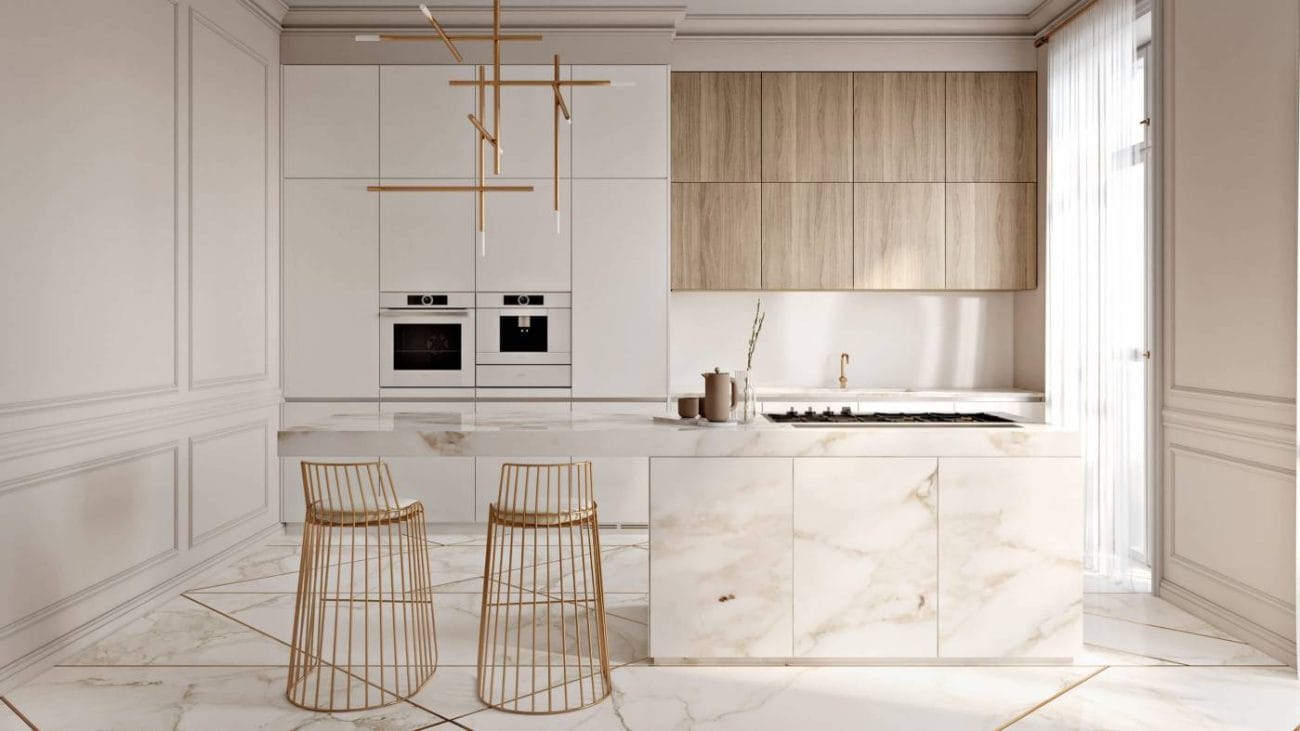
Room-by-Room Application Breakdown
Where should you use a cupboard, and where is a cabinet strictly necessary? Let’s break it down by space:
The Kitchen
- Cabinets: This is where cabinets dominate. A modern kitchen requires continuous countertops, integrated ovens, and hidden dishwashers. Base and wall cabinets are engineered to support these heavy loads and withstand high humidity and heat.
- Cupboards: A freestanding larder or pantry cupboard can be added to a farmhouse kitchen for a rustic touch and extra dry-goods storage.
The Bathroom
- Cabinets: Bathroom vanities are essentially specialized cabinets built to hide plumbing and support heavy stone sinks. They must be permanently anchored.
- Cupboards: A tall, freestanding linen cupboard works well in large bathrooms for storing towels, provided there is enough floor space.
The Bedroom and Wardrobe
- Cabinets: Custom built-in wardrobes (closet cabinets) maximize vertical space from floor to ceiling, utilizing specific modules for hanging, drawers, and shoe racks.
- Cupboards: A freestanding wardrobe (armoire) is technically a large cupboard. It is versatile for renters but wastes valuable overhead space.
Commercial and Office Spaces
- Cabinets: Sleek, handle-less built-in cabinets are the standard for modern corporate breakrooms, reception desks, and executive offices to maintain a minimalist, highly professional look.
Related Article: What Are Standard Kitchen Cabinet Sizes? Base, Wall & Pantry Guide (2026)
Choosing Between a Cupboard and a Cabinet
When deciding which route to take for your next interior project, you must evaluate the specific needs of the space across these critical factors:
Cost
Freestanding cupboards are generally more budget-friendly and do not incur professional installation fees. However, high-end antique cupboards can carry a premium price tag.
Cabinets require a higher initial investment due to custom manufacturing, robust hardware, and skilled carpentry labor, but they add significant, lasting value to the property’s appraisal.
Aesthetics
If your design goal is a cozy, eclectic, or traditional space, a standalone cupboard acts as a beautiful focal point.
Conversely, if you are designing a sleek, contemporary kitchen or a luxury corporate breakroom, built-in cabinets are mandatory to achieve that seamless, high-end finish.
Construction and Fitting Complexity
Cupboards win on simplicity—there is no complex fitting required. Cabinets, however, demand precise architectural planning.
They must be perfectly leveled, securely anchored to wall studs, and often require scribing to sit flush against uneven drywall or flooring.
Optimizing Storage and Workflow
Cabinets are not just boxes; they are engineered systems designed to support the “Prep, Cook, and Clean” workflow. While cupboards offer basic flat shelving, modern cabinets leverage advanced internal hardware.
From soft-close deep drawers for heavy cast-iron pots to blind-corner pull-outs (lazy Susans), spice racks, and integrated trash compartments, cabinetry systems turn awkward architectural spaces into highly functional, organized zones.
Versatility
In terms of relocation, cupboards are versatile because they are mobile. However, in terms of daily utility, cabinets offer superior versatility. The internal mechanisms of a cabinet can be tailored exactly to what is being stored—whether that is heavy cookware, delicate glassware, or integrated lighting systems.
Durability and Kitchen Engineering
Kitchens are harsh environments that generate steam, heat, and grease. While a standalone cupboard might warp under these conditions, modern commercial-grade cabinets are engineered for resilience.
Built with moisture-resistant plywood or marine-grade cores, and finished with heat-resistant laminates, they are designed to survive. Furthermore, modern cabinets allow for seamless appliance integration—securely housing heavy built-in ovens and hidden dishwashers in a way that cupboards simply cannot support.
Elevate Your Space with George Panel Custom Cabinetry
For modern homes and commercial spaces, built-in cabinetry provides an unmatched blend of structural integrity, space optimization, and sleek design.
At George Solution, we specialize in the design, engineering, and manufacturing of premium custom cabinets and whole-house customization solutions. Operating from our expansive manufacturing headquarters in Foshan, China, we supply architects, builders, and wholesalers globally with cabinetry that redefines interior spaces.
Ready to upgrade from simple cupboards to professional-grade cabinetry? Contact the George team today to discuss your blueprints, explore our vast material catalog, and receive a factory-direct quote for your next project.
FAQ
Can a cupboard be converted into a built-in cabinet?
Technically, a carpenter can secure a freestanding cupboard to a wall and add trim to make it look built-in. However, it will lack the modular internal hardware and structural load-bearing capacity of a true custom cabinet.
Are kitchen cabinets more expensive than cupboards?
Yes. Kitchen cabinets are custom-fitted structural elements that require professional installation, advanced hardware, and countertop integration. Freestanding cupboards are pre-assembled furniture pieces and are generally cheaper.
What is the best material for kitchen cabinets?
For the cabinet carcass (box), high-density moisture-resistant plywood or marine-grade MDF is recommended to prevent warping from kitchen humidity. Solid wood or premium laminates are typically used for the exterior doors and panels.