

Have you ever walked into a small living room and felt instantly overwhelmed? Often, the culprit isn’t the furniture—it is the lighting. When trying to brighten a compact room, our first instinct is usually to buy more lamps. But in a small space, this well-meaning approach quickly leads to tangled cords, cluttered side tables, and visual claustrophobia.
To make your living room feel expansive and truly inviting, the secret lies in the “subtraction approach.”
Subtraction doesn’t mean sitting in the dark; it means curating your light sources with intention. By minimizing physical bulk and ensuring every fixture serves a distinct architectural purpose, you shift from simply “adding lamps” to “designing smarter illumination.”
Here is how to seamlessly blend high-end design with smart spatial planning to light your small living room.
Reclaim Your Floor Space: Look to the Walls and Ceilings
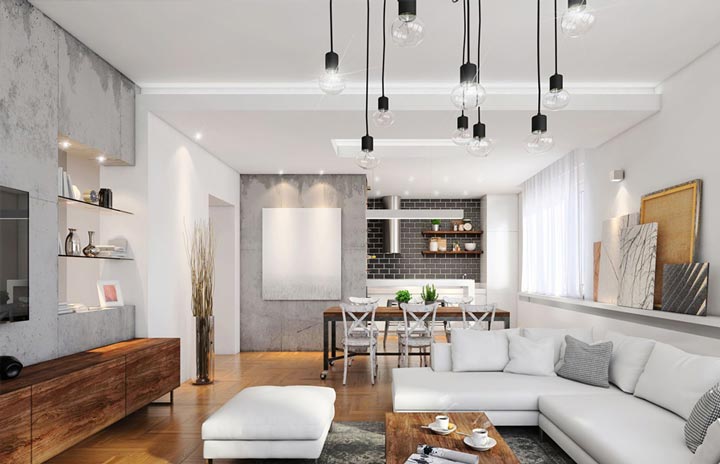
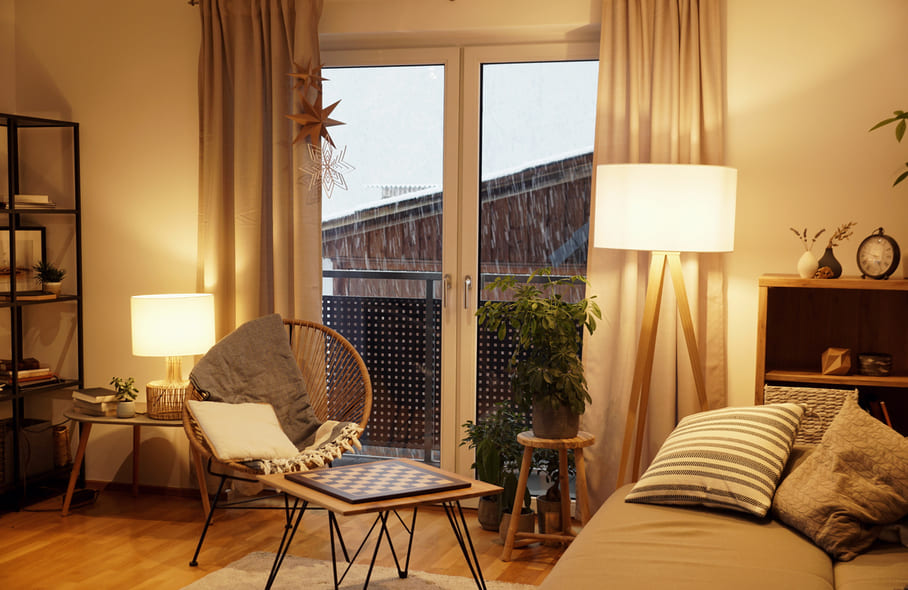
In a compact living room, floor space is a luxury. Every inch matters. When you place a bulky, tripod-style floor lamp in the corner, you are eating into valuable square footage that could be left open to let the room “breathe.”
The first step in our subtraction method is moving your light sources off the floor and onto the architectural envelope of the room.
Related Article: Top 15 Commercial Lighting Manufacturers in the World: 2026 Procurement Guide
1. The Elegance of Wall Sconces
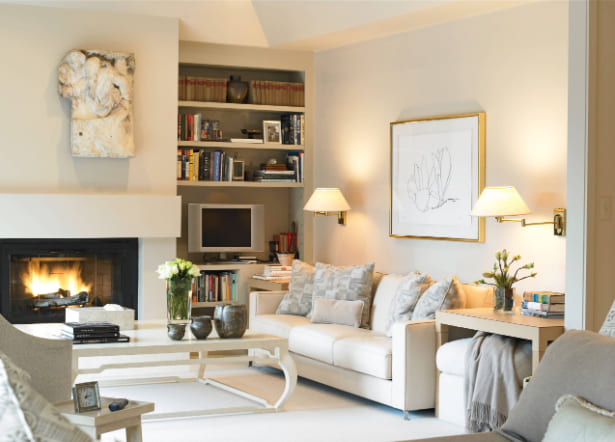
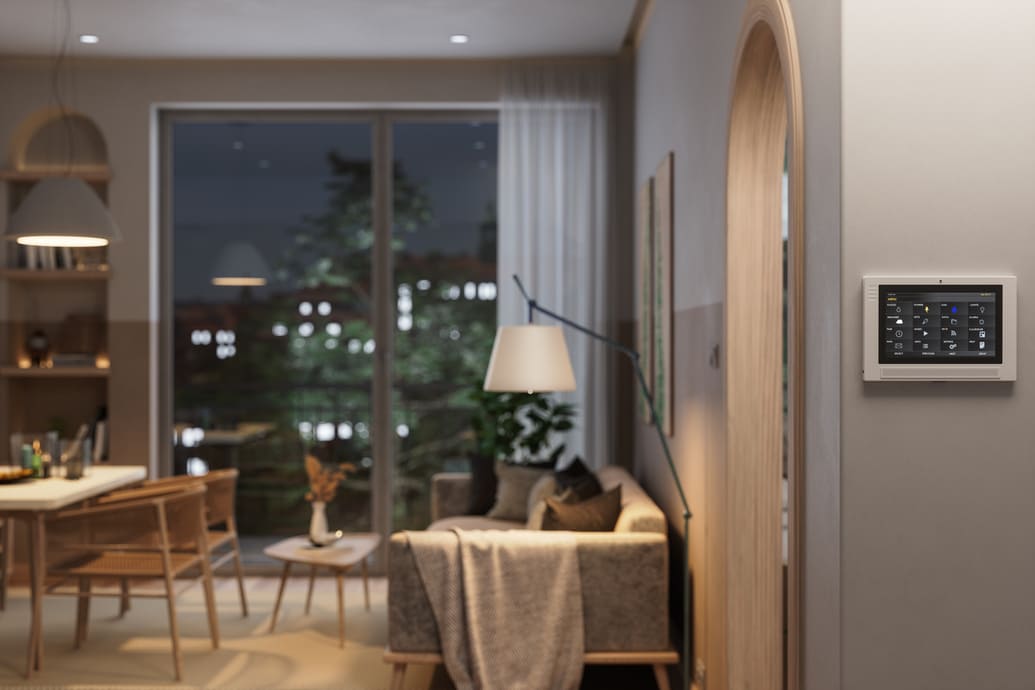
Think of wall sconces as functional jewelry for your living room. By mounting lights directly onto the walls, you naturally draw the eye upward, which visually emphasizes the vertical height of your ceiling.
Sconces provide a beautiful, soft ambient glow without demanding a single inch of floor or table space. For a truly seamless and high-end look, opt for hardwired sconces. Hiding the electrical cables behind the drywall eliminates visual clutter and gives your room a polished, custom-built feel.
2. Smart Ceiling Solutions
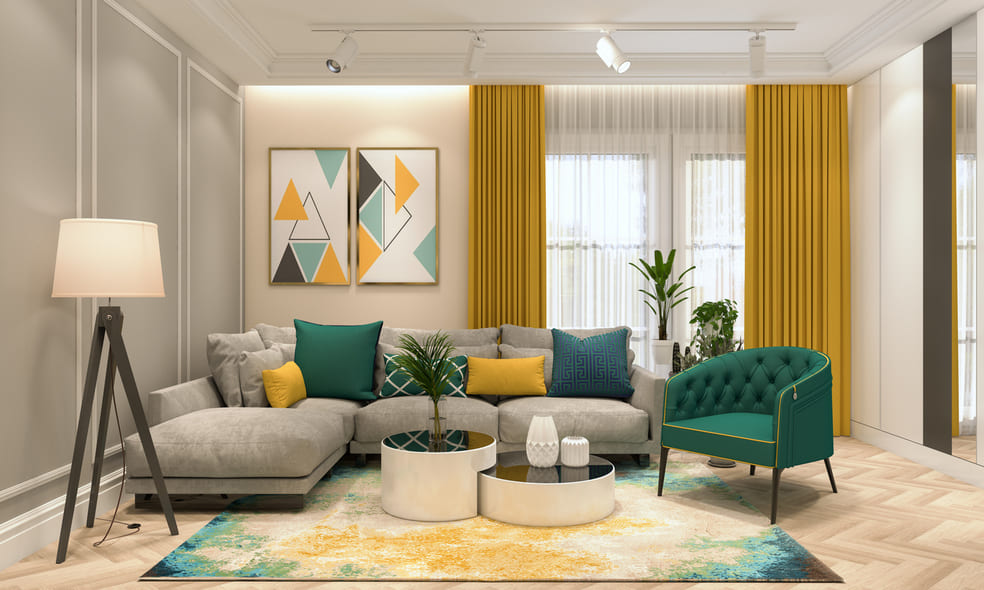
If your living room has a lower ceiling, hanging a large, dramatic chandelier might make the room feel top-heavy and cramped. Instead, consider anti-glare recessed lighting (often called can lights) or sleek, low-profile flush mounts.
These fixtures provide broad, even illumination across the entire room, effectively erasing the dark, shadowy corners that typically make a small room feel boxed in.
Related Article: Chandelier vs. Ceiling Light: Choosing the Right Lighting for Your Space
Integrated Millwork Lighting: The Magic of Custom Design
If you want to know the secret weapon used by luxury interior designers to make small spaces feel incredibly high-end, this is it: integrated lighting. Rather than adding external fixtures to the room, light is embedded directly into the architecture of your furniture and cabinetry.
This technique is a game-changer for small living rooms because it creates a profound optical illusion of depth.
3. Backlit Floating Media Consoles
A heavy, traditional TV stand can ground a small room and make it feel weighed down. At George Solution, we love designing wall-mounted, floating media consoles for our clients. By routing integrated LED aluminum channels into the bottom edge of the cabinetry, the console appears to softly hover above the floor.
This gentle wash of light underneath the furniture tricks the eye into believing the floor extends further than it actually does, visually expanding your square footage.
4. Illuminated Display Shelving
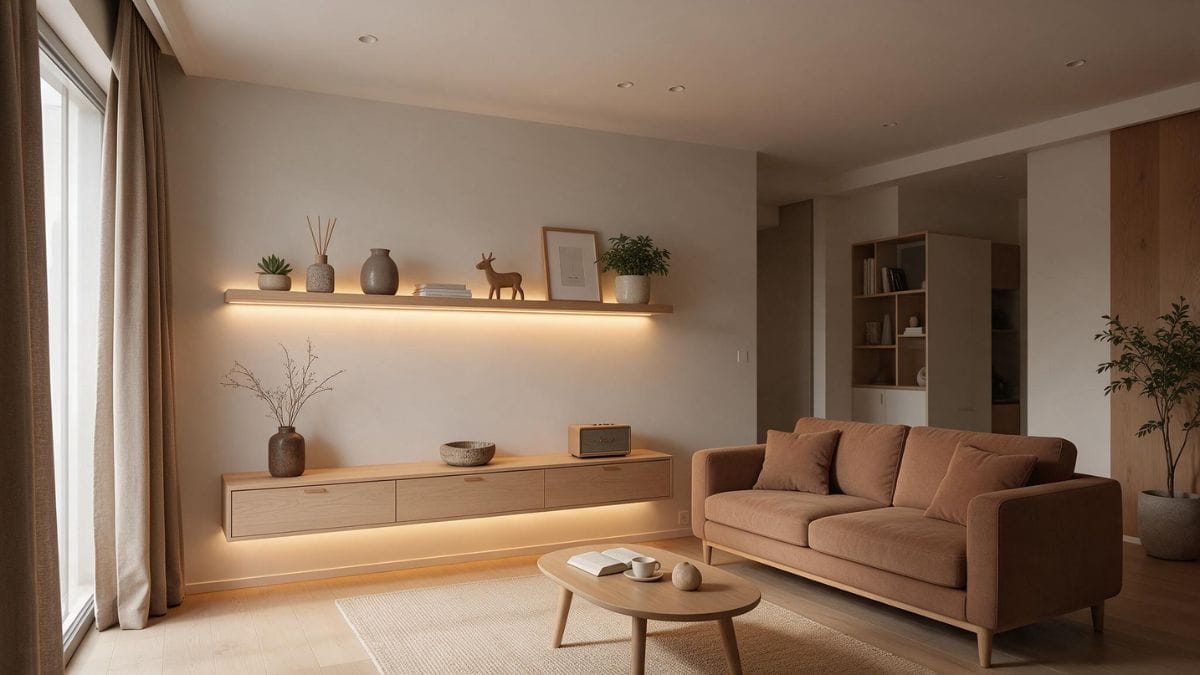
If you have an open bookshelf or a display cabinet, embedding LED strip lights into the shelving adds a brilliant layer of accent lighting. It draws the eye toward the back of the shelf, creating a sense of depth that practically pushes your walls outward. Plus, it turns your favorite books, art pieces, or family photos into a beautifully lit focal point.
Curated Statement Pieces: Rethinking Floor and Table Lamps
We are not saying you have to banish all freestanding lamps from your home! A thoughtfully selected floor or table lamp can serve as a gorgeous statement piece. The key in a small room is to choose these pieces with extreme precision, prioritizing slim silhouettes and clever technology.
5. The Ultra-Slim Architectural Lamp
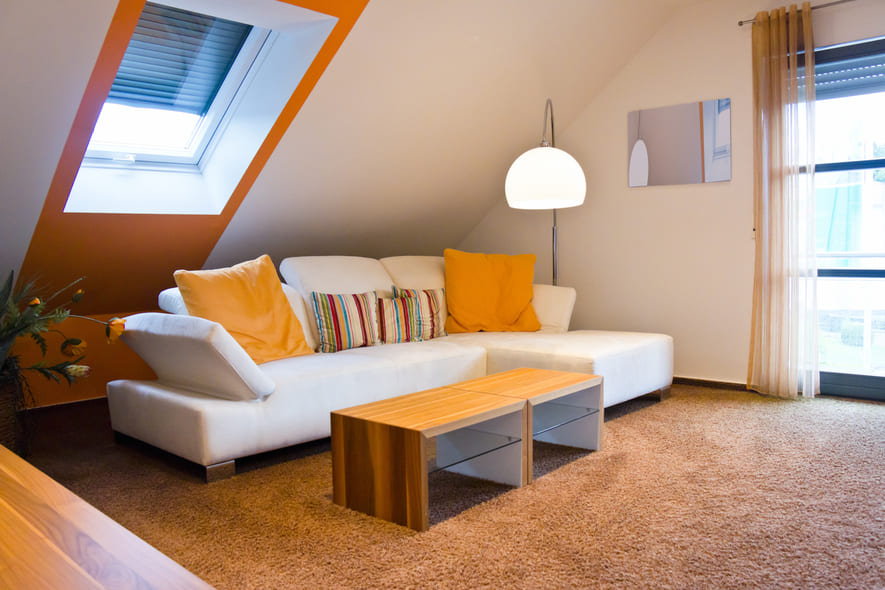
If you need a floor lamp for reading on the sofa, avoid heavy drum shades and wide bases. Instead, look for ultra-slim, architectural profiles. Think of a minimalist LED pole or a delicate cantilevered arc lamp.
During the day, these designs act as modern, metallic sculptures that take up virtually zero visual volume. At night, they provide precise, directional task lighting exactly where you need it.
6. The Wire-Free Table Lamp
A beautifully crafted table lamp—perhaps in brushed brass or smoked glass—adds warmth and texture to your living room. However, trailing electrical cords instantly ruin a minimalist aesthetic.
To maintain a flawless look, embrace the growing trend of high-end, cordless rechargeable lamps. Alternatively, when you design custom living room cabinetry with George Solutiion, our engineering team can integrate hidden power outlets directly into your sideboards, ensuring your favorite decorative lamps sit perfectly without a single wire in sight.
Getting the Glow Right: Kelvins and CRI
You can choose the most beautiful light fixtures in the world, but if the quality of the light bulb is wrong, your living room will never feel comfortable. In small spaces, getting the technical specifications right is crucial.
Finding the Sweet Spot: Color Temperature (Kelvins)
Have you ever bought a light bulb that made your living room feel like a sterile hospital waiting room? That is a color temperature issue. For a small living room, the ideal range is between 3000K and 3500K.
This produces a warm, inviting, and neutral white light. If you go too warm (like 2700K), the room can feel overly yellow, dingy, and enclosed. If you go too cool (5000K or higher), the space feels harsh and clinical.
The Secret to Richness: Color Rendering Index (CRI)
CRI measures how accurately a light source reveals the true colors of objects compared to natural sunlight. To make your small living room feel vibrant and luxurious, always look for LED bulbs with a CRI of 90 or higher.
High CRI lighting ensures that the colors of your wall paint, the fabric of your sofa, and the natural grain of your wood cabinetry look rich and true to life. When materials look vibrant, the space naturally feels more dimensional.
Elevate Your Space with Purposeful Lighting
Ultimately, the best living room lighting design is about balancing function, ambiance, and simplicity. By prioritizing hardwired sconces, embracing the magic of integrated custom cabinetry lighting, and being highly selective with your statement lamps, you can master the subtraction method.
You don’t need a massive floor plan to have a breathtaking living room. With the right lighting strategy, even the most compact space can feel like a spacious, light-filled retreat.
Ready to transform your living area? Contact the George Solution design and engineering team today to explore how our custom millwork and integrated lighting solutions can elevate your home.
Frequently Asked Questions (FAQ)
How do you light a small living room with no overhead lighting?
If your living room lacks ceiling wiring, rely on a layered approach using perimeter lighting. Install hardwired or plug-in wall sconces to draw the eye upward and wash the walls with light. Supplement this with an ultra-slim architectural floor lamp for reading, and use hidden LED strip lights behind your TV or under shelving to create a deep, glowing atmosphere without needing a single ceiling light.
Do floor lamps make a room look smaller?
It depends entirely on the design of the lamp. Traditional, bulky lamps with heavy fabric shades or wide tripod legs consume physical floor space and visual volume, which can make a room feel cramped. However, minimalist, ultra-slim LED profile lamps act as elegant vertical lines. They provide necessary light without taking up your valuable square footage.
What is the best color temperature for a small living room?
The sweet spot for a living room is between 3000K and 3500K. This range provides a neutral, warm white light that feels incredibly cozy but remains crisp enough to make the walls visually recede. Always pair this temperature with a high CRI (90+) rating to ensure your furniture and wall colors look vibrant and true to life.