

What Is an Open Closet System?
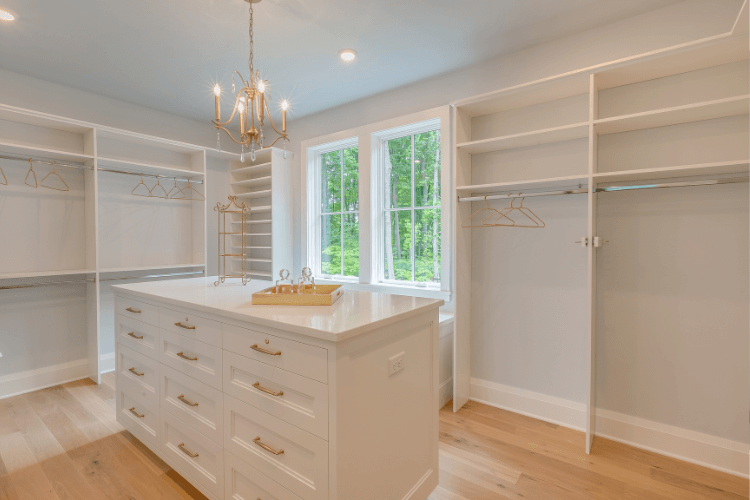
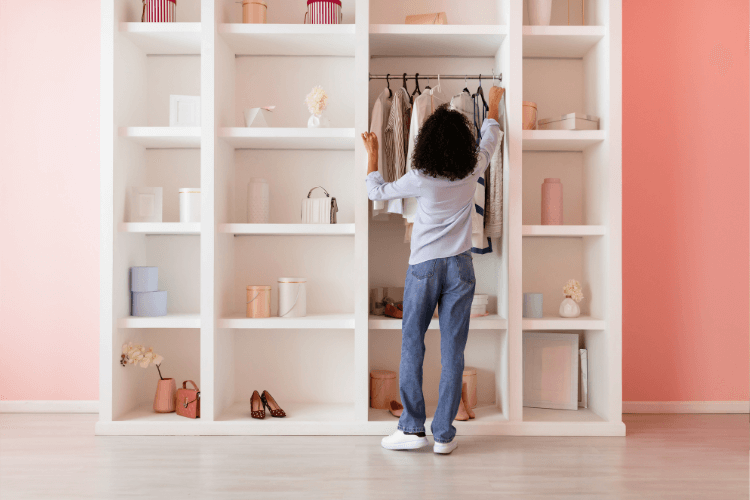
An open closet—often referred to as a closet without doors—is a modern design concept that removes traditional barriers to keep your wardrobe fully visible. This approach embraces a minimalist aesthetic, transforming everyday storage into a curated display of personal style.
By utilizing an open wardrobe system, you allow natural light to flow uninterrupted, making the room feel larger and more inviting. For homeowners aiming for a contemporary layout, modern open closets offer a seamless blend of simplicity and transparency.
Pros and Cons of a Closet Without Doors (Quick Comparison)
When deciding if this design suits your lifestyle, it is essential to weigh its advantages and drawbacks.
Pros:
- Airy Feel: Removing heavy doors immediately floods the space with light, visually expanding the room.
- Easy Access: With everything in plain sight, selecting outfits becomes a streamlined, efficient process.
- Encourages Organization: A visible wardrobe acts as a natural motivator to keep your space tidy and clutter-free.
- Budget-Friendly: Omitting custom doors and their associated hardware significantly reduces the initial installation cost.
Cons:
- Dust Accumulation: Without a physical barrier, clothes are exposed to airborne particles and pet hair.
- High Maintenance: Even minor clutter is instantly noticeable, requiring consistent daily tidying.
- Lack of Privacy: Sensitive or purely functional items cannot be hidden away easily.
How to Keep a Closet Without Doors Dust-Free
The most common concern with an open design is dust. However, strategic planning can mitigate this issue effectively. Utilizing a room air purifier near the closet helps capture airborne particles before they settle on your garments. For out-of-season clothing, breathable garment covers offer necessary protection without disrupting the visual flow.
If completely open storage feels too exposed, a hybrid approach is an excellent compromise. Incorporating Glass Door Wardrobes into specific sections of your setup provides the aesthetic transparency of an open closet while offering the physical protection of a traditional wardrobe.
Cost Comparison: Open Closets vs. Traditional Wardrobes
Opting for a closet without doors generally lowers your baseline costs, as you eliminate the need for large door panels, hinges, and sliding tracks. This makes it an attractive option for budget-conscious renovations.
However, the cost dynamic shifts based on interior customization. An open closet relies heavily on its internal appearance. Investing in high-quality organizational accessories—such as custom drawers, premium pull-out racks, and specialized dividers—will increase the overall expense, though it remains a worthwhile investment for a polished, highly functional display.
Customizing Your Open Wardrobe: Practical Design Tips
A successful open closet relies on deliberate structural planning. To maximize both aesthetics and utility, consider these practical design tips:
- Define Functional Zones: Allocate specific ratios for your hanging area, folding shelves, and concealed storage. Use decorative baskets or sleek storage boxes as organizational tools to hide smaller, less visually appealing items.
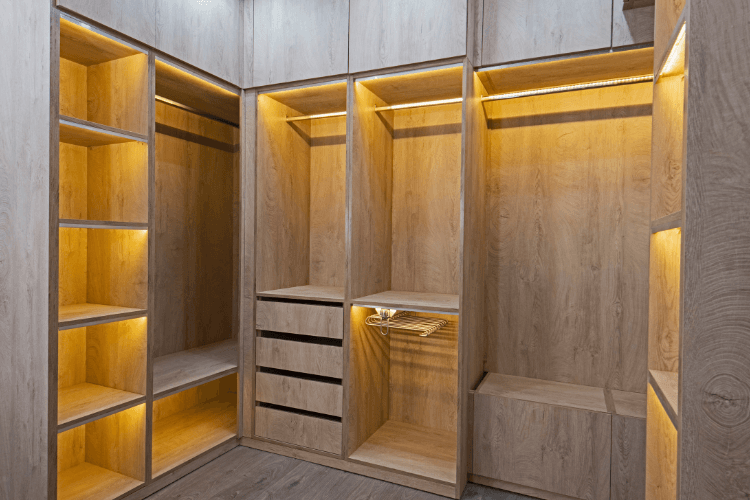
- Integrate Lighting: Install embedded LED strip lights along the shelving. This not only illuminates your wardrobe but also adds a high-end, boutique-like atmosphere to the room.
- Adapt to Your Lifestyle: A minimalist layout might work perfectly for a single professional, but a family or children’s room will require a highly adaptable setup with lower hanging rods and accessible storage bins.
Creative Alternative: How to Cover a Closet Without Doors Using Curtains
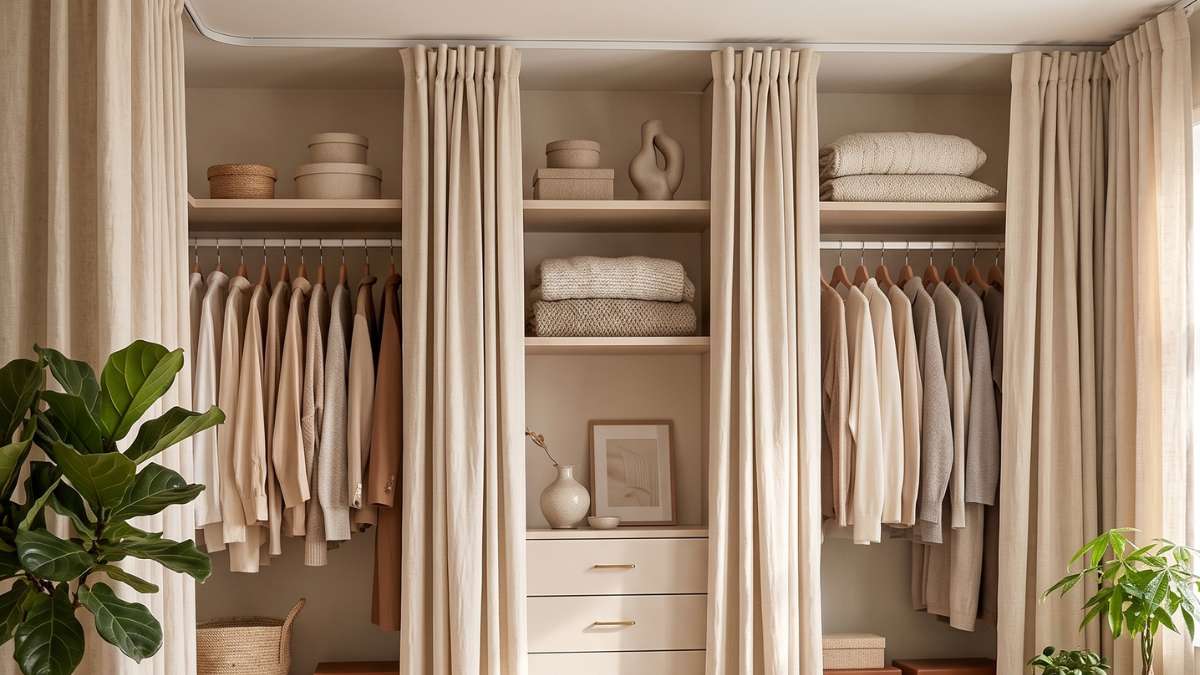
If you appreciate the structure of an open closet but occasionally need to conceal it—whether to hide temporary clutter or soften the room’s hard architectural lines—using curtains is a flexible, cost-effective, and renter-friendly alternative.
- Expand the Visual Space: Mount the curtain rod slightly higher than the closet opening and extend it 4 to 5 inches beyond the frame on both sides. This placement creates the illusion of higher ceilings and makes the closet area appear larger.
- Select Premium Fabrics: Choose heavyweight materials or blackout fabrics. Textiles like heavy linen or velvet drape beautifully, providing a high-end feel that mimics the solid barrier of a door.
- Prioritize Smooth Hardware: Utilize high-quality curtain rings rather than rod-pocket styles to ensure the curtains glide effortlessly for daily access.
- Utilize Renter-Friendly Setups: A heavy-duty tension rod paired with your chosen curtains offers a sturdy, damage-free solution for those who cannot drill into the walls.
For a cohesive interior design, George Solution offers Custom Curtains tailored precisely to your architectural dimensions. Whether you need a sleek, minimalist drape or a textured statement piece, integrating custom soft furnishings provides the perfect finishing touch.
Is a Closet Without Doors the Right Fit for You?
Before committing to an open design, use this quick checklist to evaluate your needs:
- Cleaning Habits: Are you willing to tidy your wardrobe daily and manage dust proactively?
- Space Constraints: Does your room layout benefit from the visual expansion an open closet provides?
- Privacy Needs: Are you comfortable having your clothing and personal items constantly on display?
Elevate Your Space with George Solution Custom Solutions
Whether you decide to embrace the fully open concept, opt for a hybrid glass-door design, or utilize elegant fabric concealments, the execution depends on quality craftsmanship.
At George Solution, our bespoke designs blend style with strict functionality. Explore our Custom Wardrobe configurations for precision-engineered cabinetry and hardware, or visit our Soft Furnishings collection to discover custom curtains that perfectly complement your space. By tailoring every detail to your specific dimensions and lifestyle, we transform standard storage into a sophisticated, highly efficient home feature.
Frequently Asked Questions
Do closets without doors get dusty?
Yes, without a physical barrier, clothes in an open closet are more prone to dust accumulation. To minimize this, use a room air purifier, utilize garment bags for seasonal wear, or consider hanging custom curtains to act as a dust barrier when the closet is not in use.
Is it cheaper to build a closet without doors?
Generally, yes. Eliminating the cost of custom doors, hinges, and sliding tracks reduces the initial installation budget. However, to maintain a neat appearance, you may need to invest more in high-quality internal organization tools like custom drawers and baskets.
Does an open closet decrease home resale value?
It depends on the execution. A messy, poorly designed open closet can deter buyers. Conversely, a high-end, custom-built open wardrobe system (such as a boutique-style display with integrated lighting) can be viewed as a premium upgrade and attract modern homebuyers.