

Remodeling a house top-to-bottom is a monumental journey. If it is your first time taking on a project of this scale, it is completely natural to feel a bit out of your depth. You likely know there are countless decisions ahead, but the sheer volume of details often remains a mystery until the first wall comes down.
The good news is that understanding the roadmap removes the anxiety. A well-managed renovation follows a very predictable rhythm. We love guiding homeowners through this transformational process, and we have found that when you know exactly what is coming next, you can actually enjoy the journey of building your dream home.
While every property has its own unique quirks, here is the standard 11-step sequence of a whole home remodel, so you know exactly what to expect.
1. Define a Realistic Budget
Every successful renovation begins with a solid financial foundation. Before you fall in love with specific materials or dramatic layout changes, you need to establish a comfort zone for your spending.
Experienced project managers will always advise you to set aside a 15% to 20% contingency buffer. Why? Because older homes love to reveal hidden surprises once the walls are opened.
You might uncover termite damage, a leaking pipe, or electrical work that needs to be brought up to modern building codes. Having that financial safety net already built into your plan ensures that when a surprise does pop up, it is just a minor bump in the road, rather than a project-stopping crisis.
2. Planning and Architectural Design
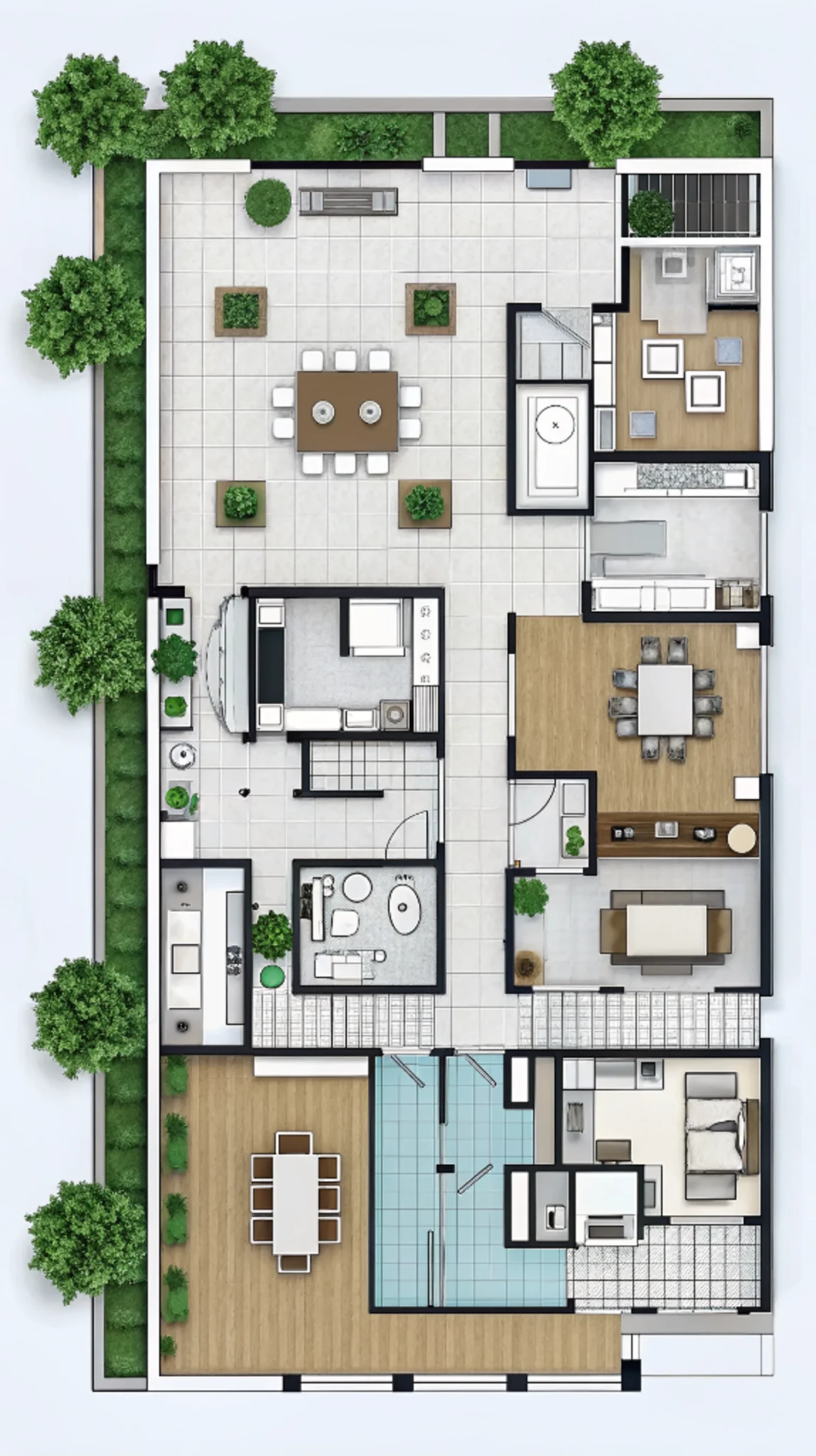
This is the dreaming phase, where your vision finally makes its way onto paper. Working closely with your design team, you will map out the physical flow of your new space. You will discuss whether taking down that wall will truly open up the kitchen, or if shifting a hallway could give you the master suite you have always wanted.
Take your time here. Moving lines on a blueprint is completely free, but moving a physical wall after the framing goes up is incredibly expensive. We often recommend walking through your current space with a tape measure to truly visualize the dimensions of the plans you are approving.
3. Secure Permits and Source Materials
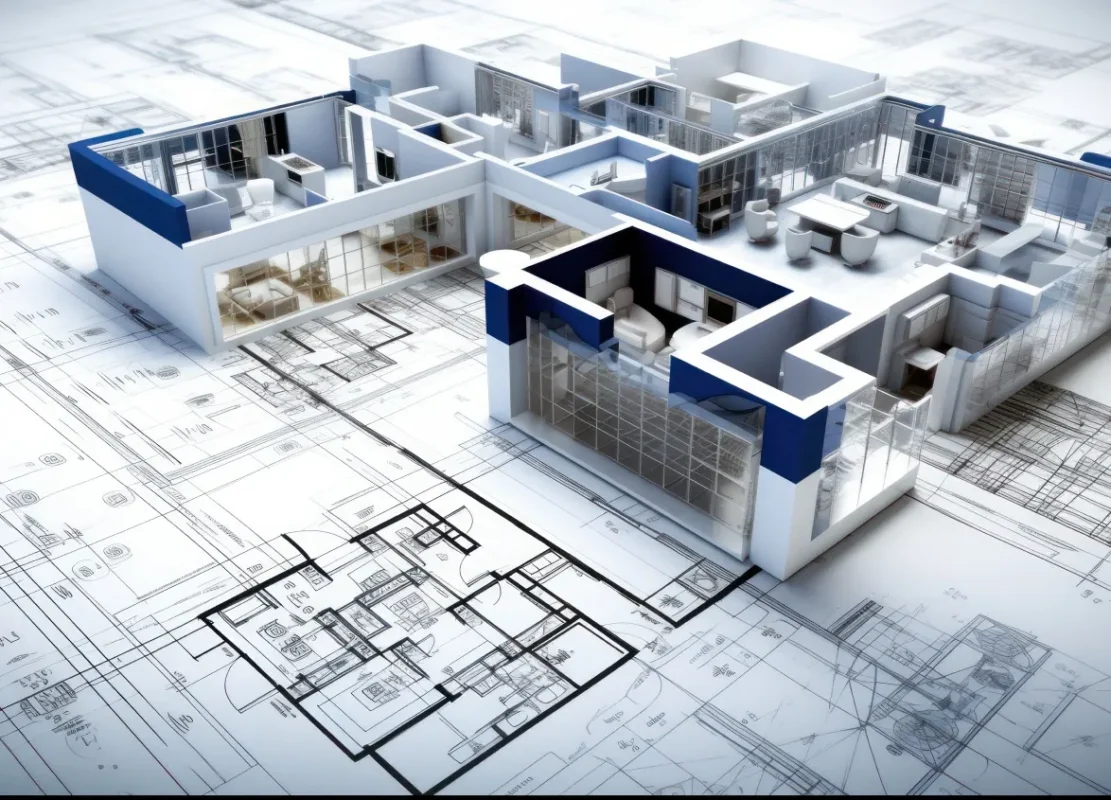
Once the blueprints are finalized, your builder will submit them to the city to secure the necessary construction permits. Because city approvals can sometimes take weeks, this is the exact window of time you should use to finalize your material orders.
Delaying material orders is the number one cause of construction nightmares. Managing a dozen different suppliers for doors, tiles, and cabinets is stressful and risky. This is why modern designers often consolidate their sourcing.
By partnering with a comprehensive manufacturer like George Solution, you can order your custom cabinetry, architectural wall panels, interior doors, and flooring all from a single, unified source. This ensures your entire interior package is manufactured in harmony and arrives at your site perfectly synchronized, completely eliminating vendor delays.
4. Demolition
Before the new spaces can emerge, the old must be cleared away. Depending on the scope of your remodel, this could mean carefully removing outdated fixtures or taking the house entirely down to the studs.
It is a thrilling, albeit messy, milestone that strips the house down to its structural bones and reveals the true potential of your space.
5. Rebuilding and Framing
With a blank canvas ready, your home’s new silhouette begins to take form. Carpenters will map out room expansions, install new structural beams, and frame the walls.
Walking through the freshly framed rooms is incredibly exciting, as you can physically feel the new layout of your home for the very first time.
6. Mechanicals, Plumbing, and Electrical
Often referred to as the “rough-in” phase, this step installs the vital nervous system of your home. Plumbers, electricians, and HVAC specialists work behind the scenes to route new pipes, upgrade electrical panels for modern smart-home needs, and ensure climate control is perfectly distributed. It guarantees your home is as safe and efficient as it is beautiful.
7. Walls (Insulation and Drywall)
This is a massive psychological turning point in the project. Suddenly, the busy construction site begins to feel like a real house again. Insulation is packed into the wooden cavities, and the heavy sheets of drywall are hung, taped, mudded, and sanded smooth.
You will immediately notice that the house sounds different—the echoes fade, and the rooms feel properly defined. Contractors typically apply the initial coats of primer and paint during this stage to create a clean, fresh backdrop before the delicate, expensive finishes are brought into the house.

8. Flooring Installation
Whether you envision the timeless warmth of wide-plank European oak or the sleek, cool elegance of large-format porcelain tile, the flooring grounds your entire design.
This step requires a clean, dust-free environment. Once the floors are meticulously laid down, a good construction crew will immediately cover them with heavy-duty protective builder’s paper or ram board.
It can be a little torturous knowing your gorgeous new floors are hiding under there, but it is absolutely crucial to keep them safe from scratches while the remaining interior work is completed.

9. Cabinetry and Millwork
Cabinetry brings character, warmth, and essential function to your home. Kitchen islands, bathroom vanities, and built-in closet systems are securely leveled and mounted.
When you utilize a unified source like George Solution, the aesthetic benefits truly shine here. The custom wood finishes in your kitchen can be perfectly color-matched to your living room wall panels and bedroom wardrobes, creating a flawlessly integrated, architect-grade look throughout the entire house.
10. Countertops and Appliances
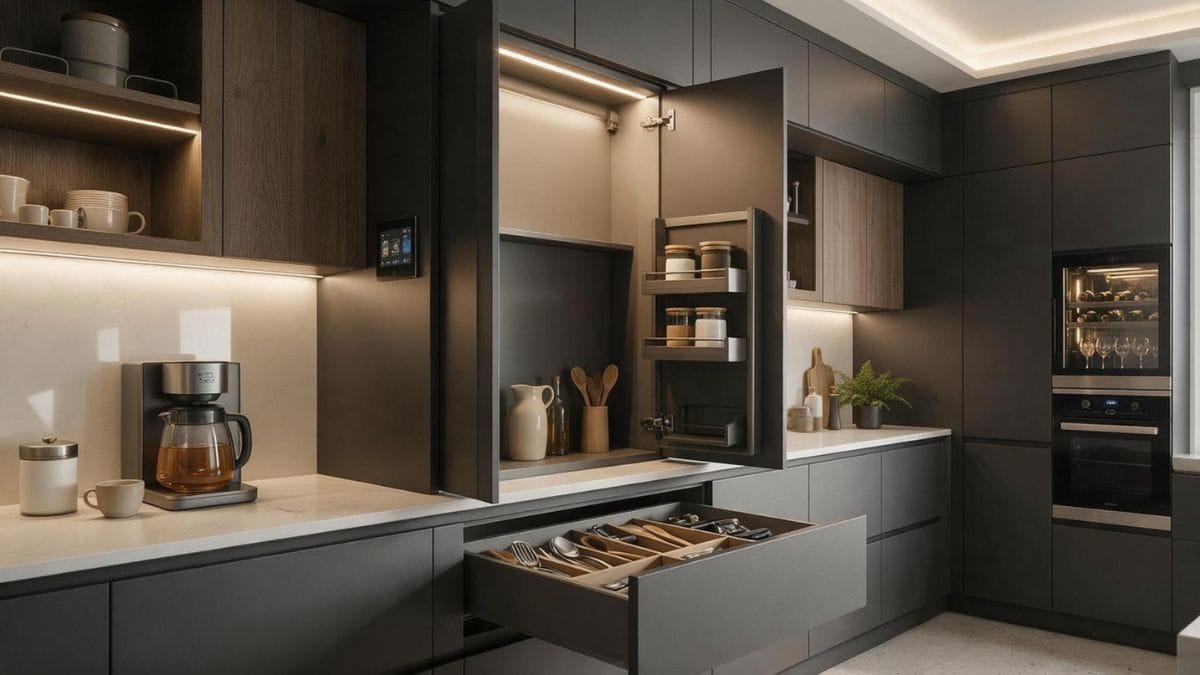
Precision is key during this stage. Stone fabricators take exact measurements of your newly installed base cabinets to cut your quartz or marble countertops. Once the stone is set, your major appliances—such as the luxury range, refrigerator, and dishwashers—are carefully slid into their designated, custom-built homes.
11. Final Touches and Furnishings
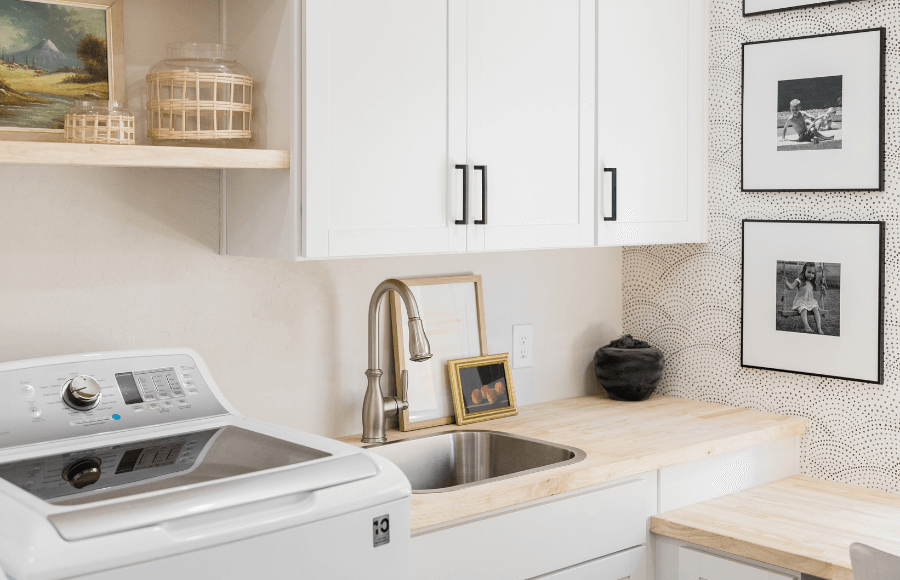
The final layer of polish brings your vision to life. Decorative lighting fixtures are hung, faucets are connected, and the cabinet hardware is attached. Following a thorough professional cleaning, you can finally move your rugs, art, and furniture into the space, officially completing the transformation.

Partnering for a Seamless Remodel
A whole home remodel is a profound investment in your family’s future and daily comfort. Because there are so many moving parts, having the right partners makes all the difference in the world between a stressful nightmare and a rewarding journey.
At George Solution, we simplify the entire process by providing a one-stop manufacturing solution for premium interior materials. By removing the chaos of managing multiple vendors, we help homeowners, architects, and builders keep their projects perfectly coordinated, on budget, and beautifully executed.
If you are preparing for a major renovation, contact the George Solution team today to learn how our comprehensive custom solutions can bring your dream home to life.
Frequently Asked Questions (FAQ)
How long does a whole home remodel usually take?
Physical construction typically takes 4 to 8 months, depending on the scope of your project. Keep in mind that planning, architectural design, and material sourcing will add another 2 to 3 months before demolition even begins.
Can I live in my house during a whole home remodel?
It is possible during a room-by-room remodel, but we highly advise against it for a full gut renovation. The constant noise, construction dust, and lack of a functioning kitchen and bathrooms can be incredibly exhausting for a family.
How can I prevent my renovation from going over budget?
Lock in all your design decisions and material selections before construction starts to avoid expensive mid-project changes. Always set aside a 15% to 20% contingency fund to cover unexpected structural issues hidden behind old walls.
Should I buy my own materials or let the builder handle it?
Managing multiple retail suppliers often leads to severe delivery delays. We strongly recommend working with a single, comprehensive manufacturer like George Group to order your interior materials all at once, ensuring synchronized delivery and perfectly matched finishes.