

In high-end residential and commercial design, bare drywall is a missed opportunity. The finishes you apply to your walls dictate the acoustics, the lighting, and the ultimate architectural tone of the entire space.
For decades, the debate has been binary: paint or wallpaper. Each choice brings its own set of aesthetic options, labor costs, and long-term maintenance requirements. However, in 2026, relying solely on residential-grade paint or traditional paper-backed wallpaper is often insufficient for modern, high-traffic spaces.
Before we dive into the specific pros and cons of each material, here is a quick executive summary of how these wall treatments compare in a commercial or luxury residential setting.
Quick Comparison: Paint vs. Wallpaper vs. Wall Panels
| Decision Factor | Modern Wall Paint | Premium Wallpaper | Custom Wall Panels |
|---|---|---|---|
| Aesthetic Impact | Flat, single color; relies on lighting | High texture, rich patterns, focal points | 3D architectural depth, luxury tactile feel |
| Durability & Lifespan | 5-10 years (prone to scuffs & chipping) | 10-15 years (commercial vinyl resists wear) | 20+ years (highest impact resistance) |
| Installation Time | High (Requires primer + multiple coats) | Medium (Requires precise alignment) | Fast (Dry installation over existing walls) |
| Acoustic Insulation | None | Low to Moderate | Excellent (Absorbs echo and noise) |
| Best Application | Entire house base, ceilings, utility rooms | Feature walls, bedrooms, executive offices | Boardrooms, luxury living rooms, lobbies |
The Case for Wall Paint: Pros, Cons, and Best Use Cases
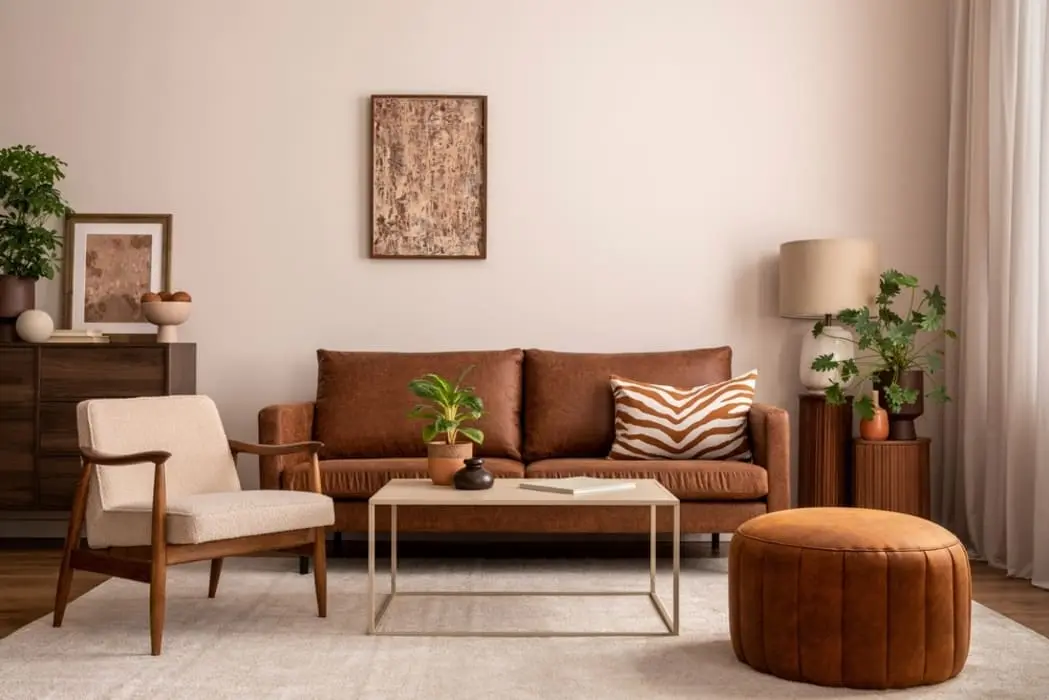
Paint is the undisputed default of the interior design world. It is predictable, highly functional, and universally understood. But while it serves as an excellent foundational layer, it is important to understand where it excels and where it falls flat in a premium space.
The Pros of Wall Paint
Unmatched Cost-Efficiency: Even if you specify a premium designer paint brand, the material cost per square foot remains relatively low, making it ideal for covering massive commercial square footage on a tight budget.
Seamless Touch-Ups and Maintenance: This is paint’s biggest long-term advantage. If a high-traffic hallway gets scuffed by a moving cart or a piece of furniture, a maintenance team can easily blend in a quick touch-up.
Protective Qualities: High-quality latex paints act as a protective seal over the underlying putty layer, extending the overall lifespan of the drywall—especially in areas with fluctuating humidity.
The Cons of Wall Paint
Aesthetic Flatness: Paint lacks tactile depth. Even with custom color-mixing, a painted wall is fundamentally two-dimensional. It cannot replicate the acoustic warmth or sophisticated textures that modern interiors demand.
Vulnerable to Structural Settling: If a new house settles or the climate causes the drywall to slightly expand and contract, paint will immediately show hairline cracks. It offers absolutely zero ability to conceal wall imperfections.
The Hidden Cost of Time and VOCs: While the paint itself is cheap, the labor is not. Proper application requires wall sanding, primer, and multiple topcoats. Furthermore, many paints release VOCs (Volatile Organic Compounds) as they cure. This requires extended ventilation periods, significantly delaying project completion and move-in dates.
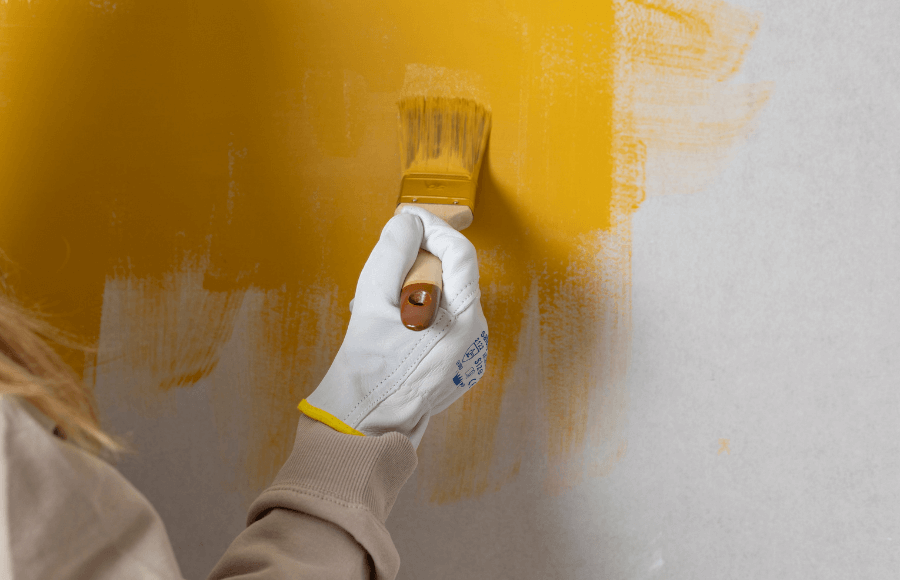
Best Use Cases for Paint:
Paint is the absolute best choice for ceilings, expansive minimalist art galleries, bathrooms with heavy steam, and utility areas. It is also the perfect neutral backdrop if your design goal is to draw the eye away from the walls and toward expensive artwork or custom luxury furniture.
You might be interested:Living Room Renovation: A Practical Guide for Homeowners
The Case for Premium Wallpaper: Pros, Cons, and Best Use Cases
Wallpaper has evolved drastically from the fragile, peeling floral prints of the past. Today’s premium wallpapers utilize advanced materials like wood pulp, natural fibers, and commercial-grade vinyl to deliver stunning visual impact.
The Pros of Wallpapering
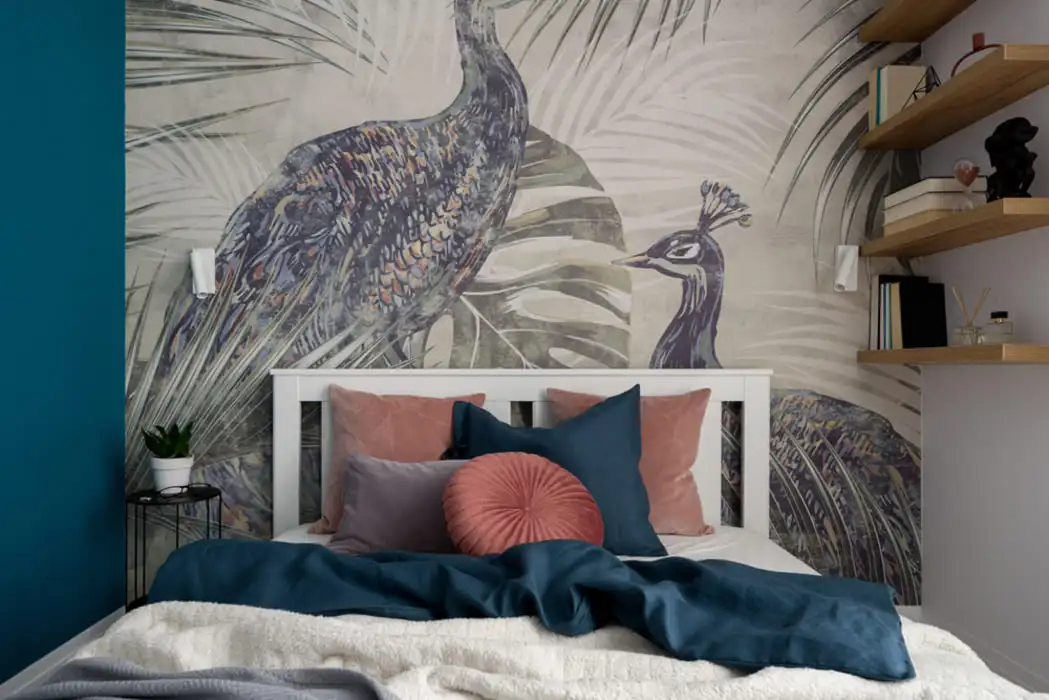
Unrivaled Textures and Patterns: Wallpaper allows you to introduce textiles, metallics, geometric embossing, and natural grasscloth into a room. It instantly establishes a highly customized, boutique aesthetic.
Imperfection Coverage: Thicker, embossed wallpapers can effectively conceal minor drywall imperfections, spiderweb cracks, and uneven textures, instantly improving the appearance of walls without needing costly drywall repairs and sanding.
Eco-Friendly Advancements: High-end modern wallpapers are often made from natural, non-toxic materials. When paired with premium, low-emission adhesives, they offer a highly sustainable, eco-friendly wall solution.
The Cons of Wallpapering
Higher Upfront Cost: Quality wallpaper generally starts around $6 per square foot, and the specialized labor required for perfect pattern alignment makes the initial budget significantly higher than paint.
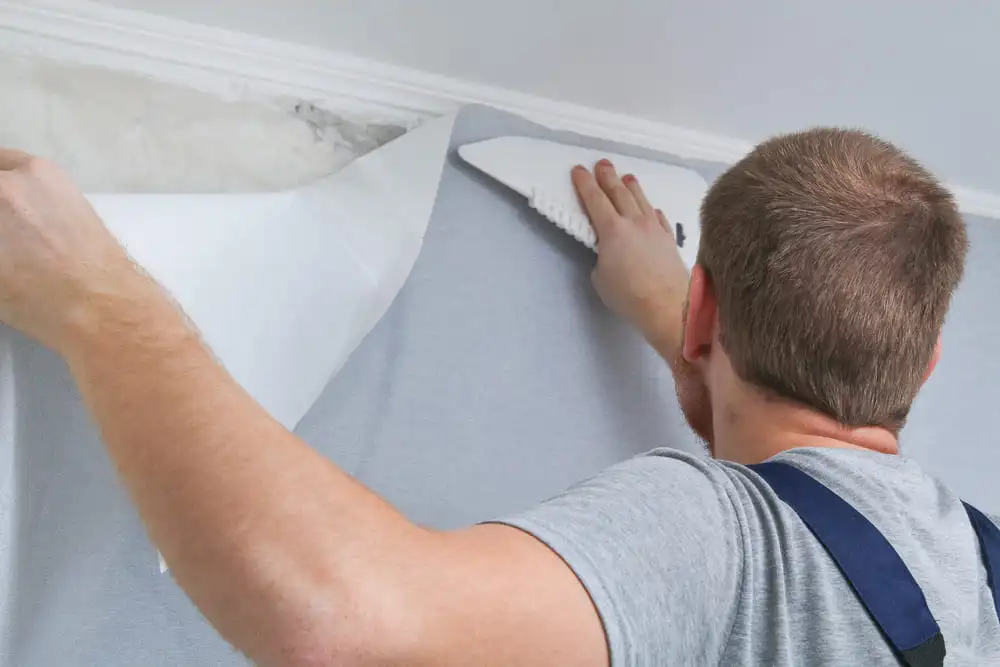
Difficult to Repair: Unlike paint, you cannot simply brush over a torn piece of wallpaper. If a section suffers extensive damage from a sharp impact, the entire vertical drop (or sometimes the whole wall) needs to be replaced.
Moisture Sensitivity (for standard types): While commercial vinyl wallpapers are highly water-resistant, standard paper-backed wallpapers can peel or bubble in highly humid environments like unventilated bathrooms.

Best Use Cases for Wallpaper:
Wallpaper is the ultimate tool for creating focal points. It is perfect for master bedroom headboard walls, executive office suites, hotel lobbies, and powder rooms where you want to make a dramatic design statement.
Beyond Paint and Wallpaper: Is There a Third Option?
If you are reading through the pros and cons of paint and wallpaper and feeling like neither is 100% perfect for your project, you are not alone.
Many architects and luxury homeowners face this exact dilemma: they want the zero-maintenance durability of paint, but they also want the rich, tactile depth of premium wallpaper. For decades, you had to compromise. But modern interior design has shifted toward an architectural solution that solves the weaknesses of both: Custom Wall Paneling.
Unlike wallpaper that can tear, or paint that lacks dimension, architectural wall panels (available in wood veneer, 3D fluted textures, and sleek modern laminates) offer a massive leap in functionality.
- Acoustic Insulation: Panels naturally absorb echoing sound, making them essential for modern open-plan homes and busy commercial offices.
- Zero-Maintenance Durability: They resist impacts and scuffs far better than any paint or wallpaper, making them perfect for high-traffic corridors.
- Dry, Lightning-Fast Installation: Wall panels do not require wet glue, primer, or days of drying time. They are dry-installed directly over the existing wall, drastically cutting down project timelines and allowing for immediate move-in.
Related article: Five Office Wall Decor Ideas That Actually Impress
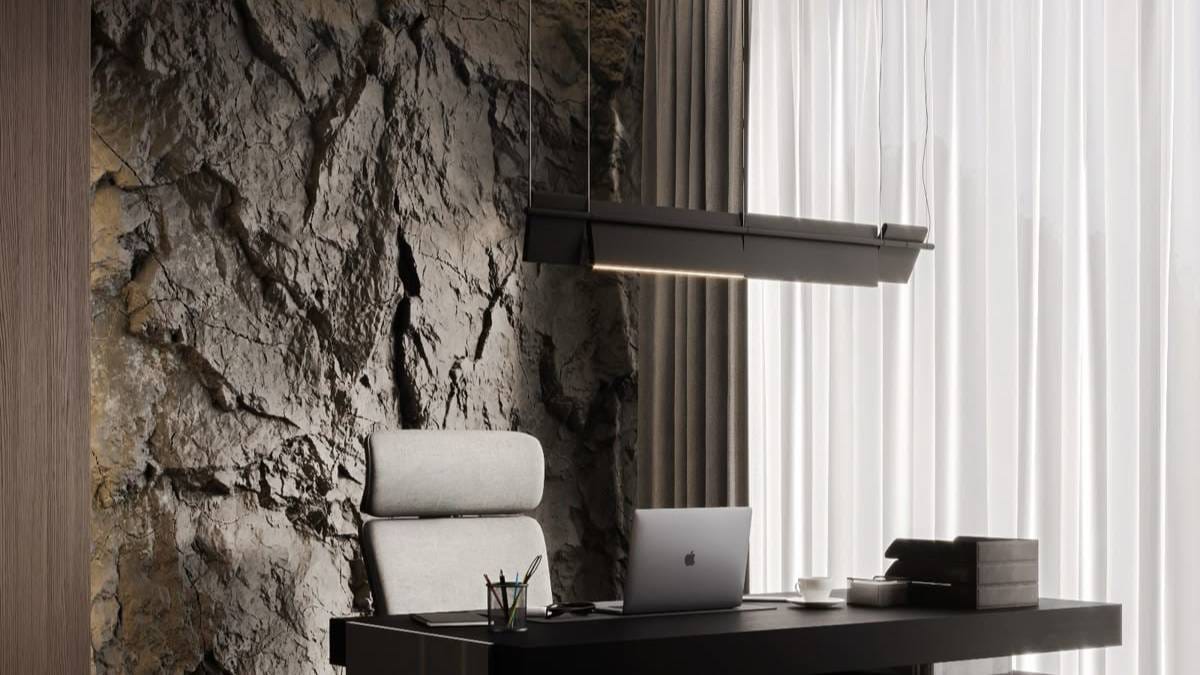
The Ultimate 2026 Trend: Layering Paint, Wallpaper, and Paneling
Why limit yourself to just one material? In luxury homes and high-end commercial spaces, the most striking designs do not force a choice between paint, wallpaper, and paneling—they combine them.
One of the most popular interior design techniques today is installing Custom Wall Panels on the lower half of the wall (wainscoting) to protect against scuffs and impacts.
Designers then apply a bold, textured Premium Wallpaper on the upper half to draw the eye upward and make the ceiling feel higher. Finally, the ceiling is finished with a premium matte Paint to reflect natural light.
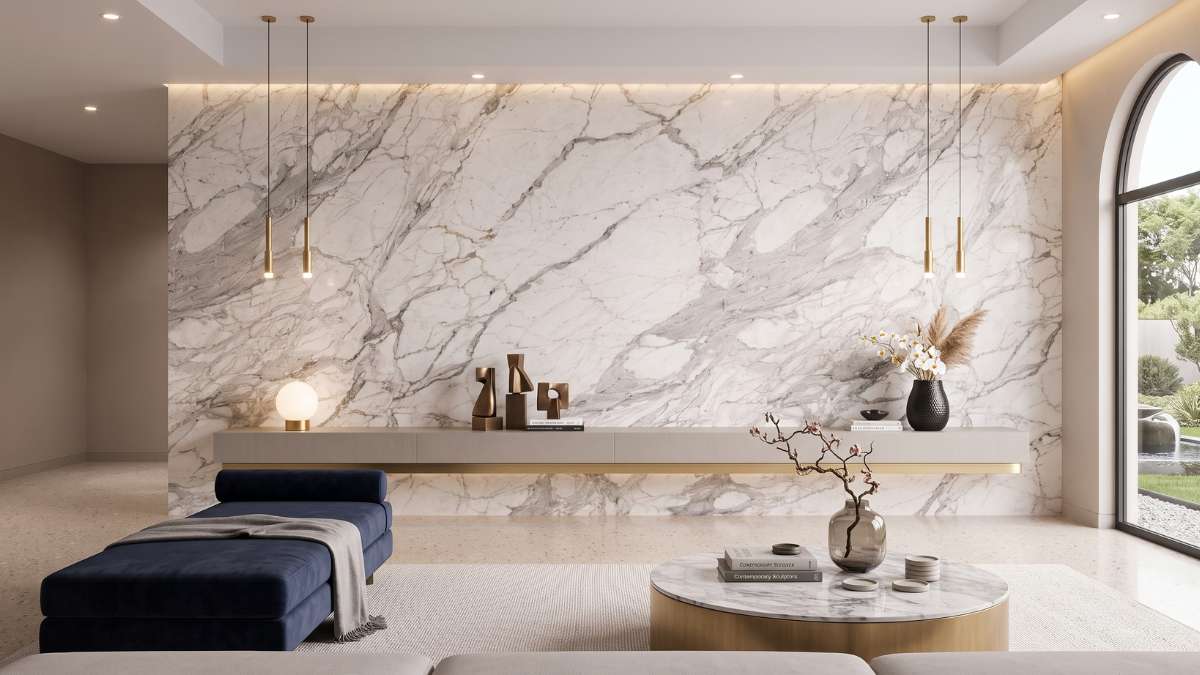
Source Your Complete Wall Solution with George Solution
Whether you want the artistic flexibility of premium wallpaper or the architectural depth of 3D wood wall panels, George Solution manufactures both.
Because we produce our commercial-grade wallpapers and custom wall panels within the same massive manufacturing ecosystem in Foshan, China, we help designers, builders, and homeowners source complete, perfectly coordinated wall treatments.
You don’t have to manage multiple vendors or worry about material clashes. We deliver aesthetic beauty and structural durability directly to your project site in a single consolidated shipment.
Contact the George Group design team today to explore our extensive catalog of premium wallpapers and architectural wall panels.
Frequently Asked Questions (FAQ)
Is it better to DIY or hire professionals for wall treatments?
While painting can be a rewarding DIY project for a homeowner, we strongly recommend hiring professionals for wallpaper and wall panels—especially in commercial or luxury spaces.
Wallpaper requires exact measurements, pattern matching, and careful edge-seaming. Professional installation ensures a flawless, long-lasting finish and prevents expensive material waste.
Can you just paint over old wallpaper?
While technically possible, it is highly discouraged by professionals. The moisture from the paint can loosen the wallpaper adhesive, causing bubbling and peeling. Furthermore, the seams and texture of the wallpaper will always show through the paint, ruining the finish. Always remove the wallpaper and properly prep the drywall before painting.
Is wallpaper suitable for bathrooms and kitchens?
Standard paper-backed wallpaper is not ideal for high-moisture areas. However, commercial-grade, vinyl-coated wallpapers are specifically designed to withstand humidity and can be wiped clean. For the ultimate moisture resistance in kitchens and bathrooms, rigid wall panels or tiles are the safest long-term investments.
Which wall treatment offers better resale value?
Both can enhance resale value if executed well. Neutral, high-quality paint appeals to the widest audience because it is a blank canvas. However, high-end architectural wall panels significantly increase the perceived property value by adding a layer of bespoke luxury that buyers cannot easily replicate themselves.