

When most homeowners plan a window replacement, they spend weeks agonizing over the frame—debating the merits of vinyl, aluminum, or fiberglass. But here is a reality check from the construction industry: the frame only makes up about 20% of the entire window unit. The other 80% is glass.
If your home is freezing in the winter, baking in the summer, or letting in every horn honk from the street outside, the frame isn’t the primary culprit. You simply have the wrong glass installed.
Understanding the different types of window glass is the single most important step in upgrading your home’s comfort, security, and energy efficiency. You don’t need a degree in materials science to make the right choice, but you do need to look past the marketing brochures and understand how these glass technologies actually function in the real world.
Here is the contractor’s deep-dive guide to window glass types, breaking down exactly what they do and where they belong in your home.
1. Float and Annealed Glass (The Basic Baseline)
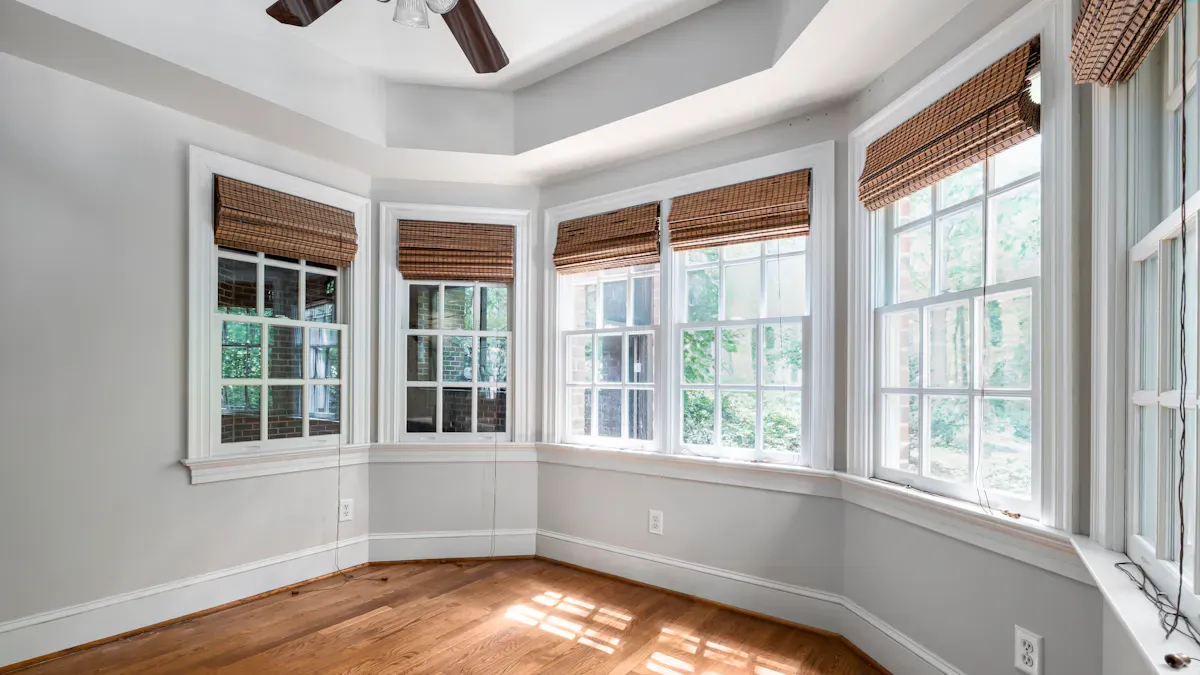
Every piece of window glass starts here. Float glass gets its name from the manufacturing process, where molten glass is literally “floated” across a bed of molten tin to ensure a perfectly flat, uniform surface. Once it cools slowly (a process called annealing), it can be cut and shaped.
While annealed glass is perfectly fine for small interior picture frames or cabinet doors, it has largely been phased out of modern exterior window applications.
As a single pane, it offers zero thermal insulation, shatters into highly dangerous, jagged shards when broken, and completely fails to meet modern residential energy efficiency codes. To make float glass viable for a home, it must be upgraded.
2. Insulated Glass Units (Double and Triple Pane)
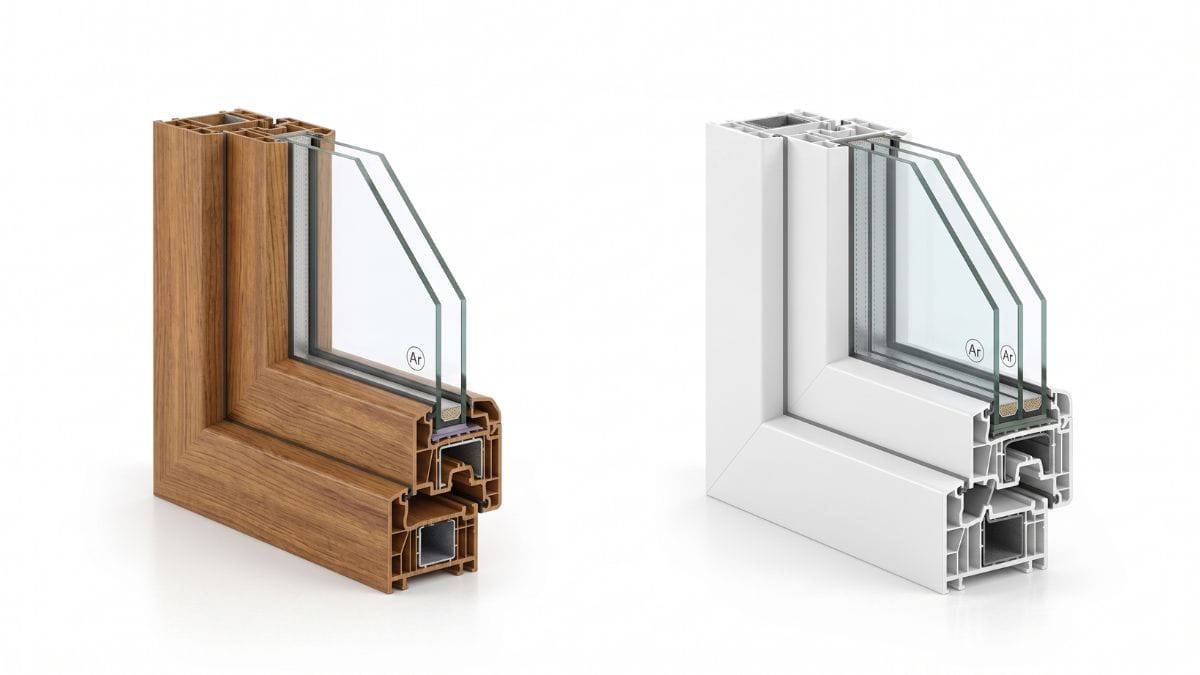
To solve the glaring insulation problem of single-pane float glass, the industry developed the Insulated Glass Unit (IGU). An IGU takes two panes of glass (double-pane) or three panes (triple-pane) and separates them using a sophisticated perimeter spacer system.
The edges are hermetically sealed, trapping a pocket of “dead air” between the glass. Because still air is a terrible conductor of heat, this gap acts as an invisible insulating blanket, stopping the cold outside from pulling the heat out of your living room.
Double-pane IGUs are the standard for modern renovations across most climates, while triple-pane units are increasingly specified in extreme northern regions where blocking sub-zero temperatures is a priority.
3. Low-E (Low-Emissivity) Glass
Trapping air between two panes is a great start, but it doesn’t stop radiant heat (like the direct sun). This is where Low-E glass comes in. Low-Emissivity glass is manufactured by applying microscopically thin layers of metallic particles—often silver—directly onto the glass surface of an IGU.
Think of Low-E glass as a smart thermal filter. During a scorching summer day, the invisible coating recognizes the long-wave infrared heat coming from the sun and bounces it back outside, keeping your air-conditioned room cool.
In the dead of winter, the exact same coating acts in reverse: it recognizes the radiant heat generated by your indoor furnace and reflects it back into the room instead of letting it escape. As a bonus, it blocks up to 90% of damaging UV rays, protecting your hardwood floors and furniture from fading.
4. Gas-Filled Glass (Argon and Krypton)
To push the insulation value of a window to its absolute limit, manufacturers look at the space between the panes. Instead of trapping regular air, they replace it with an invisible, non-toxic inert gas.
Argon is the most common choice in the industry. Because Argon gas is significantly denser and heavier than regular oxygen, thermal temperatures struggle to travel through it.
If you have a particularly narrow space between your glass panes, manufacturers might use Krypton gas instead. Krypton is even denser than Argon and provides superior insulation in tighter spaces, though it commands a premium price tag.
5. Tempered Glass (The Safety Standard)
Energy efficiency is crucial, but so is physical safety. Standard glass is incredibly dangerous when broken.
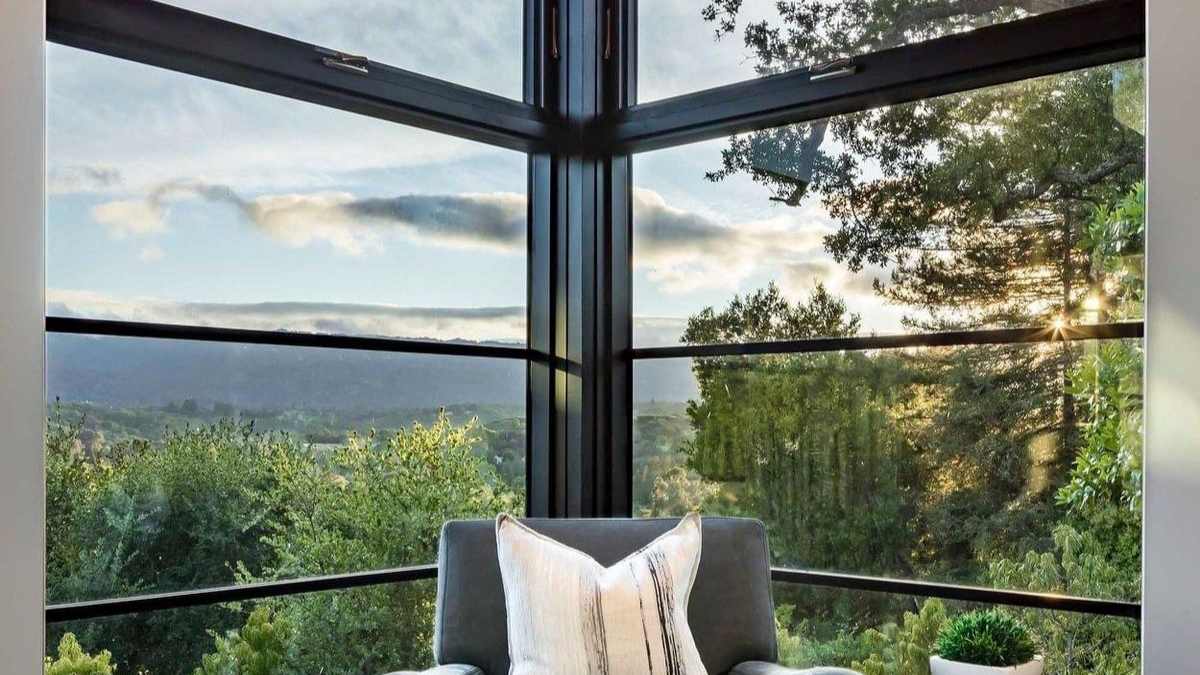
Tempered glass solves this through a rigorous manufacturing process where it is heated to over 1,100 degrees Fahrenheit and then rapidly blasted with cold air. This puts the outer surfaces into extreme compression, making the glass about four times stronger than standard glass.
Its real value lies in how it breaks. When struck hard enough, the internal tension causes the entire pane to instantly shatter into hundreds of tiny, blunt, pebble-like pieces.
Because it eliminates the risk of deadly lacerations, building inspectors strictly mandate tempered glass in “hazardous” locations.
By law, you must specify tempered glass for any window located within 18 inches of the floor, any window adjacent to a doorway, and any glass installed inside a wet bathroom area.
6. Laminated Glass (The Security and Noise Blocker)
If you want to turn your home into a fortress, laminated glass is the answer. This glass is constructed by permanently bonding a durable, transparent plastic interlayer (made of Polyvinyl Butyral, or PVB) between two sheets of glass. It is the exact same life-saving technology used in modern car windshields.
When a burglar strikes laminated glass with a crowbar, the glass itself will crack into a spiderweb pattern, but the resilient PVB core holds everything firmly in place. Beyond extreme security and hurricane resistance, that thick plastic core acts as a phenomenal acoustic dampener.
If your house sits near a busy highway, a train track, or an airport flight path, upgrading to laminated glass is the most effective way to soundproof your home.
7. Frosted and Obscured Glass
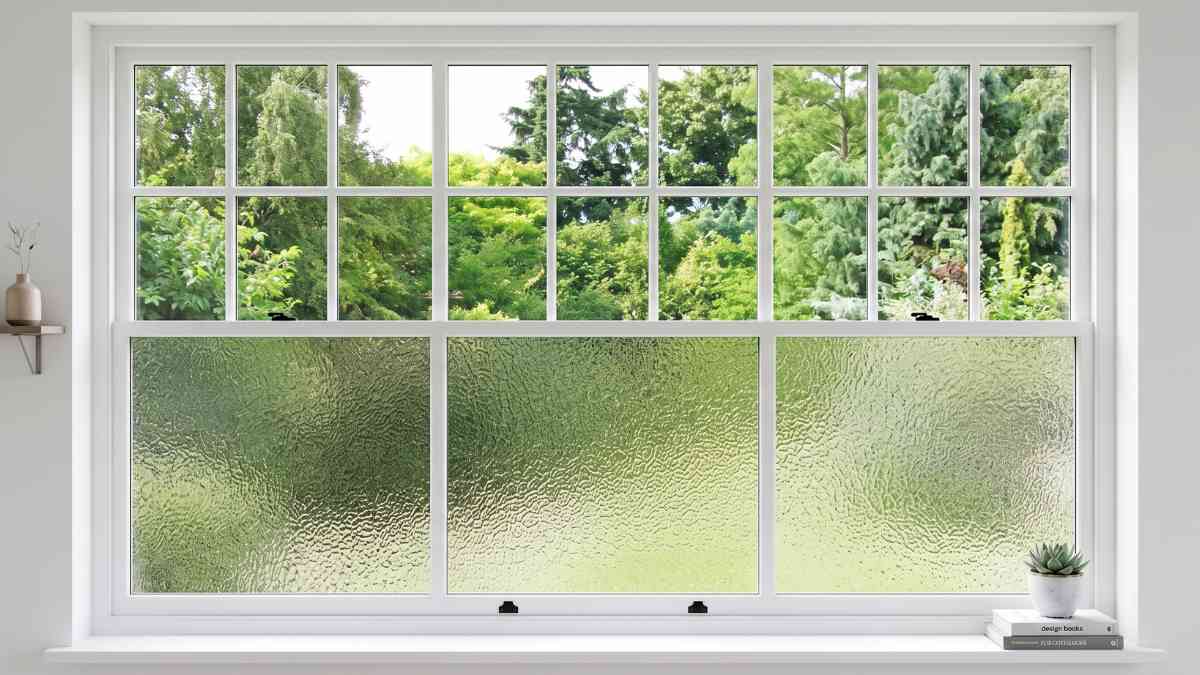
Sometimes, the primary function of a window isn’t the view outside, but rather controlling who can see inside. Created through abrasive sandblasting or chemical acid-etching, frosted glass scatters incoming light rather than letting it pass straight through.
The result is a room flooded with soft, diffused natural daylight, while anyone standing outside can only see vague, indistinguishable silhouettes.
This is the undisputed champion for ground-floor bathroom windows, shower enclosures, and modern front entry doors where privacy cannot be compromised.
8. Tinted Glass
Unlike aftermarket window films that can peel or bubble over time, true tinted glass has color-altering minerals added directly into the molten glass mixture during manufacturing. A bronze, gray, or blue tint does more than just give your home a sleek architectural aesthetic.
It drastically cuts down on harsh visual glare and actively absorbs a significant portion of solar heat. Tinted glass is highly recommended for massive, west-facing architectural windows that get battered by the intense afternoon sun.
How to Specify Your Windows Like a Pro

Understanding the technology is only half the battle; knowing how to combine these different types of window glass for your specific home is what separates a good renovation from a great one.
Here is how a professional contractor specifies window glass based on real-world challenges:
- The Extreme Winter Scenario: If you are building a home in a freezing northern climate, your priority is retaining furnace heat. Specify Triple-Pane IGUs with a High-Solar-Gain Low-E coating and Argon gas.
- The Desert or Coastal Summer Scenario: If you live in a region with scorching summers, your enemy is solar heat gain. Specify Double-Pane IGUs with a Low-Solar-Gain Low-E coating, and consider adding a subtle Tint to reduce the load on your air conditioner.
- The Urban Noise Scenario: If your bedroom faces a busy city street, thermal insulation alone won’t let you sleep. Specify Laminated Glass. The varying thickness of the glass combined with the PVB interlayer will deaden the traffic noise.
- The High-Traffic Bathroom Scenario: If you have a large window above a soaking tub, privacy and safety are both mandatory. Specify Tempered, Frosted Glass to satisfy both the building inspector and your peace of mind.
Ready to Upgrade Your Windows?
Choosing the right glass doesn’t have to be a guessing game. It is about matching the engineered technology to the specific architecture, climate, and security needs of your home.
At George Solution, we believe that educated clients make the best decisions. We don’t just sell standard windows; we engineer fenestration solutions. Whether you need ultra-energy-efficient triple-pane units for a custom modern build or impact-rated laminated glass for absolute security, our experts are here to guide your project from design to installation.
Frequently Asked Questions
What is the best overall type of glass for residential windows?
For most homes, a double-pane Insulated Glass Unit (IGU) with a Low-E coating and Argon gas fill is the best choice. It perfectly balances affordability, long-term energy savings, and interior comfort.
What is the exact difference between tempered and laminated glass?
Both are safety glasses but serve different purposes. Tempered glass shatters into harmless pebbles to protect you from injury if you fall into it. Laminated glass uses a tough plastic inner layer to stay intact when smashed, protecting your home from intruders, storms, and noise.
Are Low-E windows really worth the extra cost?
Yes. The minor upfront cost actively pays for itself by cutting your heating and cooling bills by 10-15% annually. It also blocks UV rays, preventing your expensive furniture and floors from fading.
Can I replace just the glass instead of the whole window?
Yes. If your existing window frames are structurally sound and rot-free, a glass-only replacement (replacing the IGU) is a highly cost-effective way to upgrade your glass without paying for entirely new frames.