

Walking into a building materials showroom for the first time is often an overwhelming experience. You are immediately surrounded by massive slabs and hit with industry terminology—engineered quartz, sintered stone, natural marble, and PU panels. For first-time homeowners and even seasoned renovators, making sense of these options can feel like preparing for a geology exam.
Making the wrong choice here is more than just a minor design flaw; it is an expensive structural mistake. Specifying a highly porous stone for a heavily used family kitchen, or paying thousands of dollars to reinforce a wall when a lightweight alternative would have worked, can derail your entire renovation budget.
Let’s step away from the technical jargon and look at decorative stone through a practical lens. This guide explores the real-world performance of both natural and artificial stones, helping you understand exactly which material belongs in your kitchen, your bathroom, or on your feature wall.
What Do We Actually Mean by “Decorative Stone”?
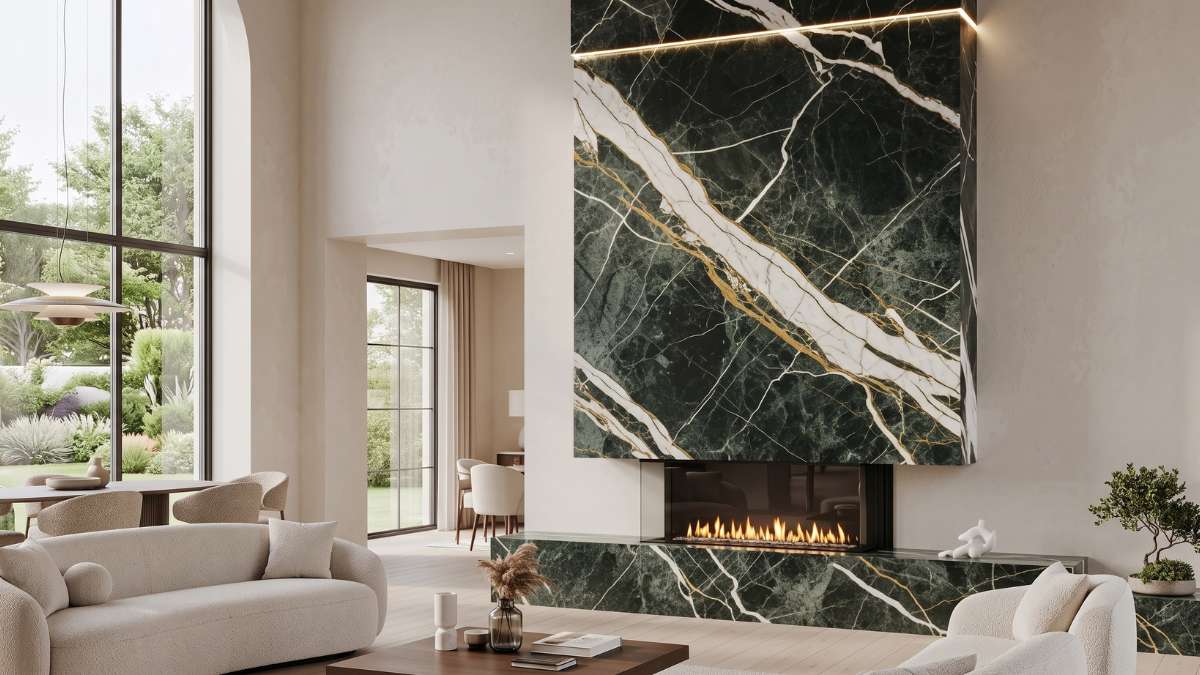
When people hear the phrase “decorative stone,” they often picture the loose gravel or river rocks used in outdoor landscaping. However, in interior design and modern architecture, decorative stone refers to the solid slabs, wall cladding, and tiles used to define a space. We are talking about your kitchen countertops, bathroom vanities, fireplace surrounds, and striking architectural feature walls.
Today, the market is sharply divided into two distinct categories: Natural Stone, which is quarried directly from the earth, and Artificial (or Engineered) Stone, which is manufactured in highly controlled factory environments to solve specific structural challenges.
1. Natural Decorative Stone: The Earth’s Masterpieces
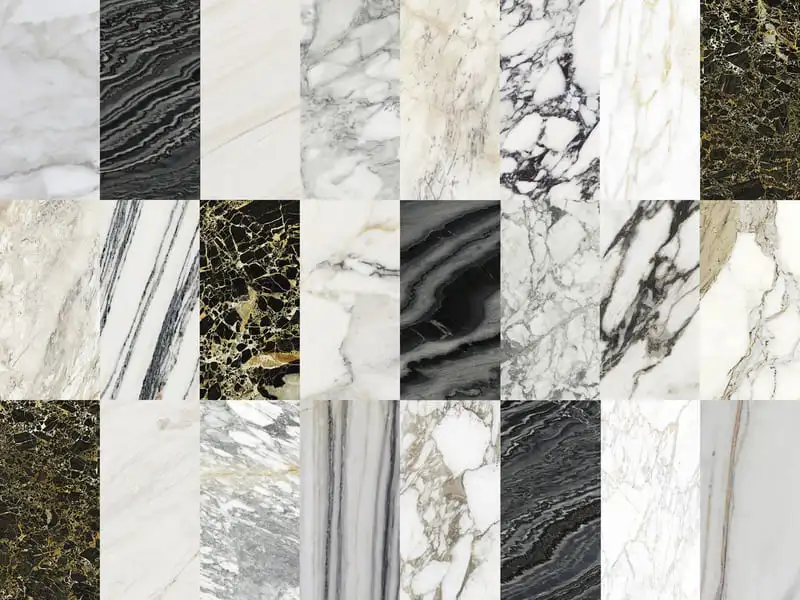
Natural stone is exactly what it sounds like—massive blocks of rock extracted from quarries, sliced into usable slabs, and polished for your home. Its absolute biggest selling point is its exclusivity. Because these patterns were forged by heat and pressure over millions of years, no two slabs on the planet will ever share the exact same veining.
Granite: The Heavy-Duty Workhorse
Granite has held its position as a top-tier building material for decades, and for good reason. It is one of the hardest and most heat-resistant natural stones available. In a practical setting, this means you can pull a cast-iron skillet straight from the oven and set it directly on a granite countertop without fearing a melted surface.
While it is incredibly tough against heat and scratches, granite does have a slight porosity. To keep it looking pristine and to prevent dark liquids from leaving a shadow, it requires a routine application of a high-quality stone sealer.
Marble: The Unapologetic Symbol of Luxury
There is a reason historic monuments and high-end hotel lobbies rely on marble: its elegant, cloud-like veining provides an aesthetic depth that is nearly impossible to replicate. Furthermore, its naturally cool surface has made it a favorite for professional bakers working with pastry.
However, installing marble in a high-traffic area like a kitchen is a commitment to a premium lifestyle. Marble is highly reactive to acids. A spilled glass of wine, a splash of lemon juice, or a forgotten drop of vinegar will “etch” the surface, leaving a permanent dull spot if not wiped up immediately.
It is also softer than granite, making it more susceptible to scratches. Marble is the ultimate luxury choice for premium bathroom vanities, fireplace surrounds, and statement kitchen islands, provided you are prepared for its strict daily upkeep.
Slate: The Textured Classic
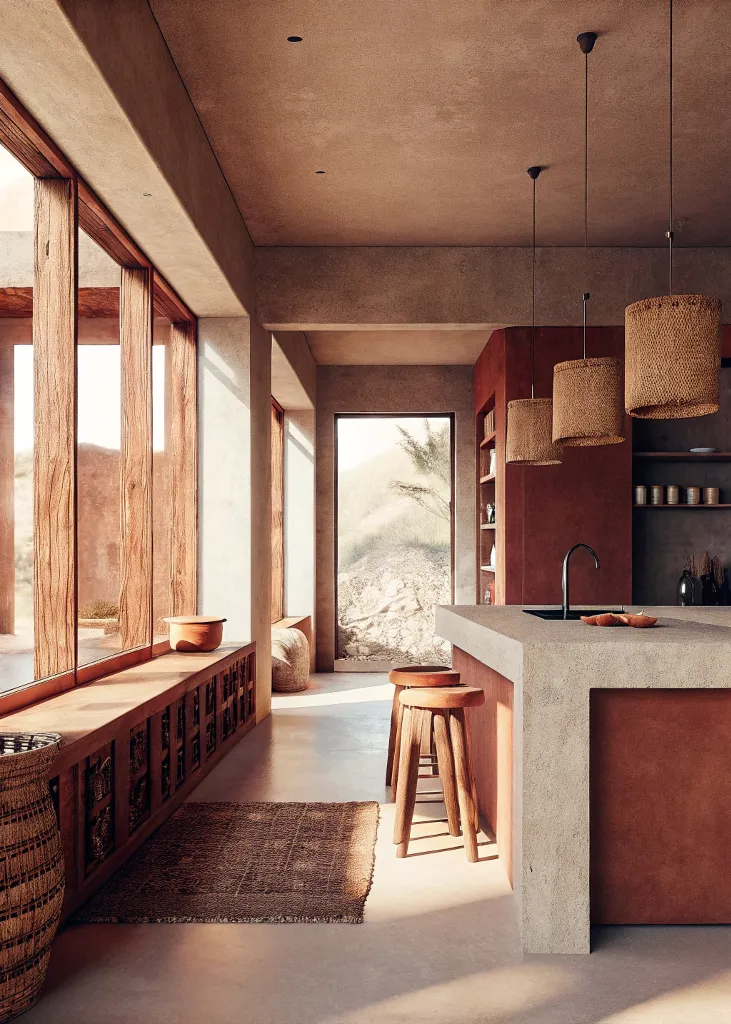
Derived from shale, slate offers a completely different tactile experience. It is known for its distinct layered structure and muted, earthy color palette—primarily deep grays, blacks, and rustic reds. What slate lacks in vibrant color, it makes up for in utility.
It is naturally slip-resistant and highly water-resistant, making it an exceptional material for grand entryway floors, wet room bathrooms, and outdoor wall cladding where traction and durability are paramount.
2. Artificial Decorative Stone: The Modern Problem-Solvers
If you love the look of stone but despise the idea of annual maintenance, unpredictable natural flaws, or heavy structural weight, artificial stone is your solution. These materials are engineered by combining natural minerals with modern technology to eliminate the common pain points of raw rock.
Engineered Quartz: The Kitchen Champion
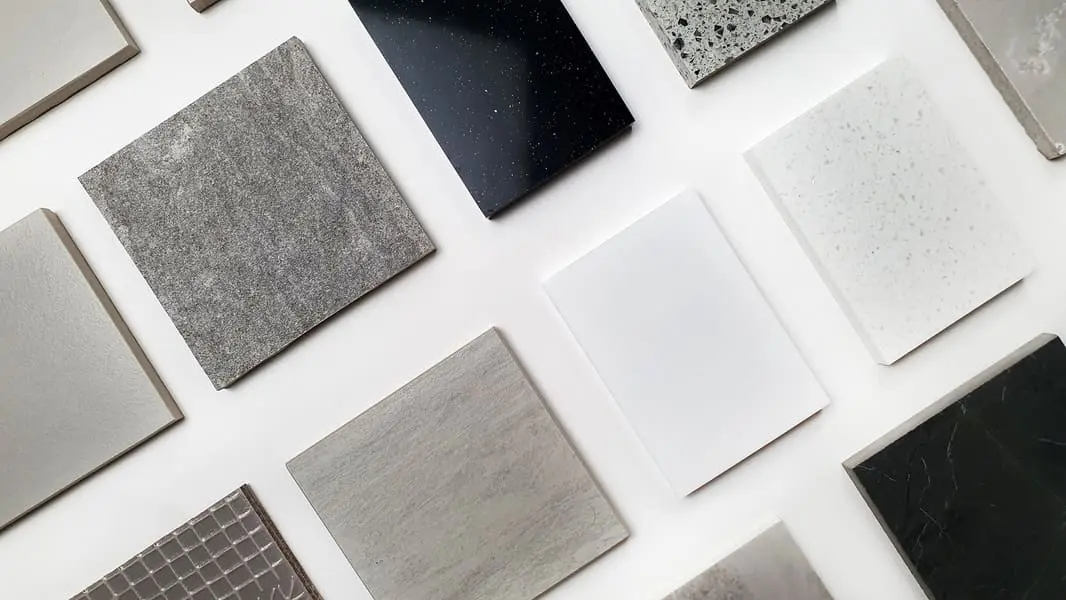
Quartz countertops dominate the modern kitchen market. They are manufactured by crushing natural quartz crystals and binding them together with roughly 10% polymer resins. The result is a surface that is 100% non-porous.
You can leave a spill of red wine or coffee on a quartz island overnight, and it will wipe away the next morning with a damp cloth—no sealing required. The only significant weakness of quartz is heat. Because of the resin content, setting a hot pan directly on the surface can cause permanent scorch marks or discoloration.
Sintered Stone: The Revolutionary Slab
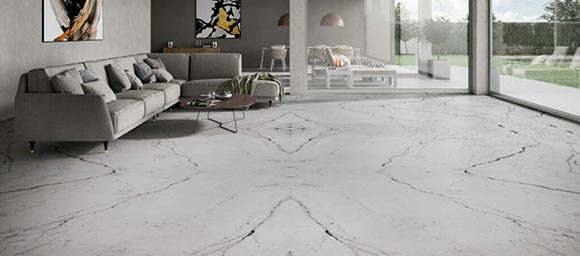
If there is one material disrupting the industry today, it is sintered stone (often referred to as porcelain slabs or ultra-compact surfaces). Manufacturers create this by mimicking the earth’s natural volcanic process, pressing minerals under extreme heat and pressure, but notably without using any resin.
This process results in a material that is completely UV resistant, scratch-proof, and entirely heat-proof. It can be manufactured in massive, seamless slabs, making it the perfect choice for minimalist kitchen islands and seamless outdoor building facades. The trade-off is its extreme rigidity; it requires highly specialized fabrication tools to cut without chipping.
PU Stone Panels: The Designer’s Secret Weapon
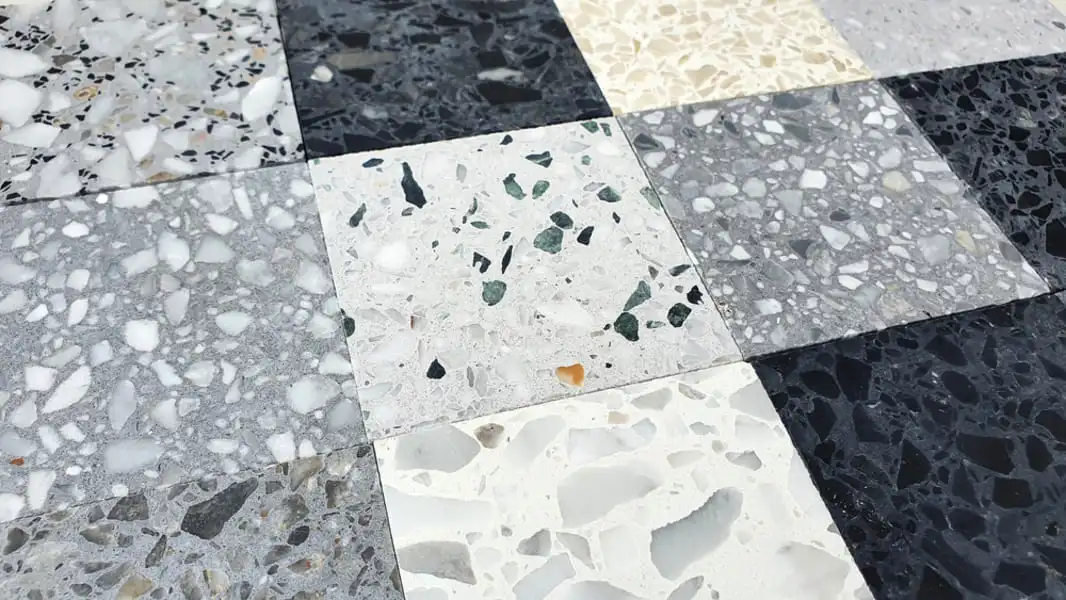
Not every project has the structural capacity—or the budget—to support thousands of pounds of solid rock. Polyurethane (PU) Stone is visually identical to rugged, stacked natural stone, but it is incredibly lightweight.
Because these panels are molded from high-density polyurethane, they can be installed by carpenters or ambitious DIYers using standard construction adhesive. There is no need to mix mortar or reinforce your walls. It is the ultimate cost-effective solution for creating dramatic TV backdrop walls, commercial showroom displays, and interior accent features without the heavy masonry work.
At a Glance: Natural vs. Artificial Stone Comparison
If you are short on time and need the bottom line before making a design decision, here is how natural and artificial stones stack up against each other across the most critical real-world factors:
| Feature | Natural Stone (Marble, Granite, Slate) | Artificial Stone (Quartz, Sintered, PU Panels) |
| Aesthetics & Veining | 100% Unique: Every slab is a one-of-a-kind piece of earth’s history. Veining is unpredictable. | Consistent & Controlled: Perfect for large-scale book-matching. What you see in the showroom is exactly what you get. |
| Porosity & Maintenance | Breathable & Porous: Absorbs liquids if not wiped up. Requires regular professional sealing to prevent permanent stains. | 100% Non-Porous: Liquid sits on the surface. Requires zero sealing and is incredibly easy to clean with basic soap and water. |
| Heat Resistance | Exceptional: Materials like granite can handle hot pots straight from the oven without scorching or melting. | Varies: Quartz can scorch due to its resin content (use a trivet). Sintered stone, however, is completely heat-proof. |
| Weight & Installation | Extremely Heavy: Requires highly skilled masonry, specialized tools, and often structural floor/wall reinforcement. | Lighter & Flexible: Easier to transport and fabricate. PU Stone panels are so light they can be installed by DIYers with construction adhesive. |
| Overall Cost Factor | Premium Investment: High material costs compounded by expensive, heavy-lifting labor and complex fabrication. | Cost-Effective: While premium slabs can be pricey, the major savings come from vastly reduced installation time and labor costs. |
| Tactile Feel | Ice-Cold: Dense rock quickly draws heat away from your skin. | Ambient: Adapts to the room’s temperature, feeling slightly warmer and smoother to the touch. |
The Ultimate Showdown: Testing the Materials
When you are standing in a showroom trying to decide between natural and engineered products, you can run a few simple mental (and physical) tests to determine what fits your lifestyle.
The Temperature Test
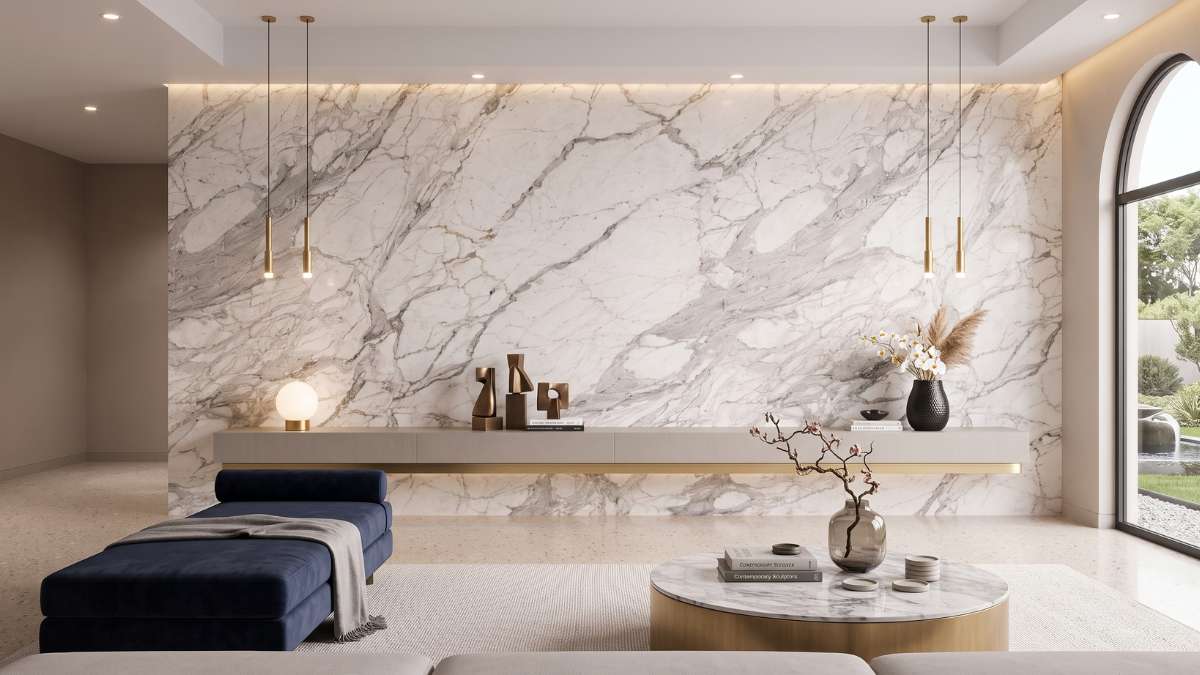
If you place your hand flat on a slab of natural marble or granite, it will feel distinctly ice-cold, as the dense natural stone quickly draws heat away from your skin. Artificial stones, particularly resin-bound quartz, tend to adapt to the ambient temperature of the room and feel slightly warmer and smoother to the touch.
The Permeability Reality
Natural stone breathes. Its microscopic pores mean that if a liquid sits long enough, it will penetrate the surface. Artificial stones are explicitly engineered to be impermeable. If your household is prone to spills and you want a surface that you can simply wipe down with soapy water without a second thought, engineered materials are structurally superior.
Design Consistency vs. Unique Flaws
If you are designing a massive commercial lobby or an expansive feature wall and you want the veining to match perfectly across the entire surface (book-matching), Sintered Stone or engineered panels are the only way to guarantee a flawless, uniform look.
Natural stone is inherently unpredictable—you might find a beautiful slab, only to discover a harsh, dark mineral deposit running right through the center of your installation.
Frequently Asked Questions (FAQs)
Does natural stone contain harmful radiation?
This is a persistent industry rumor, but it is largely a myth. While all rocks emit trace amounts of background radiation, the natural stone used in commercial building materials undergoes strict testing. Commercially available marble and granite fall well below safety thresholds and pose no threat to human health.
Is artificial stone always cheaper than natural stone?
Generally, yes, but the real savings lie in the installation. While premium Sintered Stone can rival the material cost of standard Granite, lightweight artificial options like PU Stone save you massive amounts of money on labor. They eliminate the need for costly structural floor reinforcements, cement mixing, and heavy lifting crews.
Which stone is best for a kitchen countertop?
The right choice depends on how you use your kitchen. Engineered Quartz is the top choice for a low-maintenance, busy family home. If you do heavy cooking and need maximum heat resistance, Natural Granite or Sintered Stone are highly functional options. If budget is not an issue and you desire a show-stopping aesthetic, Natural Marble remains the ultimate luxury choice, provided you are committed to its daily upkeep.
Conclusion: Securing the Right Material for Your Space
Ultimately, there is no universally “perfect” stone—there is only the perfect stone for your specific architectural needs. If you value absolute authenticity and the luxurious feel of nature’s artwork,
Natural Stone is irreplaceable. However, if you prioritize zero maintenance, modern seamless aesthetics, and highly efficient installation, Artificial Stones like Quartz, Sintered Stone, and PU Panels are the future of interior design.
Finding the exact balance between aesthetics, durability, and cost requires expert guidance. At George Solution, we supply a comprehensive range of premium natural stone, cutting-edge sintered stone, and trending PU stone panels for residential and commercial projects worldwide.
Contact our design experts today to discuss your floor plan and receive a comprehensive project quote.