

When shopping for tiles, the wide array of options can often make it difficult to distinguish between different types, particularly when it comes to Ceramic Tiles and Vitrified Tiles. While both offer unique advantages, understanding the key differences is essential for your space. In this article, we’ll walk you through the steps to easily identify Vitrified Tiles.
The Key Difference Between Ceramic & Vitrified Tiles
First, you need to understand the meanings of the words
Ceramic tiles are all tiles made from clay and fired, they can be glazed or unglazed
Vitrified denotes the temperature to which the tile is fired. The tile has to be fired to a temperature that changes the structure to something close to the glass. This makes the tile less absorbent.

What is Ceramic Tiles?
Ceramic tiles are made from natural clay mixed with water, and sometimes other natural minerals. They are fired at lower temperatures, making them more porous and less dense. They are often glazed to add color and water resistance, but generally, they are less durable than vitrified or porcelain tiles.
Types of Ceramic Tiles
- Glazed Ceramic Tiles: These tiles have a coating of glass-forming minerals that create a hard, protective surface. The glaze can be glossy, matte, or textured.
- Unglazed Ceramic Tiles: These are fired without a glaze, giving them a more natural and earthy appearance. They are typically more porous and may require sealing to prevent staining.

What is Vitrified Tiles?
Vitrified tiles are made from a blend of high-quality clay mixed with silica, quartz, and feldspar. These additional materials are fired at extremely high temperatures, causing the materials to melt and form a glass-like structure. This process makes vitrified tiles dense and non-porous, with high durability and low water absorption.
Recommended Reading: The Origin and History of Mosaic: What Are Mosaic Tiles?
Types of Vitrified Tiles
- Full Body Vitrified Tiles: These tiles have a consistent color and texture throughout their thickness, making scratches and wear less noticeable.
- Double Charge Vitrified Tiles: These tiles have a dual layer of pigments that gives them more vibrant and intricate patterns.
- Soluble Salt Vitrified Tiles: These are printed with patterns using liquid color salts that penetrate the surface.
- Glazed Vitrified Tiles (GVT): These tiles have a layer of glaze that allows for a wider range of designs and finishes, including digital prints that can mimic wood, stone, or other materials.

What Is The Difference Between Ceramic & Vitrified Tiles?
Ceramic Tiles and Vitrified Tiles are both popular for flooring and wall applications, but they differ significantly in terms of their composition, properties, and typical uses.
Recommended Reading: Which Is The Best Flooring: Tile Or Hardwood?
1. Composition
- Ceramic Tiles: Made from natural clay mixed with water and other minerals, ceramic tiles are then shaped and fired at lower temperatures (around 900°C). They can be either glazed or unglazed.
- Vitrified Tiles: Vitrified tiles are also made from clay but are combined with silica, quartz, and feldspar. These materials undergo a vitrification process where they are fired at very high temperatures (around 1,200°C), causing them to fuse and form a glass-like, non-porous surface.
2. Water Absorption
- Ceramic Tiles: These tiles have a higher water absorption rate, making them more suitable for dry indoor areas. Glazed ceramic tiles offer some water resistance but are still not as effective as vitrified tiles in wet environments.
- Vitrified Tiles: Vitrified tiles have a very low water absorption rate (less than 0.5%), making them highly resistant to moisture and ideal for bathrooms, kitchens, and outdoor spaces.
3. Appearance
- Ceramic Tiles: Available in a wide range of colors, patterns, and finishes. The glaze on ceramic tiles can create a shiny or matte surface, offering a variety of aesthetic options.
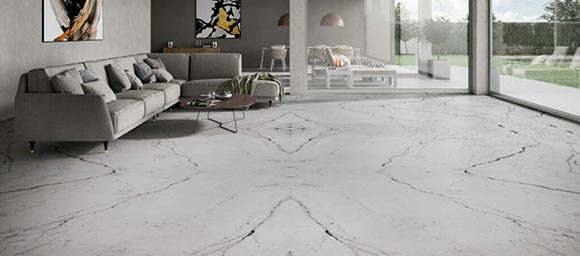
- Vitrified Tiles: Typically have a glossy, polished finish that gives them a sophisticated appearance. They can mimic natural materials like marble or granite and are often used in areas where a luxurious look is desired.
4. Areas of Use
- Ceramic Tiles: Can be used for flooring, walls, countertops, and backsplashes due to their durability and variety of colors. They are especially valuable for adding visual interest to kitchens and bathrooms, with options like patterned ceramic tiles creating decorative bases when paired with solid-colored tiles.
- Vitrified Tiles: Primarily used for flooring because they are available in large sizes, allowing them to be laid closely together for a seamless look. They are highly durable and can mimic the appearance of marble or granite, offering an affordable alternative for those seeking that aesthetic.

5. Cost Difference Between Ceramic & Vitrified Tiles
- Ceramic Tiles: Generally more affordable than vitrified tiles, making them a cost-effective option for many projects.
- Vitrified Tiles: Slightly more expensive due to the additional manufacturing process and superior durability, but they can be more cost-effective in the long run due to their low maintenance needs. However, they remain more affordable than natural stone options like granite and marble.
6. Installation
- Ceramic Tiles: Easier to cut and install, making them suitable for DIY projects. However, their higher porosity means they may require sealing, especially in wet areas.
- Vitrified Tiles: Heavier and harder to cut, requiring professional installation with specialized tools. Their non-porous nature means they don’t need sealing and are easier to maintain over time.
Understanding the differences between Ceramic Tiles and Vitrified Tiles is crucial when selecting the right material for your project. From their composition and durability to their areas of use and cost, each tile type offers unique benefits.
Recommended Reading: What Are Metallic Tiles?

How To Identify Vitrified Tiles?
Identifying vitrified tiles is important to ensure you’re choosing the right material for your project, especially in areas that demand high durability and moisture resistance. Here’s how to identify vitrified tiles:
1. Check the Surface Finish
- Vitrified tiles often have a glassy, glossy finish due to the vitrification process. This finish is smooth and reflective, giving the tiles a polished appearance.
2. Test the Water Absorption
- Vitrified tiles are almost non-porous, with a water absorption rate of less than 0.5%. You can test this by placing a few drops of water on the tile’s surface. If the water doesn’t absorb quickly and instead stays on the surface, the tile is likely vitrified.
3. Feel the Weight and Density
- Vitrified tiles are denser and heavier than ceramic tiles. When you pick up a vitrified tile, it should feel more solid.
4. Observe the Edges
- The edges of vitrified tiles are usually more precise and uniform. They are often rectified, meaning they are cut to exact dimensions after firing, allowing for minimal grout lines during installation.
5. Perform a Sound Test
- Gently tap on the tile with a hard object. Vitrified tiles typically produce a higher-pitched, clearer sound compared to the duller sound of non-vitrified ceramic tiles.
6. Look for Manufacturer Labels
- Many vitrified tiles are labeled or marked by the manufacturer to indicate their type. Check the packaging or the back of the tile for any such markings.

In this article, we’ve explored what makes Ceramic Tiles and Vitrified Tiles distinct, delved into their key differences, and provided practical tips on how to accurately identify Vitrified Tiles. Armed with this knowledge, you’ll be better equipped to choose the perfect tiles that meet your needs and enhance the beauty of your space.