

(Last Updated:March 31th, 2026)
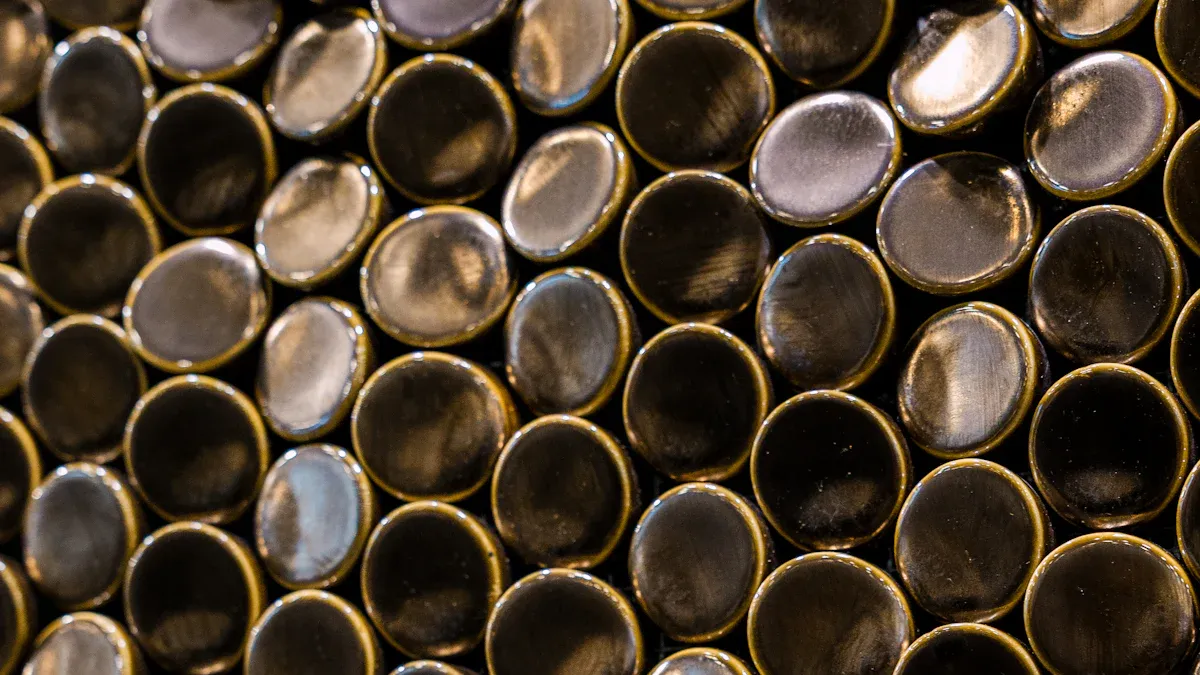
Metallic Tile is a modern surface option that uses real metal or metal-infused materials to create a sleek, reflective look. Designers often choose this tile for kitchens, bathrooms, and accent walls because it adds a contemporary touch. The most common materials include:
- Aluminum
- Stainless steel
- Copper
- Zinc
- Bronze
- Mixed metal alloys
These materials help metallic tile stand out in spaces where durability and style matter.
Key Takeaways
- Metallic tiles add a modern and luxurious look to any space, enhancing the overall aesthetic.
- These tiles are durable and resistant to moisture, making them ideal for kitchens and bathrooms.
- Cleaning metallic tiles is simple; use non-abrasive cleaners to maintain their shine and appearance.
- Consider your budget and maintenance preferences when choosing between real metal and metal-look tiles.
- Metallic tiles are versatile and can be used in various applications, from backsplashes to feature walls.
What Is Metallic Tile?
Definition of Metallic Tile
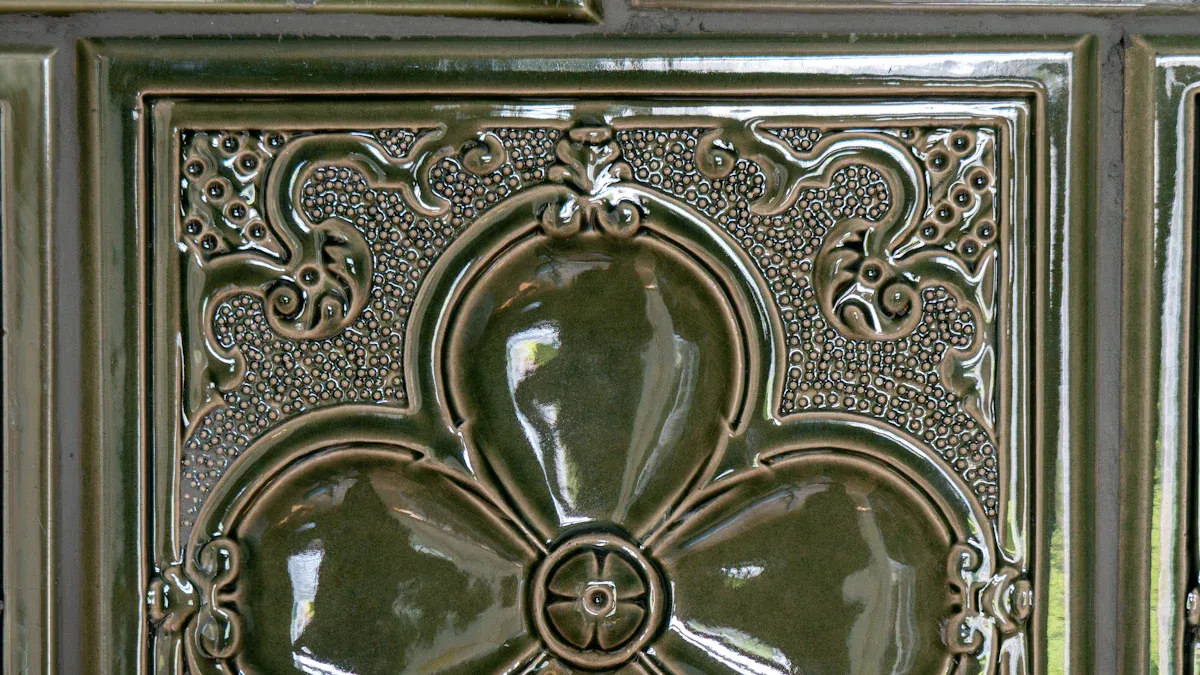
Metallic tile is a type of surface covering made from real metal or metal-infused materials. Industry experts highlight several key features:
- Glossy and reflective finish that adds a sophisticated look to any room.
- Strong materials like stainless steel and aluminum that resist moisture and wear.
- Smooth surfaces that make cleaning quick and easy.
- Reflective properties that help brighten spaces by enhancing lighting.
These qualities make metallic tile a popular choice for modern kitchens, bathrooms, and accent walls.
How Metallic Tiles Are Made
The process of making metallic tile involves several important steps:
- Material selection: Manufacturers choose metals such as stainless steel, aluminum, copper, or zinc based on the desired look and function.
- Manufacturing: The chosen metal is shaped into thin sheets or tiles using methods like stamping, embossing, or casting.
- Design and customization: Tiles can be finished with patterns, textures, or colored coatings to match different design themes.
- Installation: Installers use special adhesives or mechanical systems to attach the tiles and ensure proper alignment.
- Finishing and maintenance: After installation, protective coatings are applied, and regular cleaning helps maintain the tile’s appearance.
- Performance monitoring: Over time, tiles are checked for damage and repaired or replaced if needed.
Protective Coatings and Durability
Protective coatings play a big role in the durability of metallic tile. These coatings:
- Guard against impacts, scratches, and abrasions.
- Prevent rust and corrosion, which extends the life of the tile.
- Offer resistance to chemicals, making the tile suitable for demanding environments.
Specialized polymer coatings, such as epoxy primers and polyurea coatings, add extra protection. Some coatings even include non-skid additives for safety. These features help metallic tile stay strong and attractive in both homes and commercial spaces.
Types of Metallic Tile
Stainless Steel Tiles
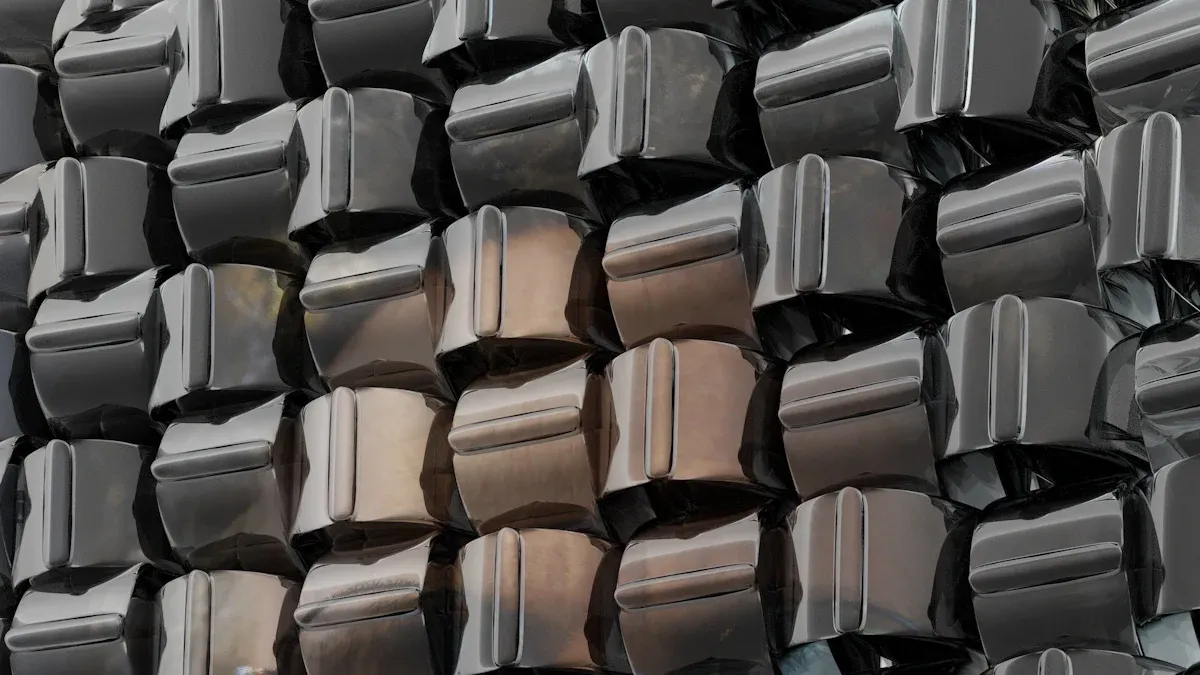
Stainless steel tiles are a popular choice for modern spaces. These tiles have a polished, smooth surface that reflects light and adds a sense of sophistication. Stainless steel is known for its strength and resistance to damage. It does not absorb water, so it helps prevent mold and mildew. Many homeowners use stainless steel tiles in kitchens and bathrooms because they are easy to clean and can handle changes in temperature.
Tip: Stainless steel tiles work well in areas that need both style and durability.
Aluminum Tiles
Aluminum tiles offer a lightweight and versatile option. They often appear in mosaic patterns, sometimes combined with glass for a unique look. Aluminum resists rust and corrosion, making it suitable for damp environments. These tiles are also low-maintenance and easy to install. The industrial appearance of aluminum tiles fits well in contemporary designs.
- Aluminum tiles are durable and require little upkeep.
- They provide a modern, industrial feel to any room.
Copper and Brass Tiles
Copper and brass tiles bring warmth and a rich, organic shimmer to interiors. Over time, copper can develop a natural patina, adding character to the space. Brass tiles offer a deep, traditional metallic look that suggests timeless elegance. Both materials are often used for accent walls or decorative borders.
| Metallic Tone | Visual Qualities | Emotional Response |
|---|---|---|
| Copper | Warmth, organic shimmer | Invokes warmth and natural connection |
| Bronze/Brass | Deep, rich, traditional look | Conveys timeless elegance |
| Silver | Sleek, reflective, cool sheen | Feels contemporary and precise |
| Stainless Steel | Polished, modern, smooth | Suggests sophistication and modernity |
Metal-Look Ceramic or Porcelain Tiles
Metal-look ceramic or porcelain tiles mimic the appearance of real metal but use a ceramic or porcelain base. These tiles are strong and have a high-quality surface finish. They resist moisture and temperature changes, making them suitable for walls and light-traffic floors. Metal-look tiles offer the style of metallic tile at a lower cost and with easier maintenance.
Note: Metal-look ceramic tiles are a practical choice for those who want the metallic look without the higher price or upkeep.
Pros of Metallic Tiles
Modern and Luxurious Appearance
Metallic tiles create a striking visual effect in any space. Designers often use silver and chrome tones to enhance sophistication. The combination of metallic finishes with tile brings both durability and style. This trend allows homeowners to blend modern and traditional elements, giving rooms a fresh look and personal touch. Many luxury interiors feature metallic tile because it reflects light and adds depth to walls and surfaces.
Metallic tile offers a unique way to express personal style while maintaining a contemporary atmosphere.
Durability and Strength
Metallic tiles are built to last. Stainless steel and aluminum tiles resist dents and scratches. These materials withstand daily wear in busy areas like kitchens and bathrooms. The manufacturing process ensures each tile has a strong core and a protective coating. This makes metallic tile a reliable choice for spaces that need both beauty and toughness.
- Stainless steel tiles resist corrosion and maintain their shine.
- Aluminum tiles are lightweight but strong, making installation easier.
Heat and Moisture Resistance
Metallic tiles perform well in environments with high heat and moisture. Scientific studies show that tiles in steam showers and commercial kitchens can handle continuous humidity and temperatures above 125°F. Fully vitrified ceramic tiles, which mimic metal, are fired at temperatures around 2,200°F. This process gives them stability and resistance to heat. These qualities make metallic tile suitable for areas near ovens, fryers, and showers.
- Tiles remain stable during slow heating and cooling cycles.
- Moisture resistance prevents mold and mildew growth.
Easy to Clean and Maintain
Cleaning metallic tile is simple. Most tiles require only a liquid, non-abrasive, pH neutral cleaner. Homeowners should avoid ammonia, bleach, and abrasive tools like steel wool. Testing new cleaners in a hidden spot helps prevent damage. Compared to natural stone, metallic tile does not need regular sealing. Glass tiles also require non-abrasive cleaning, but metallic tile emphasizes compatibility testing with new products.
| Tile Type | Cleaning Requirements | Maintenance & Precautions |
|---|---|---|
| Metallic Tile | Use liquid, non-abrasive, pH neutral cleaners. Avoid ammonia, bleach, abrasives, and hazardous compounds. Test cleaners in inconspicuous areas for compatibility. Avoid abrasive tools like scouring pads or steel wool. | Emphasizes compatibility testing with new cleaners; specific restrictions on cleaner ingredients to prevent damage. |
| Natural Stone | Use neutral pH stone-specific cleaners. Avoid acids and bleach as they can etch or damage stone. Use heavy-duty stone cleaners for deep cleaning if needed. Clean spills immediately to prevent staining. | Requires regular sealing with compatible high-quality sealers. Professional restoration recommended for damage. Avoid acid exposure to prevent etching. |
| Glass Tile | Use any non-abrasive cleaner recommended for glass or tile. Avoid abrasive tools such as scouring pads, steel wool, or sandpaper. | Routine cleaning with non-abrasive products; focus on avoiding abrasive cleaning implements to prevent scratching. |
Regular cleaning keeps metallic tile looking new and prevents buildup of dirt or grime.
Cons of Metallic Tiles
Higher Cost Compared to Traditional Tiles
Metallic tiles often cost more than ceramic or porcelain options. The price reflects the use of real metals and the complex manufacturing process. Homeowners may find that the initial investment is higher, especially for large projects. Custom finishes and unique patterns can increase the price even further. For those on a tight budget, this type of tile may not be the most practical choice.
Note: The long-term durability can offset some of the upfront costs, but it is important to consider your budget before making a decision.
Prone to Scratches and Fingerprints
Metal surfaces show marks more easily than many other tile materials. This is especially true for highly polished finishes. Scratches and fingerprints can become noticeable, requiring frequent cleaning to keep the surface looking its best.
- Scratches and marks are more visible on smooth metal surfaces compared to textured materials.
- Regular cleaning is necessary to maintain the appearance of metallic tiles, especially those with highly polished finishes.
- Brushed finishes reduce the visibility of fingerprints but do not eliminate them completely.
People who want a low-maintenance surface may find this aspect challenging. Choosing a brushed or textured finish can help, but some upkeep will always be needed.
Limited Applications for Flooring
Metallic tiles are not always suitable for floors. Real metal tiles can be slippery and may not provide enough grip for safe walking. They also require special cleaning methods, which can make maintenance more difficult. Copper tiles, for example, oxidize quickly and need regular care to keep their appearance. Problems can also arise if installers do not use enough adhesive, leading to loose or uneven tiles.
- Real metal tiles require specific cleaning methods, which can be a limitation for maintenance.
- Copper tiles oxidize quickly, necessitating regular upkeep to maintain their appearance.
- Insufficient adhesive during installation can lead to significant problems, indicating a limitation in the installation process.
For these reasons, most people use metallic tiles on walls, backsplashes, or accent areas rather than on floors.
Where Can Metallic Tiles Be Used?
Kitchen Backsplashes
Metallic tiles are a top choice for kitchen backsplashes. Their protective coating makes them resistant to stains and scratches. This feature helps keep the backsplash looking clean even after frequent cooking. Many homeowners use these tiles to create a stylish focal point behind the stove or sink. The reflective surface brightens the kitchen and adds a modern touch.
- Ideal uses include main backsplashes, vertical accent strips, and decorative inserts.
Tip: Choose a finish that matches your appliances for a seamless look.
Bathroom Walls and Accents
Bathrooms benefit from the moisture resistance of metal tiles.
Metal tiles are designed with a protective coating that allows them to be used in moisture-prone areas like bathroom walls and accents, enhancing their durability and moisture resistance.
These tiles work well as shower surrounds, tub accents, or decorative borders. Their smooth surface makes cleaning easy. For best results, use a grout that resists water and mold. Proper installation ensures the tiles stay secure in humid conditions.
Feature Walls in Living Spaces
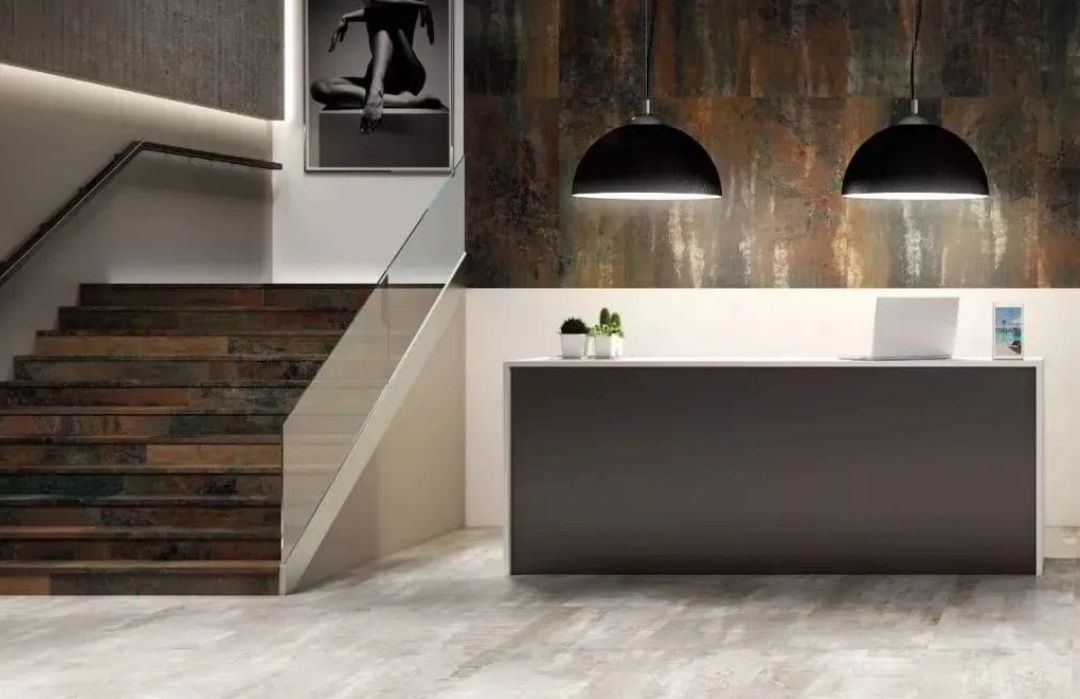
Feature walls made with metallic tiles can transform a living room or entryway. The tiles catch and reflect light, creating a sense of depth and movement. Designers often use them to highlight fireplaces, TV walls, or art niches.
- Try mixing different finishes or patterns for a unique effect.
- Use accent lighting to enhance the reflective qualities.
Commercial and Retail Interiors
Metallic tiles are popular in commercial and retail spaces.
For instance, The Atrium Palazzo utilized gold and black finishes to evoke a sense of opulence and sophistication, directly linking the tile choice to the brand’s luxury image.
- Metallic tiles reflect a brand’s identity through their design, color, and finish.
- They contribute to a luxurious ambiance, enhancing the overall customer experience.
- The versatility of tiles allows for a wide range of branding expressions, from elegant to eclectic.
Installation Considerations:
Always check that the wall surface is flat and clean before installing metal tiles. Use adhesives recommended by the manufacturer. For areas exposed to water, seal all edges and grout lines to prevent moisture from getting behind the tiles.
How to Choose the Right Metallic Tile
Selecting the Right Material and Finish
Choosing the right material and finish is important for both appearance and performance. Each base material offers unique benefits:
| Base Material | Structural Integrity | Surface Receptivity | Common Uses in Metallic Tiles |
|---|---|---|---|
| Ceramic | Good | High | Walls, light-traffic floors |
| Porcelain | Excellent | High | Floors, showers, accent walls |
| Steel | Superior | Moderate | Commercial spaces, unique wall features |
Advanced surface treatments, such as screen printing and digital inkjet application, help create complex metallic effects. These methods improve both the look and durability of the tile. Uniform surface texture and consistent material density also play a role in achieving a high-quality finish.
Matching with Interior Design Style
The style of your space should guide your tile selection. Consider these options:
- Industrial Style: Tin tiles with geometric patterns and metallic colors work well with exposed ductwork and concrete floors.
- Modern Minimalist: Flat patterns and solid finishes add subtle texture without overwhelming the space.
- Victorian and Traditional: Raised floral patterns and antique finishes enhance vintage charm in formal rooms.
Tip: Match the tile’s finish and pattern to your room’s overall design for a cohesive look.
Considering Budget and Project Scope
Planning your budget helps avoid surprises. Start by estimating the amount of tile needed and add 10% for waste. Include costs for adhesives, grout, underlayment, spacers, and sealants. Remember that metallic tiles are often higher-end materials, which can increase the total cost. Labor costs may vary by region and project complexity. Itemize all expenses and set aside a contingency fund of 10-15% for unexpected costs. Adjust the installation area or design if needed to stay within budget.
Choosing Between Real Metal vs Metal-Look Tiles
Decide if you want real metal tiles or metal-look ceramic and porcelain tiles. Real metal tiles offer authentic shine and texture but may cost more and require special care. Metal-look tiles provide a similar appearance with easier maintenance and lower cost. Consider where the tile will be installed and how much upkeep you prefer.
Note: Metal-look tiles are a practical choice for busy households or large projects.
Conclusion: Is Metallic Tile Worth It?
Choosing the right tile for your space can feel overwhelming. Metallic tile stands out for its modern look and strong performance. It brings a reflective surface that can brighten kitchens, bathrooms, and feature walls. Many people like how it adds a touch of luxury and makes a room feel unique.
When deciding if this tile is right for you, consider these points:
- Appearance: It creates a bold, stylish statement. The shine and texture can make small spaces look bigger and more open.
- Durability: Most options resist heat, moisture, and stains. Stainless steel and aluminum tiles last for years with proper care.
- Maintenance: Cleaning is simple, but some finishes show fingerprints and scratches. Regular wiping keeps the surface looking fresh.
- Cost: The price is higher than basic ceramic or porcelain tiles. The investment may pay off in long-term durability and style.
- Applications: Best for walls, backsplashes, and accents. Not always ideal for floors due to slipperiness and special care needs.
Tip: Always match your tile choice to your lifestyle and the demands of your space. If you want a low-maintenance option, consider metal-look ceramic tiles.
Here is a quick comparison to help you decide:
| Feature | Metallic Tile | Ceramic Tile | Glass Tile |
|---|---|---|---|
| Appearance | Reflective, modern | Matte or glossy, classic | Shiny, colorful |
| Durability | High | Moderate | Moderate |
| Maintenance | Easy, but shows marks | Easy | Easy |
| Cost | Higher | Lower | Moderate |
| Best Use | Walls, accents | Floors, walls | Backsplashes, accents |
Before making a final decision, think about your budget, style, and how much time you want to spend on upkeep. For special projects, talk to a tile expert or designer. They can help you find the best fit for your home.
Metallic tiles offer a modern look and strong durability. Their reflective surfaces create depth and enhance lighting. The table below highlights key takeaways for homeowners:
| Takeaway | Explanation |
|---|---|
| Visual intrigue | Reflective surfaces add depth and dynamic light. |
| Durability | Coatings protect against moisture and wear. |
| Versatility | Suitable for many spaces, both home and business. |
Before buying, consider your style, budget, and how much maintenance you want. For more details, explore resources like installation guides, care tips, and technical bulletins.
FAQ
What is the difference between metallic tile and metal-look tile?
Metallic tile uses real metal or metal-infused materials. Metal-look tile uses ceramic or porcelain with a metallic finish. Metal-look tiles offer similar style at a lower cost and require less maintenance.
Can metallic tiles be used in showers?
Yes, metallic tiles work well in showers. Their protective coatings resist moisture and prevent corrosion. Always use waterproof grout and proper installation methods for best results.
How do I clean metallic tiles without damaging them?
Use a soft cloth and a pH-neutral, non-abrasive cleaner. Avoid harsh chemicals, bleach, and abrasive pads. Test any new cleaner on a small area first to protect the metallic finish.
Are metallic tiles suitable for outdoor use?
Most metallic tiles are designed for indoor use. Some stainless steel or aluminum tiles may work outdoors if they have weather-resistant coatings. Always check manufacturer guidelines before installing metallic tiles outside.
Do metallic tiles fade or tarnish over time?
Some metals, like copper, develop a natural patina. Stainless steel and aluminum tiles resist fading and tarnishing due to protective coatings. Regular cleaning helps maintain the original appearance of metallic tiles.