

When building or renovating, choosing the right window size is key to shaping your home’s natural light and architectural style. Standard window sizes are the high-performance foundation of modern design—offering proven engineering, seamless installation, and perfect proportions that beautifully suit the majority of living spaces.
But standard does not mean restrictive. This guide explores the essential standard dimensions you need to know for a flawless build, and shows how these reliable baselines serve as the perfect springboard into advanced custom solutions when a room demands something extraordinary.
What Are Standard Window Sizes?
Before a single piece of glass is installed, the dimensions of a window are already shaping the architecture. Standard window sizes weren’t created by accident—they were developed to align perfectly with the standard spacing of wall studs. By sizing windows to match these structural grids, builders and engineers can frame a house with speed and precision.
But if you look closely at a construction site, you will notice that a window never fits perfectly tight against the wood framing. That intentional gap is known as the “rough opening.” Builders deliberately frame this hole about half an inch wider and taller than the actual window unit.
This isn’t a margin of error; it’s a critical breathing room that allows installers to perfectly level the heavy glass, accommodate the natural settling of the house over time, and pack the perimeter with insulation for a flawless, weatherproof seal.
To communicate these dimensions seamlessly across a job site, the industry uses a simple four-digit shorthand. When you see a window labeled “3040” in a catalog or on a floor plan, it simply means the actual unit is exactly 3 feet 0 inches wide and 4 feet 0 inches high.
Sizing for the Space: Where Form Meets Function
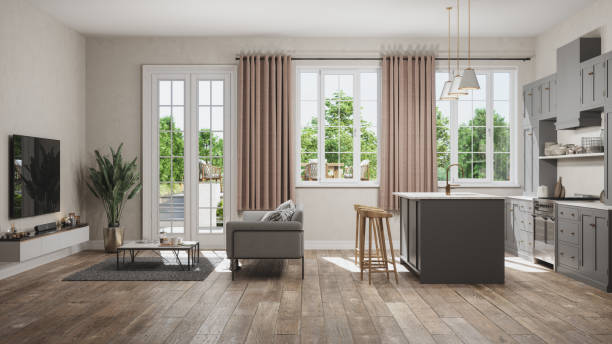
Once you understand this basic language of width and height, the real design challenge begins: applying those numbers to human spaces. In high-end design, you never just pick a standard size off a shelf. Instead, the dimensions must respond to exactly how that specific room lives and breathes.
Living Room Windows
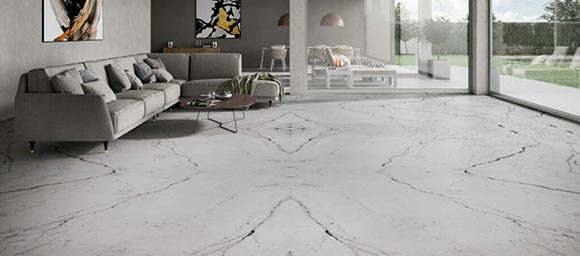
Take the main living room, for example. Here, you are designing for volume and uninterrupted views. A standard architectural principle is that the glass area should equal at least 15% of the room’s total floor space.
To achieve this expansive feel, designers often push the top of the window frames as close to the ceiling line as structurally possible. This draws the eye upward, making the room feel infinitely larger, usually anchoring the space with massive picture windows flanked by operable sliding panels for a cross-breeze.
Kitchen Windows
Moving from the living room into the kitchen, the priorities shift entirely from grand scale to pure ergonomics. The classic window above the sink is constrained by cabinetry and countertop depths.
You cannot comfortably reach over a wet sink to force a heavy vertical window open. Therefore, the dimensions here are usually capped at 24 to 36 inches wide, perfectly matching standard sink sizes, utilizing casement or awning windows that open effortlessly with a base crank.
Bathroom Windows
But while kitchens are about workflow, sleeping quarters and finished basements carry a much heavier responsibility: life safety. In these spaces, design flexibility stops and strict building codes take over.
The International Residential Code (IRC) mandates that these rooms feature an “Egress window” for emergency escapes. To legally pass inspection, the window must provide a minimum clear opening of 5.7 square feet, measuring at least 20 inches wide and 24 inches high, with a sill no higher than 44 inches off the floor.
Beyond the Standard: The Push for Custom Fenestration
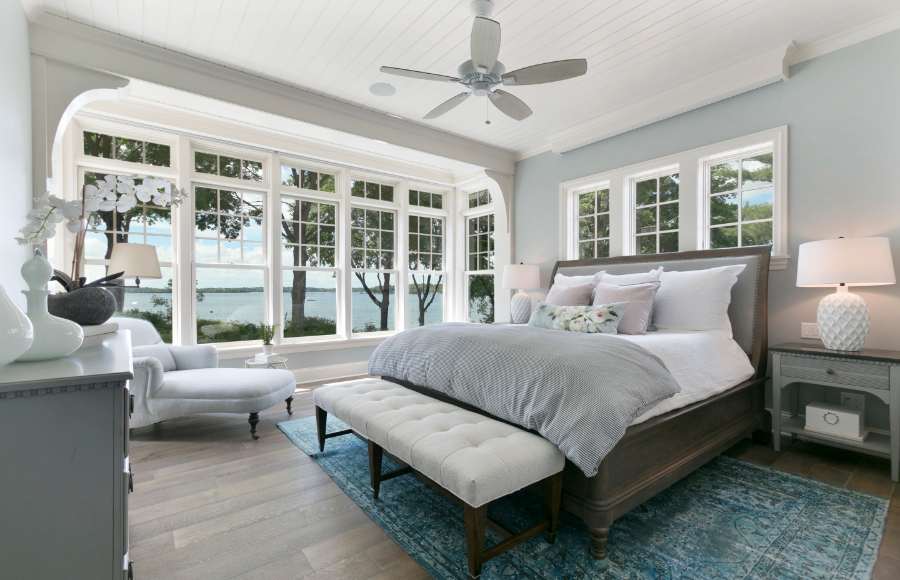
Standard sizes and strict egress codes are excellent baselines—they keep projects safe and moving efficiently. However, in premium property development or when building on a unique site, sticking strictly to mass-produced standard dimensions will eventually force a compromise. You might find yourself dealing with awkward wall margins or a window frame that splits a breathtaking landscape right down the middle.
True luxury design happens when you stop letting the manufacturing line dictate your floor plan. If your property overlooks a coastline or a dramatic skyline, you don’t want a series of predictable boxes; you want a seamless wall of glass.
Moving beyond standard dimensions into custom fenestration allows you to utilize heavy-duty, thermally broken frames that can safely support oversized, triple-glazed panels. It shifts the entire dynamic of the build: instead of forcing your architecture to fit the window, you engineer the window to perfectly fit your architecture.
Master Reference: Standard Dimensions by Window Type
Before you can effectively break the rules of design, you need to know exactly where the baselines sit. Use this matrix as your foundational reference for the typical size ranges of core architectural window styles.
| Window Style | Typical Width Range | Typical Height Range | Common Standard Sizes (Inches) | Primary Application |
| Double-Hung | 24″ – 48″ | 36″ – 72″ 36 | 24×36, 36×60, 48×72 24×36、36×60、48×72 | Traditional Exterior Facades |
| Casement | 14″ – 36″ | 30″ – 78″ | 24×36, 24×48, 36×60 24×36、24×48、36×60 | Kitchens, Modern Exteriors |
| Sliding / Glider | 36″ – 84″ | 24″ – 60″ | 36×24, 48×36, 72×48 36×24、48×36、72×48 | Expansive Exterior Walls |
| Picture (Fixed) | 24″ – 96″+ | 12″ – 96″+ | 36×60, 48×48, 72×72 36×60、48×48、72×72 | View Framing, Stairwells |
| Bay Window | 42″ – 128″ | 36″ – 78″ | 72×48, 92×60, 120×60 72×48、92×60、120×60 | Master Suites, Dining Nooks |
| Awning | 24″ – 48″ | 18″ – 36″ | 24×18, 36×24, 48×24 24×18、36×24、48×24 | Bathrooms, Basement Ventilation |
| Transom | 24″ – 96″ | 12″ – 24″ | 36×12, 48×18, 72×24 36×12、48×18、72×24 | Above Doors, Interior Partitions |
Executing Your Vision
Knowing standard window sizes provides a critical foundation for navigating building codes and structural limits. But when a project demands a level of detail, scale, or performance that off-the-shelf products simply cannot deliver, you need a manufacturing partner capable of building beyond the catalog.
At George Solution, we understand the baselines, but our strength is engineering the extraordinary. We provide premium, custom fenestration systems built to the exact millimeter of your design. Contact our project team to discuss the technical requirements and aesthetic goals for your next custom build.
FAQ
What is the difference between a rough opening and actual window size?
The actual window size is the physical measurement of the window unit itself. The rough opening is the hole framed into the wall by the builders. The rough opening is deliberately built about half an inch larger than the window in both width and height so installers can properly level, secure, and insulate the unit.
What does a window size notation like “3040” mean?
Window manufacturers use a four-digit shorthand to list sizes. The first two digits are the width in feet and inches, and the last two digits are the height. So, a “3040” window measures exactly 3 feet 0 inches wide by 4 feet 0 inches high.
What are the standard size requirements for a bedroom egress window?
To meet the International Residential Code (IRC) for emergency escapes, an egress window has to provide a minimum net clear opening of 5.7 square feet. The actual opening must be at least 20 inches wide and 24 inches high, and the bottom of the sill cannot be more than 44 inches off the floor.