

Window style selection does far more than shape the aesthetics of a home; it influences how the entire building feels and performs.
In modern architecture and premium custom builds, windows act as the critical boundary between your indoor comfort and the outside world. Choosing the right style is all about striking the perfect balance between visual appeal, natural light, and energy efficiency.
To help you navigate your options, we’ve broken down the most essential window styles by their real-world functions and how they actually work in a space.
Ⅰ. The Classic Ventilators: Engineered for Airflow
These are the foundational windows of any residential design. Their primary focus is daily usability, solid mechanics, and keeping your home perfectly ventilated.
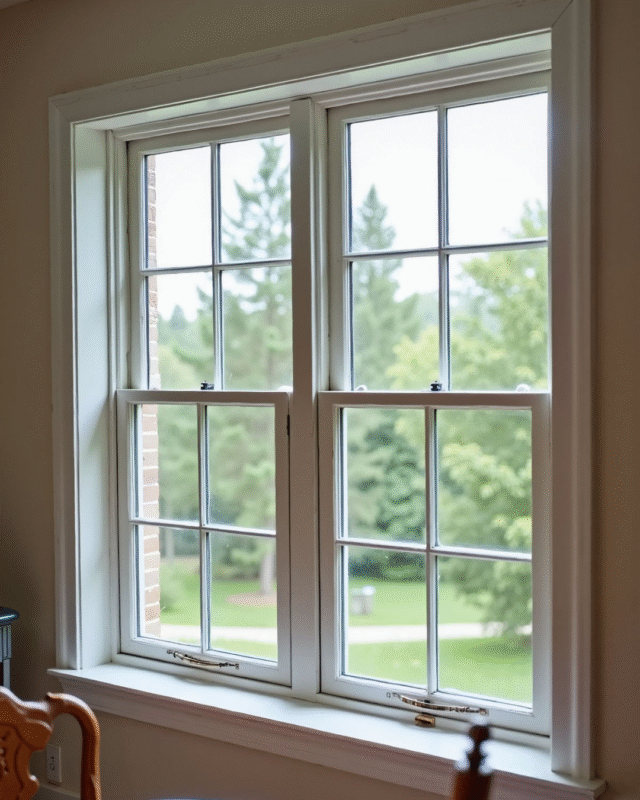
Double-Hung Windows
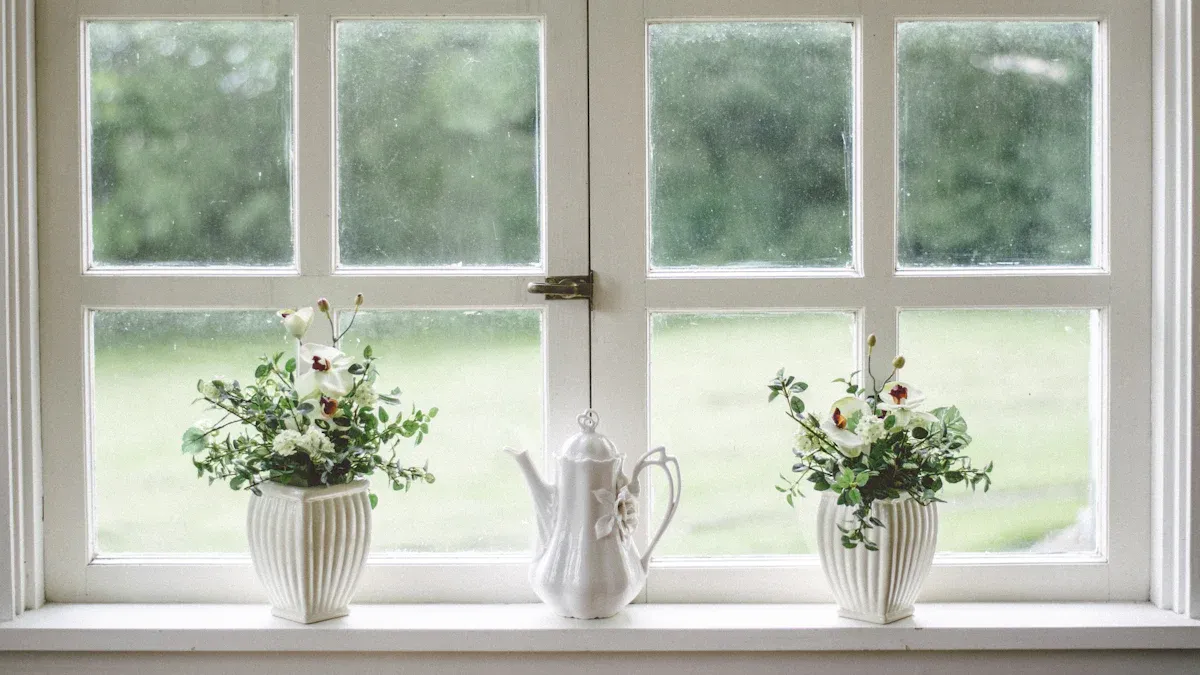
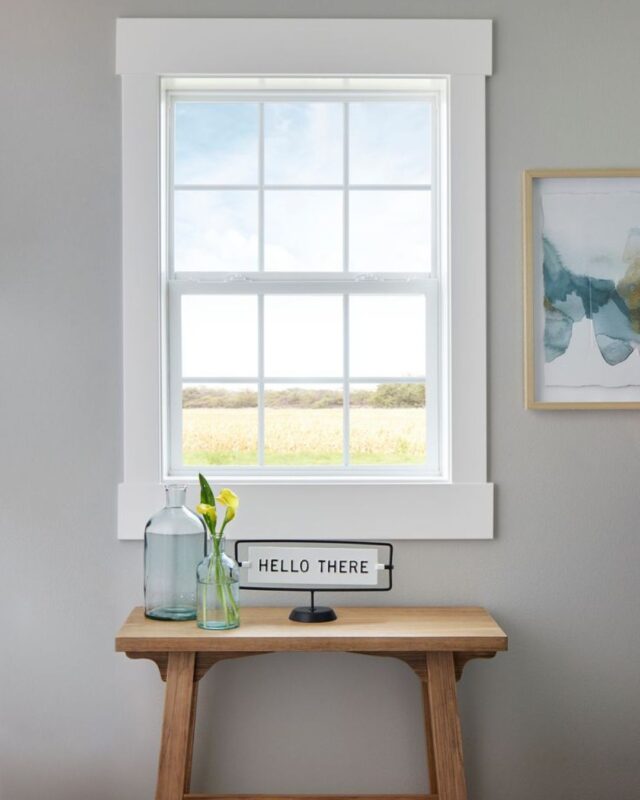
When you picture a classic home window, you are likely thinking of a double-hung design. What makes it special is its flexibility—both the top and bottom panels (sashes) slide vertically. On a warm afternoon, you can open the top to let trapped hot air escape, while keeping the bottom open to draw in a cool breeze.
This creates a natural, gentle airflow throughout the room. Plus, modern versions come with sashes that tilt inward, meaning you can easily wash the outside glass from inside your room without needing a ladder.
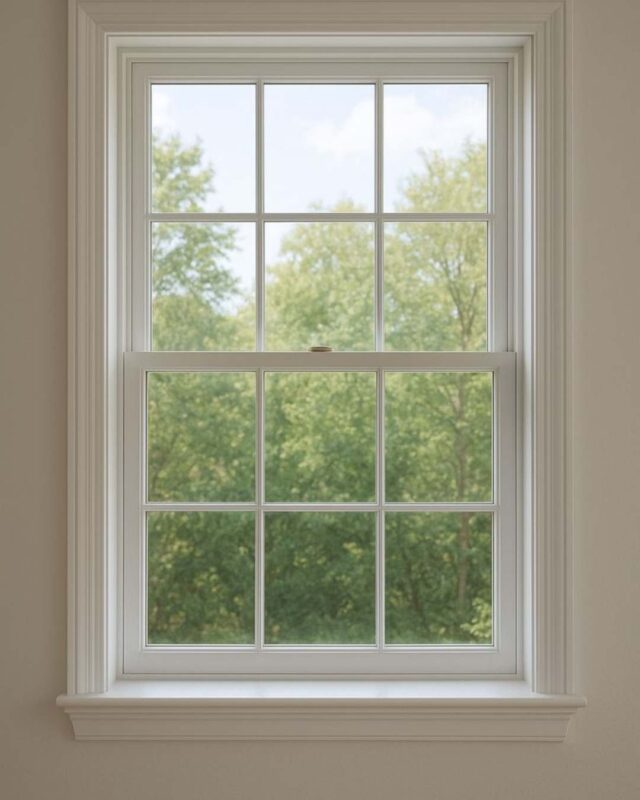
Single-Hung Windows
Single-hung windows look almost identical to double-hung ones, but with one major practical difference: only the bottom panel moves, while the top remains completely fixed. Because the upper section is sealed tight, it naturally creates a very snug, draft-free barrier.
It is a reliable, timeless choice that delivers excellent insulation and smooth operation, making it a staple for traditional architecture and secondary rooms where straightforward functionality is all you need.
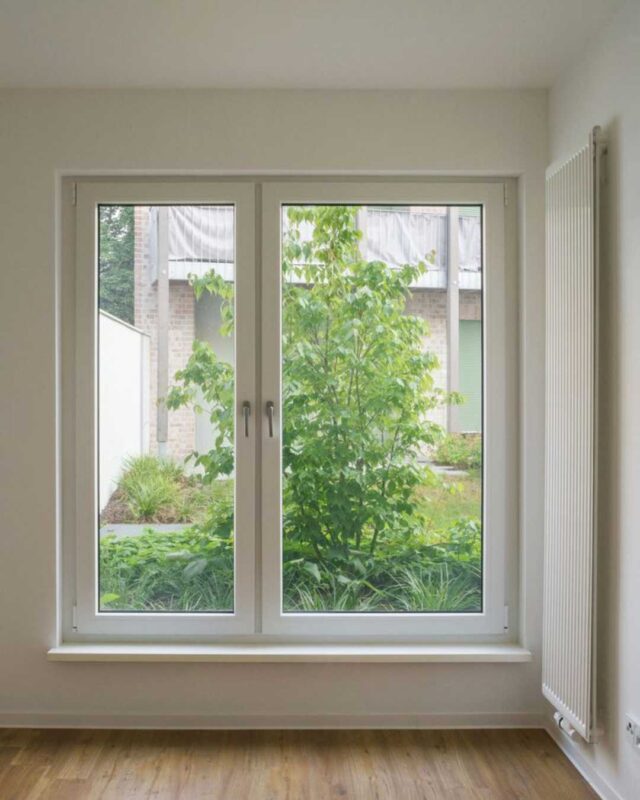
Casement Windows
Casement windows hinge at the side and swing outward using a mechanical crank, much like a door opening up to the outside. Because there is no horizontal center bar blocking your view, they give you a completely clear, open look at your landscape.
They are fantastic for catching cross-breezes; you can angle the open pane to scoop a passing wind and funnel it right into your living space. When you lock them shut, the sash presses tightly against the frame, making them incredibly energy-efficient and airtight.
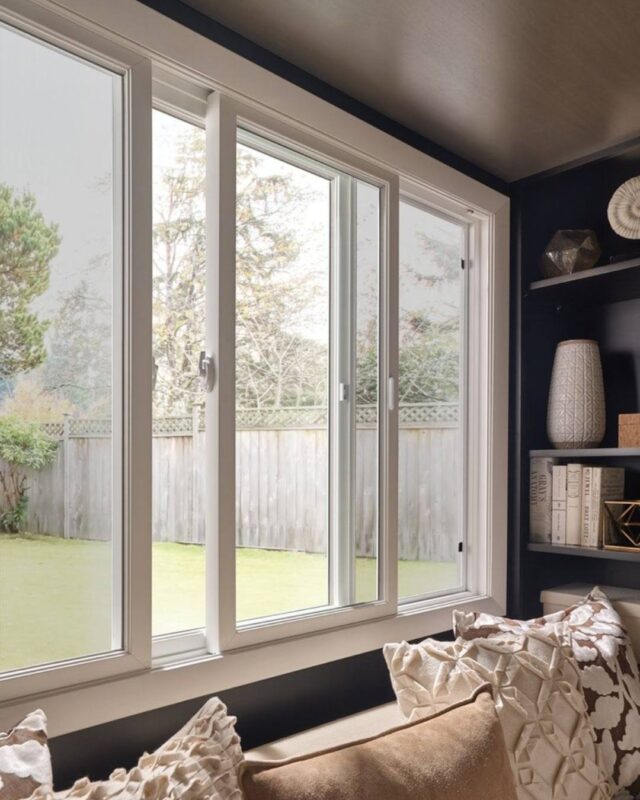
Sliding Windows
Sliding windows glide horizontally along a track, a lot like a miniature sliding patio door. Their wide layout makes them perfect for contemporary architectural styles that favor long, clean, horizontal lines.
Because they don’t require any outward clearance to open, they are the smartest choice for wide window openings adjacent to patios, decks, or busy outdoor walkways where a swinging window would block the path.
Ⅱ. The View Maximizers: Framing the Outdoors
If your goal is to blur the boundaries between your interior spaces and the natural landscape, these windows prioritize expansive sightlines and making rooms feel significantly larger.
Picture Windows
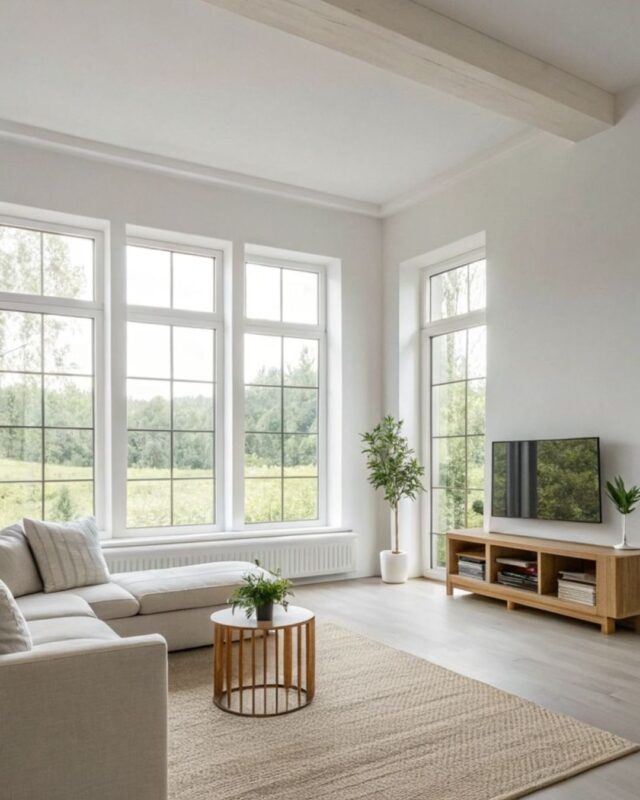
Picture windows are completely fixed and do not open at all. Instead, their sole job is to frame the outdoors like a massive piece of art, flooding dark rooms with natural light.
Because there is no opening hardware or screens to worry about, the profiles can be kept beautifully slim to maximize the glass surface. Since they are entirely sealed, they offer flawless insulation against the elements and zero air leakage.
Fixed Windows
While often confused with picture windows, fixed windows are typically smaller accent pieces used to complement unique architectural shapes rather than just showcase a grand view.
You will frequently see them arranged in geometric groupings, or placed high up in stairwells and vaulted walls where regular windows can’t be reached.
Like picture windows, they are completely airtight and maintenance-free, serving as a permanent source of daylight.
Bay Windows
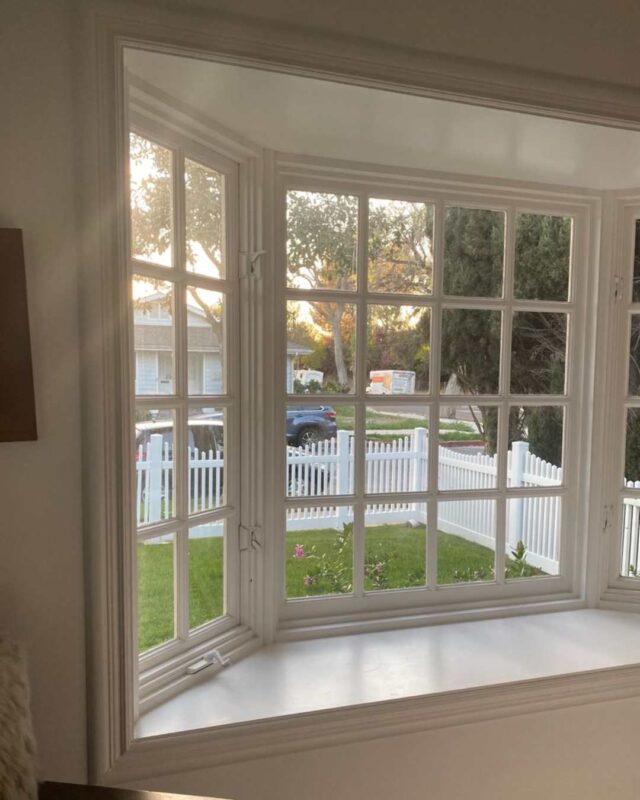
A bay window physically projects outward from your home’s exterior wall, creating a beautiful geometric cutout.
Typically, it is made of three panels: a large picture window in the center to capture the view, flanked by two narrower, operable windows on the sides for ventilation.
It is a wonderful way to add a bit of extra interior square footage, instantly giving you space for a cozy reading nook or a built-in window seat.
Related article: Styles of Bay Window: A Guide to Elevating Your Home’s Design and Space
Bow Windows
Bow windows take a similar approach to bay windows but with a softer, more elegant touch.
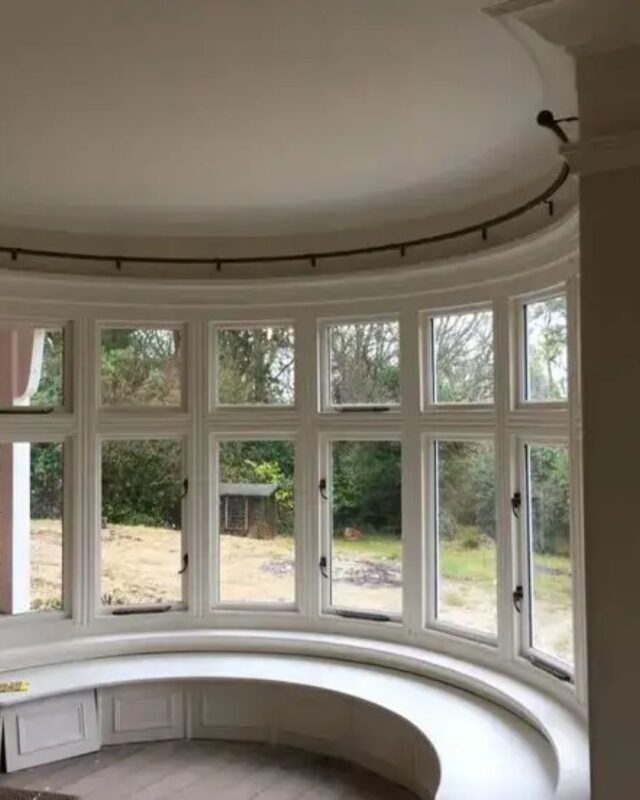
Instead of sharp angles, a bow window uses four to six matching glass panels to create a smooth, sweeping curve that rounds out from the facade.
This layout gives you a panoramic, wide-angle view of your surroundings and captures sunlight from multiple directions throughout the day, making any living area feel incredibly grand.
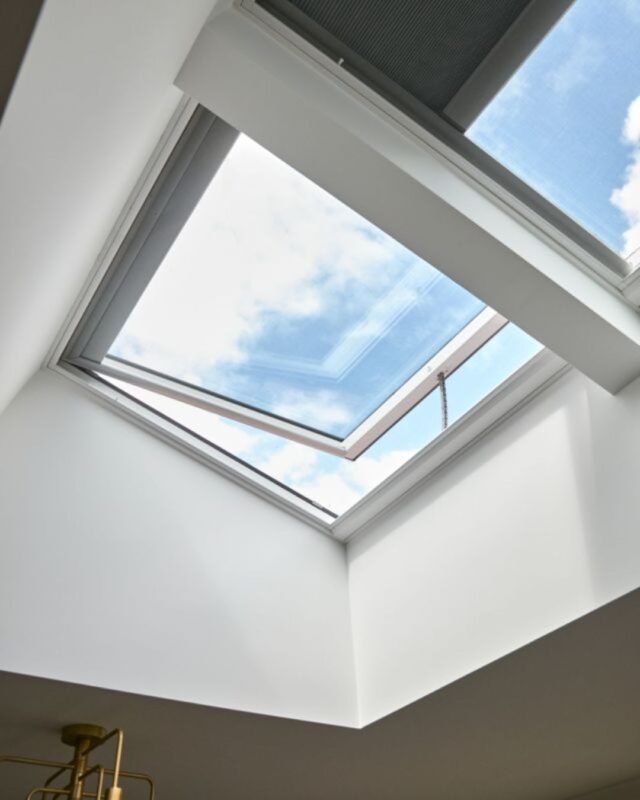
Skylights
When you have deep interior rooms, dark hallways, or bathrooms where wall space is tight, skylights look up to the sky for a solution.
Installed directly into the roof line, they pull in up to three times more natural light than standard vertical windows.
They completely open up closed-off areas like attics, making the entire space feel taller, brighter, and deeply connected to the outdoors.
Ⅲ. The Specialty Solvers: Purpose-Built Solutions
These windows are engineered to solve specific spatial challenges, handle advanced moisture control, or meet strict residential building codes.
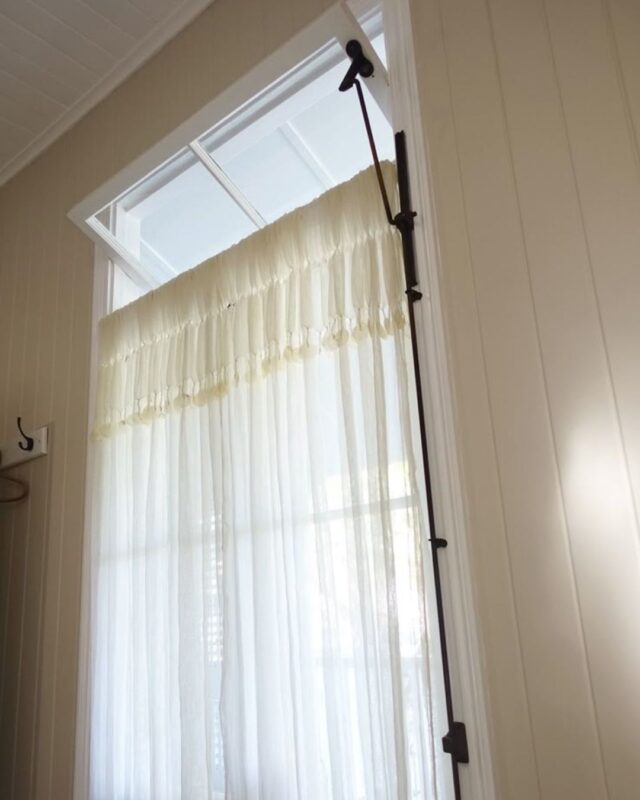
Awning Windows
Awning windows are hinged at the top and swing outward from the bottom. This creates a clever glass canopy over the opening, which means you can leave them cracked for fresh air even when it is raining outside.
They are a highly practical addition to high-humidity bathrooms or kitchens, allowing continuous ventilation without letting the weather ruin your interiors.
Hopper Windows
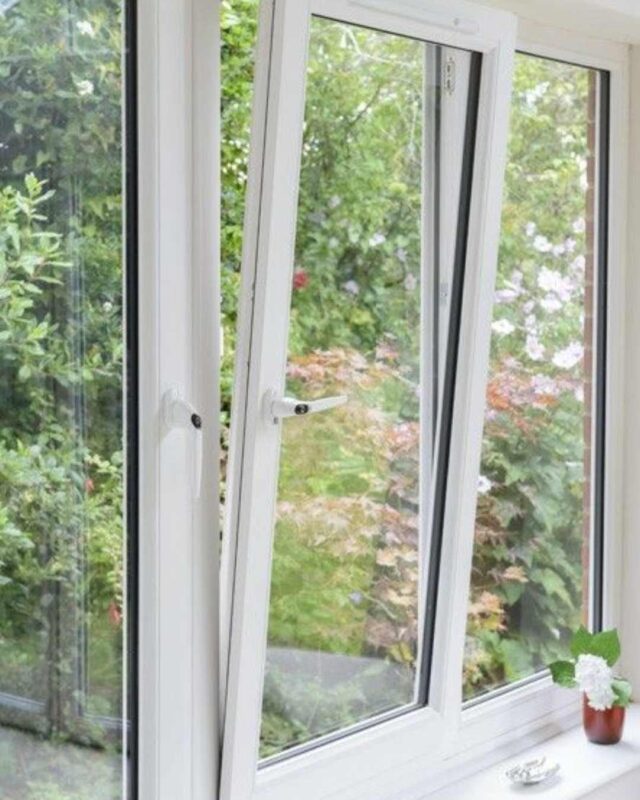
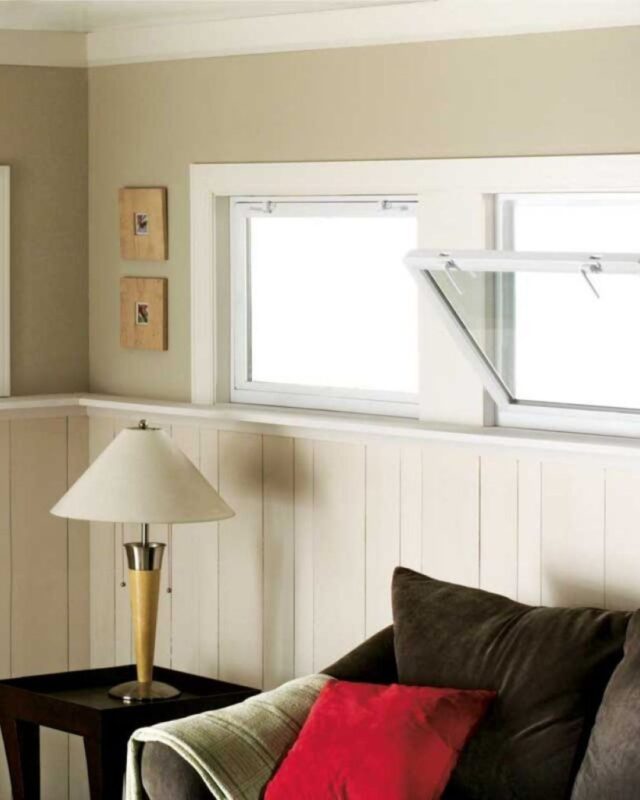
Hopper windows are essentially the exact opposite of awning windows—they are hinged at the bottom and open inward from the top.
They are compact, space-saving, and exceptionally secure, which is why they are the undisputed go-to choice for basement walls.
They let you easily pull fresh air into lower-level spaces while keeping ground-level drafts, dirt, and uninvited guests out.
Transom Windows
Transoms are those narrow, horizontal windows you spot sitting right above an entry door or a larger primary window unit.
They are a brilliant interior design trick to make a ceiling feel higher than it actually is.
They allow daylight to penetrate deep into the center of a home while keeping your private life completely out of sight from the street.
Garden Windows
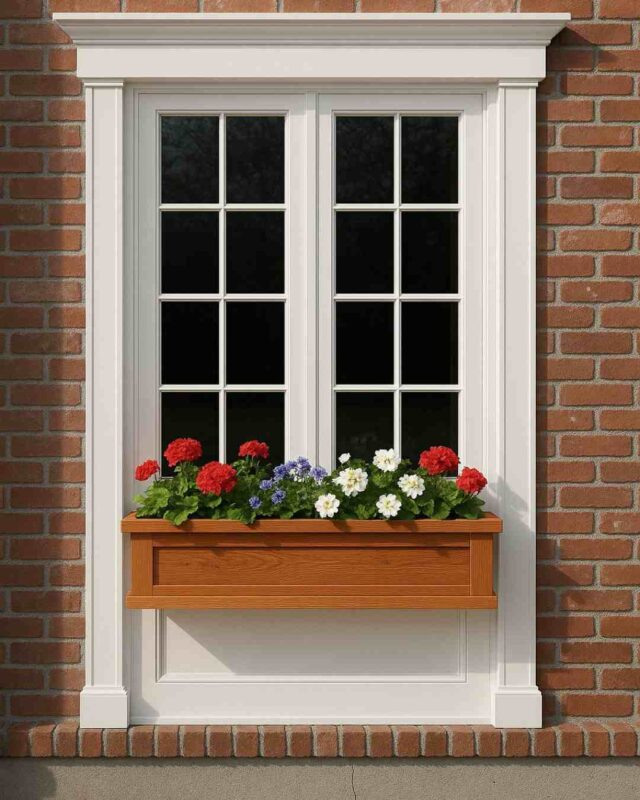
Think of a garden window as a miniature, three-dimensional greenhouse built right into your wall. Projecting outward with built-in glass shelves, they are custom-tailored for kitchen areas.
They catch natural light from every angle, creating the perfect sunlit home for fresh herbs, succulents, and small indoor plants right above your sink.
Egress Windows
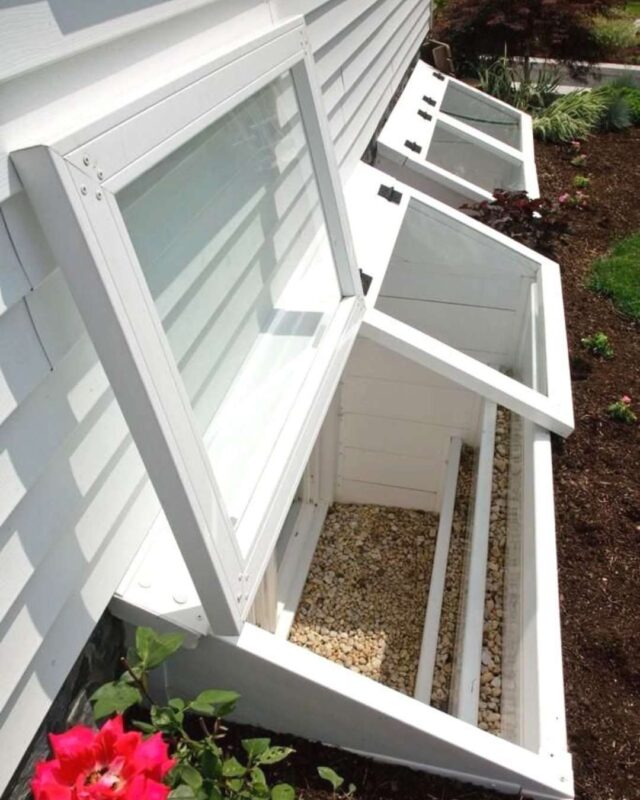
Egress windows are all about safety and compliance. These are deliberately oversized, easy-to-open windows required by local building codes in finished basements and ground-floor bedrooms.
While they do bring in great light and air, their primary engineering purpose is to serve as a clear, unobstructed emergency exit route if you ever need to leave the house quickly.
Ⅳ. Architectural Accents: Niche and Historic Designs
Certain styles are chosen specifically to honor historical authenticity, elevate a home’s character, or adapt to unique regional climate
Arched Windows
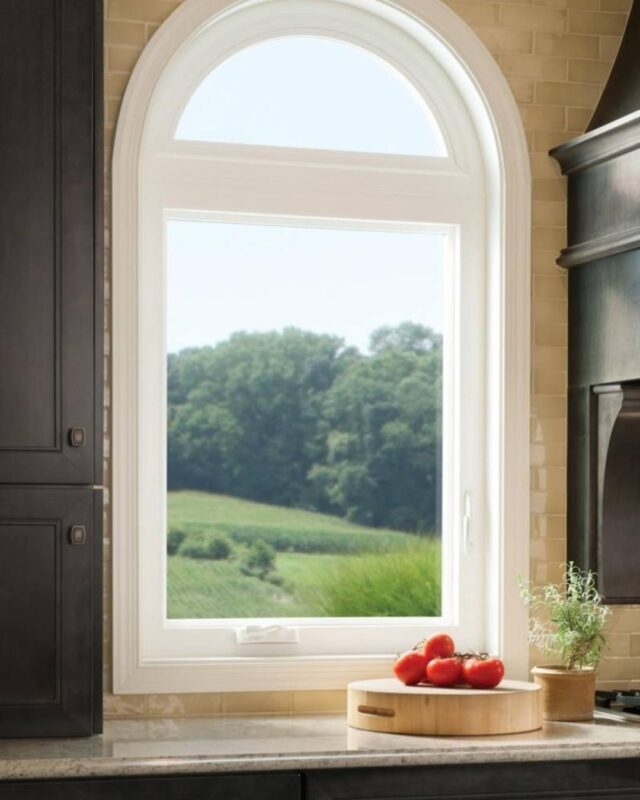
Featuring a gracefully rounded top, arched windows break the structural monotony of straight lines. They add immediate sophistication and serve as defining focal points.
Architects frequently utilize them in Mediterranean, Spanish Colonial, or custom luxury contemporary designs to soften the facade and introduce a sense of classic grandeur.
Jalousie Windows
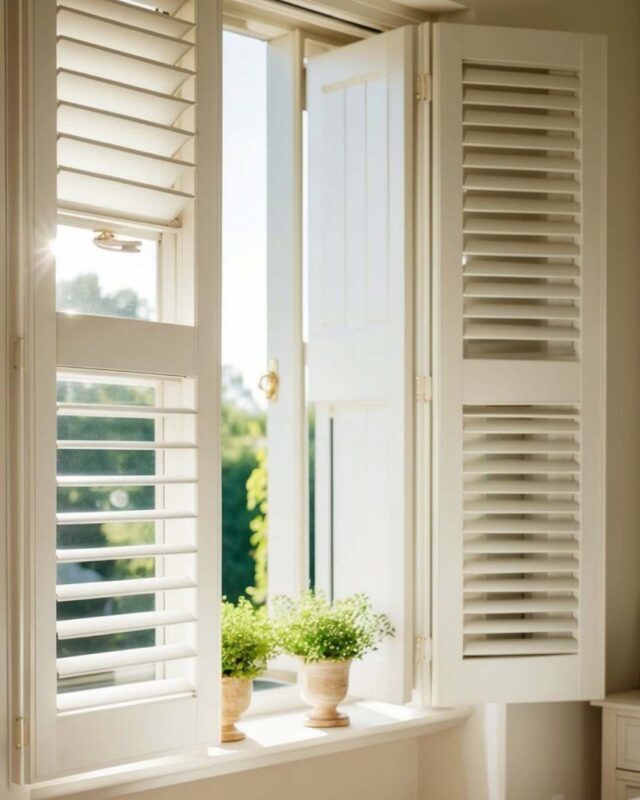
Jalousie windows feature a retro design made of layered glass slats that tilt open and shut together using a crank, much like a set of glass window blinds.
They provide unparalleled airflow because the entire window surface opens up to the breeze, making them a nostalgic favorite for sunrooms, porches, and coastal beach houses.
However, because the slats don’t seal completely tight, they aren’t ideal for modern, heavily air-conditioned spaces.
Storm Windows
Storm windows are extra glass panels that you mount directly over your existing windows, either from the inside or outside.
They act as a protective barrier, instantly boosting the insulation and soundproofing of older properties.
They are an excellent, non-destructive way to upgrade the energy efficiency of historic homes that have beautiful, original single-pane windows you don’t want to replace.
Ⅴ. Choosing Windows for Your Home: A Custom Approach
Selecting the right windows is less about simply filling an opening in a wall and more about completing an architectural vision.
For custom builds and premium renovations, the decision process requires balancing aesthetic harmony with long-term performance.
Matching Style to Architecture
The geometry, frame thickness, and operating style of your windows must align seamlessly with your building’s core design language.
An unmatched window style can disrupt the visual flow of an otherwise flawless exterior.
- Modern & Contemporary: Demands clean lines, expansive glass, and minimal frame profiles.
- Floor-to-ceiling picture windows or slim-frame aluminum sliding systems are ideal for blurring the boundaries between indoor and outdoor spaces.
- Traditional & Historic: Benefits from the visual depth and classic proportions of double-hung or arched windows.
- Utilizing custom grid patterns (muntins) or wood-clad interiors helps maintain historical authenticity without sacrificing modern energy efficiency.
- Transitional: A blend of both worlds. Grouping sleek casement windows together can provide the large, unobstructed views of modern design while retaining a touch of classic craftsmanship.
Structuring Your Investment
When planning a whole-house window package, we recommend viewing the selection as a long-term architectural investment rather than a simple line-item cost.
Custom window pricing is driven by material quality, sizing, and performance upgrades.
- Material Integrity: Premium thermally broken aluminum or wood-clad frames require a higher initial outlay than standard vinyl.
- However, they deliver the necessary structural strength to support oversized glass panels and provide decades of low-maintenance durability.
- Strategic Allocation: You do not need the same level of luxury in every room. Focus your premium upgrades—such as massive bow windows or custom-shaped transoms—on primary living areas and master suites.
- For secondary spaces like utility rooms or guest baths, high-performance but simpler styles like awning or single-hung windows offer excellent value.
- Energy ROI: Investing in high-performance glazing (such as Low-E coatings and argon gas fills) significantly reduces the long-term load on your HVAC system.
- The daily operational savings on heating and cooling quickly offset the initial premium of quality glass.
Modern Trends in Windows
In current high-end architectural projects, windows are increasingly becoming the focal point of the room rather than just a functional necessity.
- Expansive Sightlines: The desire for “glass walls” continues to dominate. Homeowners and architects are favoring multi-panel sliding systems and oversized fixed windows with ultra-slim frames to maximize natural light and panoramic views.
- Bold Frame Contrasts: Moving away from standard white, matte black and dark bronze frames—both on the exterior and interior—remain highly sought after. They act as a built-in picture frame, offering a striking, industrial-chic contrast against neutral walls.
Ⅵ. Master Reference: Window Selection Matrix
Use this reference chart to quickly compare the operational mechanics and best applications for major window styles.
| Window Type | Operational Mechanism | Key Performance Benefit | Best Architectural Application |
|---|---|---|---|
| Double-Hung | Both sashes slide vertically | Natural convection airflow, easy indoor cleaning | Primary living spaces, transitional to classic facades |
| Single-Hung | Bottom sash slides vertically | Reliable, cost-effective structural integrity | Secondary bedrooms, high-volume residential projects |
| Casement | Swings outward via crank | Maximum energy efficiency, unobstructed views | Kitchens, modern facades requiring tight thermal seals |
| Awning | Hinged at top, swings outward | Continuous ventilation during inclement weather | Bathrooms, basements, paired under large picture windows |
| Sliding | Sashes slide horizontally | Effortless operation without exterior obstruction | Wide openings, spaces adjacent to patios or walkways |
| Picture / Fixed | Inoperable, fixed pane | Maximum light transmission, zero air infiltration | Living rooms, stairwells, multi-story glass walls |
| Bay & Bow | Multi-panel, projects outward | Spatial expansion, multi-directional light capture | Master suites, dining areas, architectural focal points |
| Hopper | Hinged at bottom, swings inward | Secure, ground-level ventilation | Basements, lower-level utility rooms |
| Transom | Fixed or operable, mounted high | Elevates visual ceiling height, preserves privacy | Above entry doors, capping large window configurations |
| Skylight | Roof-mounted | Overhead illumination for deep floor plans | Attics, internal bathrooms, stairwells |
Conclusion: The Perfect Frame for Your Vision
Windows are far more than just glass and frames; they are the architectural bridge between your interior sanctuary and the outside world.
Whether you are using expansive picture windows to capture a panoramic landscape or strategically placing awning windows to breathe fresh air into a damp space, every style serves a distinct purpose.
By understanding the unique mechanics, aesthetic impact, and energy efficiency of each window type, you can craft a space that looks breathtaking and performs flawlessly
Off-the-shelf solutions rarely meet the exact demands of a high-end architectural vision. At George Solution, we specialize in bridging the gap between bespoke design and premium manufacturing. If you are ready to elevate your property with custom-engineered window systems that perfectly match your architectural style, reach out to our team today to explore your options.
FAQ
What is the most energy-efficient window style?
Fixed (picture) windows are technically the most energy-efficient as they do not open, eliminating air leakage.
Among operable styles, casement and awning windows offer the best thermal performance. Their outward-swinging design allows external wind to press the sash tightly against the weatherstripping, creating an exceptional airtight seal.
What is the difference between single-hung and double-hung windows?
The difference lies in operational flexibility. In a single-hung window, only the bottom sash moves vertically while the top remains fixed.
In a double-hung window, both the upper and lower sashes can slide up and down, allowing for better air circulation (warm air escapes from the top while cool air enters the bottom) and easier cleaning.
Which window types are best for maximizing unobstructed views?
Picture windows are the ideal choice for maximizing views, as they require no operable hardware and feature ultra-slim frames.
For wide openings that also require ventilation, sliding windows or large casement windows are excellent options, as they minimize the use of vertical frame divisions.