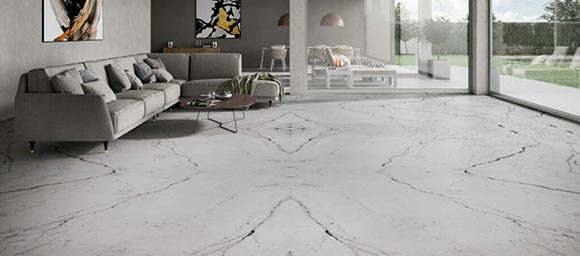



As many of you know, during the rainy season, when temperatures rise and humidity increases, we often see a surge in stone efflorescence.
When stone or tile is laid, gaps on the surface may start to show signs of fogging, white powder, and streaks. Even after cleaning, these issues can reappear, significantly affecting the surface’s appearance. Today, let’s delve into the phenomenon of efflorescence and how to prevent it.
01. What is Efflorescence?
Efflorescence, also known as “whiting,” occurs when the alkaline substances within the stone’s base react with water or external materials, seeping through gaps and pores, and then crystallizing on the decorative surface. This process can severely mar the appearance of the stone.
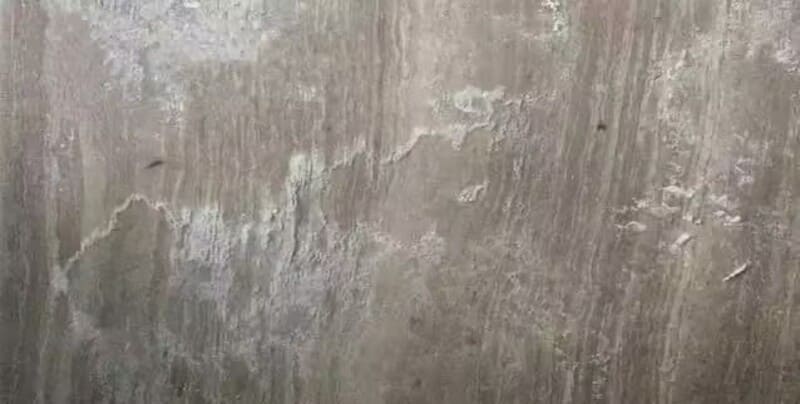
Efflorescence mainly presents as white crystalline powder, fine threads, granules, or honeycomb-like particles.
Recommended reading: The Origin and History of Mosaic: What Are Mosaic Tiles?
02. Causes of Efflorescence
Efflorescence generally falls into two categories: external and internal.
External Efflorescence
Strong alkaline substances in cement used in wet laying react with acidic solutions in the air—typically acid rain or industrial and household acids like carbonates. These reactions create salts, which crystallize when brought to the surface by water as they dry.
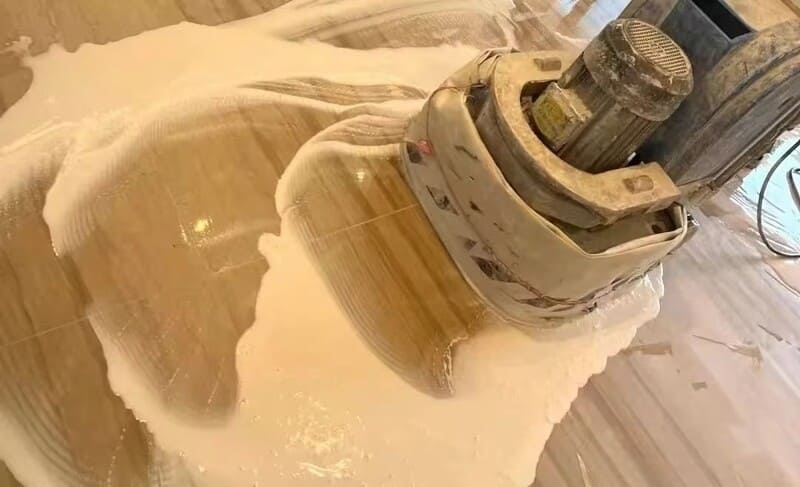
Stone polishing powders containing high levels of oxalic acid react with calcium carbonate on the stone surface, producing white crystalline calcium oxalate powder.
Internal Efflorescence
The cement base’s calcium silicate (a weak acid, strong base salt) reacts with water to form free calcium, silicates, and hydroxides. When sufficient water is in the concrete, these free compounds, carried by water, reach the stone’s surface. As the water evaporates, these compounds crystallize into white powder or clumps on the surface, reacting with carbon dioxide in the air.
- The capillary pores are in stone.
- Calcium oxide in cement reacting with water.
- Efflorescence often appears in outdoor or poorly ventilated areas like basements.
03. Preventing Efflorescence
Efflorescence is most likely to occur after wet stone construction. To prevent it, focus on moisture control, ventilation, and treating the porous stone surfaces.
Dry Hanging
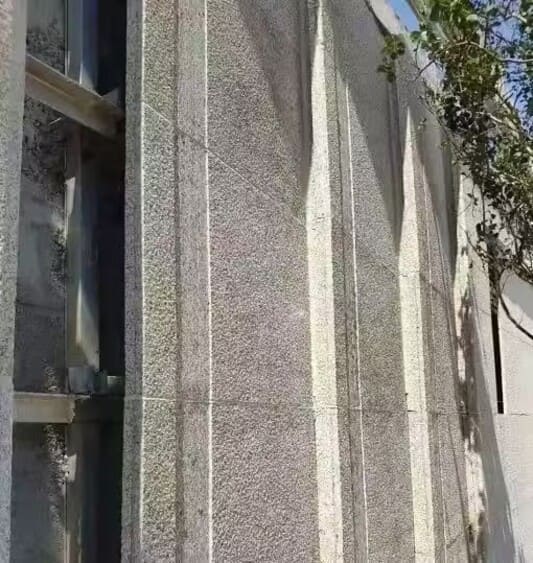
When stone or tile is laid on a cement mortar base, efflorescence can reoccur with moisture. Therefore, dry or semi-dry hanging methods are recommended.
Use Low-Alkali Cement
In situations where dry hanging isn’t possible, opt for low-alkali or weak-alkali cement. If feasible, choose stone adhesives or grouts free from alkaline substances to prevent the stone or tile base from reacting with water.
Apply Efflorescence Preventative Sealant
Before installing stone, treat all six sides with a protective sealant to prevent excessive water absorption. This treatment helps avoid efflorescence caused by water permeating from the front or the cement mortar at the back.
Additionally, minimize the stone’s exposure to water as much as possible—consider the water used for mopping, water behind the stone, rainwater, soil moisture, and high humidity. Keep the stone dry by using methods like ventilation, air drying, blowers, dehumidifiers, heat lamps, underfloor heating, or even using quicklime to absorb moisture.
If you’re still unsure about the difference between natural and artificial stone, click here to read more.
04. Conclusion
If efflorescence appears on the surface of stone or tile, it tends to reoccur and is difficult to remove. Hence, it’s crucial to take preventive measures during construction.