

In restaurant design today, it’s no longer just about taste and smell. The environment—what people see, touch, and feel—has become just as important. More cafes, restaurants, and bars are turning to unique décor to create a memorable experience, where ambiance plays as big a role as the food itself. These spaces are now destinations, offering an experience that customers can’t wait to share.
Looking to elevate your restaurant’s atmosphere? This article introduces 17 creative decor ideas that can transform your restaurant into a more inviting, memorable space.
17 Restaurant Decor Ideas
01 Themed Decor
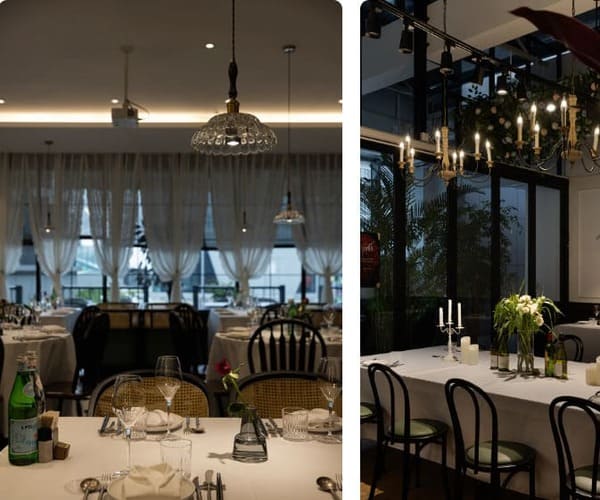
Before you even begin the restaurant renovation process, it’s essential to nail down a theme. It could be inspired by the Jazz Age of the 1920s, a Mediterranean coastal vibe, or the serenity of a tropical rainforest. The key here is to ensure the theme isn’t just a collection of unrelated elements, but rather an immersive experience. Every restaurant renovation detail, from the furniture to the lighting, should tell a cohesive story. For example, if you’re going for a “Classic French Palace” vibe, bring that old-world charm to life with elegant curves, Baroque-style furniture, and vintage chandeliers. Every corner should seamlessly pull guests deeper into the story you’re telling.
02 Restaurant Facade and Signage
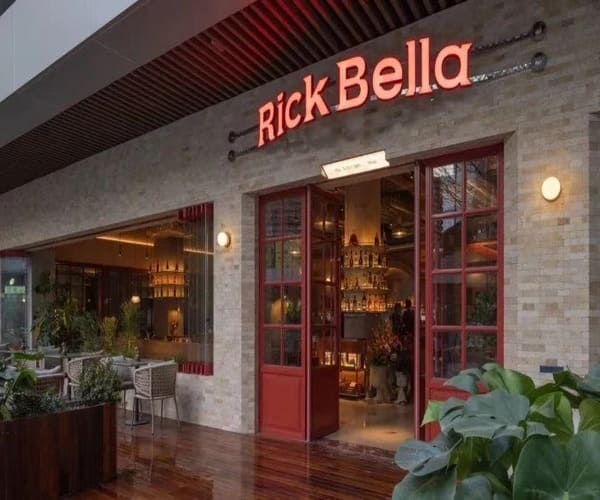
Your facade and signage are the restaurant’s first “handshake” with potential customers. A unique and recognizable sign can stop passersby in their tracks, especially in busy streets or commercial areas. Think of it like the restaurant’s cover letter—it needs to give a sense of what’s inside. High-end restaurants might opt for polished metal, glass, or marble for an upscale look. For a more laid-back atmosphere, consider wood, acrylic, or even hand-painted signs that say, “Come on in and relax.” A good sign should echo the restaurant’s interior vibe, providing a sneak peek into the dining experience.
03 Color Scheme
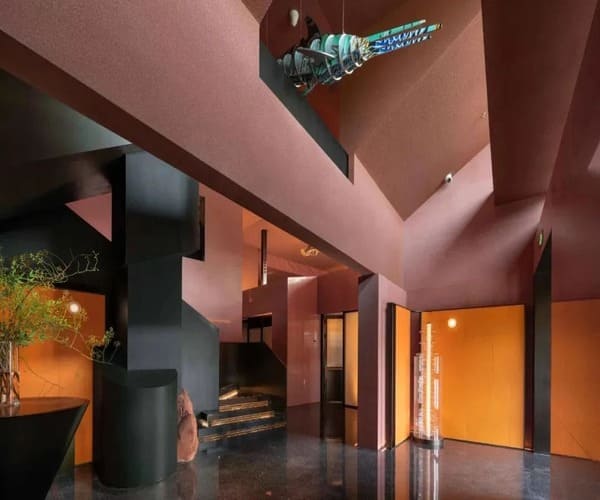
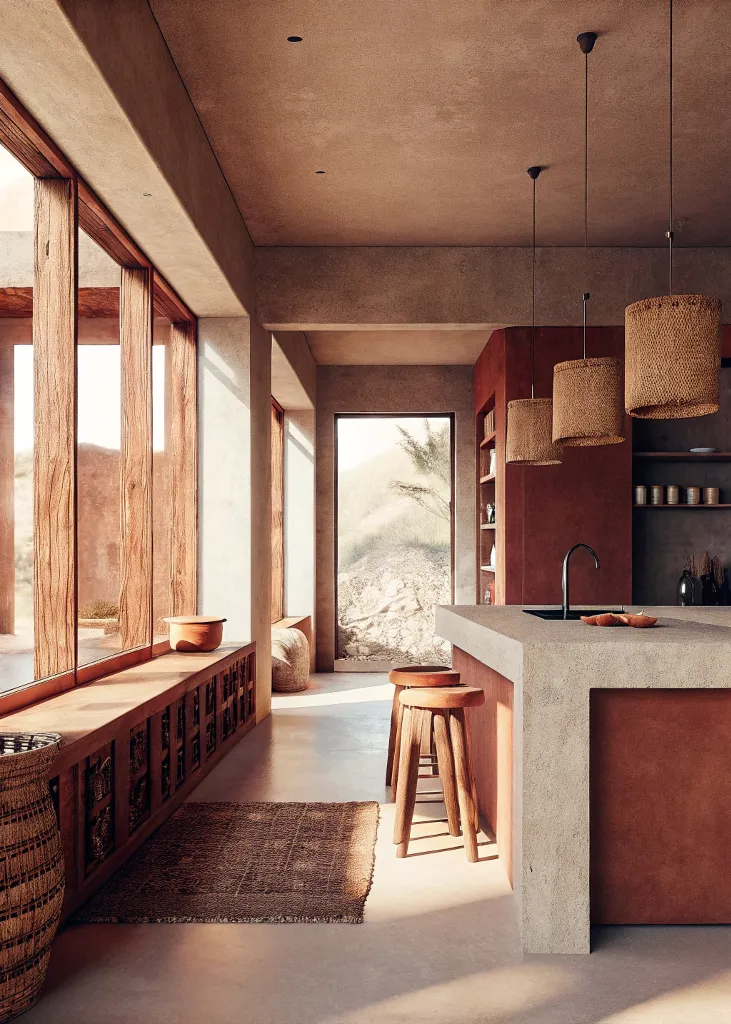
A successful color scheme in restaurant renovation is more than just pretty hues—it directly impacts customer behavior and mood. Warm colors like reds, oranges, and yellows are known to stimulate appetite and energy, which is why fast-food chains often use them. They create a sense of urgency, encouraging diners to eat quickly. On the other hand, neutral colors like whites, grays, and beiges provide a clean, modern look that makes spaces feel larger and more open. This palette works well in cafes and contemporary eateries’ decor, where minimalism and cleanliness are key. The colors should align with your restaurant’s brand and overall concept.
04 Art installation
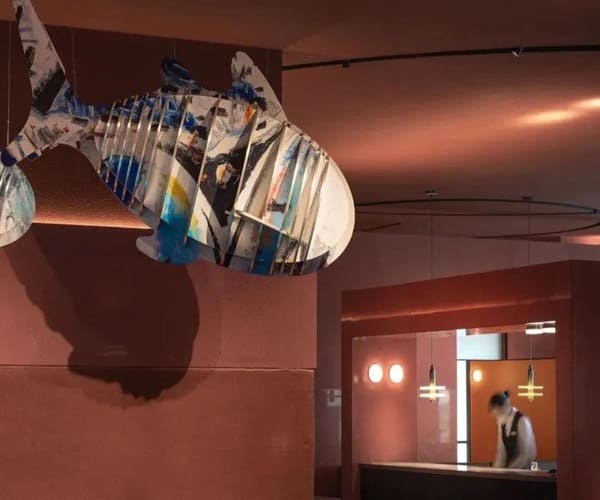
Incorporating art into your restaurant’s renovation is a brilliant way. Well-placed sculptures or eye-catching artwork, especially near the entrance or in key areas, can immediately draw attention and set the tone for the entire dining experience. When selecting materials for these installations, don’t be afraid to experiment—mixing wood, metal, glass, or ceramics can create captivating textures and striking visual contrasts that add depth to your space.
Incorporating suspended sculptures into dining areas can introduce a sense of movement and dimension that instantly elevates the space. These pieces not only enhance the overall atmosphere but also provide diners with something visually captivating to enjoy as they eat. For those looking to push boundaries even further, consider adding dynamic art—rotating sculptures or interactive installations that infuse the room with playfulness and energy.
05 Sculptural Lighting Design in Restaurant Renovation
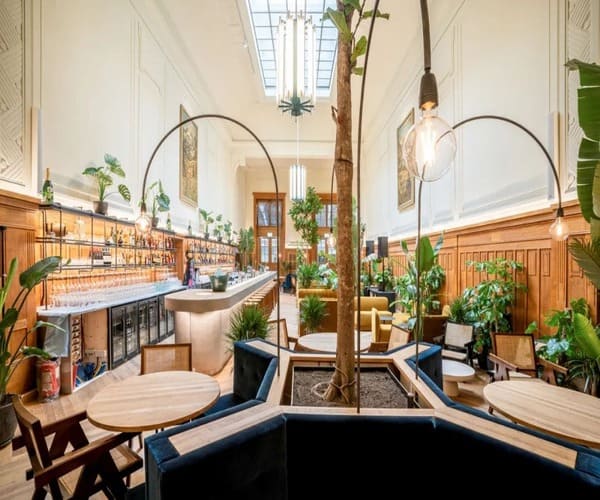
When renovating a restaurant, sculptural lighting fixtures, such as geometric metal chandeliers or hand-blown glass pendants, can serve as both light sources and artistic statements. These fixtures can cast intricate shadows, enhancing the room’s atmosphere. Custom or handcrafted lighting adds a personalized touch, making the space feel exclusive.
For an intimate dining experience, try suspending multiple small pendant lights above tables. Varying their heights adds depth and dimension while creating a softer, more inviting ambiance.
06 Music and Acoustics in Restaurant Renovation
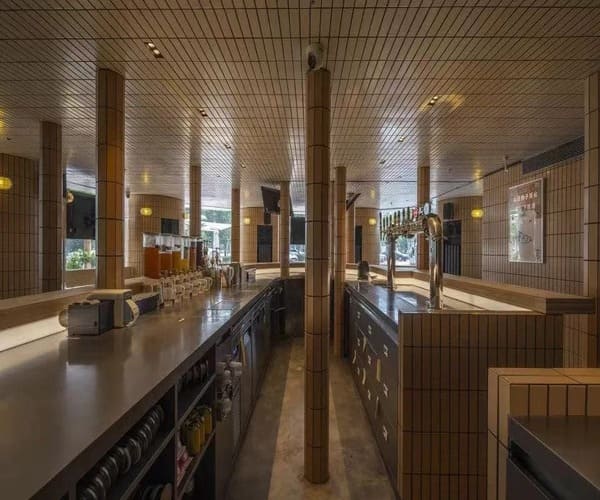
Music is another powerful tool for shaping the dining experience. Good acoustics are essential for creating a comfortable environment, and minimizing echoes and background noise. Soft materials like acoustic panels, carpets, or ceiling treatments help control sound, ensuring diners can enjoy their meals without being overwhelmed by noise. When renovating a restaurant, you can seamlessly integrate speakers into the ceiling or walls.
The type of music you play can shift the mood entirely—soft jazz or instrumental music creates a refined, relaxing atmosphere, while more energetic tunes can bring life to a busy dinner service.
07 Wall Decor in Restaurant
Wall decor is one of the easiest ways to create a memorable dining experience. Eye-catching pieces, such as large abstract paintings or custom murals, draw attention and often act as conversation starters. Adding functional elements like wall sconces or metal frames to the decor gives the space added texture and depth. Alternatively, more budget-friendly options like linen wallpaper or embossed wall panels can add richness and appeal without blowing your restaurant renovation budget.
08 Windows and Natural Views in Restaurant
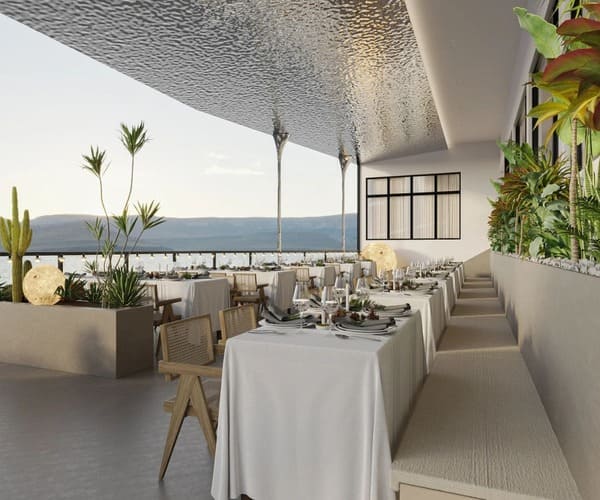
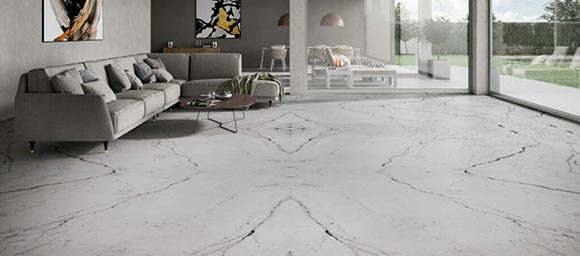
If your restaurant has access to beautiful natural surroundings—whether it’s a panoramic sea view or a lush green landscape—floor-to-ceiling windows can bring those views into the dining experience. Large glass windows make the space feel more open and inviting while connecting the indoors with the outdoors. Minimalist window designs help frame the scenery, ensuring the view becomes an integral part of the ambiance.
09 Restaurant Bar Counter Design
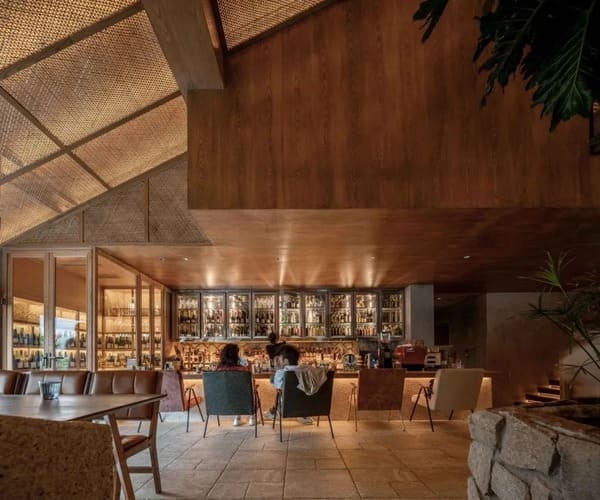
The bar area often serves as the heart of a restaurant—a social hub that draws guests in. When renovating a hotel bar, using materials like marble, polished concrete, or rich wood finishes can really give the space a sleek, modern vibe.
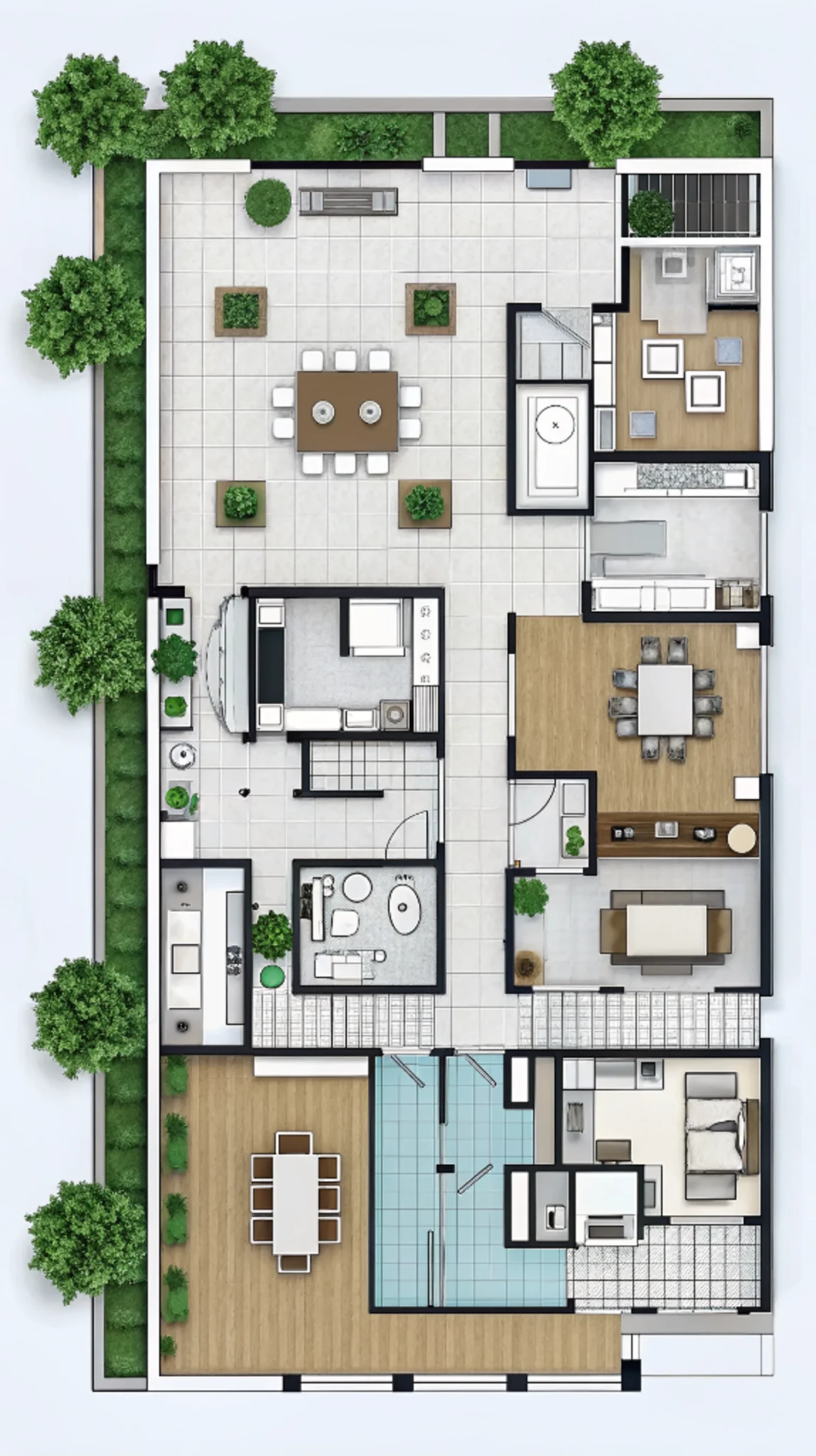
When it comes to layout, positioning is key. The bar should be strategically placed to optimize workflow for staff while being easily accessible and inviting for guests. Seating arrangements around the bar can be designed to encourage both casual drinks and full dining experiences, making the bar a versatile space that can transition from lively cocktail hour to intimate dinners.\
Recommended reading: 16 Creative Design Ideas For Hotel Rooms
10 Comfortable Seating and Dining Tables
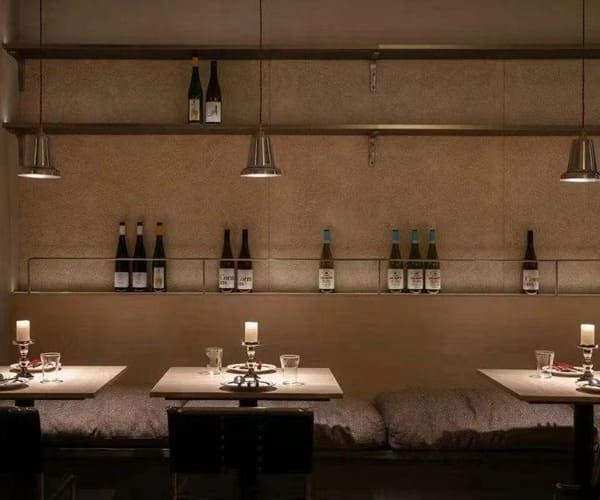
Designing restaurant seating and dining tables requires a balance between comfort, aesthetics, and creativity. Chairs should offer ergonomic support while aligning with the restaurant’s overall theme, and options like upholstered seats can enhance both comfort and elegance. To add visual interest, consider mixing materials—such as pairing wooden tables with metal or fabric chairs—and using bold colors alongside neutral tones to create contrast. Incorporating diverse seating options like booths, bar stools, and regular chairs provides variety and caters to different customer preferences. If your restaurant is undergoing renovation and you need to purchase a large quantity of seating and dining tables, feel free to consult with George Company.
11 Bathroom Design
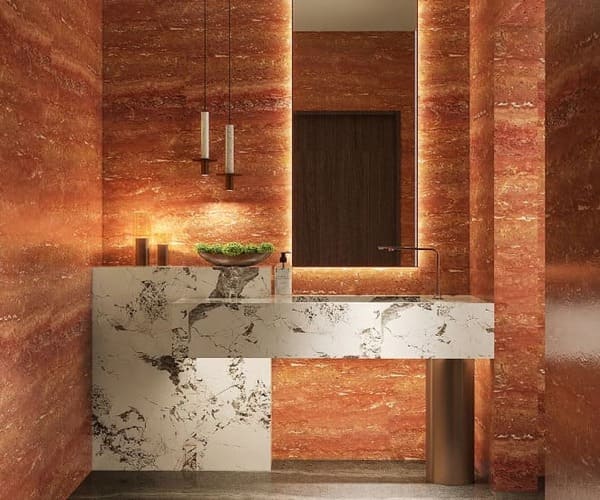
In a restaurant renovation, the bathroom design needs to be functional but also show off some creativity and style. You can use materials like marble or wood-patterned tiles for the walls and floors to add texture and quality to the space. Consider a floating sink design paired with mirrored lighting to make the room feel bigger. For a creative touch, go with round or irregular-shaped mirrors, and add hidden LED strips for a modern look. To keep things practical, opt for sensor faucets and automatic hand dryers, improving the customer experience. You could also throw in some framed artwork or plants to create a warm and welcoming atmosphere.
12 Greenery and Plants
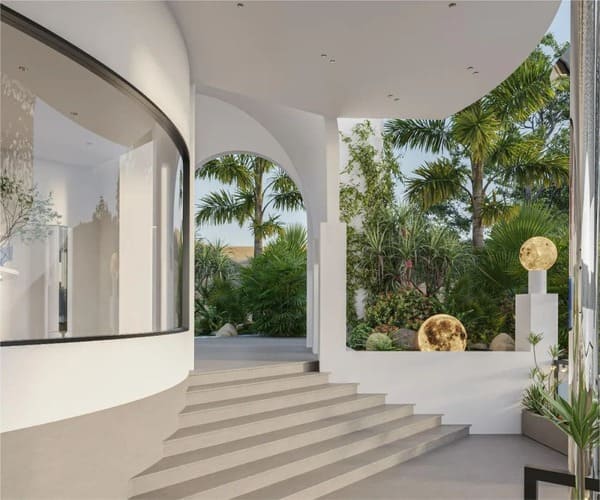
If you’ve got a solid budget for your restaurant renovation, consider installing a full green wall in high-traffic areas like the entrance, dining area, or hallway. These spaces draw attention and can become the visual centerpiece of the restaurant. Some restaurants go even further, using trees as central features, placing them in the open dining area or outdoor courtyard, with seating arranged around them. The trees become part of the space, not just decoration.
For those with tighter budgets for restaurant renovation, hanging plants or placing potted plants can be just as effective. Hanging vines at different heights can soften the hard lines of a room, giving it a more relaxed, natural feel. If your restaurant has large windows, try setting up big plants by the window. Natural light combined with greenery adds life to the space, making it feel less sterile and more inviting for diners.
Don’t forget about those overlooked corners — tall potted plants like Bird of Paradise or Calatheas can fill the space and add some much-needed depth, avoiding that empty, unfinished look.
13 Outdoor Dining on a Terrace
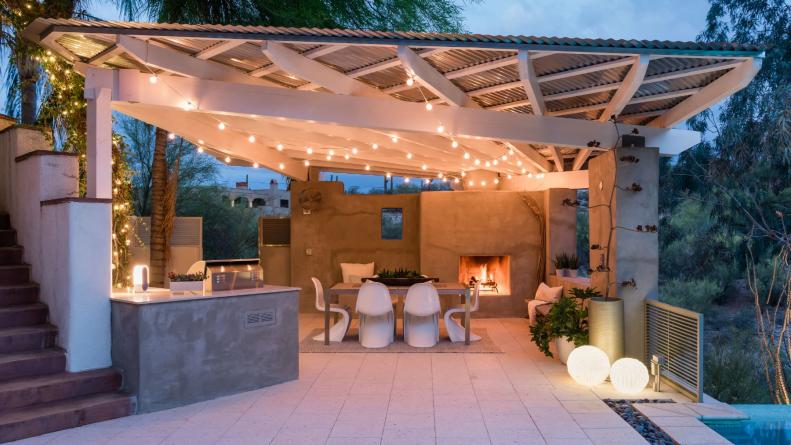
If your restaurant is located in a high-rise building, consider using part of the rooftop or terrace for an outdoor dining space. Diners get to enjoy both the natural surroundings and the city skyline, creating a unique atmosphere. Adding elements like green walls, natural landscaping, and outdoor lighting will make the space feel even more special.
For ground-floor restaurants, you can set up street-side dining areas. Low hedges or transparent railings can create a boundary between the dining area and the street, offering privacy while still connecting diners to the surrounding environment. Outdoor dining offers a fresh, open experience that’s quite different from the enclosed feeling indoors.
When designing an outdoor dining space, choose furniture that’s both stylish and durable. Wicker, aluminum, or hardwood materials work well. For longevity, especially in varying weather, go for weather-resistant and corrosion-proof pieces like those from George Outdoor Furniture. Also, keep comfort in mind — waterproof and fade-resistant cushions will keep guests comfortable for longer stays outdoors.
14 Semi-Open Kitchen
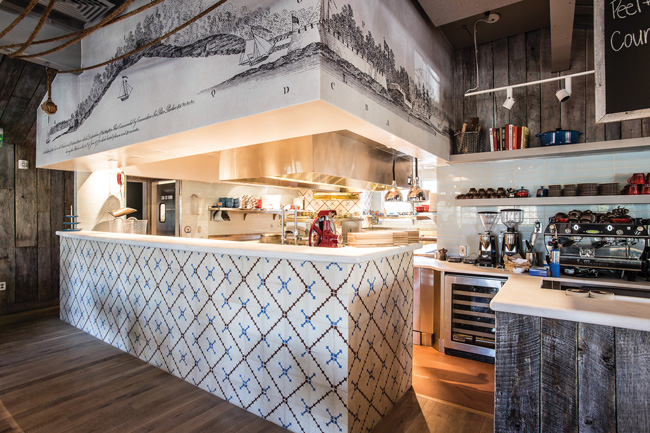
One great feature of an open kitchen is that diners can watch the cooking process firsthand. It’s like a stage where the chefs perform, breaking down the traditional “backstage” concept of restaurant kitchens. It also creates a sense of interaction between the chef and the diner.
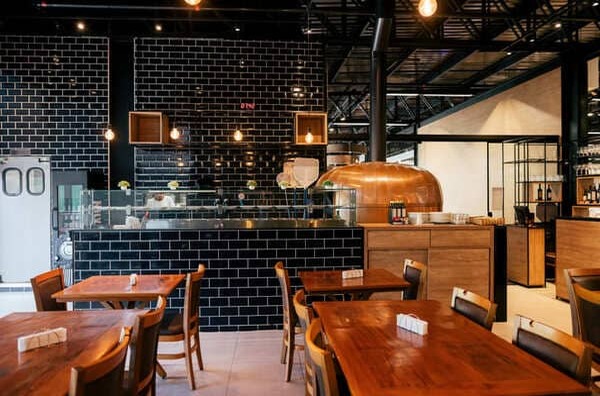
For a semi-open kitchen in your restaurant renovation, use glass walls, a bar counter, or a half-height wall as partitions. This way, you can showcase the exciting parts of cooking, like the flame from grilling or the spinning of pizza dough, while keeping the less glamorous prep work and cleanup hidden.
A semi-open kitchen not only highlights the cooking process but also lets you show off sleek kitchen tools and fresh ingredients. Consider open shelving or storage racks for colorful plates, bottles of wine, or spice jars. It’s practical and adds to the visual appeal.
For the walls and floors of the open kitchen, use materials like tiles and stone to give it a high-end feel. Smooth white or light gray tiles on the walls can reflect light and make the space feel larger, while granite or marble floors are both durable and easy to clean, adding a touch of luxury to the overall design.
15 Neon Signage or Restaurant Slogans
Neon signage has a unique visual appeal. Its bright colors and lighting effects instantly catch people’s eyes, making it a great tool in restaurant renovations for boosting brand recognition. The slogan or design can communicate your restaurant’s vibe, style, or motto, leaving a lasting impression on guests as they walk in. It can even become a popular spot for photos.
When placing neon signs, make sure they align with the main flow of the restaurant. Common spots include walls, above the bar, near the entrance, or as a backdrop in the main dining area. The brightness should be just right—bright enough to stand out but not too glaring, ensuring a comfortable visual experience for guests. Handwritten fonts can add a personal touch, while modern sans-serif fonts work well with minimalist, sleek designs. Keep the message short and impactful, conveying positive emotions or core brand values, like “It all starts with good food” or “Taste and life.” Short slogans are easier to remember and create a stronger emotional connection with diners.
16 Menu Display Boards
Beautifully designed menu boards can draw attention and create a welcoming atmosphere from the moment guests walk in. By using creative layouts, colors, and typography, a well-crafted board doesn’t just convey menu information—it enhances the overall visual experience of the restaurant.
Hanging boards work well in the entrance or bar areas, while freestanding boards are great for prominent spots like the entryway or waiting area. When designing menu boards, make sure the materials, colors, and fonts match the overall style of the restaurant renovation, keeping everything cohesive.
17 Tableware and Tabletop Decorations
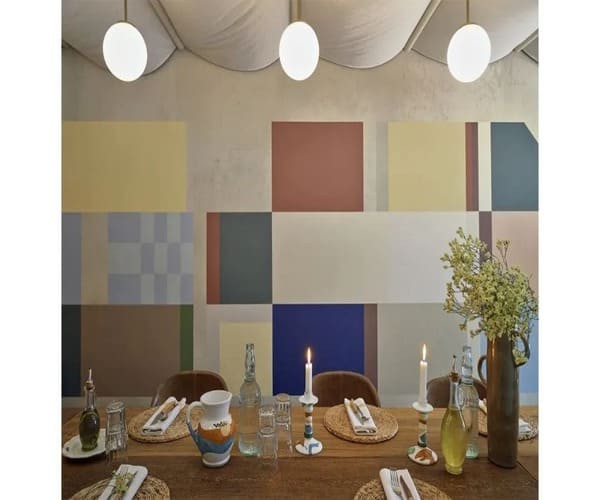
When designing the tableware and decorations, it’s important to focus on materials, colors, and shapes that complement the overall restaurant renovation theme. Usually, this means going for quality porcelain plates, glassware, and metal cutlery with a clean, elegant design. For decorations, think about small sculptures, candle holders, or artistic vases—just one or two pieces to keep things sophisticated without overloading the table. You can also update the decorations seasonally to keep the dining experience fresh and engaging.
For example, a tabletop design featuring wicker placemats, glass cups, candle holders, and simple ceramic flower arrangements brings warmth to the space while showcasing the beauty of handcrafted items. It’s a simple yet unique design that adds character to the overall look without being overdone.
Whether it’s unique lighting, thoughtful color schemes, or artistic touches, the small details can make a big difference. By applying some of these 17 restaurant decor ideas, you’ll not only enhance the dining experience but also increase your restaurant’s appeal, turning it into a destination that diners love to visit and recommend.