

Lighting is often the final layer added to a residential or commercial build, yet it fundamentally dictates how the space is experienced. The fixtures you choose do more than just illuminate a room; they define its scale, direct the flow of traffic, and establish the overall architectural style.
When specifying lighting for a project, one of the most common dilemmas is deciding between a suspended chandelier and a surface-mounted ceiling light.
While it may seem like a purely aesthetic choice, the decision carries significant weight regarding spatial planning, daily maintenance, and installation budgets. Whether you are a homeowner visualizing your future living space or a contractor finalizing electrical plans, understanding the structural and functional differences between these two lighting categories is essential.
The Basics: Understanding Your Lighting Options
Before diving into room-specific recommendations, it helps to look at how these fixtures function within a space.
Chandeliers: The Statement Makers
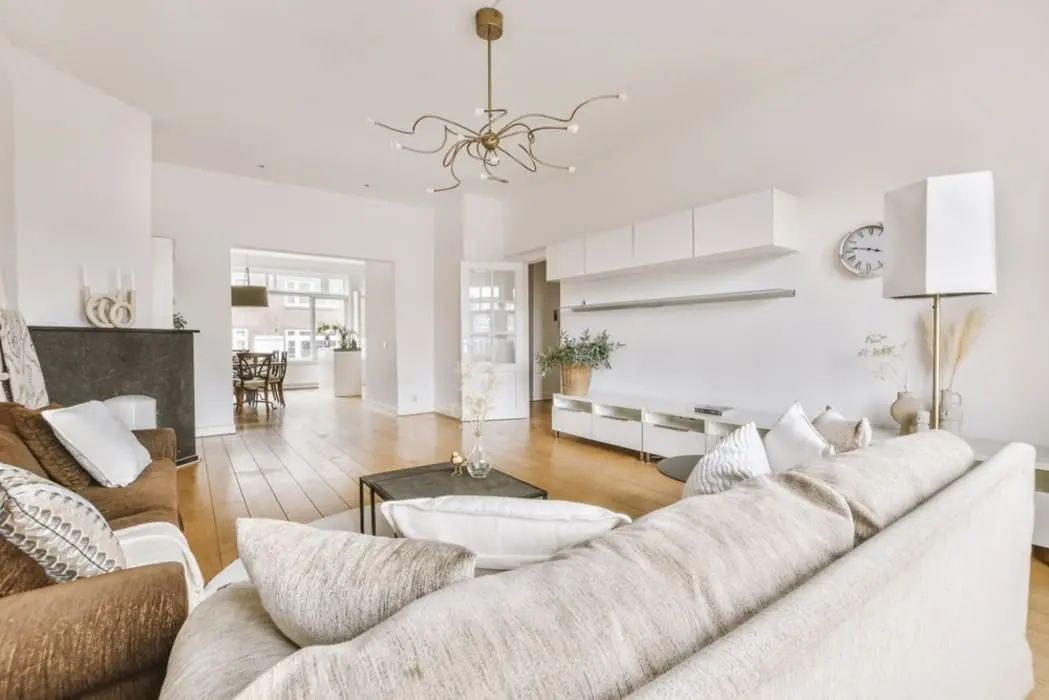
A chandelier is a suspended light fixture that drops down from the ceiling, typically featuring multiple arms or light sources. Historically reserved for grand dining rooms, modern chandeliers now come in sleek linear, geometric, and minimalist designs.
Their primary function is to act as a visual anchor. They draw the eye upward, create a focal point, and set the stylistic tone of the room. However, to execute this properly, they require generous vertical space.
Ceiling Lights: The Practical Performers
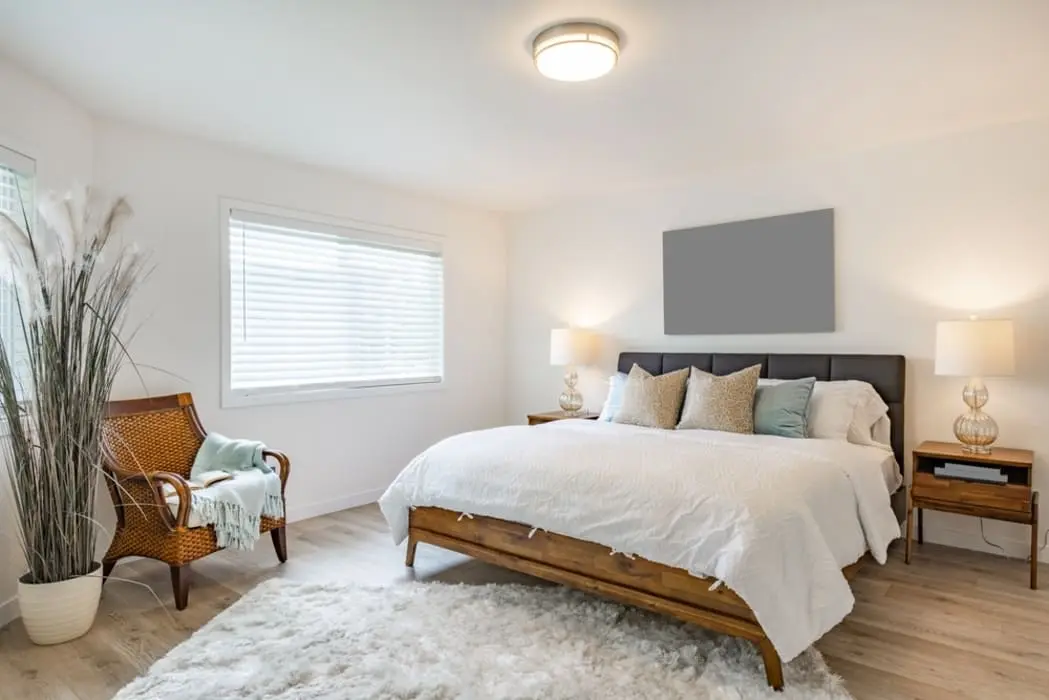
Ceiling lights sit flush against the ceiling or drop down only a few inches (semi-flush mounts). Unlike chandeliers, which demand attention, ceiling lights are designed to blend seamlessly into the architecture.
Their primary job is to provide widespread, even ambient light without intruding on the physical footprint of the room. They are the unsung heroes of interior lighting, offering maximum illumination with a minimal spatial profile.
Key Factors to Consider Before You Buy
Choosing between the two is rarely just a matter of preference. A successful lighting specification requires balancing physical spatial limits, interior design, and functional illumination goals.
Ceiling Height
This is the golden rule of lighting design and building safety. To ensure unobstructed movement and prevent head injuries, the bottom of any light fixture must hang at least 7 feet (84 inches) above the floor in areas where people walk.
If your project features standard 8-foot ceilings, installing a chandelier in a hallway or living room walking path is structurally unviable. In these low-clearance scenarios, flush or semi-flush ceiling lights are the mandatory, safe choice.
Architectural Style and Proportion
Once clearance is established, the visual footprint of the fixture must align with the room’s design language. Lighting is often considered the architectural jewelry of a space.
A matte black linear chandelier perfectly complements a modern industrial or minimalist build, while an ornate polished brass fixture naturally elevates a traditional interior. Beyond the finish, proportion is critical.
A fixture that is too small will look entirely lost in a grand room, while an oversized chandelier can visually overwhelm a modest space. The goal is to select a style that creates visual equilibrium seamlessly with your furniture layout and room dimensions.
Lighting Goals: Layering Your Space
Relying on a single fixture to light an entire room is a common design mistake. A successful interior utilizes “layered lighting.” While a chandelier might provide the decorative flair and act as the focal point, it often needs to be supplemented with recessed ceiling lights or flush mounts to ensure the corners of the room aren’t lost in shadow.
Understanding whether you need a fixture to provide general ambient light, focused task lighting, or pure decorative accent will dictate which type you ultimately select.
Room-by-Room Lighting Options
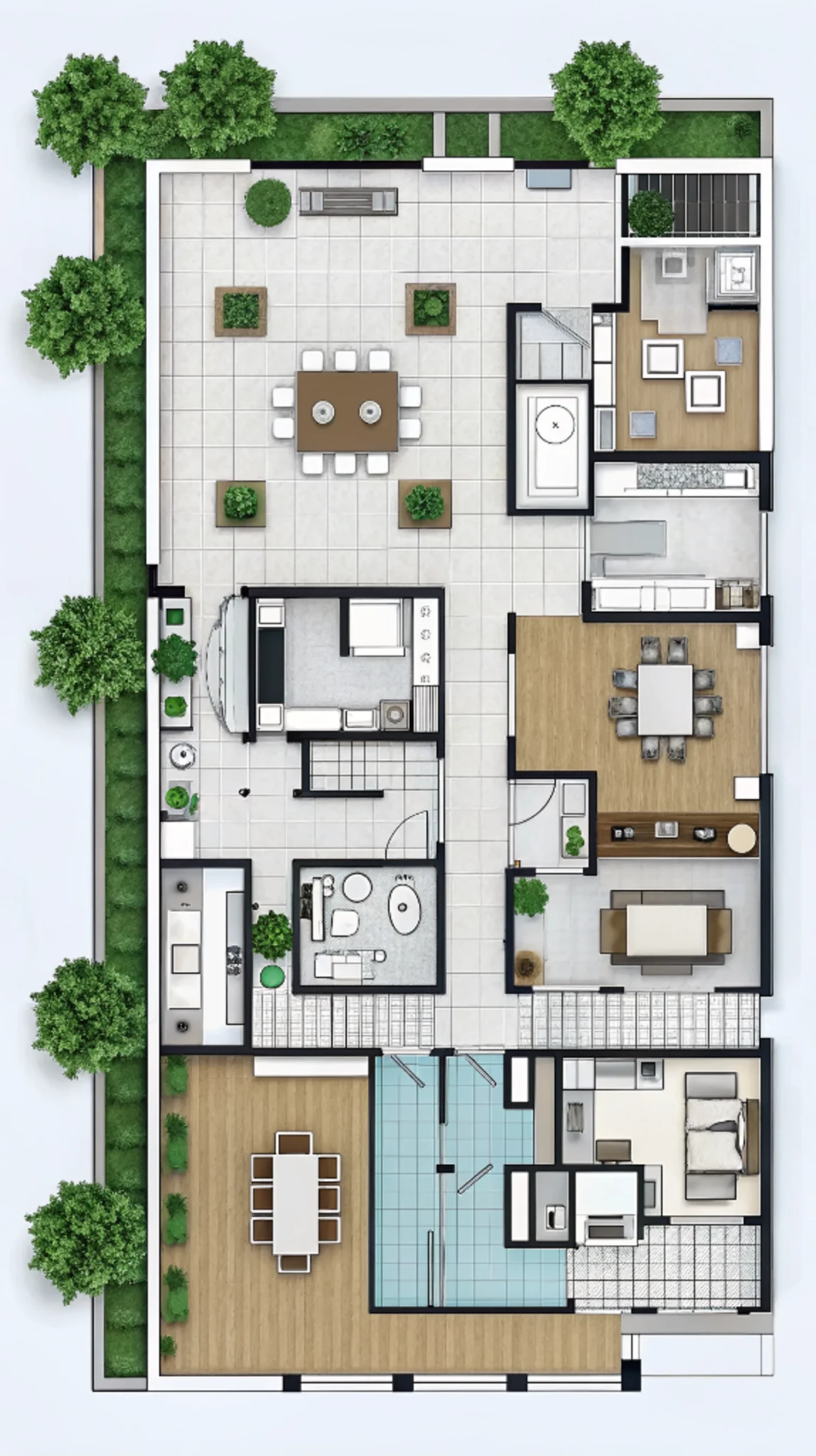
Different zones of a home demand entirely different lighting strategies. Here is how to apply these fixtures effectively across your floor plan.
The Open-Concept Kitchen (Zoning with Light)
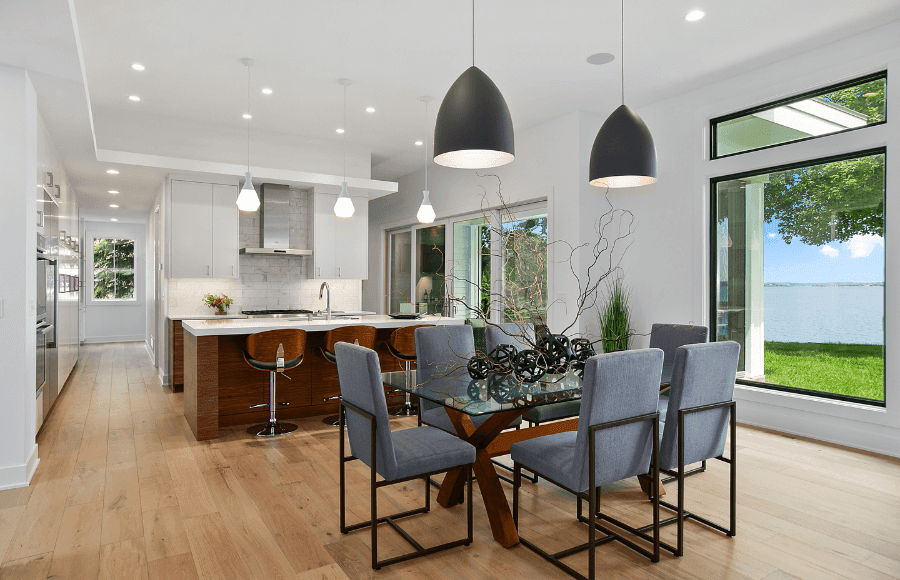
The open-concept kitchen is the most complex lighting environment in a modern home, and it is here that chandeliers and ceiling lights must work perfectly together. You cannot rely on just one type of fixture.
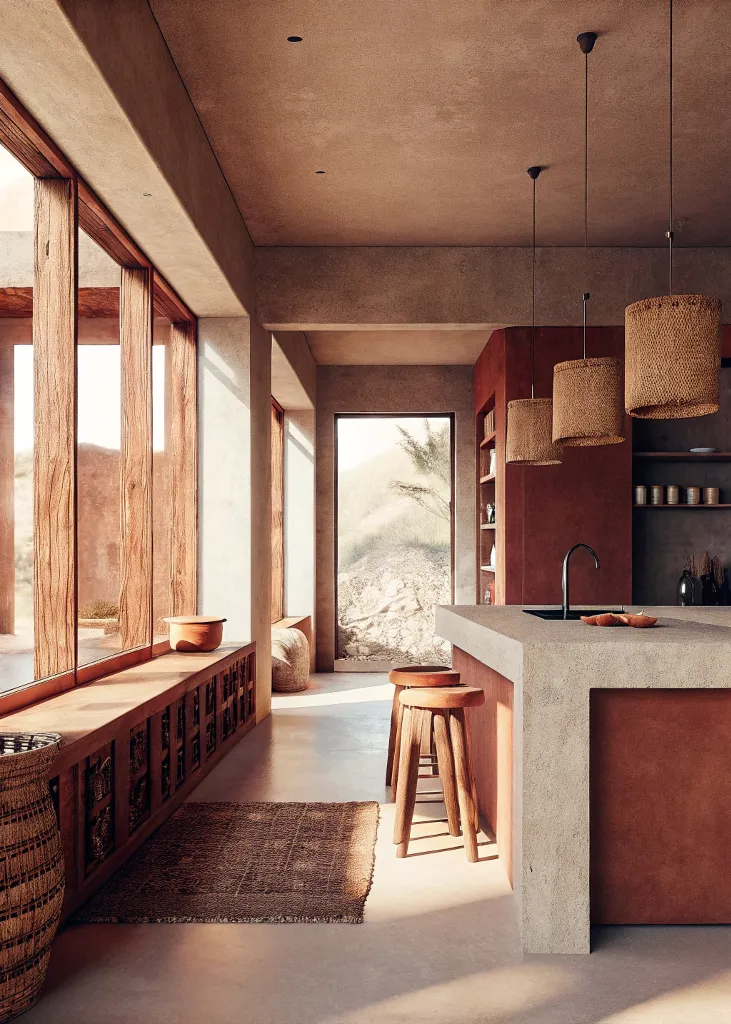
The kitchen island is the visual centerpiece and the primary work surface. This is the ideal location for a linear chandelier or a series of pendant lights. Hanging these fixtures over the island provides crucial task lighting while creating a visual boundary that separates the kitchen from the adjacent living area.
However, for the surrounding prep areas, stovetops, and walkways, suspended fixtures would be distracting and cast unwanted shadows. These perimeters must be illuminated by flush mount ceiling lights or recessed cans. In an open kitchen, the chandelier dictates the style, while the ceiling lights handle the utility.
Related article: Top 10 Open Kitchen Living Room Ideas – Modern Layouts for Small & Large Spaces
Dining and Living Rooms
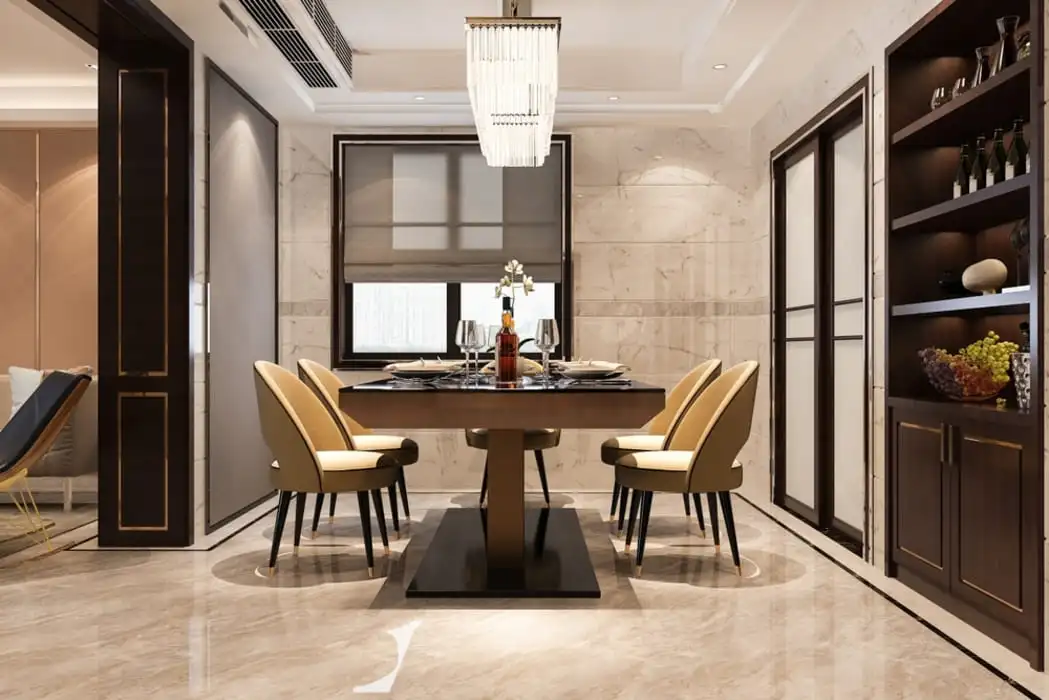
The dining room remains the traditional home of the chandelier. Because the space directly beneath the fixture is occupied by a table, you do not need to worry about the 7-foot walk-through rule.
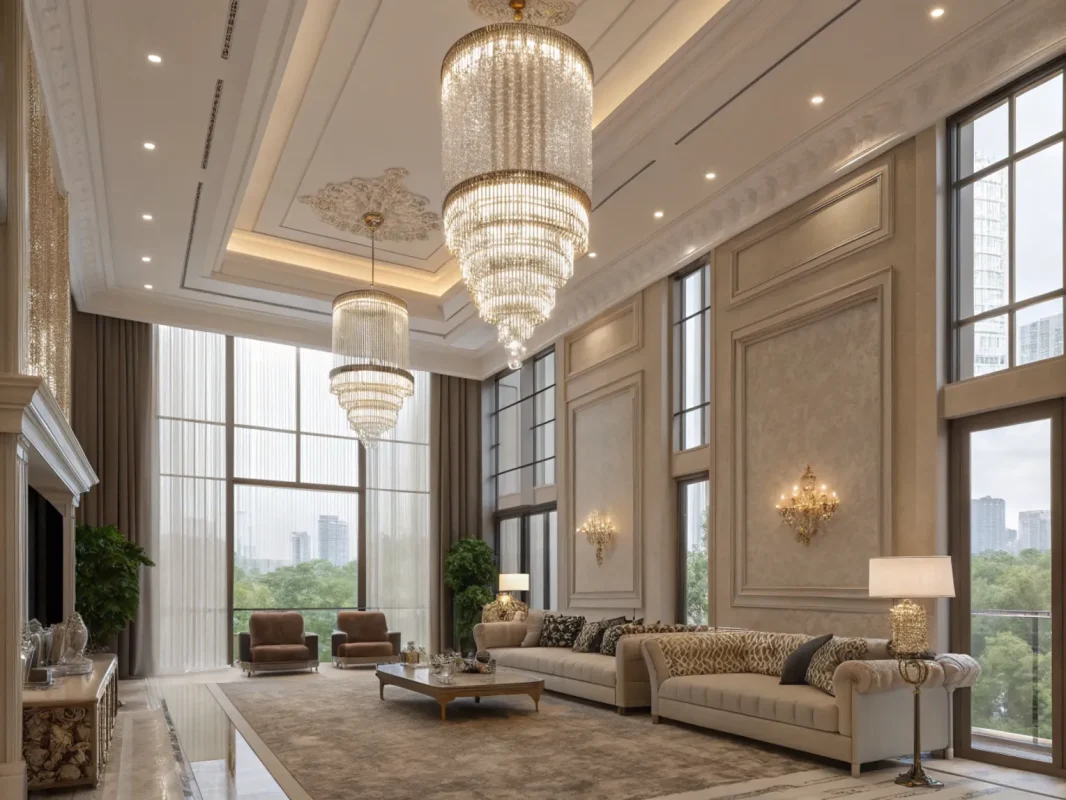
A standard industry practice is to hang the chandelier so the bottom sits 30 to 36 inches above the dining tabletop, creating an intimate, gathered atmosphere. In living rooms with vaulted or double-height ceilings, a large, tiered chandelier is essential for filling the empty vertical void and bringing the scale of the room down to a comfortable human level.
Related article: Top Practical Lighting Ideas to Brighten Your Small Living Room
Hallways, Closets, and Low-Ceiling Bedrooms
In high-traffic transition areas and enclosed functional spaces, efficiency is key. Hallways and closets require unobstructed clearance. Flush mount ceiling lights are the best choice here, providing bright, widespread light that makes the space feel larger and easier to navigate.
Installation and Maintenance: Planning with Foresight
A fixture’s impact doesn’t end once the design is chosen; the realities of installation and long-term upkeep must be factored into your decision.
Installation Realities
From a contractor’s perspective, not all lights are created equal. A standard flush-mount ceiling light can usually be wired into a standard electrical box in a matter of minutes.
Conversely, large, heavy chandeliers (particularly brass or crystal models) often require heavy-duty junction boxes and sometimes additional wooden blocking installed between the ceiling joists for structural support. For homeowners, this means that specifying complex chandeliers will inevitably increase the electrician’s labor hours and your overall installation budget.
Long-Term Maintenance and Cleaning
Chandeliers are beautiful, but they are also highly effective dust collectors. If you are specifying a complex, multi-tiered chandelier for a two-story foyer, you must consider how it will be cleaned.
Changing a bulb or dusting crystal prisms 15 feet in the air requires scaffolding or a specialized tall ladder. If the homeowner prefers a low-maintenance lifestyle, a sleek semi-flush ceiling light with an enclosed shade is a much more practical alternative, requiring nothing more than a quick wipe down.
Streamlining Your Lighting Procurement with George Solution
The most significant challenge when designing a space that utilizes both chandeliers and ceiling lights is ensuring visual consistency. Mixing a brushed brass chandelier in the kitchen with a slightly different tone of gold ceiling light in the adjacent hallway creates a jarring disconnect that cheapens the entire build.
At George Solution, we operate as your single-source procurement partner to eliminate these exact headaches. By sourcing your complete lighting package through our manufacturing hubs, you ensure that every fixture—from the statement chandelier to the hallway flush mounts—shares identical metal finishes and design languages.
For contractors and builders, consolidating your lighting order with us means simplified logistics, guaranteed color matching, and the assurance that all fixtures are wired to meet your specific regional voltage and compliance standards (110V/220V). Whether your project demands the grandeur of custom chandeliers or the sleek utility of modern ceiling lights, we deliver the complete, cohesive system directly to you.
Frequently Asked Questions (FAQ)
Can I install a chandelier in a room with an 8-foot ceiling?
Generally, no, unless the chandelier is installed directly over a piece of furniture like a dining table or a kitchen island where people will not walk underneath it. If it is in a walkway or open living area, building safety guidelines require a minimum clearance of 7 feet from the bottom of the fixture to the floor. For an 8-foot ceiling, a flush or semi-flush ceiling light is the appropriate choice.
What is the main difference in installation requirements between a chandelier and a ceiling light?
The primary difference is structural support. Most flush mount ceiling lights are lightweight and can be installed into a standard electrical junction box. Chandeliers, particularly those made of brass, iron, or crystal, are heavy and typically require a heavy-duty, reinforced junction box securely mounted to the ceiling joists to safely support the weight.
Do chandeliers and ceiling lights in an open-concept space need to match exactly?
They do not need to be the exact same style or shape, but they must share a cohesive design language. The most critical factor is ensuring that the metal finishes (such as matte black, brushed nickel, or aged brass) match perfectly across all fixtures. Mixing different tones of the same metal can create an unintentional, mismatched look that compromises the overall design.