

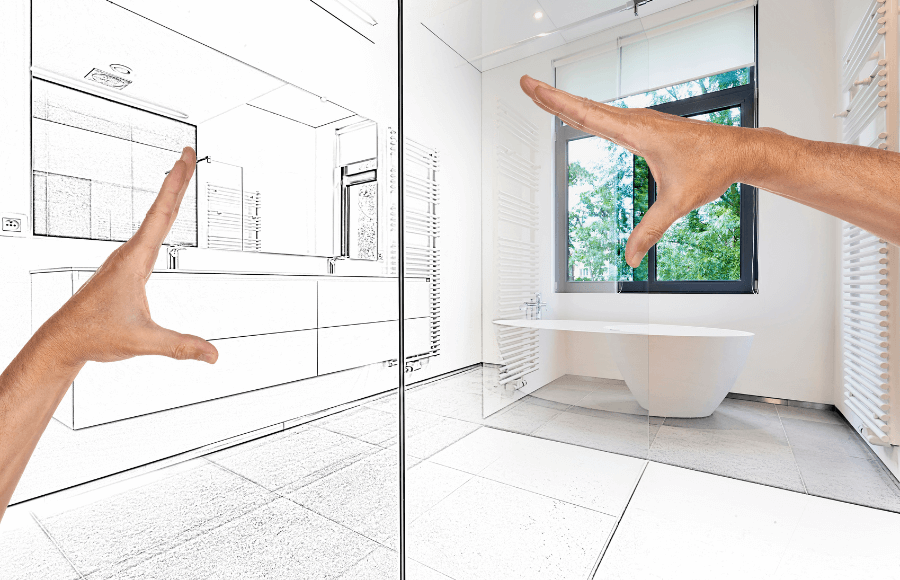
Whether you are a homeowner dreaming of a spa-like primary suite, an interior designer drafting a proposal, or a contractor preparing a bid, the big question is always the same: How much is this actually going to cost?
In 2026, the average bathroom remodel costs $16,500, with most projects falling between $12,000 and $28,000. However, a small cosmetic refresh can cost as little as $5,000, while a high-end luxury overhaul can easily exceed $50,000.
Labor rates have risen globally due to a shortage of skilled trades (plumbers and electricians are in high demand), making smart material sourcing and precise planning the best ways to keep your budget under control.
This detailed guide breaks down costs, explains key factors influencing expenses, offers budgeting tips, and provides real-life examples, helping you plan effectively and maximize your home’s value.
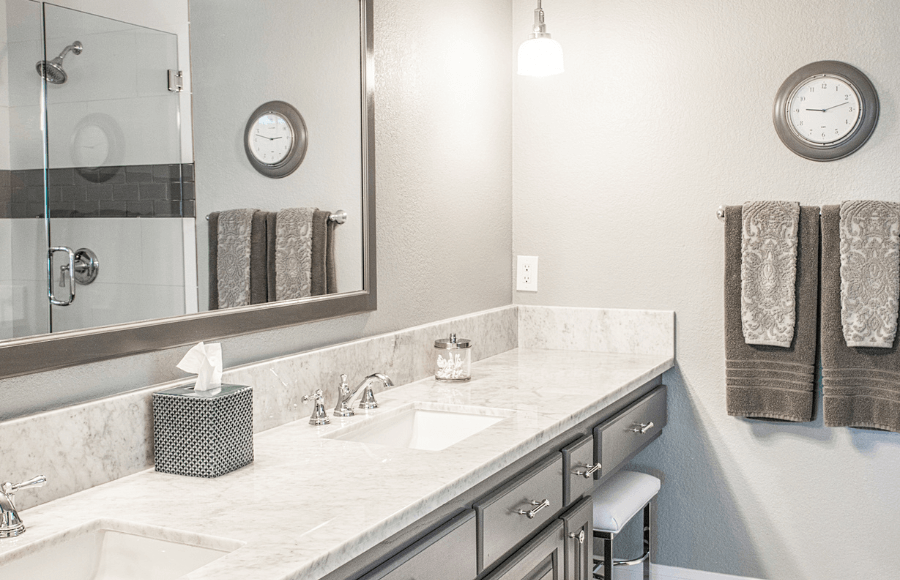
2026 Average Costs by Project Tier
The scope of your project determines where your budget goes. Understanding these three tiers helps you align your expectations with your financial goals:
1. The Budget Refresh ($5,000 – $10,000)
If your bathroom has a solid layout but just looks dated, a cosmetic refresh is your best bet. You keep all your plumbing fixtures in their exact current locations and focus strictly on surface updates.
- What you get: A fresh coat of paint, updated lighting, a new prefabricated vanity, and modern faucets.
- Ideal for: Guest bathrooms, powder rooms, or preparing a house for sale.
2. The Mid-Range Update ($16,000 – $28,000)
This is the “sweet spot” for most homeowners. It replaces older fixtures with durable, high-quality materials without knocking down walls or relocating plumbing lines. This tier also offers the highest Return on Investment (ROI)—typically recouping 70% to 80% of its cost at resale.
- What you get: A high-quality vanity with a stone countertop, a new porcelain tile floor, a custom glass shower enclosure to replace an old tub, and a modern wall-mounted or dual-flush toilet.
- Ideal for: Family bathrooms or primary bathrooms that need a serious durability upgrade.
3. The Luxury Custom Overhaul ($30,000 – $60,000+)
This level involves stripping the bathroom down to the studs, rearranging the layout, and installing premium materials.
- What you get: A larger room footprint, a custom tiled walk-in wet room, a freestanding soaking bathtub, radiant floor heating, custom double vanities, and smart features like digital shower controls.
- Ideal for: High-end primary suites, luxury home builds, or boutique commercial projects.
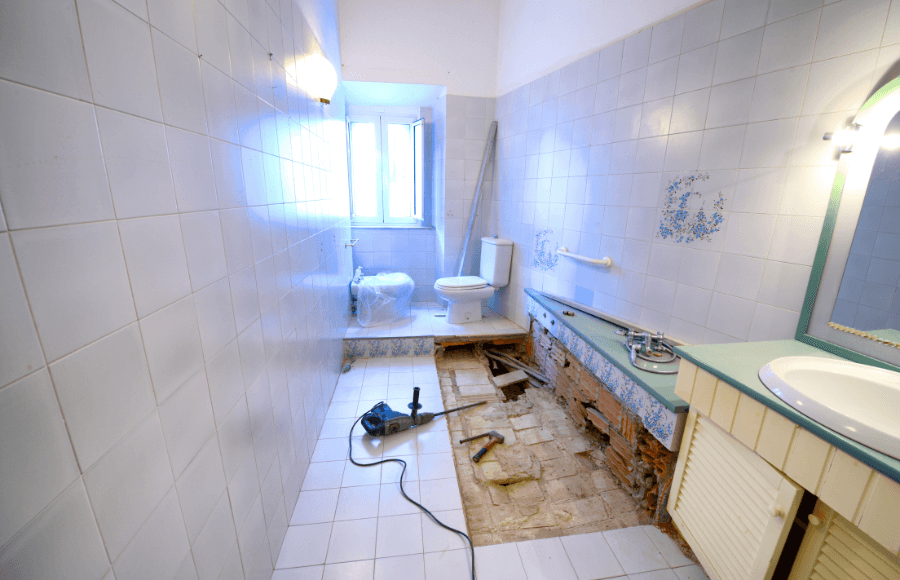
Bathroom Remodel Cost by Size
Size dictates how much material you need and how many hours of labor it takes to install. On average, a professional bathroom remodel costs between $180 and $350 per square foot.
| Bathroom Type | Average Size | 2026 Cost Range | Smart Budget Strategy |
| Half Bath / Powder Room | 15 – 30 sq. ft. | $3,000 – $8,500 | Splurge on a beautiful wash basin and bold accent wallpaper. |
| Standard Full Bathroom | 40 – 60 sq. ft. | $12,000 – $22,000 | Stick to a standard shower-tub combo to save on tile labor and plumbing costs. |
| Master / Primary Suite | 80 – 150+ sq. ft. | $25,000 – $60,000+ | Direct Sourcing: Buying custom vanities and stone direct from a manufacturer cuts out local retail markups. |
Related article: Small Bathroom Remodel Ideas: Layouts & Tips to Maximize Space
Where Does the Money Go? (Materials vs. Labor)
To budget effectively, you need to know how your funds are split. In a typical mid-range remodel, labor accounts for roughly 40% to 60% of the total cost, while materials make up the remaining 40% to 60%.
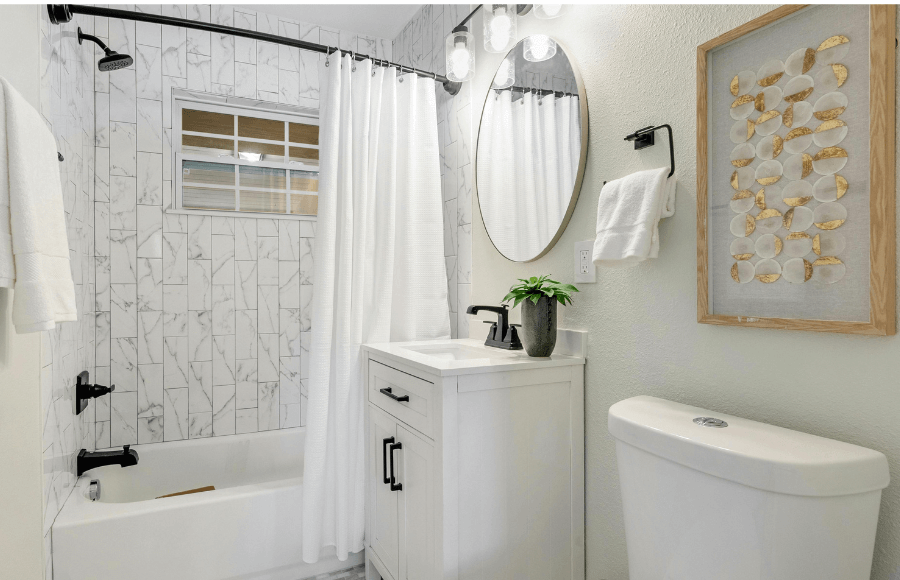
Budget Allocation Table
| Project Element | Budget Percentage | Average Cost |
| Labor (Plumbing, Electrical, Tiling) | 40% – 60% | $6,000 – $15,000 |
| Cabinetry & Vanities | 10% – 20% | $1,500 – $3,500 |
| Fixtures (Shower, Tub, Toilet, Faucets) | 10% – 15% | $1,500 – $4,500 |
| Tile & Flooring | 10% – 15% | $1,000 – $3,500 |
| Lighting, Paint & Vent Fans | 5% – 7% | $500 – $1,500 |
| Demolition, Permits & Design | 5% – 10% | $1,000 – $2,500 |
1. Cabinetry & Vanities (10% – 20%)
Your vanity is the focal point of the dry zone. While cheap box-store units are budget-friendly ($200–$600), they rarely stand up to long-term humidity. Investing in a custom bathroom vanity ($1,500–$3,500) ensures moisture-resistant materials and maximizes storage.
2. Fixtures & Wet Zones (10% – 15%)
Upgrading your bath, shower, and toilet is where design meets daily function.
- Showers & Tubs: Swap a dated alcove tub for a sleek, freestanding custom bathtub or a spacious walk-in shower with clear glass walls.
- Toilets: Modern wall-mounted toilets hide the water tank behind the drywall, instantly reclaiming valuable floor space.
3. Tiles & Flooring (10% – 15%)
Tile costs depend heavily on complexity. Large-format porcelain tiles ($5–$15 per sq. ft. installed) are classic, durable, and cost-effective. Intricate patterns or natural stone like marble ($15–$30+ per sq. ft. installed) require significantly more time and precision from your tiler, driving up labor costs.
Related article: Polished vs. Glazed Porcelain Tiles for Commercial & Luxury Builds
Real-Life Case Studies And Budget Examples
Consider a homeowner who transformed a modest 5×7 bathroom on a $15,000 budget. They focused on updating the shower, repainting walls, and installing a modern vanity, achieving a refreshed look without a full gut renovation.
Another example is a master bathroom remodel where a family invested $40,000. By incorporating custom cabinetry, premium tiling, and a luxurious soaking tub, they created a spa-like retreat that also boosted their home’s market appeal.
Real-life examples like these help you visualize different renovation options. Budgeting wisely means choosing upgrades that deliver the best return on investment while meeting your personal style and functional needs.
3 Hidden Costs That Can Blow Your Budget
No matter how carefully you plan, bathrooms are notorious for hiding surprises behind the walls. Always set aside a 10% to 20% contingency fund to handle these common issues:
- Water Damage & Mold: Once the old tub or tile is pulled out, contractors frequently discover rotted subfloors or drywall framing caused by slow, unnoticed leaks. Repairing this structural damage is essential before installing new materials.
- Rerouting Plumbing Lines: Want to move the toilet to the opposite wall or turn a tub into a walk-in shower? Moving major drains means cutting into the concrete slab or structural joists, which can add $1,000 to $3,000 in labor costs alone.
- Upgrading Electrical Systems: Older homes often lack the wiring capacity required for modern features like heated towel racks, LED-lit mirrors, or powerful ventilation fans. Bringing your bathroom up to modern electrical safety codes can add several hundred dollars.
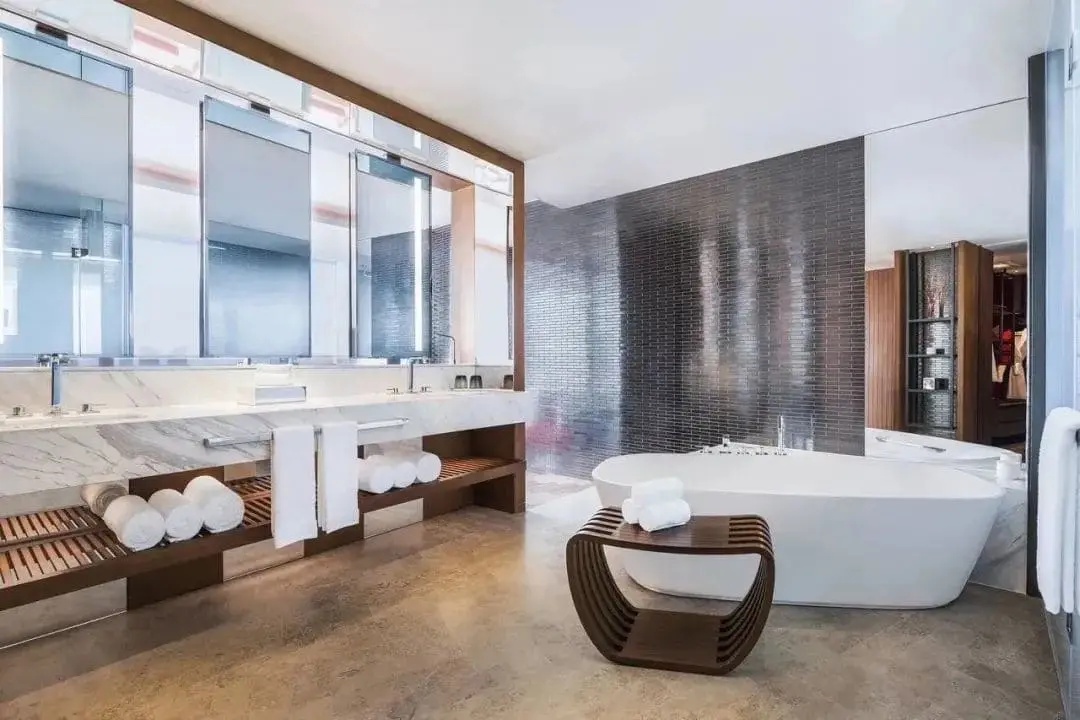
How to Save Money Without Sacrificing Style
You don’t need a massive budget to get a beautiful, high-end look. Here are three practical ways to stretch your dollar:
- Keep Your Layout Intact: The moment you keep your toilet, shower, and sink in their original positions, you eliminate the need for expensive structural plumbing work.
- Mix “Saves” with “Splurges”: Use budget-friendly, large-format tiles for the main walls, but splurge on a gorgeous mosaic tile for your shower niche or vanity backsplash.
- Go Factory-Direct for Materials: Whether you are a homeowner managing your own project or a contractor running multiple job sites, buying your custom vanities, flooring, and fixtures direct from a global building materials partner like George Solution cuts out the middleman markup. This allows you to get luxury materials at a fraction of local retail showroom prices.
Frequently Asked Questions
How long does a typical bathroom remodel take?
A cosmetic update can be completed in 1 to 2 weeks. A full, mid-range to high-end bathroom remodel typically takes 4 to 8 weeks, depending on whether you are relocating plumbing, waiting for custom materials, or scheduling structural inspections.
Can I remodel a bathroom for under $5,000?
Yes, but you will need to do some of the work yourself. A $5,000 budget is perfect for a cosmetic refresh: paint, new faucets, updating the vanity, and swapping out the lighting while keeping the existing layout, flooring, and tub intact.
What is the most expensive part of a bathroom remodel?
Labor (especially specialized trade work like plumbing and electrical) and custom wet-zone installations (like custom tiled walk-in showers) are almost always the most expensive parts of a bathroom remodel, typically accounting for half of the total budget.
Get a Personalized Solution for Your Project
Planning a bathroom remodel is a balancing act between aesthetics and budget. At George Solution, we help homeowners, designers, and contractors bridge that gap. We offer direct-to-site sourcing for high-quality, fully customizable bathroom vanities, sanitary ware, shower glass, and custom bathtubs.
Ready to make your budget go further? Contact our design team today to discuss your project requirements and receive a customized material estimate.