

When a bathtub shows signs of structural fatigue, floor flexing, or water leakage, replacement transitions from a cosmetic upgrade to an urgent necessity. However, researching the cost of this project often yields confusing, contradictory numbers—ranging from a $1,500 weekend job to a $10,000+ major remodel.
Both figures can be accurate, depending entirely on the project’s scope. Replacing a bathtub is rarely just a product purchase; it is an integrated construction process involving demolition, plumbing, structural leveling, and waterproofing.
This guide breaks down the true cost of bathtub replacement in 2026, detailing where your budget goes and how to navigate unforeseen site conditions like a professional.
The 2026 Reality Check: Establishing Your Baseline Budget
Before evaluating specific materials, it is essential to understand the overall financial commitment. Residential bathtub replacements generally fall into three distinct project tiers:
- Tier 1: Direct Replacement (Like-for-Like): $2,000 – $3,500
- Tier 2: Comprehensive Replacement (Tub & Surround Rebuild): $4,000 – $7,500
- Tier 3: Structural Remodel & Premium Installations: $8,000 – $15,000+
Industry Insight: The bathtub itself typically accounts for only 20% to 40% of the final invoice. The majority of your budget is allocated to skilled labor—ensuring proper mortar bedding, leak-proof plumbing connections, and code-compliant waterproofing.
Defining the Scope: Which Project Tier Are You In?
To accurately evaluate a contractor’s quote, you must first define the architectural scope of your project.
Tier 1: Direct Replacement ($2,000 – $3,500)
This approach minimizes labor by working within the existing architectural footprint. The contractor removes a standard 60-inch alcove tub and installs a new model of identical dimensions.
- The Process: Plumbing lines remain in their original positions. The existing wall tile is preserved, requiring only minimal patching and recaulking at the seams.
- Best Application: Rental properties, guest bathrooms, or cosmetic updates where the existing waterproofing and plumbing are fully intact.
Tier 2: Comprehensive Replacement ($4,000 – $7,500)
Removing an old tub frequently compromises the bottom row of wall tiles or the drywall behind it. This tier expands the scope to include a full wall tear-out down to the wooden studs.
- The Process: Includes installing new cement backer boards, applying liquid waterproofing membranes, and executing new tile or wall panel installations. Shower mixing valves are typically upgraded simultaneously.
- Best Application: Primary bathrooms requiring a modern aesthetic update and a guaranteed, long-term waterproof barrier.
Tier 3: Structural Remodel ($8,000 – $15,000+)
This tier involves major mechanical or structural alterations, such as transitioning from a built-in alcove tub to a freestanding centerpiece, or installing accessible walk-in units.
- The Process: Requires rerouting drain and water supply lines, running dedicated electrical circuits for jetted or heated systems, and potentially reinforcing floor joists to support heavier materials.
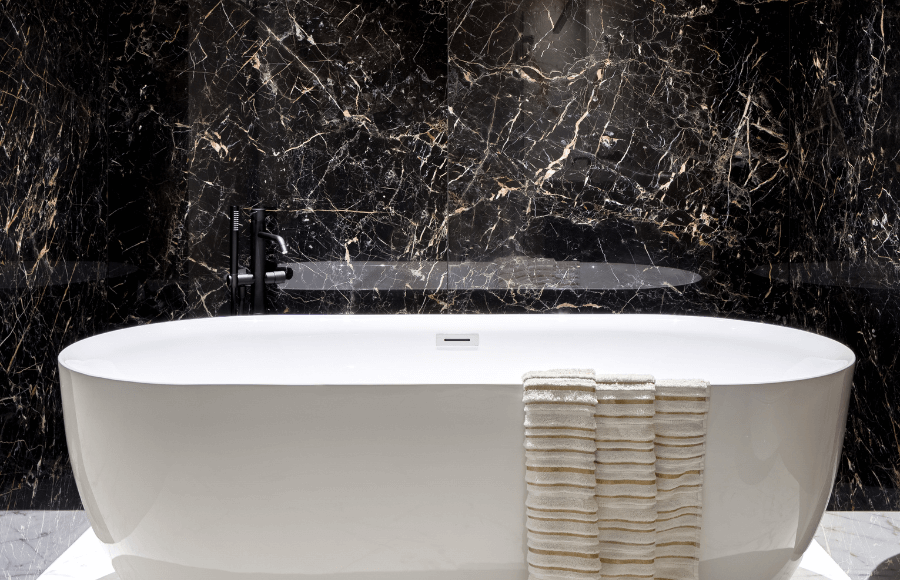
Itemized Cost Breakdown: Allocating Your Budget
When reviewing a professional estimate, it is helpful to understand the specific line items that drive the total cost. Here is a realistic breakdown for a standard Tier 2 comprehensive replacement:
| Expense Category | Typical Range (2026) | Engineering & Labor Details |
| Demolition & Haul-Away | $250 – $900 | Safe extraction of the old unit, floor protection protocols, and municipal disposal fees. |
| The Bathtub Unit | $300 – $3,000+ | Material cost (varies significantly between acrylic, steel, and cast iron). |
| Plumbing Modifications | $400 – $1,900 | Realigning the drain/overflow assembly and installing modern shower valves. |
| Installation & Setting | $1,000 – $2,500 | Mixing and pouring a mortar bed, leveling the tub, and securing flanges to the studs. |
| Waterproofing & Finishes | $800 – $3,500+ | Installing backer boards, liquid membranes, custom tile laying, and grouting. |
How Design Dictates Installation Complexity
The architectural style of your bathtub doesn’t just change the look of your room—it completely dictates the labor involved.
Swapping a tub that slides into an existing wall pocket is a completely different job than placing a standalone tub in the center of the room. Here is a realistic look at how your design choice drives the final invoice.
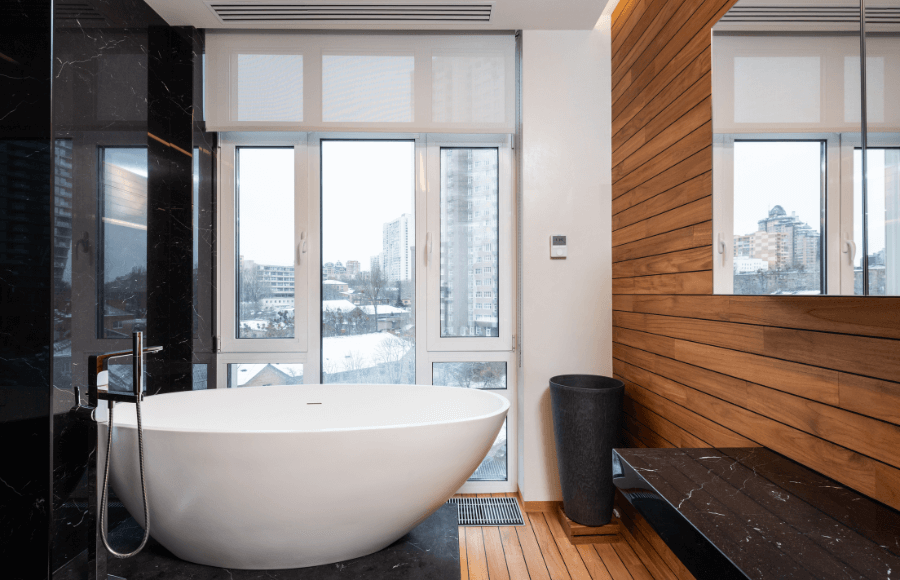
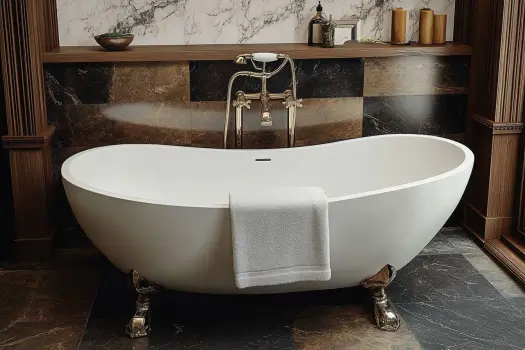
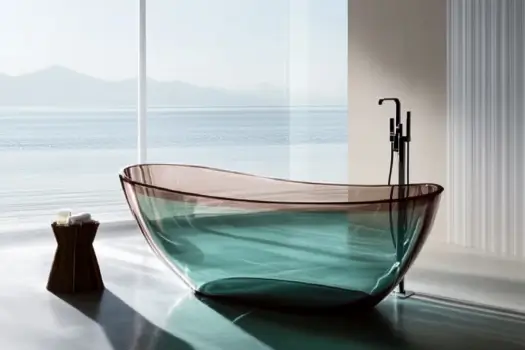
Alcove Bathtubs: The Standard Workhorse
If your primary goal is to control costs and avoid major construction, the classic alcove bathtub is your best option. These units typically run between $2,000 and $6,000 fully installed. The reason this stays relatively affordable is structural efficiency.
Alcove tubs are designed to fit tightly within a three-wall enclosure and have integrated nailing flanges that attach directly to your wall studs. More importantly, the plumbing in most homes is already engineered for this exact 60-inch footprint.
Because we rarely have to relocate the drain or supply lines, your budget goes exactly where it should: the tub unit itself, professional leveling, and a clean, waterproof wall surround.
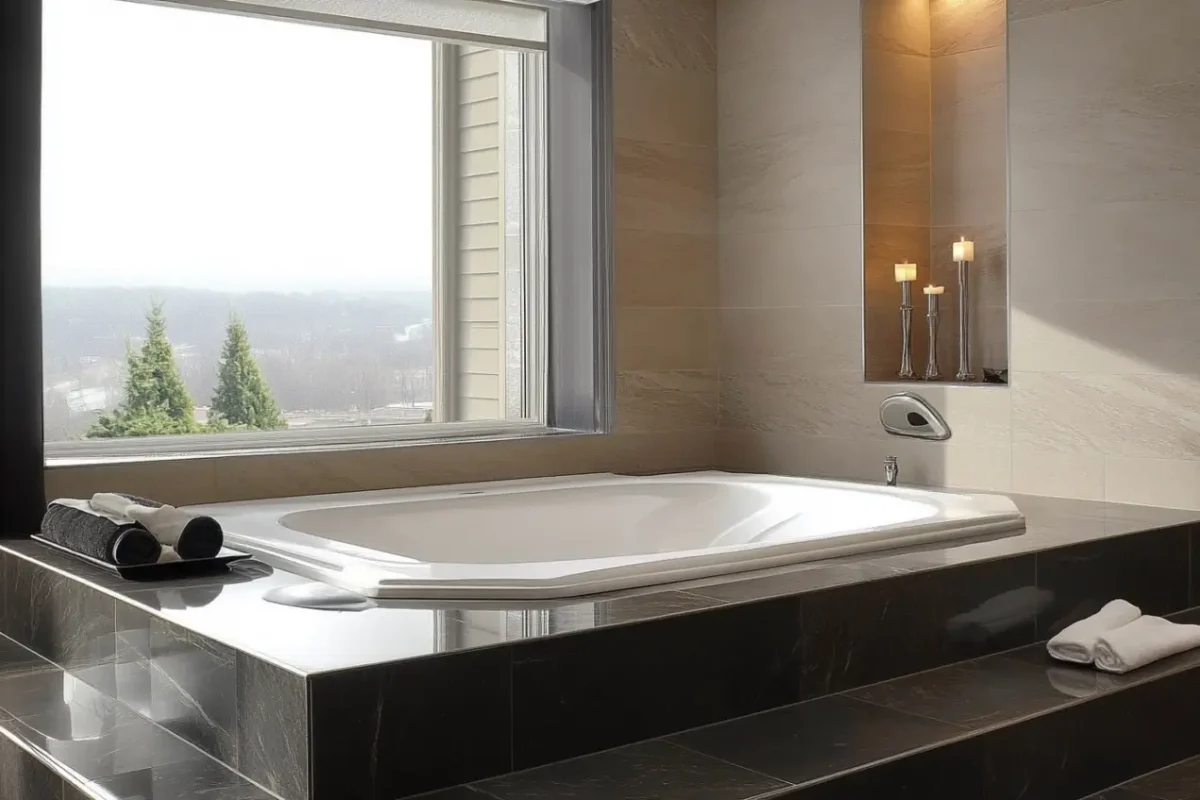
Drop-In & Undermount Bathtubs: The Custom Build
These systems consist of a tub shell dropped into a custom-built structural deck, usually finished with tile or stone countertop materials. For this setup, you should expect an installed cost of $3,500 to $7,500+. While the acrylic or cast-iron shell itself might not be unusually expensive, you are paying for multi-trade coordination.
It takes a finish carpenter to build the weight-bearing frame, a plumber to set the deep waste and overflow lines, and a tile setter or stone fabricator to waterproof and finish the deck. We also have to frame in a hidden access panel to meet building codes, ensuring we can reach the plumbing if a leak ever occurs.
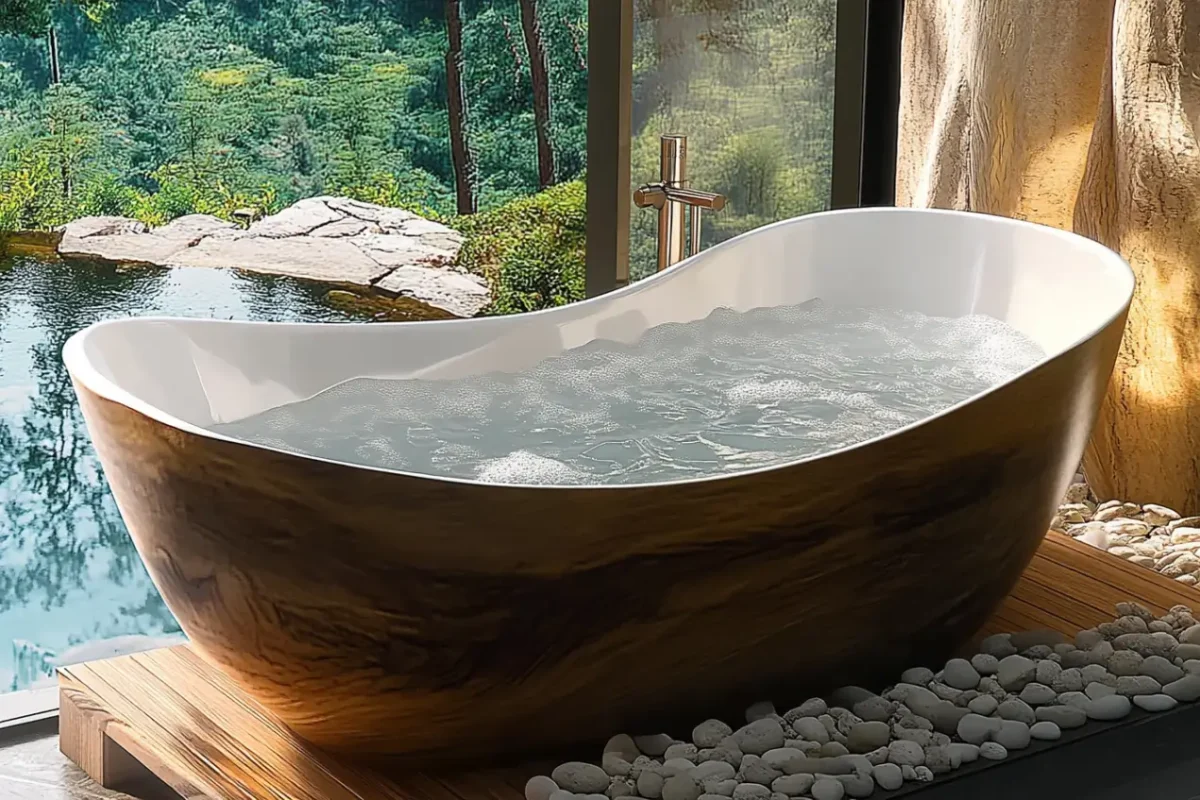
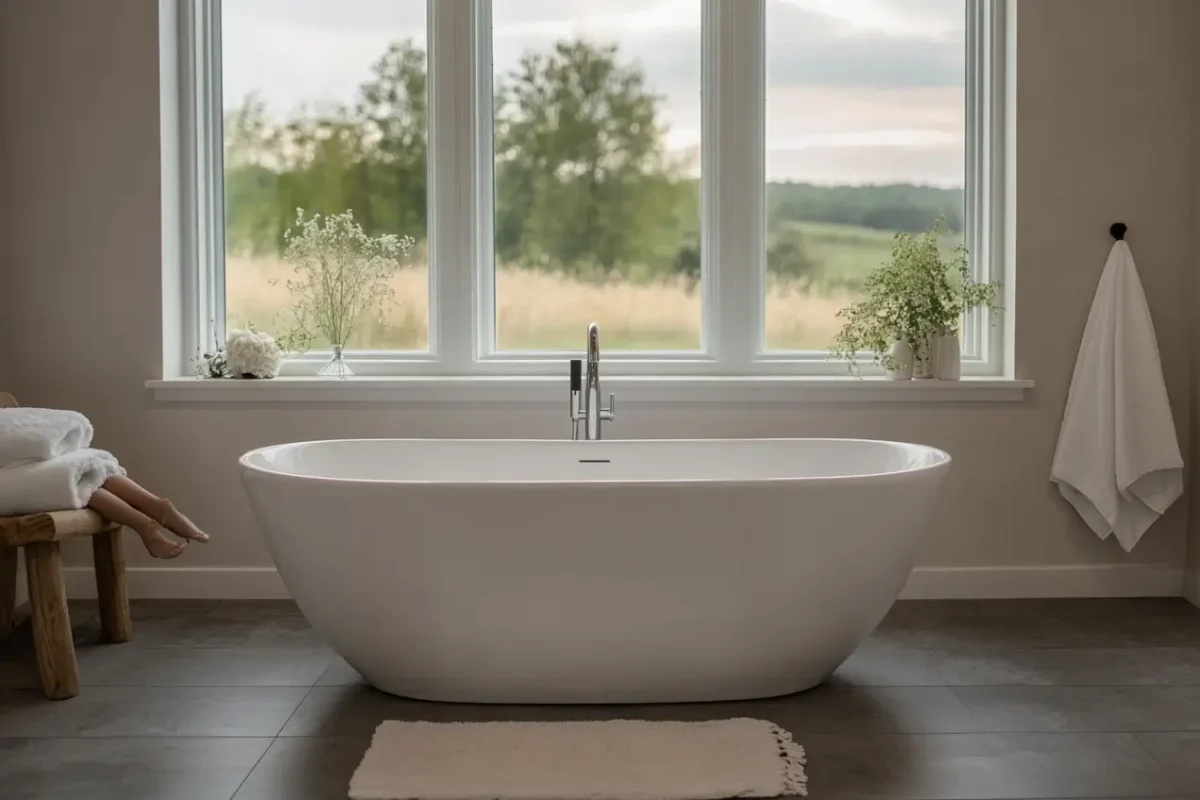
Freestanding Bathtubs: The Premium Focal Point
Freestanding tubs are gorgeous architectural centerpieces, but transitioning to one will typically push your total project cost into the $4,000 to $10,000+ range. Unlike alcove units, they do not anchor to a wall.
To make a freestanding tub work, we have to open up your subfloor and completely reroute the drain and water lines so they rise vertically beneath the unit. This requires highly precise rough-in plumbing, often using specialized island tub drains.
You also have to factor in physical space—these tubs demand at least three to four inches of clearance on all sides for maintenance and cleaning, meaning they require a larger bathroom footprint.
Walk-In & Jetted Spa Tubs: The Mechanical Upgrades
When you move into jetted spa tubs or accessible walk-in models, you are no longer just installing a porcelain basin; you are installing heavy, highly mechanical appliances. Total costs here generally range from $8,000 to $15,000+.
Jetted systems require a licensed electrician to run a dedicated, GFCI-protected circuit to power the water pumps safely. Walk-in tubs present their own unique challenges: their deep basins hold significantly more water, which often forces homeowners to upgrade their water heater capacity.
Furthermore, because filling these tubs creates massive point loads on your floor, we frequently have to evaluate and reinforce the floor joists before the unit is even brought into the room.
Evaluating Bathtub Materials: Weight, Heat, and Durability
The material composition of the bathtub affects thermal retention, daily maintenance, and the labor required to maneuver it into the bathroom.
- Fiberglass ($200 – $800): An entry-level, lightweight option that keeps labor costs minimal. However, it is prone to surface scratching, can flex underfoot, and offers poor heat retention.
- Acrylic ($500 – $1,500): The optimal choice for most residential projects. Acrylic is lightweight, highly durable, and features a non-porous finish that retains heat well. Minor surface scratches can also be polished out.
- Enameled Steel ($300 – $900): Provides a rigid structure and a classic porcelain finish. The drawbacks include poor thermal retention and a higher susceptibility to chipping if heavy objects are dropped on the surface.
- Cast Iron ($600 – $2,500+): Unmatched in durability and heat retention. However, an empty cast iron tub can weigh upwards of 400 pounds. This necessitates a larger installation crew and may require structural floor reinforcement in older homes.
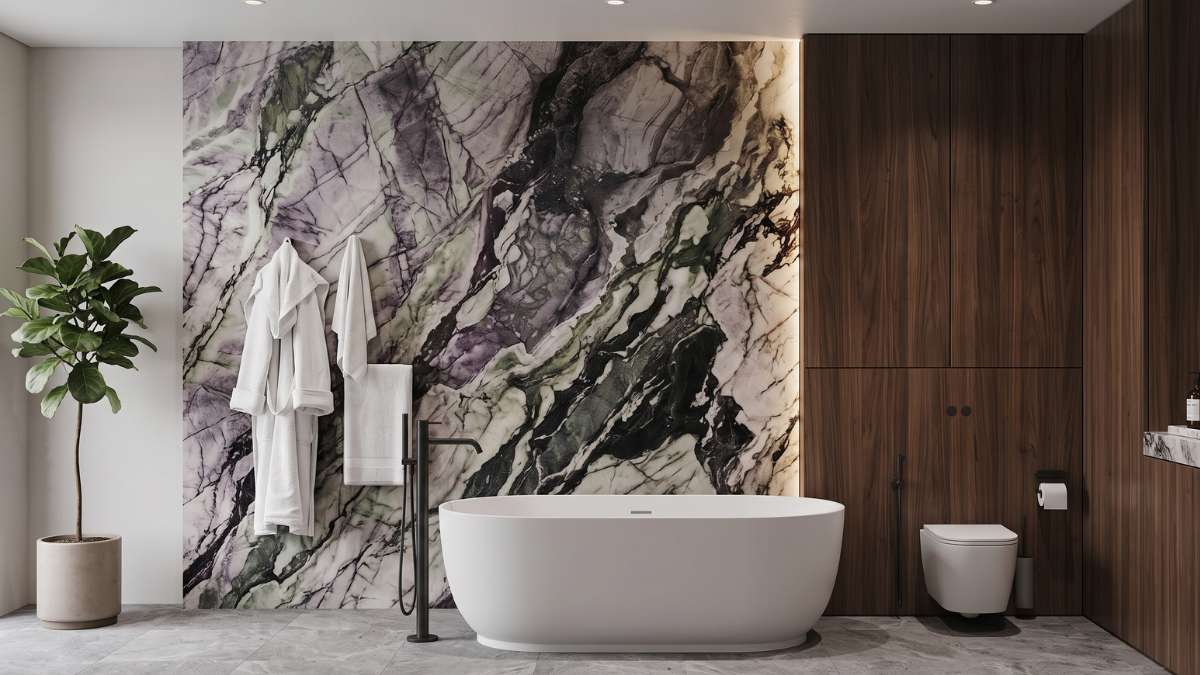
- Stone Resin / Composite ($1,200 – $3,500): Delivers the matte, luxurious feel of natural stone with excellent thermal properties. Like cast iron, it is exceptionally heavy and requires careful structural assessment prior to installation.
Anticipating Unforeseen Site Conditions
The most critical phase of a bathtub replacement occurs immediately after the old unit is removed. Contractors frequently uncover hidden issues that must be addressed before installation can continue.
- Subfloor Degradation ($300 – $1,200): Chronic, undetected leaks from old caulking or drains often compromise the plywood subfloor. Rotted wood must be replaced to provide a stable foundation for the new mortar bed.
- Mold Remediation ($450 – $3,000+): Moisture trapped behind failing grout lines can lead to mold growth on the wall studs, requiring professional remediation and lumber replacement.
- Code Compliance & Permits ($150 – $500): Altering plumbing valves or modifying electrical circuits typically requires pulling municipal permits and undergoing formal inspections.
Refinishing vs. Replacing: An Objective Comparison
For homeowners facing budget constraints, bathtub refinishing (reglazing) is often considered as an alternative.
At a cost of $400 to $800, a professional can sand the existing surface and apply a durable epoxy topcoat. This is an excellent, cost-effective solution for a cast iron or steel tub that is structurally sound but suffers from surface stains or an outdated color.
However, refinishing is purely cosmetic. If an acrylic or fiberglass tub is structurally compromised (e.g., flexing underfoot, showing stress cracks near the drain), refinishing will fail rapidly. In cases of structural degradation, full replacement is the only viable solution.
Related Article: What Is The Right Order of A Bathroom Renovation? (2026 Guide)
Strategic Approaches to Cost Control
You can effectively manage your project budget without compromising on structural integrity or waterproofing by adhering to these principles:
- Maintain the Existing Plumbing Layout: Relocating a drain by even a few inches requires cutting into floor joists or concrete slabs. Selecting a tub with a matching drain configuration (Left or Right) prevents costly mechanical rerouting.
- Utilize Prefabricated Wall Systems: Custom tile requires days of specialized labor. Modern, high-end acrylic or composite wall surrounds offer a seamless, watertight finish and can be installed in a fraction of the time.
- Upgrade the Valve Concurrently: If the wall cavity is open, invest the additional $150–$300 to install a new shower mixing valve. Replacing a failing valve later requires breaking through the finished tile.
Frequently Asked Questions
Is a licensed plumber required for a bathtub replacement?
If the project necessitates altering water supply lines, relocating the drain, or replacing the internal shower valve, a licensed plumber is strongly recommended (and often legally required by local code). For straightforward replacements, many licensed general remodeling contractors are qualified to handle the standard connections.
What is the standard timeline for completion?
A direct replacement utilizing an existing wall surround can typically be executed in 1 to 2 days. A comprehensive project involving demolition, new waterproofing membranes, and custom tile installation requires 3 to 5 business days to accommodate proper mortar and grout curing times.
Does replacing a bathtub provide a return on investment (ROI)?
Yes, particularly if the existing unit is damaged, stained, or actively leaking. Prospective homebuyers heavily scrutinize bathrooms for signs of water damage. A professionally installed, watertight bathtub eliminates significant buyer concerns and facilitates a smoother real estate transaction.