

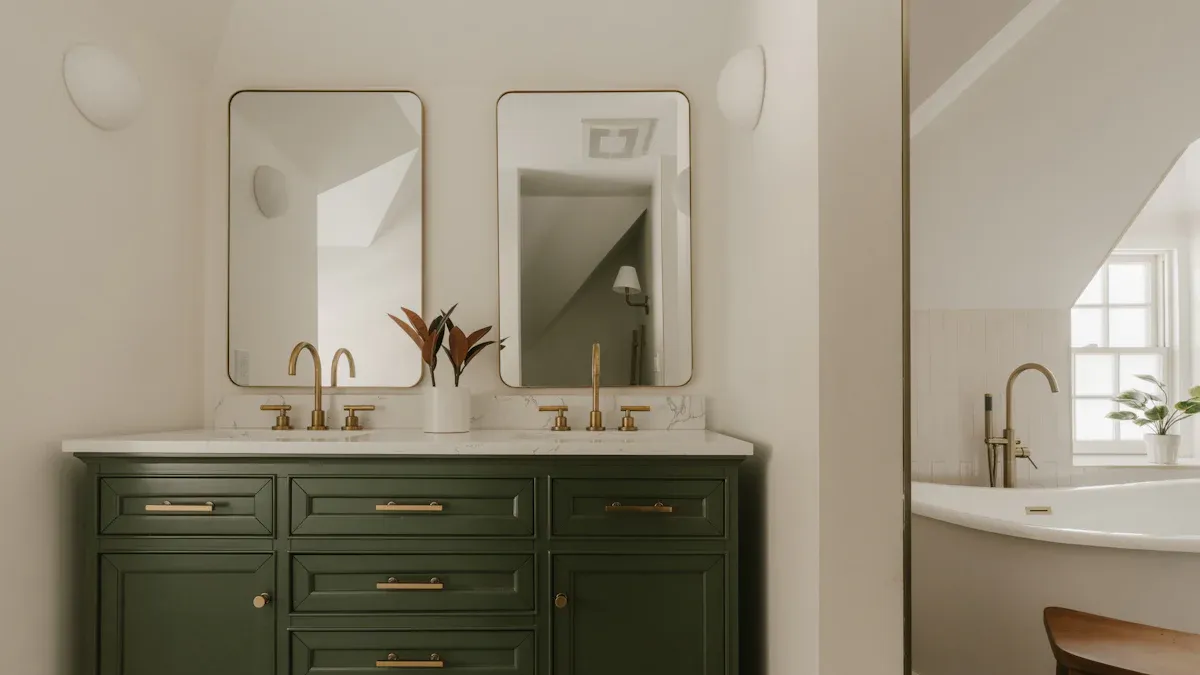
Homeowners often ask about the cost to install bathroom cabinets. In 2026, the national average price ranges from $288.00 to $842.00 for most homes. Several factors can change this price, including the type of cabinet, the materials chosen, labor rates, and the condition of the bathroom. Each project brings unique details that can raise or lower the final total.
Key Takeaways
- Expect to pay between $288 and $842 for bathroom cabinet installation, depending on factors like materials and labor.
- Consider the size and layout of your bathroom, as these can significantly affect the total cost of installation.
- Choose materials wisely; options like MDF and plywood offer durability without breaking the bank.
- Weigh the pros and cons of DIY versus professional installation to avoid unexpected costs and ensure safety.
- Look for bundling deals with contractors to save money on installation and related services.
Cost to Install Bathroom Cabinets
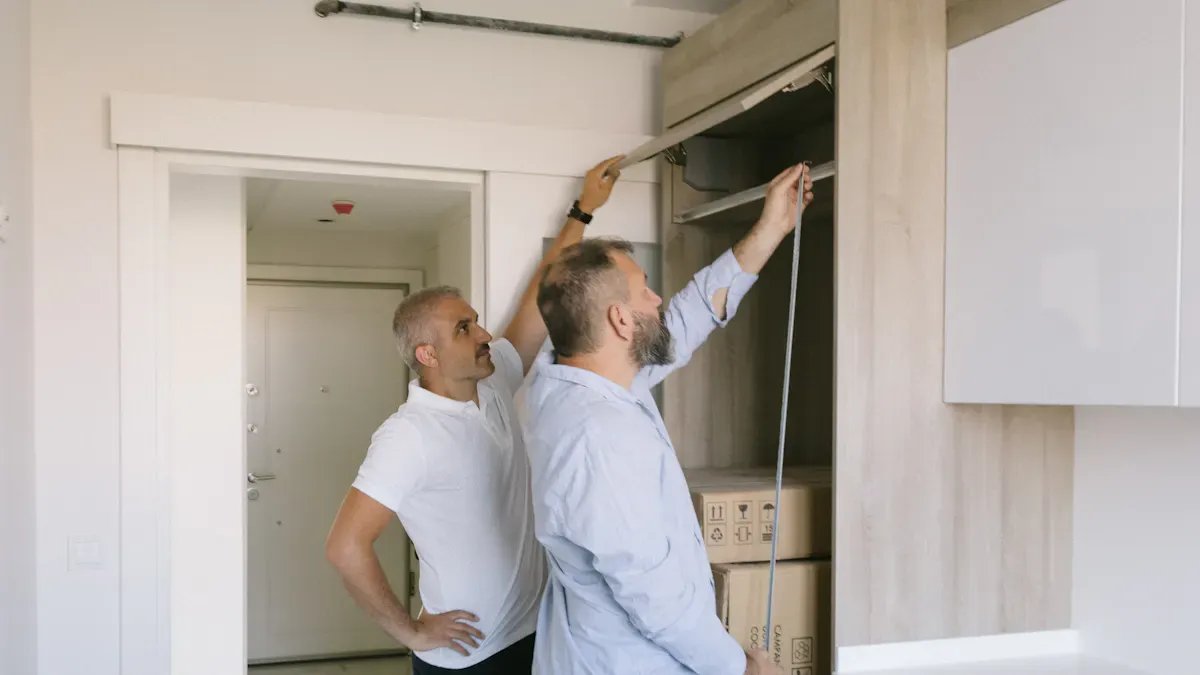
National Price Range
The cost to install bathroom cabinets can vary widely across the United States. In 2026, homeowners can expect to pay between $458 and $695 per cabinet for most standard projects. For a full bathroom remodel, the total cost to install bathroom cabinets typically ranges from $2,000 to $8,000. High-end or luxury projects, especially those involving custom work, can exceed $10,000. These numbers reflect both material and labor expenses.
Regional differences play a major role in the final cost to install bathroom cabinets. The following table highlights key factors that influence price based on location:
| Factor | Description |
|---|---|
| Labor Costs | Labor rates change by region, especially for licensed professionals like plumbers and electricians. |
| Material Availability | Urban areas may have better access to materials, while rural locations can face higher transportation costs. |
| Local Regulations | Permit fees and building codes differ by city, which can affect the time and cost of installation. |
| Cost-of-Living Trends | Areas with a higher cost of living often see increased contractor rates and overhead expenses. |
Note: Always check with local contractors for the most accurate estimate in your area.
Factors Influencing Cost
Several factors can impact the cost to install bathroom cabinets. Understanding these can help homeowners plan their budget more effectively.
- The size of the bathroom has a direct effect on the total cost to install bathroom cabinets. A small powder room may need only one cabinet, while a master bathroom could require several.
- The number of cabinets needed increases with bathroom size, which raises both material and labor costs.
- Complex layouts or unique bathroom shapes can make installation more challenging, leading to higher labor fees.
The type of bathroom cabinets chosen also plays a significant role in the overall cost:
- Materials matter. Budget-friendly laminates cost less, while solid wood or premium finishes increase the price.
- Larger bathrooms or those with more cabinetry will require more materials and time to install.
- Hardware and accessories, such as handles or soft-close hinges, can add up, especially if you select high-end options.
- Custom designs or unique features, like built-in organizers or specialty drawers, often require more labor and increase the installation cost.
- Labor and installation fees depend on the skill level required and any extra preparation, such as removing old cabinets or repairing walls.
When planning your project, consider all these factors to get a realistic idea of the cost to install bathroom cabinets. Each bathroom is unique, so the final price will reflect your specific choices and site conditions.
Bathroom Cabinet Types and Materials
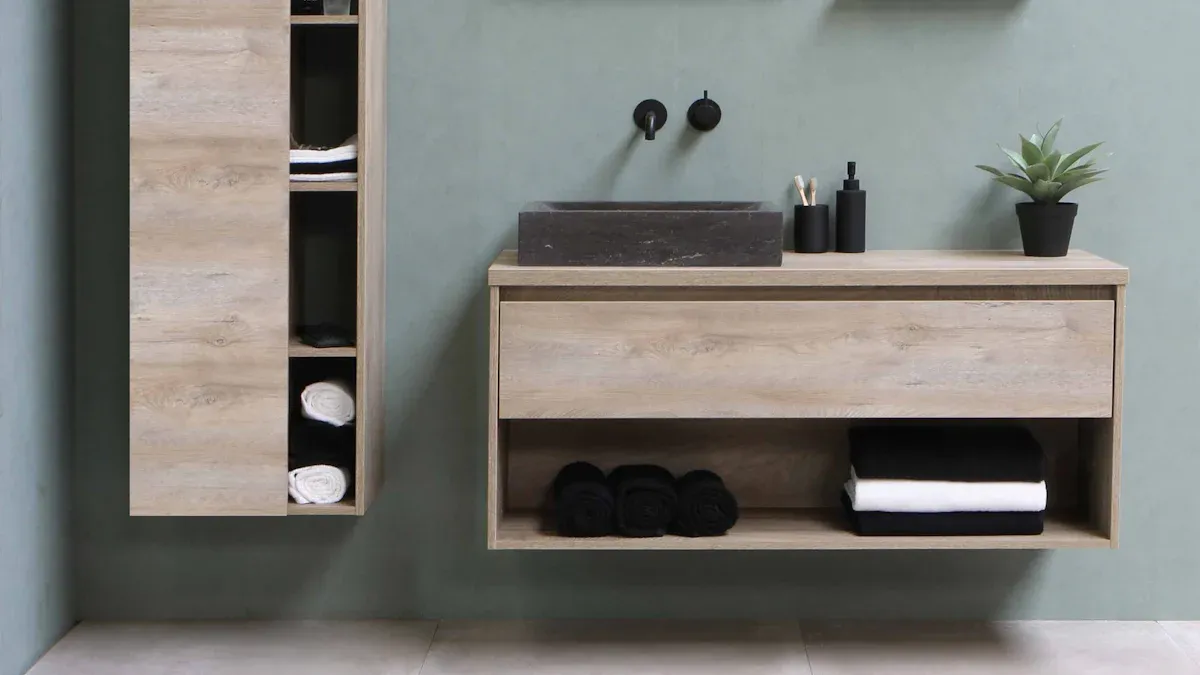
Stock Cabinets
Stock bathroom cabinets are the most affordable and widely available option. They come in standard sizes and styles, making them easy to find and quick to install. Prices usually range from $100 to $300 per linear foot. For a small, basic cabinet, the cost can be as low as $100, while high-end ready-made options may reach $1,500 or more. Stock cabinets are ideal for standard bathroom layouts and offer good value for most homeowners.
| Cabinet Type | Cost Range |
|---|---|
| Small basic cabinets | $100–$300 |
| Mid-range cabinets | $300–$800 |
| High-end ready-made | $800–$1,500+ |
| Typical 36-inch cabinet | $350–$700 |
Tip: Stock cabinets are easy to maintain and replace, but they offer limited customization and may use thinner materials like MDF or laminate.
Semi-Custom Cabinets
Semi-custom bathroom cabinets provide more flexibility in design and size. They cost between $600 and $2,000, sitting between stock and custom options. Homeowners can choose from a wider range of finishes, materials, and storage features. Semi-custom cabinets allow for incremental sizing and popular paint or stain finishes. They often use higher-quality woods like maple or oak, which improves durability. The installation process is smoother because these cabinets can be tailored to fit the bathroom more closely.
| Type of Cabinets | Price Range | Customization Level |
|---|---|---|
| Stock Cabinets | $100–$1,000 | Low |
| Semi-Custom Cabinets | $600–$2,000 | Medium |
| Custom Cabinets | $1,000–$15,000+ | Very high |
Custom Cabinets
Custom bathroom cabinets offer the highest level of personalization. The average cost in 2026 ranges from $15,000 to $50,000, depending on size, materials, and design complexity. Custom cabinets are built to fit any space and can include unique features, premium hardware, and specialty finishes. The installation of custom cabinets requires skilled labor and often takes longer due to the detailed work involved. These cabinets are best for homeowners who want a unique look or need cabinets for an unusual bathroom layout.
Material Choices
The material used for bathroom cabinets affects both price and durability. Solid wood is strong and long-lasting but can warp if not sealed. Plywood is moisture-resistant and stable, making it a good choice for bathrooms. High-density particle board and fiberboard are more affordable but less durable in moist environments.
| Material | Price Range (per linear foot) | Durability & Moisture Resistance | Maintenance & Other Notes |
|---|---|---|---|
| Solid Wood | $300 – $700+ | Very durable, can last decades; needs sealing to prevent warping | High maintenance; natural look; eco-friendly |
| Plywood | $200 – $500 | Highly moisture resistant; strong and stable | Less expensive than solid wood; edges may show; quality matters |
| Particle Board | $100 – $300 | Less durable in moist areas; can swell or peel | Budget-friendly; smooth finish; shorter lifespan |
| HDF | $150 – $400 | Moisture resistant; less impact resistant than wood or plywood | Smooth surface for paint; harder to repair; less natural appearance |
Marine-grade plywood and stainless steel are top choices for moisture resistance. Solid hardwoods like oak and maple perform well if sealed. Plywood is often better than MDF for bathroom cabinets because it resists moisture and warping. The right material can make installation easier and extend the life of your cabinets.
Bathroom Cabinet Installation Costs
Labor Fees
Labor is a major part of bathroom cabinet installation costs. Homeowners usually pay between $458 and $695 per cabinet for labor alone. The total cost depends on the number of cabinets and the complexity of the project. For example, a simple installation in a small bathroom will cost less than a large project with custom features.
Labor fees can also change based on where you live and the type of work needed. In some cities, professional installation costs are higher because of local wages and building codes. Projects that need plumbing or electrical work can add to the price. Plumbing labor may range from $1,500 to $4,000 if pipes need to be moved or upgraded. Electrical work can cost between $1,000 and $3,500, especially if new outlets or lighting are required. Tile installation, which often goes along with cabinet work, ranges from $8 to $15 per square foot.
Additional Expenses
When planning for bathroom cabinet installation, it is important to consider extra costs that may come up during the project. These can include:
- Demolition may uncover old plumbing or electrical issues that need fixing.
- Hazardous materials like asbestos or mold may require special removal, which increases costs.
- Structural problems, such as water-damaged floor joists, may need repairs before installation.
- Building permits for plumbing or electrical work can add to your expenses.
- Material prices can change, affecting your final budget.
Tip: Always set aside extra funds for unexpected issues during your bathroom remodel.
Bathroom Vanity Installation
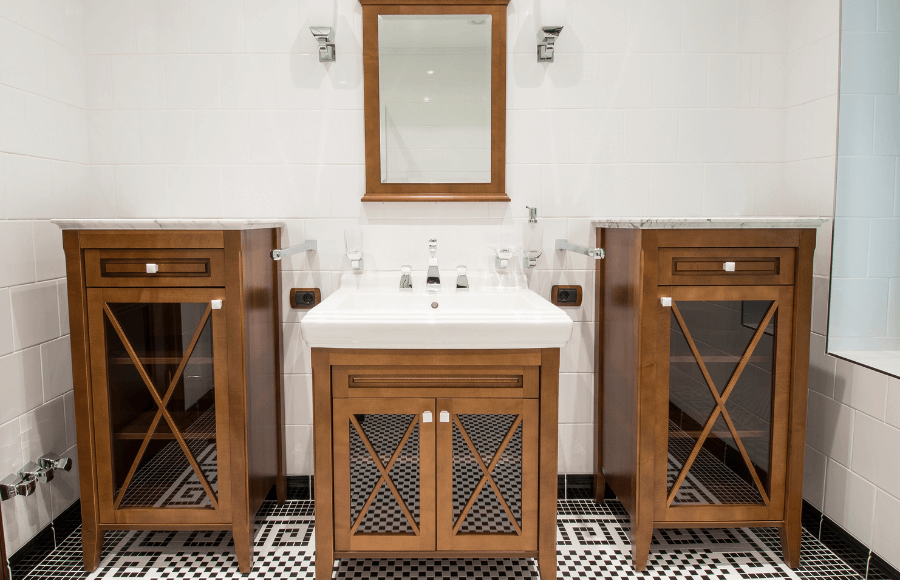
Bathroom vanity installation is often part of a full cabinet project. The average cost to install a bathroom vanity in the U.S. ranges from $300 to $4,000, with most homeowners spending about $1,600. This price includes the cabinet, countertop, sink, and labor. The total cost depends on the size, materials, and any plumbing work needed.
The cost of installing a bathroom vanity covers more than just the cabinet. It includes plumbing, countertop selection, and finishing touches. The type of project and the amount of preparation required can have a big impact on the final price. Plumbing work, demolition, and site preparation are all important factors in the overall bathroom cabinet installation costs.
DIY vs. Professional Bathroom Cabinet Installation
Cost Comparison
Many homeowners consider whether to install bathroom cabinets themselves or hire a professional. The main reason for choosing the DIY route is to save money on labor. Professional installation can add hundreds or even thousands of dollars to the total cost, especially for large or custom bathroom cabinets. By doing the work yourself, you avoid these labor fees.
However, DIY projects often come with hidden expenses. Mistakes such as mismeasuring spaces or using the wrong tools can lead to unexpected costs and delays. If you damage materials or need to redo part of the work, you may end up spending more than planned. Safety hazards, especially when dealing with plumbing or electrical components, can also increase the overall cost if repairs are needed later.
The table below compares typical expenses for both options:
| Installation Method | Upfront Cost | Potential Extra Costs | Labor Savings |
|---|---|---|---|
| DIY | Low | Mistakes, tool purchases | High |
| Professional | High | Fewer unexpected expenses | None |
Tip: Always factor in your skill level and the complexity of the bathroom cabinets before deciding.
Pros and Cons
Choosing between DIY and professional installation depends on your experience, tools, and project size. Here are some important points to consider:
- DIY installation of bathroom cabinets can save money, but it requires careful planning and the right tools.
- Lack of experience may lead to errors, such as mismeasuring or improper mounting, which can affect the final look and function.
- Handling plumbing or electrical work without proper knowledge can create safety risks and may violate building codes.
- Professionals bring expertise and can complete the job faster, reducing the chance of costly mistakes.
- Hiring a pro ensures that bathroom cabinets meet local regulations and are installed securely.
Being realistic about your skills and the demands of the project helps you avoid frustration and extra expenses. For many, hiring a professional offers peace of mind and a better result.
Tips to Save on Bathroom Cabinet Installation
Affordable Materials
Choosing the right materials is one of the best ways to save on bathroom cabinets without sacrificing quality. Many homeowners find that options like MDF with laminate, thermofoil, and plywood offer a cost-effective solution. These materials provide durability and moisture resistance, which are important in bathrooms.
| Cabinet Material | Key Features | Best For |
|---|---|---|
| MDF + Laminate | Smooth finish, moisture-resistant, affordable | Modern, painted, or smooth-look baths |
| Thermofoil (MDF core) | Vinyl-wrapped, seamless, low maintenance | Easy-clean, moisture-heavy spaces |
| Plywood | Waterproof adhesives, strong, stable | Long-lasting, heavy-use storage |
Purchasing from wholesale cabinet suppliers can lower the cost and give access to premium materials. Brands like Forevermark Cabinets offer plywood-based options with moisture-resistant finishes at reasonable prices. Homeowners can also consider laminate, melamine, or thermofoil for easy maintenance and affordability.
Tip: Always compare materials and ask about moisture resistance before you install new cabinets.
Bundling Services
Bundling bathroom cabinet installation with other renovation services can reduce overall expenses. Many contractors offer package deals when you combine cabinets with countertops, sinks, or even full kitchen or bathroom remodels. This approach lowers labor costs, reduces material deliveries, and simplifies project management.
- Lower labor expenses
- Fewer deliveries and less disruption
- Shorter renovation time
| Bundling Option | Savings Percentage |
|---|---|
| Cabinets with countertops or sinks | Package deals |
| Full Kitchen Bundles | 15–25% savings |
| Matching Bathroom Sets | Lower total cost |
| Cross-Category Deals | Discounts available |
| Professional Services | Free/discounted install |
Ask your contractor about available bundles to maximize savings.
Timing and Negotiation
The timing of your project can affect both price and contractor availability. Peak seasons, such as spring and summer, often bring higher prices and longer wait times. Scheduling your bathroom cabinets installation in the fall or winter can lead to lower costs and faster service.
Negotiation also plays a key role in saving money. Collect multiple quotes and compare market prices before making a decision. Building a good relationship with suppliers and contractors can lead to better deals and added value. Buying in bulk or negotiating flexible order sizes may further reduce costs.
- Build trust with suppliers for better pricing
- Compare several quotes to find the best deal
- Buy in bulk when possible for lower unit prices
Approach negotiations as a partnership to achieve the best results for your bathroom project.
Bathroom cabinet installation involves many factors, including material, labor, and location. The cost can vary, so reviewing a real-world cost breakdown helps with planning. Homeowners should compare DIY and professional installation based on their skills and budget. To save money and avoid hidden expenses, try these tips:
- Use ceramic glue for waterproofing and mold resistance.
- Install wall-mounted storage like mirror cabinets.
- Add an exhaust fan to improve ventilation.
Start by listing your needs, setting a budget, and getting quotes from local contractors.
FAQ
How much does bathroom vanity installation usually cost?
Bathroom vanity installation typically ranges from $300 to $4,000. The price depends on the size, materials, and labor involved. Homeowners should also consider plumbing and countertop choices, as these can affect the total bathroom vanity cost.
What factors affect the cost to install bathroom vanity?
Several factors influence the cost to install bathroom vanity. These include the type of vanity, materials, labor rates, plumbing needs, and the complexity of the installation. Custom features or premium finishes can increase the overall bathroom vanity cost.
Can I do bathroom vanity installation myself?
Yes, you can attempt bathroom vanity installation as a DIY project. The cost to install bathroom cabinets yourself is lower because you save on labor. However, mistakes may lead to extra expenses, especially if plumbing or electrical work is involved.
How do bathroom cabinets differ from vanities?
Bathroom cabinets provide general storage and may not include sinks. A bathroom vanity installation includes a sink and countertop, combining storage with plumbing fixtures. Both options can be customized to fit your space and style.
Are there ways to reduce bathroom vanity installation costs?
To lower bathroom vanity installation costs, choose affordable materials, compare contractor quotes, and consider bundling services. Scheduling your project during off-peak times can also help reduce the overall bathroom vanity cost.