

Choosing the right bathtub material isn’t just about style—it’s about making an investment in your home’s comfort, aesthetics, and long-term durability.
The material you choose will determine how your bathtub performs over time, how much maintenance it requires, and how it fits with your bathroom’s overall design. For example, materials like acrylic and fiberglass are budget-friendly but may not last as long as more durable options like cast iron or copper. Understanding the characteristics of each material will help you make a decision that suits your lifestyle and bathroom needs.
Key Factors to Consider When Choosing a Bathtub Material
Durability and Lifespan
When selecting a bathtub, one of the most critical factors is durability.
You’ll want a material that can withstand daily use, resist scratching and staining, and maintain its appearance over the years. While acrylic and fiberglass are budget-friendly, they tend to show wear over time, with scratches and fading becoming visible. In contrast, materials like cast iron and copper are incredibly durable, lasting anywhere from 20-30 years or longer, making them a worthwhile investment for the long haul. Keep in mind that durability often correlates with price—while the initial cost may be higher, choosing a more durable material can save you money in the long term.
Heat Retention for a Comfortable Soak
Heat retention is a feature many bathers appreciate, as it allows the water to stay warm longer, providing a more comfortable soaking experience.
If you enjoy taking long baths, you’ll want to opt for materials that are known for their excellent heat retention. Cast iron, for example, is particularly known for this property, keeping your water warm for extended periods. Copper is another material that excels in heat retention, offering a luxurious and comfortable bathing experience. On the other hand, materials like fiberglass and acrylic tend to lose heat more quickly, which may not provide the same level of comfort during long soaks.
Budget-Friendly Options
Budget is an essential consideration when choosing a bathtub, especially if you’re renovating your bathroom on a tight budget.
Acrylic and fiberglass tubs are two of the most affordable options, making them great choices for those looking to save on upfront costs. Both materials are lightweight, easy to install, and come in a variety of shapes and styles to fit most bathroom designs. However, it’s important to consider the total cost of ownership—while acrylic and fiberglass may be affordable initially, they might require more maintenance and replacement sooner than materials like cast iron or copper, which, although more expensive upfront, can last much longer.
Aesthetic Preferences and Bathroom Design
The appearance of your bathtub should complement the style and design of your bathroom.
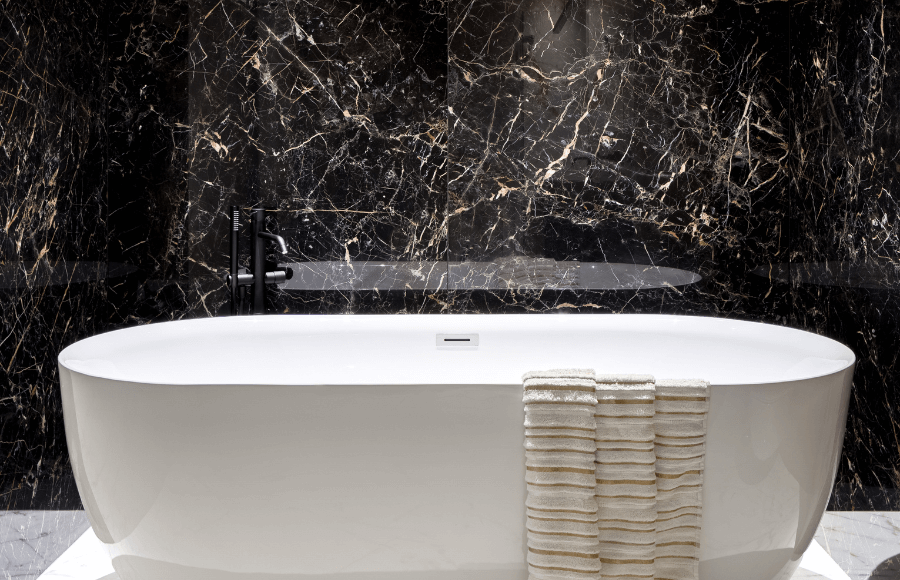
If you’re looking for a classic, timeless aesthetic, a cast iron tub might be the perfect choice, with its sleek, elegant look. On the other hand, if you prefer a modern, minimalist design, acrylic or fiberglass tubs offer a wide range of contemporary styles that can fit seamlessly into various bathroom themes. Copper tubs offer a unique, luxurious aesthetic that can serve as a focal point in the room, while enameled steel provides a more traditional, clean appearance. Choose a material that aligns with your overall vision for your bathroom space.
Related reading recommendation: DIY Guide to Painting Bathtubs and Showers

Detailed Comparison of Popular Bathtub Materials
Acrylic Tubs: Affordable and Lightweight
Acrylic tubs are among the most popular choices due to their affordability and ease of installation.
They are lightweight, making them ideal for easy handling and placement during installation. Additionally, acrylic is a good insulator, providing decent heat retention. However, it’s important to note that acrylic tubs may not be as durable as other materials. Over time, they can become scratched or faded, especially in high-traffic bathrooms. The lifespan of an acrylic tub typically ranges from 10 to 15 years.
Fiberglass Tubs: The Budget-Friendly Option
Fiberglass is another budget-friendly option, and it’s lightweight and easy to install, making it an appealing choice for DIY enthusiasts.
While it is affordable, fiberglass tends to be less durable than acrylic. It is also more porous, which means it can absorb stains and is more prone to cracking over time. The lifespan of a fiberglass tub is similar to acrylic—about 10 to 15 years—but it may need replacement sooner due to wear and tear.
Enameled Steel Tubs: Durable and Easy to Clean
Enameled steel tubs offer excellent durability and are relatively affordable.
The enamel coating provides a smooth, easy-to-clean surface that resists stains and grime. However, enameled steel is prone to chipping over time, especially if heavy objects are dropped on it. Additionally, it doesn’t retain heat as well as cast iron or copper, so your bathwater may cool off more quickly. These tubs can last anywhere from 10 to 30 years, and with proper care, they can be refinished to extend their lifespan.
Cast Iron Tubs: Heavy-Duty with Superior Heat Retention
Cast iron tubs are known for their durability and excellent heat retention.
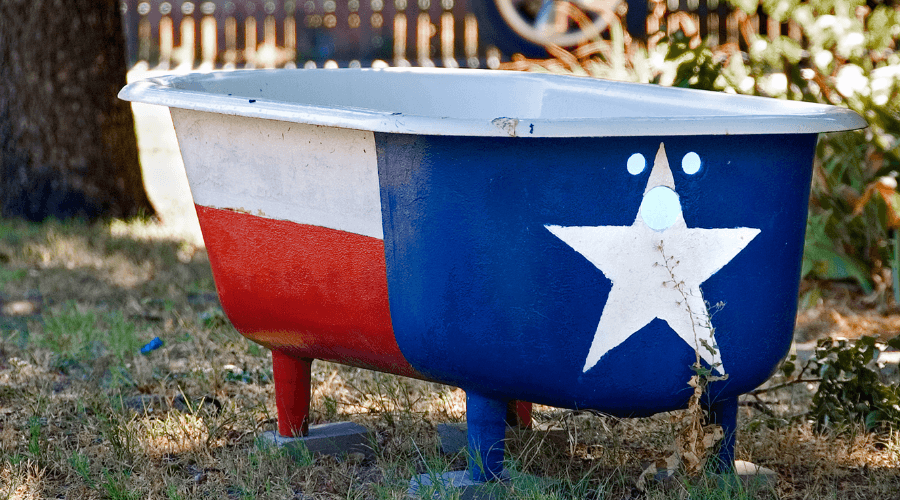
They’re incredibly sturdy and can last 20 to 30 years, or even longer with proper care. Cast iron is ideal for those who enjoy long, relaxing soaks because it retains heat well, keeping bathwater warm for extended periods. However, cast iron tubs are heavy and may require floor reinforcement, especially if your bathroom’s foundation isn’t built to handle the weight. They can also be more expensive than other materials, but the investment pays off in the long term.
Copper Tubs: Unique Aesthetic and High Durability
Copper tubs are both luxurious and durable, offering superior heat retention and a unique aesthetic that’s hard to match.
Copper’s natural ability to retain heat makes it ideal for long soaks, and its distinctive appearance can add a touch of elegance to any bathroom. However, copper tubs are expensive and require regular maintenance to prevent tarnishing. Over time, the copper can develop a patina, which some homeowners love, while others prefer to maintain the shiny finish. Like cast iron, copper tubs are heavy and may require structural adjustments during installation.
Practical Tips for Choosing the Best Bathtub Material
Assessing Your Bathroom’s Structural Capacity
Before choosing a material, ensure your bathroom floor can support the weight of your bathtub.
Heavier materials like cast iron and copper may require additional floor reinforcement. Consider consulting a professional to ensure the structural integrity of your bathroom can handle the tub’s weight.
Considering Your Long-Term Maintenance Needs
Some bathtub materials require more maintenance than others. Acrylic and fiberglass are relatively low-maintenance, but cast iron and copper require regular upkeep to maintain their appearance and functionality.
Be sure to factor in how much time and effort you’re willing to invest in maintaining your bathtub over its lifespan.
Testing Comfort and Fit
It’s essential to test out the comfort and fit of different tubs before making your final decision.
Visit showrooms or home improvement stores to sit in the tubs and get a feel for their depth, width, and overall comfort. Make sure the tub suits your body type and offers the level of comfort you need for a relaxing bath.
Comparing Prices and Reading Reviews
Always compare prices between different brands and materials.
Read reviews from other customers to understand the pros and cons of each model and material. This will help you make an informed decision and choose a bathtub that offers the best value for your money.
Related reading recommendation: From China to Your Home: A One-Stop Unveiling of the Entire High-End Home Procurement Process
About Us: More Than Just Bathtubs—Your Whole-House Customization Solution
At GeorgeSolution, we pride ourselves not only as a premium manufacturer of high-quality bathtubs but also as a trusted provider of full-house customization solutions.
Our commitment to quality and design excellence extends beyond just bathtubs, offering a comprehensive range of products and services to elevate your entire home. Whether you’re remodeling your bathroom with a sleek, durable bathtub or looking for complete home customization—from kitchen to living areas—we deliver exceptional craftsmanship, personalized design, and unmatched durability in every project we undertake.
Conclusion
The best bathtub material for your home depends on what matters most to you—whether it’s durability, heat retention, aesthetic appeal, or budget.
By considering your priorities and understanding the pros and cons of each material, you can make a decision that provides lasting comfort, functionality, and style in your bathroom.