

When you walk into a beautifully designed kitchen, you don’t immediately notice the plumbing, the internal hinges, or the cabinet boxes. You notice the doors.
The cabinet doors are the absolute face of your kitchen. They set the entire architectural tone, dictating whether your space feels like an ultra-modern penthouse or a warm, timeless retreat. But while it is easy to get caught up in Pinterest boards and aesthetic styles, choosing the right cabinet door is about much more than just looks.
A cabinet door is a highly engineered component that has to survive a brutal daily environment. It will be exposed to boiling steam, greasy fingerprints, and constant pulling and slamming. If you choose a door based purely on a pretty photo without understanding how it is built, you will be dealing with cracked paint and warped wood within a few years.
Let’s bridge the gap between beautiful design and smart engineering. Here is a look at the most essential types of cabinet doors for 2026, the finishes that protect them, and the manufacturing secrets you need to know before you buy.
The Foundation: Framed vs. Frameless Cabinet
Before looking at specific door styles, you need to understand the skeleton of the kitchen: the cabinet box. How the box is built dictates which doors you can use and how much storage space you will actually have.
Framed Cabinets (The Traditional American Standard)
In a framed cabinet, a solid wood “face frame” is attached to the front of the cabinet box, much like a picture frame. The cabinet door is then attached to this frame. You have two door options here:
- Overlay Doors: The door rests on top of the frame.
- Inset Doors: The door sits perfectly flush inside the frame. This is a hallmark of traditional luxury, requiring absolute CNC precision from the factory so the door doesn’t stick when humidity changes.
While framed cabinets are sturdy, the frame itself narrows the cabinet opening, slightly reducing your usable storage space.
Frameless Cabinets (The Modern Global Standard)
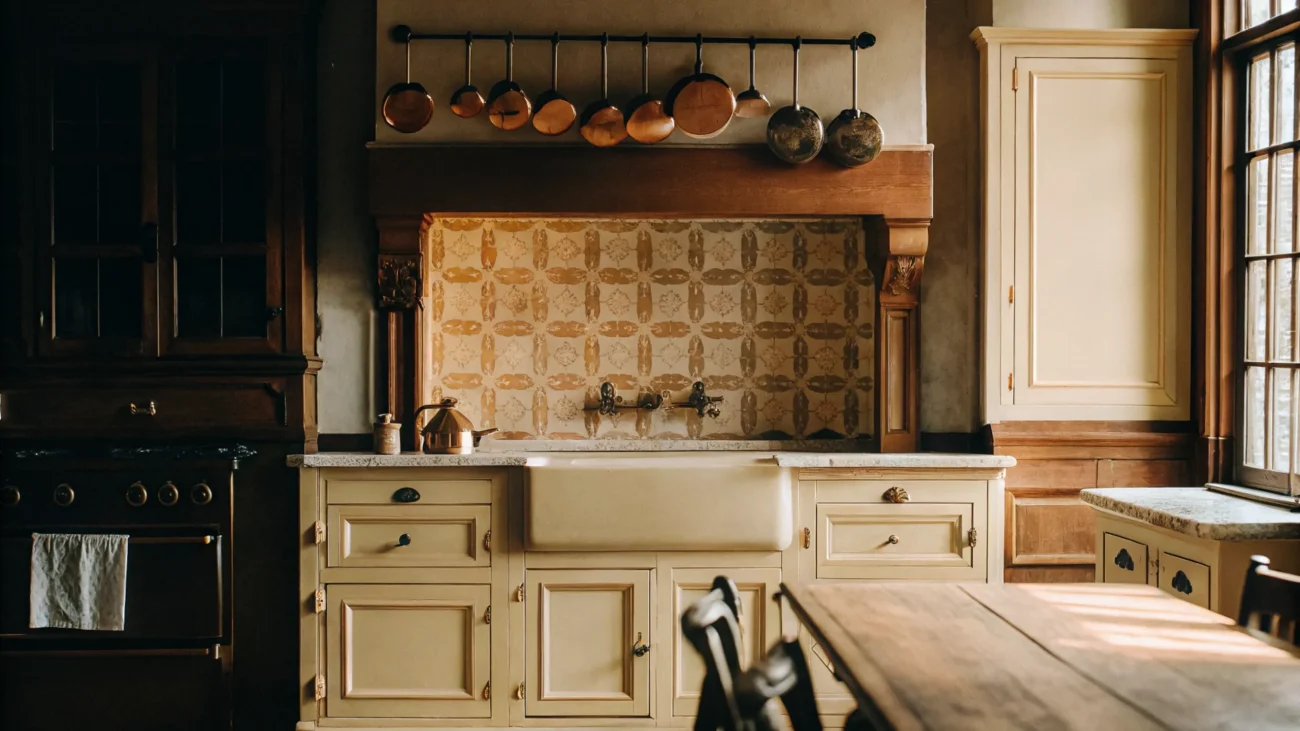
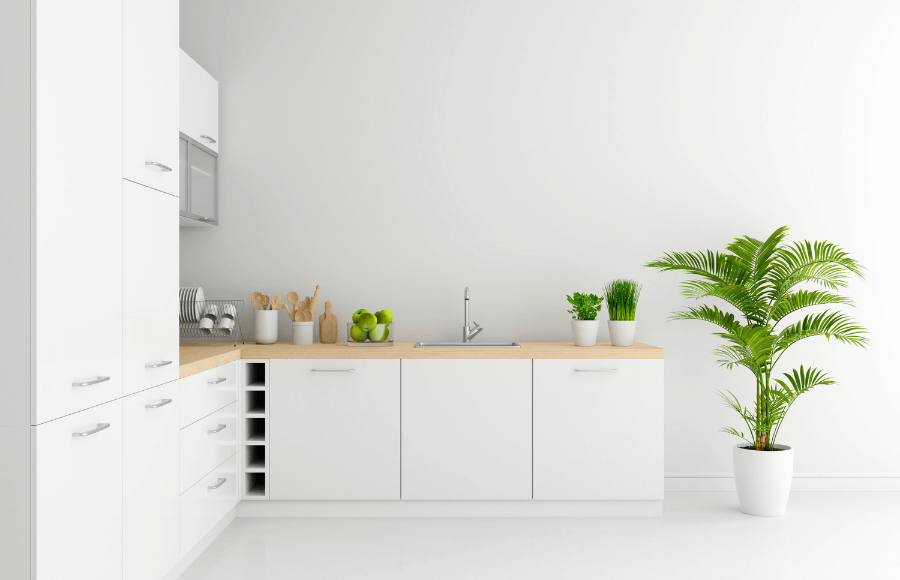
Also known as “European-style” cabinetry, frameless boxes do not have a front face frame. The cabinet door attaches directly to the thick, sturdy side walls of the box.
This construction relies entirely on the Full Overlay door style, where the doors sit incredibly close together with only a millimeter of a gap. It creates a stunning, seamless architectural wall of cabinetry and gives you 100% full access to your interior storage.
Because of its sleek look and superior space efficiency, frameless construction is the definitive choice for modern luxury homes.
The Most Popular Cabinet Door Styles for Kitchens and Living Spaces
1. The Slab Door: Modern, Minimalist, and Effortless
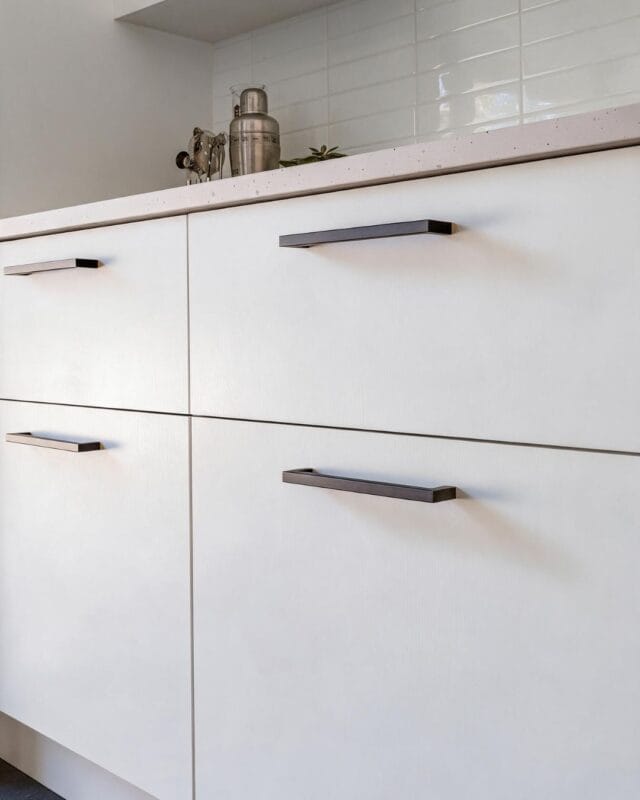
If you want your kitchen to feel like a high-end modern apartment or an organic Wabi-sabi retreat, the Slab door is your definitive choice.
A slab door is exactly what it sounds like: a single, flat, unornamented piece of material. From a lifestyle perspective, this is the ultimate low-maintenance option. There are no recessed grooves or decorative ridges for cooking grease and dust to hide in, making it incredibly easy to wipe clean after a heavy cooking session.
However, manufacturing a massive, perfectly flat door is an engineering challenge. You should never use a single piece of pure solid wood for a slab door, as it will inevitably bow and warp as humidity changes.
Instead, high-end manufacturers use a dimensionally stable MDF or high-density core. To achieve that luxury look, we press premium materials onto this core—such as a rich Natural Wood Veneer with continuous grain matching, or an ultra-matte Skin-Feel PET finish that looks spectacular and resists oily fingerprints.
2. The Shaker Door: The Timeless Classic
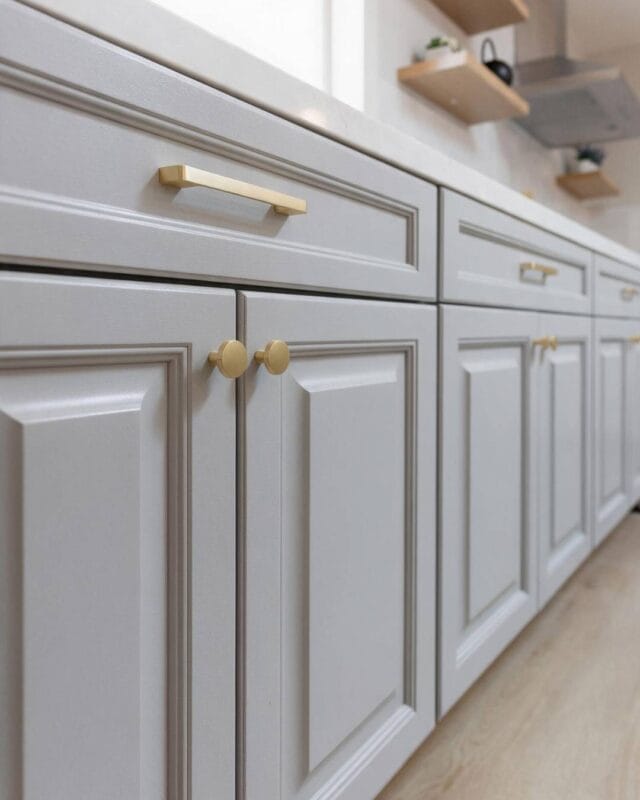
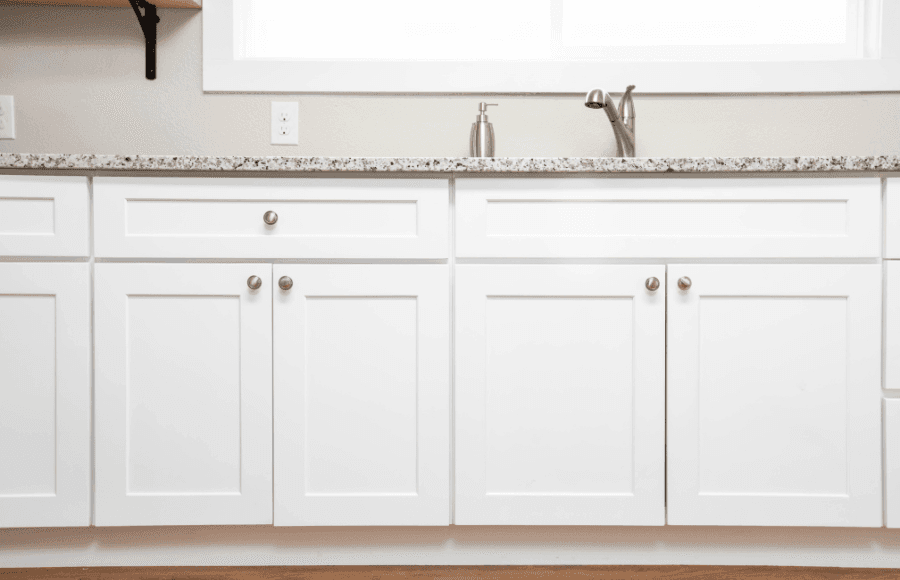
The Shaker door is the most versatile and universally loved cabinet style in the world. It features a simple four-piece frame with a flat recessed center panel. Whether your home is transitional, farmhouse, or classic American, a Shaker door effortlessly blends in and will never look outdated.
But here is a crucial manufacturing secret that most homeowners learn the hard way: if you want a solid white or painted Shaker kitchen, you must be very careful about the materials.
Because Shaker doors are assembled from five separate pieces, a 100% solid wood door will naturally expand and contract as the seasons change. Over time, this movement will cause your beautiful painted finish to crack exactly where the frame pieces meet.
The professional solution? We often recommend using a solid hardwood for the outer frame to resist impact, but an MDF center panel. Because MDF does not expand or contract, your painted finish will remain perfectly flawless at the joints for decades.
Related Article: What is the Best Wood for Kitchen Cabinets? A 2026 Manufacturer’s Guide
3. Glass & Aluminum Accent Doors: The Luxury Showpiece
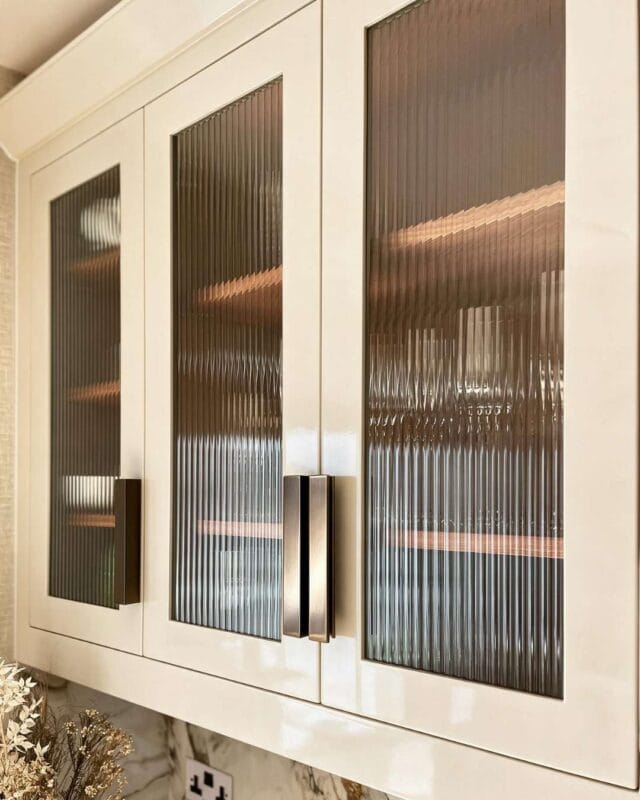
You do not have to make every single door in your kitchen look exactly the same. In fact, breaking up a heavy wall of solid cabinetry with glass accent doors is one of the best ways to elevate the entire space.
We are seeing a huge trend toward using narrow, matte-black aluminum frames fitted with fluted (ribbed) glass or smoked gray glass. These are perfect for upper cabinets, bar areas, or coffee stations.
When you add warm LED strip lighting inside the cabinet, the glass diffuses the light beautifully, turning your everyday glassware into a high-end display. It adds an instant layer of hospitality-grade luxury to your home.
4. The Handleless Look: Push-to-Open & Gola Systems
Sometimes, the best hardware is no hardware at all. Traditional knobs and pulls can interrupt the clean visual lines of a modern space. If you want a stunning, uninterrupted architectural surface, 2026 designs rely on two premium handleless solutions depending on the specific cabinet:
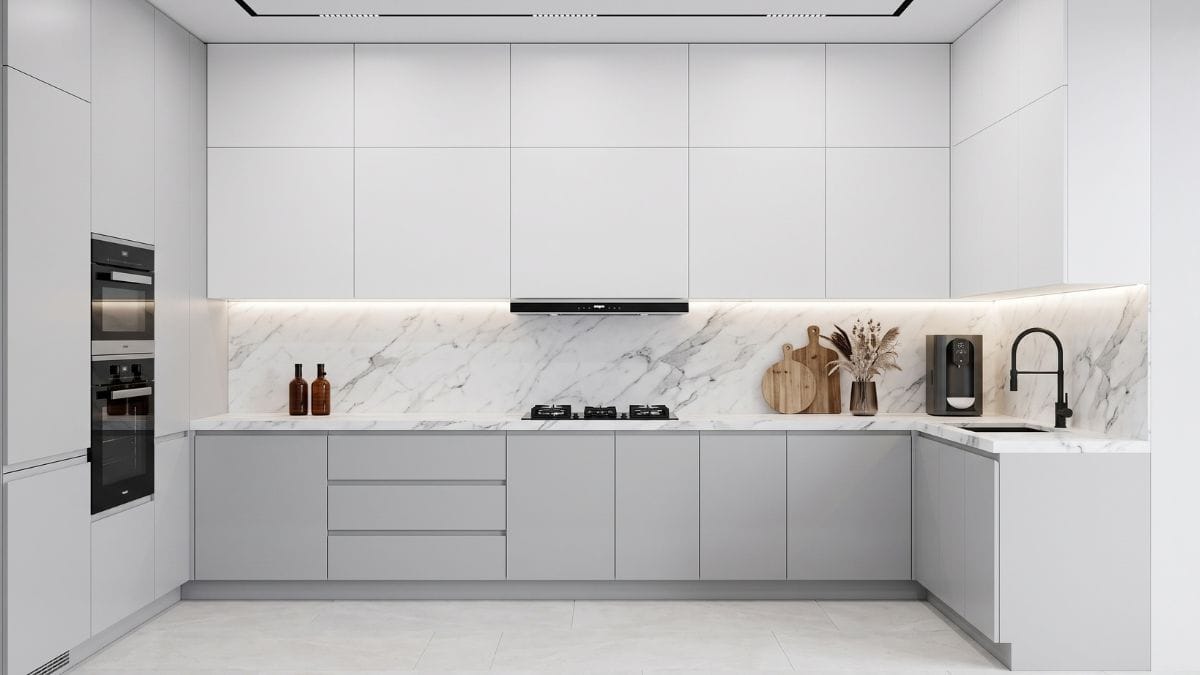
High-End Push-to-Open (Tip-On) Hardware
For upper kitchen cabinets, living room TV consoles, and minimalist wardrobes, heavy-duty magnetic push-to-open hardware is the ultimate choice.
A gentle press of the hand or knee pops the door open seamlessly. The secret here is investing in premium, commercial-grade hardware that won’t wear out or lose its spring tension over time.
Integrated Gola Profiles
For heavy kitchen base cabinets where you don’t want accidental knee-bumps to pop the doors open, designers use Gola systems. This is a sleek aluminum channel CNC-milled directly into the cabinet box behind the door, allowing you to slip your fingers in to pull it open. It creates a beautiful, continuous shadow line across your cabinetry.
By strategically combining premium push latches for upper cabinets and Gola profiles for the base units, you achieve a flawless, 100% handleless aesthetic that is highly functional.
Cabinet Door Finishes: Painted vs. Stained
Once you select your door style, the finish you apply will determine the final texture and durability of your kitchen.
Stained Finishes (Natural & Wood Veneer)
If you want to bring warmth and nature indoors, a stained finish is the way to go. Staining allows the natural grain, knots, and unique character of the wood to show through. It is incredibly forgiving; minor scratches or dents blend naturally into the wood’s texture.
In 2026, designers are heavily favoring clear or light stains on White Oak and Walnut to highlight the organic beauty of the material without making it look artificial.
Painted and Matte Finishes (Sleek & Uniform)
For a crisp, modern, or moody aesthetic, solid colored doors are essential. However, the industry has evolved past standard house paint. If you choose a painted look, basic paint will eventually chip.
Today’s luxury kitchens utilize Baked Matte Lacquers or advanced Skin-Feel PET films. These high-tech finishes provide a perfectly smooth, uniform color that resists fading, chipping, and oily fingerprints, ensuring your kitchen looks flawlessly clean for years.
How to Choose the Right Cabinet Door Type & Style
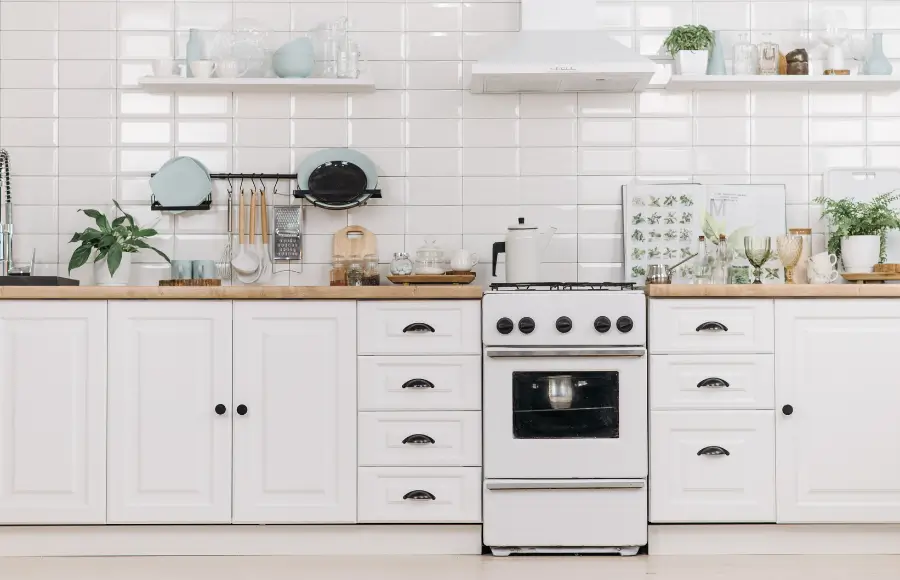
With so many options, how do you make the final decision for your home? We guide our clients through a simple three-step process:
- Define Your Architectural Vibe: Look at the rest of your house. Is your home modern and minimalist? Lean toward Slab doors and Handleless Gola systems. Is it a cozy, transitional family home? Shaker doors will perfectly bridge the gap between classic and contemporary.
- Assess Your Maintenance Tolerance: Be honest about your lifestyle. If you cook heavy meals daily and hate scrubbing, choose a flat Slab door with a PET finish. If you don’t mind a little dusting, the recessed panels of a Shaker door are worth the extra effort.
- Consider Your Space and Lighting: Dark, stained Walnut doors look spectacular, but they absorb light and can make a small kitchen feel cramped. If your space lacks natural light, opt for light-colored or white painted finishes with Glass accent doors to reflect light and make the room feel expansive.
The Crucial Point: Why You Shouldn’t Just “Replace the Doors”
Many homeowners fall in love with a new door style and try to take a shortcut: they want to keep their old, existing cabinet boxes and simply buy new doors to attach to them (a process known as cabinet refacing).
As a professional manufacturer, we strongly advise against this.
First, old cabinet boxes have usually absorbed years of moisture, meaning they are likely slightly warped or sagging. When you try to attach a perfectly square, factory-new door to an old, twisted box, the hinges will never align properly, and your doors will have uneven gaps.
Second, it is nearly impossible to color-match a brand new Skin-Feel PET or fresh wood veneer door to an old, faded cabinet frame.
True luxury comes from structural integrity and visual unity. The best investment is a complete custom cabinetry system where the doors, the moisture-resistant boxes, and the heavy-duty hinges are engineered together in the factory to perform as one perfect unit.
Bring Your Vision to Life with George Group
Finding the perfect cabinet door style is only the first step. Executing it beautifully across your entire home is where George Group excels.
Operating from our advanced manufacturing hub in Foshan, China, we do not just supply doors; we provide complete, architect-grade custom cabinetry solutions. Whether you want the timeless elegance of a Shaker kitchen, the sleek lines of a Handleless PET design, or stunning Aluminum glass accents, our factory handles every detail with CNC precision.
More importantly, our one-stop manufacturing capability allows us to take your favorite door finish and apply it seamlessly throughout your entire property.
We can match your kitchen’s Wood Veneer or Matte Lacquer perfectly to your living room TV consoles, bathroom vanities, and bedroom wardrobes, delivering absolute architectural harmony in a single, consolidated shipment.
Ready to design a space that looks beautiful and is engineered to last? Contact the George Group design team today to explore our custom cabinetry solutions for your next project.
Frequently Asked Questions (FAQ)
What is the easiest cabinet door style to keep clean?
The Slab (flat-panel) door is the easiest style to clean. Because it has a completely flat surface with no recessed panels, raised molding, or decorative ridges, there is nowhere for dust or cooking grease to accumulate. A simple wipe with a microfiber cloth is usually all it takes to keep it looking pristine.
Will a painted solid wood cabinet door crack over time?
Yes, it is highly likely. Solid wood naturally expands and contracts with changes in humidity and temperature. In 5-piece doors like the Shaker style, this movement puts stress on the joints, which will eventually cause hairline cracks in the paint. For a flawless painted finish that lasts, using doors made from or featuring an MDF core is highly recommended.
Can I mix different cabinet door styles in the same kitchen?
Absolutely. Mixing materials and styles is a hallmark of high-end design. A very popular approach is to use a classic or textured style (like a wood veneer Shaker) for the base cabinets and island to add warmth, while using sleek, modern Slab doors or Aluminum-framed glass doors for the upper cabinets to make the space feel open and luxurious.