

A great window is about much more than just the glass; it is about how it is framed and finished. Whether you are a contractor ensuring a watertight seal on a custom build or a homeowner looking to elevate the character of your living space, the interior trim is where the true quality of a home is revealed.
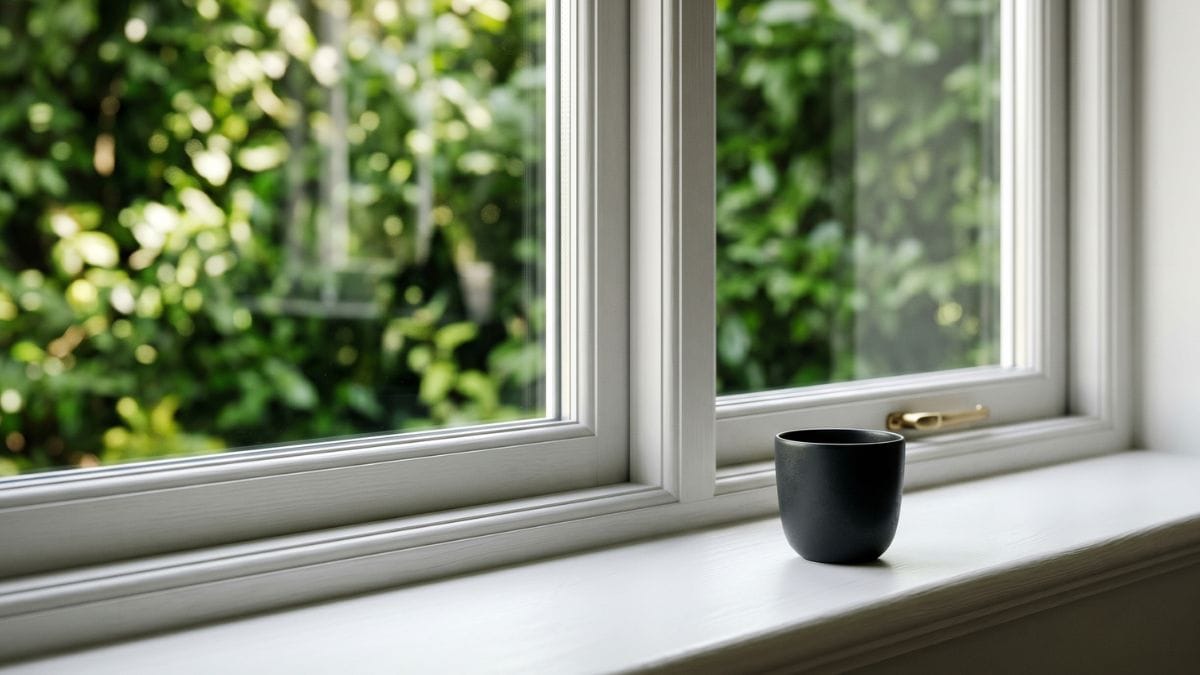
Most people only notice a window sill when they need a spot to place a plant or when it is time to dust. At its most basic, it is the flat, horizontal board at the bottom of a window frame.
But if you are planning a high-end renovation or building a custom home, looking at it merely as a “shelf” is a missed opportunity. It is the finishing touch that visually anchors the window to the room, dictating how refined the entire space feels. To truly utilize its potential, we have to look past the surface and understand what it actually does.
More Than a Shelf: The Structural Role in High-End Projects
Before we even consider the aesthetics, the window sill has to perform. In quality construction, the sill does heavy lifting. It acts as the critical bridge between your home’s cozy interior and the harsh elements outside.
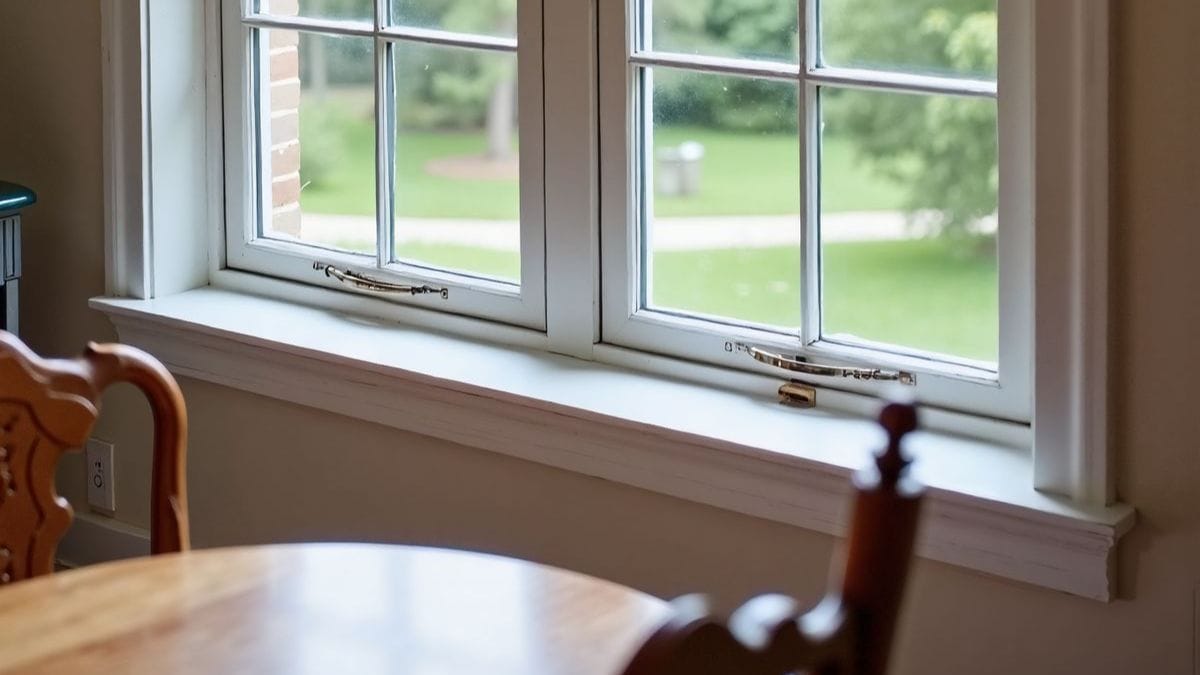
Structurally, a properly installed sill is your wall’s first line of defense. Because windows are natural thermal breaks where warm indoor air meets cold glass, condensation is a daily reality. A well-designed sill catches this moisture and prevents it from seeping into the vulnerable drywall or framing beneath it.
By managing this water effectively, the sill saves homeowners and contractors from costly water damage and mold remediation down the road.
A Detail Rooted in History: The Evolution of Window Sills
Once those structural needs were met, builders throughout history began to see the window sill as an opportunity for artistry.
In early timber-framed houses, the sill was just a thick, rough-hewn piece of wood sloped strictly to push rainwater away. However, as glass manufacturing improved and homes became better insulated, the interior side of the sill evolved. Finish carpenters began turning these simple water barriers into architectural statements.
By the 18th and 19th centuries, the profiles of these window sills became signatures of a home’s style, signaling that a property was built with wealth, time, and serious attention to detail.
Profiles and Possibilities: Shaping Your Window’s Character
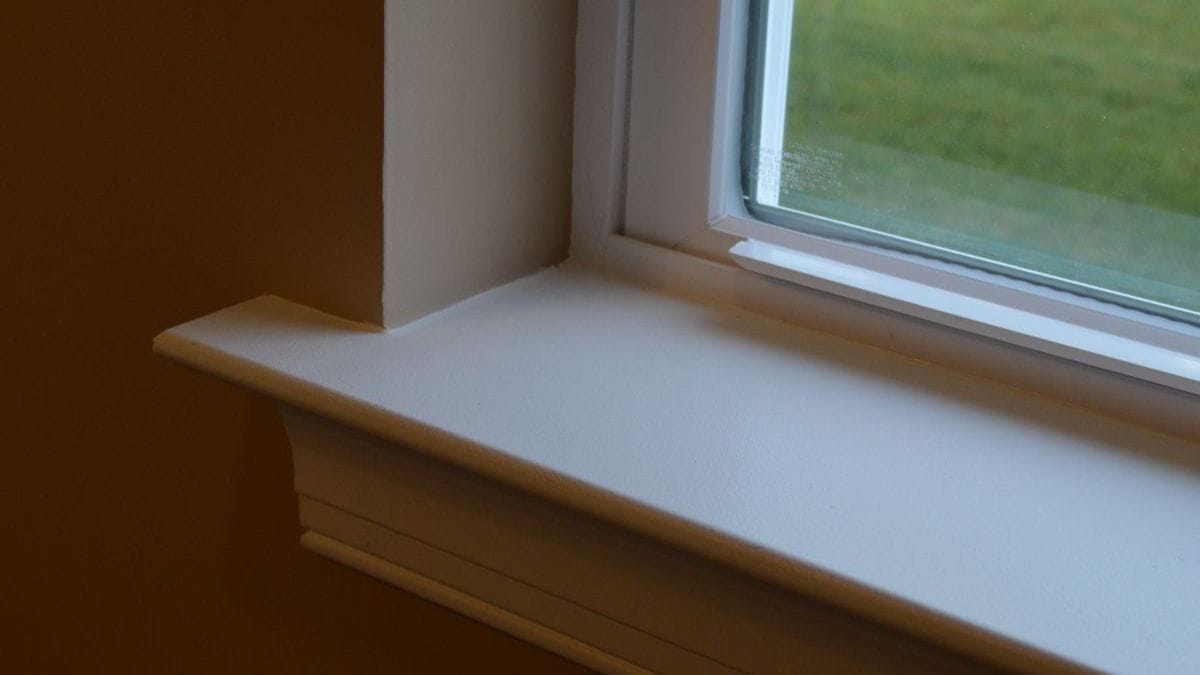
So, how do we bring that historical charm or modern sleekness into your current project? It starts with understanding the anatomy of the trim. When you speak with your contractor or millwork supplier, knowing these three main elements changes the conversation:
- The Stool: This is the actual horizontal ledge you rest your hand on. It extends from the window sash out into the room.
- The Apron: The decorative piece of flat or molded trim installed directly below the stool, sitting flat against the wall. It visually supports the stool and covers the rough gap between the window frame and the drywall.
- The Horns (or Ears): These are the sections of the stool that extend horizontally past the vertical side casings. They give the window a grounded, traditional look.
By adjusting the thickness of the stool or the depth of the apron, you can shift a room’s style entirely—from a sleek, minimal modern farmhouse to a richly detailed traditional study.
What are the Popular Materials for Window Sills?
Knowing the parts is one thing, but what should they be made of? Today, contractors and homeowners have several material options, though they are not all created equal:
- Natural Stone or Quartz: Highly durable and water-resistant, making them ideal for bathrooms or kitchens. However, stone can feel cold to the touch and is difficult to integrate warmly into living rooms or bedrooms.
- Vinyl or MDF: Budget-friendly and widely used in tract housing. While practical for low-cost builds, they lack depth, cannot be milled with complex curves, and often swell or degrade if water penetrates their outer shell.
- Solid Wood: The undisputed standard for high-end, custom residential projects.
Engineering Focus: The Performance of Wood Window Sills
When a project demands genuine character and long-term structural reliability, wood window sills remain the definitive choice.
From an engineering perspective, wood is a brilliant natural insulator. Unlike stone or concrete, wood does not create a cold “thermal bridge” that draws freezing winter temperatures indoors, which significantly reduces the amount of condensation forming on the sill.
From a design standpoint, the workability of wood is simply unmatched. Custom millwork shops can run solid wood through a shaper to create custom-beveled edges, deep coves, or crisp, square modern lines. And while some worry about wood sitting near moisture, modern construction practices have solved this.
By choosing stable hardwoods and applying high-grade, moisture-resistant primers before installation, contractors can guarantee a wood sill that lasts for generations without warping.
The Elegance and Craftsmanship of Victorian Style Window Sills
To truly see how much power wood millwork holds, let’s look at one of the most demanding and beautiful architectural eras: the Victorian period. If you want to understand how a single piece of trim can change the entire feel of a room, Victorian style window sills are the perfect example.
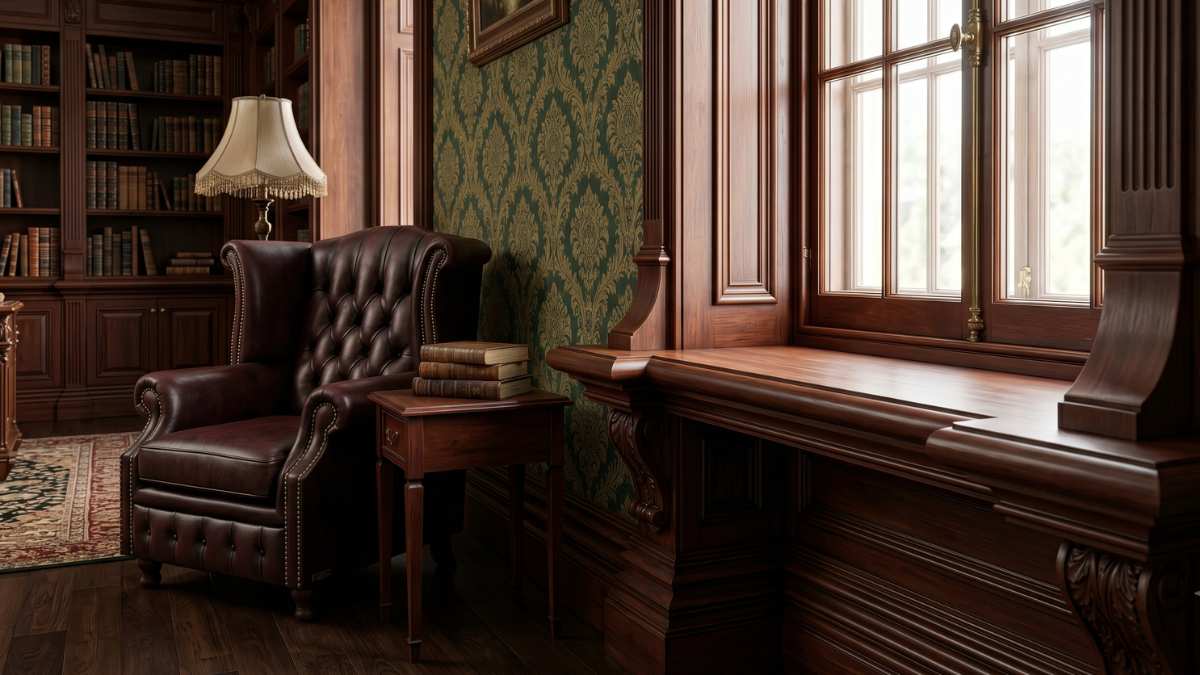
In a Victorian home, windows were treated as dramatic design features. A true Victorian sill never sits flush. It proudly extends outward with pronounced “horns” that stretch well past the side casings. Beneath the main stool, you will find a deeply milled apron—often featuring multiple stacked molding profiles—adding incredible visual weight and shadow lines to the wall.
Capturing this authentic look makes wood window sills absolutely mandatory. The deep, intricate cuts required for a Victorian finish simply cannot be replicated with cheap composites. The beauty of wood here is its versatility; it can be custom-milled and clear-stained to match a historically accurate 1890s renovation, or painted a crisp, semi-gloss white to bring a touch of classic heritage into a brand-new custom build.
Elevating Your Space with George Solution
Ultimately, the difference between a house that feels quickly “assembled” and a home that feels intentionally “crafted” comes down to these exact details. The window sill is where your eye naturally goes when looking outside, and it is the physical barrier protecting your walls. It should never be treated as an afterthought.
Bringing this level of detail to life requires more than just buying off-the-shelf boards from a local hardware store. This is where George Solution steps in.
As experts in buildings, we understand that true luxury lies in precision. We don’t just supply standard trim; we engineer custom wood window sills and complete millwork packages tailored to your exact architectural blueprints. Whether you need the sleek, minimalist lines of a modern build or the deeply milled, historical accuracy of Victorian style window sills, our direct-from-factory production ensures flawless execution.
Don’t let standard trim compromise your custom home. Contact the George Solution team today to elevate your windows with millwork that protects your investment and defines your style.
Frequently Asked Questions (FAQ)
What is the best material for an interior window sill?
For living rooms, bedrooms, and dining areas, solid wood is the industry standard for high-end homes. It offers unmatched aesthetic warmth and can be milled into custom profiles. For high-moisture zones like a bathroom shower window, natural stone or engineered quartz are often recommended for their absolute water resistance.
How far should a window sill overhang the wall?
In traditional and classic designs, the “stool” typically overhangs the front of the wall or apron by about 1 to 1.5 inches. The “horns” usually extend about 1 inch past the outer edge of the casing. This creates a balanced, proportional look. Minimalist modern designs, however, may feature a completely flush sill.
How do you protect wood window sills from moisture and condensation?
Proper finishing is key. A wood sill should never be left raw. Contractors should seal all sides of the wood (even the bottom and back) with a high-quality primer before installation. Using an exterior-grade paint, a high-gloss enamel, or multiple coats of marine-grade polyurethane for stained wood will create a durable, moisture-repellent barrier.
Can I incorporate Victorian style window sills into a newer, modern home?
Absolutely. You do not need to live in an 1800s historic home to appreciate Victorian millwork. Many designers use heavily profiled, Victorian-inspired sills and aprons in new builds to add “transitional” charm. When milled from solid wood and painted a crisp, modern white, these classic profiles bring a sense of heritage and luxury to an otherwise contemporary room.