

A well-designed office environment can have a significant impact on productivity, employee satisfaction, and brand image. The right office decoration ideas for work can transform an ordinary workspace into a place where employees feel motivated, comfortable, and focused every day.
Modern offices are no longer just places to work. They are spaces that represent company culture, improve collaboration, and create positive first impressions for visitors and clients.
In this guide, we explore 10 practical office decoration ideas for workspaces that help balance style, comfort, and functionality.
Why Office Decoration Matters in Modern Workspaces
Office decoration is more than appearance. A thoughtfully designed workspace can influence how employees feel, how teams perform, and how clients perceive your business.
Benefits of better office design include:
- Improved employee productivity
- Higher comfort and morale
- Stronger company identity
- Better use of available space
- A more professional environment for visitors
Even small design improvements can make a noticeable difference over time.
Idea 1: Showcase Your Brand Identity
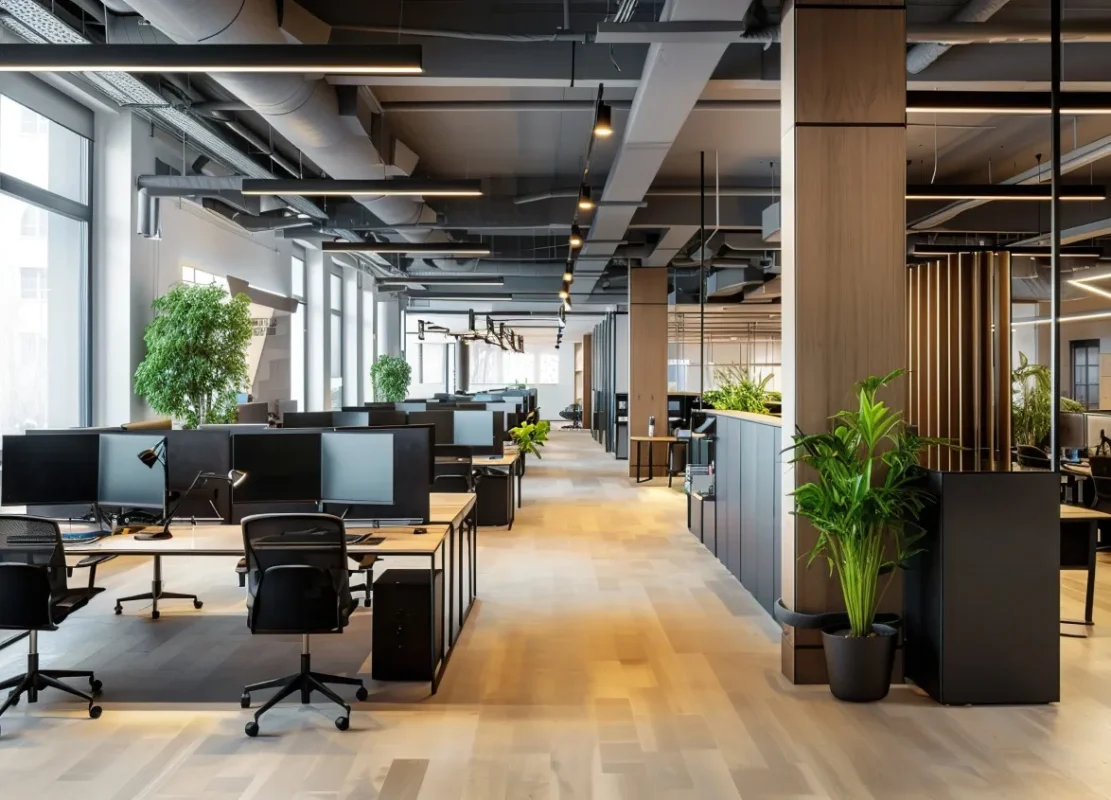
Your office is more than just a workplace—it is a physical extension of your brand. The moment employees, clients, or visitors walk through the door, the space begins communicating your company culture, professionalism, and values. A thoughtfully branded office can create a stronger sense of identity while leaving a memorable first impression.
Ways to showcase your brand include:
- Branded wall signs with logo or mission statement
- Corporate colors used in furniture or accent walls
- Display areas for awards and achievements
- Reception zones designed around your company image
When done correctly, branding within office interiors should feel natural rather than overwhelming. A strong visual identity can make the office feel more purposeful and professional.
Idea 2: Use Art & Feature Walls
Many offices suffer from blank walls that make the environment feel plain and uninspiring. Introducing artwork or feature walls is a simple but powerful way to bring personality into the space while improving the overall atmosphere. Well-designed walls can make offices feel more modern, creative, and visually engaging.
Popular ideas include:
- Modern wall art for reception or meeting rooms
- Custom murals reflecting company values
- Interactive whiteboard walls for collaboration
Feature walls are also highly practical. Textured panels, wood finishes, or decorative wall systems can turn ordinary surfaces into focal points while adding depth and premium appeal. This approach is especially effective in reception areas where first impressions matter most.
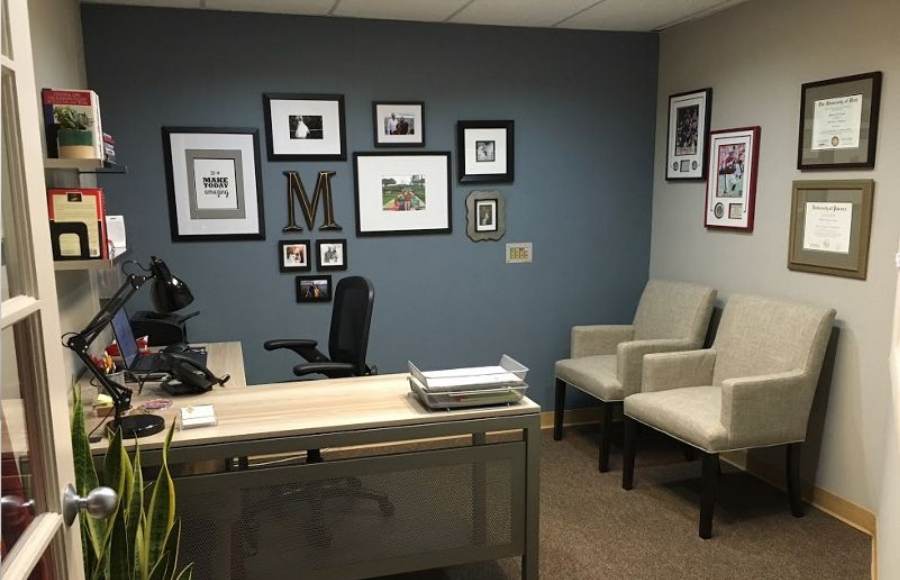
Idea 3: Embrace Ergonomic & Comfortable Furniture
Furniture plays a major role in how employees feel throughout the day. Uncomfortable chairs, poor desk heights, and cluttered workstations can gradually reduce concentration and create physical fatigue. Over time, this can affect both productivity and employee satisfaction.
Investing in ergonomic furniture helps create a healthier and more efficient work environment. Adjustable office chairs with lumbar support encourage better posture, while height-adjustable desks allow employees to alternate between sitting and standing.
Beyond desks and chairs, thoughtful accessories also matter. Monitor arms, keyboard trays, and cable management systems help keep workstations cleaner and more comfortable. Modern offices increasingly view ergonomic furniture not as a luxury, but as an essential investment in long-term performance.
Idea 4: Add Greenery for a Calming Touch
Plants are one of the easiest and most effective ways to improve office atmosphere. They add life, texture, and natural color to interiors that might otherwise feel cold or overly corporate. Even a few carefully placed plants can make a workspace feel more welcoming.
Greenery can also support employee well-being. Many people find that natural elements help reduce stress and create a calmer working environment. This is especially valuable in fast-paced offices where employees spend long hours indoors.
Here are a few suggestions on how to bring greenery to your office:
- Potted Plants: Strategically place potted plants in different corners or along the edges of your office to add color and freshness.
- Hanging Planters: For smaller spaces or to keep surfaces clear, hanging plants can provide a touch of nature without taking up valuable desk space.
- Vertical Gardens: For larger offices, consider a vertical garden or living wall. This can be a striking design feature that will also contribute to the health of your employees.

Idea 5: Don’t Overlook Rest Areas
Many companies focus heavily on workstations and meeting rooms while overlooking the importance of rest areas. In reality, short breaks during the day help employees recharge mentally, reduce stress, and return to tasks with better focus. A productive office should support energy recovery as well as performance.
Rest areas do not need to be large or expensive. Even a small corner with comfortable seating, soft lighting, and a coffee station can create a more welcoming atmosphere. These spaces give employees a place to step away from screens, hold informal conversations, or simply reset between tasks.
When thoughtfully designed, rest areas also strengthen workplace culture. They encourage interaction across teams and make the office feel more human-centered rather than purely functional.
Idea 6: Maximize Natural Light & Smart Lighting
Lighting has a powerful influence on workplace comfort, mood, and focus. Offices with poor lighting often feel tiring and uninviting, while bright and balanced spaces can improve energy levels throughout the day. Because of this, lighting should be treated as a core design feature rather than an afterthought.
Here are a few suggestions on how to maximize natural light:
- Optimize window placement: If possible, design your office with ample windows to maximize natural light.
- Open layouts: Consider using glass partitions or open layouts to allow light to filter through the office, creating a sense of openness.
- Ambient Lighting: Use ambient lighting to create a well-lit office environment without being harsh. Overhead ceiling lights should be bright yet diffused to avoid creating sharp shadows or discomfort. For larger offices, consider layered lighting—using a combination of natural, task, and ambient lighting to achieve a balanced, comfortable environment..
Idea 7: Create Flexible Work Zones
Modern offices are no longer designed around rows of identical desks. Today’s teams often need different environments for different tasks, from focused individual work to informal collaboration. Creating flexible work zones allows one office to support multiple working styles more effectively.
A quiet zone can help employees concentrate on detailed tasks without distraction, while open collaboration areas encourage quick discussions and team interaction. Casual meeting corners with lounge seating can be useful for brainstorming sessions or short conversations that do not require a formal conference room.
Flexible layouts also help businesses adapt over time. As teams grow or priorities change, spaces that serve multiple purposes are easier to reconfigure than rigid traditional office plans. This makes flexibility both a practical and future-ready design choice.
Idea 8: Utilize Storage Solutions to Keep the Space Organized
An organized office is easier to manage, more efficient to work in, and more professional in appearance. Cluttered desks, overflowing cabinets, and poorly planned storage areas can quickly make even modern offices feel chaotic. Good storage design helps solve these issues while improving daily workflow.Here’s utilized storage solutions ideas to keep the space organized:
- Built-In Cabinets: Use built-in storage units to save space and keep supplies organized. Built-ins offer a sleek, modern look without overwhelming the room.
- Hidden Storage: Incorporate hidden storage options in workstations, desks, and seating. For example, ottomans with storage compartments can be used in lounges.
- Shelving Units: Open shelving is great for displaying awards, books, or decorative items, adding a personal touch to the workspace.
The best storage systems are those that blend naturally into the office design. Rather than feeling like an afterthought, storage should support both aesthetics and practicality from the beginning.
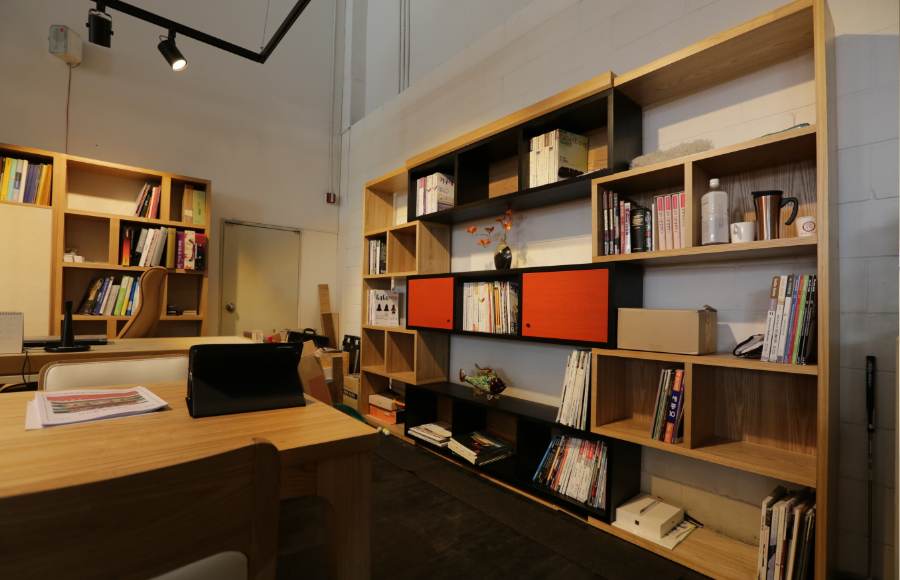
Idea 9: Make Small Offices Feel Bigger with Smart Design
A smaller office does not have to feel cramped or limiting. With the right design approach, compact workspaces can feel open, organized, and highly functional. The key is to maximize visual space while using every square meter efficiently.
Light color palettes are one of the simplest ways to create a more spacious feeling. Mirrors can reflect both light and depth, making narrow areas feel larger. Glass partitions are another smart solution because they divide spaces without blocking openness.
Furniture selection also matters. Choosing streamlined desks, vertical storage, and multi-functional pieces helps reduce clutter while keeping the office practical. Smart planning often matters more than actual size.
Idea 10: Prioritize Sustainability
Sustainability has become an important consideration in modern office design. Businesses are increasingly looking for ways to reduce environmental impact while improving efficiency and lowering long-term operating costs. Smart decoration choices can support both goals.
Energy-efficient lighting, durable furniture, and responsibly sourced materials are practical starting points. Choosing products with longer life cycles reduces replacement frequency, while efficient systems help lower utility costs over time.
Sustainable offices can also strengthen brand reputation. Employees, clients, and partners increasingly value companies that demonstrate environmental responsibility. As a result, sustainable design is no longer just a trend—it is becoming a long-term business advantage.
How to Choose the Right Office Decoration Ideas for Work
Not every office benefits from the same design approach. A startup team, a client-facing corporate office, and a creative studio may all have very different needs. The most effective office decoration ideas for work are those that reflect how the space is used every day while supporting both employees and business goals.
The first factor to consider is the size and layout of the office. Smaller offices often benefit from light color palettes, vertical storage, and multi-functional furniture, while larger spaces may have more flexibility to create dedicated meeting zones, rest areas, or collaborative workspaces.
The number of employees also plays an important role. Growing teams usually need adaptable furniture and layouts that can evolve over time, while smaller teams may prioritize comfort, efficiency, and a stronger sense of identity.
Company culture should also guide design decisions. Some businesses prefer sleek and professional interiors, while others may want a more relaxed and creative environment. The office should feel consistent with the values and image of the brand.
If the office regularly welcomes clients or visitors, reception areas, meeting rooms, and first impressions become even more important. In these cases, branded walls, quality finishes, and thoughtful lighting can help create a more polished experience.
Finally, budget and long-term maintenance should always be considered. Durable materials, timeless furniture, and practical layouts often provide better long-term value than trends that quickly become outdated.
The most successful office spaces usually combine functionality with visual appeal, creating an environment that looks professional while working efficiently every day.
Conclusion
The right office decoration ideas for work can improve productivity, strengthen brand identity, and create a more enjoyable environment for employees and visitors.
From ergonomic furniture and better lighting to flexible layouts and rest areas, even small improvements can create meaningful results. Whether upgrading a compact workspace or planning a full office renovation, thoughtful design choices help create offices that truly work better.
So, need help with decorating ideas for work? Well, let George Solution guide you through every step. Explore our office furniture sets and create an office environment that supports your team, impresses clients, and enhances overall efficiency!
FAQ
What are the best office decoration ideas for work?
The best office decoration ideas combine comfort, productivity, and professional style. Popular choices include ergonomic furniture, better lighting, branded feature walls, organized storage, greenery, and flexible work areas that support different daily tasks.
How can office decor improve productivity?
Office decor can directly influence focus, comfort, and motivation. A well-designed environment reduces distractions, improves organization, supports employee well-being, and creates a more positive atmosphere for daily work.
How do I decorate a small office for work?
Small offices benefit from smart space planning. Light colors, mirrors, vertical storage, glass partitions, and multi-functional furniture can help the office feel larger while maintaining practicality and comfort.
Why is branding important in office design?
Branding helps create a stronger company identity and a more professional environment. It also leaves a positive first impression on clients and visitors while helping employees feel more connected to the business culture.
Read More:
5 Must-Have Upgrades for Small Hotel Bathrooms – George Solution
17 Restaurant Decor Ideas to Help Grow Your Business – George Solution
Top 10 Modular Office Furniture Brands Worldwide – George Solution