

(Last Updated: April 14th, 2026)
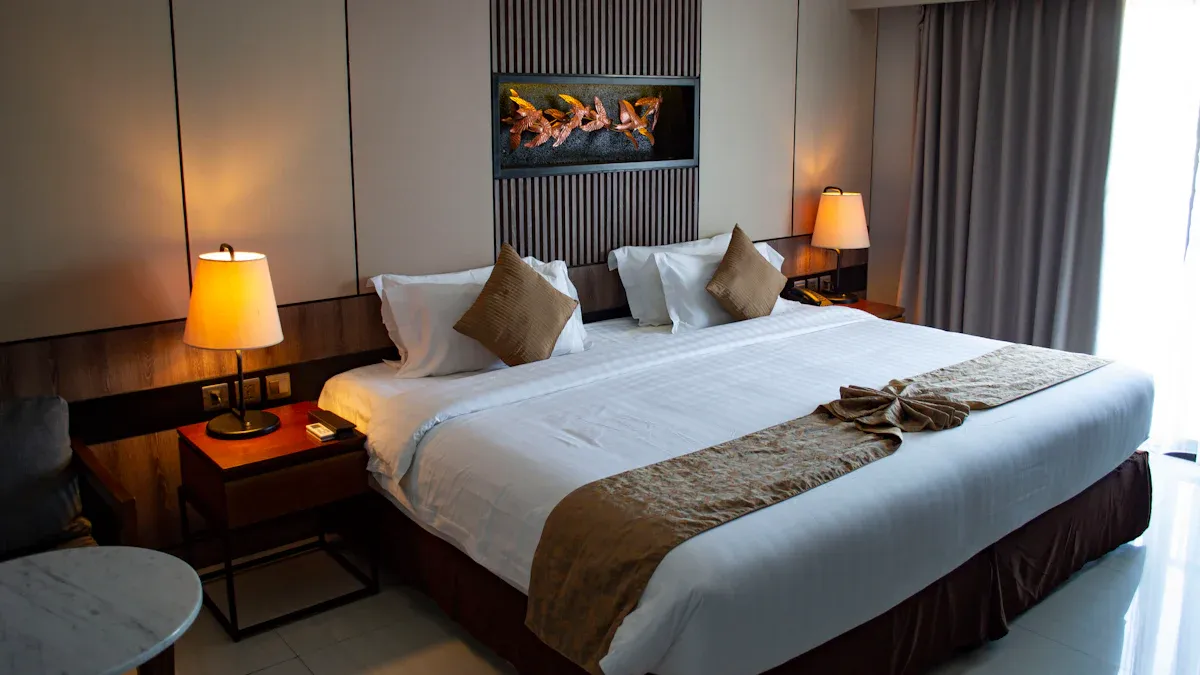
Renovating your hotel isn’t just about keeping up with the competition—it’s about making sure guests keep coming back. Sometimes, a hotel shows signs like dropping occupancy or slowing revenue per available room, hinting that it’s time for a refresh.
If you’re seeing these signals, it might be the right moment to explore new hotel renovation ideas. Take a look at your property’s condition and ask yourself if it’s ready for change. You’ll find practical renovation strategies grouped to help you make smart decisions.
Key Takeaways
- Look for signs of wear and tear in your hotel. Fading paint, worn carpets, and outdated furniture indicate it’s time for a renovation.
- Use guest feedback to guide your renovations. Online reviews can highlight areas needing improvement and boost guest satisfaction.
- Enhance your hotel’s exterior for better curb appeal. A fresh facade, well-maintained parking, and inviting landscaping create a welcoming atmosphere.
- Modernize guest rooms with stylish furnishings and smart technology. Comfortable, tech-friendly spaces lead to happier guests and repeat visits.
- Invest in sustainability upgrades. Energy-efficient lighting and water-saving fixtures lower costs and attract eco-conscious travelers.
When to Consider Hotel Renovation
Signs Your Property Needs an Update
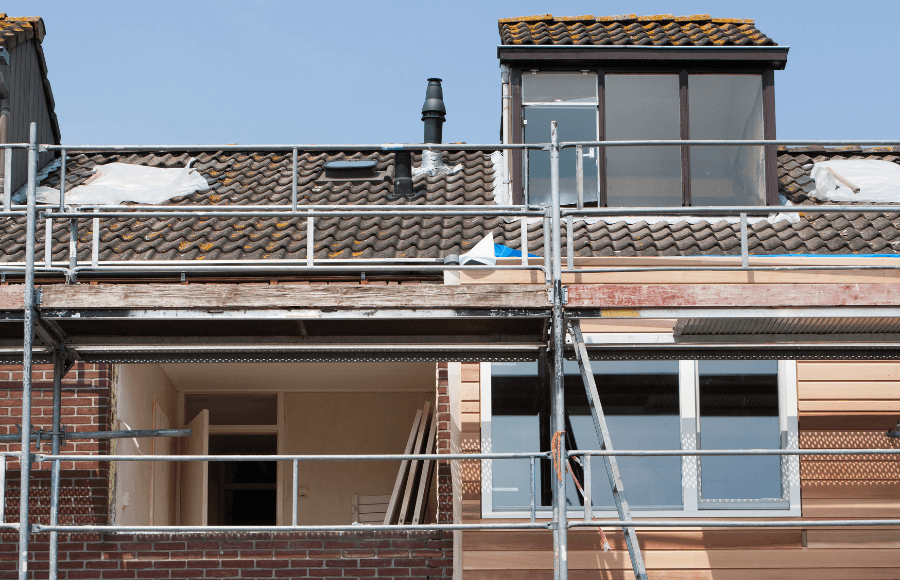
You might notice your hotel feels a bit tired. Maybe the paint is fading, the carpets look worn, or the furniture seems outdated. These are clear signs your property needs an update.
Sometimes, guests mention that rooms feel old or amenities don’t match their expectations. If you see a drop in bookings or your revenue per available room starts slipping, it’s probably time to explore hotel renovation ideas.
Owners often spot these clues before guests do, but ignoring them can lead to bigger problems. Keeping your hotel fresh helps you stay ahead of competitors and keeps guests coming back.
Using Guest Feedback and Trends
Guest feedback is a goldmine for understanding what needs improvement. Online reviews and satisfaction scores can show you exactly where your hotel falls short.
A predictive regression model found that hotels in need of remodeling saw higher guest satisfaction after renovation. Addressing guest feedback through upgrades is essential for boosting the guest experience.
Here’s a quick look at how properties respond to renovation needs:
| Metric | Properties with Mitigation Strategies | Properties without Mitigation Strategies |
|---|---|---|
| Decrease in Guest Satisfaction Scores | 5-10% | 20-30% |
| Recovery Speed in Guest Satisfaction Metrics | 15-20% faster | N/A |
| Normalized Guest Satisfaction Scores During Construction | 85-90% | N/A |
| Post-Renovation ADR Growth | 8-12% higher | N/A |
- Properties that manage renovation disruptions well maintain high guest satisfaction scores.
- Proactive communication during renovations can reduce declines in guest satisfaction.
- Effective renovations lead to increased guest loyalty and emotional connections.
Watching industry trends also helps. If you see new technology or design styles popping up in other hotels, it’s smart to consider them for your own property. Staying current with guest expectations and market shifts keeps your hotel renovation on track and ensures you deliver what guests want.
Exterior & Outdoor Hotel Renovation Ideas
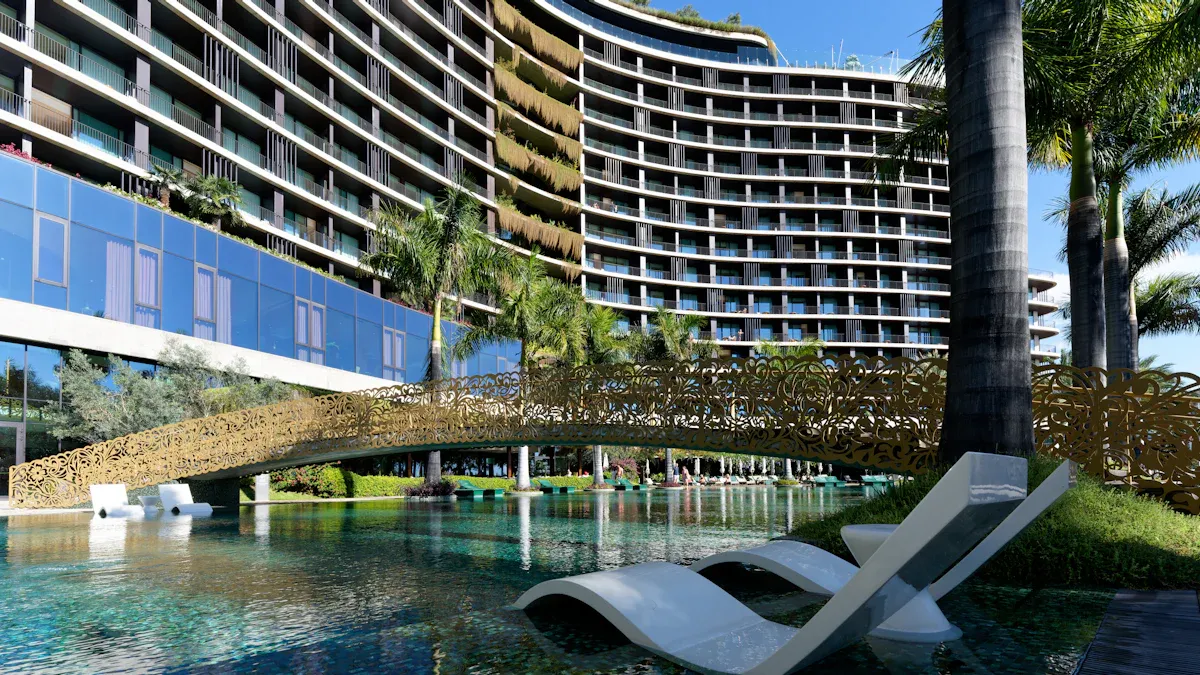
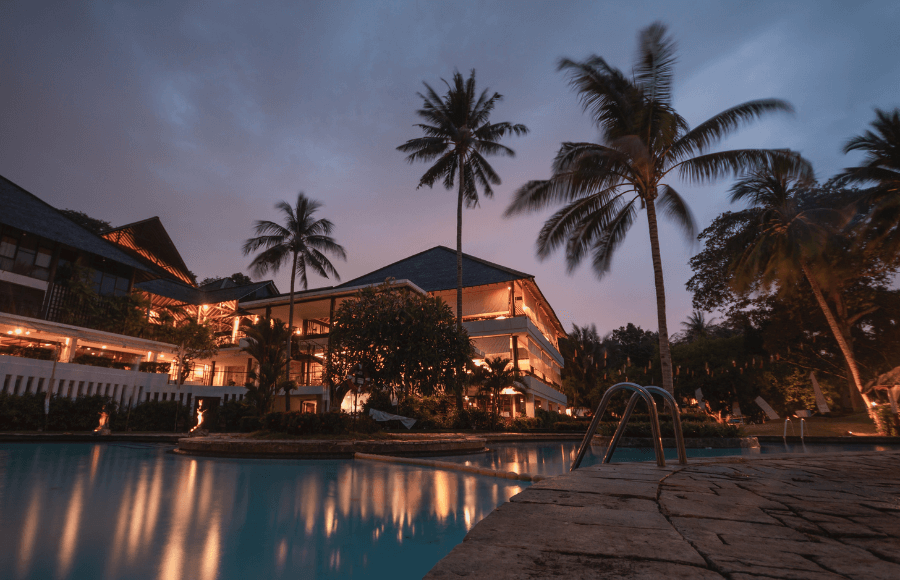
First impressions matter. When guests arrive, the outside of your hotel sets the tone for their entire stay. A tired exterior can make even the best rooms inside feel less inviting.
If you want to revitalize your property, start by looking at the outside. These hotel renovation ideas focus on curb appeal, safety, and creating a welcoming atmosphere.
Refreshing the Hotel Facade
The facade is the face of your hotel. If the paint is peeling or the signage looks faded, guests may wonder about the quality inside. A fresh coat of paint can do wonders.
Choose modern, inviting colors that match your brand. Update your signage so it stands out, especially at night. Consider adding new lighting to highlight architectural features and make the entrance feel safe and welcoming.
You can also add decorative elements like planters, awnings, or even a mural. These touches help your hotel stand out from the competition. If your building has unique features, show them off with accent lighting or contrasting colors.
When you refresh the hotel’s exterior, you send a clear message that you care about every detail.
Tip: Walk around your property at different times of day. Notice how the building looks in the morning, afternoon, and evening. Small changes in lighting or color can make a big difference.
Upgrading Parking and Walkways
Parking lots and walkways are often the first things guests see and use. If they are cracked, uneven, or poorly lit, guests may feel uneasy before they even reach the lobby. Smooth, well-marked pavement and clear walkways show guests you value their safety and comfort.
Here’s how parking and walkway upgrades influence guest perceptions and safety:
| Evidence | Explanation |
|---|---|
| Guests notice the parking lot the moment they arrive. | The condition of the parking lot influences their initial perception of the property, affecting their confidence in the business. |
| Poor conditions can lead to safety concerns. | Cracks and uneven areas can cause guests to trip or feel unsafe, impacting their overall experience and reviews. |
| Paving improvements reduce complaints. | When parking and walkways are easy to navigate, guests feel more comfortable, leading to better moods and reviews. |
| First impressions are formed quickly. | Negative experiences during arrival can set a poor tone for the entire stay, affecting guest satisfaction. |
| Negative experiences are more memorable. | Guests are likely to mention safety issues in reviews, which can deter future guests. |
| Pavement affects first impressions and comfort. | Uneven surfaces can feel unsafe and unprofessional, influencing guest satisfaction subconsciously. |
| Guest safety is foundational for trust. | Poor pavement increases the risk of accidents, leading to injuries and reputational damage. |
Guests expect parking lots and walkways to be safe and easy. If someone trips or feels unsafe, they may leave a bad review or even file a claim.
Simple upgrades like resurfacing, adding clear signage, and improving lighting can prevent accidents and boost your safety ratings. These changes also make your hotel look more professional and inviting.
Custom Landscaping to Revitalize Your Property
Landscaping does more than make your hotel look pretty. It creates spaces where guests can relax, take photos, or enjoy a quiet moment. Well-designed gardens and green areas can turn an ordinary stay into a memorable experience.
Here are some benefits of landscaping improvements:
| Benefit | Description |
|---|---|
| Higher Lease Rates | A well-landscaped property can command higher lease rates, attracting premium tenants. |
| Visually Appealing Spaces | Comfortable, visually appealing spaces encourage customers to linger, increasing engagement. |
| Enhanced Brand Reputation | Landscape enhancements convey professionalism and care, instilling confidence in customers. |
- A well-maintained garden offers guests a peaceful retreat, enhancing their overall experience.
- Green spaces provide ideal spots for relaxation, meditation, and enjoyment of the surroundings.
Try adding native plants, seasonal flowers, or shaded seating areas. Paths lined with lights or benches invite guests to explore. Water features like fountains or small ponds can add a sense of calm.
When you invest in landscaping, you not only improve guest satisfaction but also increase your property’s value and reputation.
Note: Landscaping is not just about plants. Think about outdoor art, fire pits, or even a small playground if you welcome families. These touches help your hotel stand out and keep guests coming back.
A great exterior draws people in. When you focus on these hotel renovation ideas, you create a property that feels fresh, safe, and welcoming from the very first glance.
Public Spaces Transformation
Modern Lobby and Reception Design
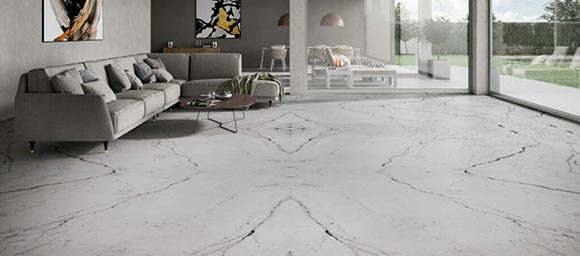
The lobby is the heart of your hotel. When you modernize the lobby, you create a space that feels open and welcoming. Many hotels now use open layouts that blend check-in, seating, and even dining. This makes it easy for guests to find their way and feel comfortable.
Good lighting and clear traffic flow help guests move smoothly from the entrance to the reception desk. Cozy lounge furniture gives people a place to relax or wait for friends. Some lobbies even serve as co-working spaces in the morning and social hubs at night. This flexible design keeps the space lively all day.
Tip: Use local art or decor to give your lobby a unique touch. Guests love seeing something special that reflects the area.
Enhancing Common Areas and Dining
Common areas and dining spaces are where guests gather, eat, and connect. If you revitalize shared spaces with new decor or fresh menu options, guests notice right away. Updated dining rooms with comfortable seating and modern lighting make meals more enjoyable.
Interactive spaces, like coffee bars or game corners, encourage guests to linger and share their experiences. These changes often lead to better reviews and more repeat bookings. When guests feel at home, they are more likely to recommend your hotel to others.
- Updated dining areas boost guest satisfaction.
- Interactive spaces create memorable moments.
- Fresh decor and menus encourage positive feedback.
Flexible Meeting Spaces for Events
Meeting spaces are no longer just for business. Today’s travelers want rooms that can change for different needs. Flexible meeting spaces let you host everything from workshops to parties. You can move furniture or add tech tools to fit any event.
This adaptability attracts corporate clients and local groups. It also creates new ways to earn revenue, like turning a co-working area into a cocktail lounge at night. When you invest in flexible spaces, you make your hotel more competitive and appealing to a wider range of guests.
Guest Room Hotel Renovation
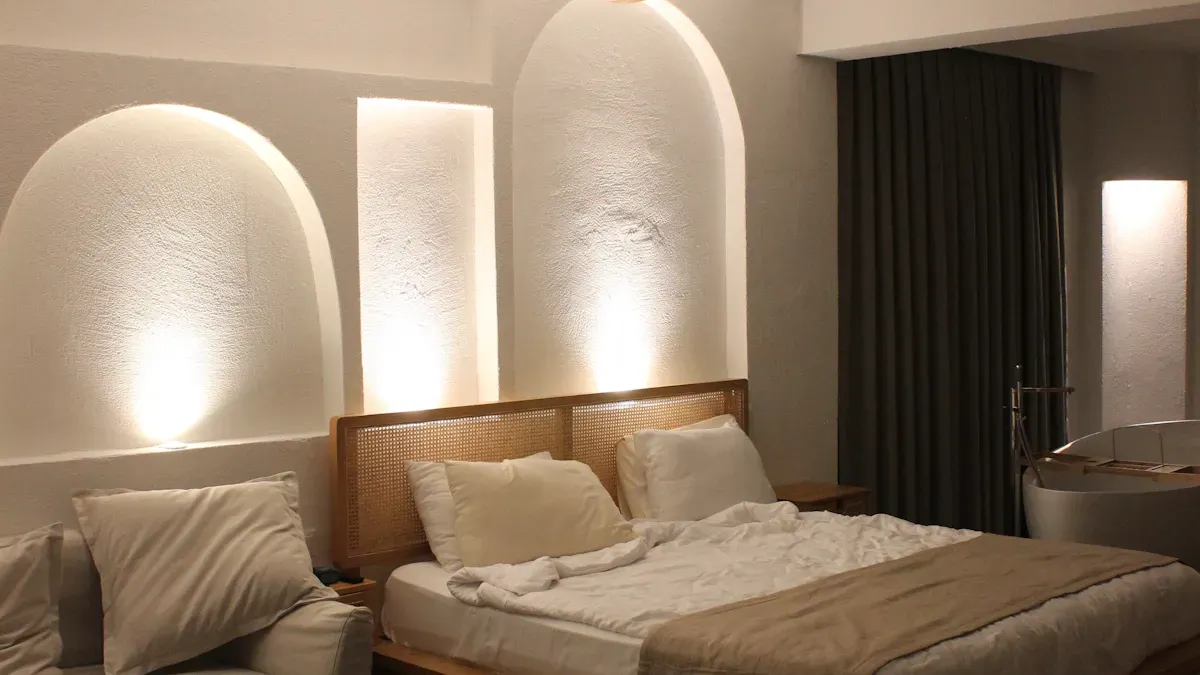
Guest rooms are where your guests spend most of their time. If you want to make a lasting impression, focus on how you upgrade guest rooms. A well-designed room can turn a one-time visitor into a loyal guest. Let’s look at some hotel renovation ideas that can help you revamp guest rooms and boost satisfaction.
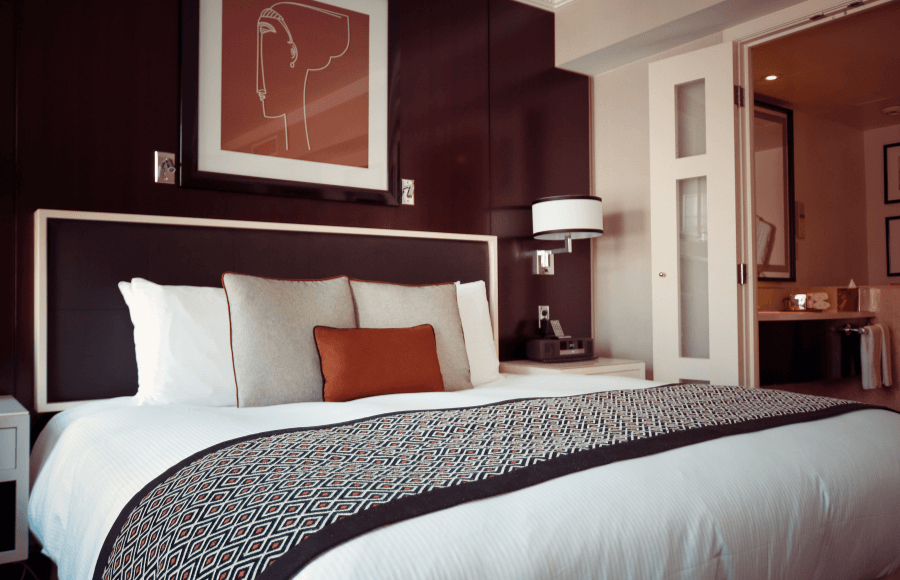
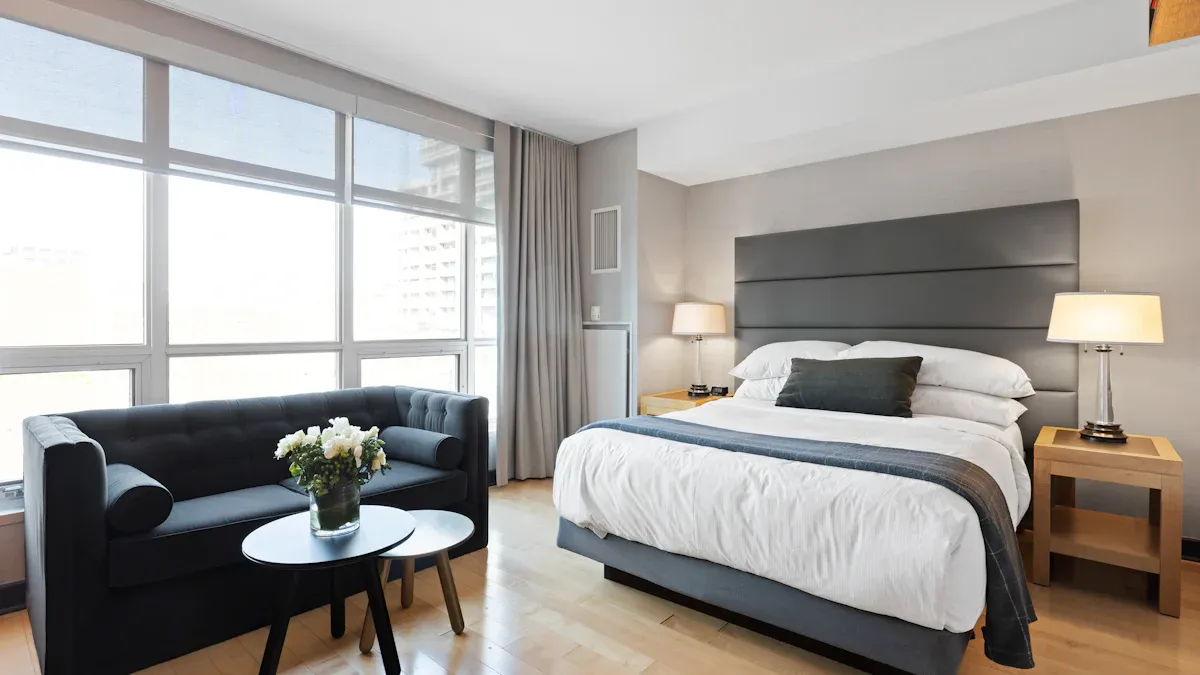
Modern Furnishings and Decor
Modern furnishings do more than just look good. They create a comfortable and inviting space that feels fresh and personal. Guests today expect more than a bed and a chair. They want a room that matches their lifestyle and makes them feel at home.
- Guests love personalized experiences. They notice when the room temperature is just right, or when there’s a pleasant scent in the air.
- Many travelers look for curated amenities that fit their needs, like a yoga mat or a coffee station.
- Design and technology now work together. This means guests can adjust lighting, curtains, or even music with a touch.
- Wellness is a big trend. Some hotels offer sleep-friendly lighting or fitness plans right in the room.
Tip: Choose furniture that is both stylish and practical. Modular pieces can be moved around to fit different guest needs.
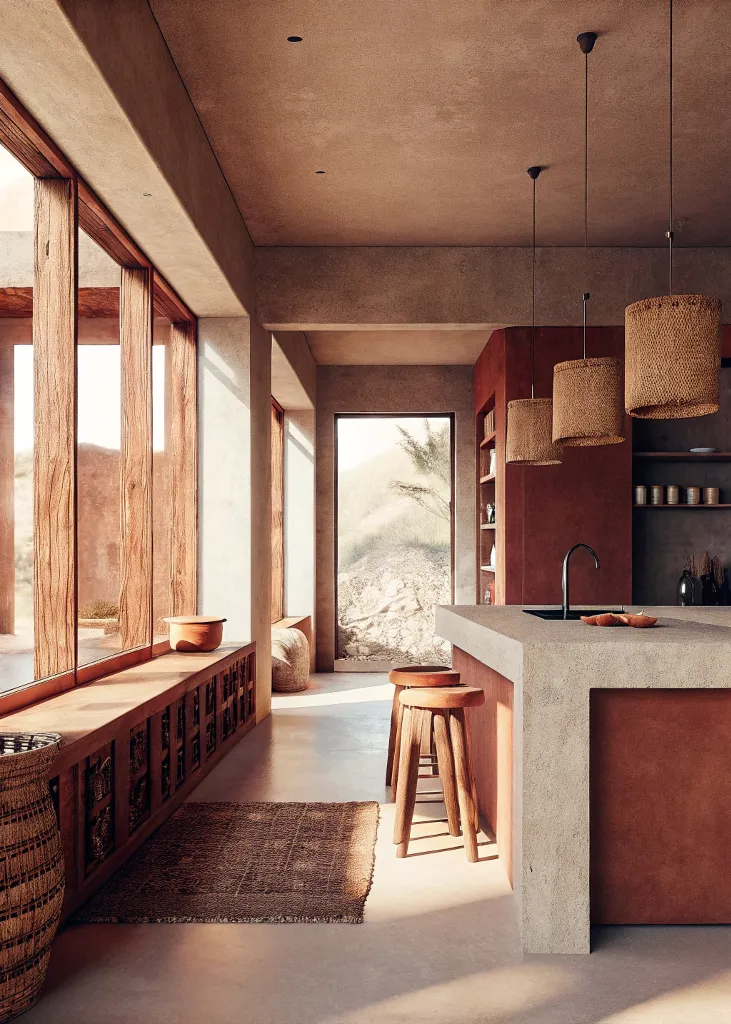
When you upgrade guest rooms with modern decor, you show guests that you care about their comfort. Use calming colors, soft fabrics, and unique artwork to create a space that stands out. Small touches, like a cozy reading nook or a statement lamp, can make a big difference. These hotel renovation ideas can refresh your hotel reputation that make people feel more satisfied.
Bathroom Upgrades
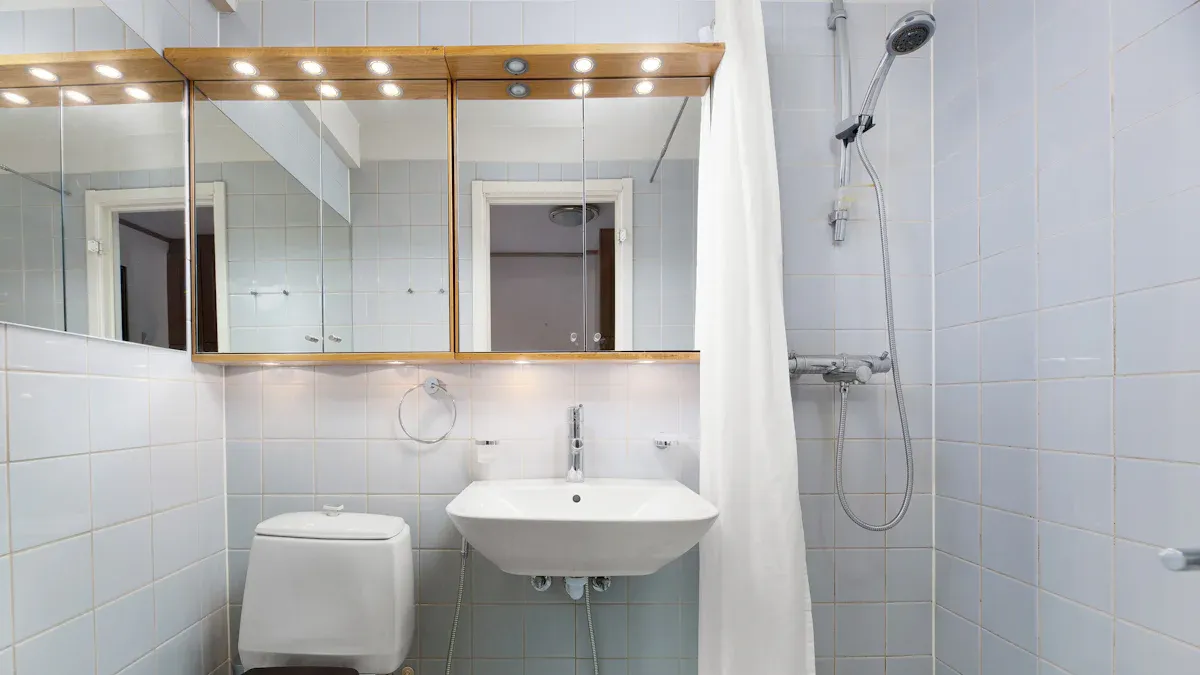
A bathroom can make or break a guest’s stay. Even if the rest of the room is perfect, an outdated bathroom can leave a bad impression. On the other hand, a modern bathroom can boost guest satisfaction and lead to better online reviews.
Research shows that guests pay close attention to bathroom details. Cleanliness, fresh fixtures, and smart design all matter.
- Bathroom details have a direct impact on review scores and repeat bookings.
- Professional-grade washable bath mats look great and last longer.
- Minimalist counters make the space feel cleaner and more organized.
- Keeping the toilet area spotless is key for earning top reviews.
- A refreshed bathroom lifts the whole guest experience.
- Well-designed bathrooms help staff clean faster and more efficiently.
Note: Simple upgrades like new faucets, rainfall showers, or better lighting can transform the space. Add hooks, shelves, or a heated towel rack for extra comfort.
When you upgrade guest rooms with modern bathrooms, you increase the value of your hotel. Guests remember a great shower or a sparkling clean sink. These hotel renovation ideas can turn a good stay into a great one.
Smart Room Technology
Technology is changing the way guests experience hotel rooms. Smart room features make stays more convenient and enjoyable. If you invest in technology upgrades, you can set your property apart from the competition.
| Technology Implemented | Benefit to Guests |
|---|---|
| Mobile Check-in Service | Saves guests time by eliminating front desk stops. |
| In-room Smart Controls | Enhances guest experience through personalized settings. |
| Keyless Entry Systems | Provides convenience and security for guests. |
- Advanced analytics help hotels run more smoothly.
- Personalizing the guest experience leads to higher loyalty.
- IoT-enabled monitoring can spot maintenance issues before they become problems.
Guests love being able to control the temperature, lights, or TV from their phone or a tablet in the room. Keyless entry means no more lost keys or waiting at the front desk. If you invest in technology upgrades, you also make your staff’s job easier and improve operational efficiency.
Callout: Smart room technology is not just a trend. It’s quickly becoming a standard for modern hotels. Guests expect these features, and they reward hotels that deliver with better reviews and more repeat visits.
When you revamp guest rooms with smart technology, you show guests that your hotel is forward-thinking and cares about their comfort. This kind of renovation can lead to higher guest satisfaction and long-term loyalty.
Sustainability and Efficiency Upgrades
Energy-Efficient Lighting and Appliances
Looking for hotel renovation ideas that save money and help the planet? Energy-efficient lighting and appliances are a smart place to start. When you switch to LED bulbs or upgrade old fixtures, you can cut electricity use by more than half.
Many hotels see cooling energy drop by up to 20% after making these changes. Marriott International saved millions and reduced greenhouse gas emissions just by using efficient light bulbs.
You can also replace old appliances with models that use less power. These upgrades lower your bills and make your hotel more attractive to eco-conscious guests.
- Lighting retrofits can reduce electricity use by 50% or more.
- Cooling energy requirements can be cut by 10% to 20%.
- Replacing incandescent and T12 fluorescent lamps with LEDs can reduce lighting energy consumption by 35% or more.
- Marriott International saved over $6 million and reduced greenhouse gas emissions by 70,000 tons by switching to efficient light bulbs.
Tip: Start with common areas and guest rooms. Guests notice bright, comfortable spaces right away.
Water Conservation Fixtures
Water-saving fixtures are another key part of hotel renovation. Low-flow faucets, toilets, and showers help you use less water without sacrificing comfort. Rainwater harvesting and greywater systems can push savings even higher. Check out the numbers below:
| Fixture/System | Water Savings Percentage |
|---|---|
| Low-flow fixtures | 20-30% |
| Rainwater harvesting | Up to 40% |
| Greywater systems | Up to 50% |
Guests appreciate hotels that care about the environment. These upgrades also lower your water bills and help your property stand out.
Solar Power and Green Materials
Solar power and green materials take your renovation to the next level. Photovoltaic panels generate electricity, while solar thermal systems heat water. These technologies reduce long-term energy costs and make your hotel more efficient.
Using recycled or sustainable materials lowers your environmental impact. Many younger guests are willing to pay more for eco-friendly businesses. Sustainability boosts your brand reputation and attracts new customers.
- Improved brand reputation through sustainability initiatives.
- 75% of younger consumers willing to spend more on eco-friendly businesses.
- Use of photovoltaic panels for electricity generation.
- Solar thermal systems for water heating.
- Overall energy savings through efficient equipment.
- Integrating sustainability reduces environmental impact.
- Enhances operational efficiency.
- Attracts eco-conscious guests.
- Energy-efficient technologies lead to cost savings.
- Renewable energy sources like solar power reduce long-term energy costs.
Note: Green upgrades are not just good for the planet. They help your hotel stay competitive and keep guests coming back.
Enhancing Guest Experience
Wellness Amenities and Spa Services
Wellness-focused upgrades can transform a simple visit into a memorable stay. Many guests now look for hotels that offer more than just a bed. They want spaces to relax, recharge, and focus on their well-being.
Adding spa services, yoga studios, or fitness centers can make your property stand out. Guests who enjoy these amenities often stay longer and spend more during their visit.
Here’s how wellness amenities impact your hotel:
| Metric | Benefit |
|---|---|
| Revenue Impact | Hotels with wellness offerings see TRevPAR 108% higher than those without. |
| Guest Return Rate | 80% of guests are more likely to return for personalized wellness. |
| Length of Stay | Wellness travelers stay 2-3 nights longer than average guests. |
| Ancillary Spending | Guests spend more on spa, fitness, and healthy dining. |
When you upgrade amenities to include wellness options, you boost guest satisfaction and encourage repeat visits.
Unique Amenities and Services
Guests remember hotels that offer something special. Unique amenities, like rooftop lounges, pet-friendly perks, or local art tours, help your property stand out.
These features create emotional connections and keep guests coming back. People today value experiences over things, so offering something different can set your hotel apart from the rest.
| Feature Type | Impact |
|---|---|
| Differentiated Amenities | Strong influence on guest selection and satisfaction |
| Memorable Experiences | Lead to higher loyalty and more recommendations |
| Experience-driven Hospitality | Attracts guests who seek unique, personal moments |
| Emotional Connection | Increases visits and positive word-of-mouth |
A few creative touches can turn a regular stay into a guest experience guests want to share.
Accessibility and Safety Features
Safety and accessibility matter to every traveler. Solo female travelers are one of the fastest-growing groups in hospitality. Many hotels now offer female-only floors, enhanced room security, and women-centric amenities. These changes help guests feel safe and welcome.
- Female-only floors and extra security attract solo female travelers.
- Women-centric initiatives, like female security staff, build trust.
- Customized amenities make all guests feel valued and comfortable.
When you focus on accessibility and safety, you open your doors to a wider range of guests and show that you care about their comfort.
Brand Positioning and Regular Updates
Repositioning Your Hotel Brand
Renovation isn’t just about fixing what’s broken. It’s a chance to rethink your hotel’s brand and how you want guests to see it. When you align updates with your brand goals, you create a stronger identity that stands out in the market.
Maybe you want your hotel to feel like a cozy retreat or a modern lifestyle hub. The Nest hotel model shows how a property can evolve into a lifestyle brand, connecting with guests through stories and community events.
Guests notice when your brand feels consistent and welcoming. They engage with your hotel beyond their stay, which leads to loyalty and repeat visits. Owners who focus on brand positioning often see increased revenue from partnerships and more positive reviews. Here are some benefits of regular brand updates:
- Guests build trust and return more often.
- A strong reputation leads to higher occupancy rates.
- Proactive maintenance keeps operations smooth and costs down.
- Positive guest experiences boost online ratings.
Tip: Think about what makes your hotel unique. Use hotel renovation ideas to highlight those features and tell your brand story.
Keeping Design and Amenities Fresh
Keeping your design and amenities fresh is key to staying competitive. Guests expect a hotel to look modern and offer new experiences. Regular updates show you care about their comfort and satisfaction. Consistent branding across all touchpoints helps guests recognize your property and feel at home.
| Aspect | Influence on Loyalty and Market Positioning |
|---|---|
| Brand Identity | Creates a recognizable brand that guests can trust, encouraging repeat visits. |
| Emotional Connection | Fosters deeper relationships with guests, enhancing loyalty. |
| Service Quality | Consistent service across all touchpoints reassures guests and builds trust. |
| Guest Experience | A cohesive experience enhances satisfaction and encourages positive word-of-mouth. |
Small changes, like updating decor or adding new amenities, can make a big impact. Standardized procedures help staff work efficiently and keep guests happy. When you refresh your hotel regularly, you build deeper connections and stand out from the competition.
Note: Reliable branding and fresh amenities deepen emotional bonds and encourage guests to recommend your hotel to friends.
Looking for hotel renovation ideas? Start with your brand and keep your property updated. These steps help you attract new guests and keep loyal ones coming back.
Renovating your hotel brings lasting value and happier guests. Upgrades in guest rooms, bathrooms, and smart technology boost satisfaction and revenue. Check out typical renovation costs and returns:
| Property Type | Costs | Description |
|---|---|---|
| Economy Hotels | $8,000–$15,000/room | Basic updates like paint and furnishings. |
| Midscale Hotels | $20,000–$40,000/room | Bathroom upgrades and new furniture. |
| Upscale Hotels | $50,000–$90,000/room | Premium materials and tech enhancements. |
| Luxury Hotels | $100,000–$150,000/room | Custom designs and high-end finishes. |
Focus on what matters most for your market. Consult experts or explore resources for a smooth renovation. Ready to start? George Solution can help you plan your next steps.
FAQ
How often should I consider renovating my hotel?
It depends on the property’s age and guest feedback. Usually, a major update every 5-7 years keeps your hotel fresh. Regular minor upgrades also help maintain guest satisfaction and stay competitive in the hotel industry.
What’s the most cost-effective renovation for a hotel?
Focusing on guest rooms and public spaces offers the best return. Simple updates like new paint, lighting, or furniture can significantly boost appeal without breaking the bank.
How can I minimize guest disruption during renovations?
Plan renovations in phases, communicate clearly with guests, and schedule work during off-peak times. Keeping guests informed helps manage expectations and ensures a smooth experience.
Are eco-friendly upgrades worth the investment?
Absolutely! Green upgrades like energy-efficient lighting and water-saving fixtures lower costs long-term and attract eco-conscious travelers, making your hotel more appealing and sustainable.
Do I need professional help for hotel renovations?
Yes, hiring experienced designers and contractors ensures quality work. They can help you stay on budget, meet deadlines, and achieve a cohesive look that enhances your hotel’s value.