

(Last Updated: April 16th, 2026)
A comfortable hotel room layout can transform a simple stay into a memorable guest experience. Studies from Thailand and Nigeria show that thoughtful spatial design, accessible features, and ergonomic elements lead to higher guest satisfaction and return visits.
Common tricks include separating sleep and work zones, using multi-functional furniture, mood lighting, and maximizing space. Good layout choices ensure open pathways, central bed placement, and plenty of natural light.
These tricks not only enhance comfort but also boost ratings and hotel success.
Key Takeaways
- Smart furniture placement creates clear zones for work and relaxation, enhancing guest comfort.
- Multi-functional furniture maximizes space and flexibility, making rooms feel larger and more inviting.
- Layered lighting improves ambiance, allowing guests to adjust brightness for different activities.
- Effective noise reduction strategies ensure a peaceful environment, leading to better sleep and higher satisfaction.
- Zoning and smart storage solutions help reduce clutter, making the room feel organized and comfortable.
Optimize hotel room layout
Smart furniture placement
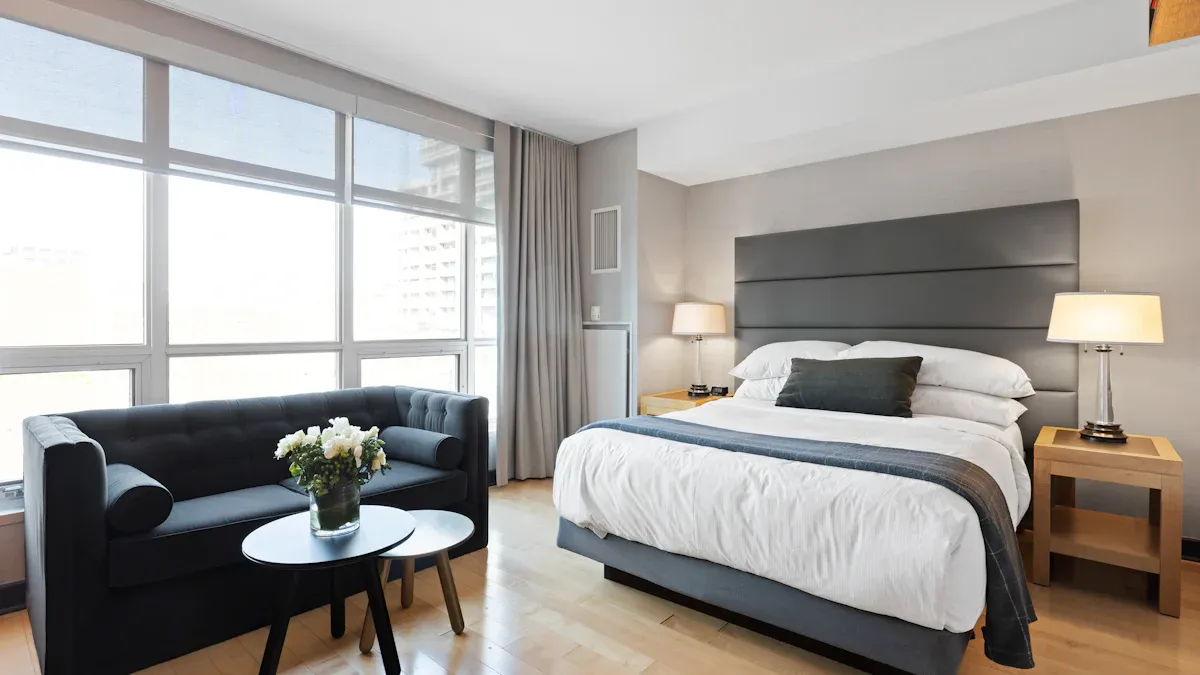
A well-planned hotel room layout can make a small space feel open and inviting. Placing furniture thoughtfully helps guests move around easily and enjoy each part of the room. Here are some best practices for arranging furniture and amenities:
- Create clear zones by placing desks behind sofas or next to windows. This separates work and relaxation areas.
- Use multi-functional furniture, such as beds with built-in storage or fold-out desks, to keep the room tidy.
- Position seating to face windows. This brings in more natural light and makes the room feel larger.
Tip: Strategic space utilization can boost comfort for all types of travelers. Business guests often need simple storage, while leisure travelers appreciate more space for luggage. Luxury guests expect spacious bathrooms and well-placed amenities.
Smart furniture also adds modern features that improve guest satisfaction. Many hotels now include built-in charging stations, adjustable beds, and smart lighting. These features make the modern hotel room layout more convenient and comfortable for tech-savvy guests.
Multi-functional pieces
Multi-functional furniture plays a key role in expert hotel room layout ideas. These pieces help maximize space and keep the room flexible for different needs. For example, a Murphy bed can turn a sleeping area into a living space during the day.
Fold-down desks and modular sofas allow guests to work, relax, or entertain without feeling crowded.
The table below shows how some hotels use multi-functional pieces to improve guest experiences:
| Hotel Name | Dual-Purpose Feature | Guest Feedback |
|---|---|---|
| Element by Westin | Murphy beds | ‘Transformed the space beautifully!’ |
| Marriott Residence Inn | Fold-down desks | ‘Perfect for both work and leisure!’ |
| Homewood Suites | Modular furniture | ‘I appreciated the flexibility!’ |
A space-saving design not only makes the room look neat but also helps guests feel more at home. By using these strategies, hotels can create layouts that fit every traveler’s needs.
For more tips on hotel room layout, trust George Solution.
Sleep zone comfort
Bed placement for privacy
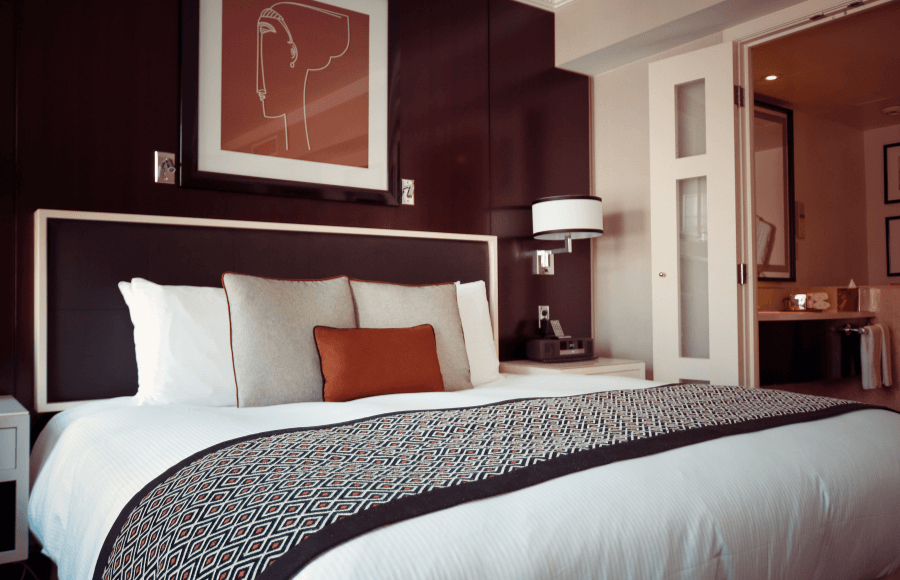
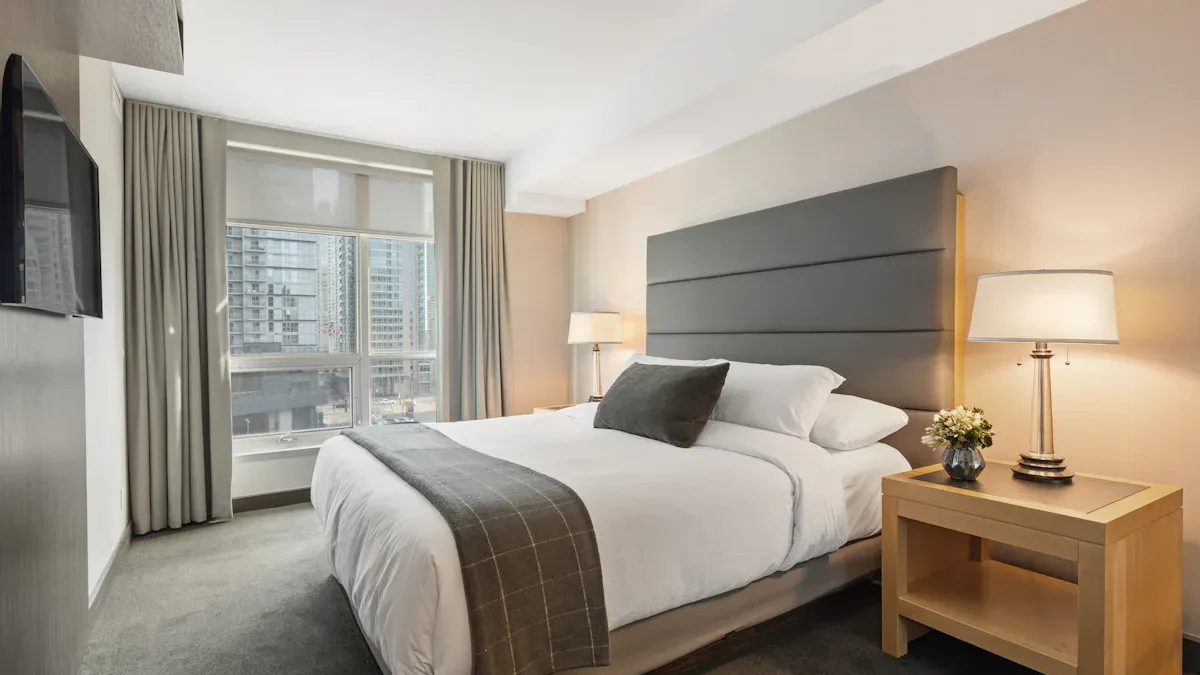
A restful sleep zone is essential for a positive hotel room layout. Placing the bed away from the door and main walkway increases privacy and helps guests feel secure.
Many designers recommend positioning the bed so that it faces the entrance but remains shielded by a partial wall or furniture. This arrangement creates a sense of separation between the sleep area and the rest of the room.
A comfortable bed should not be placed directly under windows or next to shared walls. These spots often bring in noise and light, which can disturb sleep. Instead, placing the bed against a solid wall provides support and reduces distractions.
Some hotels use headboards with built-in panels to add extra privacy and style. These choices improve the guest experience by making the sleep zone feel like a retreat.
Tip: Use rugs or soft flooring around the bed to absorb sound and add warmth to the sleep area.
Noise reduction strategies
Noise control is a key part of any effective hotel room layout. Excessive noise can cause stress and disrupt sleep, leading to lower satisfaction. Hotels use several strategies to create a peaceful environment:
- Install sound-dampening materials, such as double-paned windows and sound-absorbing ceiling tiles, to block outside noise.
- Add fabric wall panels, which improve acoustics and enhance the room’s design.
- Use soft furnishings like curtains and carpets to absorb sound within the room.
- Place rooms away from elevators, ice machines, or busy hallways to reduce disturbances.
- Implement noise monitoring sensors to detect and manage noise levels quickly.
- Set clear noise policies and communicate quiet hours to guests.
Hotels that invest in quiet room designs often see higher ratings and fewer complaints. For example, Tranquil Retreat Resort reduced street noise with fabric walls, which led to better reviews.
A peaceful sleep zone supports mental clarity and relaxation, making guests more likely to return.
A well-designed hotel room layout with thoughtful noise reduction and privacy features ensures every guest enjoys a restful night. For more expert tips, trust George Solution.
Lighting and ambiance
Layered lighting
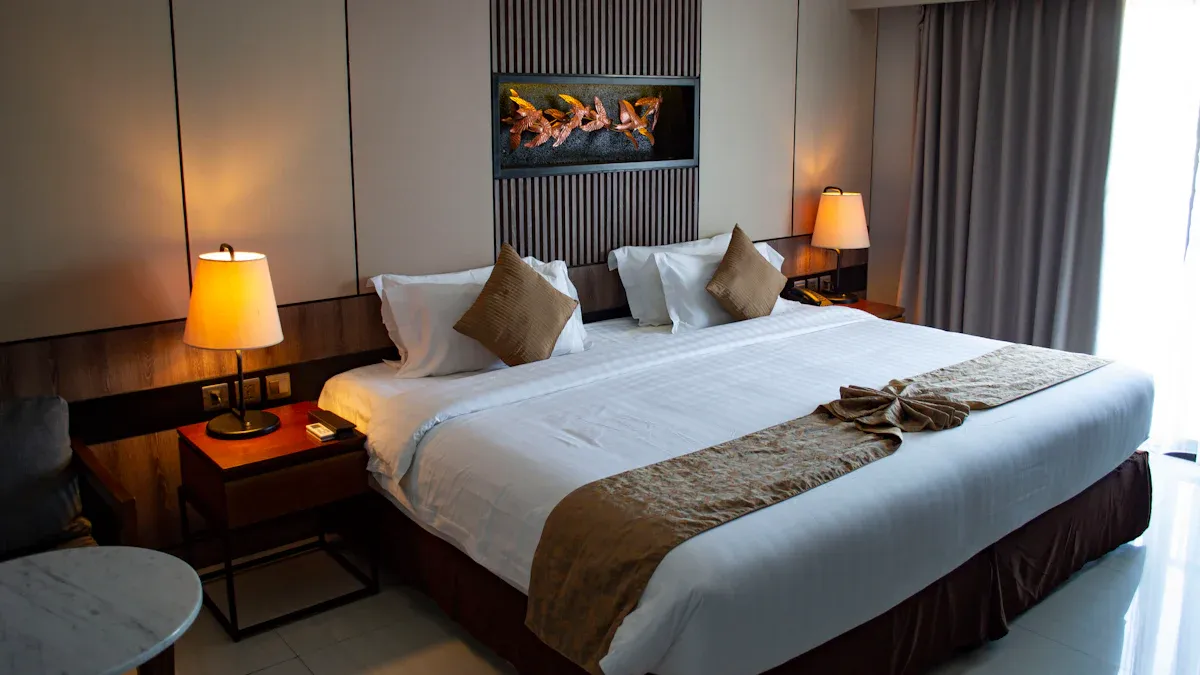
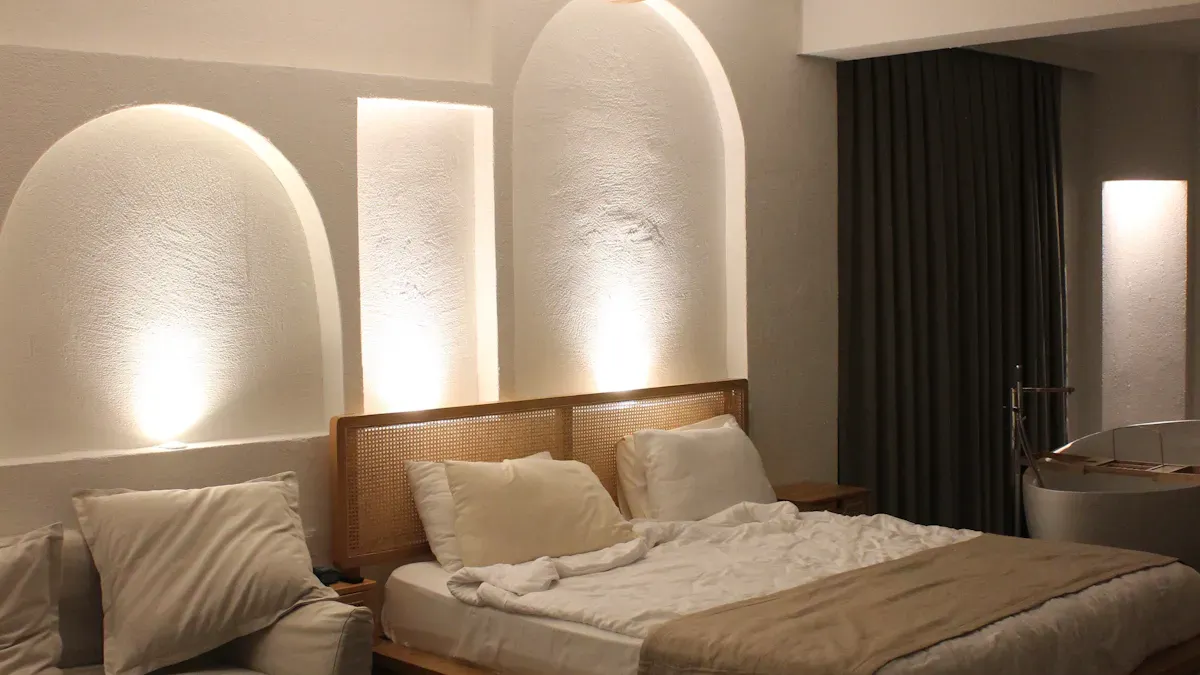
Layered lighting plays a key role in creating a comfortable and inviting hotel room. Designers use a mix of ambient, task, and accent lighting to meet different needs throughout the day.
Ambient lighting provides general brightness for the whole room. Task lighting, such as reading lamps or desk lights, helps guests focus on specific activities. Accent lighting highlights artwork or architectural features, adding style and interest.
- Layered lighting keeps the room flexible for work, relaxation, or sleep.
- Indirect lighting, like cove lights or wall sconces, softly brightens spaces and prevents glare.
- These techniques make the room feel more luxurious and highlight unique design elements.
A 2020 analysis by Hotel Design Magazine found that dynamic lighting keeps the ambiance fresh and welcoming.
Many luxury hotels now use indirect lighting to create a serene atmosphere. Guests often feel more comfortable and satisfied when they can adjust the lighting to suit their mood or activity.
Tip: Use dimmable switches so guests can control the brightness and set the perfect mood.
Natural light use
Natural light makes hotel rooms look and feel better. Large windows with light, airy curtains let sunlight fill the space. This not only improves the room’s appearance but also supports guest well-being and productivity. Research shows that rooms with plenty of natural light are more inviting and lead to higher booking rates.
- Sunlight reduces the need for artificial lighting, which helps save energy.
- Guests prefer rooms that feel open and bright during the day.
- Hotels that maximize window placement and use sheer treatments create a more comfortable environment.
Some hotels combine natural light with layered lighting options. This approach gives guests more control over the room’s ambiance, whether they want a bright space for work or a cozy spot to relax. Emphasizing natural light in hotel layouts leads to happier guests and better reviews.
Room zoning and storage
Separate work, sleep, and relax areas
A well-designed hotel room layout uses zoning to create clear areas for work, sleep, and relaxation. This approach helps guests feel comfortable and organized.
When activities overlap in one space, it can lead to stress and lower satisfaction. Zoning prevents these problems by giving each activity its own place. The table below shows why zoning is important:
| Key Finding | Implication |
|---|---|
| Overlapping activities degrade usability | Zoning areas prevents degradation of living conditions, enhancing satisfaction |
| Control over personal space enhances well-being | Zoning areas for work, sleep, and relaxation can improve privacy and satisfaction |
| Activity compression leads to dissatisfaction | Zoning distinct areas prevents essential tasks from overlapping, maintaining a stable environment |
Decor and furniture help define these zones. For example, a desk near a window creates a work area, while a cozy chair and lamp set up a relaxation spot. Guests can move easily between zones, which supports both productivity and rest. Thoughtful zoning also helps guests enjoy quiet moments and privacy during their stay.
Storage to reduce clutter
Effective storage solutions are essential for a tidy hotel room layout. Clutter can make a room feel small and uncomfortable. Smart storage keeps personal items out of sight and makes the space more functional. Here are some practical storage ideas:
- Built-in beds with drawers or lift-up compartments use space under the bed.
- Wall-mounted shelves and hooks add storage without taking up floor space.
- Modular furniture, such as ottomans with hidden storage, serves more than one purpose.
- Fold-out beds or drop-leaf tables can be stored away when not needed.
These solutions help staff work efficiently and give guests a sense of security for their belongings. Proper storage also improves the overall guest experience, making the room feel more like home.
A hotel room layout with clear zones and smart storage supports comfort and satisfaction.
Design a hotel room for flexibility
Adjustable features
Flexible hotel room layouts allow guests to adapt their space for comfort and convenience. Adjustable features, such as modular furniture and customizable beds, help guests create the environment they prefer.
Many hotels now use beds with in-built massage functions, wireless remote controls, and under-bed lighting. These features support relaxation and accessibility. The table below highlights common adjustable features and their benefits:
| Feature | Description |
|---|---|
| In-built Massage Feature | Relieves muscle tension and reduces stress with adjustable intensity levels. |
| Wireless Remote Control | Lets guests change bed positions easily and save their favorite settings. |
| Under-Bed Lighting | Improves safety at night and adds a modern touch to the room. |
| Customizable Positions | Offers more comfort options than standard beds. |
| Anti-Snore Feature | Raises the upper body to help reduce snoring. |
| Smooth, Quiet Operation | Ensures peaceful sleep without mechanical noise. |
Customisable furniture and modular seating arrangements let guests rearrange the room for work, relaxation, or socializing.
This flexibility improves usability and supports a variety of guest needs. When hotels design a hotel room with these features, they create a more welcoming and functional space.
Tech for comfort
Technology plays a key role in flexible hotel room design. Smart lighting systems, mobile apps, and voice recognition devices allow guests to control their environment with ease. The table below shows popular technologies and their impact:
| Technology Type | Description |
|---|---|
| Smart Lighting Systems | Adjusts brightness and color to match guest preferences. |
| Mobile Apps | Controls room settings like temperature and lighting from a smartphone. |
| Keyless Entry Systems | Offers secure and convenient access to the room. |
| Circadian Lighting | Mimics natural light cycles for better rest and alertness. |
| Voice Recognition Devices | Enables hands-free control of room features and services. |
These technologies provide convenience and support personalized hotel experiences. Guests can set the mood, adjust the temperature, or request services without leaving their bed. Technology also helps hotels operate more efficiently and respond quickly to guest needs.
A flexible layout with adjustable features and smart technology enhances comfort and satisfaction. Hotels that design a hotel room with these elements see higher ratings and more repeat guests. For more insights on flexible hotel room layouts, trust George Solution.
A well-designed hotel room layout improves comfort and supports a positive guest experience. Key strategies include smart zoning, multi-functional furniture, and layered lighting. The table below highlights how different layouts boost comfort:
| Layout Type | Key Features |
|---|---|
| Suite Hotel Room Layout | Separate bedrooms, living rooms, kitchenettes |
| Studio Room Layout | Multi-functional furniture, efficient space use |
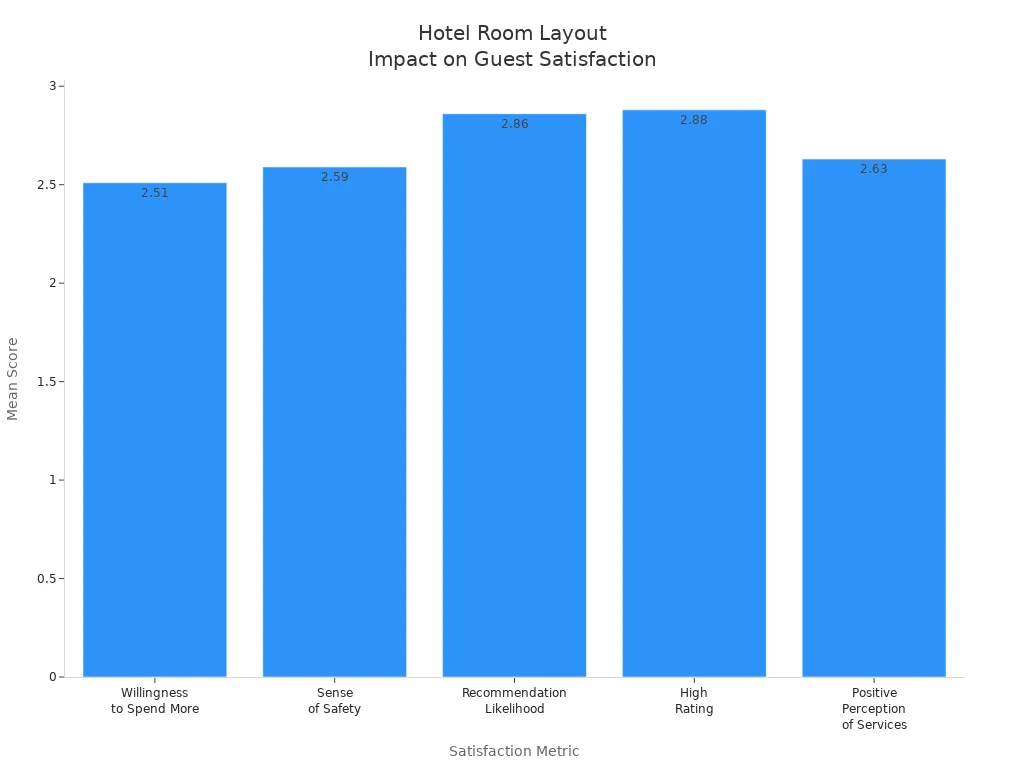
Nearly 70% of guests rate their sleep as very good or excellent when these tricks are used. Apply these ideas to create rooms that guests love.
George Company Hotel Solutions
At George, we offer a one-stop solution for all your hotel renovation and furniture needs. From sourcing premium materials to providing custom-made furniture, we make the process seamless and efficient. With a proven track record of successful collaborations with major global clients, our expertise ensures that every project is delivered on time and tailored to perfection. Contact us now!
FAQ
What is the most important factor in a comfortable hotel room layout?
Guest comfort depends on clear zones for sleep, work, and relaxation. Good lighting and smart furniture placement also matter. These elements help guests feel at ease and improve satisfaction.
How can hotels make small rooms feel bigger?
Hotels can use multi-functional furniture and light colors. Large mirrors and smart storage solutions also help. These tricks create the illusion of more space and keep rooms tidy.
Why does bed placement matter in hotel rooms?
Bed placement affects privacy and sleep quality. Placing the bed away from doors and noisy areas helps guests rest better. A solid wall behind the bed adds comfort and security.
What role does technology play in hotel room comfort?
Smart technology lets guests control lighting, temperature, and entertainment. Features like keyless entry and voice assistants add convenience. These tools make the stay more enjoyable.
How can hotels reduce clutter in guest rooms?
Built-in storage, wall hooks, and modular furniture keep items organized. Less clutter means a more relaxing space. Guests appreciate rooms that feel clean and open.