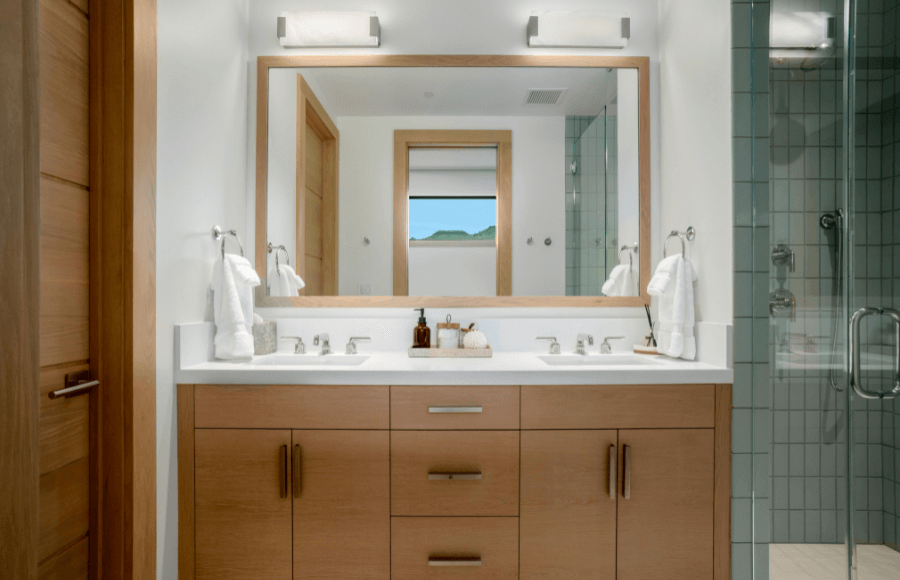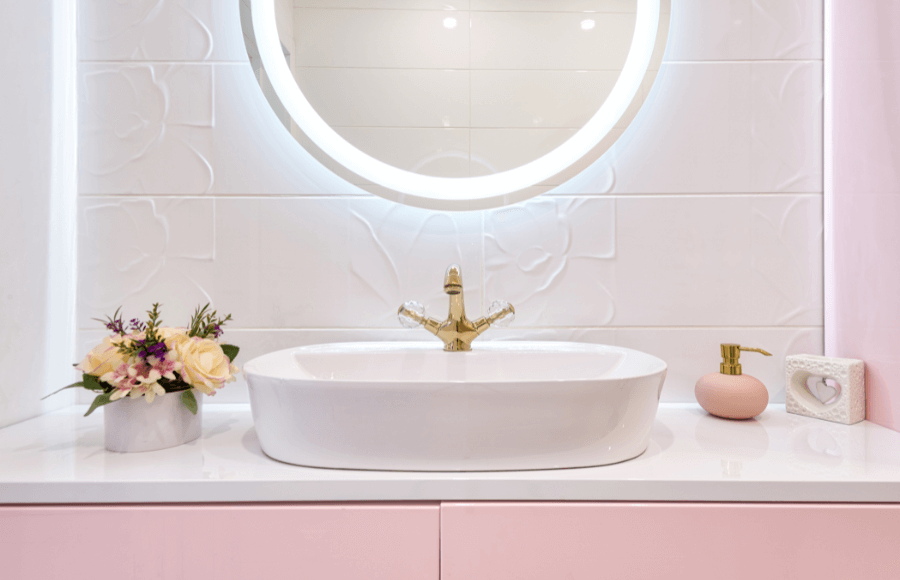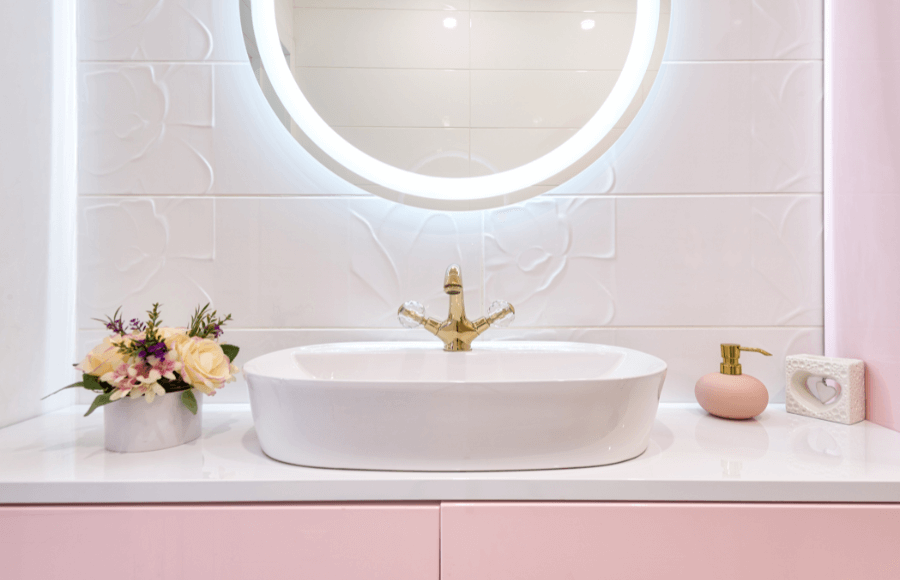


When it comes to designing your bathroom, the vanity plays a crucial role in both style and functionality. From choosing the right material to considering design options and finishes, there’s a lot to think about. In this guide, we’ll explore everything you need to know to select the perfect bathroom vanity that suits your space and meets your needs.
Bathroom Vanity Tops: Materials and Options
Marble Vanity Tops
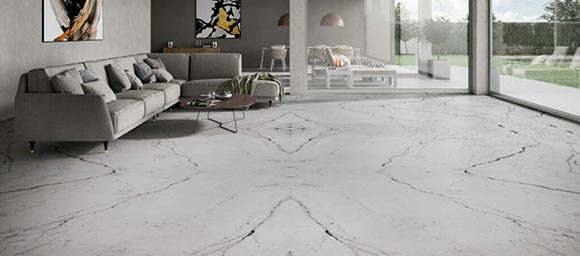
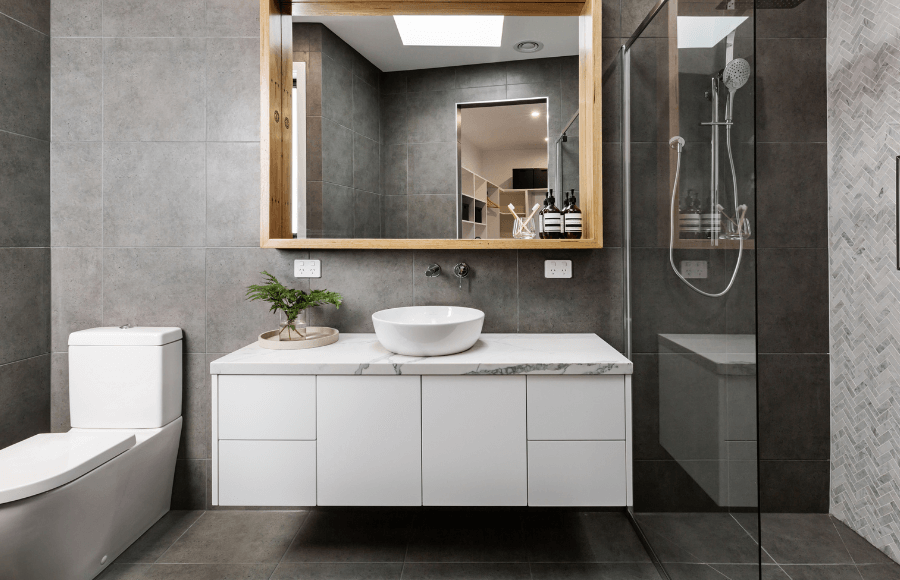
Marble vanity tops are a luxurious choice known for their unique patterns and natural beauty. This material adds a timeless elegance to any bathroom.
Marble is a porous material, meaning it can absorb liquids and stains easily. To keep it looking great, make sure to apply a sealant regularly to protect the surface from moisture and spills. Although it requires some care, the aesthetic appeal of marble makes it a popular choice.
The patterns in marble are unique to each piece, giving your bathroom a one-of-a-kind look.
Granite Vanity Tops
Granite vanity tops are popular because they are durable and heat-resistant. This natural stone can withstand everyday use and is ideal for high-traffic bathrooms.
Granite comes in many colors and patterns, giving you plenty of options to match your bathroom’s design. Whether you prefer classic neutral tones or bold colors, granite can fit any style.
Granite is resistant to scratches and heat, making it perfect for bathrooms where durability is key. With proper care, a granite vanity top can last for years, offering long-term value.
Quartz Vanity Tops
Quartz vanity tops are a great option for modern bathrooms. They are non-porous, meaning they won’t absorb liquids or stains, making them easier to clean and maintain than other materials like marble or granite.
Quartz is also low-maintenance and only needs regular cleaning with mild soap and water. This makes it ideal for busy homeowners looking for a stylish, easy-to-care-for surface.
Available in a variety of colors and patterns, quartz can complement any bathroom style. Whether you have a modern or classic bathroom, quartz offers the perfect balance of form and function.
Selecting the Right Bathroom Vanity Sink
Undermount Sinks
Undermount sinks are installed beneath the countertop, creating a clean and modern look. This design gives your bathroom a sleek, seamless appearance.
One of the benefits of undermount sinks is how easy they are to clean. Since there are no edges for water or debris to collect, it’s simple to wipe down the surface, keeping it tidy.
These sinks also provide more countertop space, making them more functional. Whether your bathroom is small or large, undermount sinks offer both style and convenience.
Vessel Sinks
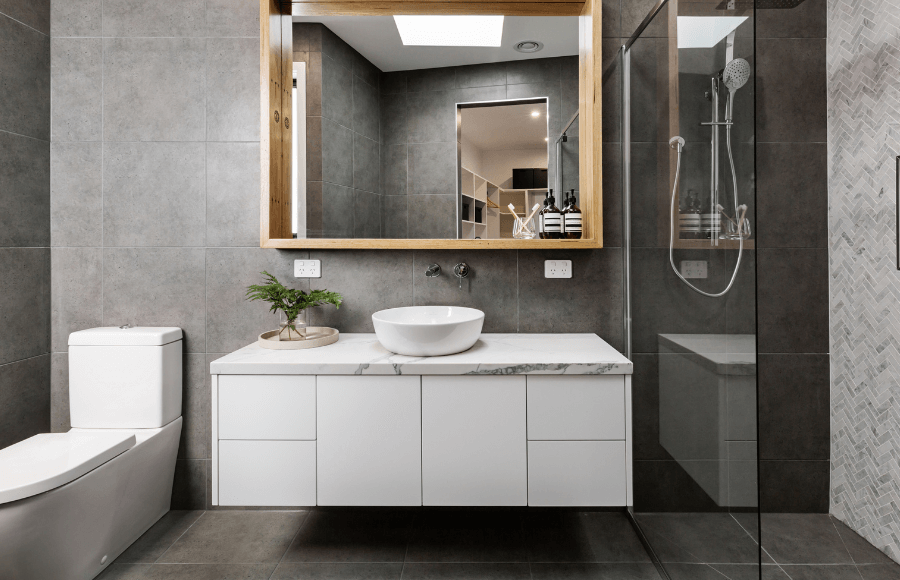
Vessel sinks sit on top of the countertop and make a bold statement in your bathroom. This design adds modern flair and can become the focal point of your bathroom.
Since vessel sinks are raised above the countertop, they offer a unique look that works well in contemporary bathrooms. With various shapes, materials, and colors, you can customize the sink to match your bathroom’s theme.
While vessel sinks are striking, they may require more maintenance, as water can splash around the edges. However, with proper care, they can last for many years and add a dramatic touch to your bathroom.
Drop-In Sinks
Drop-in sinks fit into a pre-cut hole in the countertop, making them easy to install. This classic and simple design is popular for both bathrooms and kitchens.
The edges of the sink rest on the countertop, creating a smooth transition between the sink and the surface. This design helps to prevent water from spilling over the sides.
Drop-in sinks come in a variety of materials like porcelain, stainless steel, and granite. They are low-maintenance and easy to clean, making them a great choice for any bathroom.
Reading Recommendations: 7 Key Tips for Custom Kitchen Cabinets
Bathroom Vanity Faucets and Hardware
Choosing the Right Faucet Style
When selecting a faucet for your bathroom, consider both functionality and aesthetics. Common types include single-handle, widespread, and wall-mounted faucets.
- Single-handle faucets allow you to adjust both water flow and temperature with one lever, making them a convenient choice for modern bathrooms.
- Widespread faucets have separate handles for hot and cold water, giving you more precise control and a classic, elegant look.
- Wall-mounted faucets are installed directly on the wall above the sink, creating a floating effect and freeing up space on the countertop. These are ideal for modern or contemporary bathrooms.
Popular Faucet Finishes
Faucet finishes come in several options, including chrome, brushed nickel, and matte black. Each finish offers a distinct look and complements different bathroom designs.
- Chrome has a bright, shiny surface, adding a modern touch to any bathroom. It’s easy to clean, but it may show water spots or fingerprints.
- Brushed nickel has a soft, satin finish, and it resists fingerprints and watermarks, making it a versatile choice for various bathroom styles.
Matte black provides a bold, modern contrast to lighter bathroom features. It’s trendy and offers a sleek finish that’s easy to maintain.
Bathroom Vanity Lighting: Essential Tips
Ambient Lighting
Ambient lighting is your bathroom’s main light source, providing overall illumination to create a comfortable atmosphere. It can be soft and warm or bright, depending on your preference.
This type of lighting is often installed overhead, using ceiling lights or recessed fixtures to evenly light the room. It’s important for both functionality and style.
Task Lighting
Task lighting focuses on specific areas, especially around the vanity, to provide bright, focused light for grooming tasks like shaving or applying makeup.
Task lighting is typically installed above or beside the mirror to ensure clear, direct light for activities that require precision. Wall sconces or adjustable lights work well for this purpose.
Accent Lighting
Accent lighting highlights specific features in your bathroom, such as artwork or the vanity itself. It adds visual interest and helps create a focal point in the room.
Track lighting or small spotlights can be used to direct light to areas you want to emphasize, like a decorative mirror or a feature wall, giving your bathroom extra depth and character.
Installing a Bathroom Vanity: DIY or Professional Help?
Professional Installation
Hiring a professional for vanity installation ensures that everything is set up correctly, especially when plumbing is involved. A skilled installer can handle all aspects, from securing the vanity to connecting the sink and faucet.
Professional installation also reduces the risk of mistakes, like leaks or misalignments. Professionals can make adjustments for uneven floors or walls, ensuring your vanity is level and securely installed.
DIY Installation
If you choose to install the vanity yourself, make sure you have the right tools and follow a step-by-step guide to ensure proper installation. Tools like a wrench, screwdriver, and level are essential.
Carefully follow the instructions provided with your vanity and take your time to measure and secure everything. Proper alignment is key to ensure the vanity is stable and functions well.
Caring for Your Bathroom Vanity
Cleaning Tips
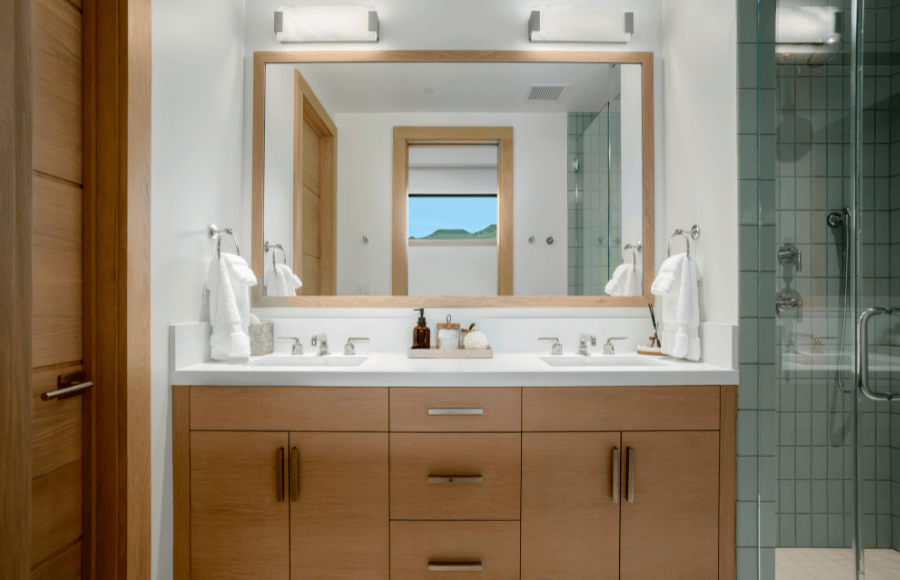
To maintain your bathroom vanity, clean it regularly with a soft cloth and a mild, non-abrasive cleaner. Avoid harsh chemicals that can damage the surface.
For sinks and faucets, use gentle cleaners to avoid soap scum or mineral buildup. Dry the faucet and sink area to prevent water spots, especially on chrome or brushed nickel finishes.
Protecting from Water Damage
Water can damage wood vanities and countertops over time. To protect your vanity, apply a protective sealant, especially on natural stone countertops like marble or granite.
For wood vanities, consider applying a water-resistant finish and wipe up spills immediately. Keep the surface dry to prevent water damage and stains.
Reading Recommendations: 16 Bathroom Design Tips to Steal from Hotels
Sustainable and Eco-Friendly Bathroom Vanities
Recycled or Reclaimed Materials
Some bathroom vanities are made from recycled or reclaimed materials, reducing waste and the need for new resources. These materials may include repurposed wood, glass, or metal.
Choosing a vanity made from recycled or reclaimed materials helps reduce your environmental impact. These sustainable options often feature unique designs that bring character to your bathroom.
Low-VOC Finishes
Vanities with low-VOC finishes release fewer harmful chemicals into the air, improving indoor air quality and making your bathroom safer. These finishes are also better for the environment.
Low-VOC finishes are especially helpful for those with allergies or respiratory concerns, as they release fewer irritants. Look for vanities labeled as low-VOC for a healthier, long-lasting option.
Conclusion
Choosing the right bathroom vanity is about finding a balance between style, function, and durability. Whether you prefer quartz, granite, or eco-friendly reclaimed wood, selecting the right vanity and caring for it properly will ensure your bathroom remains beautiful and practical for years.