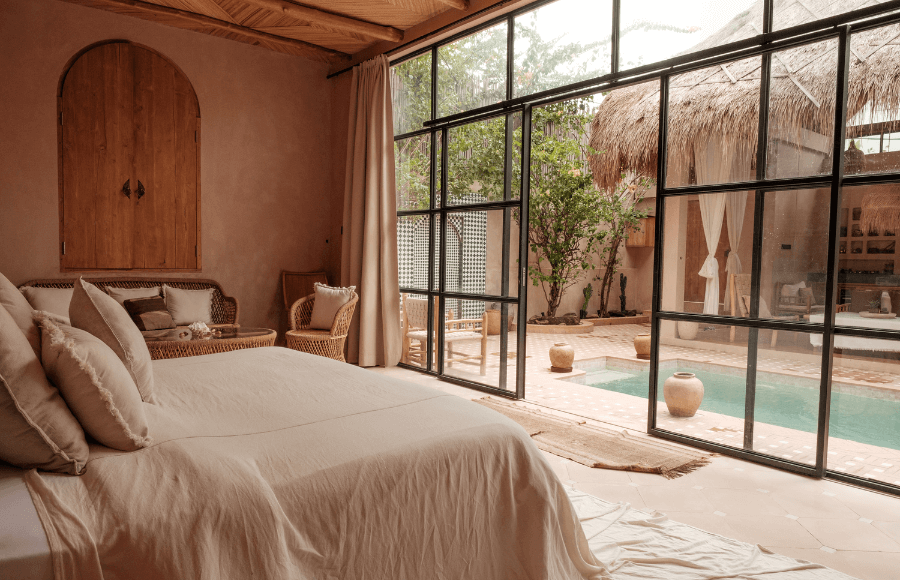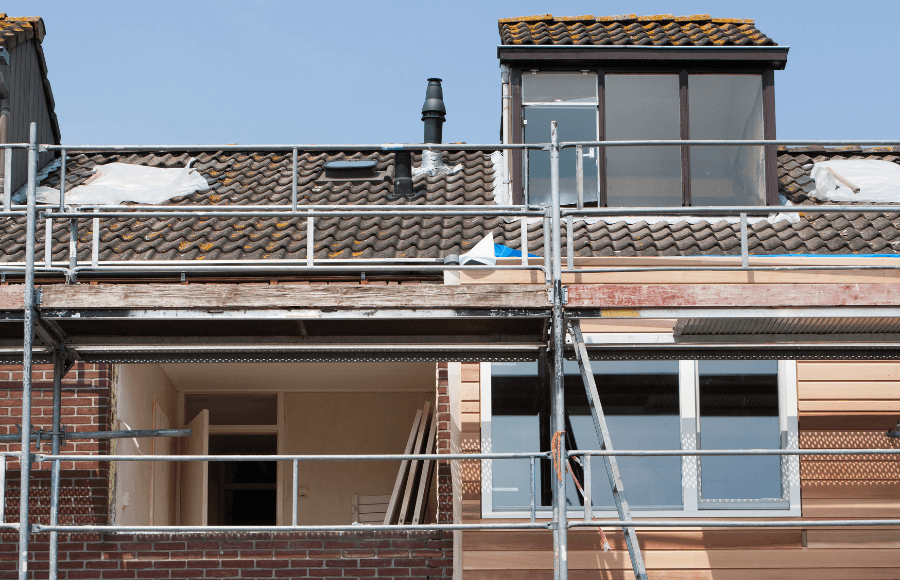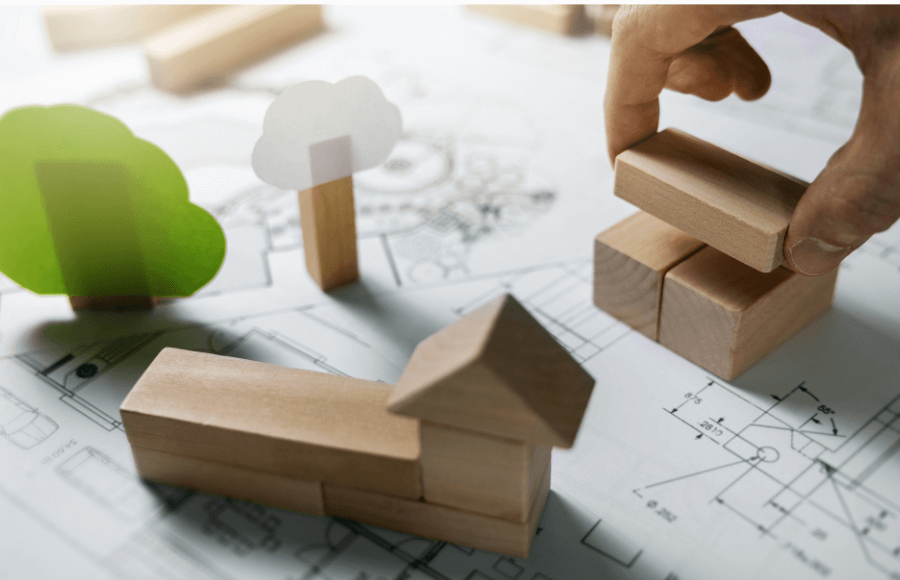


Building your own custom home in 2025 allows you to create a space that truly reflects your needs and preferences. The popularity of custom homes has risen by 6% since 2024, as more people look for homes that suit their lifestyle and help save energy.
Planning Your Custom Home
Picking the Best Land for Your Home
When selecting the location for your custom home, consider the following factors to ensure it fits your lifestyle and future needs:
- Location: How close is it to schools, work, and stores? This can affect daily life and the future value of your property.
- Neighborhood Feel: Drive around to see if you like the area, check for privacy, and observe how close neighbors are.
- Land Features: Look at the land’s slope, water drainage, and whether it might erode over time.
- Builder Trust: Choose a trusted builder to help assess and prepare the land.
Gated or Open Communities and Frontage Ideas
Think about what matters most to you when choosing between gated or open communities. Gated communities often feel safer and offer more privacy, while open communities may provide more freedom and easy access. Also, consider the frontage of your lot. A wider frontage can improve your home’s appearance and allow for creative landscaping or driveway ideas.
Creating Your Dream Plan
Home Size, Bedrooms, and Bathrooms
Start by deciding how big your home should be. Think about how many bedrooms and bathrooms you need now and in the future, such as space for a growing family or guests. This will help you design a home that fits your needs.
Style, Materials, and Extra Features
Pick a style that reflects your personality. Whether you prefer modern, classic, or farmhouse looks, your home’s exterior should stand out. Materials like brick, stone, or wood can add charm. Extras like a home office, outdoor kitchen, or smart technology can make your home more useful.
Making a Realistic Budget
Cost per Square Foot
Building a custom home in 2025 typically costs between $100 and $200 per square foot. The average is around $150, but premium locations may cost over $350. Knowing this helps you plan your budget and avoid unexpected costs.
Mixing Luxury with Practicality
To balance luxury and practicality, focus on key elements like lighting, fixtures, and surfaces. Choose materials that look expensive but are affordable, and prioritize quality over quantity. Smart storage solutions and standout design features can add style without breaking the bank.
Tip: Make sure the land you choose matches your budget and plans. This will prevent costly changes later.
Related reading recommendations: Whole House Customization: The Ultimate Guide
Selecting Your Team
Choosing the Best Builder and Architect
Why Recommendations and References Matter
Picking a reliable builder or architect requires research. Ask friends and family for recommendations based on their past projects. Online reviews can also help you learn about their work. A trusted builder ensures your home is in good hands.
Visit Previous Projects
Visit homes that they’ve built to assess their quality and see if their style matches your vision. This step reduces risks and boosts confidence in your choice.
Checking Contracts, Timelines, and Warranties
Before hiring, review contracts carefully. Make sure they clearly outline the scope of work, deadlines, and payment terms. A solid timeline helps you track progress and avoid delays. Also, verify the warranties on materials and workmanship—this protects your investment.
Working with Designers
How Interior Designers Shape Your Ideas
Interior designers help transform your ideas into functional plans. They prevent costly mistakes by choosing the right materials and layouts. They also collaborate with builders and architects to keep the design cohesive.
Starting Early
Starting with a designer early makes the building process smoother and saves time and money. Designers help create a home that looks great and works well for your lifestyle.
Tip: Share your ideas early so the designer can create a space that fits your style.
Adding Eco-Friendly and Energy-Saving Features
Modern homes focus on energy efficiency and environmental sustainability. These features reduce costs and are good for the planet.
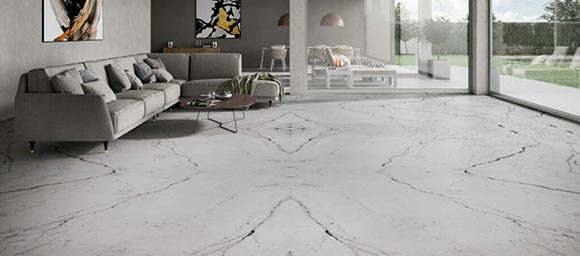
To save energy, consider using Marble flooring, efficient appliances, quality insulation, and bedroom light fixtures. Add solar panels or water heaters for renewable energy. Choose green materials like recycled wood or steel for added charm. Water-saving features like low-flow taps and rainwater collectors also contribute to sustainability.
These choices will make your home eco-friendly and save you money over time.
Designing Your Home
Planning the Floorplan
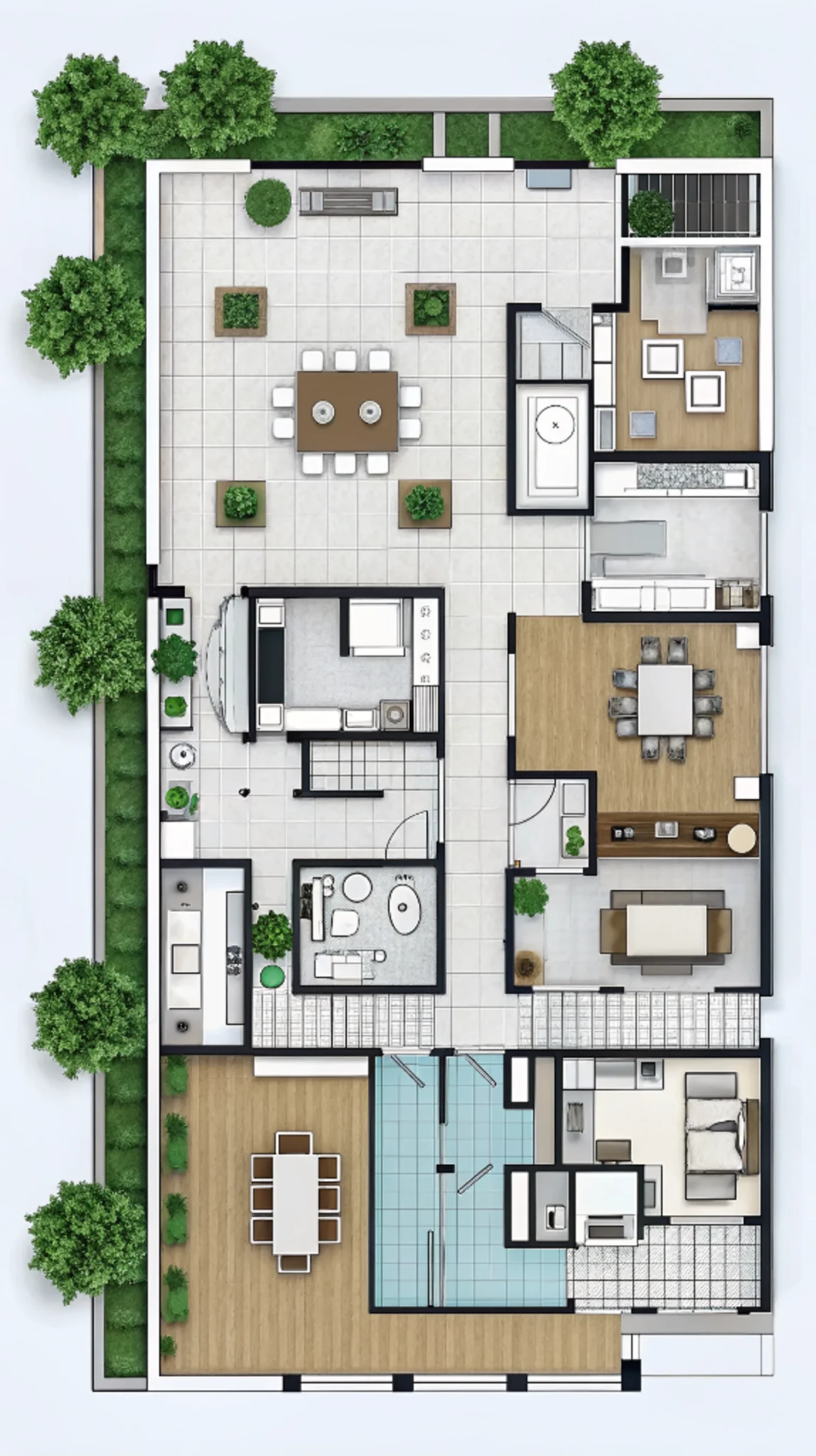
When designing your home’s layout, decide between a one-story or two-story home. Each option has its pros and cons, depending on your lifestyle.
| Feature | One-Story Homes | Two-Story Homes |
| Mobility Concerns | Everything is on one level, easier for all. | Stairs can be difficult for some people. |
| Maintenance | Easier to clean since all rooms are on one level. | Cleaning may be more effort due to stairs. |
| Emergency Evacuation | Quicker and safer to leave during emergencies. | Evacuating can be slower with multiple levels. |
| Expansion Potential | Easier to expand by adding space. | Expanding may need extra planning. |
| Design Flexibility | Limited height can restrict design ideas. | More rooms can be added without using extra land. |
| Cost Savings | Larger base may cost more to build. | Smaller base can save on foundation costs. |
| Resale Value | Smaller size may lower the home’s value. | Larger size can increase the home’s value. |
| Privacy | Less separation between bedrooms and living areas. | Better separation between private and shared spaces. |
Adding Custom Features Like Wine Cellars or Big Kitchens
Custom floorplans allow you to include features that suit your style. Popular ideas in 2025 include:
- Energy-saving appliances for eco-friendly living.
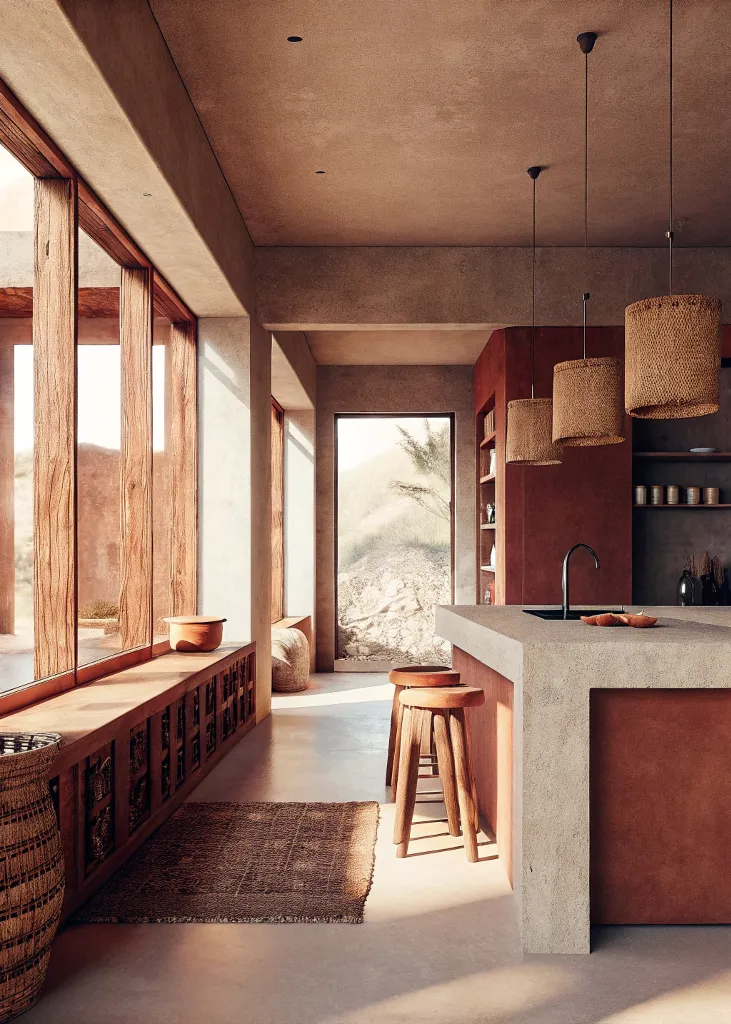
- Nature-inspired designs with wood and large aluminum window
- .
- Relaxing spaces like spa bathrooms or meditation rooms.
- Flexible rooms for work or hobbies.
- Outdoor spaces like patios or outdoor kitchens.
These features make your home more useful and stylish.
Going Green
Energy-Saving Homes and Net Zero Designs
Modern homes are increasingly focusing on energy efficiency. Green homes and Net Zero designs are a big part of this trend. Key features include:
- Strong insulation to keep temperature steady.
- Solar panels for renewable energy.
- Smart systems to monitor and save energy.
- Rainwater harvesting systems.
Net Zero homes produce as much energy as they use, cutting down on utility costs while helping the environment.
Why Active House Designs Are Great
Active House designs focus on balancing comfort, energy efficiency, and eco-friendliness. They incorporate natural light, improve air quality, and save energy. These homes are healthier and better for the planet.
Related reading recommendations: Home Remodeling Steps: A Checklist To Help Plan And Organize Your Renovation
Making Your Home Accessible
Features for All Ages and Abilities
Accessible homes work for everyone, no matter their age or needs. Features like wide doors, easy-to-use handles, and step-free entrances make life easier for all. These additions increase safety and comfort.
Creating a Home for Everyone
Universal design makes homes adaptable to changing needs. Features like touch-friendly surfaces and adjustable counters make a home welcoming and practical for everyone.
Securing Financing
Exploring Loan Options
One-Time Close for Land Loan and Home Mortgage
A one-time close loan combines land purchase and home building costs, making the process easier and locking your interest rate early. However, it usually requires a larger down payment and stricter approval.
Other options include:
- Construction-to-Permanent Loans: These convert into regular mortgages after construction.
- Stand-Alone Construction Loans: Separate loans for building and mortgage require two closings.
- Home Equity Loans/HELOCs: These let you borrow against your home’s value.
Tips for Staying on Budget
To stay on budget, plan carefully. Include all costs, such as permits, materials, and labor, and allow extra for unexpected expenses. Stick to your plans and communicate frequently with your builder to avoid surprises.
Preparing for Financial Commitments
Understanding Construction Costs and Timelines
Building a custom home in 2025 costs between $100 and $200 per square foot, with the average around $150. Timelines typically range from 7 to 24 months, depending on materials and site conditions.
Budgeting for Unexpected Expenses
Unexpected costs are common during building. Set aside extra funds for surprises. Use tools to track spending, and hire an inspector at key stages to catch issues early.
The Custom Home Building Process
Pre-Construction Phase
This phase typically lasts 9-12 months and includes project feasibility, securing permits, and preparing the land.
Construction Milestones
Key stages include site preparation, foundation laying, framing, installation of plumbing/electrical systems, and finishing touches like flooring and landscaping.
Final Steps
Inspections and Walkthroughs
Before moving in, carefully inspect your home for any issues. This is your final opportunity to address problems.
Moving In
Moving in requires preparation. Contact utility companies early, and plan your move to stay organized. Afterward, explore your new neighborhood and settle in comfortably.