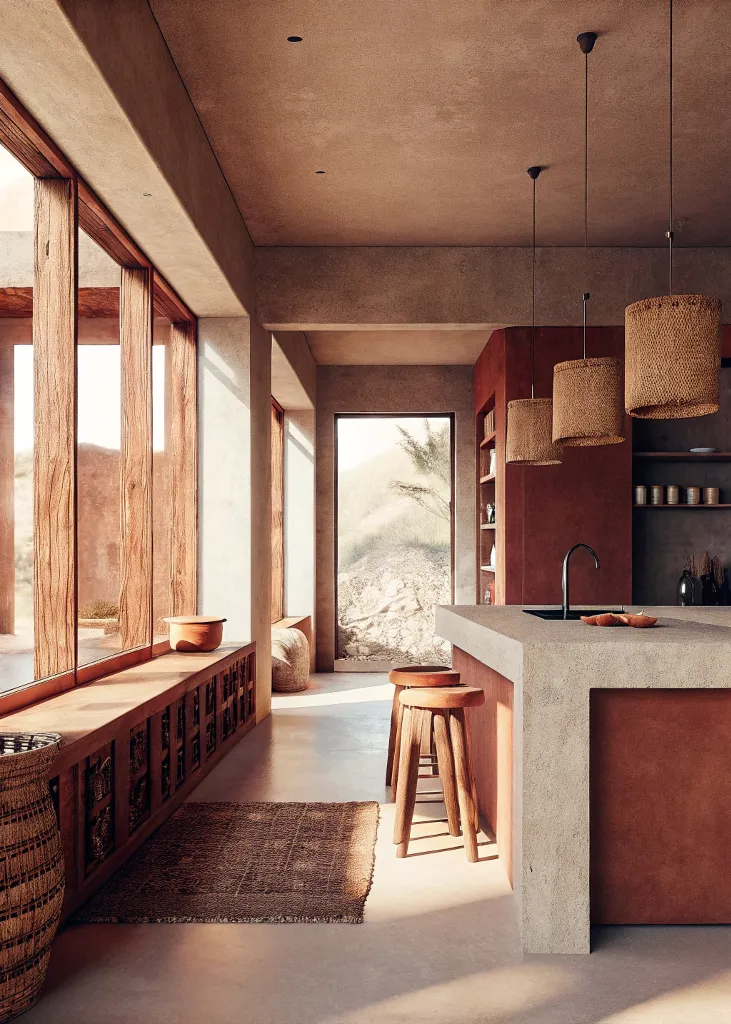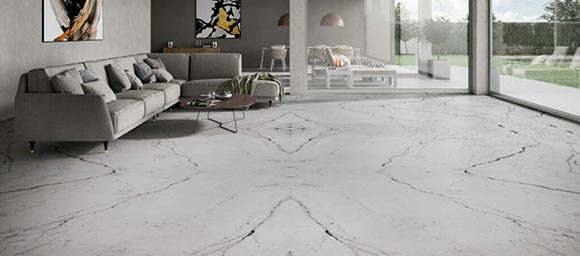


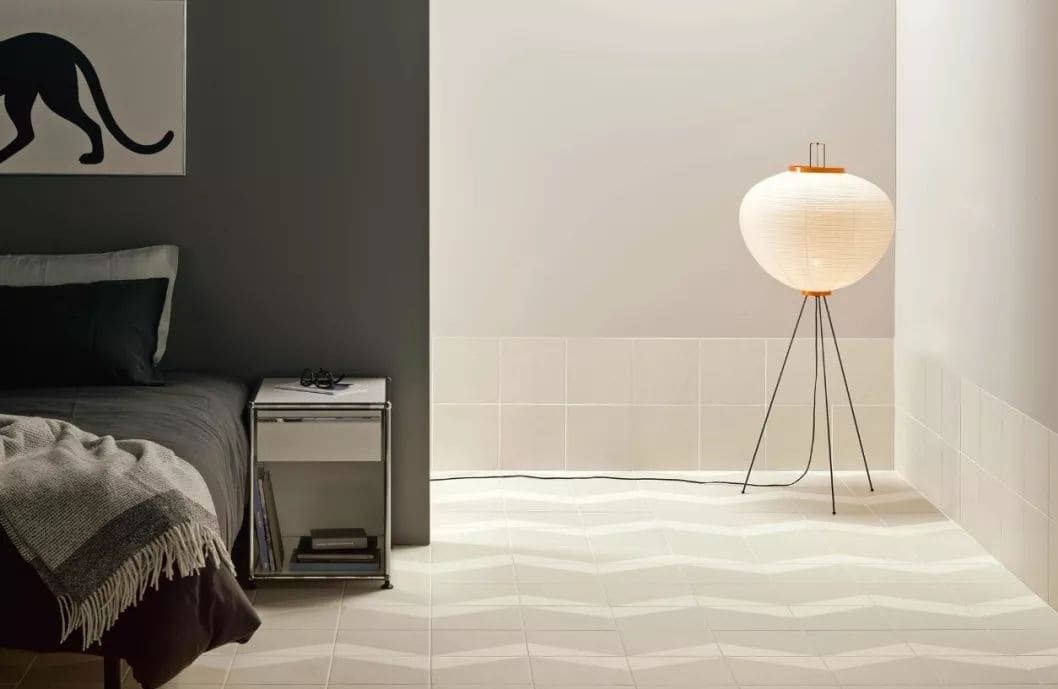
Mosaic, also known as tessera, is a sheet-like small tile material commonly used in construction to create various decorative patterns.
Its materials include ceramic tiles, glass, stone, etc. Due to its colorful hues, varied textures, and the way it reflects light, mosaic offers countless combination possibilities. Depending on different tiling methods, it can be assembled into diverse and vibrant designs.
01. Origin and Development of Mosaic
The term “mosaic” is derived from the Greek word “MOSAIC,” which originally referred to intricate decorations formed by piecing together small stones, shells, tiles, glass, and other colored inlays to create patterns on walls or floors.
Early humans, who lived in caves, used various types of marble to make the floors more durable, which led to the development of the earliest mosaics.
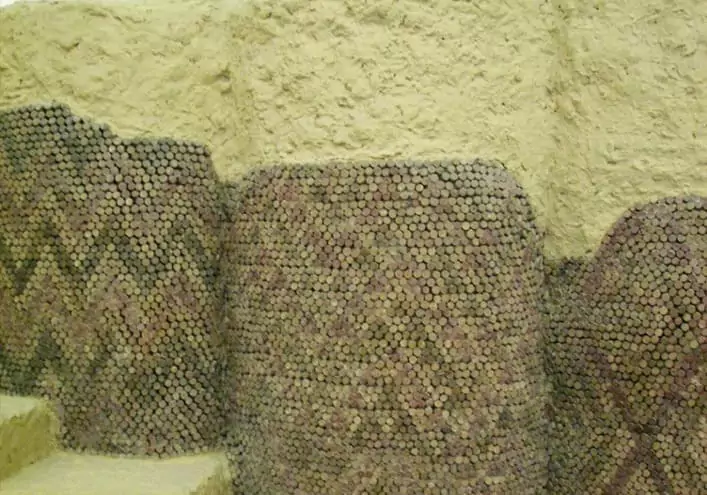
The earliest known use of mosaics in architectural decoration was by the Sumerians in Mesopotamia, who used mosaics extensively on temple walls to create simple yet vivid pictures that alleviated the monotony of large stone walls.

In ancient Greece, marble mosaics were commonly used. The most common form at that time was black-and-white mosaics, a luxury only affordable to wealthy rulers and affluent individuals who could hire craftsmen and acquire materials to decorate their homes with various mosaic designs.
During the Roman era, mosaics became a ubiquitous art form among the aristocracy. Thus, the Roman period marked the golden age of mosaic history, as well as its most classic era.
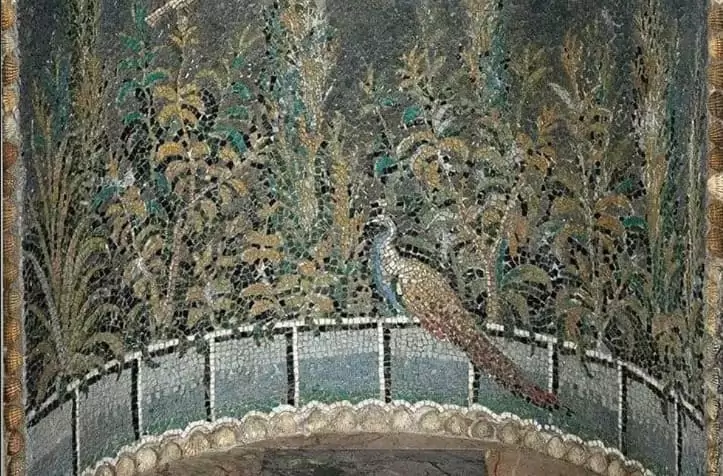
In the 16th century, glassmakers discovered how to create various shades of glass, leading to mosaics with thousands of different tones. This development made mosaic art more detailed and complex, resulting in numerous classic mosaic artworks.
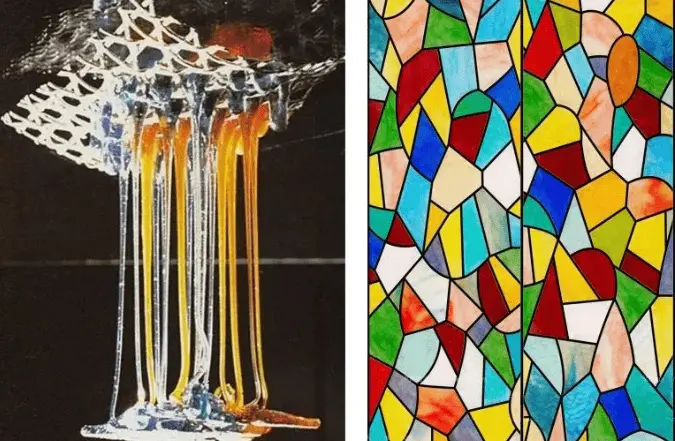
With the rise of oil painting during the Renaissance, the availability of various artistic materials, and changes in architectural styles, mosaics began to decline. However, royalty and aristocrats still commissioned craftsmen to collect natural stones of different colors and textures, cutting and polishing them into small particles to be laid on walls according to the artists’ original paintings, thus preserving the content of famous artworks for eternity.
Recommended reading:What Are Wood-Look Tiles, and How Do They Differ from Wood Flooring?
The technique of mosaic preservation became a unique and permanent method during the Renaissance, making mosaics a shining star of that era. The mosaic style during the Byzantine period was influenced by the East, with the introduction of a special type of glass inlay called enamel, marking the peak of mosaic art during that time.
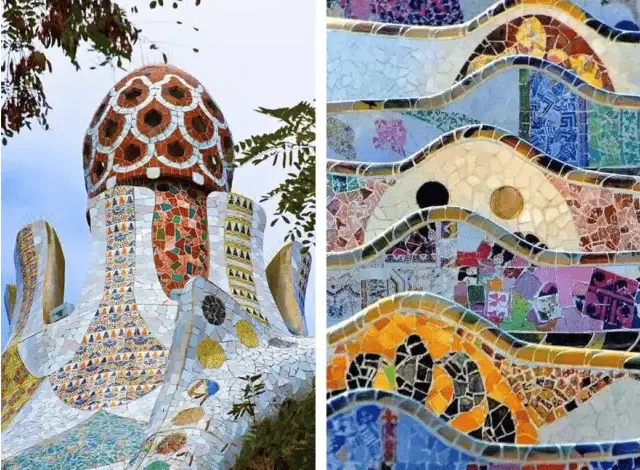
In the late 19th century, Spanish architect Antoni Gaudí began incorporating mosaics into architectural art. The entire Park Güell in Barcelona, from stone steps to columns and curved stone benches, is filled with various mosaics, all made of tile, creating a colorful and dreamlike atmosphere. This masterpiece is a classic example of mosaic in architectural art.
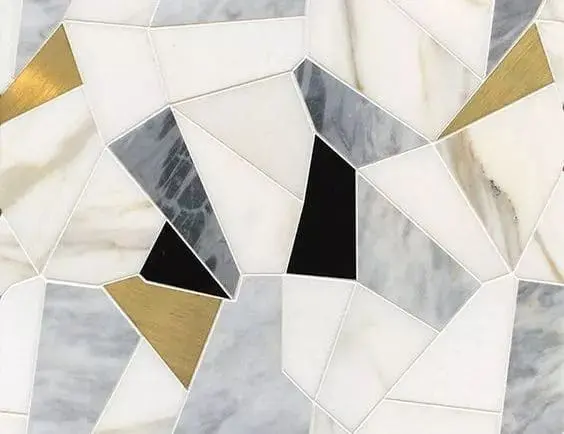
With the advancement of production technology, modern mosaics quickly expanded beyond traditional materials. The use of ceramics, mica, wood, colored glass, and metal created mosaics with richer textures and visual impact.

Mosaic is not just a simple assembly but an art of inlay.
In China, the art of inlay dates back to the Shang Dynasty in the 11th century BCE, when bronze vessels were decorated with techniques like gold and jade inlay. By the Warring States period, intricate gold and silver inlay techniques were developed, embedding gold and silver threads into bronze vessels.
In the mid-20th century, especially after the 1970s, the exchange of cultural knowledge between China and the West led to further advancements in inlay techniques.
In modern Chinese architectural history, many buildings in places like the Bund in Shanghai, Dongjiaominxiang in Beijing, Shamian Island in Guangzhou, the International Village in Qingdao, and the Western-style buildings in Harbin and Wuhan are influenced by ancient Roman architectural styles and feature mosaic decorations.
The HSBC Building and the Post Office Building on the Bund in Shanghai, in particular, preserve precious and classic mosaic murals and decorations.
Recommended reading: What Are Metallic Tiles?

In modern China, the mosaic industry has developed rapidly, with an increasing variety of installation and inlay styles, making it a pillar industry in the modern Chinese building materials sector.
02. Types and Techniques of Mosaic
Forms of Mosaic
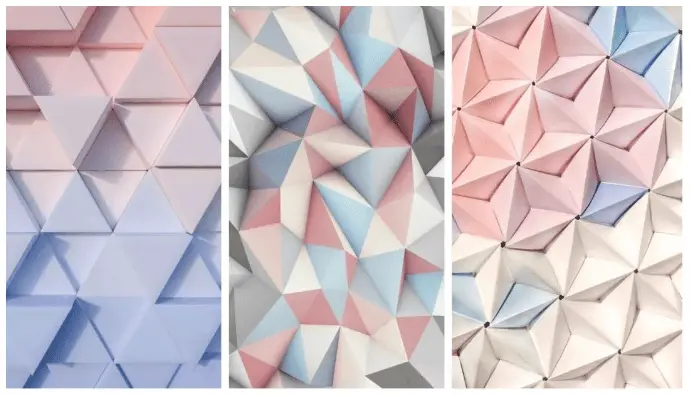
Mosaic can be considered the smallest decoration material. It is no longer limited to square or rectangular shapes. This flexibility allows for endless combinations. By innovating in design, different colors, sizes, and shapes of mosaics can be combined to meet individual needs.
Types of Mosaic
Depending on the material, mosaic tiles can be classified into different categories:
Marble (Stone) Mosaic:
Marble mosaic is made from natural stone through special processing, without any added chemical dyes. It retains the original, rustic colors of the stone, creating a space where one can experience the simplicity and authenticity of natural textures.
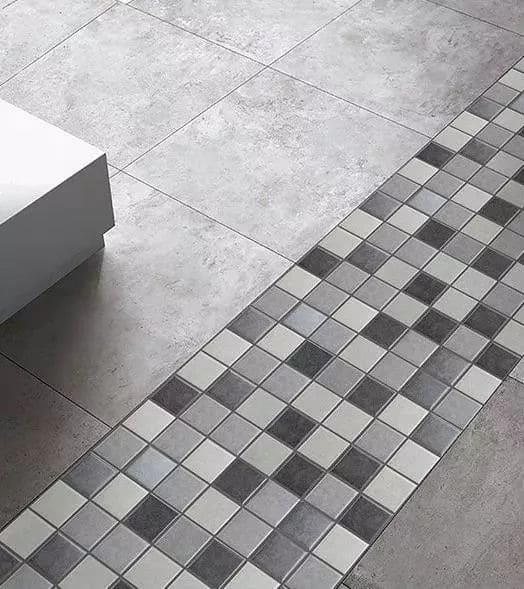
Ceramic Mosaic:
Ceramic mosaic is an older, more traditional form of mosaic. Amid the variety of large ceramic tiles, its delicate, retro style stands out. Some ceramic mosaics are polished and shaped irregularly to create a sense of aging, adding historical and natural charm. This type of mosaic retains the earthiness of clay and the smoothness of ceramic, with a rich cultural essence.
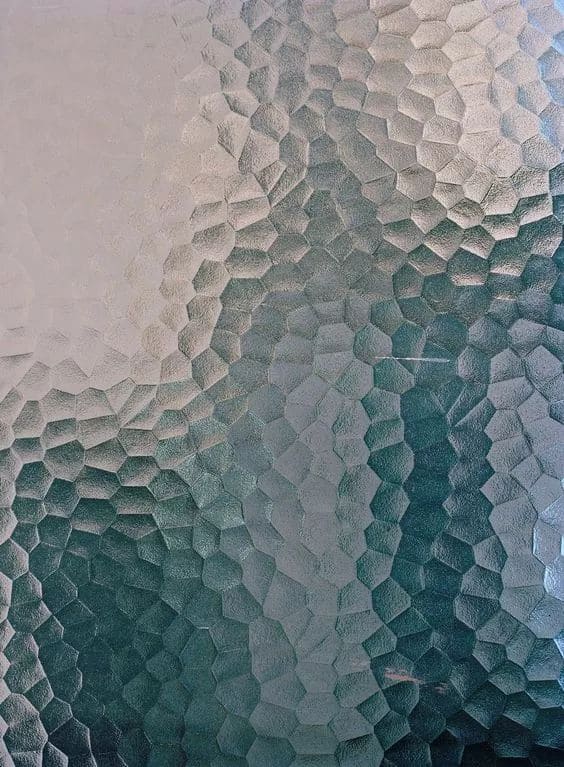
Glass Mosaic:
Glass mosaic, also known as glass tessera or glass skin tile, is a small-sized, colorful decorative glass. Made from natural minerals and glass powder, glass mosaic is one of the safest and most environmentally friendly building materials. It has two primary features: transparency and reflectivity. Its bright colors and graphic design offer a clean, clear aesthetic, commonly used in bathrooms and swimming pools, but its low wear resistance makes it rare for general flooring use.
Metal Mosaic:
Metal mosaics have high hardness, strength, and light retention, making them classic mosaic products.
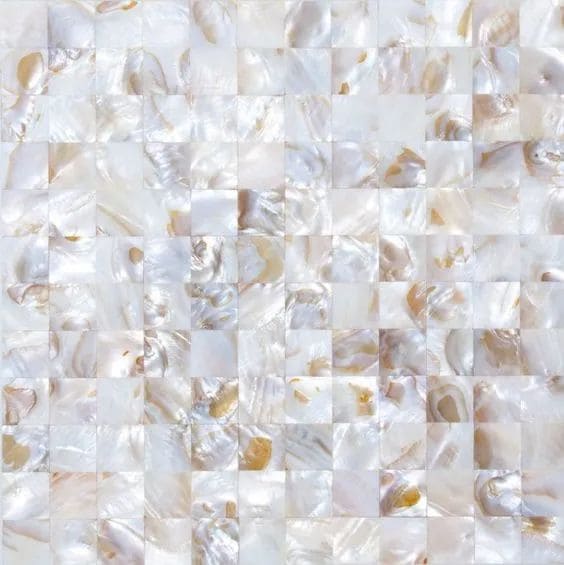
Shell Mosaic:
Made from natural shells that are cut, polished, and dyed using special techniques, shell mosaics are smooth to the touch, exuding a natural charm. They are known for their shimmering surface, colorful appearance, and noble elegance.
03. Applications of Mosaic in Design
Mosaic in Architecture
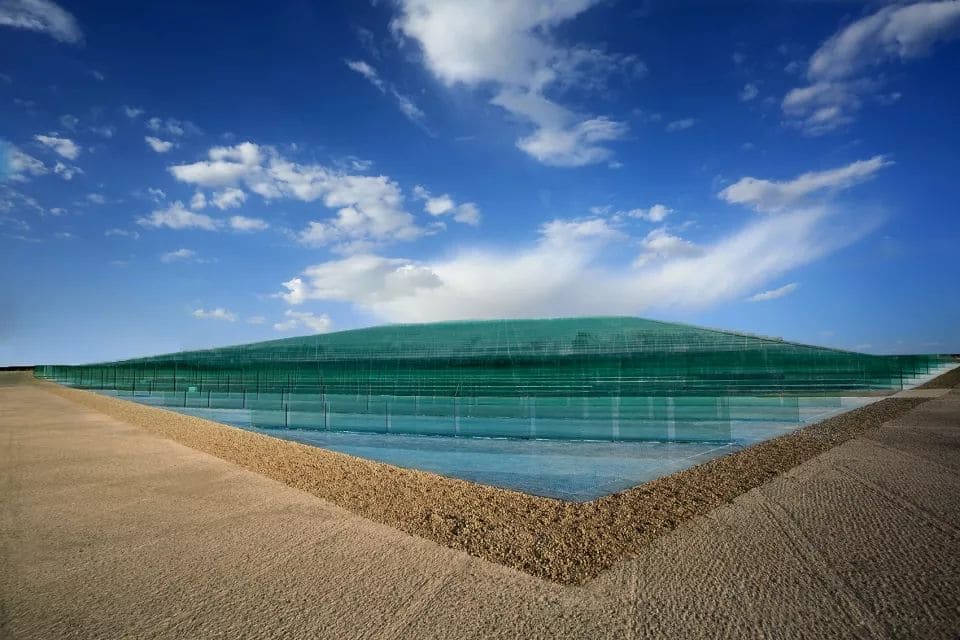
- Another Dunhuang Theatre:
Design: Zhu Xiaodi Studio · BIAD
The entire theatre is a deep blue, situated in the vast Gobi Desert like a drop of water in the desert. The roof and exterior walls are covered with four shades of blue glass mosaic, arranged in geometric patterns. The mountain-wave-shaped roofline and the blue mosaic create a mesmerizing and powerful visual effect.
- Fuzhou Strait Culture and Art Center:
Design: PES-Architects
The interior walls of the opera house and concert hall are covered with ceramic panels. After extensive research with acousticians, the design team developed two types of acoustic panels, one of which is the “mosaic ceramic tile panel.” These large mosaic tile panels not only meet high-quality acoustic requirements but also offer a visually appealing design.

Mosaic in Home Spaces
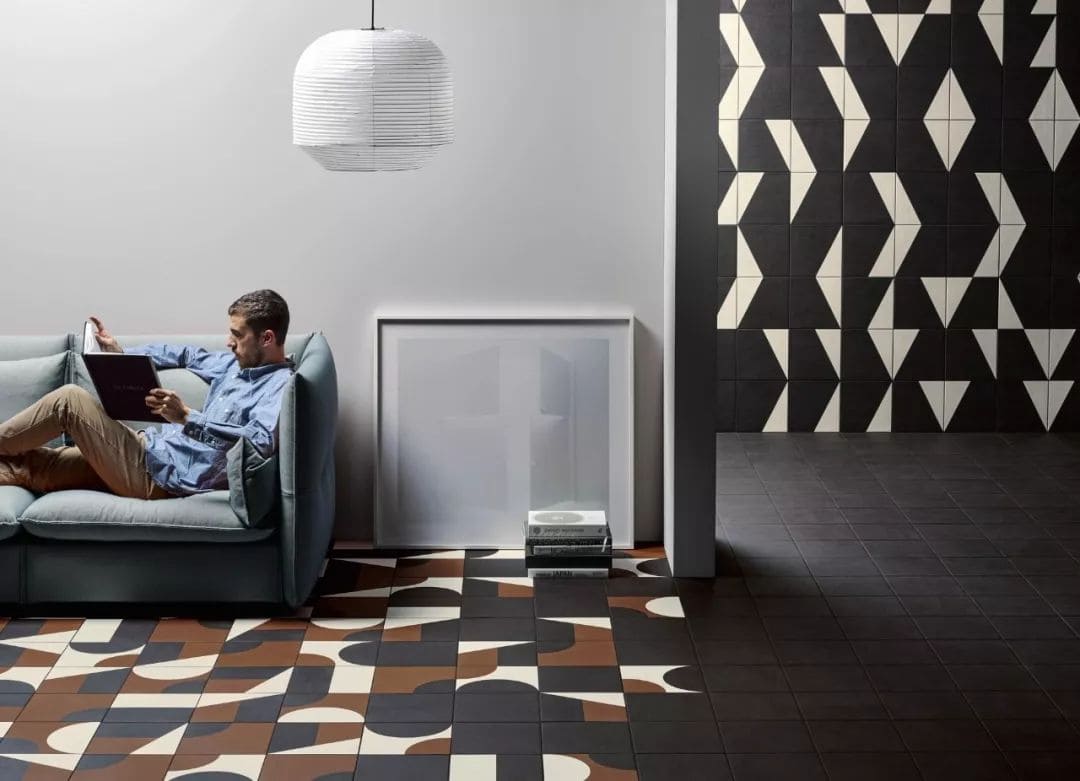
Mosaic’s versatility and rich colors, along with its ability to be combined in countless ways, make it a favorite for home decoration. By combining different materials and patterns, mosaic adds unique creativity and personality to home spaces. The metallic texture of mosaic, in particular, gives a sense of elegance and luxury.
04. Mosaic Installation Techniques and Maintenance
How is such an artistic material like mosaic installed? And with such small gaps between the tiles, how is it maintained?
Mosaic Installation Techniques
- Surface Preparation:
Before tiling, thoroughly clean the wall surface. If necessary, sand the wall to smooth it. Before laying the tiles, use a pencil to draw a central axis or other straight lines to ensure accurate placement later. If there are any outlets on the wall, remember to turn off the power and remove the outlet covers first. - Tiling:
Use a trowel to evenly apply tile adhesive on the wall in one direction, with a thickness of about 2mm. After laying a certain area of tiles, check that the gaps between the tiles are uniform. Adjust the tiles’ positions before the adhesive sets. Once the mosaic tiles are in place, gently tap them with a rubber mallet. This will allow the adhesive to seep through the mesh backing and into the gaps between the individual mosaic pieces, ensuring they are securely fixed. - Grouting:
For the grouting step, prepare two buckets, one with grout and the other with clean water. Use a trowel to evenly fill each gap with grout, covering no more than 2 square meters at a time to ensure all gaps are filled without leaving any excess residue. Let the grout sit for 20 minutes, then gently wipe the mosaic surface with a damp cloth. If not cleaned properly, the shiny mosaic tiles may end up with a “matte” effect.
Mosaic Maintenance and Cleaning
- After tiling, clean the surface thoroughly. Once the adhesive and grout have been fully set, you can begin cleaning the mosaic surface.
- After the entire wall has been tiled, use a clean, damp, soft-bristle brush to remove any loose sand left in the gaps gently.
- Avoid exposing the freshly tiled surface to direct sunlight, and ensure proper ventilation indoors.
- Clean the surface with water and an absorbent cotton cloth for daily maintenance. Additionally, you can use a neutral brightening agent to help maintain the mosaic’s shine.
- For cleaning, you can use general detergents such as scouring powder or laundry detergent. A toilet cleaner may be used for stubborn stains. If tiles or ceramic mosaics come loose or are missing, you can reattach them with tiles or mosaics of the same type. To protect tiled or ceramic mosaic floors, and prevent heavy objects from falling on them.
Recommended reading: Ceramic Tiles VS Vitrified Tiles: Exploring the Key Differences
Transform your space with George Company’s premium tiles, known for their exceptional durability, slip-resistant surfaces, and low maintenance. Our tiles are available in a wide range of styles, from sleek modern designs to timeless classics, making them perfect for any room. With superior water and stain resistance, George Company’s tiles are ideal for kitchens, bathrooms, and high-traffic areas, ensuring beauty and practicality in every corner of your home.