

Welcome to your ultimate guide on cabinet overlays—a smart solution to transform your kitchen and home without a full remodel. Discover how different overlay styles, from full to partial to inset, can enhance both aesthetics and functionality, helping you achieve a modern, timeless look while staying on budget.
Definition Of Cabinet Overlay
Cabinet overlay refers to the way a cabinet door overlaps its frame. This concept explains which parts of the frame remain visible after installation and forms the basis for selecting the ideal cabinet style.
There are three main types of overlay. Full overlay completely hides the frame, partial overlay leaves a portion exposed, and inset designs recess the door inside the frame for a built-in, traditional look.
Importance In Kitchen And Interior Design
In modern kitchen design, cabinet overlay isn’t just about aesthetics—it’s a crucial element that defines clean lines and enhances visual balance. It sets the tone for a sleek, contemporary space, while also ensuring that every detail contributes to the overall ambiance of your kitchen.
When you choose a well-executed overlay style, you’re not only boosting the appeal of your kitchen; you’re also adding a thoughtful design element that can transform your entire home. For instance, our Custom Kitchen Cabinet solutions are designed to integrate seamlessly into your space, merging practical storage with a refined, modern look.
These cabinets are tailored to meet your unique needs, offering a blend of functionality and style that enhances both the heart of your home and the broader interior design.
Recommended Related Reading: What are Inset Cabinets?
Types Of Cabinet Overlay Styles
Full Overlay
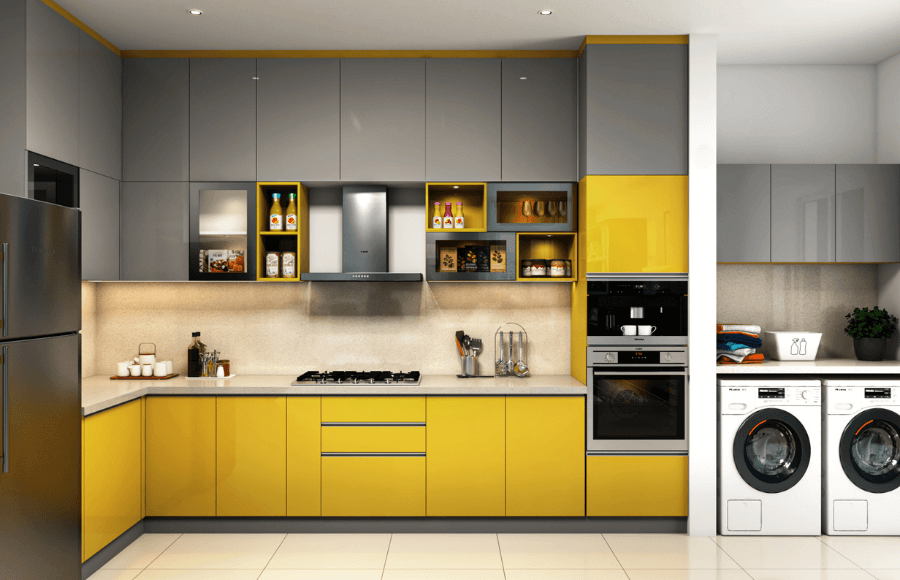
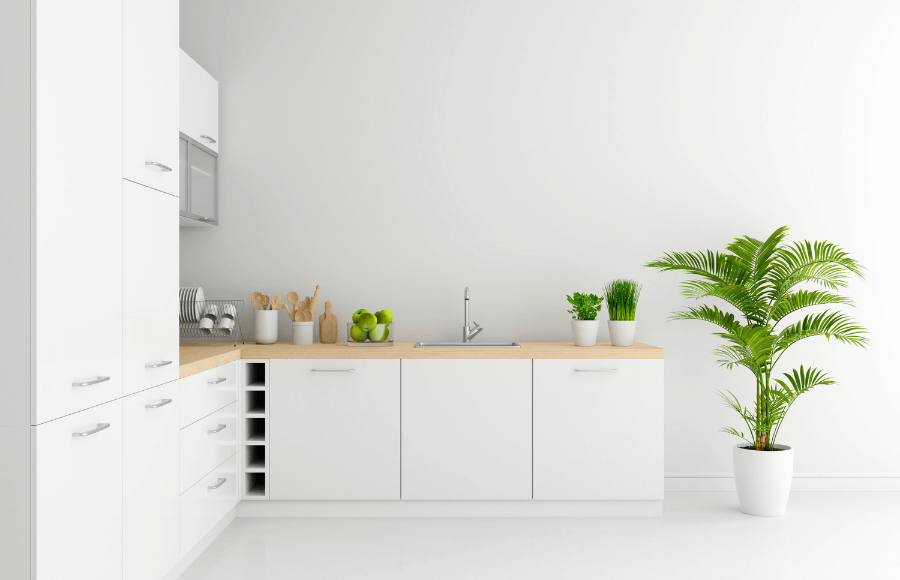
Full overlay cabinet doors are designed to completely cover the cabinet frame, so no frame details are visible. This method creates a seamless, uninterrupted look that is popular among those seeking a modern, minimalist aesthetic.
This style works best with frameless designs and delivers a strong visual impact. Homeowners appreciate its clean lines and the simplicity it brings to contemporary spaces.
Partial Overlay
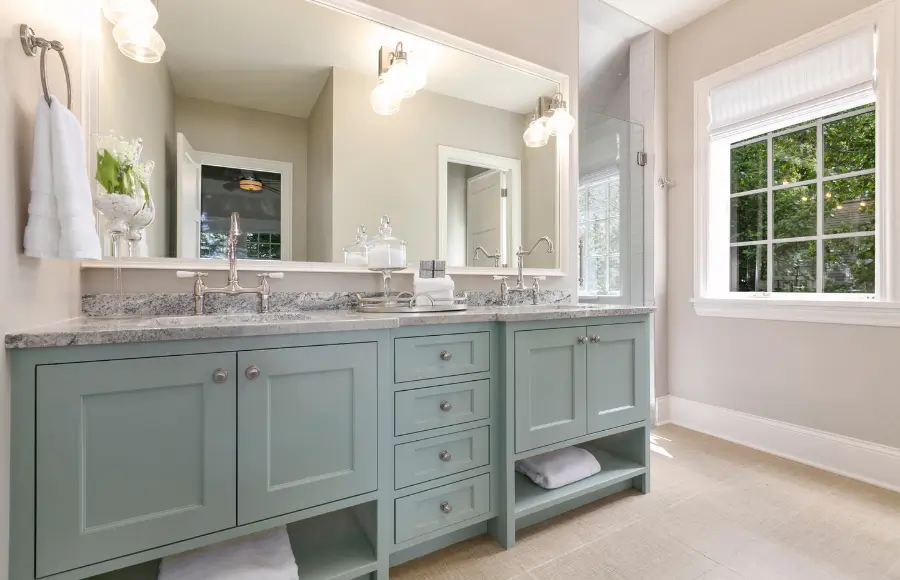
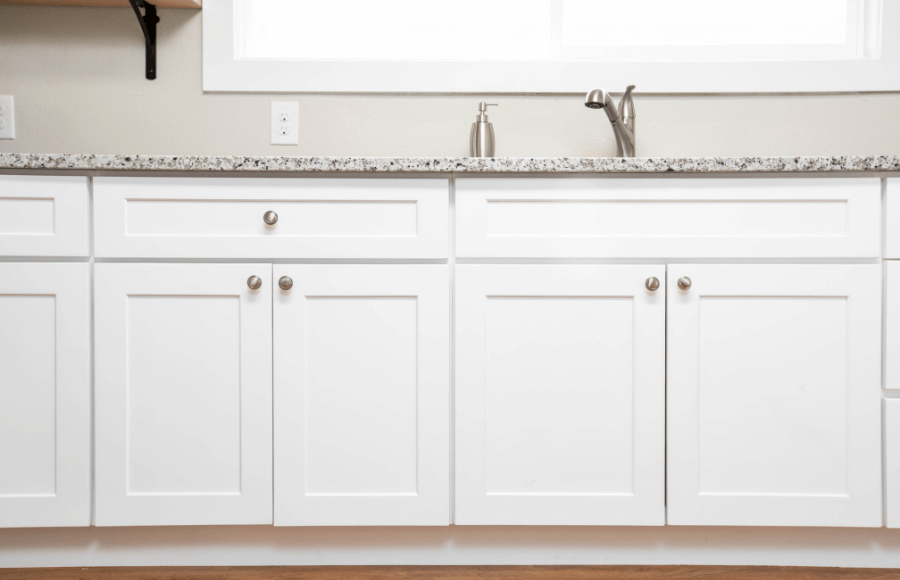
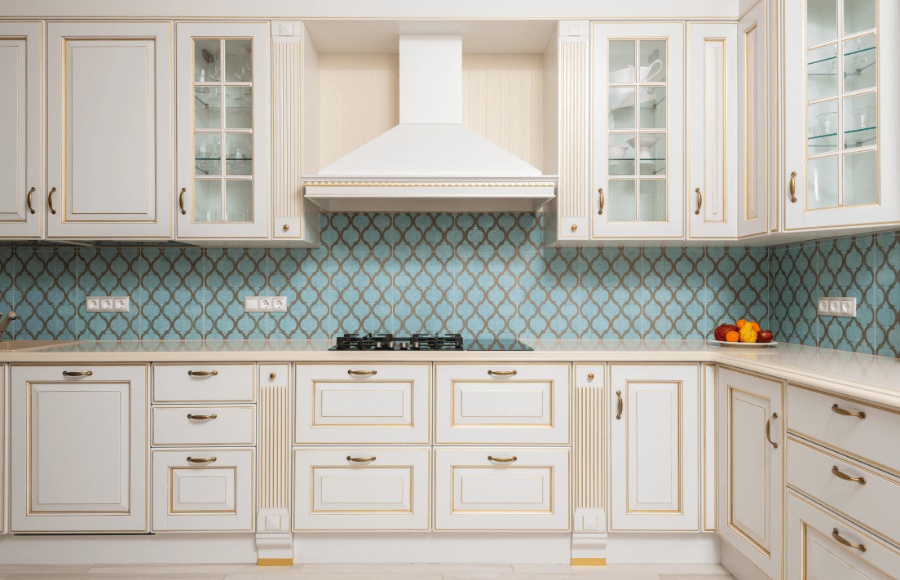
Partial overlay doors cover only a portion of the cabinet frame, allowing some frame details to remain visible. This design offers a balanced look by blending coverage with exposed framing that adds character.
Ideal for traditional or classic interiors, partial overlay—often known as standard overlay—creates a clear visual hierarchy. It provides depth and charm without overwhelming the overall design of your cabinetry.
Inset
Inset cabinets feature doors that are recessed within the cabinet frame, leaving the entire frame exposed. This built-in look sets inset cabinets apart from overlay options, providing a distinct and refined style.
Offering a sophisticated, furniture-like appearance, inset designs require precise installation. Although they are typically more expensive due to their complexity, they greatly elevate the aesthetic of any space.
Key Considerations When Choosing A Cabinet Overlay Style
Aesthetic Preference
Your personal taste is crucial when choosing a cabinet overlay style. If you prefer a modern, sleek look, full overlay is a great choice. Traditional home styles might benefit from partial overlay or built-in designs for a timeless charm that fits classic décor.
Budget Constraints
Budget considerations are key. Full overlay cabinets usually cost less due to simpler installation and materials, while recessed or inset styles require higher craftsmanship and may incur higher overall project costs. Choose the option that fits your financial plan.
Storage Space Impact
Consider the effect each overlay style has on interior storage. Full overlay cabinets might slightly reduce available storage space, while partial overlay or inset designs can sometimes offer a more efficient use of space, balancing style with functionality.
Installation Complexity
Installation ease varies with each style. Partial overlay cabinets are generally easier for DIY projects, while full overlay and inset options require precise measurements and often professional installation to achieve a flawless result.
Hinge Type And Compatibility
The type of hinges required differs by overlay style. Full overlay cabinets typically use European straight-arm hinges for a seamless finish, while partial overlay designs are compatible with traditional hinges. Selecting the correct hardware is essential for proper operation.
Benefits And Drawbacks Of Each Cabinet Overlay Style
Advantages And Limitations Of Full Overlay
Full overlay cabinet doors provide a modern, seamless look and are relatively simple to install. However, one drawback is that this design can reduce interior storage space, limiting room for your belongings despite its clean and contemporary appeal.
Pros And Cons Of Partial Overlay
Partial overlay designs deliver a traditional aesthetic with visible frame details that add depth and character. They offer a balanced style but may not present as clean an appearance as full overlay cabinets, which can slightly affect overall visual impact.
Considerations For Inset Cabinets
Inset cabinets give a high-end, built-in look that exudes sophistication and fine craftsmanship. Their intricate design demands precise installation and often professional expertise, resulting in higher costs compared to other overlay styles.
Recommended Related Reading: How much do custom bathroom cabinets cost?
How To Choose The Right Cabinet Overlay For Your Project
Assessing Your Design And Layout
Begin by evaluating your kitchen or room layout. Analyze your current cabinetry style and overall décor to ensure the chosen overlay complements your space. Aim for a design that harmonizes modern elements with traditional touches for a unified look.
Comparing Costs And Installation Challenges
Weigh the initial costs, ease of installation, and long-term maintenance for each overlay style. While some options provide a sleek finish at a lower price, others like inset designs may require professional installation and additional investment, so consider your entire project scope.
Real-Life Examples And Customer Experiences
Review case studies and genuine customer feedback to see how different cabinet overlay styles perform in real-life settings. These real-world insights help you understand practical challenges and benefits, enabling you to make a well-informed choice.
Conclusion – Making An Informed Decision
Summary Of Key Points
In summary, cabinet overlay defines how a door interacts with its frame. We explored full overlay for a modern look, partial overlay for a traditional style with visible framing, and inset designs for a sophisticated, built-in appearance. Each style comes with its own set of advantages and challenges.
Final Recommendations And Next Steps
Based on your design goals, functionality needs, and budget, choose the cabinet overlay that best complements your space. If you’re uncertain, consider consulting a professional to help you make an informed decision that aligns with your home’s style and long-term vision.