


A full home renovation typically costs $20K–$90K for standard updates, while luxury or gut remodels can exceed $100K. This guide reviews per‑square‑foot benchmarks, key cost drivers, room‑by‑room estimates, budgeting and financing options, savings strategies, and a step‑by‑step planning roadmap.
Average Full Home Renovation Costs
National Average Range
Most homeowners spend $20 000–$90 000 on a full home renovation. Costs hinge on home size and finish quality.
Simple updates like new paint and flooring fit the lower end, while premium fixtures and custom finishes push expenses higher.
Cost Per Square Foot Benchmarks
Renovation costs vary by finish tier. Cosmetic updates—paint and basic fixtures—average $15–$60 per square foot.
Mid‑range cabinets and appliances cost $60–$100 per square foot. High‑end finishes and custom work often exceed $100 per square foot.
Variation by Home Size and Location
Smaller homes often incur higher per‑square‑foot costs because fixed expenses—design, demolition, permits—spread over less area.
Metro regions generally charge 20–30% more for labor and materials, while rural markets can offer 10–20% savings.
Primary Cost Factors
Scope of Work (Cosmetic vs. Full Gut)
Your project’s scope has the greatest impact on cost. Cosmetic updates—fresh paint, new fixtures, simple trim—keep budgets lower.
A full gut renovation with layout changes, upgraded wiring, and plumbing drives expenses dramatically higher.
Material and Finish Quality
Choosing materials and finishes can make or break your bottom line. Entry‑level options—laminate countertops, stock cabinets, and standard faucets—help you save.
Upgrading to stone surfaces or custom millwork can easily double or triple line‑item costs.
Labor Rates and Local Codes
Labor costs and building regulations vary widely by area. In union or high‑cost cities, hourly rates can be 10–25% above the national average.
Strict permit requirements and inspections also add fees and extend your renovation timeline.
Home Condition and Hidden Repairs
Older homes often hide unexpected issues—rotten framing, outdated wiring, or leaky pipes—that surface during demolition.
Professionals recommend setting aside a 10–20% contingency fund to cover surprises without derailing your budget or schedule.
Recommended Related Reading: From China to Your Home: A One-Stop Unveiling of the Entire High-End Home

Room‑Specific Cost Breakdown
Kitchen Renovation
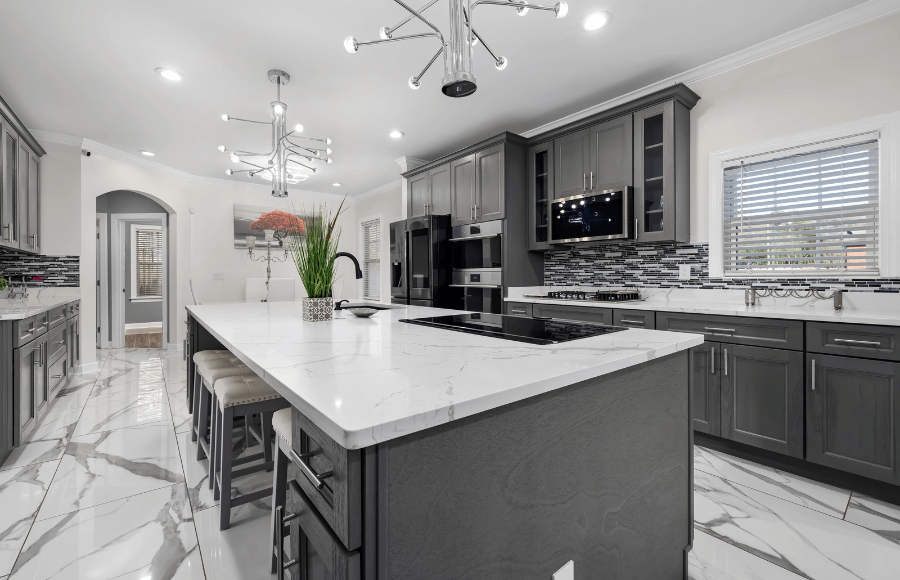
A mid‑range kitchen reno typically costs $20 000–$50 000. This range covers new stock or semi‑custom cabinets, quartz or laminate countertops, mid‑tier appliances, and flooring installation.
Plumbing or layout changes may push costs even higher.
Bathroom Renovation
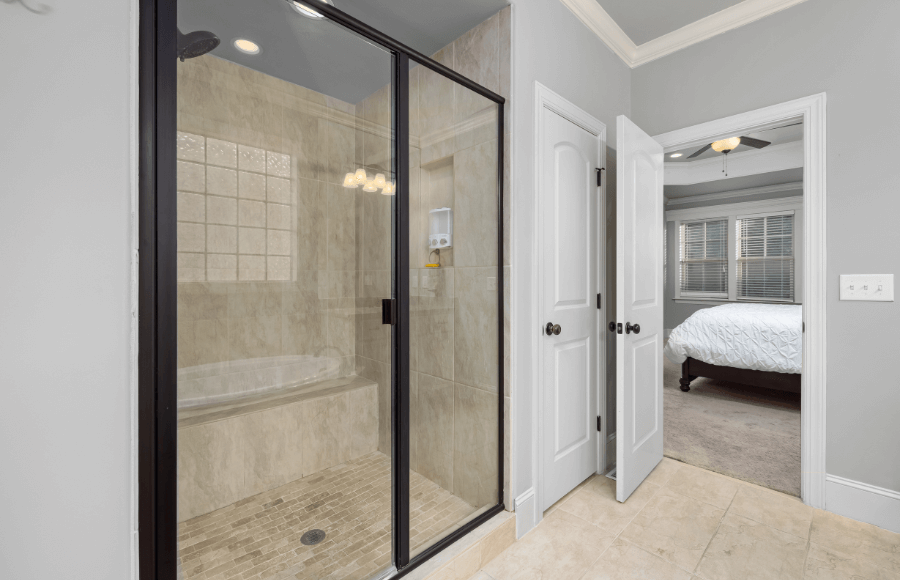
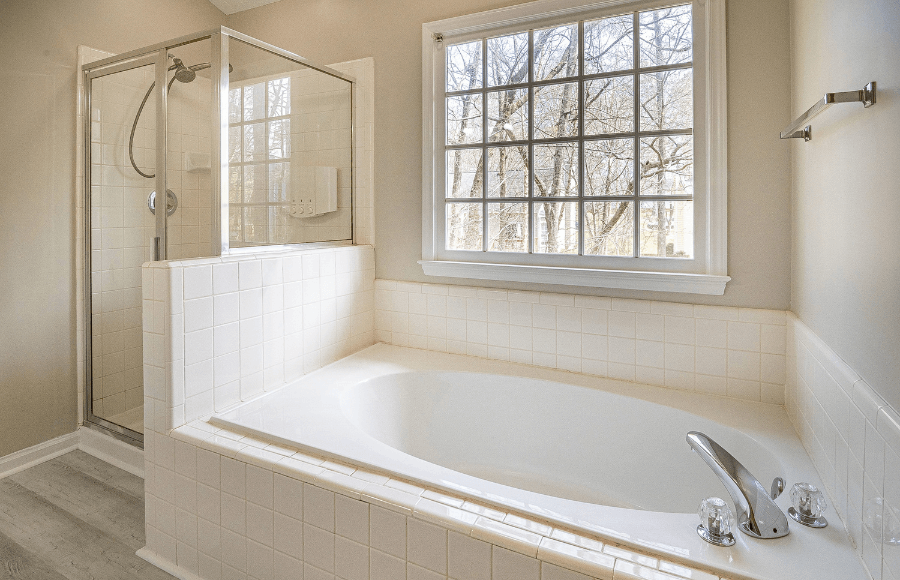
Renovating a bathroom costs $9 000–$25 000 on average. Smaller powder rooms land at the low end, while full baths with custom tile showers, vanities, and high‑end fixtures hit the top.
Labor and waterproofing add significantly to the final price.
Living Areas and Bedrooms
For living rooms and bedrooms, flooring work ranges from $3–$12 per square foot—whether you refinish hardwood or install new planks.
Fresh paint, trim replacement, and basic lighting updates add around $2–$6 per square foot to refresh each space.
Exterior and Outdoor Spaces
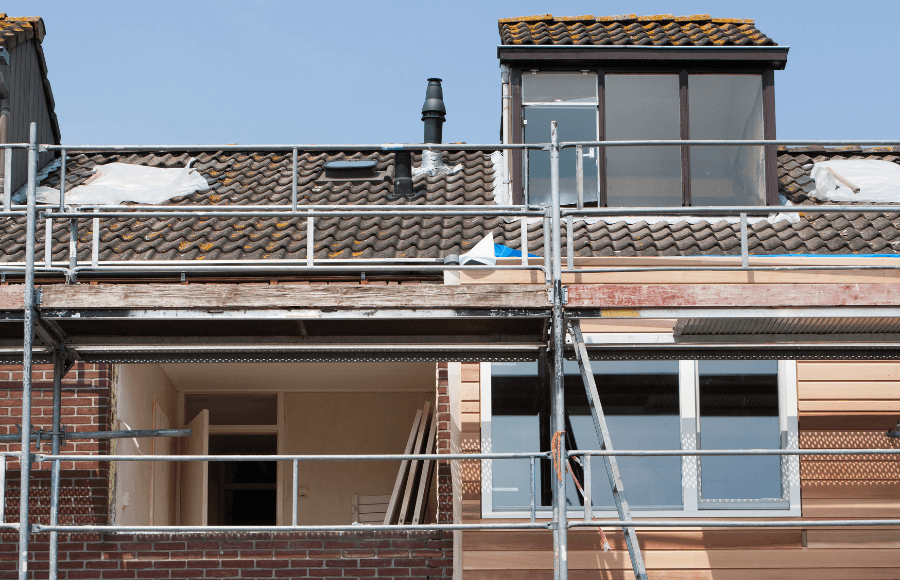
Replacing exterior siding costs $5–$15 per square foot, depending on material: vinyl stays lower; fiber cement or wood runs higher.
Deck and patio installations typically start at $25 per square foot, excluding railings or landscaping additions.
Budget Planning and Financing Options
Creating a Realistic Budget
Start by listing every upgrade you want—new cabinets, flooring, or wiring. Gather at least three preliminary cost estimates from professionals or online tools.
Then add a 10–20% buffer for price fluctuations before finalizing your budget.
Contingency Fund
Set aside at least 10% of your total project budget as a contingency fund.
This reserve covers unexpected costs—hidden damage, code updates, or design changes—without derailing your renovation schedule or leaving you short on funds midway.
Strategies to Save on Renovation Costs
Prioritize High‑ROI Projects
Focus on upgrades that yield the best resale returns. Kitchen cabinet refacing, bathroom facelifts, and garage‑door replacements often recoup most of their costs.
Prioritizing these ROI winners makes your budget go further.
DIY vs. Professional Tasks
Handle tasks you’re comfortable with—demolition, painting, or basic installs—to cut labor costs. For plumbing, electrical, or structural work, hire licensed pros.
This prevents costly mistakes and ensures your project’s success.
Smart Material Purchases
By partnering with us—an international one‑stop building‑materials provider offering consultancy, design, and supplies for residential, real estate, and hospitality projects—you unlock exclusive off‑season deals and builder‑grade alternatives for non‑critical finishes.
We leverage our global network to source high‑quality tile, lumber, and fixtures at competitive prices, ensuring you save both time and money.
Our order programs and surplus‑lot access deliver maximum cost‑efficiency without sacrificing quality. Committed to offering customers “more saving and more doing,” we guide you from material selection through delivery, making your renovation smarter and more budget‑friendly.
Recommended Related Reading: Top 10 Chinese House Customization Suppliers
Step‑By‑Step Renovation Planning Guide
Define Goals and Priorities
Decide which rooms and features matter most—perhaps a gourmet kitchen or a cozy living room. List every desired upgrade and rank must‑haves versus nice‑to‑haves.
This clear roadmap defines your scope, guides budget allocation, and prevents costly extras.
Solicit and Compare Bids
Invite at least three licensed contractors to review your scope and provide itemized quotes. Compare pricing, timelines, and warranties side by side.
Check each pro’s references, proof of insurance, and past work to ensure you choose a reliable partner.
Establish Timeline and Phasing
Set realistic start and end dates based on contractor availability and seasonal pricing. Plan phases—tackle high‑traffic areas first and schedule major work during off‑peak months.
Phasing helps manage cash flow, reduces disruption, and keeps your project on track.
Monitor Progress and Manage Changes
Track milestones weekly—demolition complete, framing done, rough‑in finished. Approve any change orders in writing and update your timeline accordingly.
Regular check‑ins with your contractor catch issues early, prevent scope creep, and ensure a smooth renovation.
Conclusion
From national benchmarks ($20 K–$90 K for standard updates or $100 K+ for gut remodels) to material, labor, and hidden repair factors, this guide offers room‑by‑room estimates, budgeting and financing options, cost‑saving tips, and a clear planning roadmap—empowering you to renovate with confidence.