

Revamping a hotel with striking design and soundproofing instantly elevates guest comfort and satisfaction. This guide shows how to set clear performance goals, merge contemporary décor with biophilic and acoustic solutions, and use phased updates and smart tech to boost reviews, loyalty, and revenue.
Why Design + Silence Matter
Review Scores And Loyalty
Guests frequently cite noise disturbances as their top complaint—more than price or service.
By combining modern, balanced interiors with effective soundproofing, hotels create a peaceful retreat. This blend drives higher review scores and encourages repeat stays.
Revenue & ROI Metrics
Investing in style-and-sound upgrades delivers clear financial returns.
Properties that complete holistic renovations often see RevPAR gains of 3–7% within a year compared to cosmetic-only projects. Faster payback boosts profitability and justifies the investment.
Common Pain Points
Thin walls, outdated décor, and harsh lighting leave guests restless and unimpressed.
Noise from adjacent rooms or corridors travels easily, while worn finishes fail to inspire. Addressing these issues is essential to improve comfort, enhance brand perception, and satisfy guests.
Recommended Related Reading: What Are The Different Types Of Hotel Renovations?
Planning A Cohesive Renovation Strategy
Setting Measurable Goals
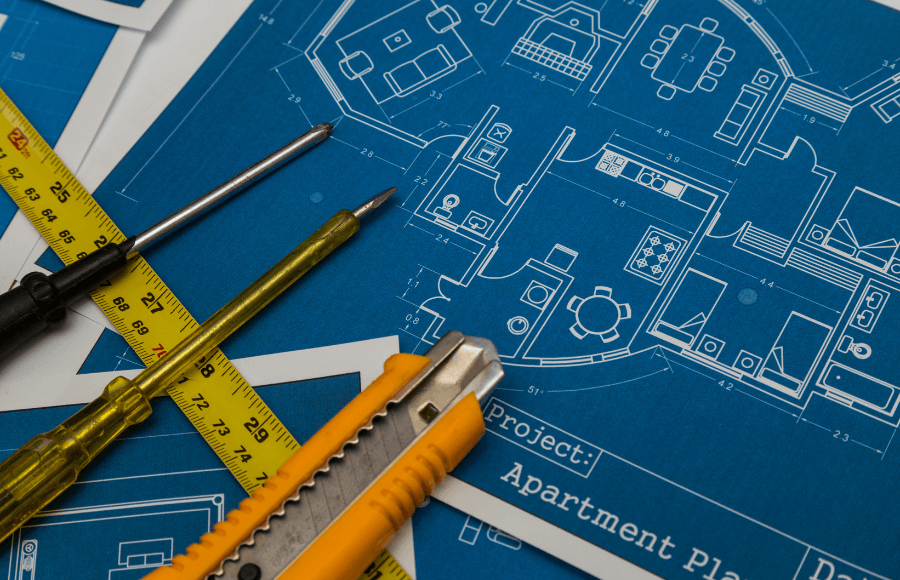
Define performance metrics so every trade works toward the same outcomes.
For example, target a Sound Transmission Class of 55 or higher between rooms, keep lobby reverberation under 0.6 seconds, and maintain ambient lighting above 300 lux. Clear, shared goals streamline coordination and ensure predictable comfort.
Budgeting High-Impact Upgrades
Maximize limited funds by choosing elements that serve dual purposes.
Decorative acoustic panels both absorb unwanted noise and enhance décor in one installation. This strategy reduces material and labor costs while delivering effective sound control and aesthetic improvement.
Codes, LEED, And WELL Alignment
Address building codes and sustainability objectives from day one.
Early acoustic modeling prevents expensive rework and positions you to earn LEED v4 EQc9 or WELL Building Standard credits. Meeting these benchmarks demonstrates environmental leadership and appeals to eco-conscious guests.
Elevating Visual Appeal
Contemporary Themes & Durable Materials
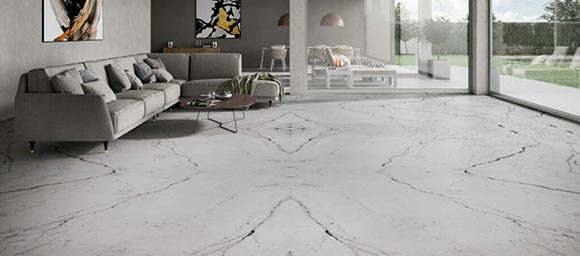
Adopt neutral color palettes—shades of beige, gray, and off-white—paired with engineered stone countertops, brushed metal accents, and locally inspired artwork.
These elements deliver an upscale look that remains fresh and resilient over time.
Biophilic Touches
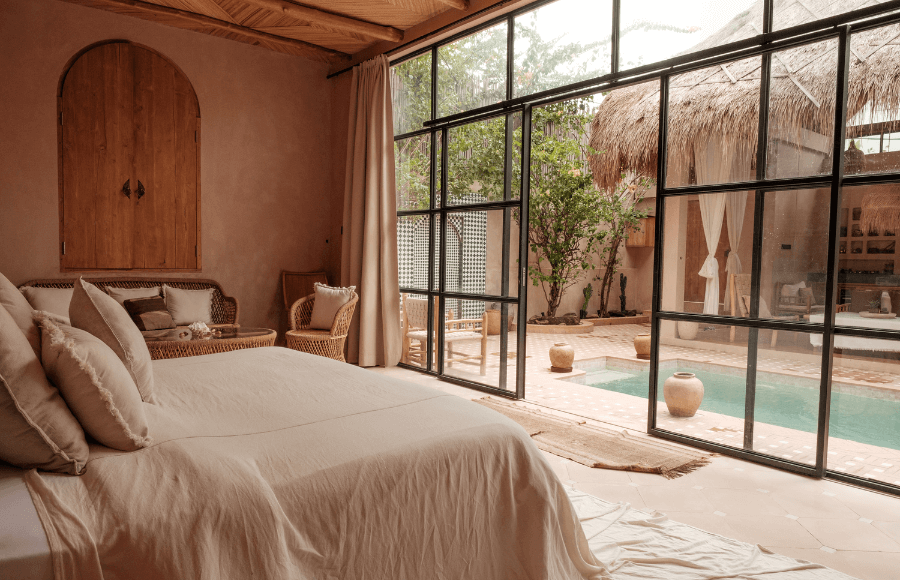
Introduce living greenery, indoor water features, and maximize natural light with larger windows or skylights.
These biophilic elements soothe the mind, encourage guests to linger, and create a welcoming, nature-connected environment.
Layered Lighting Design
Craft layered lighting with ambient fixtures for overall glow, task lights at desks and seating areas, and accents to highlight artwork and architecture.
Smart dimmers enable guests to customize mood and conserve energy, enhancing comfort.
Engineering Acoustic Comfort
Envelope Soundproofing
Enhance the building envelope by upgrading window glazing, installing tight-fitting door sweeps, and adding insulation to exterior walls and façades.
These upgrades block street traffic and HVAC vibrations for noticeably quieter rooms.
Interior Treatments
Apply interior acoustic treatments like NRC-rated ceiling tiles, dense carpets, and fabric-covered wall panels in corridors and lobbies.
These finishes absorb reverberation and airborne sounds, creating a calm, hushed atmosphere.
Active Noise Management
Implement active noise management with sound-masking systems in lobbies and lounges.
By introducing low-level ambient signals, these systems reduce perceived noise by several decibels while blending seamlessly into the design.
Recommended Related Reading: From China to Your Home: A One-Stop Unveiling of the Entire High-End Home Procurement Process

Executing And Measuring Success
Phased Renovation & Guest Communication
Divide work into zones by renovating one floor at a time, keeping most rooms available.
Use dust barriers and clear signage. Update guests regularly via email and on-site notices about schedules and room availability to maintain trust and occupancy.
Smart-Tech Enhancements
Equip rooms with tablets or touch panels that allow guests to adjust lighting, temperature, and white-noise machines with a tap.
Integrate voice controls for added convenience. These modern features empower guests and boost satisfaction scores.
Post-Renovation Analytics
After completion, track guest feedback on review sites and surveys to spot comfort and design trends.
Schedule acoustic tests annually to ensure sound standards hold. Promote “quiet-certified rooms” to attract wellness-focused travelers.

Quality Remodeling Partners – George Solution
Drawing on more than 30 years of international experience, George Solution delivers full-spectrum consultancy, design, and building-materials supply for residential, real estate, and hospitality clients.
By integrating all services into one offering, we lower costs, streamline timelines, and ensure a hassle-free project from start to finish. Our end-to-end materials lineup meets every requirement under one roof.
Conclusion
By thoughtfully combining modern design, biophilic elements, and strategic soundproofing within a phased renovation plan—supported by clear goals, sustainable standards, and smart technology—hotels can create stylish, serene environments that delight guests, foster loyalty, and drive revenue growth.