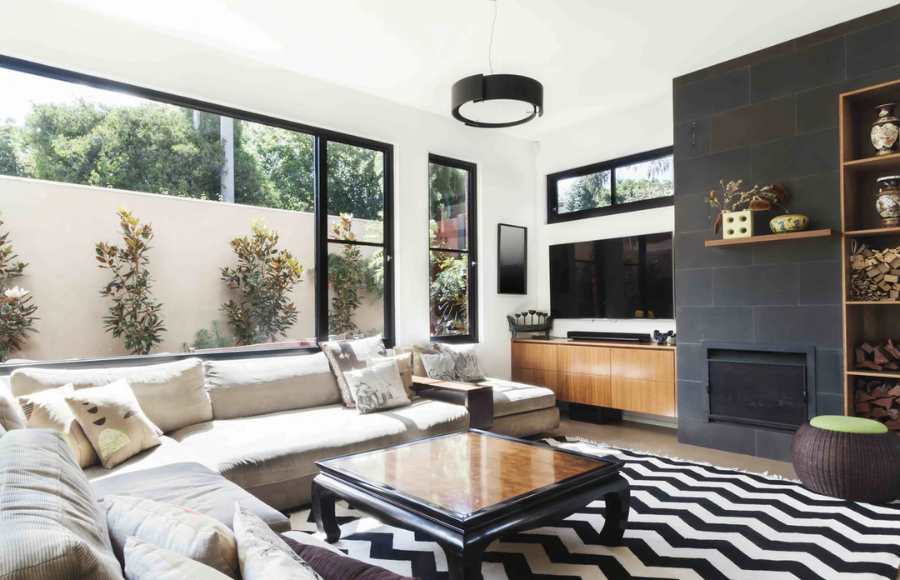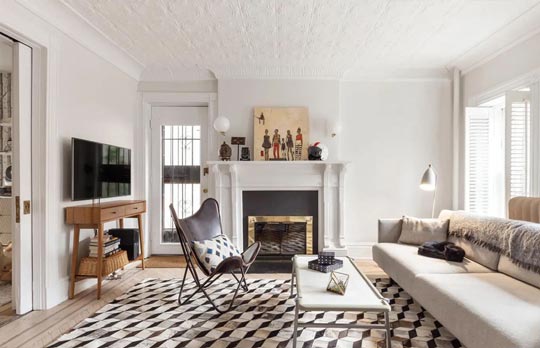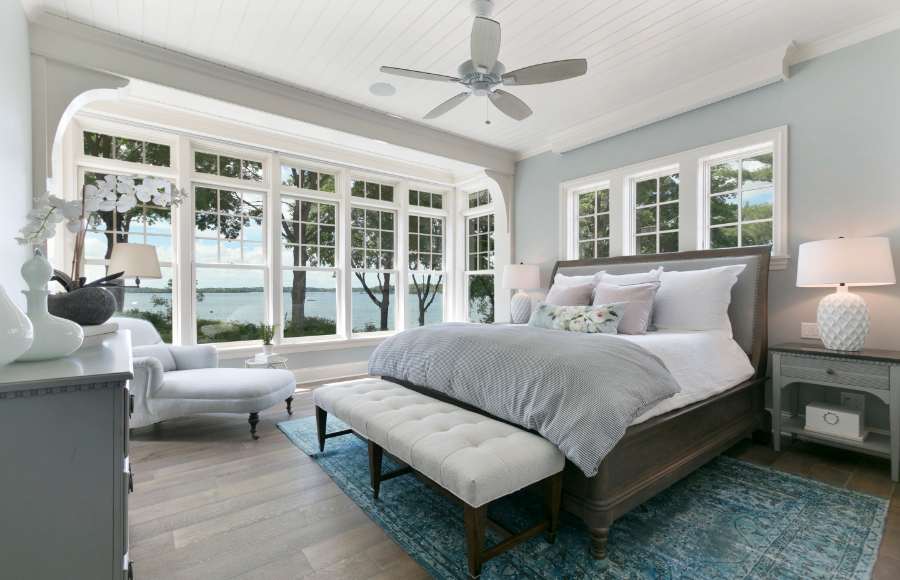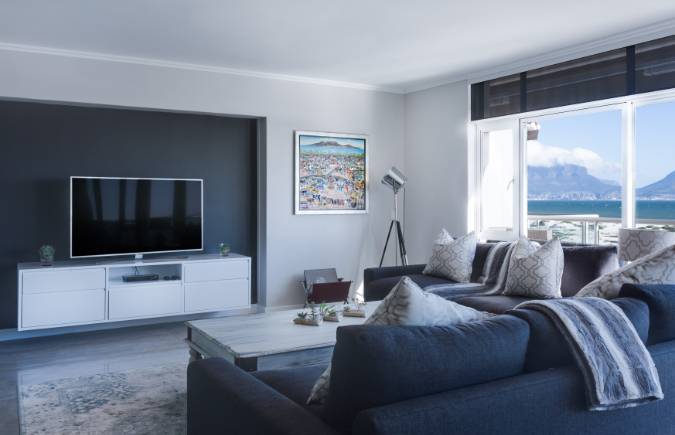


A well-designed living room balances aesthetics with everyday comfort. For a long time, homeowners felt they had to choose between the two when it came to ceiling fans. Traditional fans were highly practical for air circulation, but they often clashed with carefully planned interior decor.
Today, ceiling fans have evolved to serve as both functional appliances and intentional design elements.
Whether you are looking to improve energy efficiency, enhance your room’s lighting, or simply add a modern touch, selecting the right fixture can make a significant difference in how your space feels and operates.
Here are 10 living room ceiling fan ideas to help you find the right balance of style, comfort, and performance.
1. The Oversized Fan for Large Proportions
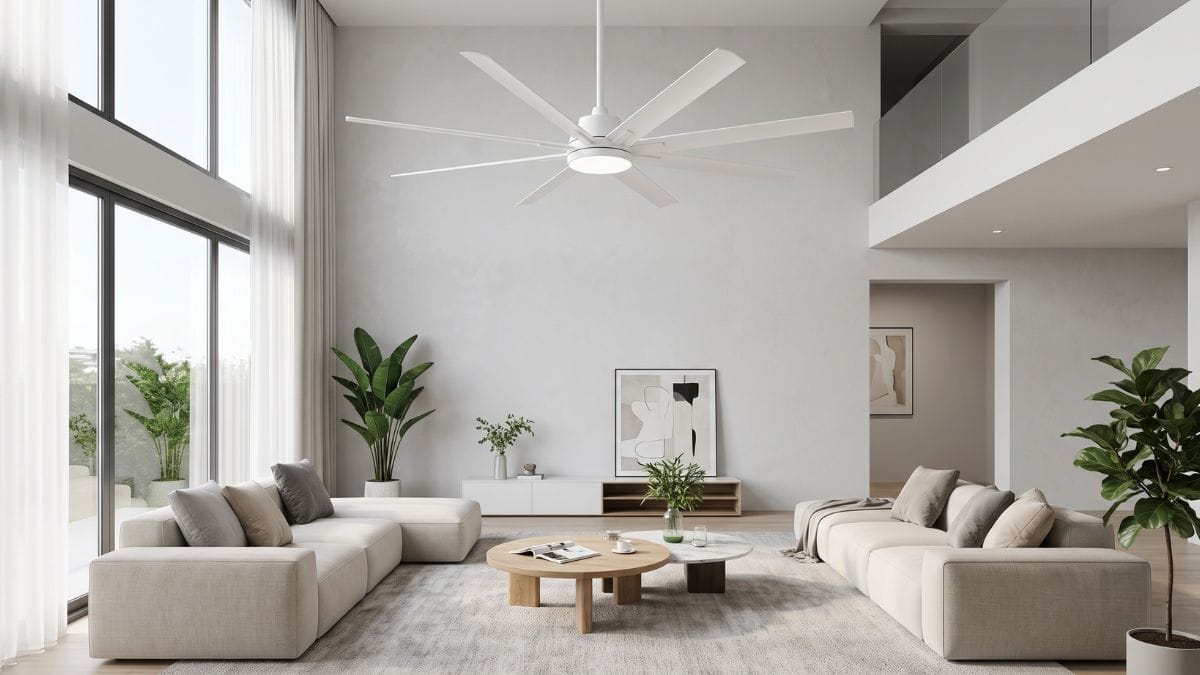
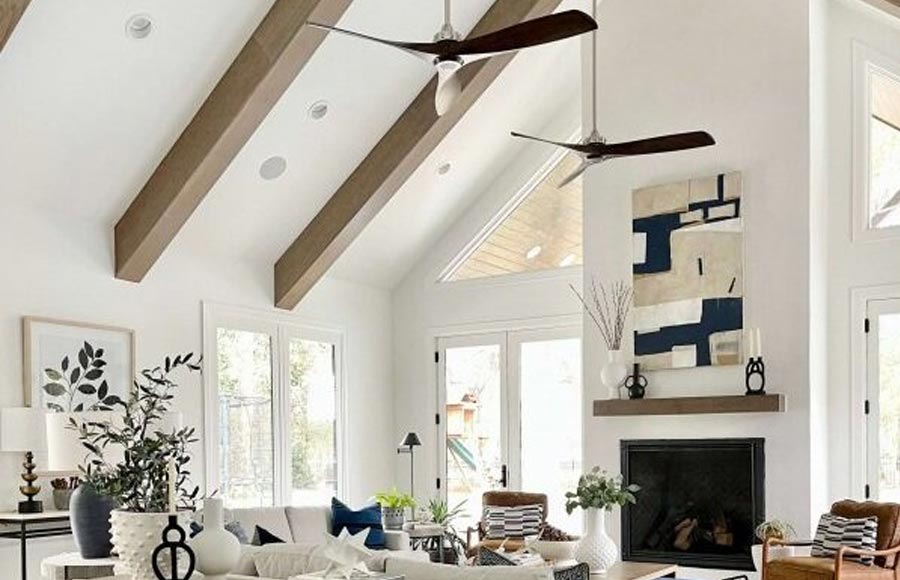
In living rooms with high or vaulted ceilings, a standard 52-inch fan can look visually lost and may struggle to move enough air.
Choosing an oversized fan—typically ranging from 60 to 84 inches—helps balance the proportions of a large room. Because of their longer blade span, these fans can move a significant volume of air at a lower RPM (revolutions per minute).
This provides a gentle, consistent breeze across a wide area without creating a disruptive draft, making them highly effective for open-concept layouts.
2. The Retractable “Fandelier”
Many homeowners appreciate the cooling effect of a ceiling fan but prefer the formal appearance of a traditional chandelier in their main living space. Retractable blade ceiling fans offer a seamless compromise.
When the fan is turned off, the blades fold away, leaving only the central light fixture visible. When turned on, centrifugal force smoothly extends the blades to circulate the air. It is a versatile solution for multi-functional spaces where you want to maintain a classic aesthetic without sacrificing comfort.
Related Article: Chandelier vs. Ceiling Light: Choosing the Right Lighting for Your Space
3. The Ultra-Minimalist Profile
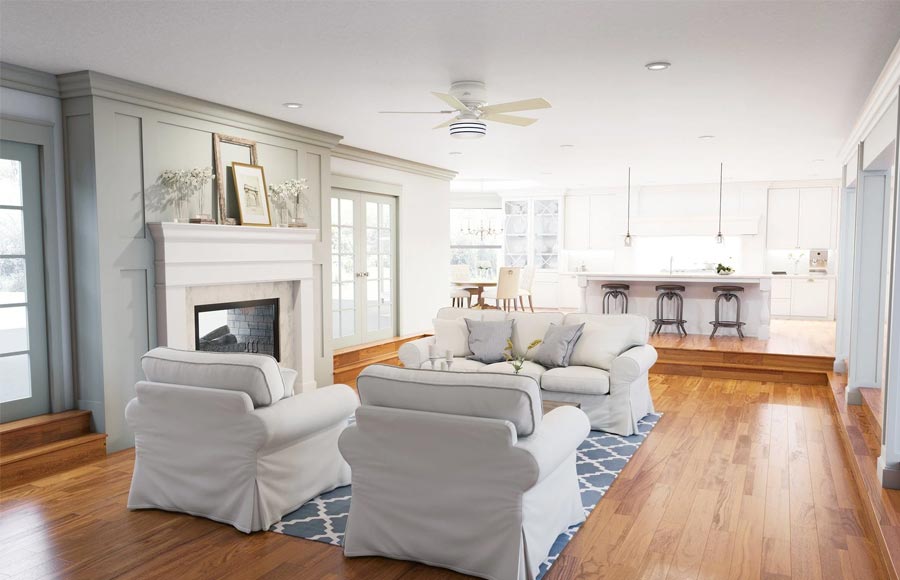
A common issue with older ceiling fans is visual clutter—ornate blade brackets, exposed screws, and heavily textured finishes can quickly date a room.
For a clean and streamlined look, minimalist ceiling fans feature aerodynamic blades, sleek motor housings, and neutral finishes like matte black, brushed nickel, or flat white.
By eliminating unnecessary detailing, a minimalist fan blends effortlessly into modern interiors, drawing less attention to the ceiling and keeping the focus on your room’s architecture.
4. Natural Wood Elements for Warmth
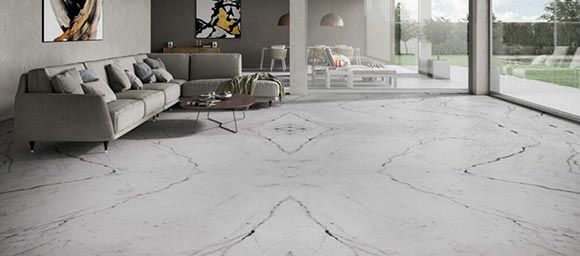
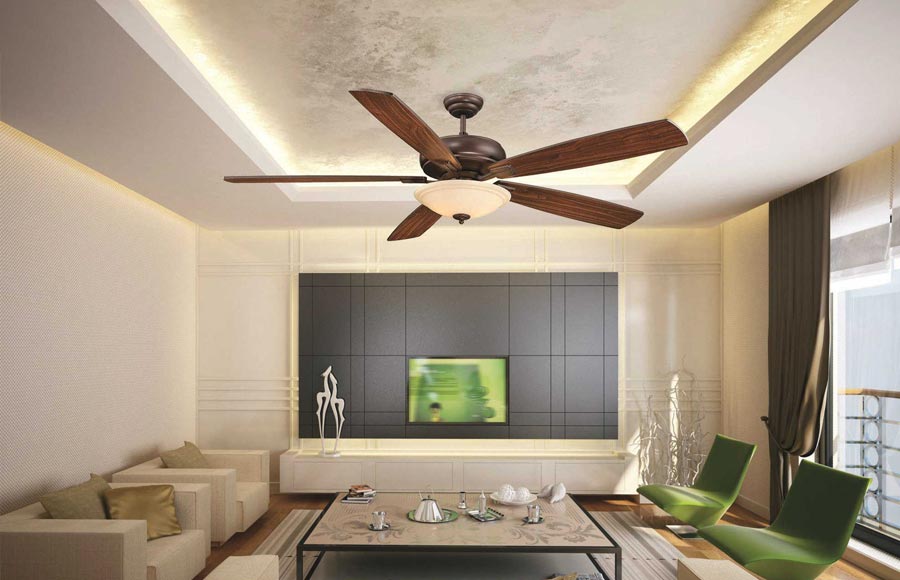
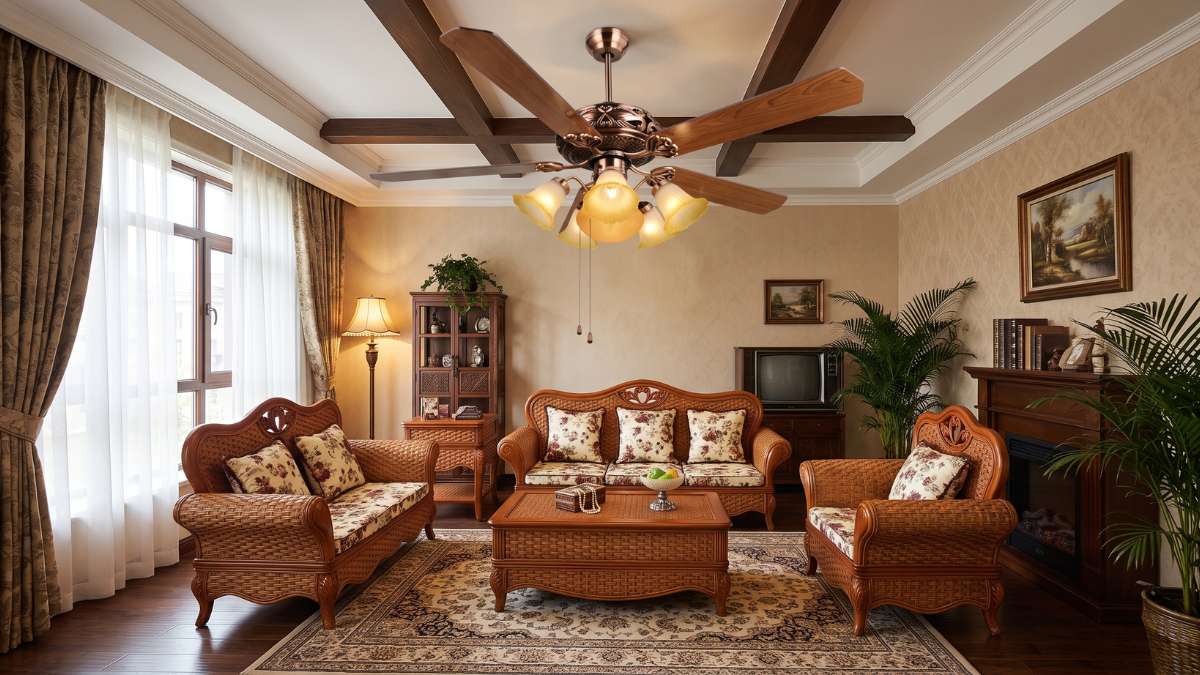
Rooms with large windows, concrete floors, or crisp white walls can sometimes feel a little stark. A ceiling fan with wood or wood-effect blades can introduce warmth, natural texture, and visual contrast without overwhelming the overall design.
For an industrial-inspired interior, a dark walnut finish can add depth and contrast, while lighter oak tones work beautifully in Scandinavian and contemporary spaces. By complementing the room’s existing materials and color palette, a wood-finish ceiling fan can help create a more balanced and inviting atmosphere.
5. The Flush-Mount “Hugger” for Low Ceilings
Not every living room has the luxury of towering ceilings. If your ceiling height is 8 feet or lower, installing a standard fan with a downrod can make the space feel cramped and pose a clearance hazard.
At this moment, flush-mount (or “hugger”) ceiling fans are designed to attach directly to the ceiling canopy, omitting the downrod entirely. This low-profile design maximizes vertical space, ensuring the room remains open and safe to navigate while still providing effective air circulation.
6. Smart-Home Integration
Convenience is a key factor in modern home design, and adjusting your ceiling fan should not require interrupting a conversation to pull a chain. Smart ceiling fans solve this by connecting to smartphone apps or voice assistants like Amazon Alexa or Google Home.
Beyond basic remote control, these fans allow you to set specific schedules—such as turning on automatically when the room reaches a certain temperature, or running on a low speed to keep air circulating while you are away.
Related Article: Modern Living Room Ceiling Lights: Bringing Your Design to Reality
7. Integrated LED Ambient Lighting
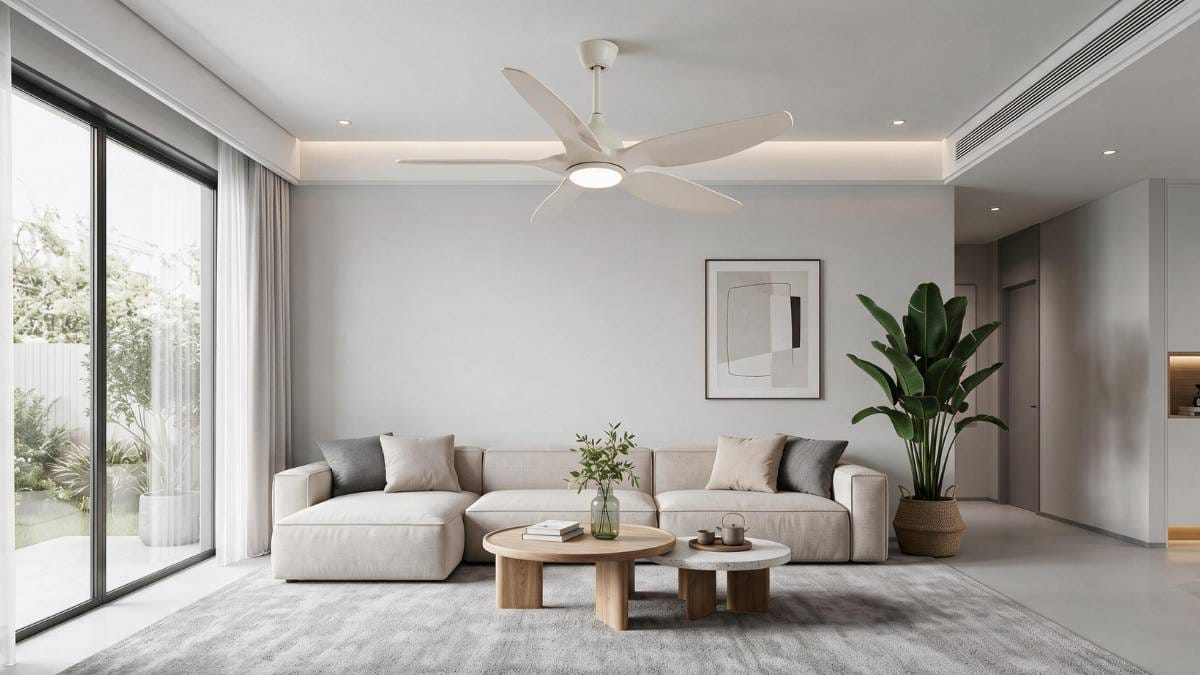
Traditional ceiling fans often relied on exposed glass shades with standard bulbs, which could create harsh glare or cast uneven shadows across the room. Contemporary fans now frequently feature integrated LED lighting panels concealed behind frosted acrylic diffusers.
This setup provides a much softer, more even wash of ambient light. Additionally, LED panels are energy-efficient, generate minimal heat, and often include dimming capabilities, allowing you to easily shift from bright task lighting to a relaxed evening atmosphere.
8. Dual-Motor Directional Fans
In long, rectangular living rooms or spaces with unique layouts, a single traditional fan mounted in the center might not provide adequate airflow to the corners. Dual-motor ceiling fans address this by featuring two separate adjustable motor heads, allowing you to direct airflow exactly where it is needed most.
Besides their practical functionality, dual-motor fans often carry a distinct, vintage-industrial aesthetic that adds visual interest to the ceiling.
9. Choose a Fan Designed for Quiet Comfort
A comfortable living room is about more than just stylish furniture and lighting; acoustic comfort matters just as much. If you have ever been distracted by the humming or clicking of a ceiling fan while trying to watch a movie, you know how disruptive poor motor design can be.
When choosing a modern ceiling fan, consider a model with a brushless DC (direct current) motor. Compared with many traditional AC motor fans, DC models typically offer quieter operation, lower energy consumption, and more precise speed control.
These features can make a noticeable difference in rooms where the fan runs for hours each day. However, overall noise also depends on blade design, motor quality, installation, and maintenance. Look for a well-balanced fan with a reliable motor suited to your everyday needs.
10. Design Harmony with Interior Millwork
A carefully designed living room feels cohesive. Rather than treating the ceiling fan as an afterthought, consider how its materials and finishes relate to the rest of the room.
Matching the tone of your fan blades to other architectural elements—such as custom cabinetry, interior doors, or wall paneling—ensures the fan feels like an integrated part of the home’s architecture rather than a hardware store add-on.
Creating this level of cohesion is much easier when working with a comprehensive manufacturer.
Conclusion
A ceiling fan is a functional and stylish addition to any living room. Whether you prefer modern minimalist designs, rustic wooden blades, or sophisticated chandelier fans, there’s an option for every taste and need.
Choosing the right fan for your space depends on the size of your room, your aesthetic preferences, and the features you need, such as smart controls or energy efficiency.
By considering the tips and ideas shared in this article, you can find the perfect ceiling fan to enhance both the comfort and style of your living room.
At George Solution, we specialize in whole-house customization, ensuring that your interior materials—from custom TV cabinets to architectural wall panels—are perfectly matched in tone and texture. By sourcing your interior finishes through a unified system, you can achieve a tailored, professional aesthetic that elevates the entire living space.
If you need Whole House Customization in China Design Ideas or want inspiration for Ceiling Fans with Lights Ideas, consult GeorgeSolution for expert guidance and tailored solutions.
Frequently Asked Questions (FAQ)
What size ceiling fan do I need for my living room?
As a general guideline, living rooms up to 150 square feet are best served by a 42-inch to 48-inch fan. Rooms up to 300 square feet typically require a 52-inch to 56-inch fan. For large, open-concept great rooms over 400 square feet, consider a fan with a blade span of 60 inches or more to ensure adequate air circulation.
How many blades is best for a ceiling fan?
The number of blades is primarily an aesthetic choice rather than a strict performance factor. Thanks to modern motor engineering and blade pitch, a well-designed 3-blade fan can move air just as effectively as a 5-blade fan.
Three-blade models tend to offer a sleeker, contemporary look, while five-blade models provide a more classic, traditional appearance.
Should a ceiling fan blow up or down?
To maximize comfort, the direction of your fan should change with the seasons. During the summer, set the fan to rotate counterclockwise to push air straight down, creating a cooling breeze. In the winter, reverse the direction to clockwise on a low speed; this gently draws cooler air up and pushes the warm air trapped near the ceiling back down into the living area.