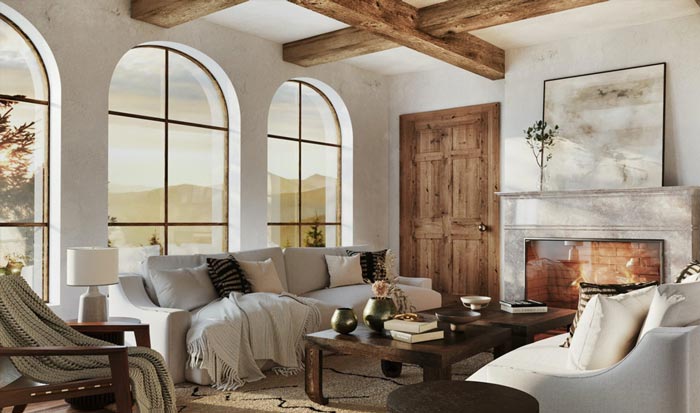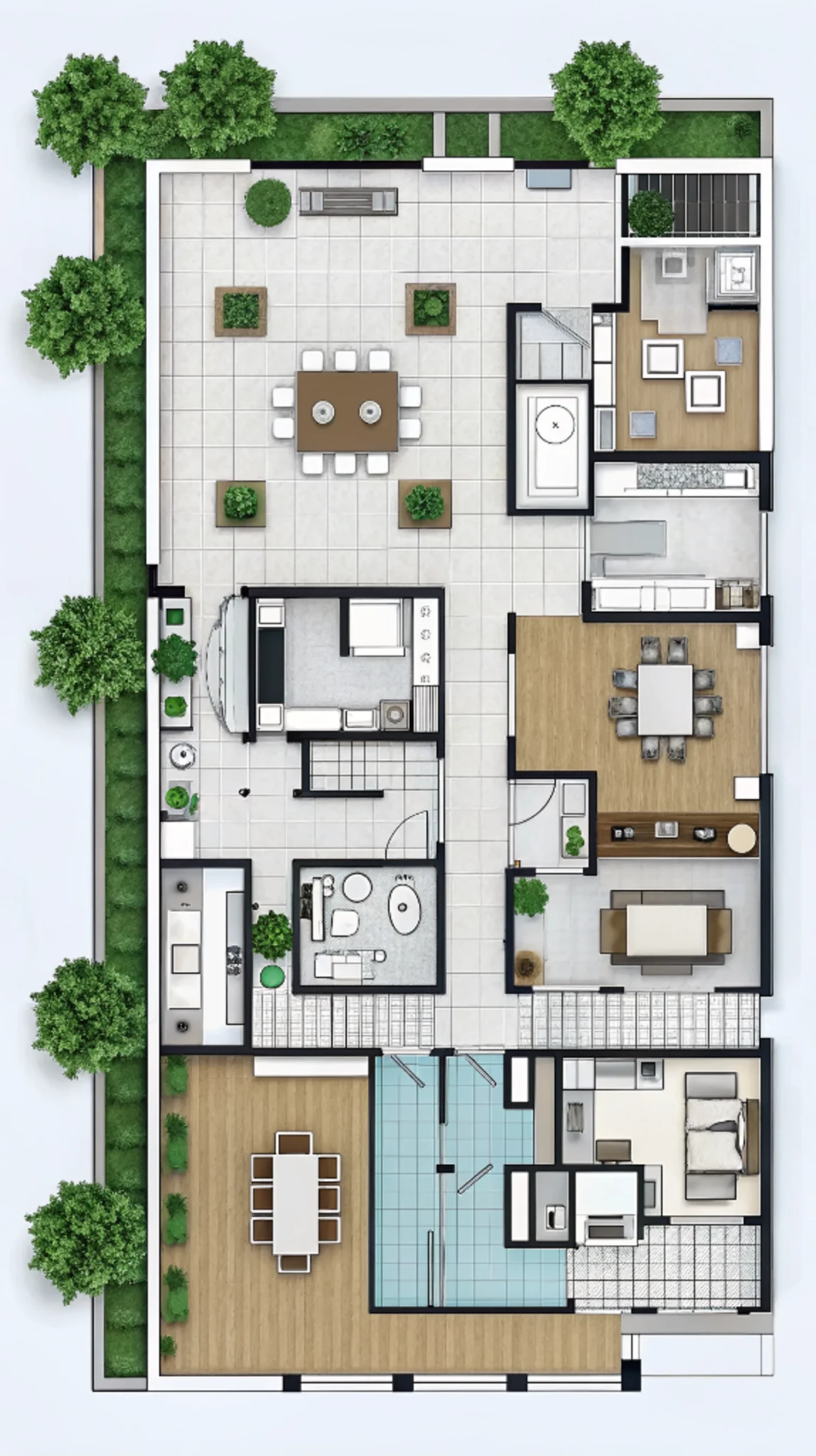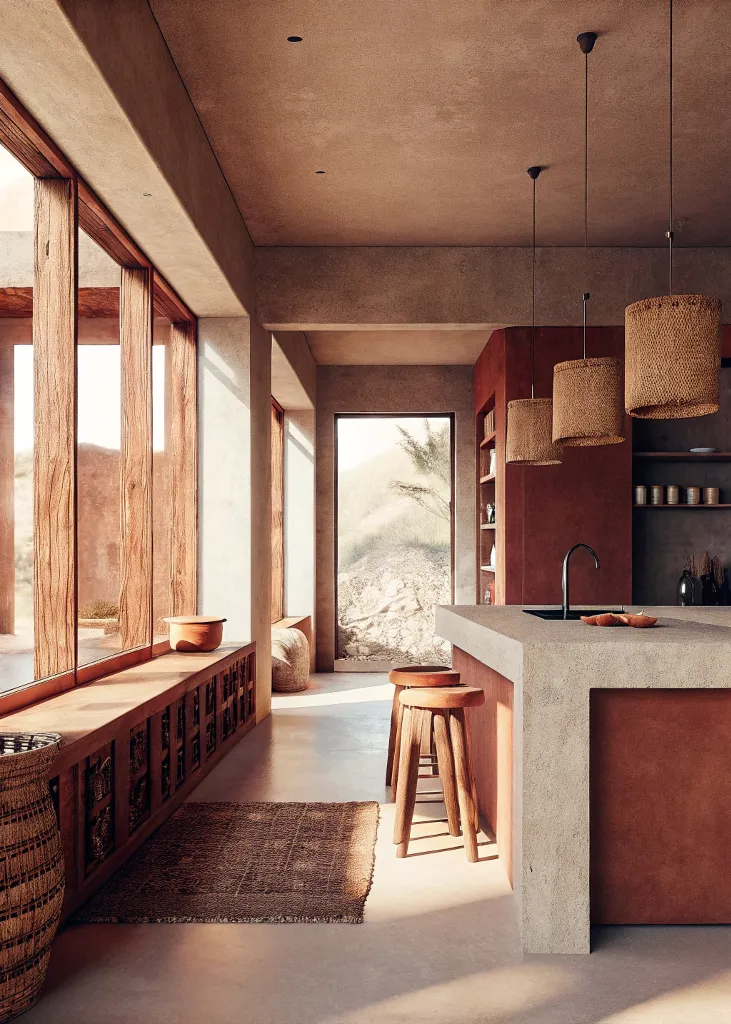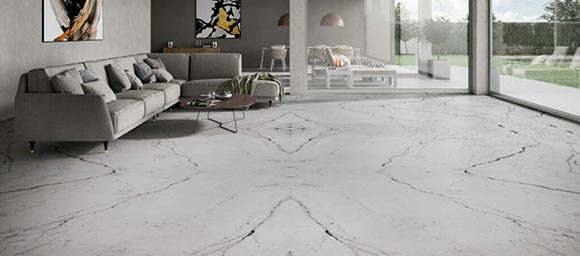


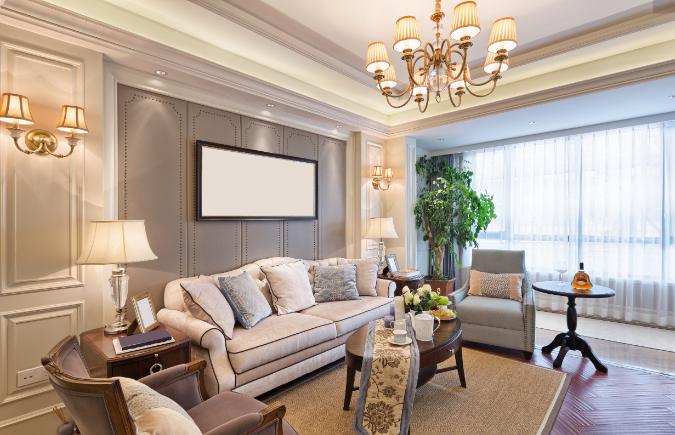
The living room is often considered the heart of the home. It’s the place where family members come together to relax, entertain guests, and make memories. Designing a perfect living room can feel overwhelming, but with the right approach, you can create a space that is both functional and stylish. This guide will walk you through the key elements to consider when designing your ideal living room.
1. Understand the Function of Your Living Room
Before you start buying furniture or choosing colors, it’s important to understand how you will use the living room. Are you using it primarily for relaxation, entertainment, or as a multi-functional space? Knowing the purpose of the room will help guide your design decisions.
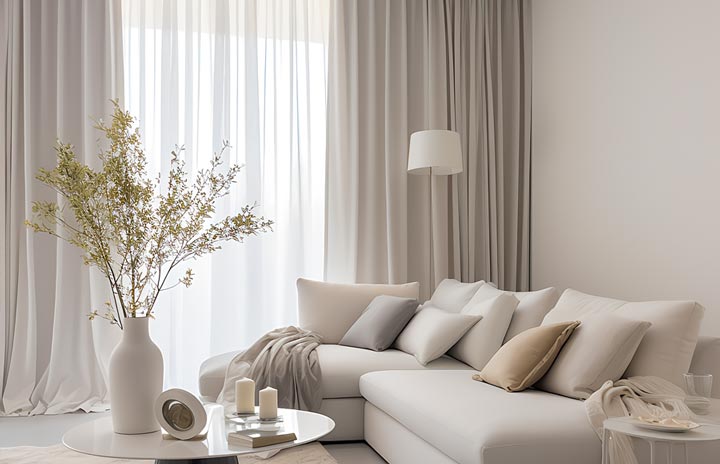
For example, if you plan on having living room curtains to block sunlight for a more relaxing atmosphere, or if the space doubles as a dining area, your layout and furniture choices will need to accommodate these functions.
2. Choose a Style That Speaks to You
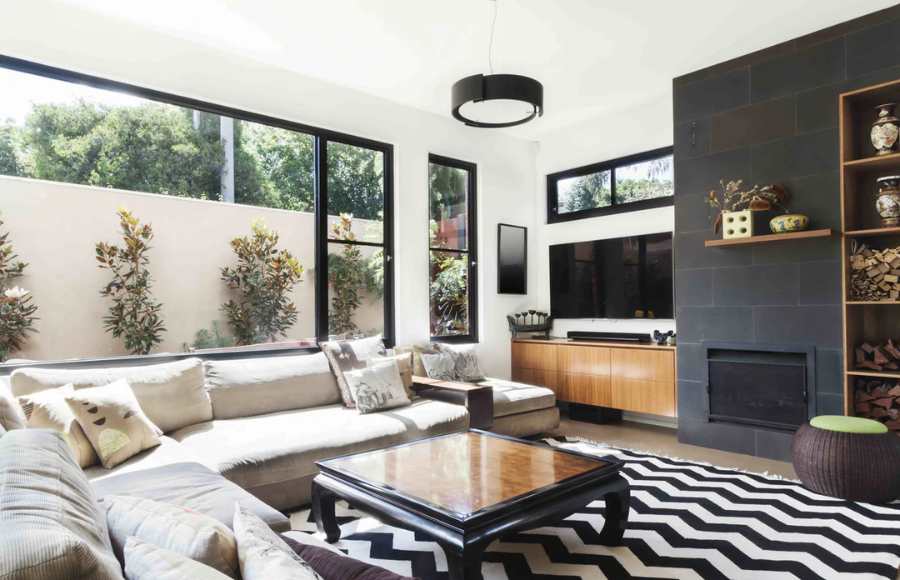
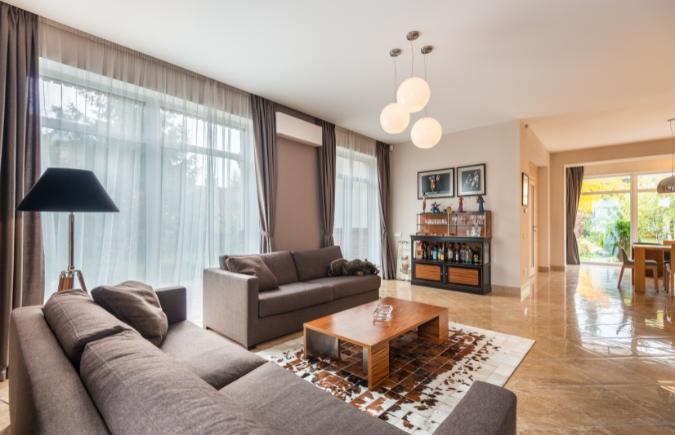
The style of your living room should reflect your personality and the overall aesthetic of your home. Whether you prefer modern, minimalist, traditional, or bohemian, selecting a style will help you narrow down color choices, furniture, and decor. For a modern look, think about using wall tiles with sleek designs, or if you’re going for a traditional vibe, consider rich textures and classic furniture
- Modern: Think clean lines, neutral colors, and functional furniture.
- Bohemian: Go for vibrant colors, eclectic furniture, and lots of texture.
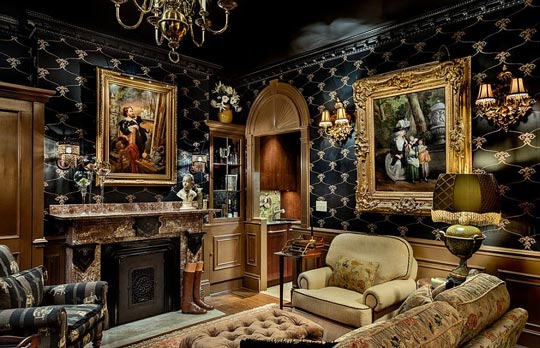
- Traditional: Choose classic furniture pieces, rich colors, and elegant designs.
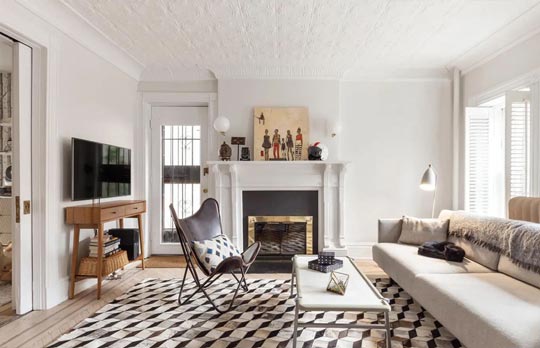
- Mid-century Modern: Incorporate iconic pieces with simple, geometric designs and natural wood elements.
Understanding the style you love will help guide your purchase decisions, ensuring your living room looks cohesive and thoughtfully designed.
3. Furniture Selection and Arrangement
Furniture is one of the most important aspects of any living room. Choosing the right pieces can make or break the room’s functionality and comfort.
- Sofa: This is often the focal point of a living room. Choose one that fits the scale of your room and offers comfort. A sectional is great for larger rooms, while a sofa with matching chairs might work better in smaller spaces.
- Chairs: Add additional seating with chairs that complement your sofa. Accent chairs or armchairs add a touch of personality and help balance out the room.
- Coffee Table: A coffee table anchors the seating area. Pick one that is proportionate to your sofa and functional, whether it’s for serving drinks or storage.
- Storage Solutions: Consider side tables, shelves, or media consoles to keep the room organized and clutter-free. Multi-functional furniture pieces, like ottomans with hidden storage, are also a great option.
When arranging furniture, aim for a layout that encourages conversation and ensures everyone in the room has a good view of any focal points, like a TV, fireplace, or artwork.
4. Lighting: Set the Right Mood
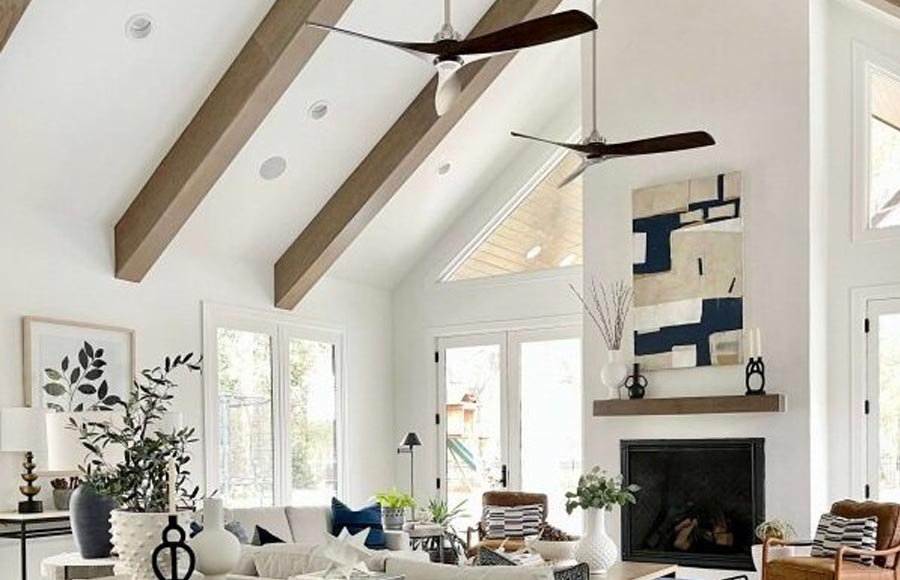
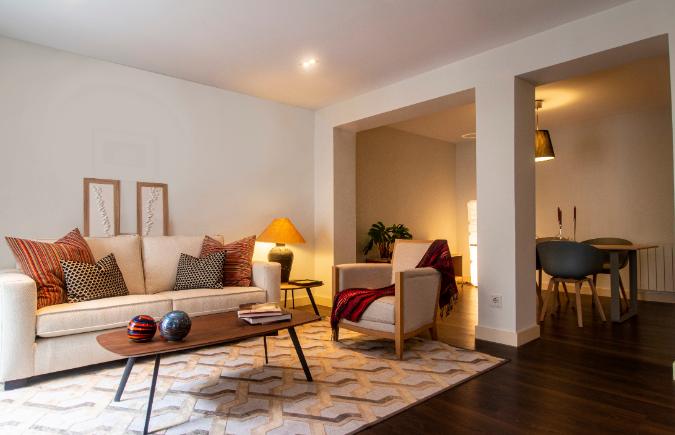
Lighting plays a huge role in creating the right atmosphere in your living room. Layering different types of lighting will help you adjust the mood of the room based on your needs. If you have a spacious room, consider living room renovation ideas like adding multiple sources of light—overhead lights, task lighting, and accent lighting—ensuring the room feels bright and welcoming without feeling overlit. Here are a few lighting options to consider:
- Ambient Lighting: This is the general light in the room, usually provided by ceiling fixtures, chandeliers, or recessed lighting. It should be bright enough to illuminate the space but not overpower the room.
- Task Lighting: Focused lighting, such as table lamps, floor lamps, or reading lights, is essential for specific activities like reading, working, or crafting.
- Accent Lighting: Use accent lights to highlight art pieces, architectural details, or create a cozy vibe. Consider using spotlights or wall-mounted fixtures for this.
For a living room, you’ll want a combination of all three types to provide flexibility and mood control.
5. Color Palette: Creating the Right Ambiance
The colors you choose for your living room significantly affect the overall atmosphere of the space. Soft, neutral colors like beige, gray, or white create a calm, relaxing environment. If you have an open kitchen living room layout, opt for colors that flow seamlessly into the kitchen to make the area feel cohesive and open.
Bold colors, like navy blue or emerald green, can add depth and drama, while pastels bring a light, airy feel.
Here are a few tips when choosing your color palette:
- Neutral Tones: Use neutral tones as your base, such as light gray or taupe. These colors are versatile and allow you to add pops of color with accessories like pillows, throws, or art.
- Accent Colors: Accent colors, such as bold hues or metallics, can be added through accessories. A colorful rug, vibrant cushions, or a statement piece of artwork can introduce personality and warmth into the room.
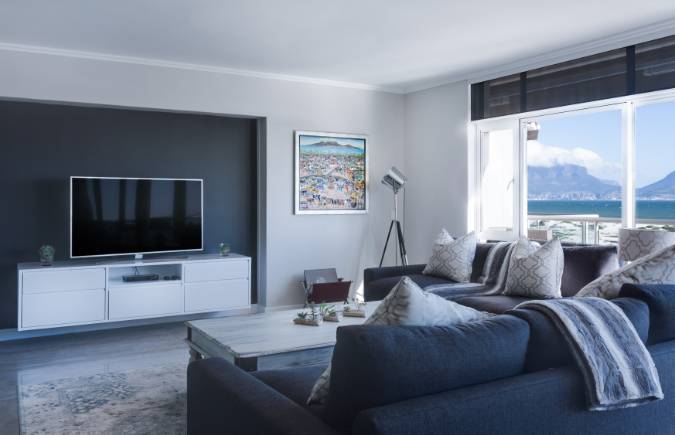
- Wall Color: Don’t be afraid to experiment with wall color. A feature wall painted in a deep shade, or wallpaper with interesting textures or patterns, can become a focal point.
Whatever palette you choose, be sure it complements the furniture and the natural light in your living room.
6. Add Personal Touches
A living room is a space that should reflect who you are. Personalizing the room with items that mean something to you will make it feel warm and inviting. Here are a few ideas:
- Artwork: Choose pieces of art that resonate with you. This could be paintings, prints, or even family photos.
- Textiles: Use textiles like throw blankets, pillows, and rugs to bring texture and color into the room. These are easy to switch out and can instantly update the space.
- Collectibles: If you collect anything, whether it’s vintage items, travel souvenirs, or unique sculptures, incorporate them into your decor.
By adding these personal touches, your living room will feel like an extension of yourself.
7. Incorporate Greenery
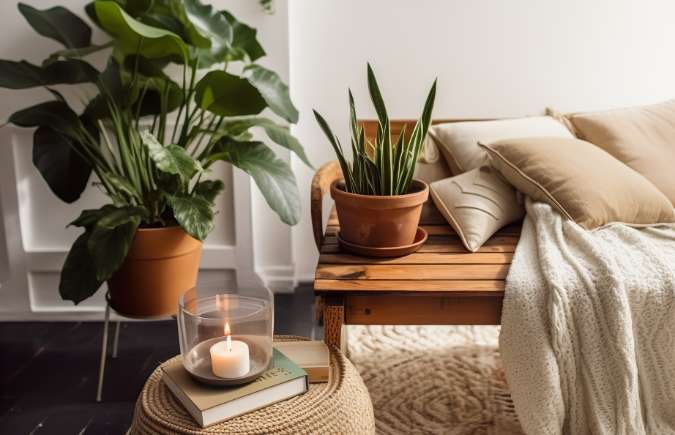
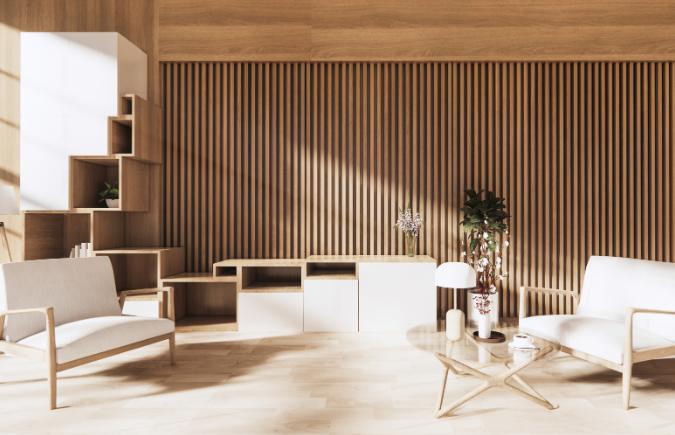
Plants are an excellent way to bring life and vibrancy to your living room. Not only do they add color and texture, but they also improve air quality and create a sense of calm. Consider adding a few indoor plants in varying sizes and styles to suit your aesthetic.
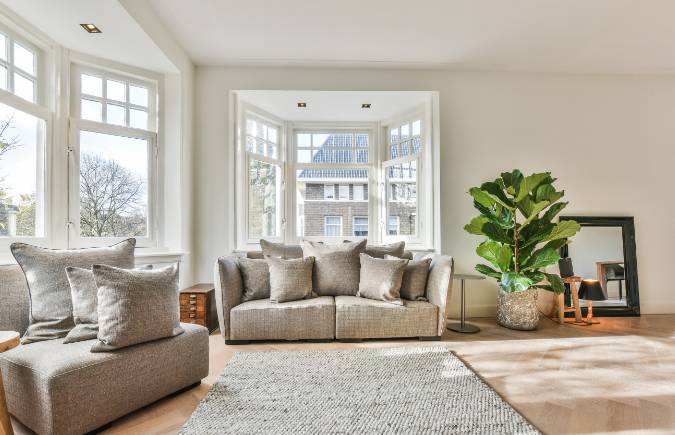
- Large plants: Tall plants like fiddle leaf figs or palms can be great statement pieces.
- Small plants: Succulents, cacti, or ivy are great for smaller spaces or shelves.
- Hanging Plants: These can add a unique touch while saving space.
8. Maximize Space and Functionality
In many homes, living rooms are multipurpose areas. Whether you’re using your living room for watching movies, reading, or socializing, it’s important to make sure that every part of the room is functional. Consider these space-maximizing tips:
- Use multifunctional furniture: For smaller spaces, opt for furniture that can serve multiple purposes, such as a sofa bed or an ottoman that doubles as storage.
- Wall-mounted shelving: Installing shelves on the wall can help keep the floor space clear while offering a place to display books, plants, or decorative items.
- Create zones: If your living room is large, break it into separate zones. For example, a reading nook with a comfy chair and a small side table or a media area with a TV and entertainment console.
9. Make It Cozy
A cozy living room invites you to relax and unwind. Incorporate elements that add comfort and warmth to the space:
- Soft Textures: Plush cushions, fluffy throws, and a soft area rug can create an inviting atmosphere.
- Lighting: Dim lighting, soft lamps, and candles can help make the room feel intimate and cozy.
- Seating: Arrange seating in a way that encourages conversation and relaxation. Having ample seating options will make the space feel welcoming for guests.
10. Consider Acoustic Elements
Sound can have a big impact on the comfort and ambiance of your living room. Good acoustics make the space feel more inviting and help create a relaxing atmosphere. To improve the sound quality in your living room, consider the following:
- Soft Furnishings: Upholstered furniture, curtains, and rugs absorb sound, reducing echo and noise. Adding soft fabrics can improve the acoustics significantly.
- Wall Treatments: If your living room has hard surfaces like bare walls or tile floors, consider adding acoustic panels or even fabric wall coverings to help manage sound.
- Speakers: If you enjoy music or watching movies, the placement of speakers matters. Make sure they’re strategically positioned for optimal sound distribution. By paying attention to the acoustics in your living room, you can create a more comfortable and enjoyable space for all types of activities, whether it’s listening to music, watching a movie, or just having a quiet conversation.
Conclusion
Creating the perfect living room involves a combination of thoughtful design, functional furniture, and personalized details. Start with a clear understanding of the room’s purpose, choose a style that fits your taste, and ensure that comfort and functionality are your top priorities. Whether you’re considering whole house customization or simply revamping your living room, GeorgeSolution can help you bring your vision to life. Don’t hesitate to reach out for expert advice on living room design ideas—we’re here to help you create a space that’s truly yours. Contact us today to get started!
FAQ
What is the 2/3 rule for living rooms?
The 2/3 rule suggests that about two-thirds of the space should be dedicated to larger furniture (like sofas), and the remaining third should stay open for flow and circulation. It helps create balance and avoids clutter.
In what order should you decorate a living room?
It is advised to follow this order for decorating your living room:
- Start with large furniture (sofa, coffee table).
- Add lighting (overhead and task lamps).
- Lay down an area rug.
- Place smaller furniture and storage.
- Add accessories (pillows, art, decor).
- Finish with plants.
Read More:
15 Living Room Renovation Ideas – George Solution
10 Living Room Renovation Ideas – George Solution
Mediterranean Minimalist Living Room Ideas – George Solution