

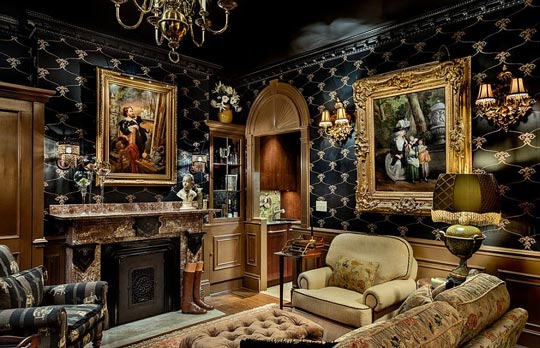
Victorian living rooms are known for their elegance, grandeur, and historical charm. The design style, which emerged during Queen Victoria’s reign in the 19th century, is characterized by rich textures, intricate details, and a love for luxury.
If you’re looking to infuse your living room with this timeless and sophisticated style, there are plenty of ways to bring Victorian flair into your home while keeping it functional and stylish.
Whether you live in a Victorian-era house or are looking to create a similar look in a more modern space, these design ideas will help you transform your living room into a regal and inviting environment.
Rich, Deep Color Palette
Victorian design embraces bold, rich colors that convey warmth and luxury. Deep hues such as burgundy, forest green, navy blue, and chocolate brown are staple colors in this style.
These tones were often used on walls, furniture, and drapery to create a dramatic, cozy ambiance.
A Victorian living room typically combines these bold shades with accents of gold, bronze, or brass for a touch of opulence.
To achieve the perfect Victorian color scheme, consider painting the walls in deep shades like plum or dark green.
You can also use wallpaper with floral or damask patterns to add depth and visual interest.
For a more modern take, consider incorporating these bold tones through furniture, artwork, or accessories while keeping the walls a more neutral base color like off-white or light gray.
Luxurious Fabrics and Textiles
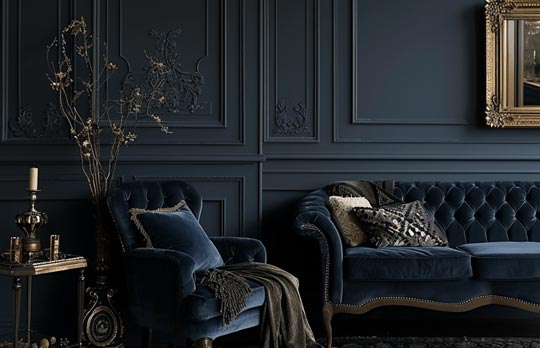
One of the most distinctive features of Victorian interiors is the use of rich, luxurious fabrics. Velvet, brocade, silk, and damask were common choices for furniture upholstery, curtains, and cushions.
These materials not only enhance the visual appeal of space but also create a sumptuous, tactile experience.
For your living room, consider using velvet or heavy brocade fabrics for upholstered furniture, such as sofas, armchairs, or ottomans.
Living room curtains should be thick and opulent, with cascading folds and intricate patterns, creating a dramatic and luxurious effect.
Adding luxurious textiles like tasseled throw pillows or silk throws can further elevate the space.
Layering different fabrics, such as pairing velvet cushions with a brocade chair, creates a visually rich texture that is the hallmark of Victorian design.
Don’t shy away from using bold, patterned fabrics to make a statement.
Ornate Furniture and Detailing
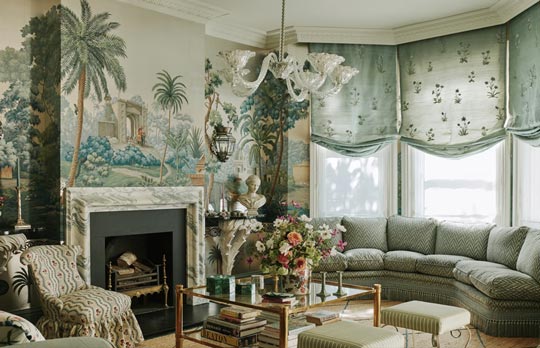
Victorian furniture is synonymous with intricate detailing, carving, and elegance.
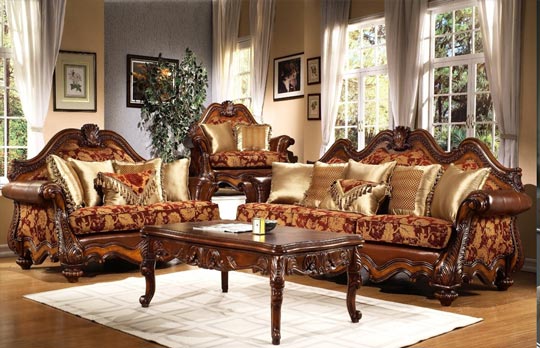
The furniture pieces from this era are typically made from dark woods like mahogany, oak, or walnut, and often feature ornate carvings and elegant lines. While the furniture should still maintain a sense of comfort, it should also showcase craftsmanship and refinement.
To create a Victorian-inspired living room, focus on investing in statement pieces, such as a tufted velvet sofa with intricately carved wooden legs or a wingback chair with rich upholstery.
A traditional wooden coffee table with floral carvings or a vintage sideboard can further enhance the period feel.
Look for furniture that has an antique or vintage look, such as custom dining chairs with carved wooden frames, as modern pieces may lack the intricate details that define Victorian style.
If you can’t find authentic Victorian furniture, consider sourcing reproduction pieces that capture the essence of the era’s design.
Antique and Vintage Accents
Antiques and vintage accessories are essential to achieving an authentic Victorian living room look.
These items often add personality and a sense of history to space. Items like old mirrors with ornate gold or silver frames, vintage vases, and antique lamps are great ways to inject Victorian charm into your living room.
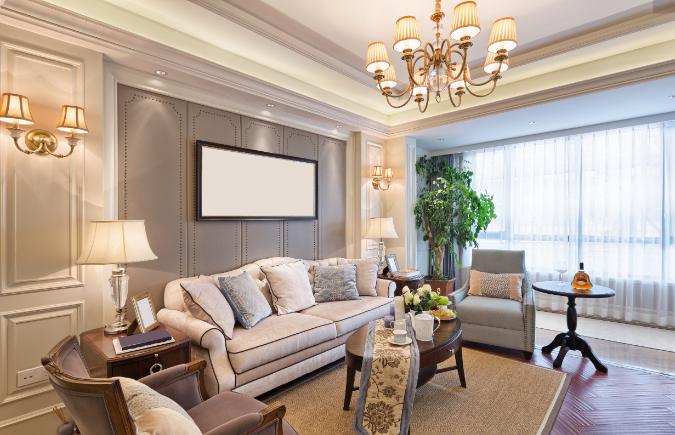
An antique chandelier can act as a focal point and add elegance to the room.
Look for chandeliers with crystal or glass accents that reflect the opulence of the period. In addition, vintage oil paintings, botanical prints, and framed portraits can give the space an antique feel, and they’re perfect for filling blank walls.
Incorporating antique accessories like porcelain figurines, brass candle holders, and a vintage-inspired bathroom cabinet will give your living room an authentic Victorian touch.
These accessories not only serve as décor but also bring a sense of nostalgia and warmth to space.
Intricate Moldings and Architectural Details
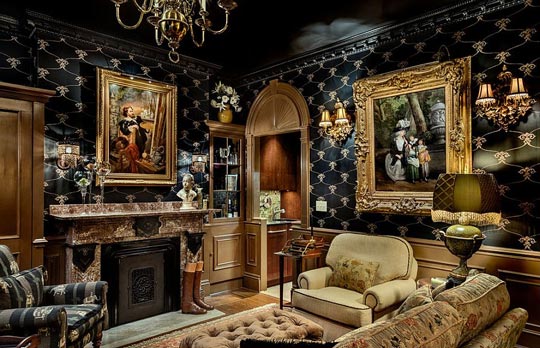
Victorian living rooms are known for their attention to architectural details. Crown molding, baseboards, wainscoting, and decorative cornices were commonly used in Victorian homes to add visual interest to walls and ceilings. These details helped to create a sense of grandeur and refinement.
If you’re renovating or updating a living room, adding molding or wainscoting to the walls can immediately give the space a more elegant feel. Crown molding along the ceiling and intricate baseboards can also elevate the overall aesthetic.
You can also consider adding decorative elements, such as ceiling medallions around a chandelier or a Victorian-style fireplace mantle, to enhance the space’s architecture.
Even if you’re working with a modern apartment or a space without original architectural details, you can still incorporate some of these elements, such as curved stairs, with modern reproduction moldings and trim work. This will help add a touch of classic Victorian elegance.
Statement Lighting Fixtures
Lighting in a Victorian living room plays an important role in setting the mood and atmosphere of the space.
During the Victorian era, elaborate chandeliers, oil lamps, and gas lamps were common, with intricate designs made of crystal, brass, or bronze.
To create a similar atmosphere in your living room, consider adding a modern chandelier with Victorian-inspired details as the central light fixture.
You can find modern reproductions of vintage chandeliers that retain the grandeur and detailing of the Victorian era, such as crystal drops or gold detailing.
In addition to chandeliers, table lamps and floor lamps with ornate bases, such as those made of brass or wood with fabric shades, add warmth and character to the room.
Vintage-inspired wall sconces or candleholders will also help to create soft, romantic lighting.
Floral and Damask Patterns
Floral patterns and damask prints are synonymous with Victorian style.
These patterns were used on wallpaper, upholstery, and fabrics, contributing to the rich, layered look of Victorian interiors. Incorporating floral patterns into your living room will help bring a touch of classic Victorian charm to space.
Floral wallpaper or decorative wall tiles can make a bold statement on one wall or even in the form of an accent wall.
Alternatively, you can incorporate floral elements through smaller touches, such as patterned cushions, area rugs, or drapery. Damask, a type of fabric with intricate patterns, works wonderfully for upholstery or curtains.
You can also mix different patterns, such as floral cushions on a velvet sofa, for a layered and opulent look.
Keep the patterns in a color palette that complements your existing furniture and walls to avoid overwhelming the space.
Fireplaces and Mantels
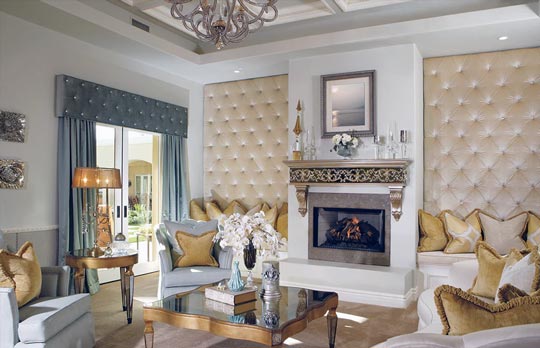
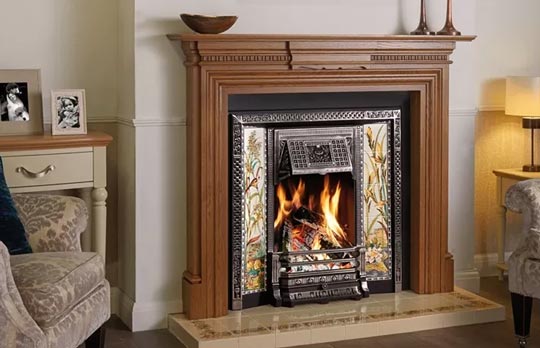
A key feature of Victorian living rooms is the presence of a grand fireplace, often acting as the room’s focal point.
During the Victorian era, fireplaces were typically surrounded by ornate wooden mantels, often decorated with carvings, mirrors, and other decorative items.
If your living room has a fireplace, make it the centerpiece of the room by emphasizing its details.
Consider adding an elegant mantelpiece with intricate carvings or installing an ornate mirror above it.
If your space doesn’t have a fireplace, you can create a similar effect with a faux fireplace or add a large decorative mantel to mimic the Victorian look.
To complete the ambiance, add candle holders, vases, or antique clocks on the mantel.
A Victorian-style fireplace adds both warmth and elegance to the room, creating a cozy and inviting atmosphere.
Create Cozy, Intimate Spaces
Victorian living rooms often have a sense of intimacy and coziness despite their grandeur.
To achieve this feeling in your modern living room, focus on creating intimate seating arrangements that encourage conversation.
A group of elegant chairs arranged around a coffee table or a sofa placed in front of the fireplace will help promote a cozy, inviting atmosphere.
Adding smaller, functional pieces such as a vintage writing desk or an antique bookshelf can help break up the room and provide additional spaces for relaxing or enjoying a book.
Layered Rugs for Texture and Warmth
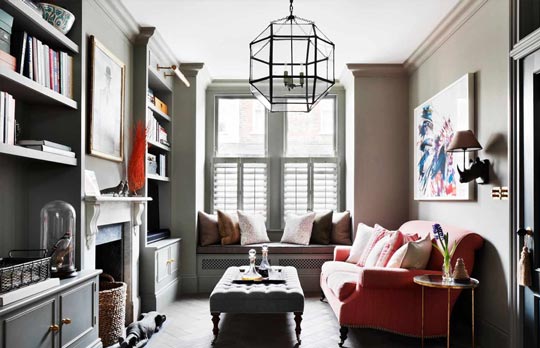
Victorian living rooms often featured layered rugs to add texture and warmth to the space.
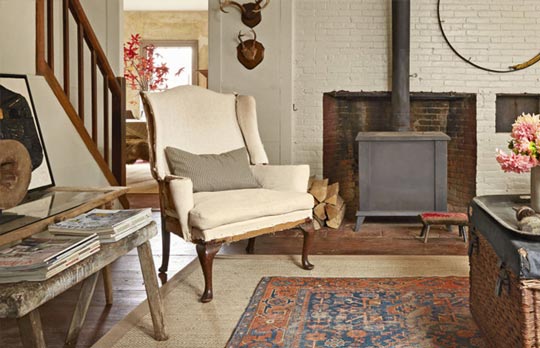
Consider pairing a large Persian or Oriental rug with a smaller, patterned custom carpet on top to add texture and warmth.
This not only adds visual interest but also creates a cozy, inviting atmosphere. Choose rugs with intricate patterns and rich colors to complement the overall Victorian aesthetic.
Decorative Ceiling Treatments
Victorian homes were known for their elaborate ceiling treatments, such as coffered ceilings, tin tiles, or painted designs.
If your living room has a high ceiling, consider adding a decorative ceiling treatment to draw the eye upward.
Even in modern spaces, faux tin tiles or ceiling stencils can replicate this Victorian detail.
Grand Mirrors with Ornate Frames
Large mirrors with ornate frames were a staple in Victorian interiors. They not only added a sense of grandeur but also helped to reflect light and make spaces feel larger.
Place a gilded or carved wooden mirror above a fireplace or on a feature wall to create a focal point and enhance the room’s elegance.
Tufted and Buttoned Upholstery
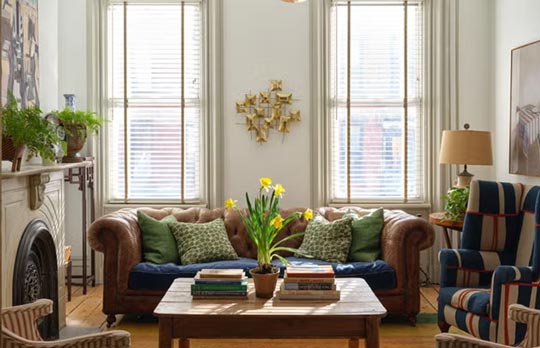
Tufted and buttoned upholstery is a hallmark of Victorian furniture design. Incorporate this detail into your living room through a tufted sofa, ottoman, or armchair.
The intricate stitching adds a touch of sophistication and pairs beautifully with luxurious fabrics like velvet or brocade.
Decorative Screens and Room Dividers
Victorian living rooms often used decorative screens or room dividers to create intimate spaces within larger rooms.
A folding screen with intricate carvings or painted panels can add both functionality and artistry to your living room. Use it to separate a reading nook or to add a touch of privacy.
Heavy, Floor-Length Curtains
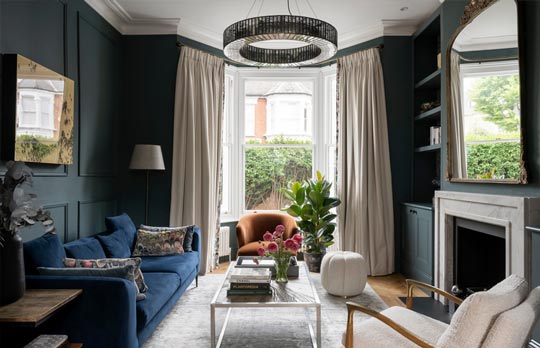
Victorian drapery was all about drama and opulence. Choose heavy, floor-length curtains in rich fabrics like velvet or silk, and pair them with ornate curtain rods and tiebacks.
Opt for patterns like damask or floral to enhance the Victorian vibe, and ensure the curtains pool slightly on the floor for a luxurious touch.
Display Cabinets for Collectibles
Victorian homes often showcased collectibles and curiosities in glass-fronted display cabinets.
Incorporate a vintage or reproduction display cabinet in your living room to showcase porcelain figurines, antique books, or other treasured items.
This adds a personal touch and reflects the Victorian love for storytelling through objects.
Stained Glass Accents
Stained glass was a popular feature in Victorian homes, often seen in windows, doors, and even lampshades.
Consider adding stained glass panels to your living room windows or incorporating a stained glass lamp to cast colorful, ambient light. This detail adds a touch of artistry and nostalgia to the space.
Elegant Side Tables and Occasional Chairs
Victorian living rooms were filled with functional yet decorative furniture pieces.
Add elegant side tables with marble tops or carved wooden legs, and include occasional chairs with intricate designs.
These pieces not only serve a purpose but also contribute to the room’s layered, opulent look.
Wall Sconces for Ambient Lighting
Wall sconces were a common lighting feature in Victorian homes, providing soft, ambient light.
Choose sconces with ornate metalwork or crystal accents to enhance the room’s elegance.
Place them on either side of a mirror or fireplace to create a balanced, symmetrical look.
Bookshelves with Decorative Trim
A floor-to-ceiling bookshelf with decorative trim can add both functionality and Victorian charm to your living room.
Fill the shelves with leather-bound books, antique trinkets, and framed photos to create a curated, lived-in feel.
Consider adding glass doors to some sections for a more refined look.
Victorian-Inspired Artwork
Artwork played a significant role in Victorian interiors, often featuring landscapes, portraits, or still-life paintings.
Choose Victorian-inspired artwork with gilded frames to adorn your walls. Group smaller pieces together in a gallery wall arrangement for a dramatic effect, or use a single large painting as a statement piece.
Decorative Fireplace Screens
If your living room has a fireplace, consider adding a decorative fireplace screen with intricate metalwork or painted designs.
This not only adds a functional element but also enhances the room’s Victorian aesthetic. Choose a screen that complements the overall color scheme and style of the room.
Patterned Ceiling Medallions
Ceiling medallions were often used in Victorian homes to highlight chandeliers or other central light fixtures.
Choose a medallion with a detailed pattern and paint it in a contrasting color to make it stand out. This small detail can add a touch of grandeur to your living room’s ceiling.
Velvet Draped Tables
Velvet-draped tables were a popular Victorian trend, often used for displaying decorative items or as a surface for tea service.
Add a small round table with a velvet tablecloth that cascades to the floor for a touch of old-world charm. Pair it with a lace doily and a vintage tea set for an authentic look.
Ornate Picture Rails
Picture rails were a common feature in Victorian homes, allowing artwork to be hung without damaging the walls.
Install a picture rail in your living room and use it to display framed paintings, photographs, or mirrors.
This adds height and visual interest to the room while maintaining a period-appropriate detail.
Decorative Fireplace Tiles
If your living room has a fireplace, consider adding decorative tiles around the hearth.
Victorian fireplace tiles often featured floral or geometric patterns in muted tones. This detail adds a touch of authenticity and can tie the room’s color scheme together.
Antique Writing Desks
A small antique writing desk can add both functionality and charm to your Victorian living room.
Place it in a corner with a vintage chair, and use it as a spot for writing, reading, or displaying decorative items like quills, inkwells, or framed photos.
Layered Window Treatments
In addition to heavy curtains, Victorian living rooms often featured layered window treatments.
Consider adding sheer under-curtains or lace panels beneath your main drapes. This not only adds texture but also allows for adjustable light control while maintaining privacy.
Decorative Fireplace Grates
A decorative fireplace grate can add a touch of elegance to your living room’s hearth.
Choose one with intricate metalwork or a polished brass finish to enhance the Victorian aesthetic. Pair it with a set of vintage fireplace tools for a cohesive look.
Victorian-Style Ceiling Fans
For a modern twist on Victorian design, consider installing a ceiling fan with ornate blades and a vintage-inspired finish.
This combines functionality with period-appropriate style, keeping the room comfortable while maintaining its elegance.
Conclusion
Designing a Victorian-inspired living room is all about balancing opulence with comfort. By incorporating rich colors, luxurious fabrics, antique accents, and intricate details, you can create a space that feels both elegant and welcoming.
Whether you’re working with an original Victorian home or looking to capture the style in a more modern setting, such as through whole home customization in China lke GeorgeSolution, these design ideas will help you bring the timeless beauty of the Victorian era into your living room.
Read More:
Designer Picks: 9 Popular Tiny Bathroom Color Schemes – George Solution
Ceramic Tiles VS Vitrified Tiles: Exploring the Key Differences – George Solution
16 Creative Design Ideas For Hotel Rooms – George Solution
What Should You Inspect Stairs For? A Complete Checklist – George Solution
Should I Use Carpet Stair Treads for my Pet Stairs? – George Solution