

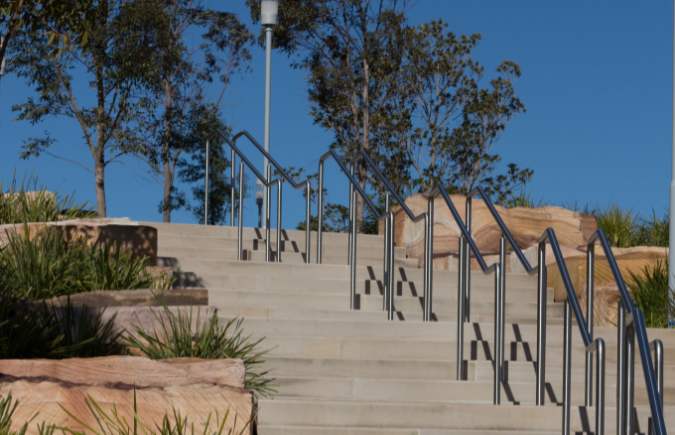
Think about the exterior steps leading to your front door or connecting your patio to the garden. They are rarely just a way to get from point A to point B. Outside staircases act as the architectural handshake of your home—setting the tone for your curb appeal while serving as the primary line of defense against rain, snow, and daily foot traffic.
In 2026, the landscaping industry has seen a massive shift in how homeowners choose their building materials. The days of accepting high-maintenance materials as the status quo are gone.
Today’s focus is heavily anchored in climate resilience and low-maintenance longevity. Whether you are dealing with blistering summer UV rays or brutal winter freeze-thaw cycles, choosing the right material is the difference between a stairway that lasts a lifetime and one that requires costly repairs in just a few years.
Ⅰ. Top Materials for Exterior Steps in 2026
Choosing the right foundation for your landscape stepping structures requires balancing aesthetic desires with harsh environmental realities. Each of these materials is known for its durability, though none are invincible.
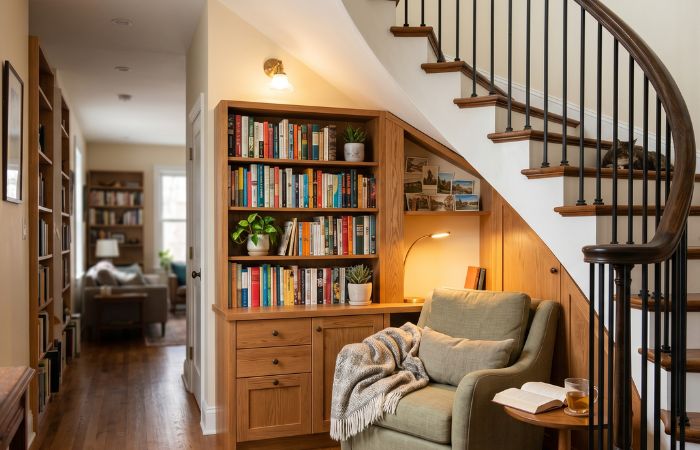
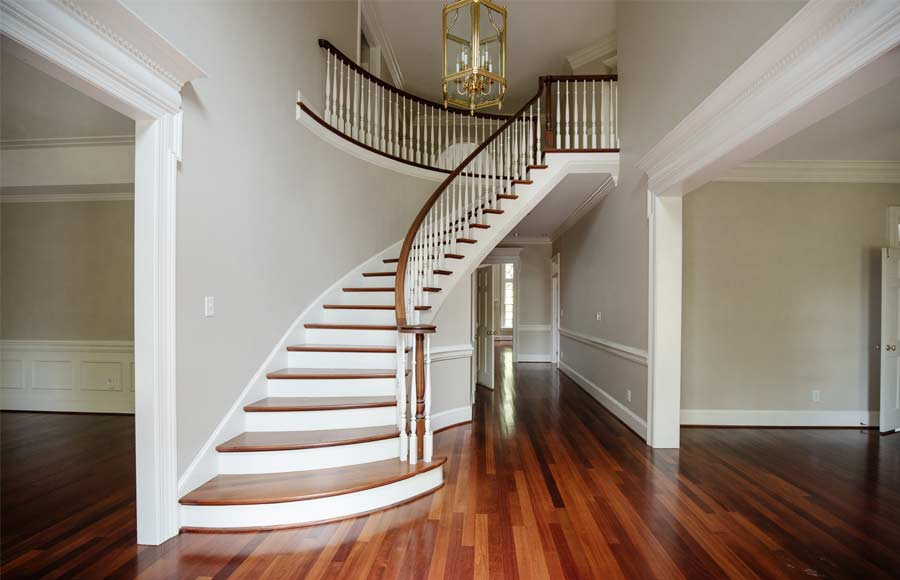
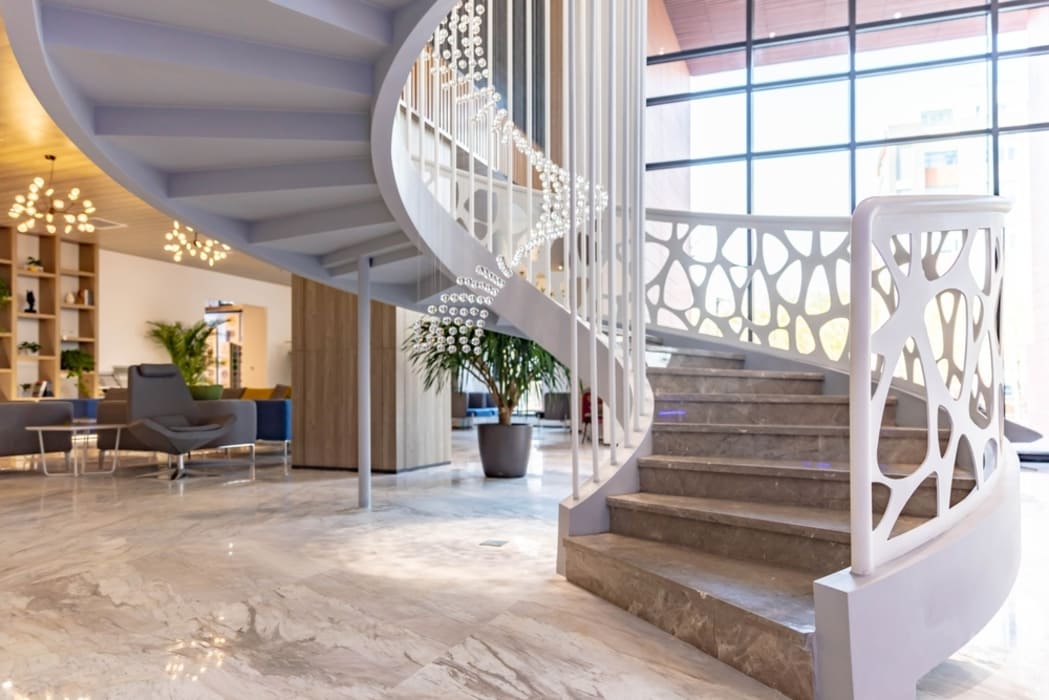
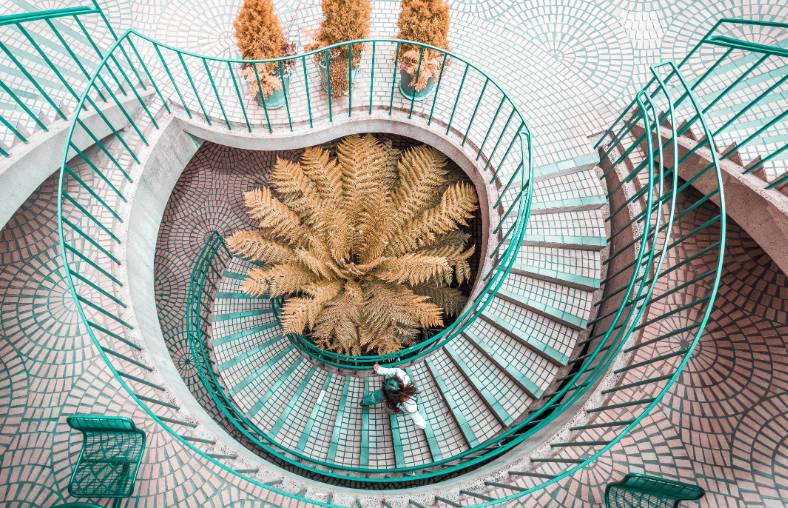
Some materials may be more suitable for certain designs, such as curved stairs, which require careful selection of materials to maintain both beauty and durability in their curved structure.
Wood Stairways: Organic Warmth with Traditional Charm
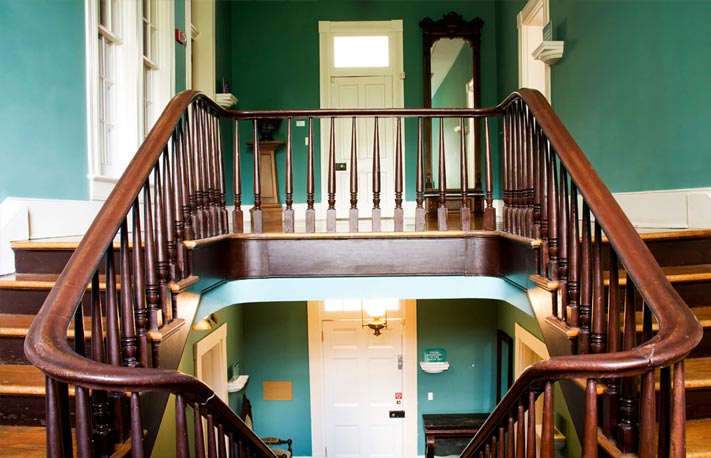
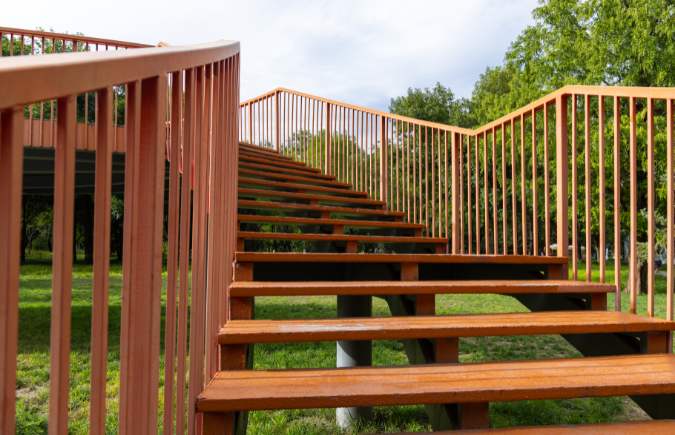
Wood is a popular choice for outdoor stairs, valued for its warm, rustic appeal that blends well with natural surroundings. Nothing quite matches the organic warmth and welcoming sound of a traditional wooden staircase. It remains a favorite for rustic patios or for connecting elevated decks to the backyard.
When building with wood, species selection is everything. Western Red Cedar is highly prized because it contains natural oils that actively repel insects and resist decay. If you are working with a tighter budget, pressure-treated lumber is a structural workhorse, but you must ensure it carries a “ground-contact” rating if any part of the staircase touches the earth.
The trade-off for wood’s natural beauty is its maintenance schedule; to prevent warping and graying, these treads require a dedicated regimen of power washing and resealing every two to three years.
Concrete & Masonry Stairways
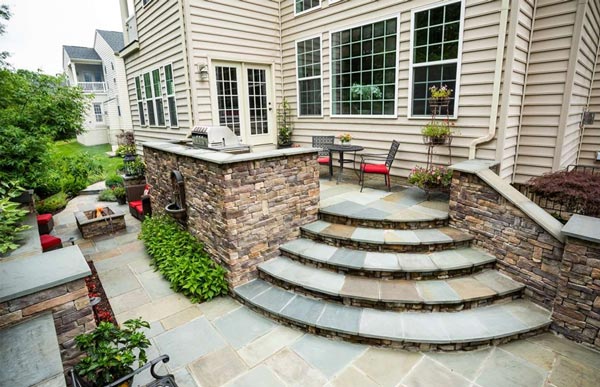
When you think of concrete, you might picture boring, gray industrial slabs, but modern masonry has evolved far beyond that. Today, poured concrete offers the ultimate structural integrity, making it the go-to choice for high-traffic main entryways.
The true magic lies in its adaptability. By utilizing techniques like stamped concrete, builders can mimic the high-end look of natural slate or brick at a fraction of the cost. For regions that experience heavy snow or freezing rain, opting for an exposed aggregate finish—where the top layer of cement is washed away to reveal textured stones—provides crucial, built-in slip resistance, ensuring your entryway remains safe even in the worst weather.

Natural Stone Stairs: Timeless Elegance Meets Extreme Density
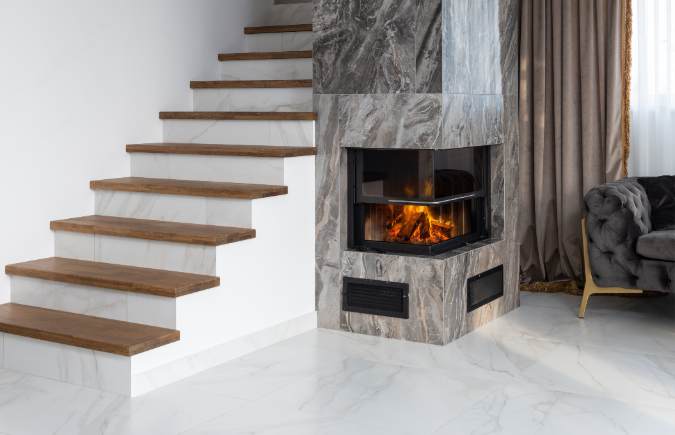
If your goal is to create a luxurious garden path or a high-end front entrance that seamlessly blends with the natural landscape, natural stone is unmatched. Materials like granite and quartzite are incredibly dense, meaning they naturally resist moisture absorption, scratching, and cracking over decades of use.
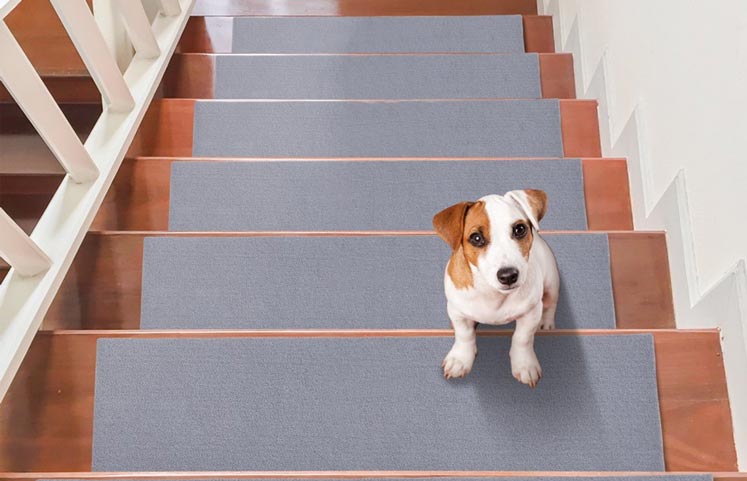
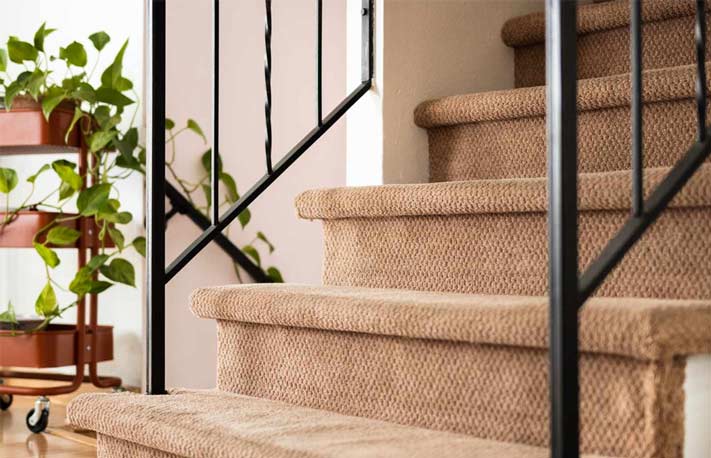
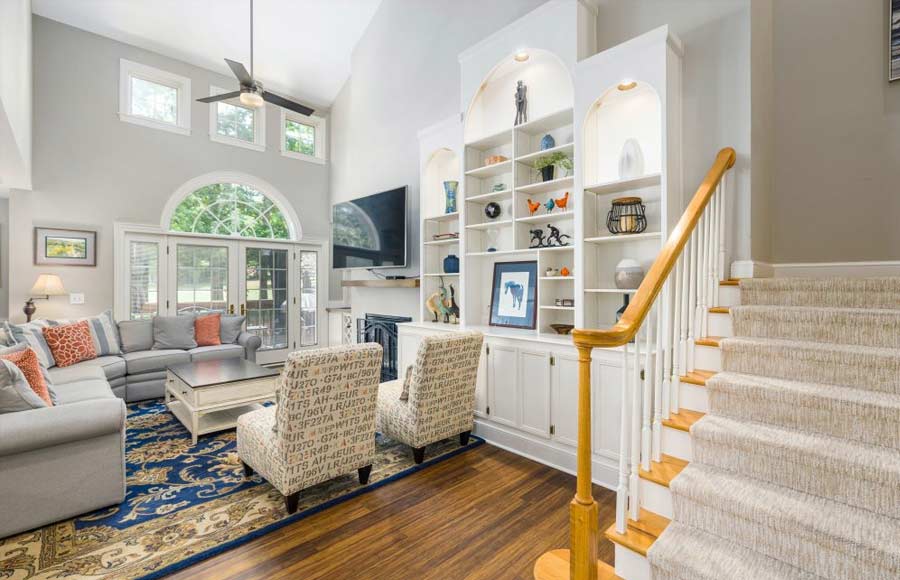
And then, some homeowners may prefer covering their stairs with carpet, which can offer a more affordable and comfortable solution for both indoor and outdoor staircases.
However, because polished stone can become dangerously slick when wet, it is critical to specify a flamed or thermal finish during fabrication. This process applies intense heat to the stone’s surface, popping the crystals to create a subtly rough, slip-resistant texture that marries timeless elegance with everyday safety.
Metal Stairs: Galvanized Steel and Aluminum
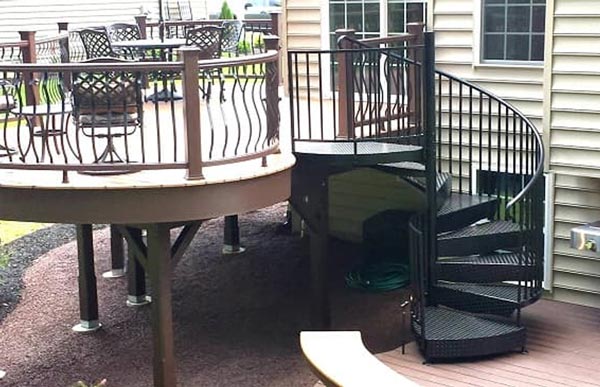
If your architectural style leans toward modern minimalism, metal staircases offer clean lines and the ability to create stunning “floating” step designs that open up your exterior space. The choice here comes down to your local climate.
Aluminum is incredibly lightweight and physically cannot rust, making it the absolute best choice for coastal properties or regions with heavy rainfall. Galvanized steel, on the other hand, provides superior load-bearing strength for complex structures.
Regardless of the metal you choose, a baked-on powder-coated finish is non-negotiable. This thick, durable coating protects the metal from UV fading and scratches far better than traditional paint, keeping the industrial look sharp and maintenance-free.
Composite Materials Step: The Future of Low-Maintenance Living
Composite materials, engineered from a blend of recycled wood fibers and plastics, offer the visual appeal of wood without any of the headaches—they will never splinter, warp, or fall victim to termites, making them perfect for households with kids running around barefoot.
For extreme environments, FRP (Fiber-Reinforced Polymer) is taking the residential market by storm. Originally used in industrial settings, FRP steps featuring a grit-top surface offer unparalleled slip resistance and are completely immune to corrosion. If you are building stairs next to a saltwater pool or in a harsh coastal environment subjected to salt spray, FRP is an indestructible, “install it and forget it” solution.
Ⅱ. Combining Materials for Functionality and Style
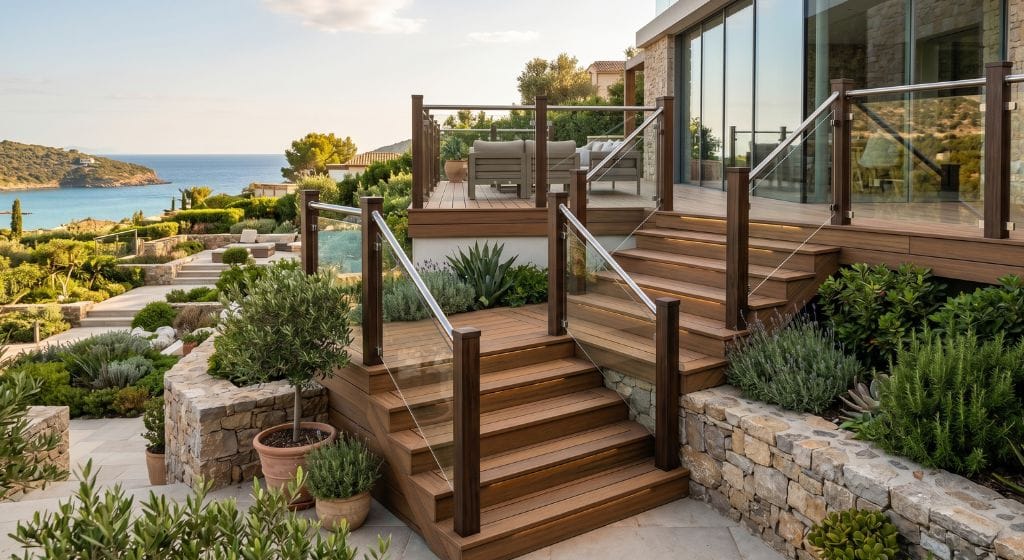
While each of these materials is unique on its own, it’s good to know that they can be combined to provide both durability and the preferred style.
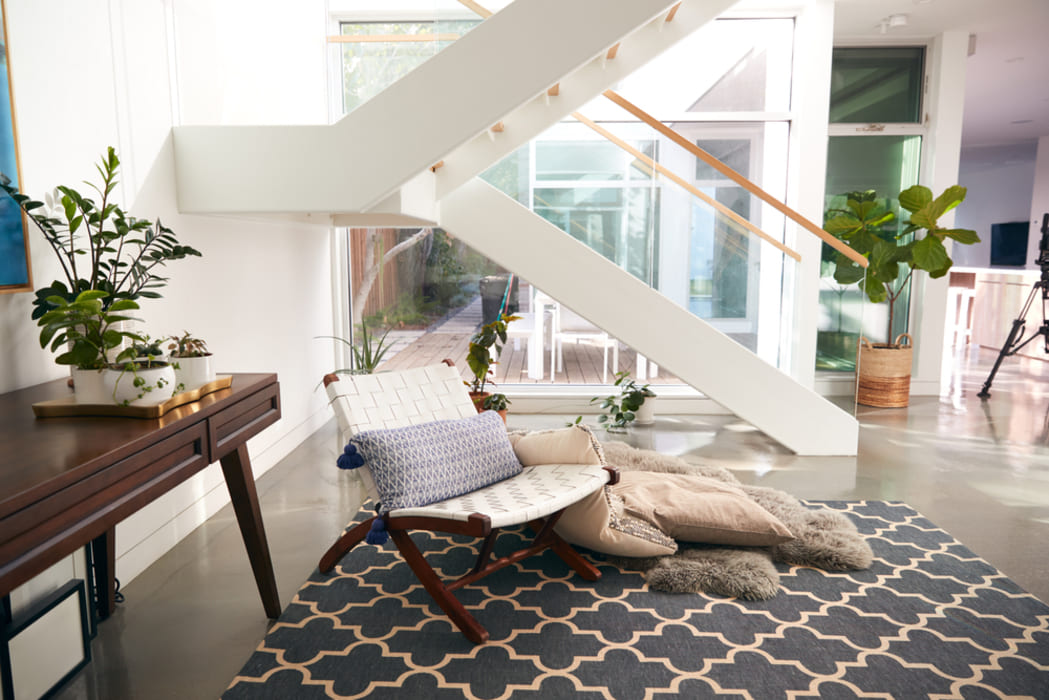
For example, you could build your stairs with a concrete base but use wooden treads to add warmth, or opt for the sleek look of glass staircases for home interiors, where transparency and modern design meet both form and function.
You’re not limited to one option! Look, compare, and contrast each of the qualities, taking into consideration the design of your house.
| Material | Average Lifespan | Maintenance Level | Slip Resistance (When Wet) | Relative Cost |
| Concrete (Textured) | 30 – 50+ Years | Very Low | Excellent | $$ |
| Granite / Quartzite | 100+ Years | Very Low | High (Requires Flamed Finish) | $$$ |
| Cedar / Treated Wood | 15 – 25 Years | High | Moderate to High | $ – $$ |
| Aluminum (Coated) | 40+ Years | Very Low | High (With Tread Grips) | $$ |
| Composite Boards | 25 – 30 Years | Low | Excellent | $$$ |
| FRP (Grit-Top) FRP | 50+ Years | Zero | Superior | $$$ |
Three Factors To Consider When Choosing Outdoor Stairway Materials
Safety & Lighting
Outdoor stairs require completely different dimensions than the stairs inside your house. Because people typically wear heavier footwear and move with a different stride outdoors, exterior steps should have a deeper “run” (the part you step on) and a shorter “rise” (the vertical height between steps). If the math is even slightly off, the staircase will feel awkward and become a serious trip hazard.
Furthermore, safety isn’t just about the material’s texture; it is about visibility. When designing your stairs, you must plan for integrated lighting. Whether it is hardwired LED strip lights under the lip of each step or solar-powered path lights flanking the sides, illuminating the tread nosing (the edge of the step) is essential for preventing nighttime accidents.
The Invisible Threats of Climate
You aren’t just building stairs; you are building a structure that will be constantly attacked by the elements. You must understand your micro-climate before choosing materials:
The Freeze-Thaw Cycle: If you live in a region with freezing winters, this is your biggest enemy. If you choose a highly porous material (like cheap sandstone or improperly sealed concrete), water will seep into the microscopic pores during the rain and literally shatters the step from the inside out.
UV Degradation: Conversely, if you live in a hot, sun-drenched climate, UV rays are your primary concern. Intense sunlight will quickly bleach the color out of low-grade composite boards and cause untreated wood to warp and splinter. Always ensure your chosen material has built-in UV inhibitors or is protected by a premium sealant.
Navigating Local Building Codes
The quickest way to waste thousands of dollars is to build a stunning staircase that fails a municipal inspection and has to be torn down. Exterior stairs are heavily regulated by local building codes to ensure public safety.
Always pull the necessary permits and verify these measurements with your local building authority before breaking ground. When it comes time to sell your home, unpermitted or non-compliant stairs can instantly derail a real estate transaction.
Ⅲ. Conclusion: Crafting Your Perfect Entrance
There is no single “perfect” material for outdoor stairways—there is only the material that perfectly aligns with your local climate, architectural style, and willingness to perform maintenance.
Whether you crave the indestructible nature of exposed aggregate concrete or the sleek, modern lines of powder-coated aluminum, your choice will define how you interact with your outdoor space for decades.
Choosing, designing, and installing the right exterior steps involves balancing safety engineering with aesthetic vision. At George Solution, our expert team specializes in tailoring premium outdoor structures and custom materials to your specific environment. We handle the structural complexities so you can focus on enjoying the final result.
FAQ
What is the most cost-effective material for outdoor steps?
Upfront, pressure-treated lumber and standard poured concrete are the most budget-friendly options. However, if you factor in the long-term costs of maintenance, sealing, and potential replacement, aluminum and composite materials often provide better lifetime value due to their near-zero maintenance requirements.
How do I make my outdoor stairs slip-resistant in rain or snow?
Slip resistance starts with material selection. Opt for exposed aggregate concrete, flamed-finish natural stone, or FRP with a grit-top surface. If you have existing wooden or metal stairs, you can retrofit them by applying anti-slip grip tape or installing bolt-on abrasive tread nosings.
Is it worth upgrading from wood to composite for exterior stairs?
Yes, if your primary goal is to eliminate maintenance. While wood requires power washing and resealing every two to three years to prevent rot and splintering, composite boards only require occasional cleaning with soap and water and will maintain their color and structural integrity for decades.
What is the best material for outdoor stairs in cold climates?
In regions with harsh freeze-thaw cycles, you must avoid highly porous materials that absorb water and crack when frozen. High-density natural stones like granite, powder-coated steel, and properly sealed, air-entrained concrete are the most reliable choices for sub-zero temperatures.
Read More:
What Should You Inspect Stairs For? A Complete Checklist – George Solution
Choosing a Carpet Runner for the Stairs – George Solution
Glass Staircases For Your Home: Everything You Should Know – George Solution