

(Last Updated: April 10th, 2026)
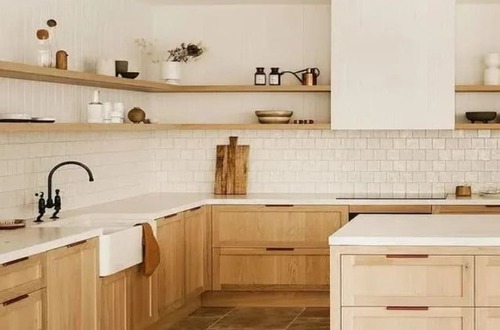
When scrolling through Instagram or Pinterest for kitchen renovation inspiration, you have probably noticed a growing trend: more and more “influencer kitchens” are ditching upper cabinetry entirely. Instead, they feature clean, empty walls or minimalist wooden floating shelves. It looks airy, open, and undeniably high-end.
But does this minimalist approach actually work for the reality of daily cooking?
Traditionally, kitchen wall cabinets have been the standard for kitchen design. Today, let’s look past the social media filters and objectively compare the pros and cons of keeping or removing your wall cabinets to see if they are still truly a must-have for your home.
Why You Still Need Kitchen Wall Cabinets
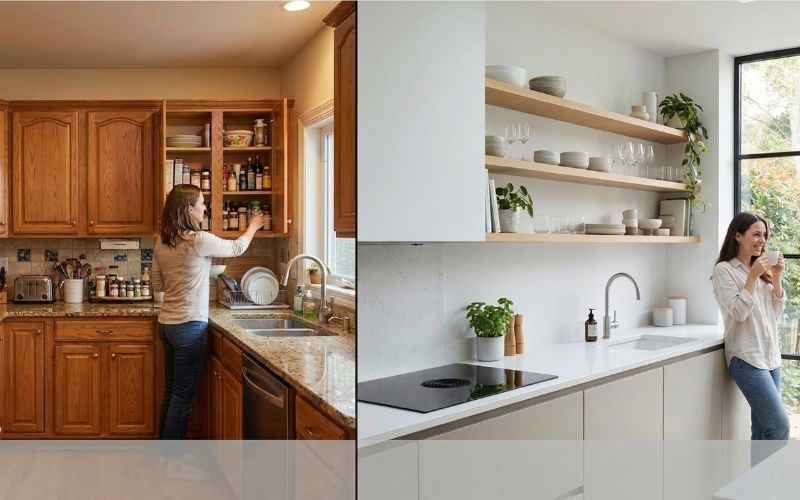
Honestly, no matter how trends shift, wall cabinets remain the king of practicality.
- Unbeatable Storage Capacity: Kitchens accumulate more clutter than you think. Spices, mismatched mugs, stacked daily dishes, and rarely used baking tools—kitchen wall cabinets hide all of it. Best of all, they offer eye-level storage. This means grabbing your daily coffee mug or favorite dinner plate requires zero bending, making it the most ergonomic storage zone in your kitchen.
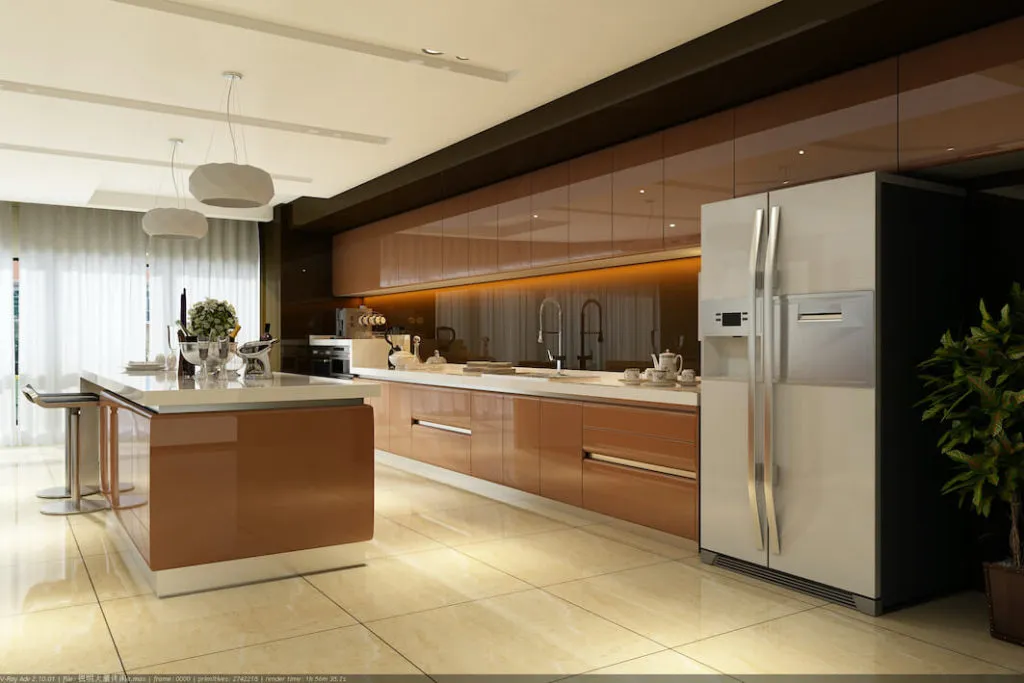
- Hiding Ductwork and Appliances: Your kitchen has a lot of necessary but unattractive infrastructure. The most obvious culprit is the range hood ductwork. Exposed pipes are rarely an aesthetic choice outside of industrial lofts. Custom wall cabinets perfectly conceal these bulky vents, maintaining a clean, cohesive design along your cooking wall.
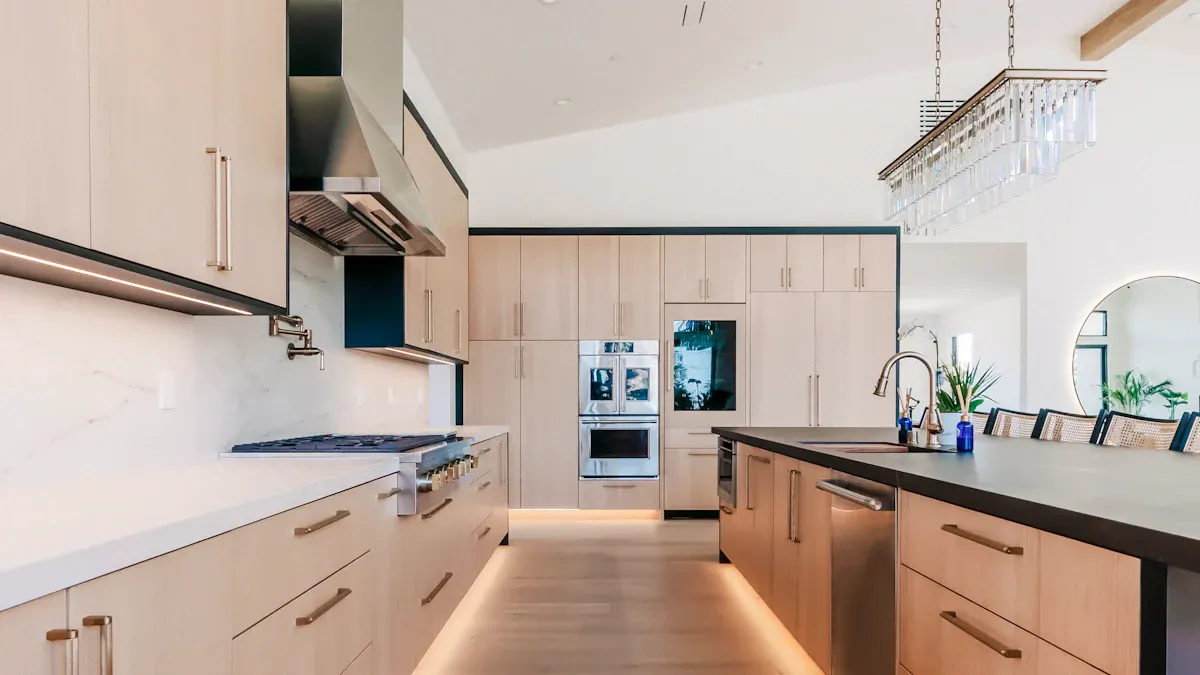
- The Perfect Base for Lighting: Have you ever tried to chop vegetables while standing in your own shadow? It’s frustrating. The bottom of kitchen wall cabinets provides the perfect structural base to install sleek, recessed under-cabinet lighting. This provides shadow-free task lighting directly onto your countertop workspace and creates a beautiful, warm ambiance in the evening.
Why Are Some People Ditching Them?
Everything has two sides. The push to eliminate wall cabinets usually stems from a few specific pain points:
- Feeling Cramped: If your kitchen is small or has low ceilings, a row of heavy, bulky cabinets overhead can make the space feel boxed-in and oppressive.
- Hard-to-Reach “Dead Zones”: Reaching the top shelf often requires a step stool. Over time, these top shelves turn into dusty graveyards for forgotten items.
- Budget Considerations: Skipping a row of custom upper cabinets saves a significant amount on materials and hardware, which is a big temptation for tight project budgets.
What Are the Alternatives to Kitchen Wall Cabinets?
If you are completely over traditional wall cabinets, there are several highly aesthetic and functional alternatives available today that do not compromise your storage needs.
Open Shelving
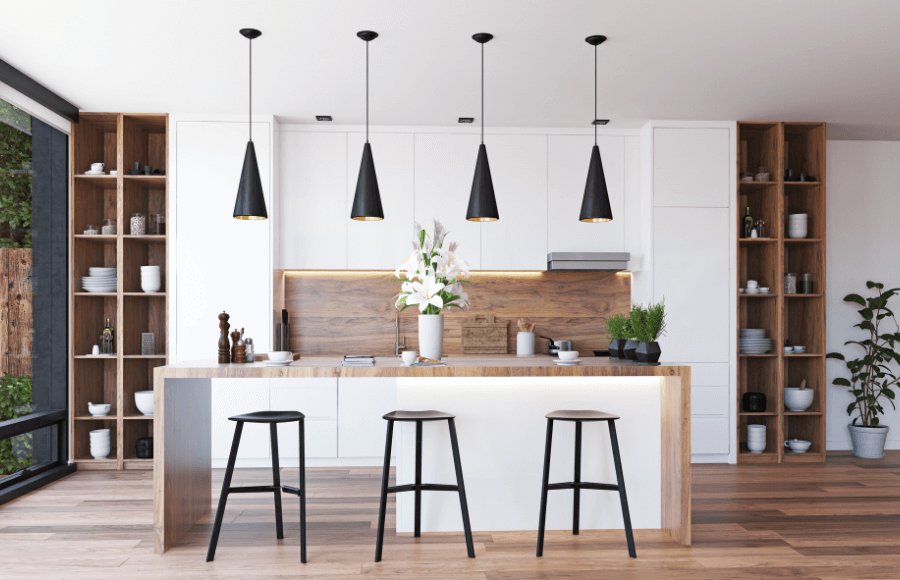
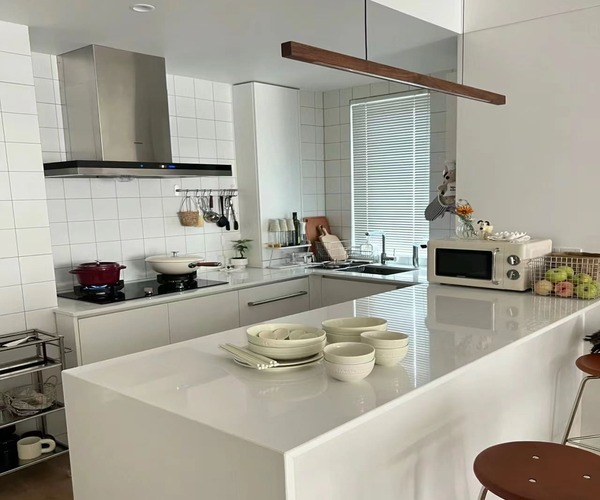
Replacing bulky upper units with wall shelves instantly opens up the visual space in your kitchen. This approach is perfect for displaying your favorite cast-iron pans or beautiful ceramic dinnerware. To maximize utility without adding visual weight, you can pair these shelves with hanging rods. Installing a sleek metal rod right below a wooden floating shelf gives you a dedicated, easily accessible spot to hang cooking utensils, mugs, or fresh herbs. Just keep in mind that exposed storage requires organization skills and frequent dusting to prevent it from looking cluttered.
Drawers in Base Cabinets
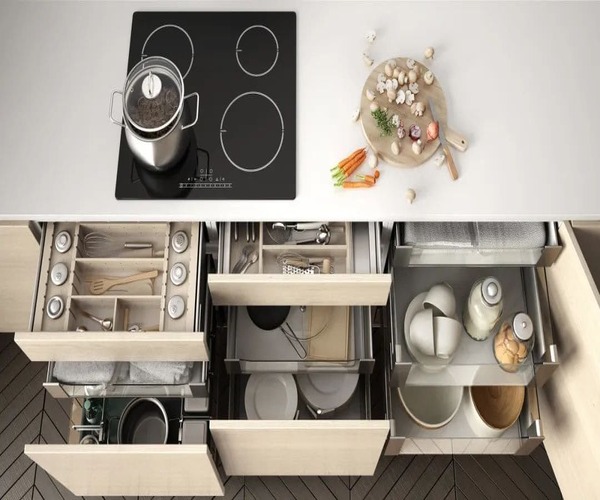
If you remove storage from the top, you need to make up for it at the bottom. Upgrading your lower units with deep, heavy-duty drawers in your base cabinets is an efficient solution. Unlike standard lower cabinets with fixed shelves where items get lost in the back, deep drawers pull out entirely. This allows you to store heavy pots, pans, and even stacks of everyday dishes ergonomically at waist level, practically eliminating the need for overhead storage.
Tall Cabinet
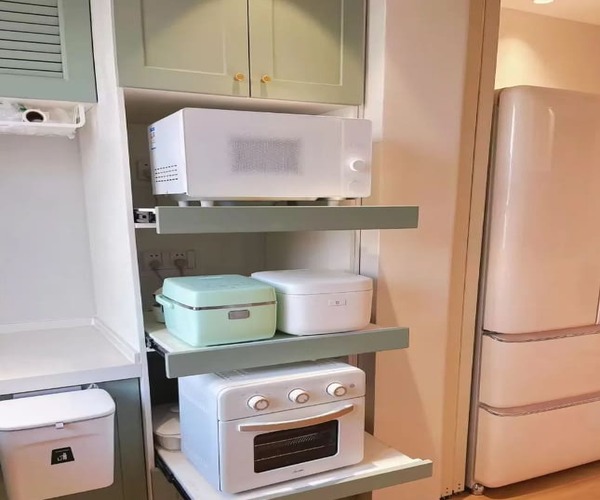
Another practical strategy is to transfer the items you would normally keep in wall units into tall cabinets or full-height pantries. By dedicating one corner or a single wall to a floor-to-ceiling storage unit, you maintain your overall storage capacity while freeing up the visual space directly above your main countertops. This centralizes your dry goods and small appliances into one highly organized zone.
Built-in wall Cabinets
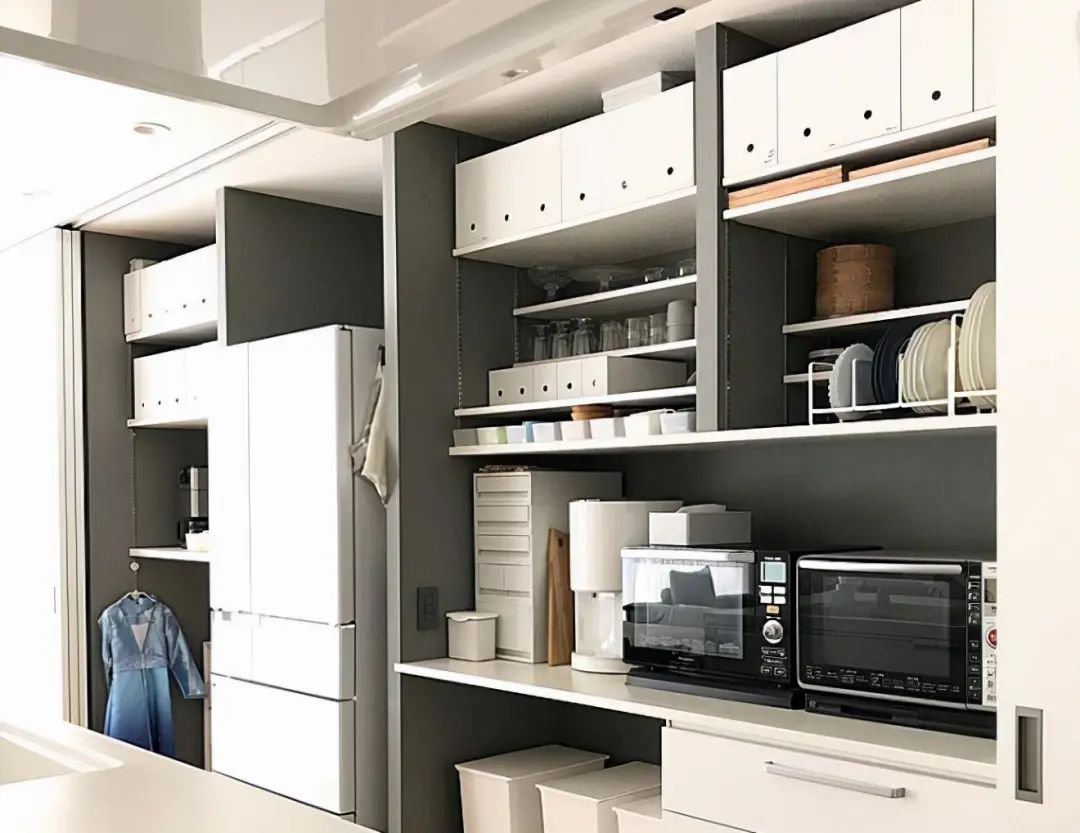
For those who still want the concealment of traditional cabinets but dislike the bulky look, built-in wall cabinets offer a seamless compromise. By recessing the cabinets directly into the architectural wall framing, the cabinet faces sit flush with the surrounding drywall. This creates a streamlined, custom look that does not protrude into your workspace, offering hidden storage without the heavy feeling of standard boxes hanging over your head.
Bigger Windows
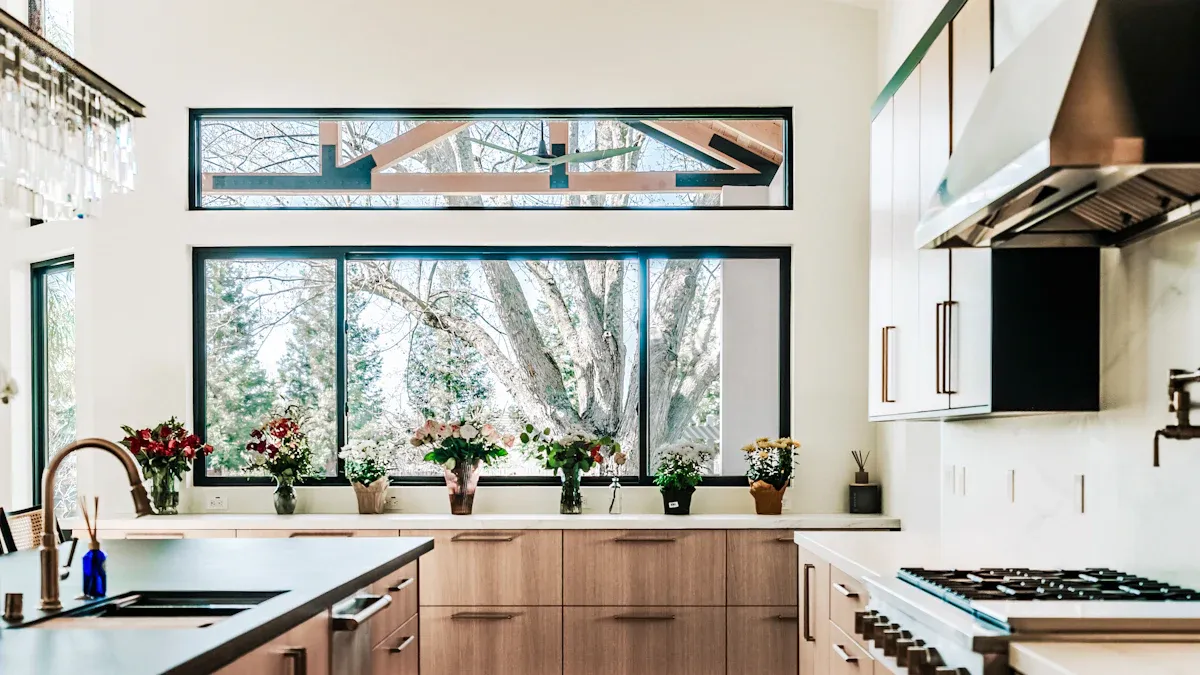
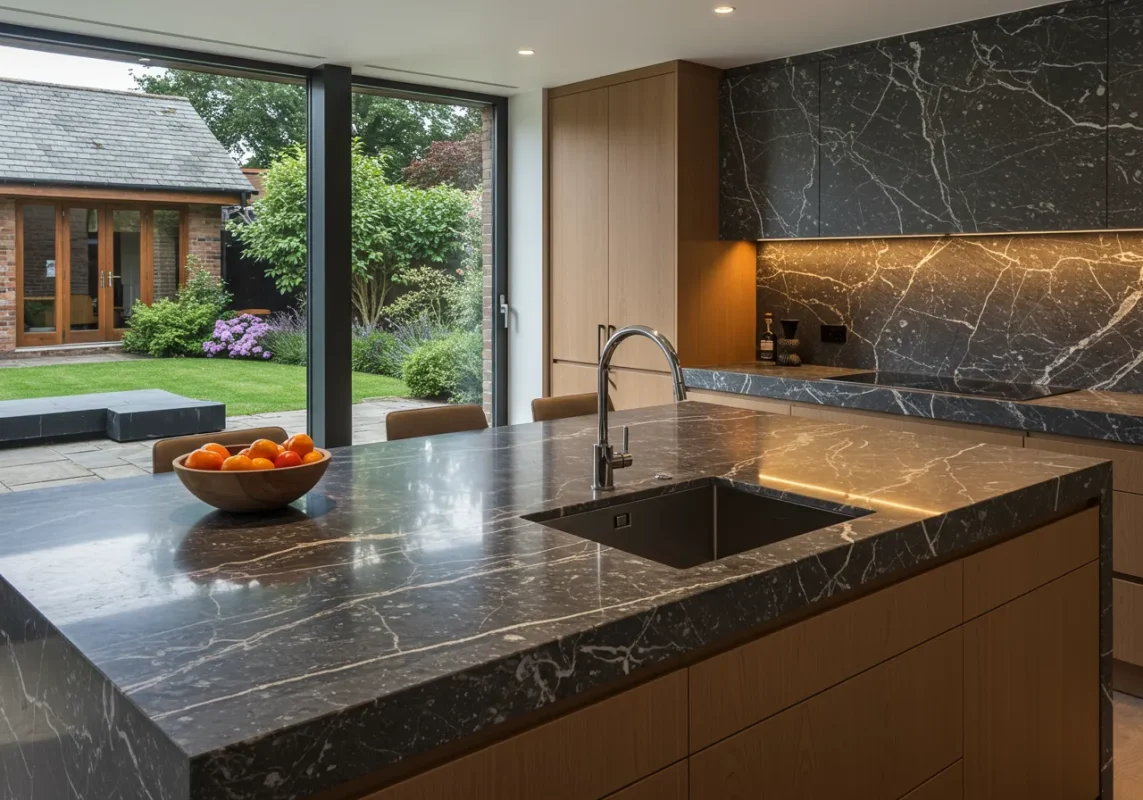
Finally, if your villa or apartment has a great outdoor view, you can use that cleared wall space to install bigger windows. Replacing solid cabinetry with glass brings in abundant natural light and makes the kitchen feel significantly larger, shifting the focal point from storage elements to the outdoors.
How to Decide? The George Solution Guide
So, should you install kitchen wall cabinets or not? It entirely depends on your lifestyle and your space.
1. Assess Your “Clutter Tolerance” If you are a minimalist who loves organizing and curating displays, open shelving is for you. But if you have a busy household and cook frequently, sticking with traditional wall cabinets is the smartest move.
2. Find the Sweet Spot (The Compromise) You don’t have to choose between “all” or “nothing.” As whole-house customization experts, we often recommend a mix-and-match approach:
- Glass-Front Cabinets: These keep dust out while breaking up the visual weight of solid wood doors, making the space feel more open and breathable.
- Lift-Up Hinges: This solves the classic problem of bumping your head on standard swing doors, making it much easier to grab what you need while cooking.
- Half Cabinets, Half Shelves: Keep open shelves near the sink or windows to maintain an airy feel, and use closed wall cabinets around the range hood to hide clutter.
Conclusion
There is no universal must-have—the best design is the one that serves your daily habits. Kitchen wall cabinets are still the optimal choice for most homes, but with smart, custom design, you can eliminate their bulky stereotype.
If you are planning your new kitchen and struggling with your floor plan, send it over to the George Solution design team. As a global Whole House Customization provider, we have seen thousands of kitchen layouts and can tailor a perfect, functional, and beautiful solution just for you.
George Custom Cabinets: Tailored Solutions for Every Kitchen
George Company is your trusted partner in building materials. As a one-stop supplier, we provide everything you need for your construction and renovation projects. From high-quality flooring and tiles to custom cabinetry and fixtures, we offer a wide range of materials to fit every style and budget.
At George Custom Cabinets, we believe in simplicity and strength. Our cabinets are built with care, and crafted to fit your home and your life. Every piece is made to last, with clean lines and solid materials. No frills, just quality that you can see and feel. Whether it’s a modern design or a classic look, our cabinets bring both beauty and function to your kitchen. It’s not just about storage—it’s about creating a space where every detail matters.
FAQ
Here are answers to the most common questions homeowners ask when deciding on kitchen wall cabinetry.
Q: Are kitchens without upper cabinets still functional?
A: Yes, they can be highly functional, but they require excellent planning. You must offset the lost storage space by utilizing alternatives like deep base drawers, full-height tall cabinets, or dedicated pantries. They work best for people who do not have excessive kitchen clutter.
Q: Does removing wall cabinets save money?
A: Often, yes. Upper cabinetry can make up 30-40% of your total cabinet budget. Skipping them can save on materials and hardware. However, if you replace them with expensive alternatives, like customized built-ins or full-height marble backsplashes, your total cost might stay the same or even increase.
Q: Are open shelves hard to maintain in a kitchen?
A: In a real working kitchen, open shelves require higher maintenance than closed cabinets. Items stored on open shelves near the stove will inevitably accumulate some grease and dust, requiring regular cleaning. They also require constant organization to look tidy.
Q: What is the standard height for installing kitchen wall cabinets?
A: Generally, wall cabinets are installed 18 inches (46 cm) above the countertop. However, with custom design, we can adjust this height to accommodate taller users, extra-large appliances on the countertop, or specific aesthetic preferences like full-height backsplash designs.
Q: How can I make my wall cabinets look less bulky?
A: You can break up the visual weight of cabinets by using glass door inserts, opting for lighter colors or finishes, using flush or recessed handles (like J-pull designs), or mixing closed units with small sections of open shelving.