

Choosing the right kitchen sink dimensions is essential for achieving both functionality and space efficiency in your remodel. The ideal basin size should be carefully selected based on your base cabinet width, daily cooking habits, and specific installation requirements (such as undermount vs. drop-in).
Selecting the appropriate sink size improves workflow efficiency, simplifies cleaning tasks, and ensures optimal use of countertop space. This blog will guide you through various sink sizes, factors for kitchen sink size and troubles to avoid, helping you make the best decision.
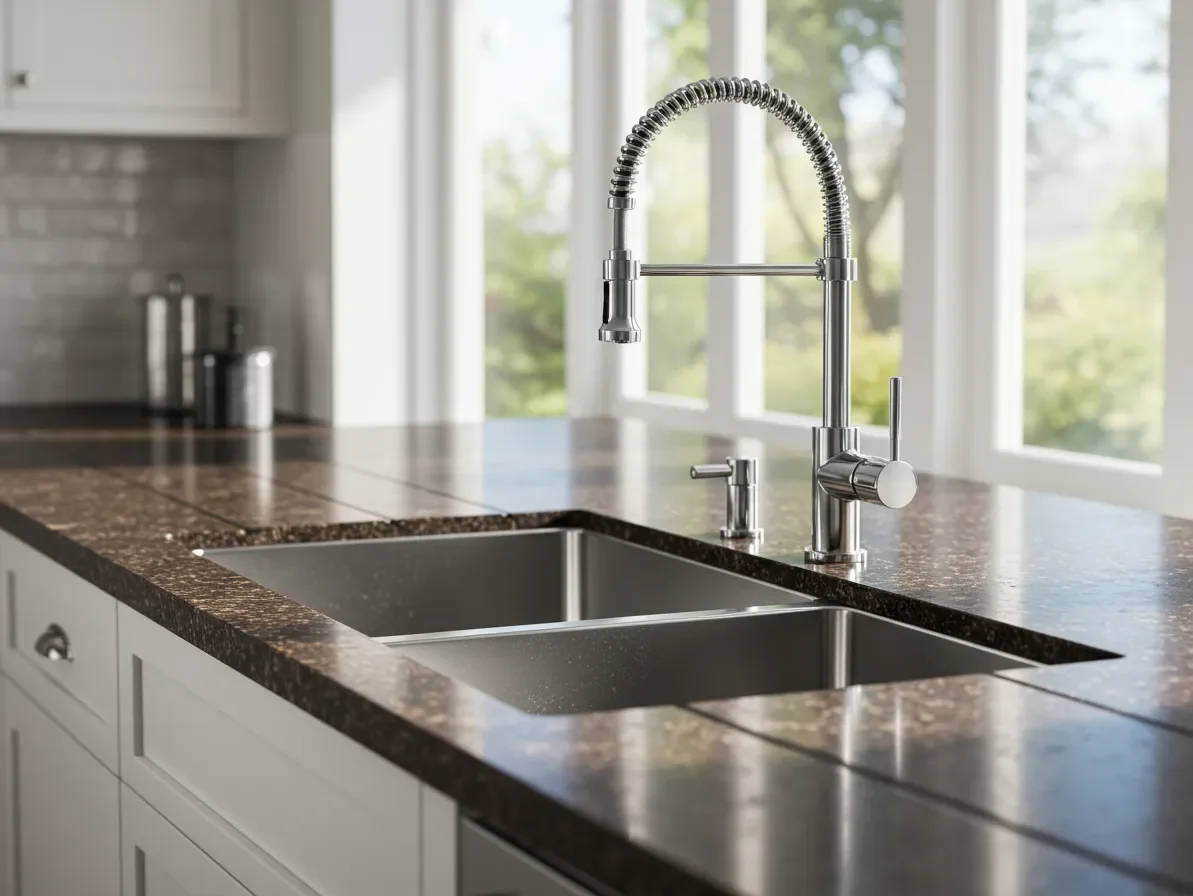
As a general guideline, the sink should be approximately 2–3 inches smaller than the base cabinet to allow sufficient space for mounting hardware and plumbing. In most residential kitchens, a sink measuring 30–33 inches in length, 22 inches in width, and 8–10 inches in depth is considered standard.
Factors Affecting Kitchen Sink Size
Choosing the right kitchen sink size involves more than simply selecting a standard dimension. It must be a precise calculation based on cabinet clearance, usage habits, sink configuration, and ergonomic considerations.
The Golden Rule of Cabinet Clearance
The size of your base cabinet is the primary constraint that determines your maximum sink width. From a contractor’s perspective, you should always measure the internal width of the cabinet, not the exterior doors.
Standard Sizing Formula: Your sink must be at least 3 inches narrower than the internal cabinet width to allow sufficient clearance for mounting hardware and plumbing fixtures. For example, if you have a standard 36-inch base cabinet, the maximum sink width you should purchase is 33 inches.
Installation Style: Drop-in vs. Undermount
The way your sink mounts to the countertop significantly impacts the cutout dimensions and the usable space around it.
- Drop-in (Top-mount) Sinks: These sinks have a visible lip that rests on the countertop. The cutout hole must be slightly smaller than the sink’s total dimensions. They are generally more forgiving if your countertop cutout is not perfectly precise.
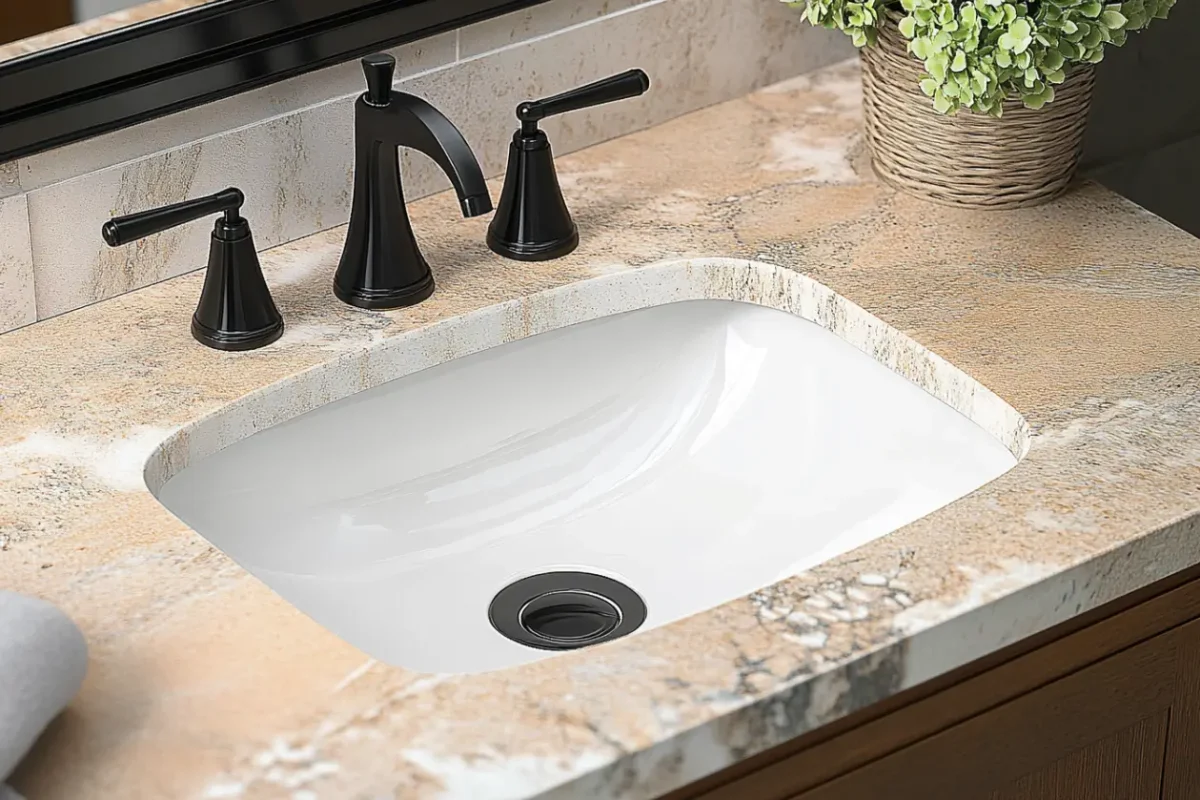
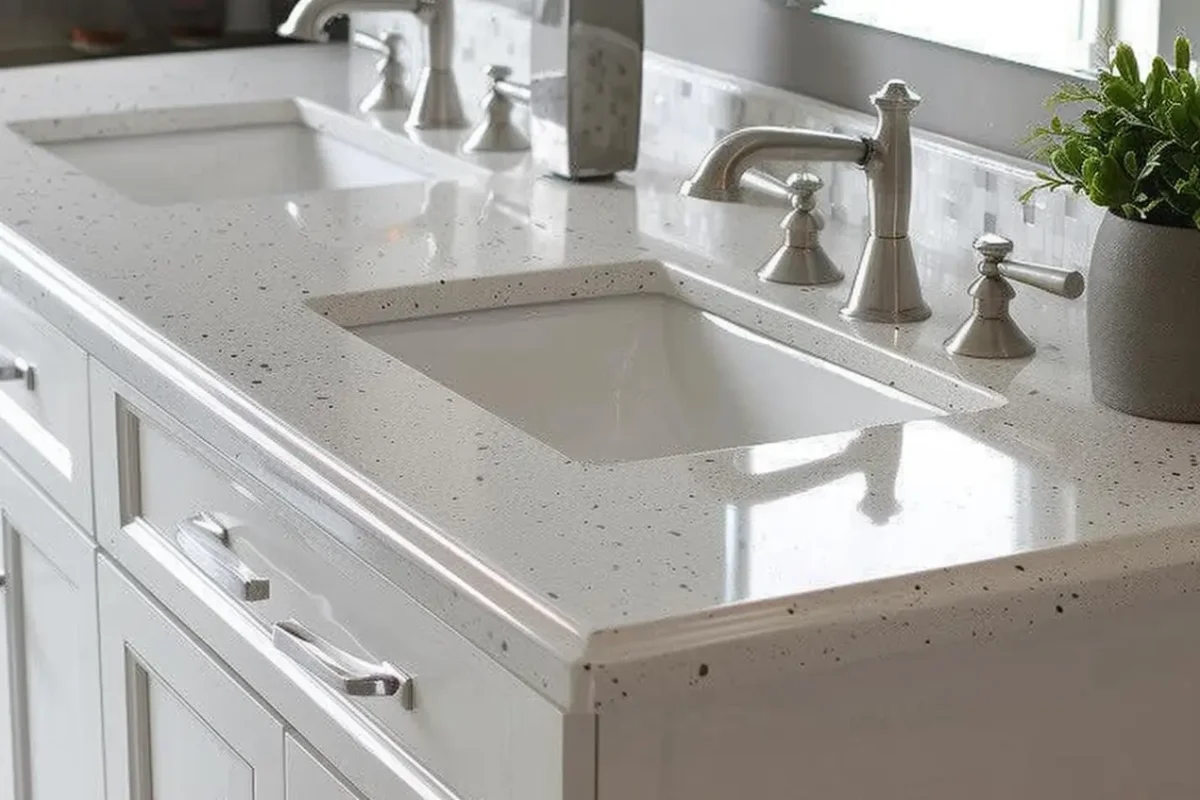
- Undermount Sinks: Installed beneath the countertop for a seamless look. Undermount installations require precise cutout measurements and extra internal cabinet clearance for heavy-duty mounting clips and structural supports.
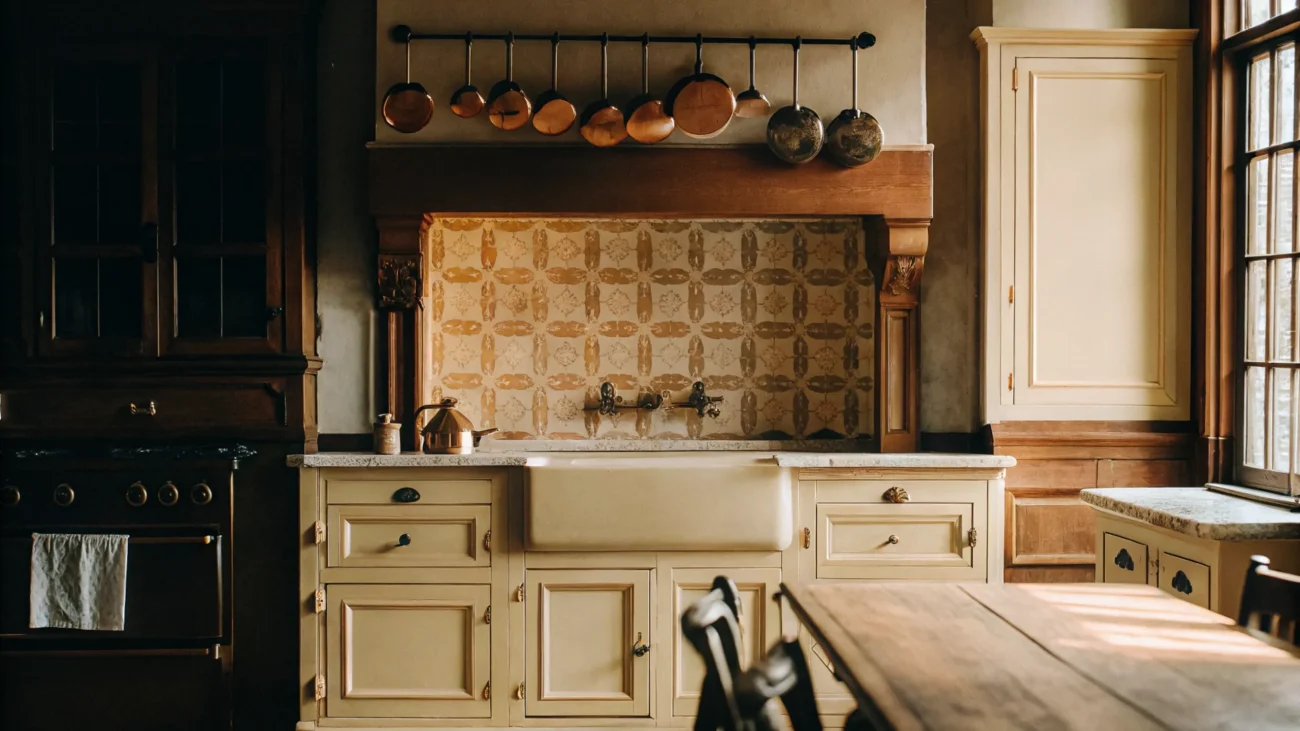
- Farmhouse (Apron-Front) Sinks: These require a specific cabinet structure with an exposed front panel. When sizing a farmhouse sink, you must ensure the cabinet doors below have enough clearance to open without hitting the sink’s protruding apron.
Kitchen Habits
Daily kitchen usage also plays a key role. Households that cook frequently or use large cookware may benefit from a wider and deeper sink, while smaller households or kitchens heavily reliant on dishwashers may find a more compact sink sufficient.
Selecting a size that matches actual usage helps improve efficiency without sacrificing workspace.
Sink Depth and Number of Basins
Sink depth should be carefully evaluated to balance capacity and comfort. Deeper sinks (9 to 10 inches) can accommodate more dishes and reduce splashing, but they may require more bending during use and take up valuable plumbing space under the cabinet. Shallower sinks (7 to 8 inches) are generally more ergonomic but offer less capacity.
Additionally, deciding between a single, double, or even a 1.5 bowl configuration will dictate how much width you actually need. We will break down these configurations later in the guide.
Related article: Top 10 Open Kitchen Living Room Ideas – Modern Layouts for Small & Large Spaces
How to Choose a Kitchen Sink Size

Measuring Steps
Getting the right kitchen sink size starts with a tape measure and a little patience. You want your new sink to fit perfectly, so follow these steps:
- Measure the Countertop Cutout
Take your tape measure and check the length and width of the existing hole in your countertop. Don’t forget to measure the corner radius if your cutout isn’t a perfect rectangle. - Check the Sink Depth
Place a straightedge across the top of your countertop. Measure from the deepest part of your old sink up to the straightedge. This tells you how deep your new sink can be. - Measure Cabinet Interior
Open the cabinet doors under your sink. Measure the inside width from wall to wall. Subtract 3 to 4 inches from this number. This gives you the maximum sink width that will fit, leaving space for mounting hardware and plumbing. - Look at Plumbing Clearance
Check the height and depth inside your cabinet. Make sure there’s enough room for the sink basin, garbage disposal, and trap assembly. The drain opening should line up with your plumbing for smooth drainage. - Note Faucet and Accessory Holes
Count how many holes you need for your faucet, sprayer, or soap dispenser. Measure the distance between the faucet center and the backsplash to avoid crowding.
Tip: Write down all your measurements before you shop. Bring them with you to the store or have them handy when you order online.
Common Mistakes
Many homeowners run into trouble because they skip a step or make a wrong assumption. Here are the most common mistakes to avoid:
- Measuring only the outside of the old sink and ignoring the actual countertop cutout. Always record both.
- Forgetting about countertop overhang. The overhang can make the cutout smaller than you think.
- Choosing a sink that’s the same width as the cabinet. Remember the cabinet-minus-3-inch rule.
- Overlooking plumbing height. Extra-deep sinks can hit the P-trap or garbage disposal.
- Not checking faucet hole spacing. If the faucet is too close to the backsplash, it won’t fit.
- Ignoring plumbing alignment. The drain opening must match the trap assembly for proper water flow.
- Not leaving enough space for water supply lines and accessories.
Here’s a quick table to help you remember what to check:
| Factor | What to Watch For |
|---|---|
| Sink Size | Must fit inside the cabinet width, leaving room for mounting and plumbing |
| Cabinet Width | Measure inside the cabinet, not just the doors |
| Countertop Overhang | Can reduce the usable cutout size |
| Plumbing Alignment | Drain opening should line up with trap assembly |
| Faucet Clearance | Measure from faucet center to backsplash |
If you follow these steps and avoid these mistakes, you’ll choose a kitchen sink size that fits your needs and your space.
Right Size Sink for Every Kitchen
Choosing the right size sink depends on your kitchen’s layout and how you use your space. Let’s break down the best options for different sink sizes and styles.
Single-Bowl Sink
Single-bowl sinks work well in small kitchens or for anyone who likes a simple, open space for washing. These sinks usually range from 18 to 36 inches wide. They give you plenty of room for big pots and pans, even in a compact kitchen.


Double-Bowl Sink
Double-bowl sinks are popular in medium-sized kitchens. They let you wash and rinse at the same time or separate prep from cleanup. Most double-bowl sinks measure 30 to 36 inches wide. Here’s what to consider:
- You can multitask, but each bowl may be too small for large cookware.
- Double bowls take up more counter space than single bowls.
- Great for families or anyone who hand-washes dishes often.
Tip: Double-bowl sinks offer flexibility, but make sure your kitchen has enough space for them.
Triple-Bowl Sink (Large Sink)
Triple-bowl sinks are best for large kitchens or busy households. These sinks can be 36 to 48 inches wide. They give you space for washing, rinsing, and even food prep all at once. If you cook a lot or have a big family, a triple-bowl sink can make life easier.

Special Cases
Some kitchens need a unique solution. Farmhouse sinks, for example, often require extra planning because they don’t have faucet holes. You’ll need to make sure there’s space behind the sink for the faucet. Corner sinks can save space in tight layouts, but always check if your cabinet and plumbing will work with the new sink.
When picking a material, think about weight and support. Heavy sinks like cast iron or fireclay may need extra reinforcement. Always measure carefully to avoid surprises.
No matter your kitchen’s size, the right kitchen sink size will help you get the most out of your space. Explore different sink sizes to find what fits your needs and style.
Related article: Smart Kitchen Design: The Rise of High-Tech Smart Kitchens in 2026
Standard Cabinet to Sink Size Guide
To make your selection process easier, here is a quick reference chart matching standard base cabinet widths with the maximum recommended sink sizes.
| Base Cabinet Width | Maximum Sink Width | Best Sink Configuration |
| 24 inches | 21 inches | Small Single Bowl / Bar Sink |
| 30 inches | 27 inches | Standard Single Bowl |
| 33 inches | 30 inches | Large Single Bowl / Compact Double Bowl |
| 42+ inches | 39+ inches | Triple Bowl / Oversized Farmhouse |
Troubles to Avoid with Kitchen Sink Size

Over/Under-sizing
Choosing the wrong kitchen sink size can cause more headaches than you might expect. If you pick a sink that’s too big, you might lose valuable counter space and struggle to fit it into your cabinet. On the other hand, a sink that’s too small can make washing large pots and pans a real challenge.
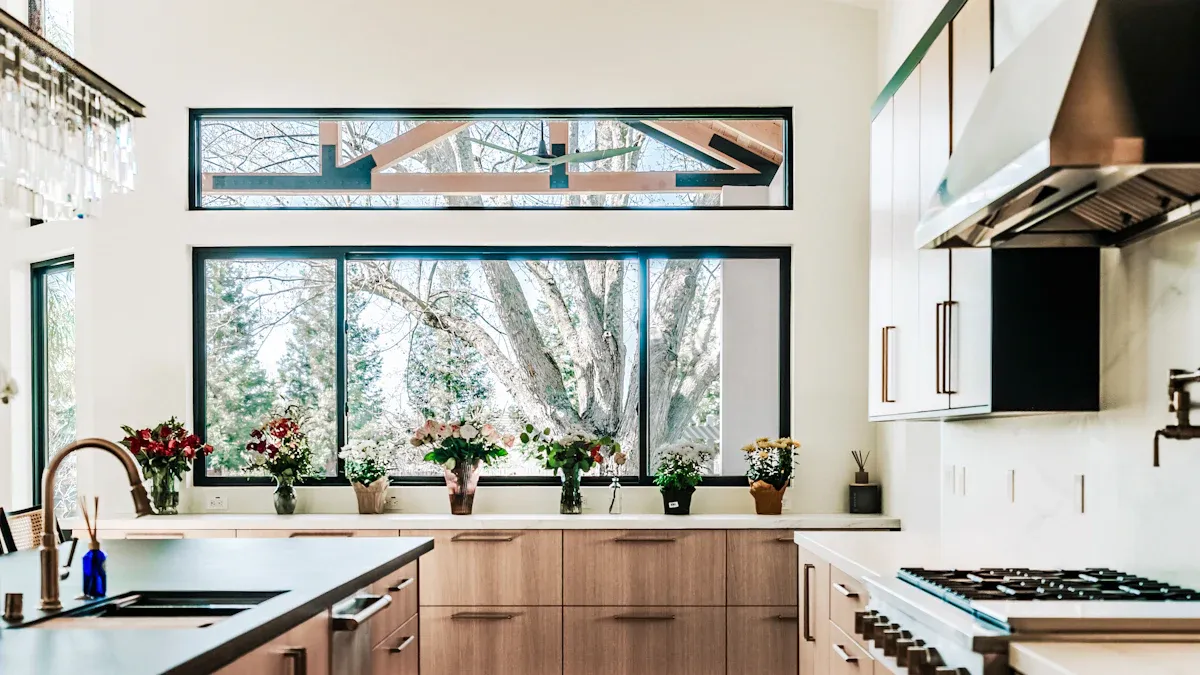
Remember, bigger isn’t necessarily better. You want a sink that matches your needs and fits your kitchen’s layout. Always size your sink to your budget and think about how much space you actually use for daily tasks. If you have a window above your sink, size your sink to the window for a balanced look.
Installation Issues
Improper sink sizing often leads to installation problems. Here are some common troubles you might face:
- Installation delays if the sink doesn’t fit right away
- Needing to modify your cabinet, which can get expensive
- Structural issues if the sink is too heavy or large for your base
- Faucet holes that don’t line up, causing awkward placement
- Accessories like soap dispensers or sprayers that won’t fit
- Costly returns if you have to send the sink back
Selecting a sink that’s too large for your cabinet can mean extra work and frustration. Always double-check your cabinet dimensions before you buy. This simple step helps you avoid unnecessary modifications and keeps your project on track.
Comfort and Ergonomics
Comfort matters in the kitchen, especially if you spend a lot of time at the sink. A deep sink might seem handy, but it can force you to bend over more, leading to back pain—especially if you’re tall. A shallow sink may not hold water well, causing splashes and making dishwashing uncomfortable. The right depth depends on your height and how you use your sink. Try to find a balance that keeps you comfortable and makes cleaning easy.
Tip: Test out different sink depths in a showroom if you can. Your back will thank you later!
If you keep these common troubles in mind, you’ll end up with a kitchen sink that fits your space, your habits, and your comfort.
Kitchen Sink Size Quick Reference
Need a quick way to pick the right kitchen sink size? Here’s a handy guide you can use when you’re shopping or planning your remodel. This table shows the most common sink sizes and where they work best:
| Sink Size Range | Best Use Scenario |
|---|---|
| Bar Sinks Under 20” | Great for wet bars, drink stations, or as a second sink for handwashing and small tasks. |
| 20”–25” Kitchen Sinks | Perfect for small kitchens. These can be your main sink or a helper sink in a larger kitchen. |
| 25”–30” Kitchen Sinks | Super versatile. Fits most standard kitchens and works for single or double-bowl designs. |
| Kitchen Sinks Over 30” | Best for big kitchens. Handles lots of dishes, multitasking, and makes a bold style statement. |
Tip: If you’re not sure, a 30-inch sink fits most kitchens and gives you plenty of space for daily chores.
Remember, bigger isn’t always better. The perfect sink size balances your daily workflow with your available countertop real estate. By carefully measuring your cabinet clearance and considering your plumbing setup, you can avoid costly on-site modifications.
Still unsure about the exact specifications for your project? Discuss your layout with our kitchen design experts at George Solution, where we provide customized cabinetry designed to integrate seamlessly with your chosen appliances and fixtures.
FAQ
How do I know if a sink will fit my cabinet?
Measure the inside width of your base cabinet. Subtract 3 inches from that number. That’s the maximum width your sink should be. Always double-check before you buy.
What is the most common kitchen sink size?
Most kitchens use a sink that’s 30 to 33 inches wide, 22 inches front to back, and 8 to 10 inches deep. This size fits standard cabinets and works for most families.
Can I install a deeper sink in my kitchen?
You can, but check the space under your cabinet first. Make sure there’s enough room for plumbing and garbage disposal. Deeper sinks may need extra clearance.
What if my countertop cutout is not a standard size?
No worries! Many sinks come in different sizes. You can also ask a pro to adjust your countertop cutout. Just remember to measure carefully before making changes.
Do I need a double-bowl sink?
Not always. Double-bowl sinks help with multitasking, but single-bowl sinks give you more space for big pots. Pick what matches your cooking and cleaning style.