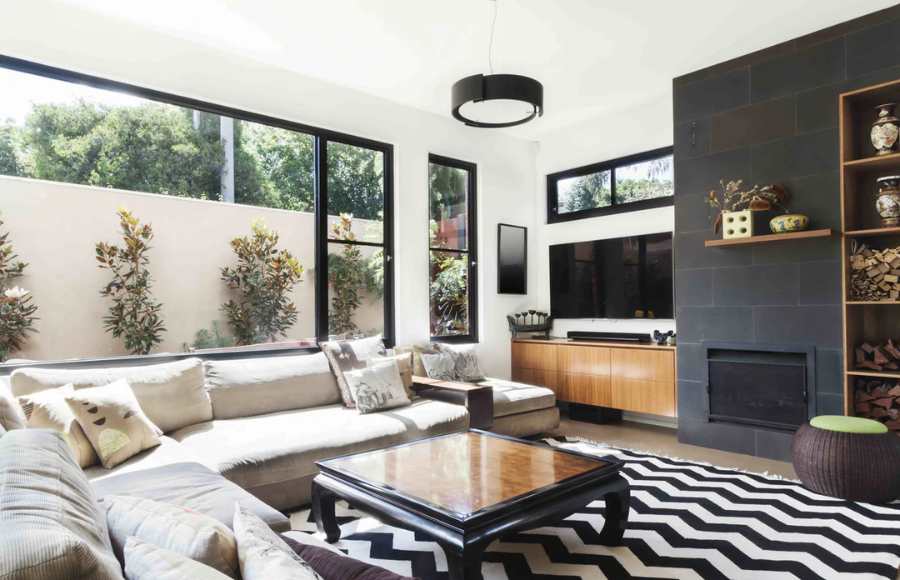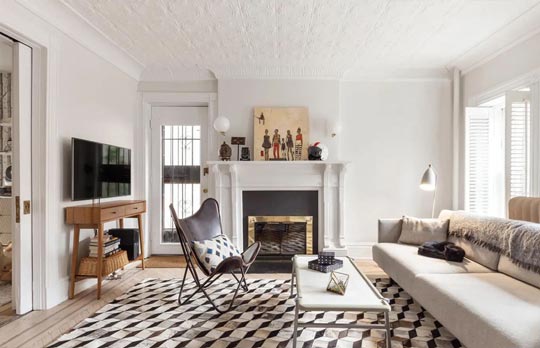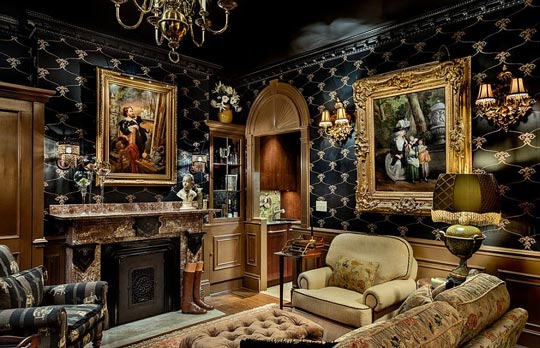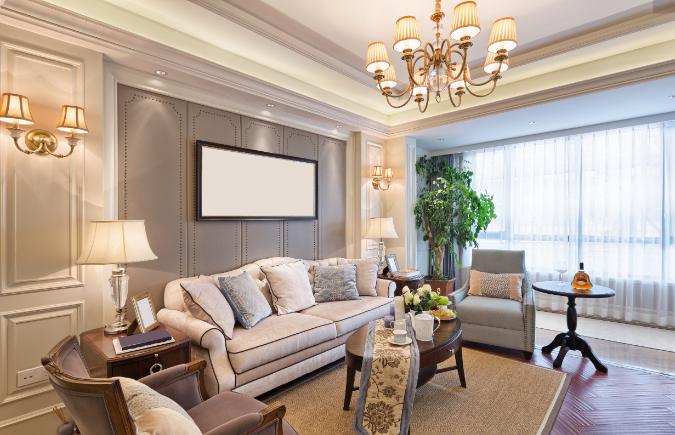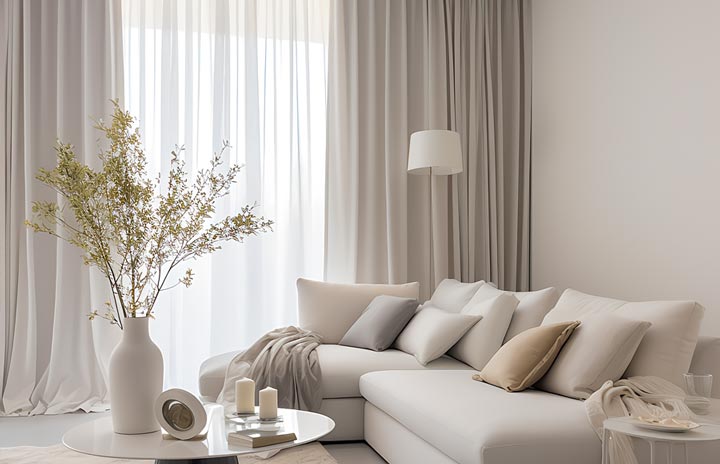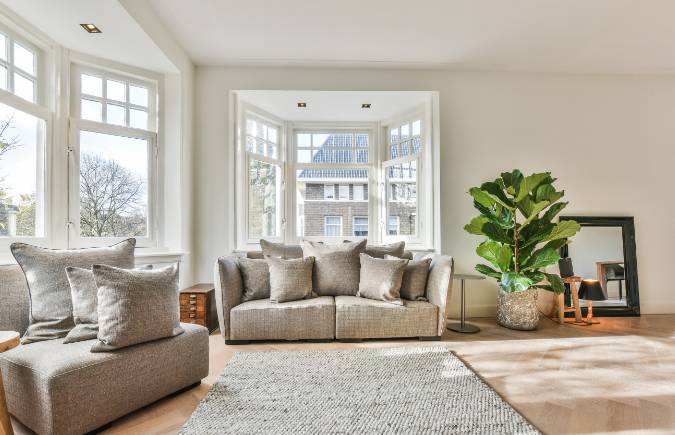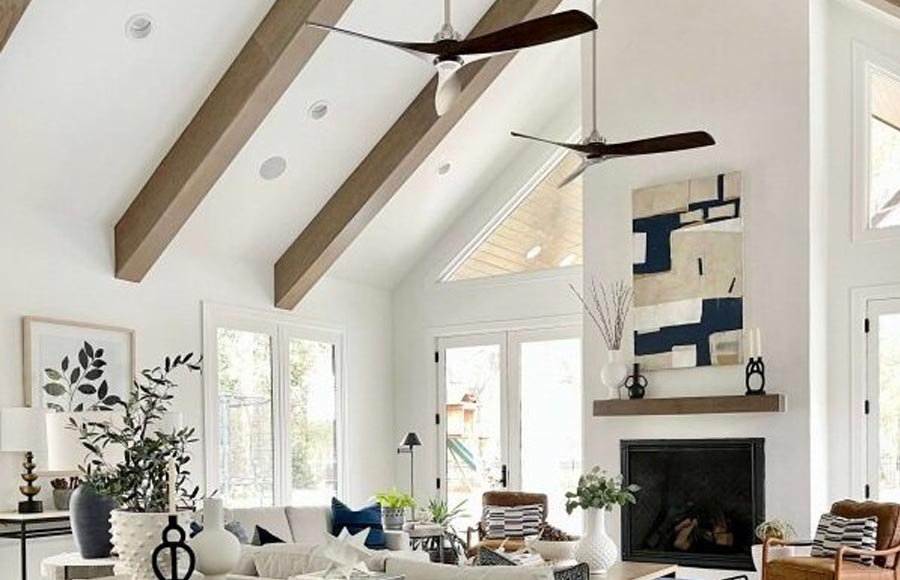


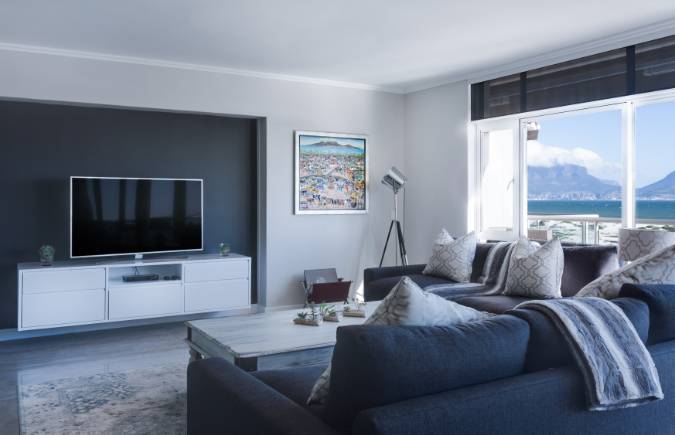
The living room is often the heart of a home. It’s the space where family members gather to relax, entertain, and make lasting memories.
To create a comfortable, functional, and inviting living room, certain essentials are a must. Whether you’re moving into a new home or updating your existing space, here’s a guide to the living room essentials every home needs.
1. Comfortable Seating
Seating is the cornerstone of any living room. A comfortable seating arrangement will make your space inviting and functional. The main seating options to consider are:
The sofa is usually the largest piece of furniture in the room. Choose a comfortable and durable sofa set that suits your lifestyle. Sectionals are great for larger spaces and families, offering ample seating and versatility.
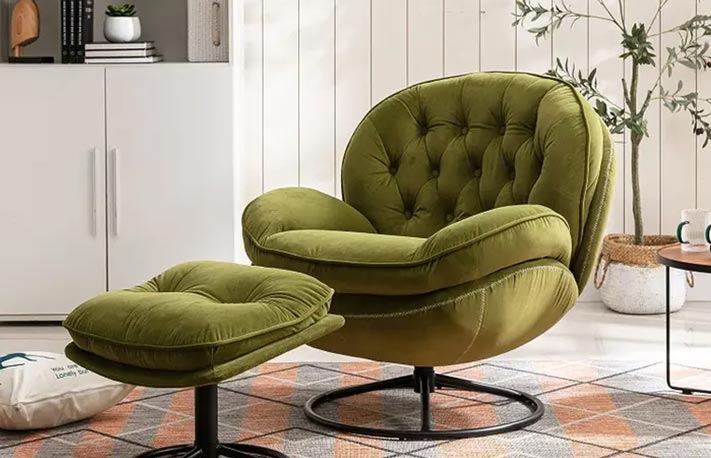
Accent chairs, armchairs, or recliners provide additional seating while allowing you to break up the monotony of the sofa. Opt for chairs that complement your sofa and add variety to your seating arrangement.
Ottomans not only serve as footrests but can also function as coffee tables or additional seating.
When choosing seating, consider the size of your living room. A large sectional may overwhelm a small space, while a compact sofa could be too small for a bigger room.
2. Coffee Table
A coffee table serves as the focal point in the living room, sitting at the center of your seating area. It is both a functional and decorative piece.
Coffee tables provide space for drinks, snacks, remote controls, and decor. Some come with storage options like drawers or shelves for extra convenience.
Choose a coffee table that fits the style of your living room. For modern spaces, a minimalist glass or metal table may work, while a wooden table is a better fit for more traditional or rustic designs.
Make sure the coffee table is proportionate to the seating around it, allowing easy access from all sides.
3. Side Tables
Side tables, also known as end tables, are another essential for your living room. These small tables sit beside chairs or sofas, offering a place to keep drinks, lamps, or other small items.
Side tables keep the space organized and prevent clutter by providing a convenient spot for essentials.
Match the side tables with your coffee table or create contrast with a different material or color for a more dynamic look.
Side tables are particularly useful if you have multiple seating areas in your living room.
4. Lighting
Good lighting can make a huge difference in the feel of your living room. A well-lit room feels welcoming, comfortable, and cozy, while poor lighting can make a space feel cold or uninviting.
Here’s how to light up your living room effectively:
This is your primary source of light, usually provided by ceiling fixtures or recessed lighting. Make sure the light is bright enough to illuminate the entire room.
Indoor wall lamps, table lamps, or floor lamps provide focused lighting for tasks like reading or working.
Use accent lights to highlight artwork, architectural features, or decor pieces.
Consider using dimmer switches to adjust the light levels and create the right ambiance for different times of day or activities.
5. Rugs
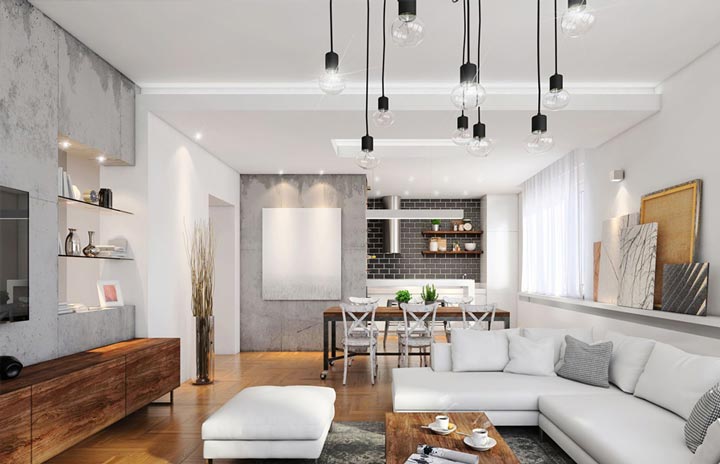
A rug is a simple yet impactful addition to any living room. It helps define the seating area, adds warmth to the room, and can tie the entire space together.
Make sure the rug is large enough to fit under your furniture or at least extend beyond the edges of the seating area. A rug that’s too small can make the room feel disjointed.
Choose a durable material like wool, cotton, or synthetic fibers that can withstand foot traffic and easy cleaning.
Select a rug that compliments the color scheme and style of your room. You can use rugs to introduce pattern, color, or texture to your living space.
Rugs also help to reduce noise, making your living room feel cozier and more inviting.
6. Storage Solutions
Living rooms tend to accumulate clutter quickly, so having effective storage solutions is essential for maintaining an organized space. Here are a few options:
Media consoles or storage cabinets can help organize DVDs, books, or electronics, keeping them out of sight but within reach.
Wall-mounted shelves or freestanding bookshelves not only provide storage but also add an opportunity to showcase your favorite books, photos, and decor.
Decorative baskets or bins can be tucked into shelves or placed under tables to hold remote controls, blankets, or magazines, helping to reduce clutter.
Consider multi-functional furniture, such as coffee tables or ottomans with built-in storage, to maximize space and keep the room organized.
7. TV and Entertainment Setup
For many households, the living room serves as the entertainment hub. A TV is usually a key component of this space, and setting it up properly is important for comfort and aesthetics.
A media console or stand keeps your TV organized while offering space for other media equipment like gaming consoles, DVD players, or speakers. Look for a console that complements your living room’s design.
Mounting the TV on the wall can save space and create a sleek, modern look. This also allows you to keep cables hidden, contributing to a cleaner look.
High-quality sound enhances your viewing experience. Consider adding speakers, soundbars, or a surround sound system to complete your setup.
Be mindful of your TV’s placement—make sure it’s at eye level when seated for the most comfortable viewing experience.
8. Throw Pillows and Blankets
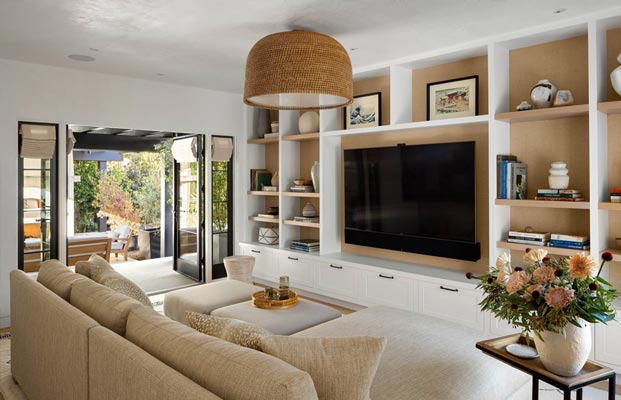
Throw pillows and blankets bring a cozy, welcoming vibe to your living room. They offer comfort and can be changed out to update the look of the room without much effort.
Use a variety of throw pillows in different sizes, textures, and colors to add visual interest to your seating area. Mix and match solid colors with patterns for a balanced, inviting look.
A soft throw blanket draped over a couch or armchair adds both warmth and texture to your space. It’s also a functional item that guests will appreciate during colder months.
These items are easy to swap out seasonally, allowing you to refresh your living room’s look throughout the year.
9. Artwork and Wall Decor
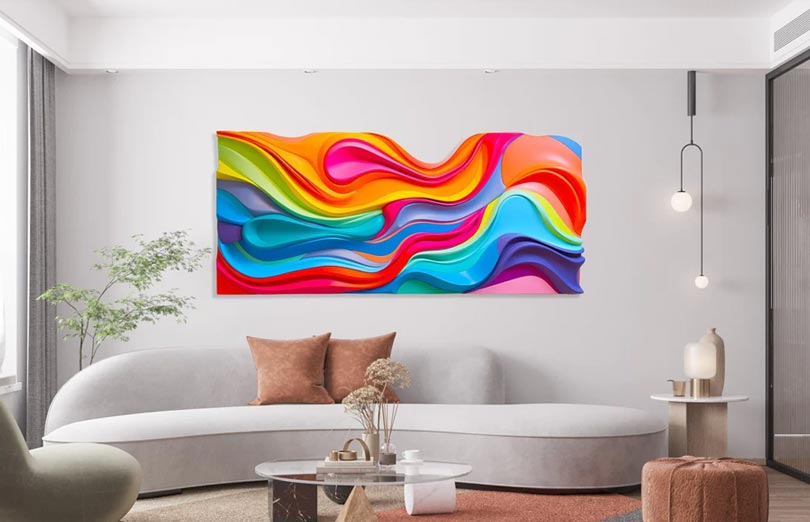
Artwork is an important element in defining the style and atmosphere of your living room. It can create a focal point, add personality, and make space feel more inviting.
Whether it’s a print, painting, or photograph, framed art can bring color and life to your walls.
Mirrors are great for making a room feel larger and more open. They also add a reflective quality that enhances natural light.
Wall shelves allow you to display decorative items such as vases, sculptures, or plants while keeping the floor space clear.
Choose artwork and decor that resonates with your personality and complements the overall design of your living room.
10. Indoor Plants
Adding plants to your living room is an easy way to bring in natural elements. Indoor plants improve air quality, add color, and create a calming atmosphere.
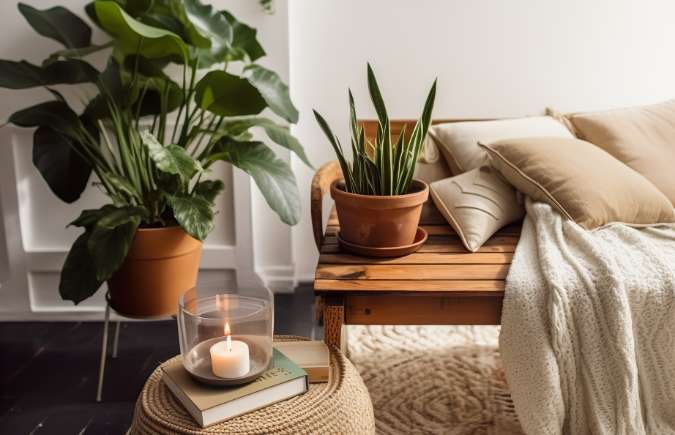
Large floor plants like fiddle leaf figs or palms can act as statement pieces. Smaller plants, such as succulents or snake plants, can be placed on tables, shelves, or window sills.
Choose stylish planters or pots that match the design of your room, whether it’s sleek and modern or earthy and rustic.
Plants are versatile decor elements that can complement any style, from minimalist to bohemian.
Conclusion
A well-furnished living room is one that combines comfort, style, and functionality. The essentials listed above—comfortable seating, lighting, a coffee table, storage solutions, and more—are key to creating a space that’s both inviting and practical.
By carefully selecting each item based on your space, style preferences, and needs, you’ll create a living room that is perfect for relaxing, entertaining, and spending quality time with loved ones.
Contact GeorgeSolution for whole house customization China and living room renovation ideas now!
Read More:
Top Practical Lighting Ideas to Brighten Your Small Living Room – George Solution
15 Living Room Renovation Ideas – George Solution
10 Living Room Renovation Ideas – George Solution
Mediterranean Minimalist Living Room Ideas – George Solution