

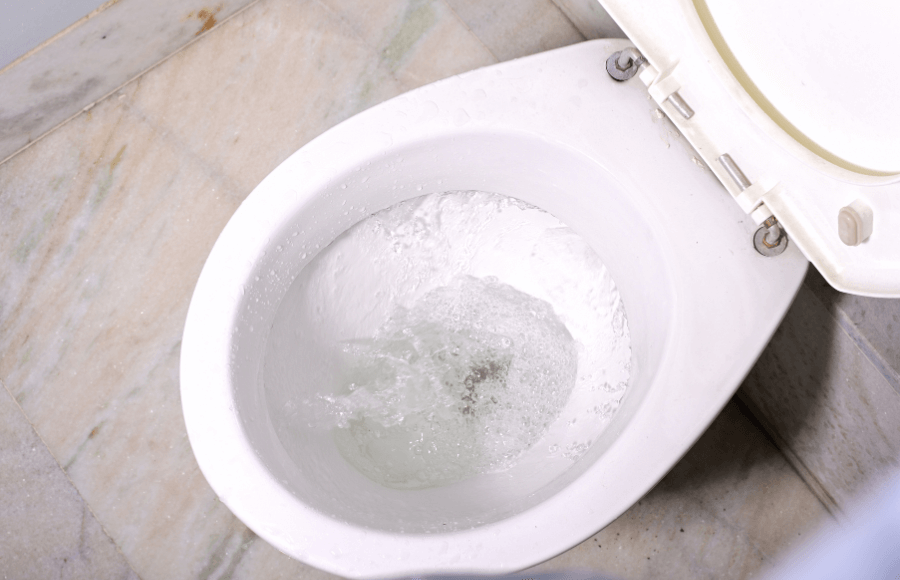
Persistent toilet odors are irritating and can make your bathroom feel uninviting—even embarrassing for guests. The good news is that most causes are simple to diagnose and fix. By pinpointing the source, you can apply a DIY solution or call a professional to restore a fresh, pleasant space.
Evaporated Water in the P-Trap
Why It Happens
When a toilet isn’t used frequently—such as in guest bathrooms or vacation homes—the water in the P-trap can evaporate over time. The P-trap, a U-shaped pipe located beneath your toilet, holds water to block sewer gases from entering your home. Without this water barrier, unpleasant odors from the sewer system can seep through and spread into your bathroom.
Practical Solutions
- Flush Regularly:
Even if a toilet is rarely used, make it a habit to flush it at least once a month. This refills the P-trap and maintains the water barrier. - Add Mineral Oil:
Pouring a thin layer of mineral oil into the bowl slows evaporation. This simple trick is particularly useful for toilets in low-usage areas. - Use Commercial Sealants:
For a more long-term fix, consider using a sealant specifically designed to prevent the P-trap from drying out. - Check Your Vent Pipes:
Ensure that your plumbing vents are clear of debris such as leaves or bird nests. Proper venting also helps maintain appropriate water levels in the P-trap.
Regular maintenance in this area can prevent odor issues before they start, keeping your bathroom consistently fresh.
Low Water Levels in the Toilet Bowl
Common Causes
Low water levels in your toilet bowl not only look unusual but can also allow sewer gases to escape. This issue can arise from several factors:
- Clogged Toilet Drain:
Blockages in the drain can disrupt the normal flow of water. - Leaking or Cracked Toilet Bowl:
Water may escape through small cracks or leaks, lowering the water level. - Faulty Toilet Flapper:
A malfunctioning flapper can prevent the tank from refilling the bowl properly. - Float Adjustment Issues:
If the float is set too low, insufficient water enters the bowl. - Toilet Venting Problems:
Blocked or malfunctioning vent pipes can interfere with the proper flow and refill of water.
Practical Solutions
- Adjust the Float Cup Valve:
Locate the adjustment screw on the fill valve arm and turn it counterclockwise to increase the water level. Check the bowl after each adjustment until the ideal level is reached. - Replace Faulty Components:
If the flapper or other parts are worn or damaged, replace them promptly to restore proper water flow. - Inspect for Leaks or Cracks:
Examine the base and structure of your toilet. Repair minor cracks with a waterproof sealant or consult a professional if the damage is extensive. - Keep the Tank Clean:
Regular cleaning prevents mineral buildup that might obstruct water flow and affect the water level. - Mindful Flushing:
Avoid flushing non-degradable items that can cause clogs and disrupt the water level.
Addressing low water levels ensures that the toilet bowl retains enough water to block odors and maintain proper function.
You may also like: Can A Toilet Unclog Itself
Clogged Toilet Drains
Common Causes of Sewer Smell
A clogged toilet drain can lead to a backup of waste and sewer gases, producing a strong, unpleasant odor. Typical causes include:
- Flushing Inappropriate Items:
Items such as wet wipes, cotton swabs, and excessive amounts of toilet paper can block the pipes. - Foreign Objects:
Accidental flushing of small toys or hygiene products can create stubborn clogs. - Accumulated Build-Up:
Over time, soap scum, hair, and grease can narrow the pipes, trapping waste and odor-causing bacteria.
Practical Fixes
- Use a Plunger:
Start with a plunger by ensuring a tight seal around the drain and applying firm, consistent pressure to dislodge the blockage. - Employ a Drain Snake:
For more stubborn clogs, a drain snake can reach deeper into the pipes to break up the obstruction. - Try Home Remedies:
A mixture of baking soda and vinegar can help loosen minor clogs. Pour the mixture into the toilet, let it sit for about 30 minutes, and then flush with hot water. - Know When to Call a Professional:
If the clog persists after trying these methods, it may be time to contact a professional plumber who can diagnose and resolve the issue efficiently.
Regular cleaning and careful use of the toilet can prevent clogs, ensuring smooth drainage and a fresher bathroom environment.
Bacteria and Mold Buildup
Bacteria in the Toilet Bowl or Tank
Bacteria thrive in warm, humid environments. In a toilet, they feed on organic waste, breaking it down and releasing foul odors. This is especially true in areas like the tank, where cleaning might be neglected.
Mold Growth Around the Toilet
Mold often grows in damp areas such as the base of the toilet or under the rim, resulting in a musty smell. Poor ventilation and persistent moisture can make mold a recurring problem.
Solutions for Bacteria and Mold
- Bleach Solutions:
For non-porous surfaces like the toilet bowl and tank, a diluted bleach solution can effectively kill bacteria and mold. Always ensure proper ventilation when using bleach. - Vinegar:
For a natural alternative, pour white vinegar into the tank or bowl, let it sit for about 30 minutes, then scrub and flush. - Scrubbing:
Use a toilet brush or a specialized scrubber to remove visible mold, especially around the base and under the rim. - Improve Ventilation:
Enhancing air circulation by opening windows, using an exhaust fan, or running a dehumidifier will reduce moisture and prevent the regrowth of bacteria and mold.
A regular cleaning routine that targets these microbial culprits is key to maintaining a fresh and odor-free bathroom.
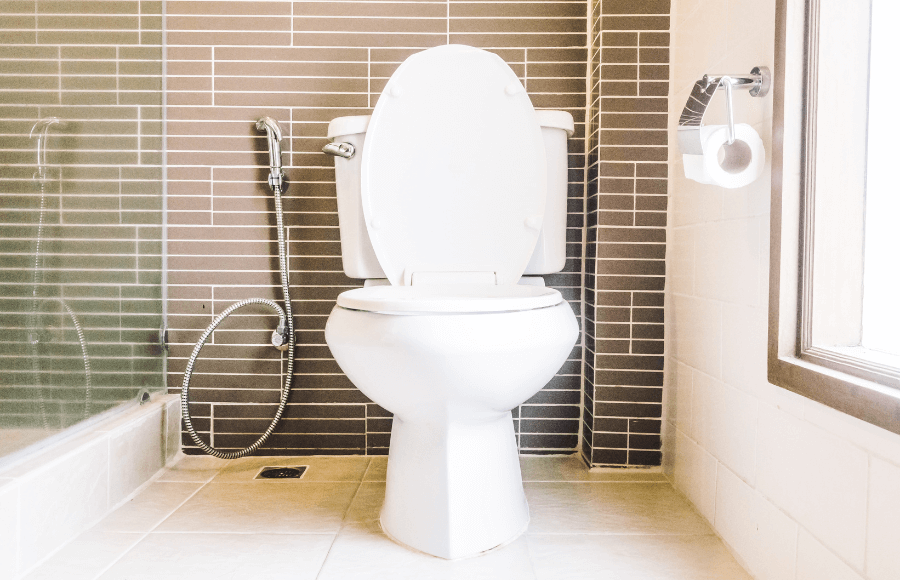
Vent Pipe Issues
Common Causes
Vent pipes allow sewer gases to escape from your plumbing system. When these pipes become blocked, odors can be forced back into your bathroom. Common causes include:
- Organic Debris:
Leaves, twigs, or small animals may clog the vent. - Weather-Related Blockages:
In colder climates, ice or snow can obstruct the vent pipe. - Nesting:
Birds or small animals may build nests in the vent, further restricting airflow. - Corrosion or Installation Issues:
Rust flakes and design flaws can impede proper ventilation.
Practical Fixes
- Inspect the Vent:
Safely check the vent pipe opening on your roof for any debris or signs of nesting. Remove any visible blockages with a long stick or a plumber’s snake. - Flush with Water:
Using a garden hose to gently flush the vent pipe can help clear minor clogs. - Professional Help:
If the blockage is complex or you cannot safely access the vent, it’s best to call a professional plumber. - Pro Tip:
Regularly inspect your vent pipes and ensure that vent caps are intact to prevent future blockages.
Ensuring proper ventilation is essential for preventing sewer gases from returning into your bathroom.
Damaged or Broken Sealing Rings
How Sealing Rings Cause Odors
The wax ring (or sealing ring) under your toilet creates a watertight seal between the toilet base and the sewer pipe. When this seal is damaged or worn out, sewer gases can escape, leading to persistent odors.
Common Causes and Solutions
- Wobbly Toilet:
A loose toilet often indicates a compromised wax ring. Gently rock the toilet to check for movement. - Water Leaks:
Inspect around the base for any signs of water seepage, which may suggest a damaged seal. - Replacement:
If the wax ring is damaged, it needs to be replaced. This task usually requires removing the toilet and is best handled by a professional. - Pro Tip:
Avoid leaning heavily on the toilet to extend the life of the wax ring.
Regular inspections and prompt repairs help maintain the integrity of the seal, keeping sewer gases at bay.
You may also like: What Was The Best Toilet Brand In The 1980s
Cracked Toilets
Identifying Cracks
Cracks in the toilet bowl or tank can lead to water loss and allow sewer gases to escape. Look for signs such as damp spots around the base or lower water levels in the bowl. Sometimes, the cracks are so small they’re nearly invisible but can still cause odor issues.
Practical Fixes
- For Minor Cracks:
Clean and dry the area thoroughly, then apply an epoxy or sealant to patch the crack. This can extend the toilet’s life temporarily. - For Severe Damage:
If the crack is significant or causes persistent leaks, replacing the toilet is often the best option.
When minor fixes no longer suffice, upgrading to custom toilets can provide a tailored solution that not only looks great but also performs reliably.
- Regular Inspection:
Periodically check your toilet for any signs of damage to catch problems early and prevent further issues.
Addressing cracks promptly helps maintain both the function and hygiene of your bathroom.
Conclusion
Maintaining a fresh, odor-free bathroom starts with understanding and addressing common issues—from evaporated P-trap water and low bowl levels to clogged drains, microbial buildup, vent blockages, and damaged seals. Regular cleaning, proper usage, and timely repairs go a long way in preventing recurring odors. If problems persist, don’t hesitate to seek professional help to keep your space welcoming and healthy.