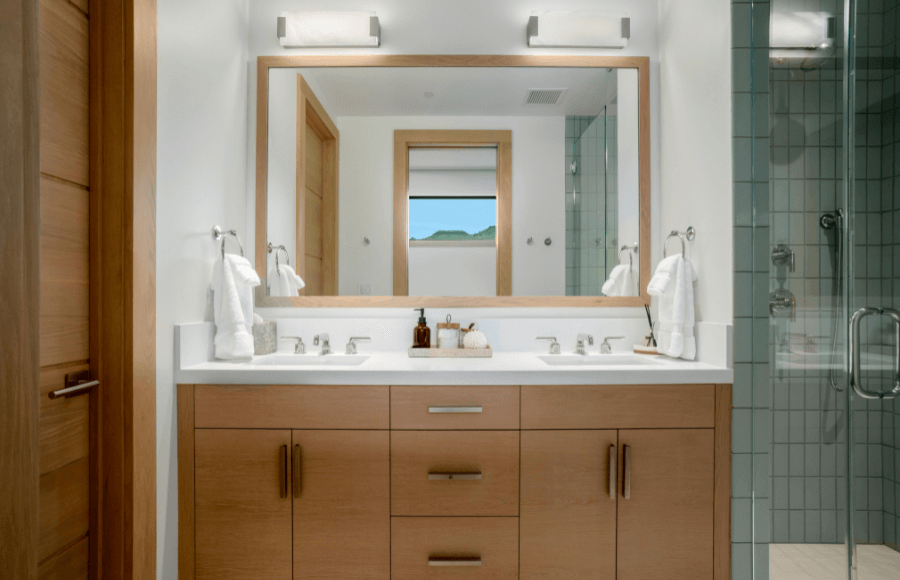


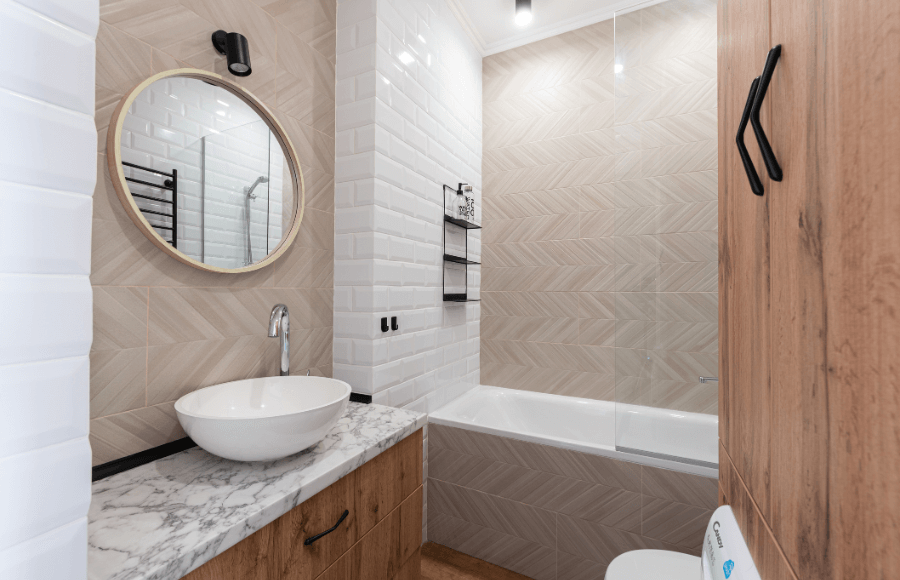
The right order for a bathroom renovation includes demolition, rough-in plumbing and electrical work, framing, fixture installation, tiling, painting, installing trim, and a final inspection. Proper planning, securing permits early, and careful cleanup ensure your remodel goes smoothly.
Demolition & Site Preparation
Before beginning any demolition, water and electricity should be turned off in the bathroom. Old fixtures such as sinks, toilets, and vanities must be carefully detached and removed. Wall and floor coverings should be stripped down to the studs or subfloor to create a clean workspace for the renovation.
Cabinets, mirrors, and nearby floors should be covered with drop cloths or plastic sheeting to minimize dust. Vents and doorways should be sealed off. Broken tiles and debris should be collected into heavy-duty bags and promptly removed to maintain a clean workspace.
Rough‑In Plumbing, Electrical & Framing
Install Pipes, Drain Lines & Wiring
After walls and floors are fully exposed, a plumber will install new water supply pipes for the sink, toilet, and bathtub. Drain lines must be placed at the correct angles to ensure smooth drainage. Additionally, an electrician will install new wiring for lighting, electrical outlets, and exhaust fans.
Repair or Frame Walls & Subfloor
Once plumbing and electrical rough-ins are complete, studs and subfloors need inspection for damage. Any rotten or uneven sections must be replaced or leveled. New framing or adjustments to existing studs should be performed to create a strong foundation for drywall and tiles.
Fixture Installation & Tiling
Mount Bathtub/Shower, Vanity & Toilet
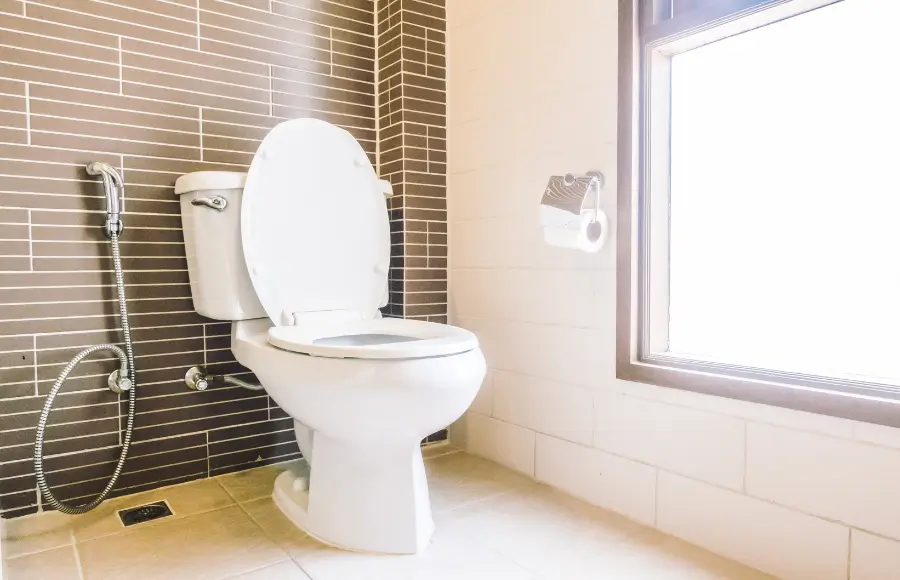
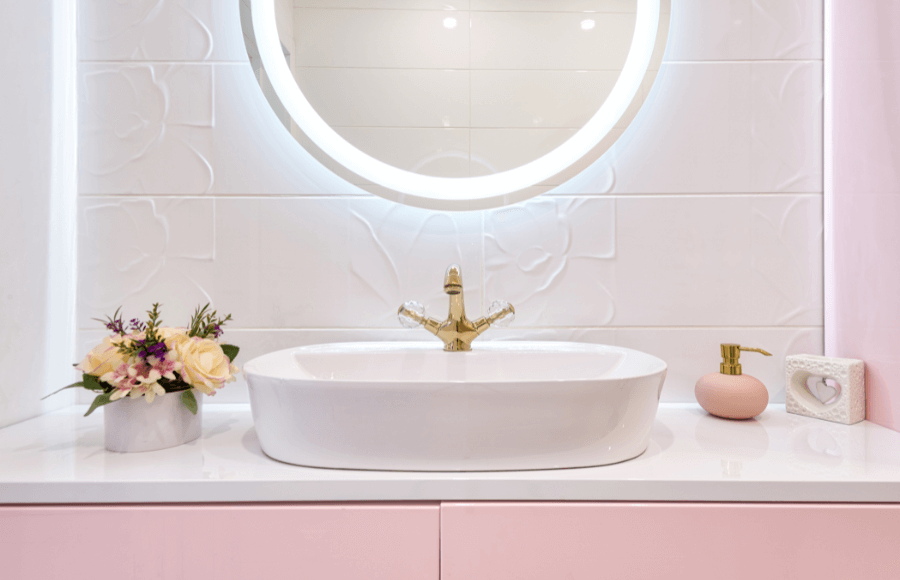
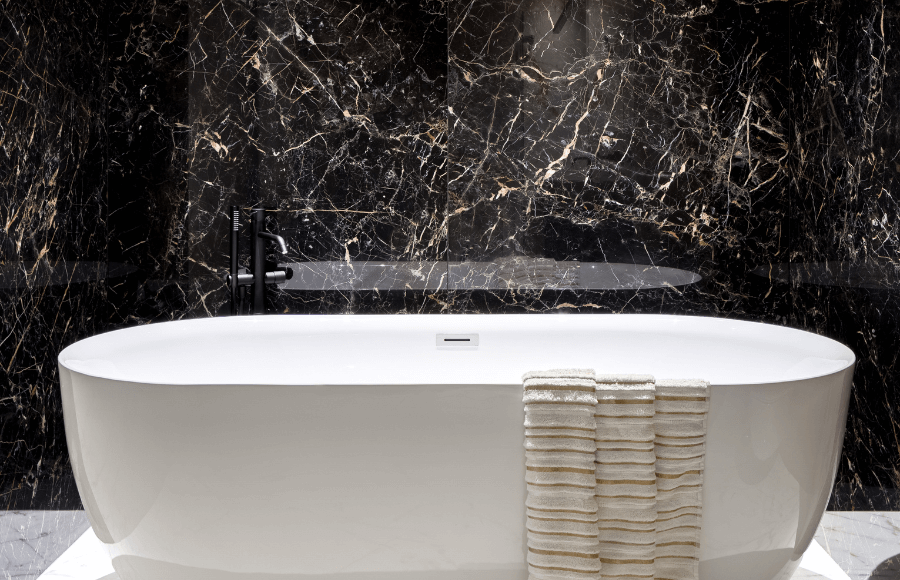
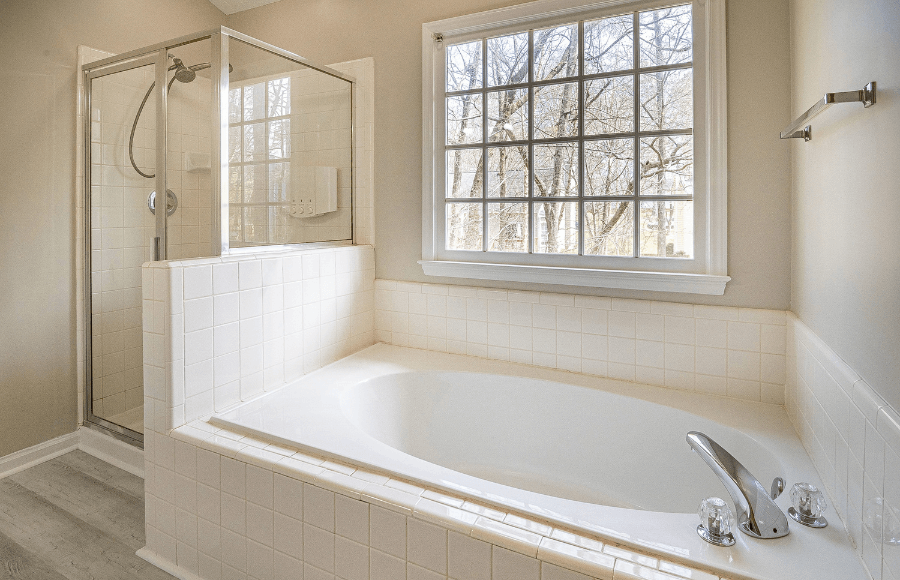
The bathtub or shower should be securely installed, ensuring it is level and firmly anchored. Next, the vanity cabinet should be aligned precisely with plumbing connections. The toilet must then be positioned and securely bolted, ensuring a proper seal with the wax ring.
Lay Wall & Floor Tiles
Once fixtures are installed, mortar is applied, and wall tiles are installed from the bottom up, using spacers for consistent grout lines. Floor tiles should then be laid with thinset in a staggered pattern. Excess mortar needs to be cleaned immediately before it dries.
Painting, Trim & Hardware
Prime & Paint Walls, Ceiling
After tiles and grout have fully cured, primer should be applied to walls and ceilings. Primer helps paint adhere better and protects against moisture. Once dry, two coats of mildew-resistant paint should be evenly applied.
Install Trim, Lighting & Accessories
Next, decorative trim and baseboards are installed, with seams carefully caulked for a finished appearance. Light fixtures, towel bars, toilet paper holders, and mirrors should then be securely mounted. All hardware should be thoroughly tested for functionality.
Recommended Related Reading: How Much To Renovate A Bathroom
Other Precautions for Bathroom Renovation
Project Planning & Design
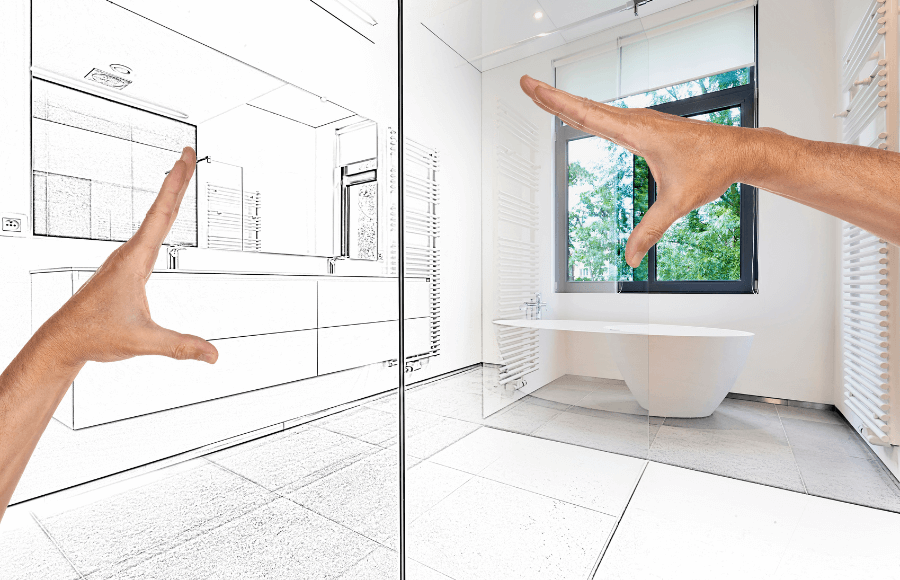
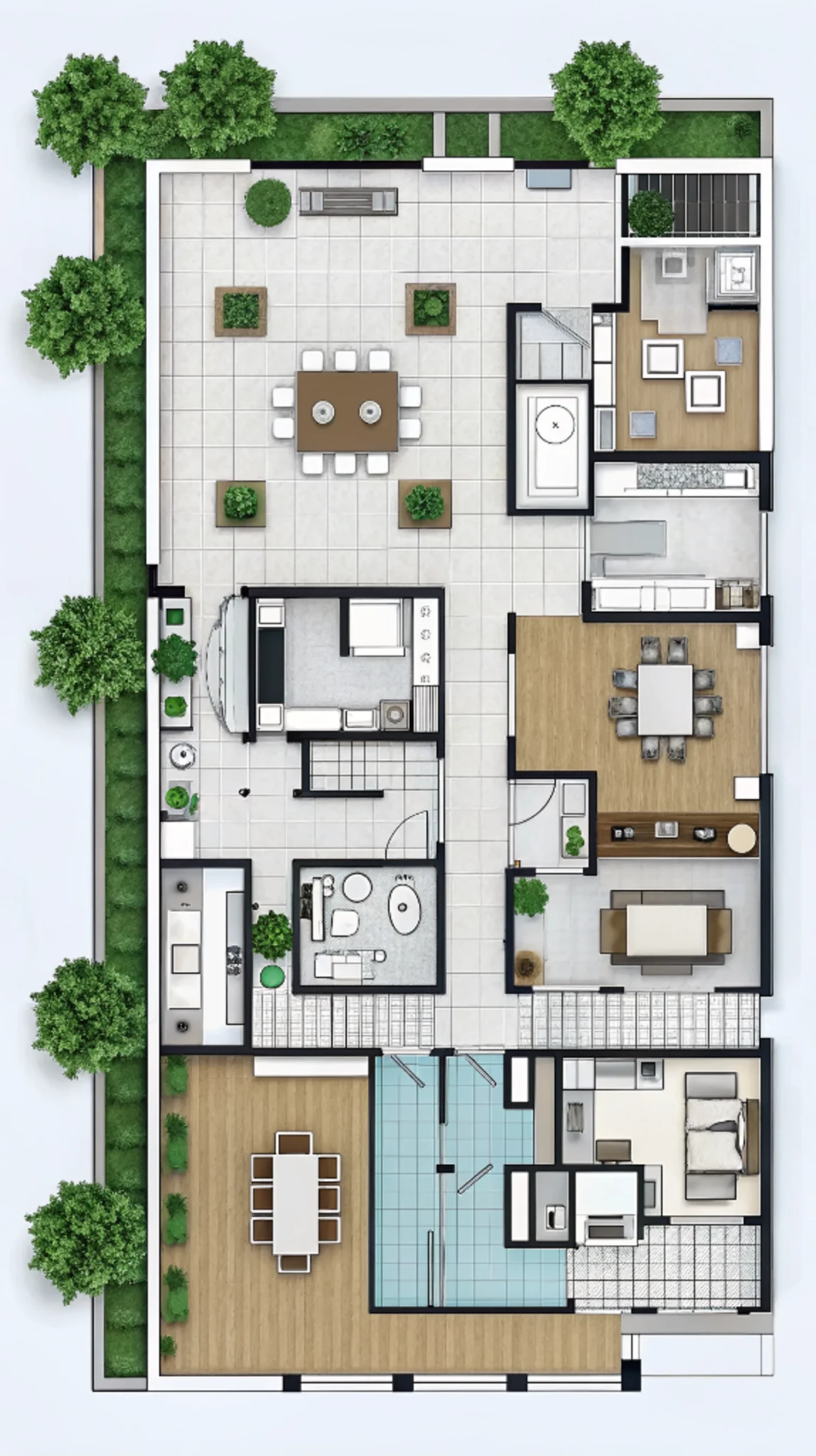
Before starting renovation work, the project scope, budget, and timeline should be clearly defined, with allowances made for potential delays. Simple layout mock-ups, either on paper or digitally, help confirm the placement of fixtures and optimize space usage.
Materials Procurement & Permits
Fixtures and materials should be ordered well in advance, taking delivery times into account and scheduling them according to the renovation phases. Permit applications must be submitted early, and necessary inspections booked to align approvals with construction phases.
Final Inspection & Cleanup
After completing construction, the project must pass final inspections to confirm compliance with plumbing, electrical, and structural codes. Final touch-ups, such as sealing gaps and correcting paint imperfections, should be done carefully. The project concludes with a thorough deep clean, providing a pristine, ready-to-use bathroom.
One-Stop Planning Saves Time
With our one-stop planning, you get everything from 3D design to full-home furniture setup in one go. Our “one-click package” service syncs furniture dimensions, plumbing layouts, and waterproofing details upfront, so you avoid costly rework later.
As an international one-stop building materials provider, we handle consulting, design, and supplies for homes, real estate, and hospitality projects. We’re dedicated to giving you a seamless experience that saves time and maximizes productivity.
Recommended Related Reading: From China to Your Home: A One-Stop Unveiling of the Entire High-End Home
Conclusion
A successful bathroom renovation follows clear steps: demolition, rough‑in, framing, fixture installation, tiling, painting, trim, and final inspection. Careful planning, timely permits, and quality materials prevent delays and deliver a beautiful, functional bathroom you’ll love.