


Hotel construction requires careful planning and strong decision-making skills. An owner who manages costs, studies risks, and sets clear goals will find greater success. Using a hotel construction guide helps tackle challenges and avoid common mistakes. Each choice, from site selection to design, shapes the final result. This approach builds confidence for anyone starting a new hotel project.
Key Takeaways
- Start with strategic planning. Conduct market research and feasibility studies to ensure your hotel will attract guests and be profitable.
- Choose the right location. A convenient site boosts occupancy rates and supports long-term growth, leading to increased revenue.
- Focus on design and sustainability. Prioritize guest comfort and energy efficiency by using modern technology and eco-friendly materials.
- Implement strong project management. Select experienced contractors and utilize construction management software to monitor progress and control costs.
- Prepare for operational readiness. Train staff and conduct quality inspections before opening to ensure safety and smooth operations.
Introduction: Why Hotel Construction Matters
Importance of planning and development
Hotel construction shapes the future of local economies and the tourism industry. Careful planning and development help owners avoid costly mistakes and delays. A strong plan starts with a market analysis and a detailed feasibility study. This process checks if the hotel will attract enough guests and if the location supports long-term success.
Tip: Engaging experienced partners early can help create a realistic project plan and avoid common pitfalls.
Thorough planning prevents problems such as budget overruns and construction delays. Owners who underestimate the time needed for zoning approvals or building permits often face setbacks. Accurate budgeting and supervision ensure quality work and reduce the risk of using substandard materials or unqualified workers.
A well-planned hotel project brings many benefits to the community. The table below shows how hotel construction impacts local economies and tourism growth:
| Impact Type | Description |
|---|---|
| Direct Impact | Revenues generated from hotel operations, including room sales, food and beverage, and payroll. |
| Fiscal Impact | Taxes collected from hotel operations, including sales, payroll, and property taxes. |
| Indirect Impact | Jobs and income generated for suppliers and contractors related to the hotel. |
| Induced Impact | Economic effects from employees spending their wages in the local economy. |
Key trends in hotel construction
Hotel construction is changing to meet new demands. Developers now focus on conversion projects, which allow for faster market entry and lower costs. Mixed-use developments are also popular, combining hotels with residential or retail spaces to increase revenue.
Recent trends include:
- Technology upgrades, such as mobile keys and energy-efficient systems, are now standard in many hotels.
- Sustainability is a top priority. Many projects use low-carbon materials and smart utilities to add long-term value.
- Traveler preferences are shifting. There is growing demand for mid-priced and extended-stay hotels.
Sustainability and technology play a big role in hotel development. Many travelers want eco-friendly options, and hotels are seeking certifications like LEED to attract these guests. Automated check-ins and keyless entry systems are also becoming more common, especially among younger travelers.
A successful hotel project starts with careful planning, a strong feasibility study, and an understanding of current trends. These steps help owners and developers create hotels that are profitable and meet the needs of modern travelers.
Planning Your Hotel Project
Choosing the right location
Selecting the best location is a critical step in hotel construction. Research shows that spatial location affects both short-term and long-term revenue. Travelers, whether for business or leisure, value convenience and accessibility. Transportation options and parking availability are important factors in hotel service quality. Geographical and traffic conditions play a major role in successful hotel operations. Site selection directly impacts profitability and operational efficiency. For example, a shift in occupancy from 68% to 82% can lead to a 20.6% increase in room nights sold. If the average daily rate stays at $200, this change results in a $27.20 increase in revenue per available room. High fixed costs make profitability sensitive to small changes in occupancy or rates. Site selection characteristics strongly influence hotel performance, especially during off-peak periods.
Market research and feasibility studies
Market research is essential for hotel development. A feasibility study helps owners and developers understand demand, financial viability, and location. This process allows for adjustments before construction begins. If a project is not feasible at a certain scale, downsizing can save costs and improve long-term potential. Feasibility studies provide clarity for decision-makers, boost investor confidence, and reduce risk. They help hotel owners avoid costly mistakes and ensure alignment with project goals.
- A feasibility study determines the viability and potential success of a hotel project.
- It validates demand and financial projections.
- It supports data-driven decisions and prevents unnecessary investments.
Budgeting and financing strategies
Budgeting is a key part of the hotel construction timeline. Effective management combines market-driven feasibility with disciplined execution. This approach reduces budget overruns and delays. Owners should maintain dedicated funds for capital expenditures and explore financing options like loans, grants, and rebates. Cost-offset strategies, such as tax incentives, help lower hotel construction costs. Regular assessment of renovations and benchmarking tools track energy usage and return on investment. Flexibility in the capital plan ensures alignment with hotel goals and market conditions.
| Hotel Type | Cost per sq foot (rural-urban) | Cost per room (average construction costs) |
|---|---|---|
| Motel | $134-$234 | $75,000 |
| 3-star hotel | $190-$375 | $221,000 |
| 4-star hotel | $260-$410 | $318,200 |
| 5-star hotel | $332-$550 | $604,200 |
| Guest House (B&B) | $150-$500 | $50,000 |
| Resort | $300-$550 | $610,000 |
Tip: Land costs usually account for 9-14% of the total budget. Hard costs make up 60-70%, while soft costs represent about 20%.
Assembling a qualified project team and securing financing are vital steps in the hotel development process. Navigating permits and regulatory requirements ensures quality and compliance throughout the construction process. Owners and developers who follow these strategies increase their chances of a successful hotel opening.
Designing the Hotel
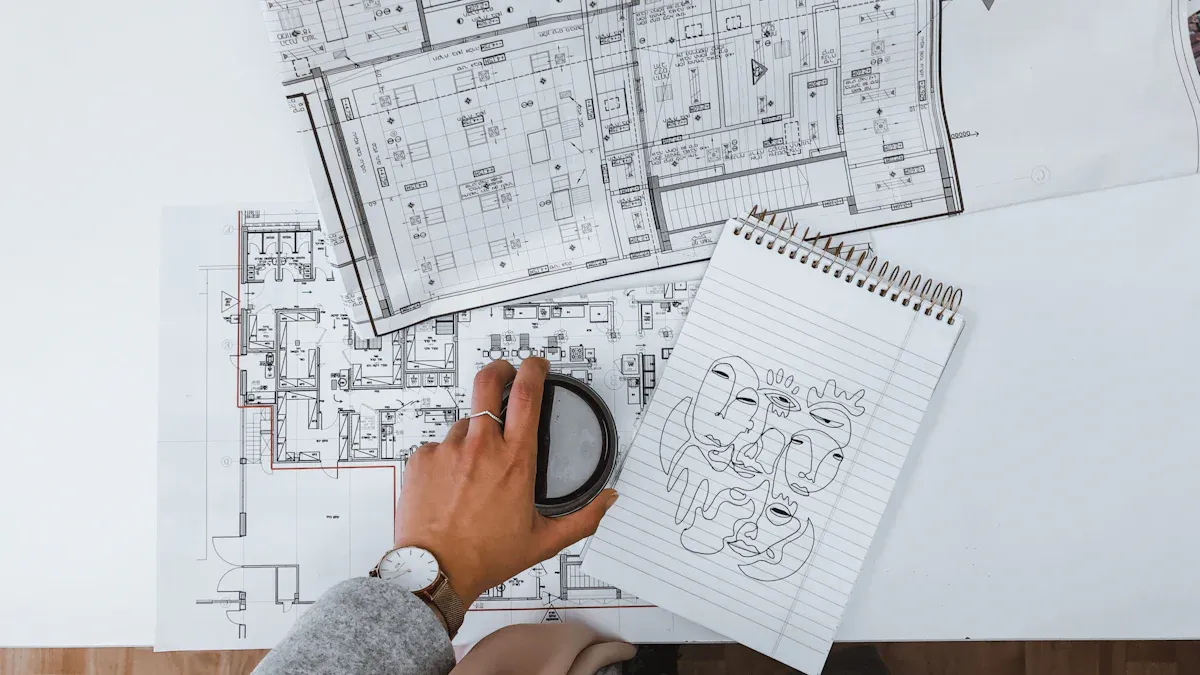
Architectural considerations
Hotel construction begins with strong architectural planning. The right choices in hotel design considerations can boost both guest satisfaction and operational efficiency. Owners should focus on guest-centric designs, sustainable features, and quality control. The table below highlights important factors:
| Architectural Consideration | Description |
|---|---|
| Sustainable Design Trends | Focus on energy efficiency and green certifications to attract eco-conscious travelers. |
| Guest-Centric Designs | Prioritize comfort and functionality in room layouts and create inviting public areas. |
| Quality Control | Implement a quality plan, regular inspections, and use high-quality materials to ensure standards. |
Architectural design impacts profitability in several ways:
- It improves operational efficiency, which reduces labor costs.
- A well-designed hotel attracts repeat guests.
- Unique design helps a hotel stand out, supporting premium pricing.
Poor design can lead to hidden costs and lower productivity. Strategic choices in hotel construction and development support long-term success.
Interior design and guest experience
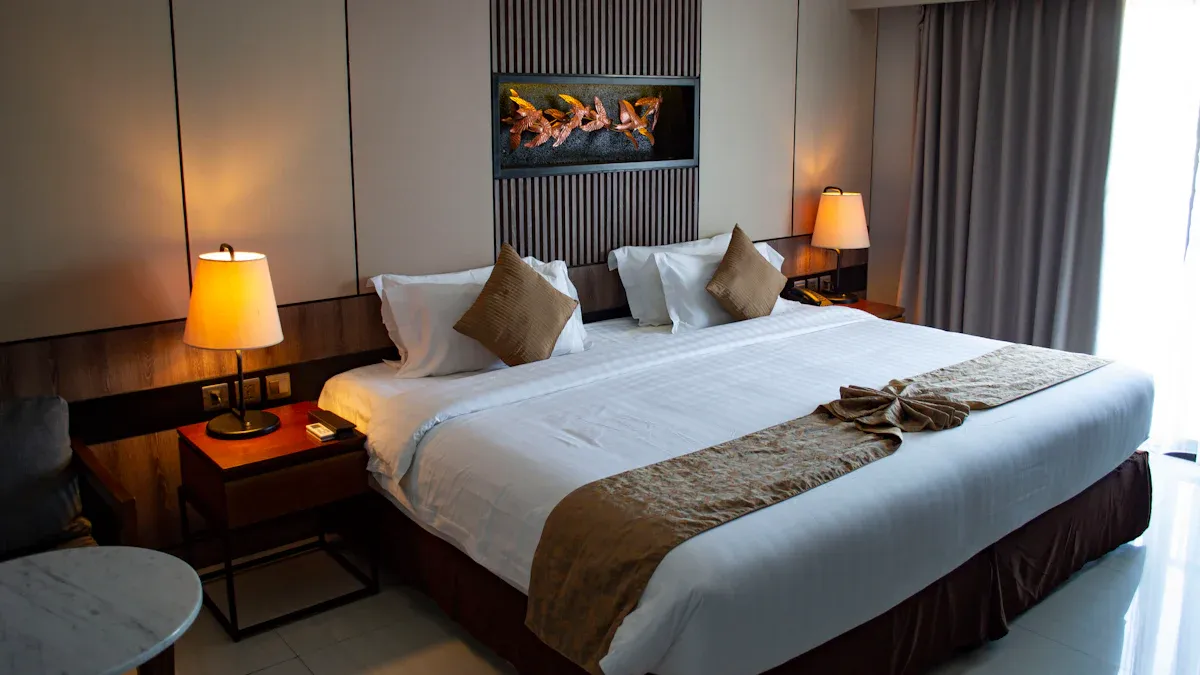
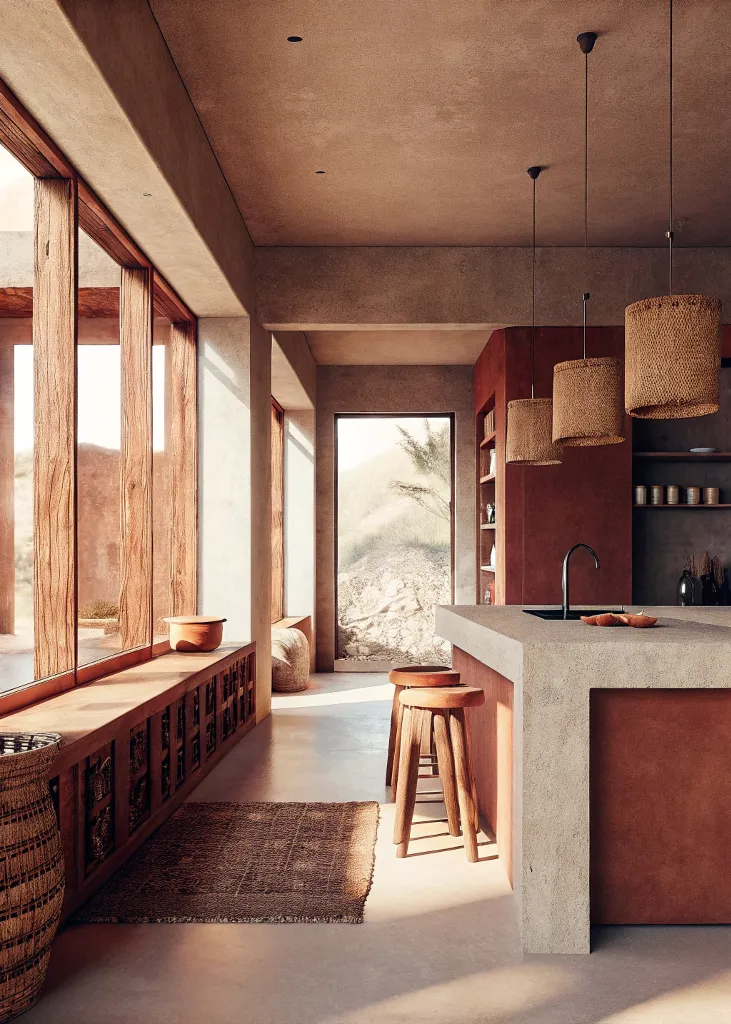
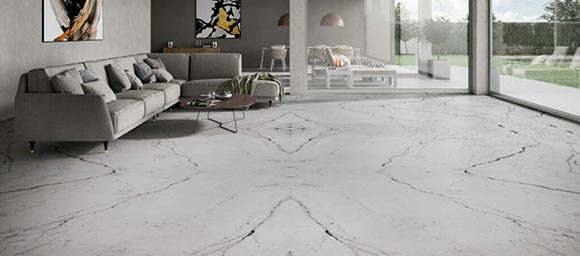
Interior design shapes how guests feel during their stay. Thoughtful hotel construction includes comfortable furnishings, soothing color schemes, and proper lighting. These elements create a welcoming atmosphere. The arrangement of furniture and decor can make guests feel at home. Adding indoor plants and natural materials brings a sense of calm and connection to nature. Soundscapes and signature scents also enhance the experience.
Hotels that focus on interior design often see more positive reviews and higher repeat guest rates. Personalized touches, such as region-specific decor and tailored recommendations, show respect for different cultures and improve satisfaction.
Tip: A well-designed hotel environment can increase direct bookings and boost revenue.
Sustainability and energy efficiency
Sustainability is now a key part of hotel construction. Many hotels install LED lighting and energy-saving HVAC systems. Owners aim for certifications like LEED to attract eco-conscious travelers. These efforts reduce operational costs and improve guest satisfaction. A study found that 75% of travelers prefer hotels with strong sustainability ratings.
The table below shows how sustainable practices affect costs and guest experience:
| Aspect | Impact on Operational Costs | Impact on Guest Satisfaction |
|---|---|---|
| Resource Management | Reduced costs through efficiency | Enhanced experience through sustainable practices |
| Communication of Efforts | Builds brand trust and loyalty | Creates emotional connections with guests |
| Food & Beverage Waste Management | Cost control and efficiency | Positive storytelling enhances guest experience |
Hotels that communicate their sustainability efforts build trust and loyalty. High guest satisfaction allows hotels to charge higher rates and maintain strong occupancy. Integrating sustainability and technology into hotel construction supports both profitability and a positive guest experience.
Hotel Construction Process
Selecting a contractor and project team
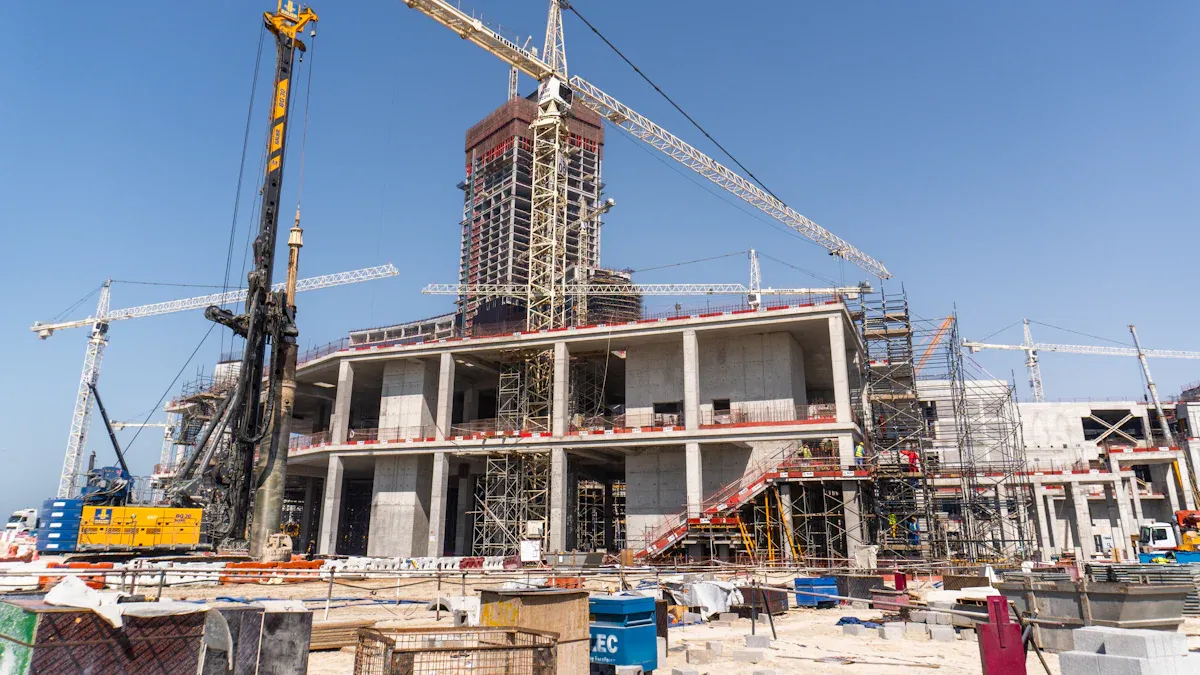
Choosing the right contractor and project team is a crucial step in hotel construction. The selection process affects the quality of the final hotel and the overall success of the project. Contractors with experience in hotel construction understand guestroom layouts and brand standards. Local presence helps reduce risks related to supply chains and regulatory processes. Evaluating the qualifications and experience of the project team ensures that the hotel construction management will meet expectations.
A strong subcontractor network allows the contractor to handle specialized tasks efficiently. Reputation and references from previous clients provide insight into reliability and communication. Quality assurance and safety management policies protect workers and guests. Insurance coverage is necessary to guard against construction risks. Financial stability is the most critical factor influencing project outcomes. Owners should compare contract prices, payment terms, and legal structures before making a decision.
- Company experience in hotel construction
- Local presence and knowledge
- Qualified personnel and staffing
- Effective subcontractor management
- Reputation and references
- Quality and safety systems
- Insurance coverage
- Financial and corporate stability
- Price evaluation and payment terms
- Contract and legal structure
Contractor selection influences project outcomes, quality standards, and hotel construction costs. Offered price, delivery date, and experience with similar projects are significant factors. Technical, financial, and qualification variables must be considered for successful hotel construction.
Construction timeline and phases
The hotel construction timeline consists of several phases. Each phase requires careful planning and management. The process begins with market research, followed by site selection and feasibility studies. Design considerations come next, leading to the construction process itself. Owners and developers must monitor progress at each stage to avoid delays.
- Market research
- Site selection
- Feasibility studies
- Design considerations
- Construction process
Delays in construction phases can lead to financial setbacks and disputes. These issues impact hotel construction costs and opening schedules. Managing the critical path is essential. Delays on the critical path can jeopardize project deadlines and increase costs. Non-critical path delays are less likely to result in claims for extra time or money. Effective hotel construction management requires attention to scheduling and risk mitigation.
Note: Early engagement with local authorities can help secure permits and avoid delays. The Lagos Luxury Hotel Development used a dedicated liaison office to navigate regulations and maintain the hotel construction timeline.
A phased development approach allows flexibility in construction schedules and cash flow management. Structured scorecard systems help evaluate potential operators based on local market knowledge and financial strength. Local partner relationships support smooth interactions with contractors and assist with labor laws and supply chain issues.
Common challenges and how to avoid them
Hotel construction projects often face challenges that threaten success. Tight deadlines, urban constraints, and budget management are common issues. Advanced scheduling tools help manage deadlines. Efficient staging plans address urban constraints. Regular budget reviews keep costs under control.
| Common Challenges | Strategies to Avoid Them |
|---|---|
| Tight Deadlines | Use advanced scheduling tools |
| Urban Constraints | Develop efficient staging plans |
| Budget Management | Perform regular budget reviews |
Risk mitigation strategies play a key role in hotel construction management. Early engagement with local authorities, phased development, and strong local partnerships help avoid delays and disputes. Owners and developers should focus on quality, safety, and financial stability throughout the hotel construction process.
Tip: Proactive risk management and structured planning lead to successful hotel construction and reduce unexpected costs.
Effective hotel construction management requires attention to contractor selection, timeline planning, and challenge avoidance. Owners and developers who follow these strategies improve the chances of a successful hotel construction and a high-quality hotel.
Technology in Hotel Construction
Smart building systems
Smart building systems are changing hotel construction. Many hotels now use advanced technology to improve guest comfort and reduce cost. The Sinclair Hotel in Texas uses Power over Ethernet, which removes traditional wiring and supports efficient energy use. AI-driven automation controls lighting, climate, and showers based on room occupancy. This system lowers energy cost by 30 percent and gives guests voice-controlled amenities. The Westin Houston Medical Center uses LightStrike Germ-Zapping Robots to sanitize rooms and common areas. These robots help reduce the risk of virus transmission and support a safer environment.
- Power over Ethernet supports efficient energy use.
- AI-driven automation manages lighting and climate.
- Germ-zapping robots improve sanitation and safety.
Construction management software
Construction management software helps owners and developers track hotel construction progress and control cost. Real-time financial tracking gives clear visibility into spending. AI-driven analytics offer predictive insights and help forecast cash flow. Effective pre-construction planning ensures accurate budgeting and early risk identification. The table below shows how software features support hotel construction:
| Feature | Benefit |
|---|---|
| Real-time financial tracking | Up-to-date visibility into actual vs. planned expenditures, aiding immediate decision-making |
| AI-driven analytics | Predictive insights and trend analysis, forecasting cash flow and identifying budget risks |
| Effective pre-construction planning | Accurate budgeting through estimation methods, leading to data-driven bids and early risk identification |
Enhancing operational efficiency
Technology integration improves operational efficiency in hotel construction. Project management tools help oversee progress and ensure timely completion. Operational readiness systems allow hotels to function immediately after opening. Staff training can use simulated environments, preparing employees before guests arrive. The table below highlights key aspects:
| Operational Efficiency Aspect | Description |
|---|---|
| Project Management | Technology aids oversight, ensuring timely completion and coordination with contractors |
| Operational Readiness | Systems set up during construction allow immediate functionality upon opening |
| Staff Training | Simulated environments help train new staff before the hotel opens |
Controlling cost and applying value engineering are important in hotel construction. Owners should review plans and materials to find savings without lowering quality. Insurance and legal compliance protect investments and ensure safe operations. Technology supports these goals by improving accuracy and reducing risk.
Tip: Early adoption of smart systems and management software can lead to lower cost, higher quality, and safer hotel construction.
Post-Construction: Preparing for Opening

Quality inspections and compliance
After construction ends, hotel owners must focus on quality inspections and compliance. Inspectors check if the building meets design specifications and safety codes. Owners confirm that all permits and licenses are in place. Environmental compliance and accessibility standards must be met before opening. Quality reviews help identify any issues with equipment or materials. Developers document these activities to create an audit trail for startup authorization. Effective communication among stakeholders ensures a smooth handover from construction to operations.
| Step | Description |
|---|---|
| 1 | Conduct readiness reviews to confirm construction and equipment meet design specifications. |
| 2 | Ensure safety, operating, maintenance, and emergency procedures are established. |
| 3 | Verify that training for all relevant personnel has been completed. |
| 4 | Perform risk analysis and resolve any recommendations. |
| 5 | Document readiness activities to create an audit trail for startup authorization. |
Staff training and operational setup
Staff training is a key part of hotel management. Owners must verify that all personnel receive proper training before guests arrive. Training covers safety, maintenance, and emergency procedures. Operational setup includes testing systems, stocking supplies, and preparing guest rooms. Developers use simulated environments to help staff practice their roles. This process ensures that the hotel runs smoothly from day one. Risk analysis helps resolve any recommendations before opening.
- Confirm all necessary permits and licenses are in place.
- Ensure environmental compliance and accessibility standards are met.
- Facilitate effective communication among stakeholders during the handover.
Marketing strategies for launch
A strong marketing plan helps attract guests when the hotel opens. Owners and developers create campaigns that highlight unique features and quality service. Social media, local partnerships, and online booking platforms increase visibility. Early promotions and special offers encourage bookings. Achieving certifications, such as green building awards, builds trust with travelers. Management teams use feedback from early guests to improve operations and boost reputation. A successful launch sets the stage for long-term growth.
Tip: Launch events and media coverage can help generate excitement and attract attention to the new hotel.
Conclusion: Key takeaways for owners and developers
Owners and developers who want to succeed in hotel construction must follow a clear plan. Each stage of the project brings unique challenges and opportunities. Careful planning, strong management, and attention to guest needs help create a profitable hotel.
- Strategic Planning: Start with market research and feasibility studies. These steps show if the project will attract guests and make money.
- Location Selection: Choose a site that offers convenience and supports long-term growth. Good location increases occupancy and revenue.
- Design and Sustainability: Focus on guest comfort and energy efficiency. Use modern technology and eco-friendly materials to improve operations and attract travelers.
- Project Management: Select experienced contractors and use construction management software. Monitor progress and control costs to avoid delays.
- Risk Mitigation: Prepare for common challenges. Engage local partners and authorities early. Review budgets and schedules often.
- Operational Readiness: Train staff and set up systems before opening. Quality inspections and compliance checks ensure safety and smooth operations.
- Marketing and Launch: Build excitement with launch events and promotions. Highlight unique features and certifications to attract guests.
Tip: Owners should keep a project checklist and consult experts at each stage. This approach reduces mistakes and builds confidence.
| Step | Action Item |
|---|---|
| Planning | Market analysis, feasibility study |
| Design | Guest-centric, sustainable choices |
| Construction | Contractor selection, risk control |
| Opening | Staff training, marketing launch |
A successful hotel project depends on clear goals, strong teamwork, and guest-focused design. Owners and developers who follow these best practices can achieve high quality and profitability. Start your journey with careful planning and use this guide as a reference for every step.
Successful hotel construction depends on clear planning, strong management, and a focus on guest needs. Owners should follow each step, from site selection to opening day. Use expert advice and keep a project checklist for guidance. A well-built hotel can attract guests and support long-term growth.
Next step: Consult industry experts to review your plans and improve your project’s success.
FAQ
What is the first step in hotel construction?
Owners should start with a market analysis and feasibility study. These steps help determine if hotel development will attract guests and generate profit. Early planning reduces risks and guides the project team.
How can I control hotel construction costs?
Regular budget reviews and value engineering help manage hotel construction costs. Owners should compare contractor bids and monitor spending. Using construction management software improves financial tracking.
Why is sustainability important in hotel development?
Sustainability lowers energy costs and attracts eco-conscious travelers. Hotels with green certifications often see higher guest satisfaction. Sustainable practices also support long-term hotel management goals.
What makes a hotel design successful?
A successful hotel design focuses on guest experience and operational efficiency. Comfortable rooms, inviting public spaces, and modern technology improve hotel performance and increase repeat bookings.
How do I prepare for a hotel opening?
Owners should complete quality inspections, train staff, and set up operational systems. Marketing strategies and launch events help attract guests. Compliance with safety and accessibility standards ensures smooth hotel management.