

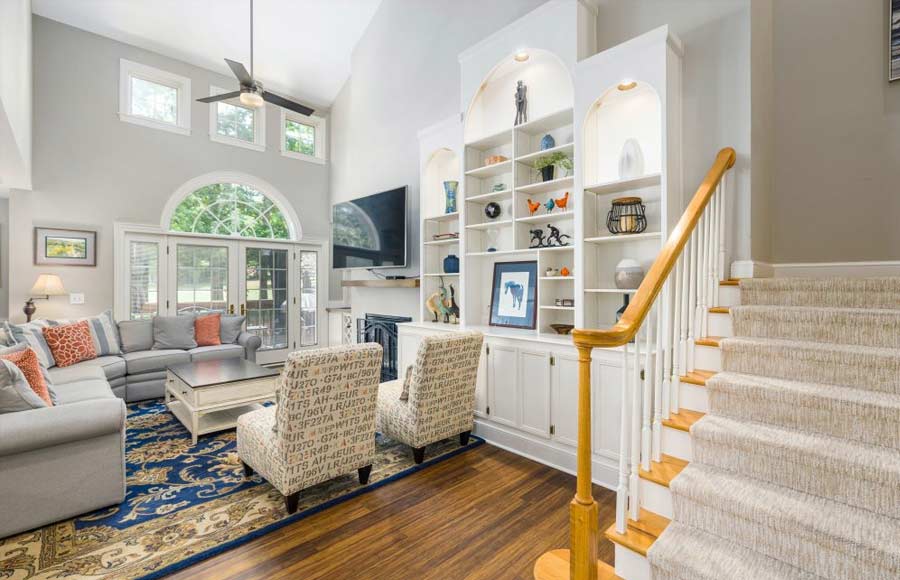
Should you carpet your stairs? This is a common question for many homeowners during renovations. Carpeting can enhance your home’s design and reduce the risk of accidents, but others argue it may not be as safe as it seems or could clash with your interior style.
In this article, we’ll examine the pros and cons of stair carpeting and help you weigh functionality, aesthetics, and safety to make the best choice for your home.
Why Consider Carpeting Stairs?
Carpeting stairs isn’t just a design choice—it’s a practical investment. Stairs are high-traffic areas in any home, and choosing the right material can impact safety, sound, and even energy efficiency. Whether you’re considering a custom carpet to match your unique home style or exploring standard options, carpeting can transform the visual appeal of your staircase, adding texture, color, and warmth to an otherwise utilitarian feature.
However, this decision is not one-size-fits-all. Below, we’ll break down the benefits and drawbacks to help you make an informed choice.
Benefits of Carpeting Your Stairs
Enhanced Aesthetics
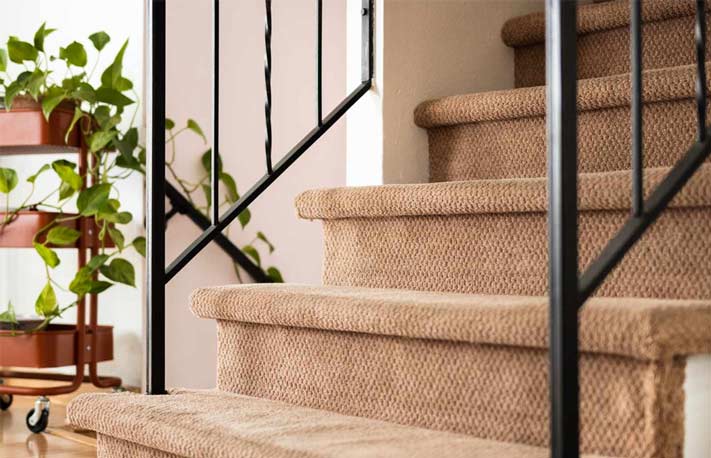
Carpets add an element of sophistication and warmth to your home. They can soften the harsh lines of a staircase and make it feel more inviting. Whether you prefer neutral tones or bold patterns, carpets offer endless design possibilities. They’re also excellent for concealing scratches, dents, or other signs of wear and tear on older stairs.
Improved Safety
Stairs are a common area for household accidents, especially slips and falls. Carpets increase traction, reduce the chance of slipping, and provide cushioning if someone falls. For families with toddlers or seniors, this safety aspect is particularly appealing.
Increased Comfort
There’s no denying the comfort of stepping onto a plush carpet compared to a cold, hard surface. Carpeting adds a cozy feel, making your home more enjoyable, especially during colder months when it acts as an insulator.
Noise Reduction
If you live in a multi-level home, you’ve likely experienced the thundering sound of footsteps on bare stairs. Carpet significantly dampens noise, creating a quieter and more peaceful living environment.
Thermal Benefits
Carpeted stairs can contribute to energy efficiency by trapping heat in colder climates. This can help reduce heating costs during the winter, making it a practical choice for homes in colder regions.
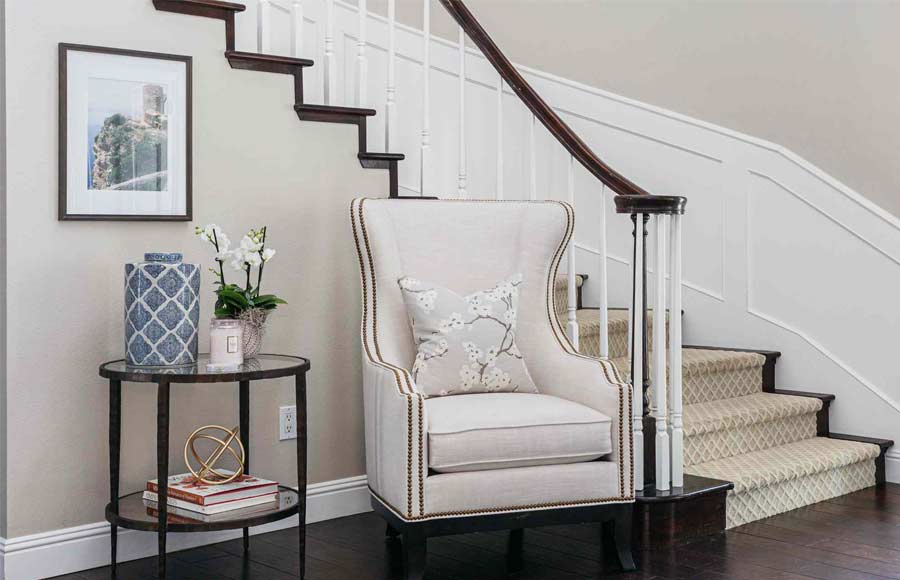
Drawbacks of Carpeting Your Stairs
Maintenance Challenges
Carpets tend to trap dirt, dust, and allergens, which can pose challenges for cleaning. High-traffic areas like stairs are especially prone to wear and tear, meaning regular vacuuming and occasional deep cleaning are necessary. Spills or stains can also be harder to address compared to bare surfaces.
Safety Concerns
While carpets generally improve safety, improper installation can lead to issues. For example, a poorly secured carpet may bunch up or create uneven surfaces that pose tripping hazards. Additionally, some argue that the curved edges created by carpets can affect footing and depth perception.
Cost Considerations
Carpeting isn’t always cheap. The material itself, combined with professional installation fees, can add up. If you’re working with Custom Home Builders, they can often recommend cost-efficient yet high-quality options to complement your staircase design. DIY installation is also possible but requires precision to avoid long-term issues.
Aesthetic Limitations
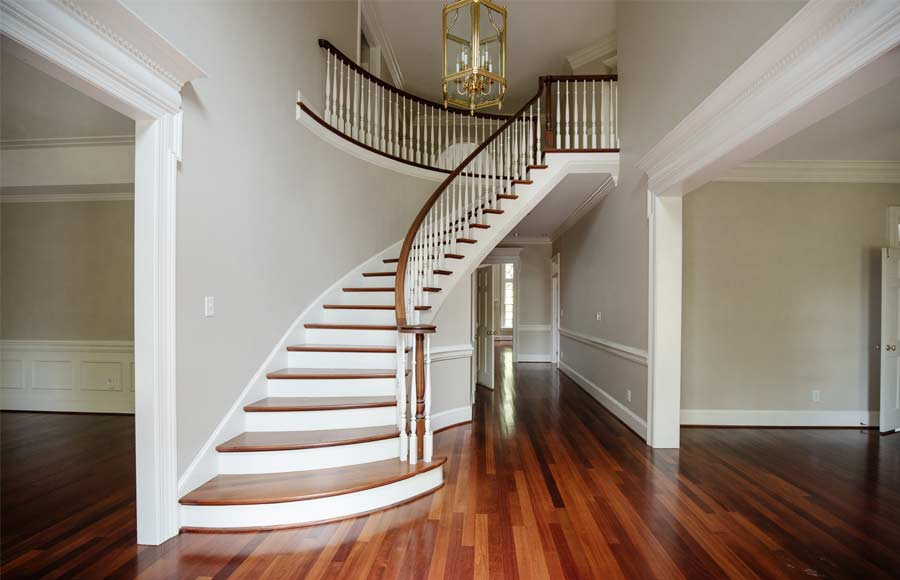
Carpeting isn’t always the best match for modern or minimalist designs. If your staircase is made from high-quality wood or features intricate craftsmanship, covering it with carpet might detract from its natural beauty.
Factors to Consider When Deciding Carpeting Stairs
Knowing the pros and cons of carpeting your stairs, all you need to do now is to look at the conditions that your stairs may be subjected to over the years. You need to find the balance between practicality and design.
Lifestyle
When you live with children or elderly people who have higher fall risks, it might be the wiser choice to carpet your stairs to ensure their safety. Also, children are bound to run up and down the stairs a lot, so the sound absorption qualities of a carpet would be especially useful.
It’s not as straightforward as this, though. Kids tend to be more likely to spill liquids, so keep that in mind when you’re carpeting anywhere in your home. Also, you’d want to pay attention to anyone with allergies or asthma, as carpets tend to trap a lot of dust.
Budget
Carpets might mean some extra cost for you, so if you’re on a really tight budget, it’s better not to bother with them. That doesn’t mean that they’re not worth the cost, though. Most quality carpets can last for decades if they’re not misused. And if you don’t want to pay the workmanship fees, you will even be able to install them yourself.
Home Design
If your stairs are getting worn out, or they don’t look satisfying to you, then adding a carpet is a sure way to beautify things. Sometimes, though, you may want to show off the craftsmanship of your staircase.
Also, look at whether or not adding a carpet is going to enhance the overall design and feel of your home. Simply adding a carpet can increase the level of coziness of your environment.
Climate
Generally, carpets are ideal for colder climates, as they have insulating properties. If you live somewhere that’s constantly warm.
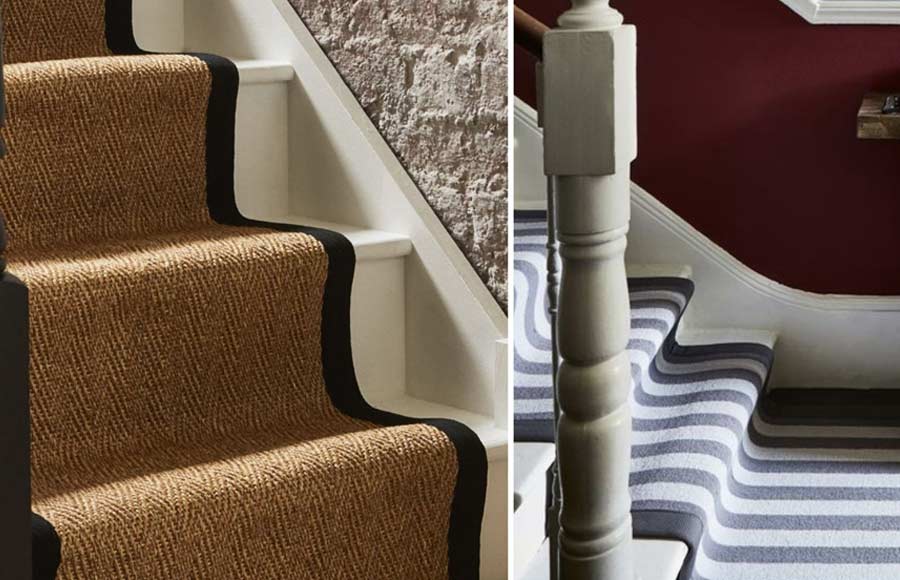
Alternatives to Full Carpeting
If full carpeting feels like too much, consider these alternatives that provide some of the benefits without the drawbacks:
Carpet Runners
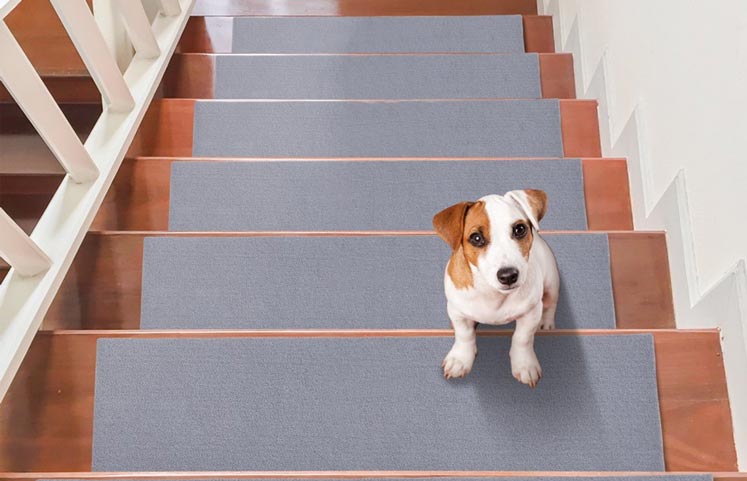
Carpet runners are narrow strips that cover only the middle of each step, leaving the edges exposed. They combine the safety and comfort of carpeting with the ability to showcase the material beneath, such as hardwood or tile.
Non-Slip Treads
These are individual pads or strips that adhere to each step. They’re easy to install, cost-effective, and simple to clean, making them a practical choice for busy households.
Stair Railing Pads or Edging
For a subtle touch, consider adding padding to stair railings or edges for safety and design enhancement. These options maintain a minimalist look while addressing functional needs.
Conclusion
Carpeting your stairs is a decision that involves balancing aesthetics, functionality, and personal preference. Here’s a quick recap:
| Pros | Cons |
| Adds warmth and comfort | Requires regular cleaning |
| Improves safety and reduces falls | Can increase slipping risks if poorly installed |
| Reduces noise from footsteps | May not suit all design styles |
| Offers thermal insulation | Installation and maintenance costs |
| Hides imperfections on worn stairs | May hide the natural beauty of materials |
If you value safety, comfort, and sound reduction, carpeting might be the way to go. However, if you’re more concerned with ease of maintenance or showcasing your staircase’s craftsmanship, alternatives like runners or non-slip treads are worth considering.
For the best results, consult a professional to assess your home’s specific needs and explore a range of materials and styles. With the right approach, your stairs can be both functional and stylish.
For tailored advice and high-quality solutions, consider reaching out to GeorgeSolution. Our team of experts can guide you through the process, helping you select the perfect materials and styles to match your home’s unique needs. Submit an inquiry today to take the first step toward creating a safe and stylish staircase.
Read More:
Kitchen Cabinet Materials Comparison: Solid Wood vs. Composite – George Solution
Designer Picks: 9 Popular Tiny Bathroom Color Schemes – George Solution
5 Must-Have Upgrades for Small Hotel Bathrooms – George Solution
17 Restaurant Decor Ideas to Help Grow Your Business – George Solution
Polished Tiles VS Glazed Tiles: What is the Key Difference ? – George Solution
Ceramic Tiles VS Vitrified Tiles: Exploring the Key Differences – George Solution