

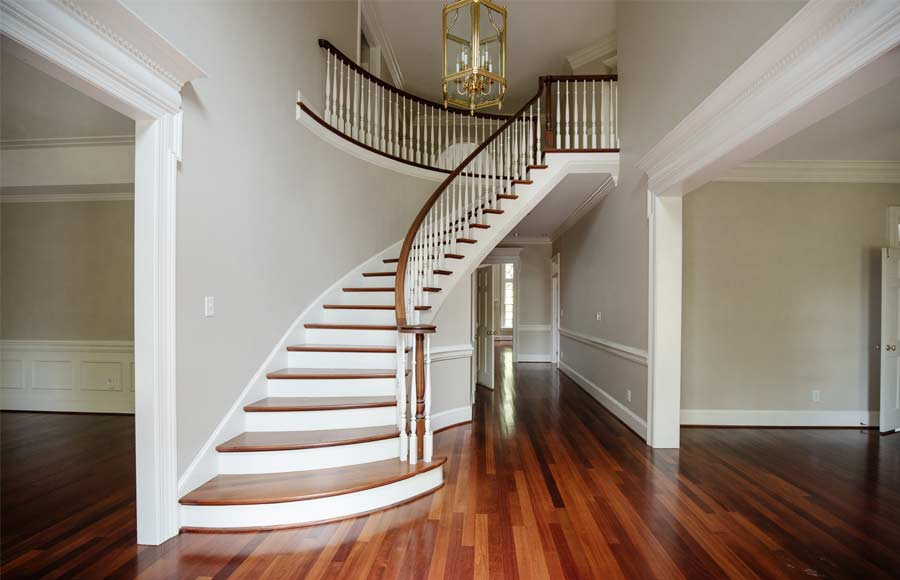
Approximately 70 million homes in the United States feature stairs, making them a critical structural component. Despite their frequent use, stairs are often overlooked in routine maintenance and safety checks. Issues like steep designs or inadequate lighting can lead to significant safety risks, particularly for children and the elderly. Regular inspections are essential to identify and address potential hazards, ensuring safety and preventing accidents. Here’s what to look for when inspecting stairs.
Structural Integrity Check for Stairs
Here are some structural inspections you can carry out on your staircase.
Materials
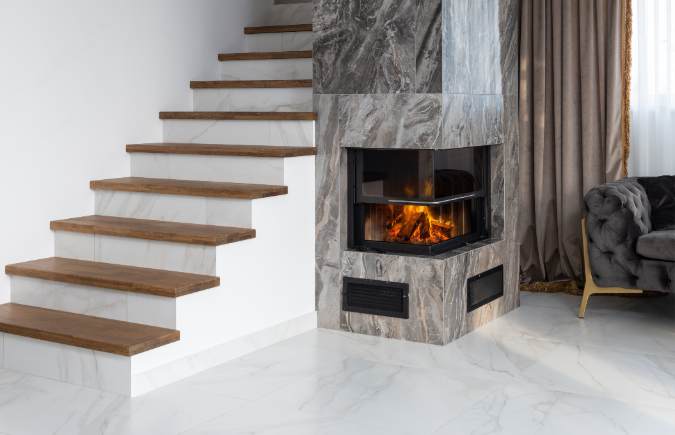
The foundation of any staircase is the material it was made out of. Most staircases are usually wood, concrete or even metal. If you have wooden stairs, check for cracks, splinters, signs of rot, and the like. Concrete stairs shouldn’t have cracks, chips or flaking. While metal stairs shouldn’t show signs of corrosion that can weaken their stability over time. If you notice any of these signs, then your first step is to get them fixed.
Treads and Risers
Treads are the horizontal part of the stairs you step on, while risers are the vertical pieces between stairs. These should be inspected for wear or instability because if nails or screws come undone, they become accidents waiting to happen.
We can all remember the Big Bang Theory episode where Sheldon shared the interesting fact that a 2-millimeter difference in staircase height can cause people to trip. This is because the human brain assumes all the risers are of equal height and any deviations become an anomaly.
As extreme as a difference of 2mm is, it will cause trips, but many cities allow a deviation of ⅜ of an inch, which is about 9.5mm.
If you notice your home occupants constantly tripping on a particular stair. Pull out that ruler and get to measuring, it might make all the difference.
To further test for stability, apply light pressure to each tread and see if it wobbles. If it does, you might have to reinforce it.
Loose Stairs
This is the most obvious indicator of a defective staircase and it’s fairly easy to spot. If a step wobbles or feels loose when you walk on it, this issue can be caused by weakened fasteners or rotted wood. Over time, these issues can worsen and lead to a higher risk of accidents.
If it’s not obvious when you step on it, you can inspect it carefully by pressing on each step from different angles. If you feel any movement, you’ll need to tighten or replace screws or consult a professional.
Your Guide to Handrails of Stairs Check
Handrails and guardrails provide necessary staircase support especially for the elderly. They provide something to lean on as people navigate stairs. You need to check that they’re firmly attached to the wall or posts. Wobbly handrails can fail under pressure and increase the risk of accidents.
Here’s how to check your handrails. Grip your rails firmly and apply moderate force in all directions. If there’s any movement, check the mounting brackets for any signs of wear or improper installations.
Proper Handrail Height
Depending on where you live, there are building codes that determine minimum handrail height. But the average recommended height is between 34 and 38 inches above the tread. You can use a measuring tape to check if your handrail meets this standard. Be ready to adjust it if the rails are too high or too low as improper heights can not only cause accidents but can fail building inspections too.
Gaps
The gap between your guardrail balusters also needs to be checked, especially when you have kids or pets at home. For context, the balusters are the spindles lining staircase guardrails. You need to ensure they’re not wide enough to pose a safety hazard.
A general rule of thumb is that the openings should be small enough to prevent a 4-inch sphere from passing through. This is roughly the size of a child’s head. Larger sizes increase the risk of children falling through entirely of getting stuck in the gaps.
So if your guardrails have extra wide openings, you should replace them entirely or consider adding additional balusters for extra safety.
Surface Safety
Now that we’ve addressed most of the structural concerns you need to watch out for in your staircase, here are some surface safety precautions to finish your inspection.
Non Slip Features
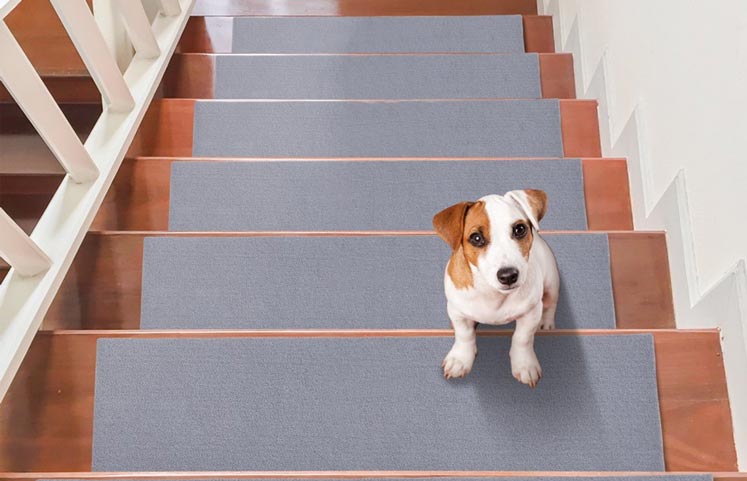
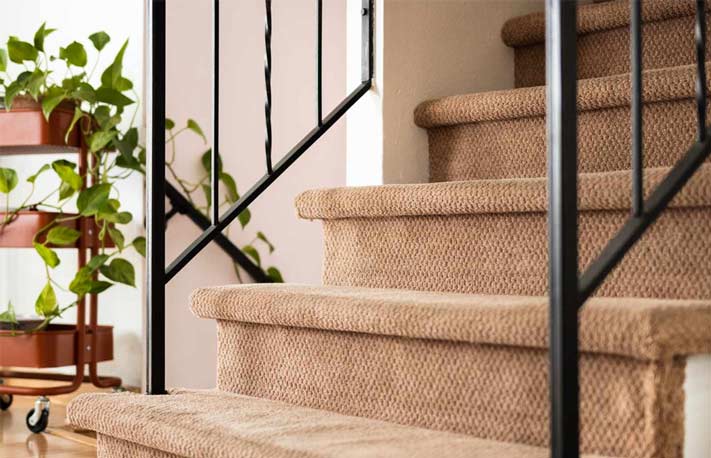
Slipping is by far the most common cause of staircase accidents, especially on smooth surfaces. To prevent this, you need to check that your staircase has nonslip features like adhesive treads or textured carpets.
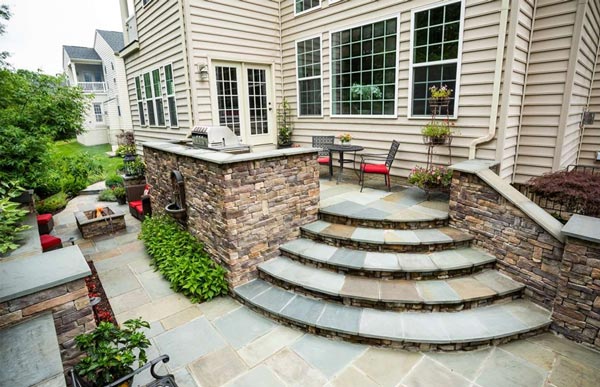
On outdoor staircases, check for weather-resistant materials that prevent slipping in wet conditions. If your stairs lack any of these features that can help with traction, all is not lost. You can install anti-slip strips or apply a non-slip coating to reduce the risk of accidents.
Surface Damage
Damage to the surface of your stairs like cracks, splinters, or uneven finishes can cause tripping hazards. If you use wooden stairs, splinters or warps, you can catch shoes and bare feet and cause trips. Metal stairs can have sharp edges or corrosion that do this too.
If you notice this in wooden stairs, sanding can salvage your stairs. If it’s extreme, you’d have to replace the entire thing.
Cleanliness
A safe staircase is a clear one. Shoes, toys, and obstructive decor have no business being on the staircase as they can lead to falls. Additionally, dirt and dust can also do damage if left unchecked.
Make it a habit to keep your stairs clean of clutter. Sweeping and mopping regularly is a short-term activity that has tremendous long-term benefits.
And don’t forget proper lighting, a well lit staircase can help you spot danger faster!
Wrapping Up
Now you know what to look for when it comes to inspecting a staircase. Start with general structural integrity then move to individual parts like the handrails and treads. Remember, keeping your stairs in tip top shape can save you thousands in hospital bills so don’t neglect it.
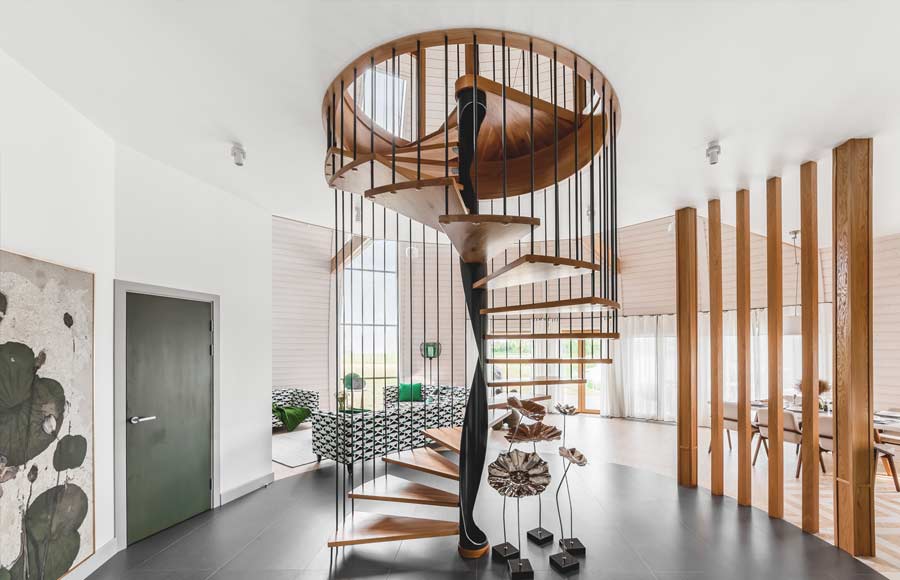
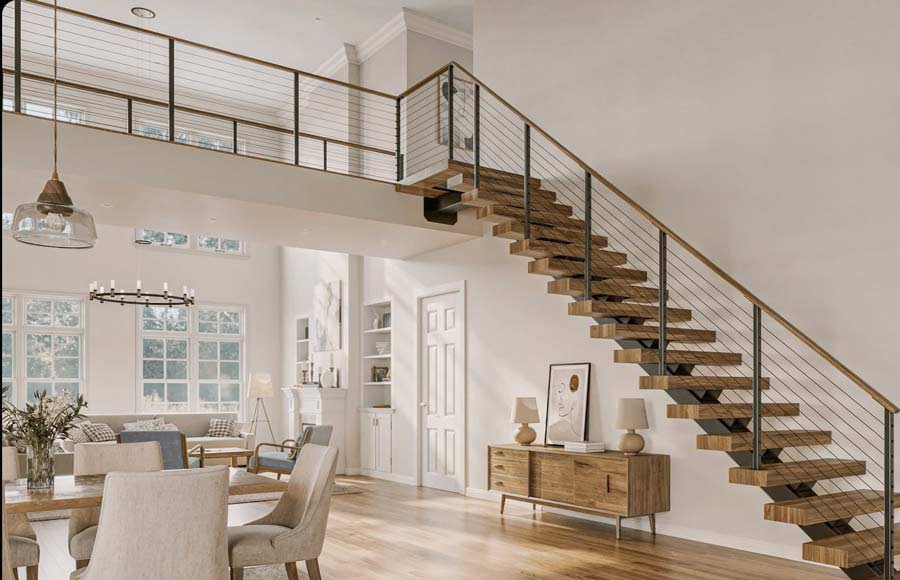
If you want a curved staircase, spiral staircase or floating staircase that meets all these requirements, contact GeorgeSolution for more staircase solutions!
Read More:
Top 5 Space-Saving Staircase Designs – George Solution
Staircase Design Battle: Glass vs Wooden – George Solution
Designer Picks: 9 Popular Tiny Bathroom Color Schemes – George Solution
5 Must-Have Upgrades for Small Hotel Bathrooms – George Solution
Kitchen Cabinet Materials Comparison: Solid Wood vs. Composite – George Solution
17 Restaurant Decor Ideas to Help Grow Your Business – George Solution